The Netherlands
We visited the Netherlands three times during our Radical Sabbatical because it was the best hub for parts of Europe and especially our Tanzania leg. This meant we could drop off our backpacking gear at a storage unit instead of lugging them around Europe for the next two months and forking over $120 to check the monsters every time we boarded a plane.
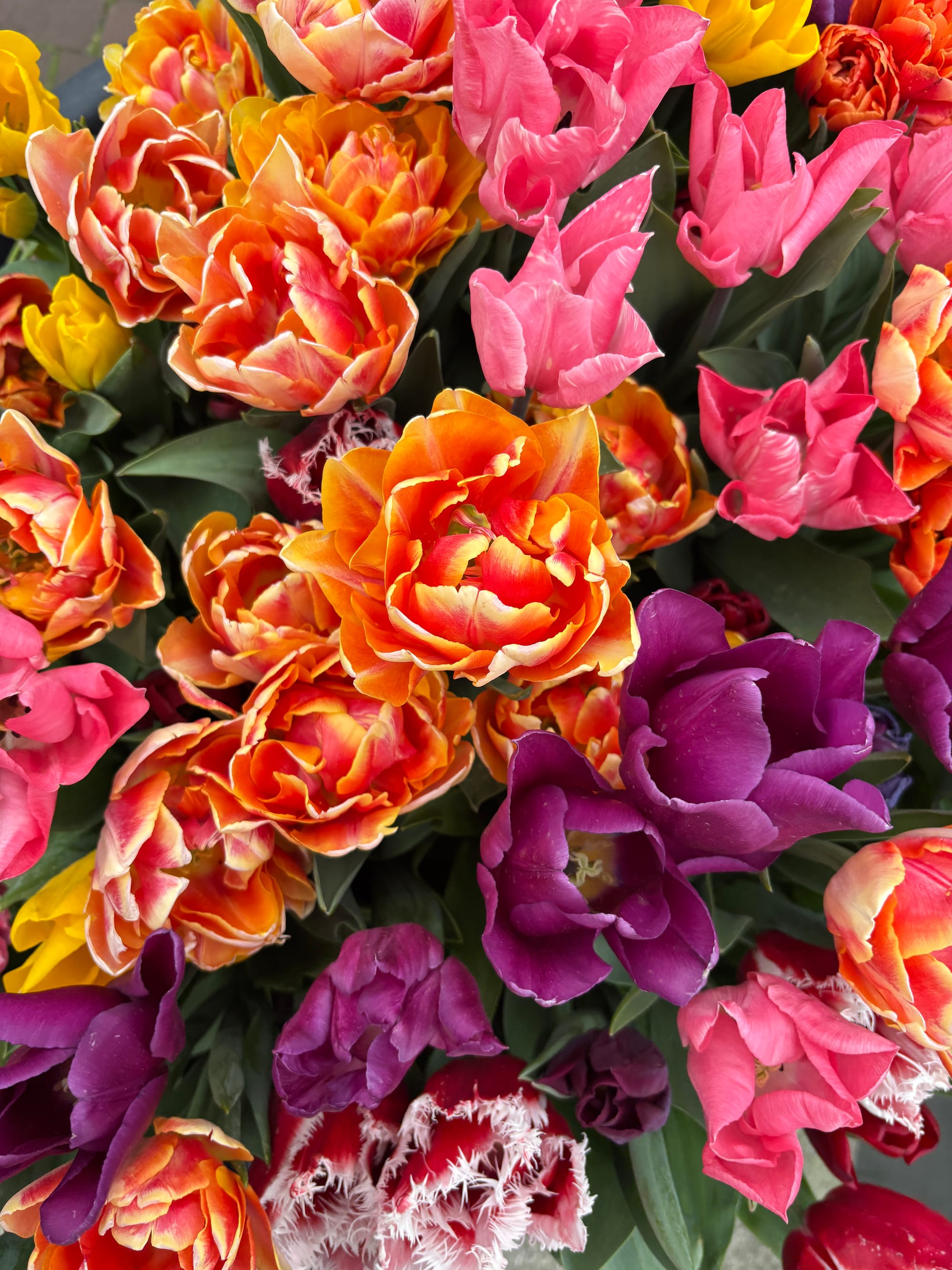
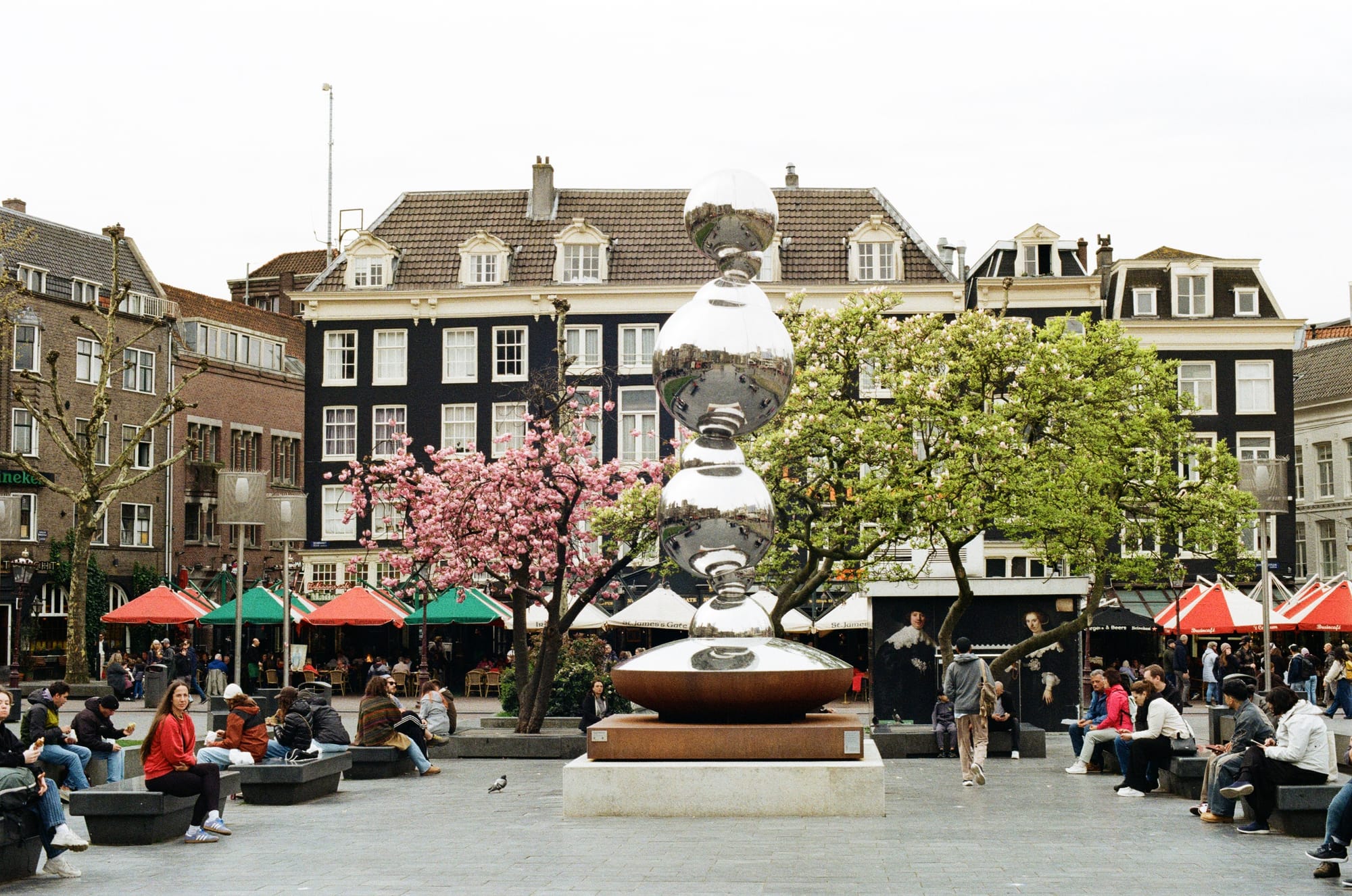
We first visited The Netherlands in April when we landed in Amsterdam from Spain. We dropped our bags at a storage locker and were elated to be free of them. The stroopwafel and pannekoeken were plentiful, the tulips were in full bloom, and just about every Dutchman had found a seat at an outdoor cafe for the first snap of nice weather.
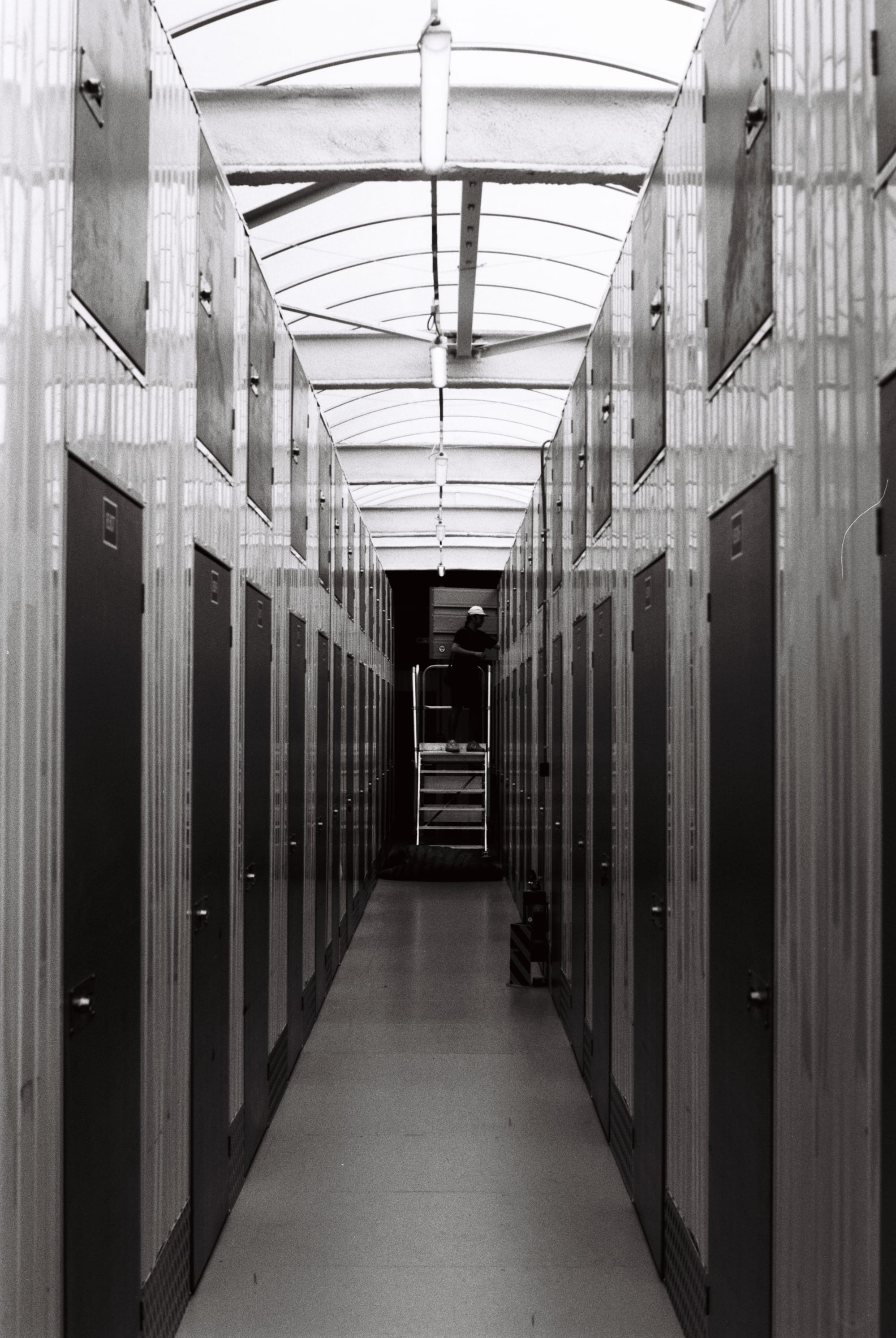
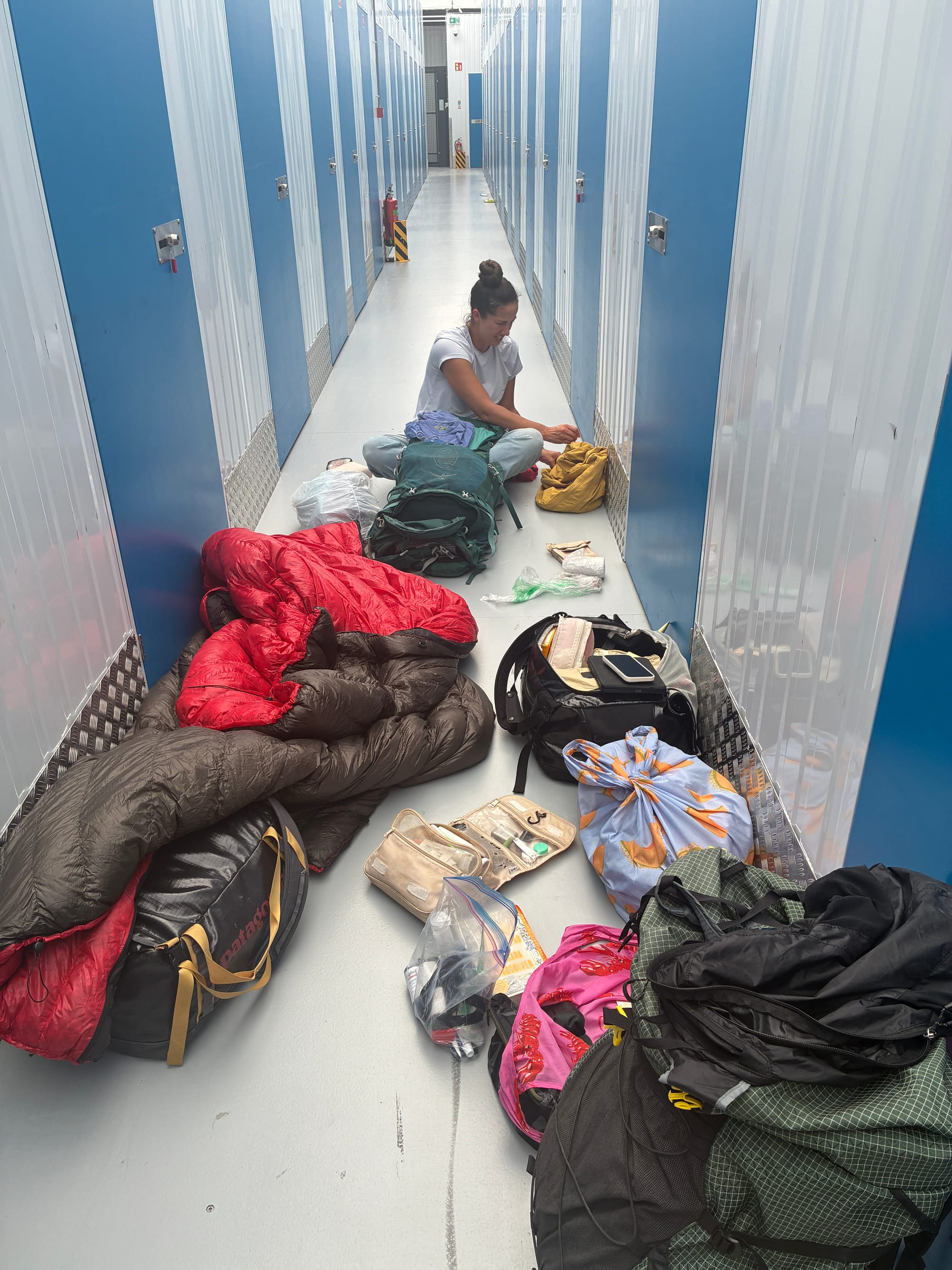
The Amsterdam storage unit
We visited the Van Gogh museum with our one day in the city. Van Gogh had written letters to his brother throughout his career about how to market and sell his paintings but sadly took his life in relative obscurity. It was painful to wander through his masterpieces with the realization he never had the satisfaction of knowing his work would one day fill an eponymous museum. We overheard a guide say that Van Gogh always used blue with yellow in his paintings. Armed with this secret, we noticed the intense contrast running throughout almost every piece- like a wink across a crowded room. The next morning we took the Eurostar train to Paris.
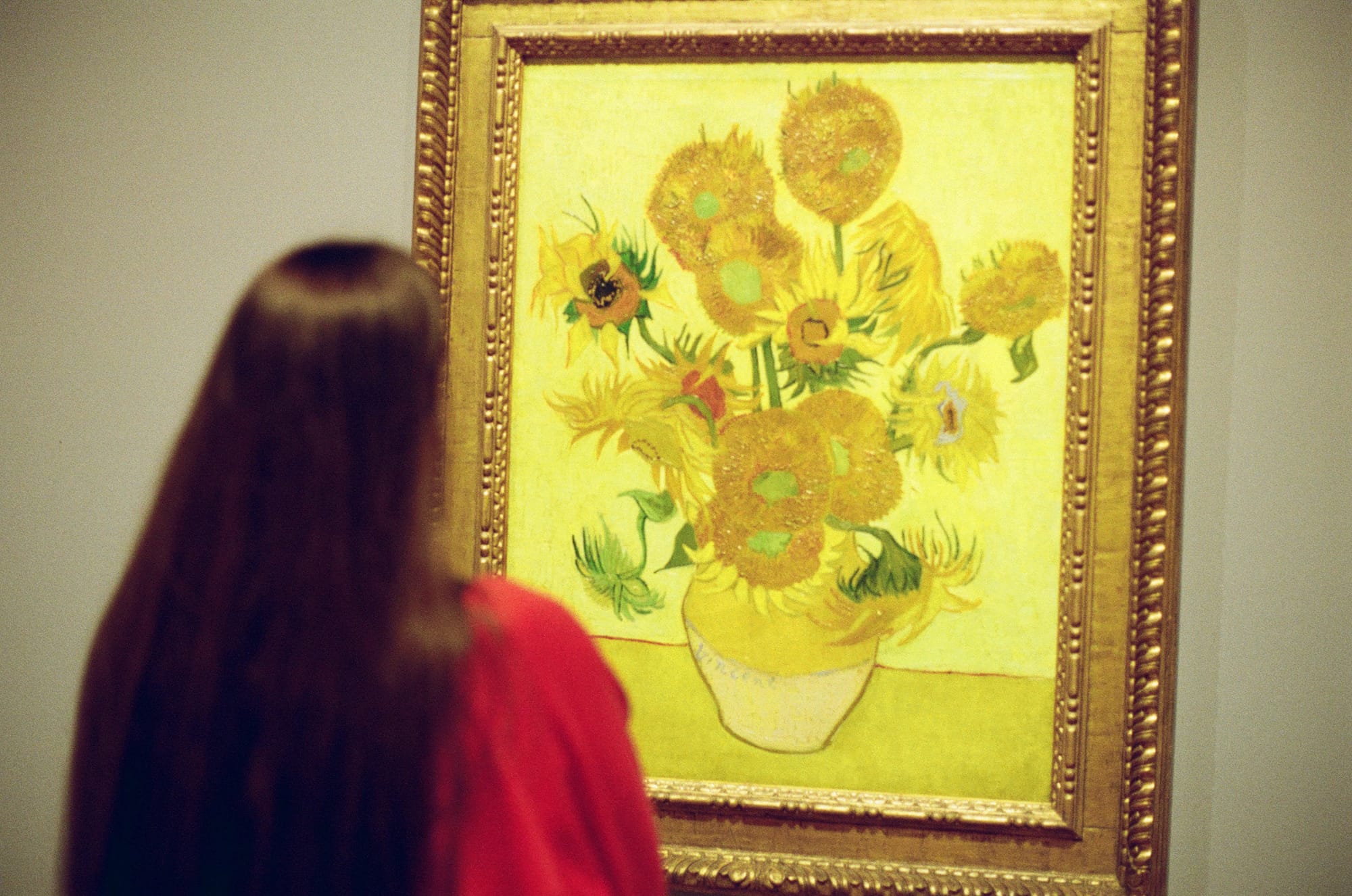
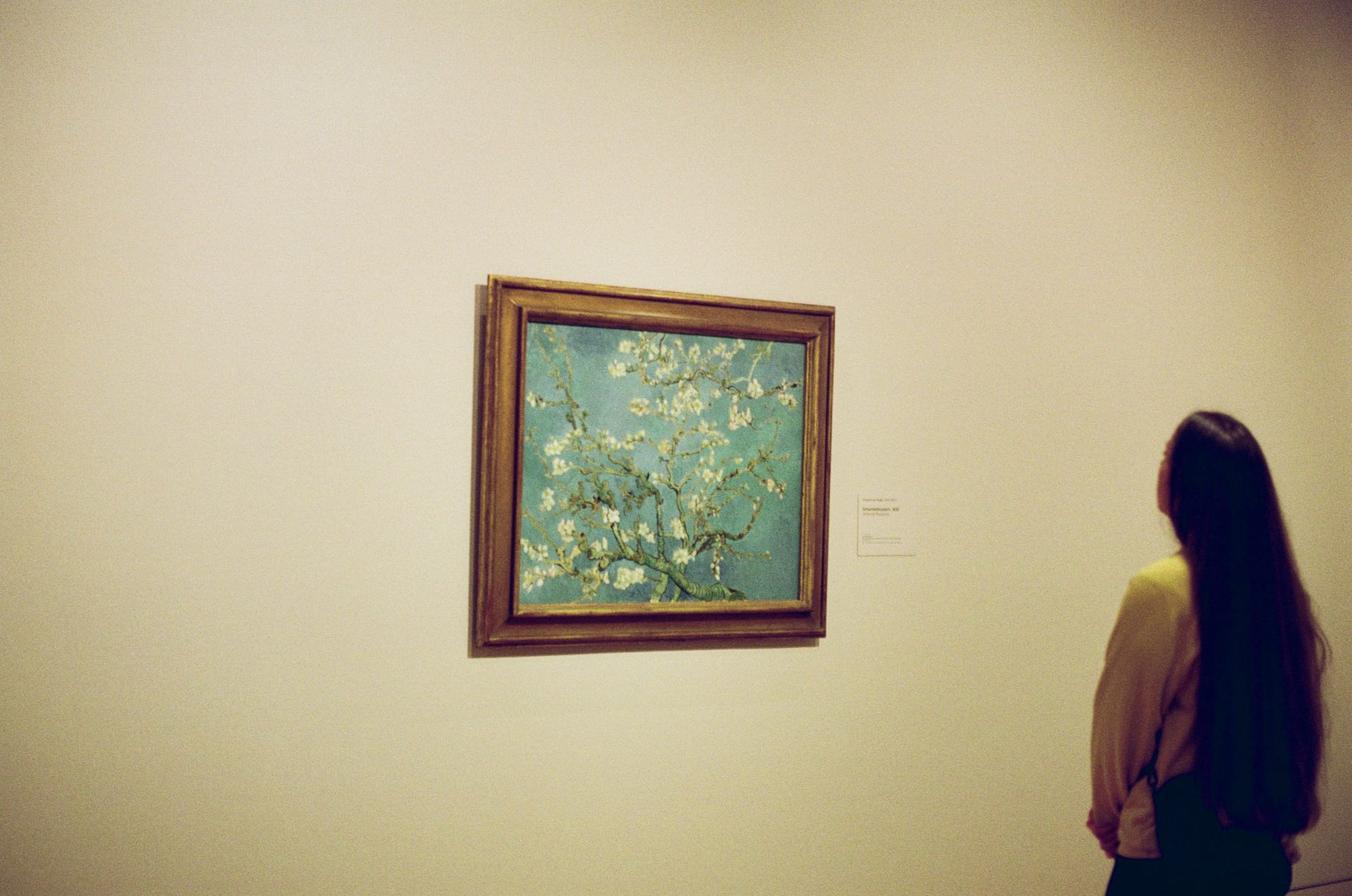
"Sunflowers" and "Almond Blossoms" by Van Gogh
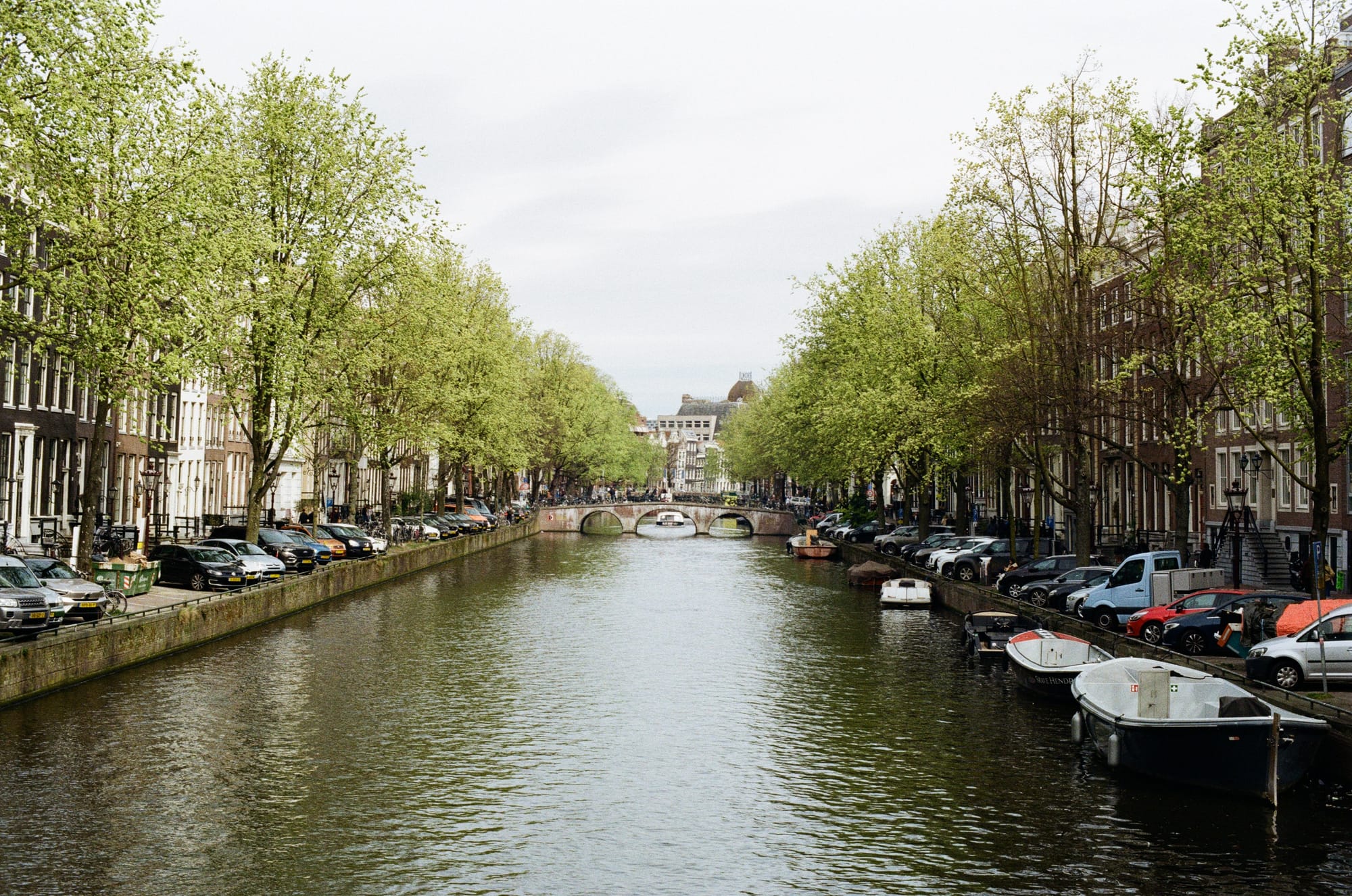
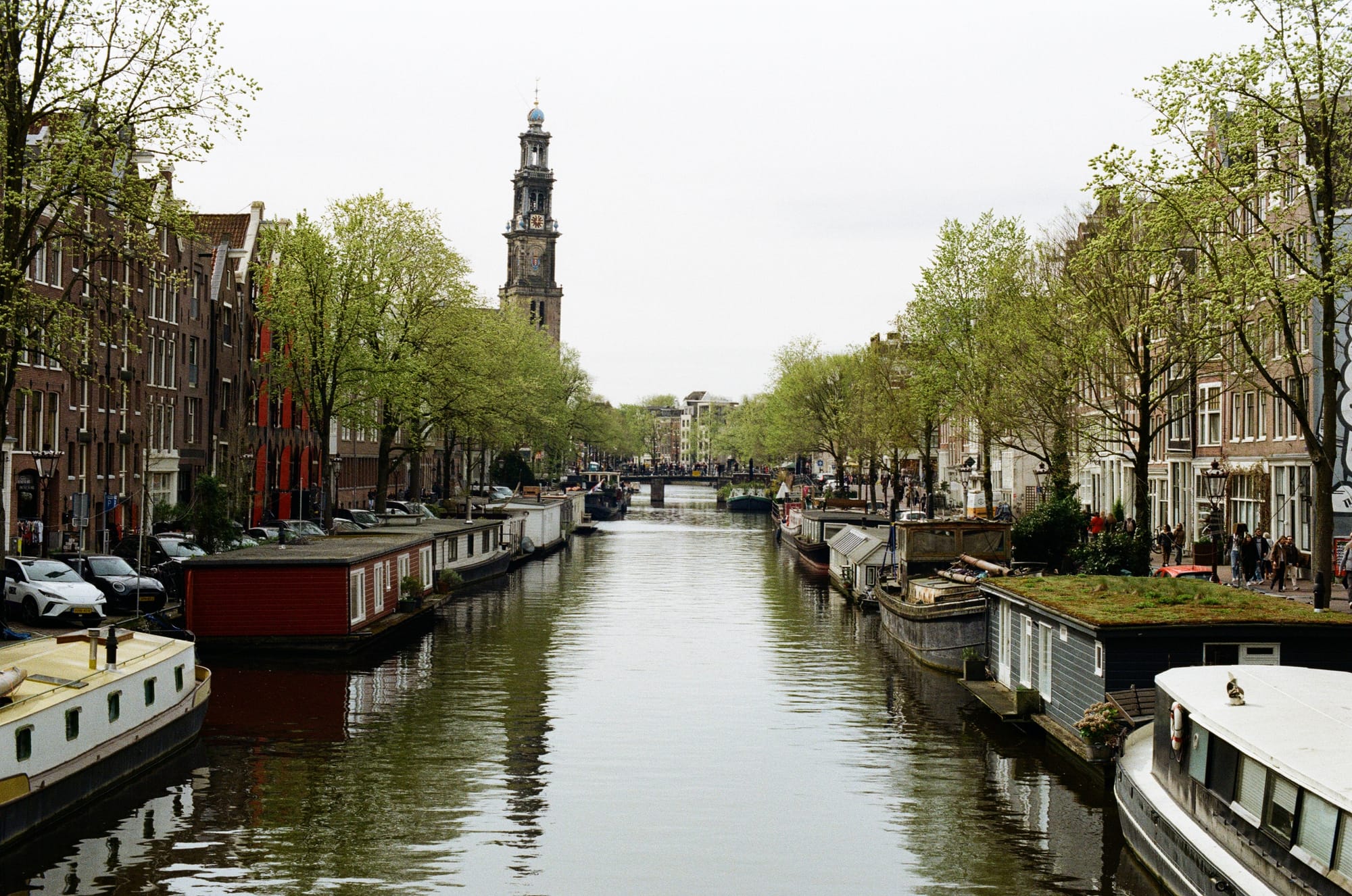
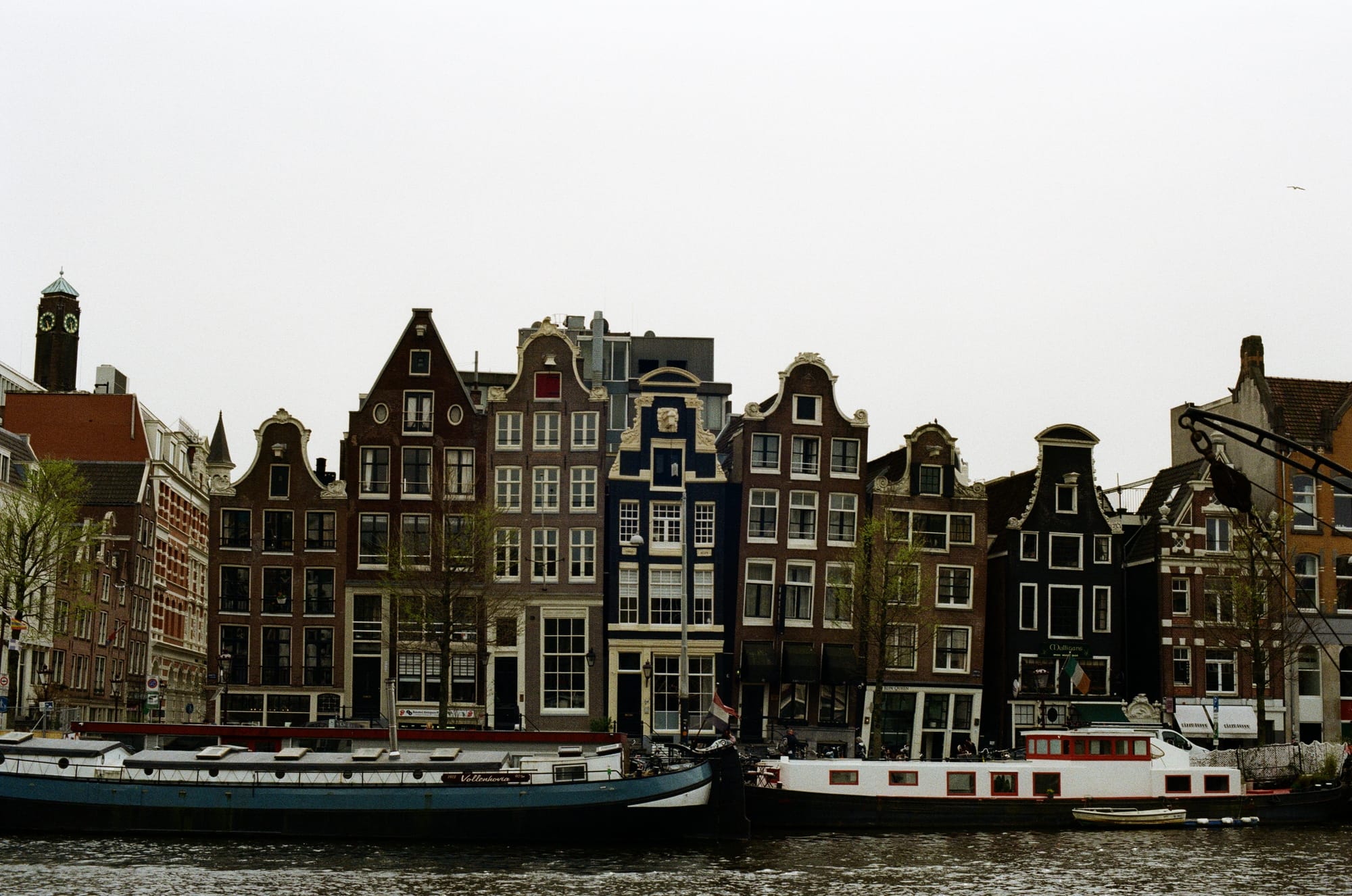
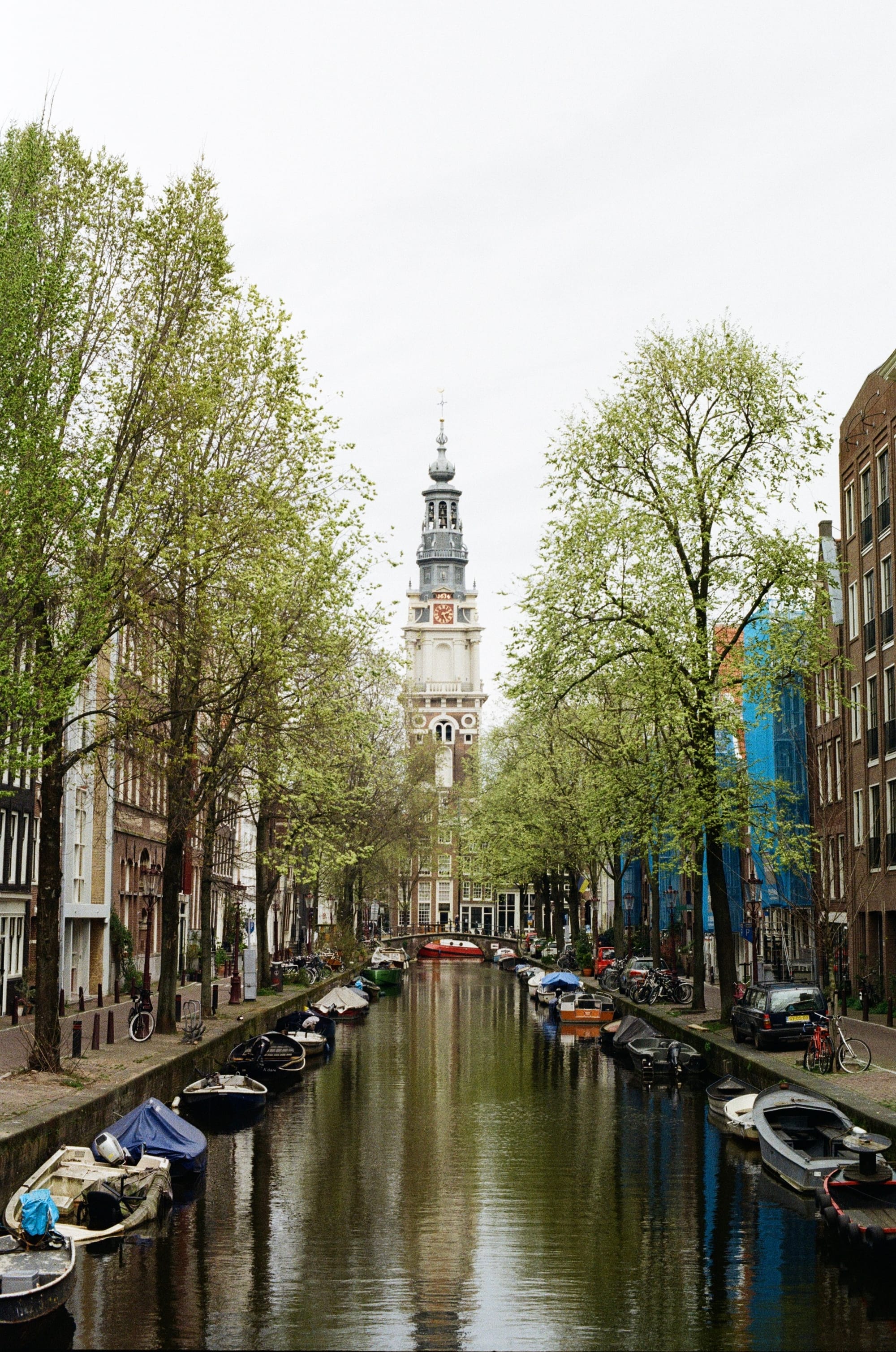
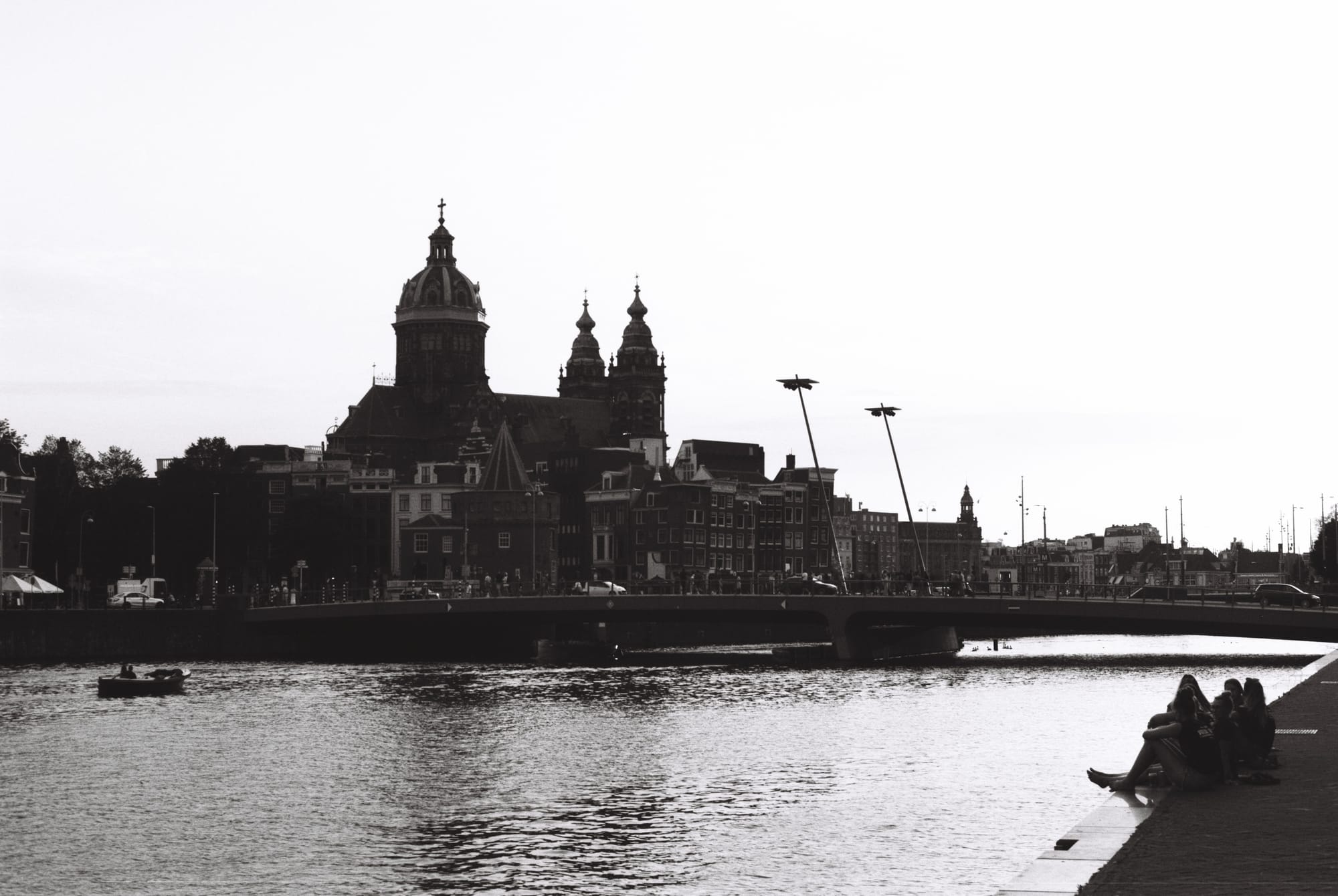
Canals of Amsterdam
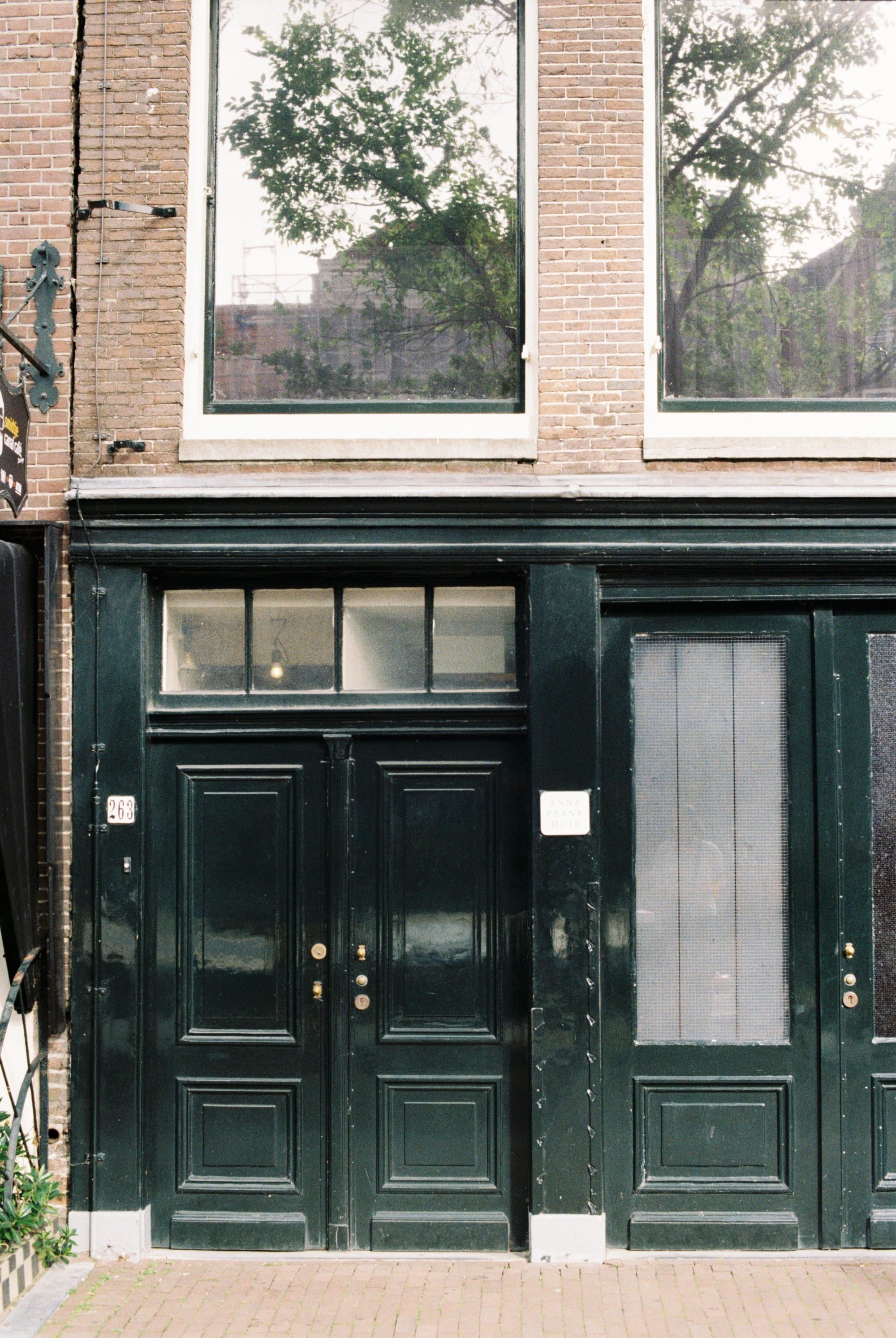
We arrived in The Netherlands again in June from Greece. This was also a very short visit with just one full day that was planned in case of flight delays or cancellations prior to our Tanzania leg. We were able to go to the Anne Frank Museum and walk through the secret annex. As you can imagine, this was a very heavy but incredible visit. Anne Frank had dreams of being an author, with excerpts of her journal on the museum’s wall reading, “Will I ever be able to write anything great? Will I ever become a journalist or a writer?" She died anonymously in a concentration camp before her writing became published worldwide. It was another tragic museum dedicated to a Dutch artist who only became recognized for their work and impact on the world posthumously.
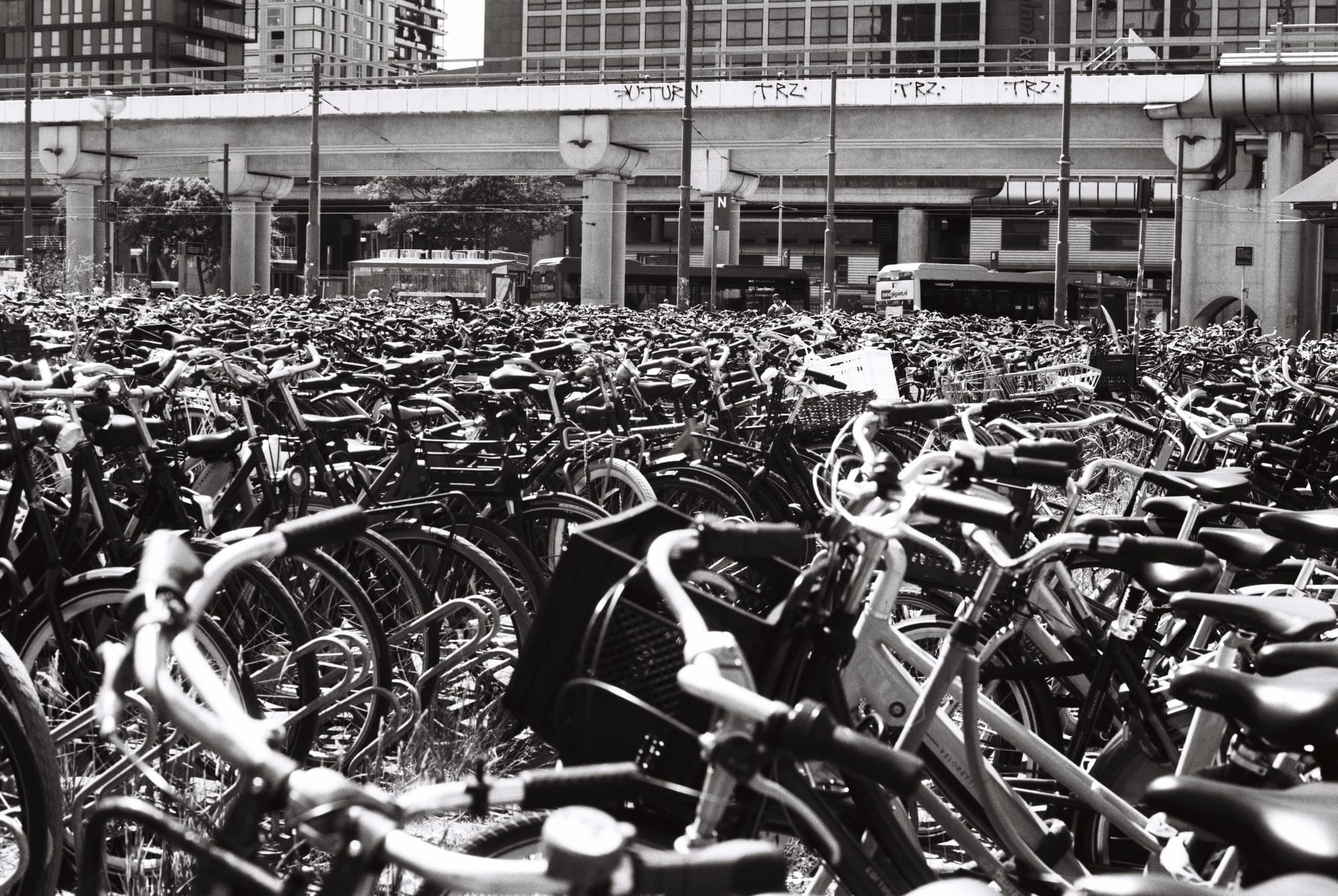
Our third trip to The Netherlands unfortunately started with misery and panic. When we arrived at Schiphol Airport in Amsterdam from Tanzania we were informed by the border control agent that we had been in the Schengen Region for 72 of the 90 allowed days in a 180-day window.
What is Schengen, you ask? Great question! Prior to this chaos, we had no idea. The Schengen Agreement was signed in 1985 by several European countries to eliminate border crossing enforcement so that citizens of those countries could move freely across borders. Over the next decade, 29 countries both inside and outside of the EU joined the Schengen zone. Therefore, each of the countries within Schengen is not considered to be their own country for immigration purposes. So, our time in Spain, France, Italy, Croatia, and Greece all counted toward the same 90-day limit and our jaunt to Africa did not restart our clock in the Schengen Zone.
Our problem was that we still had 85 more days of travel in Schengen countries planned in Switzerland, Norway, and Iceland but only 18 more days to legally stay. We wept and wailed and gnashed our teeth. We even visited the U.S. embassy in Amsterdam who offered no guidance or further clarity. Luckily, we had enough time to complete our planned time in Switzerland without issue and scoured Reddit to find a provision in the Norwegian immigration code that allows U.S. citizens an additional 90 days in Norway as part of a bilateral agreeement. This was quite fortuitous considering we would land in Oslo at 11:58 pm on day 90 with literally two minutes left on the 90-day-clock of our legal Schengen time. Sadly, our 6 weeks in Iceland would have to be cancelled and we began emailing every hotel, car rental, and campsite begging for an admittedly undeserved refund. The madness occurred during the biggest heat wave the Netherlands has endured in fifty years. It was 99 degrees and you already know our hotel room didn’t have air conditioning. We can safely say this was the indisputable low 0f our trip.
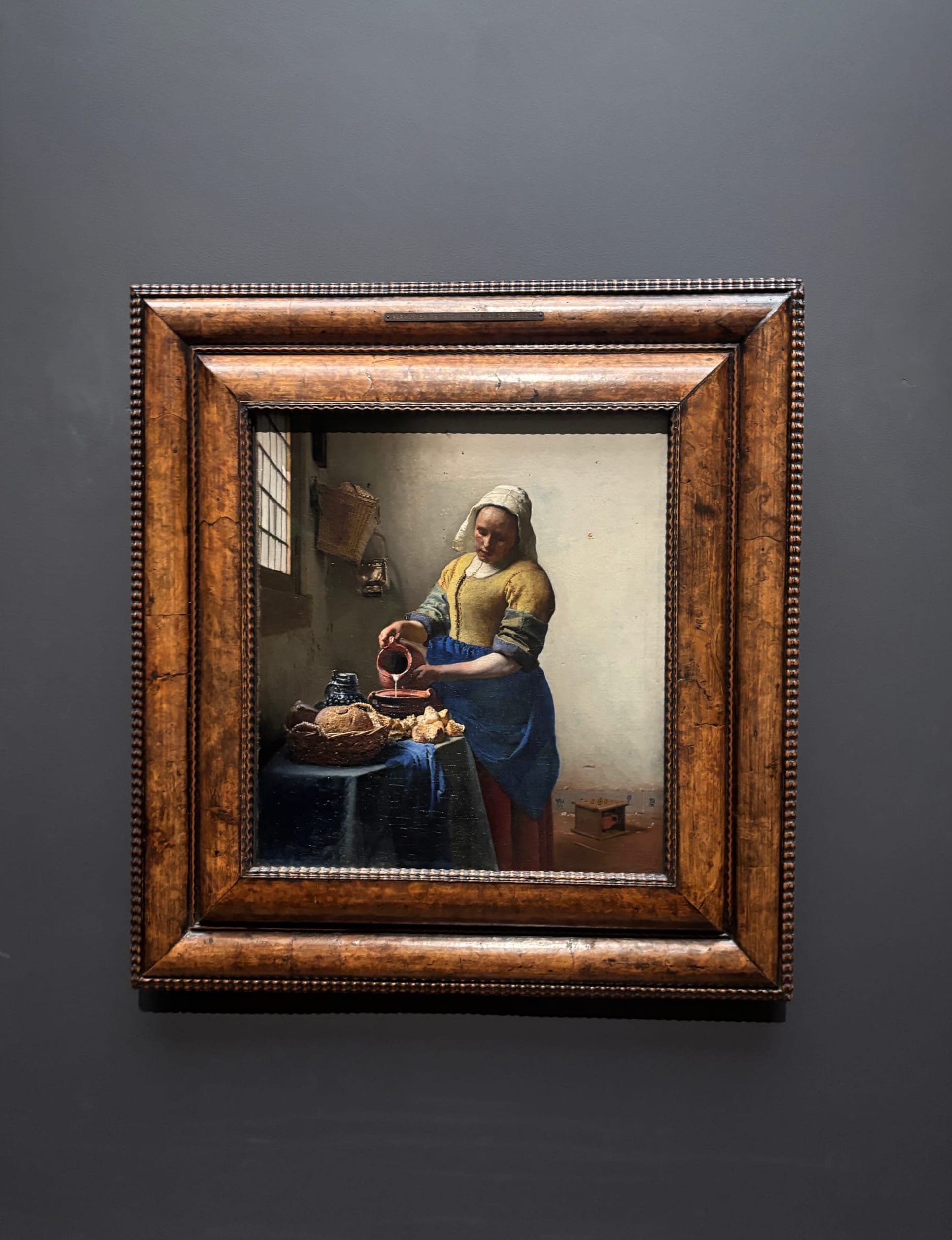
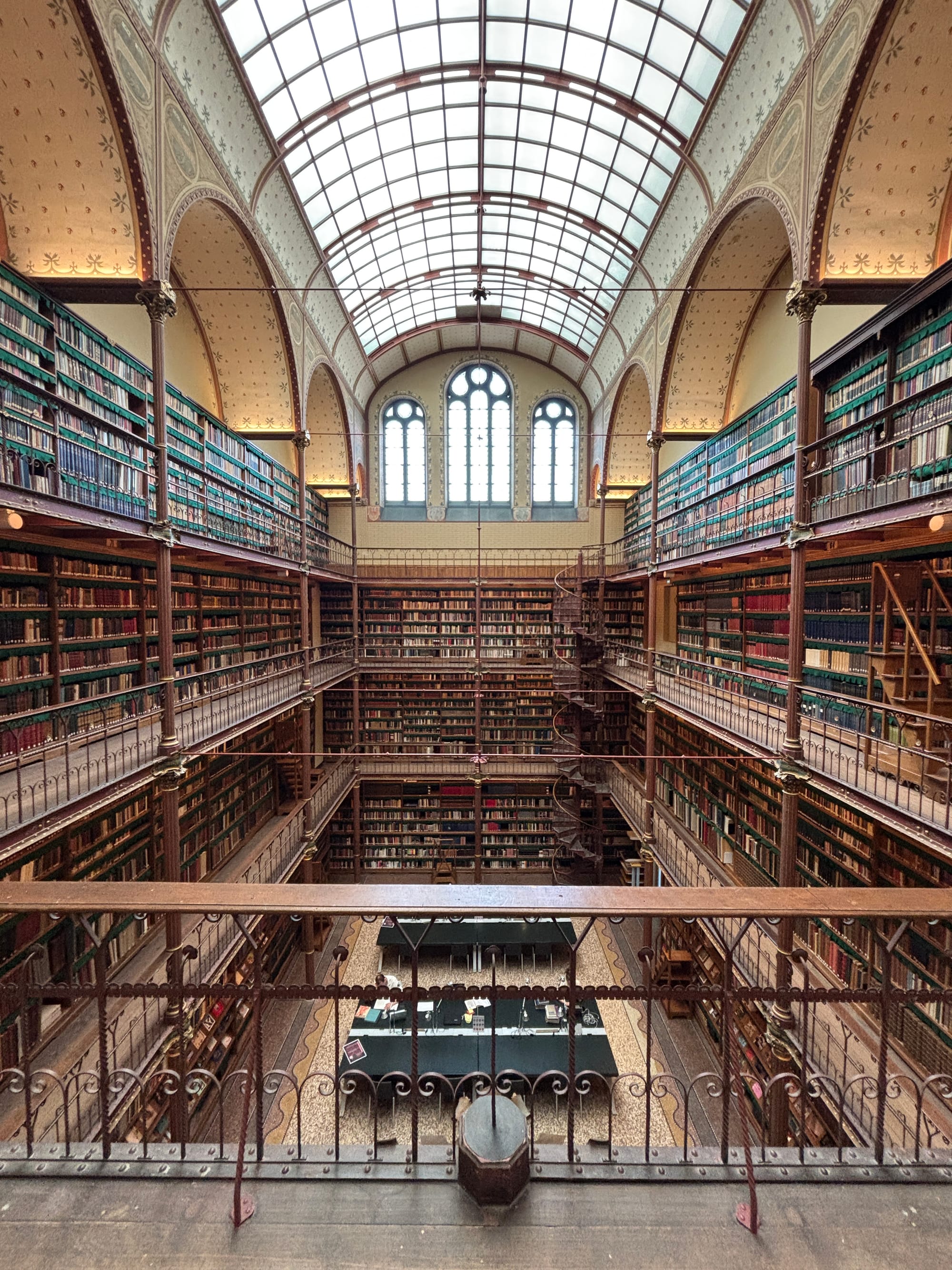
Amidst the dumpster fire of our best laid plans we took some time away from rearrangement logistics to visit the Rijksmuseum which was filled with works from the Dutch masters (and thankfully some air conditioning). We saw Rembrandt’s “The Night Watch” being refurbished and “The Milkmaid” by Vermeer.
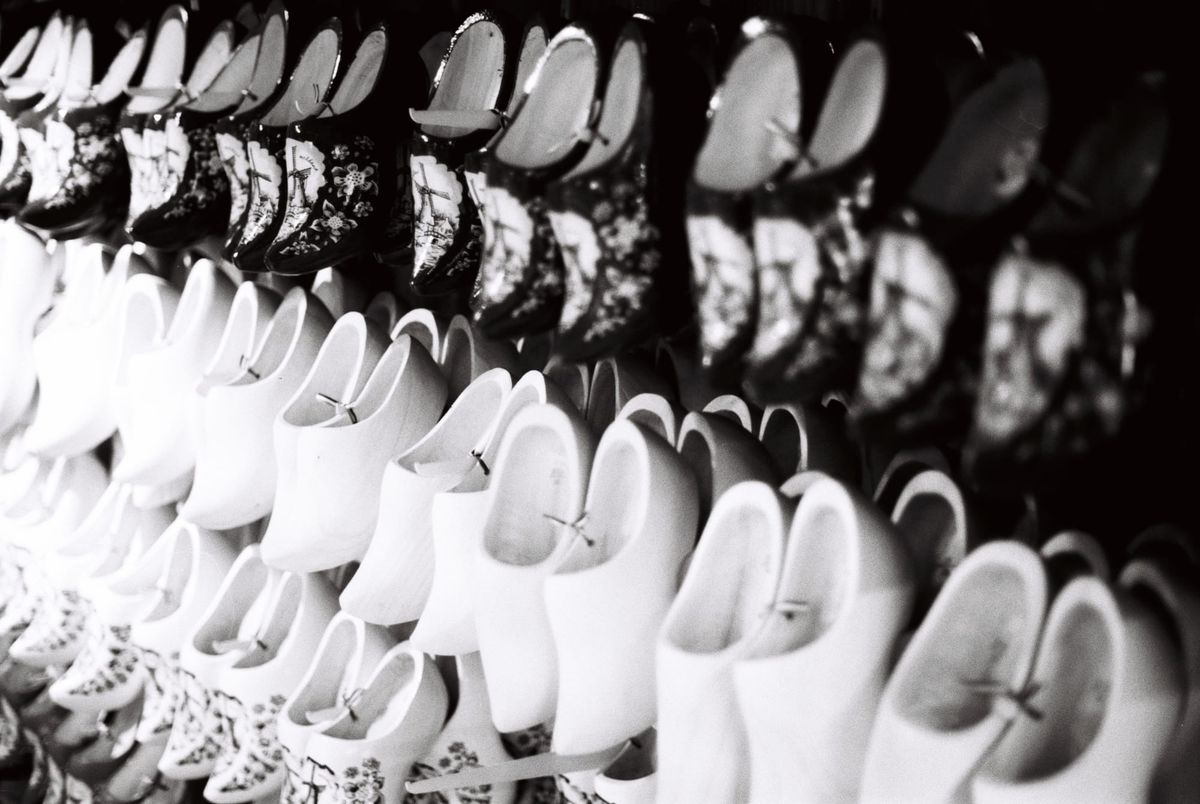
We left Amsterdam and spent two days in Monnickendam which is a historic port town to the northeast. It was a nice retreat from the chaos of the city. We really enjoyed the quiet streets and sleepy canals and we toured a local gouda and clog factory!
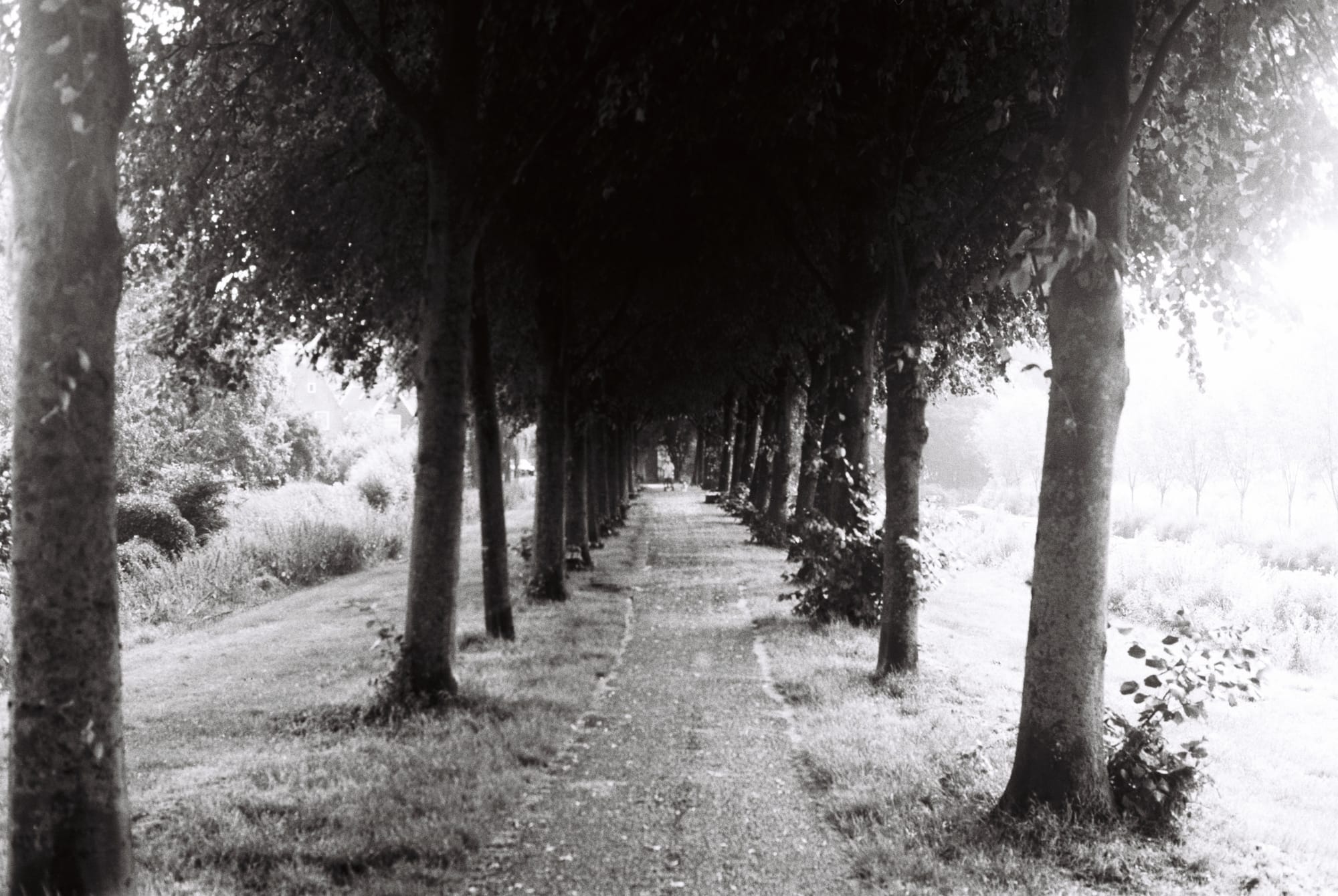
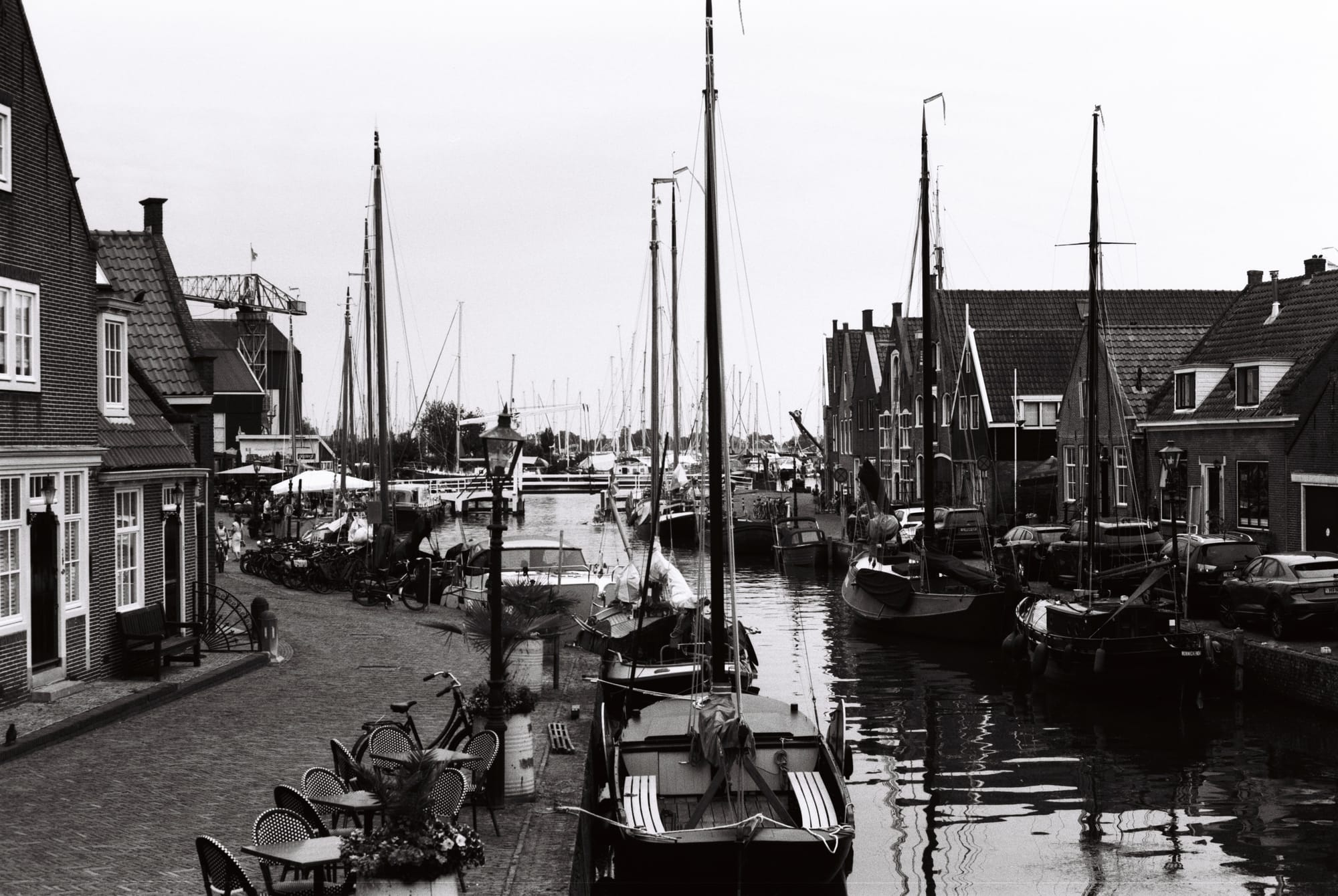
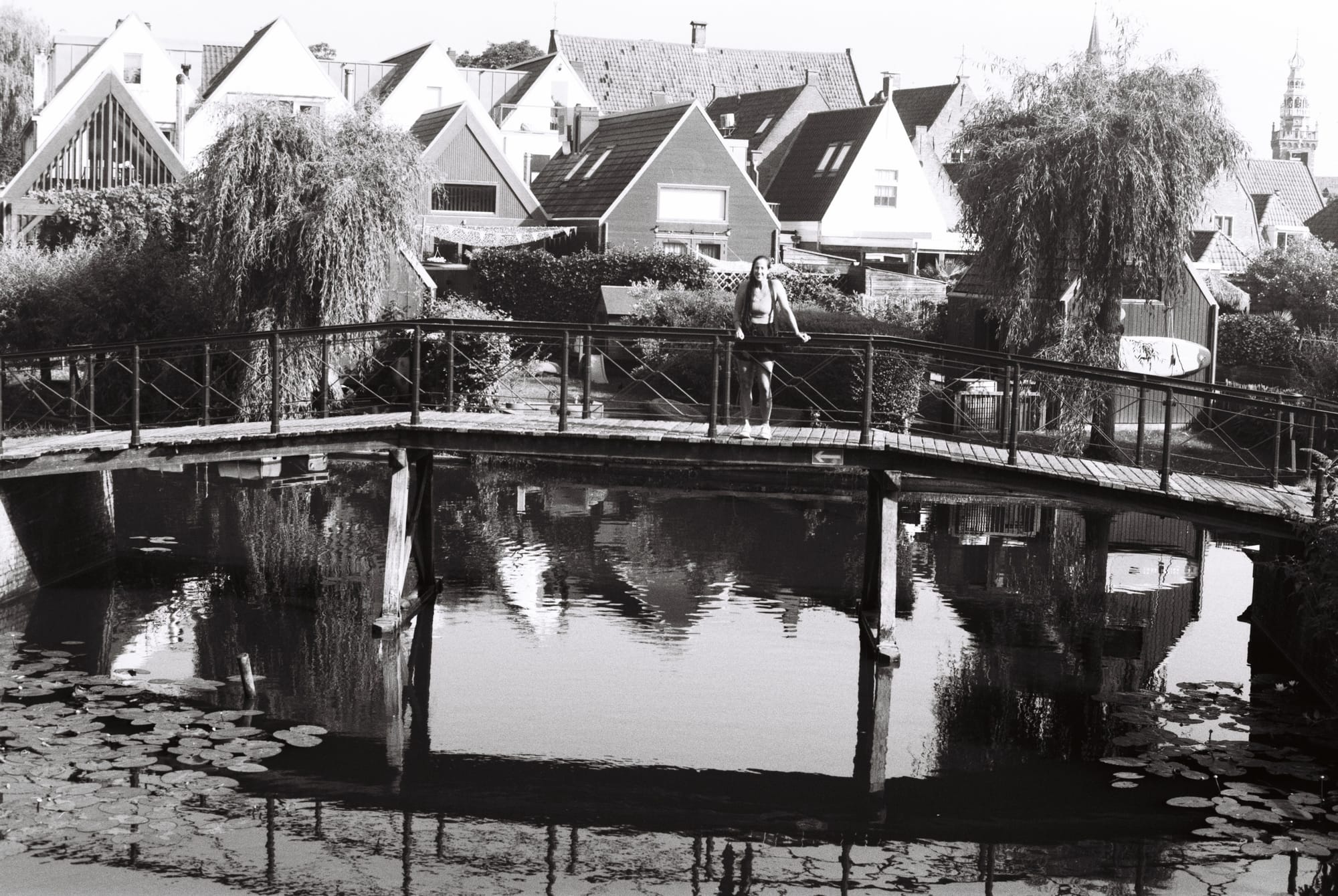
We also spent two days in Leiden, a smaller city southwest of Amsterdam and walked along windmill-lined canals of Rembrandt's home and admired the ancient churches and Dutch Renaissance architecture.
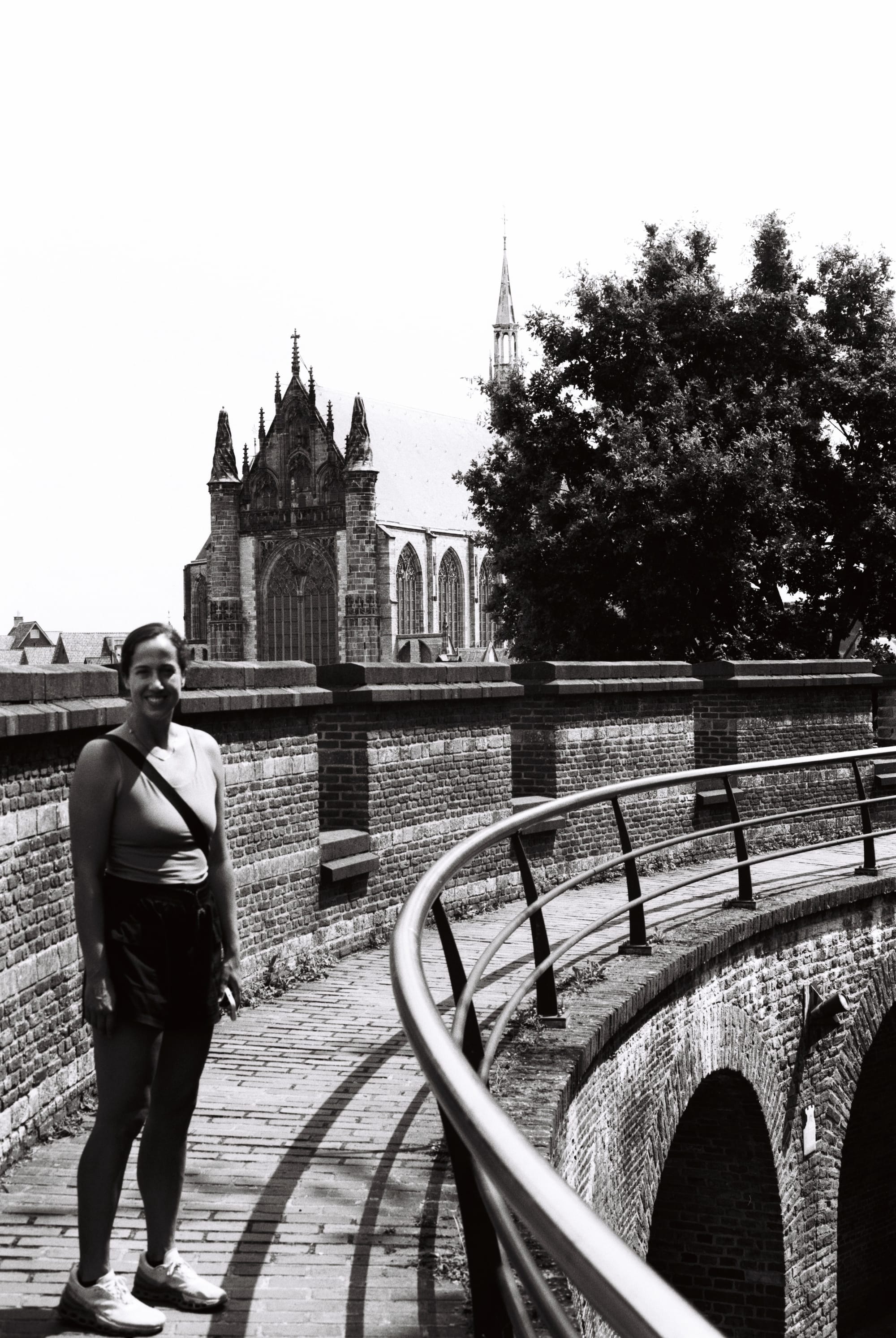
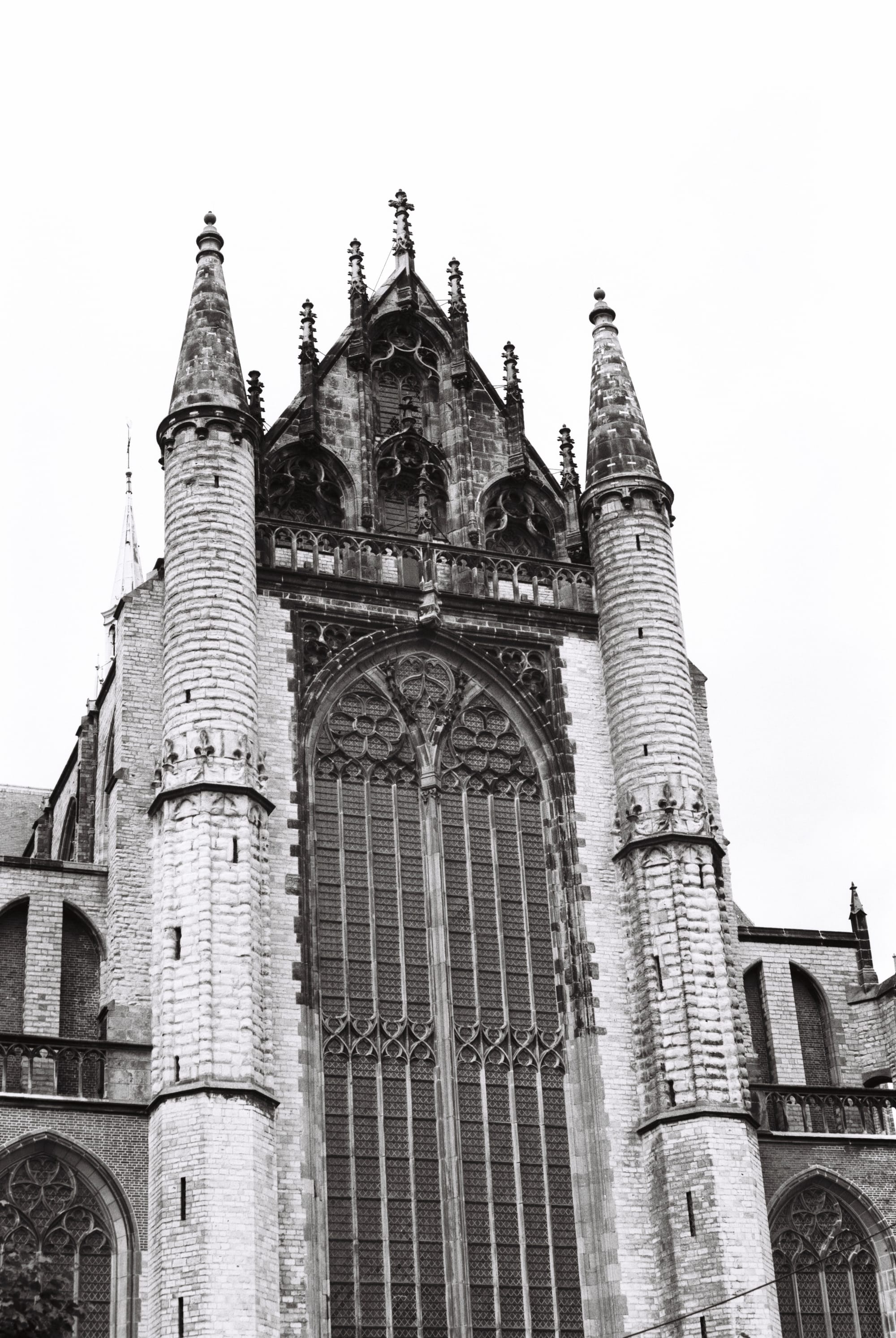
Hooglandse church in Leiden from the 15th century
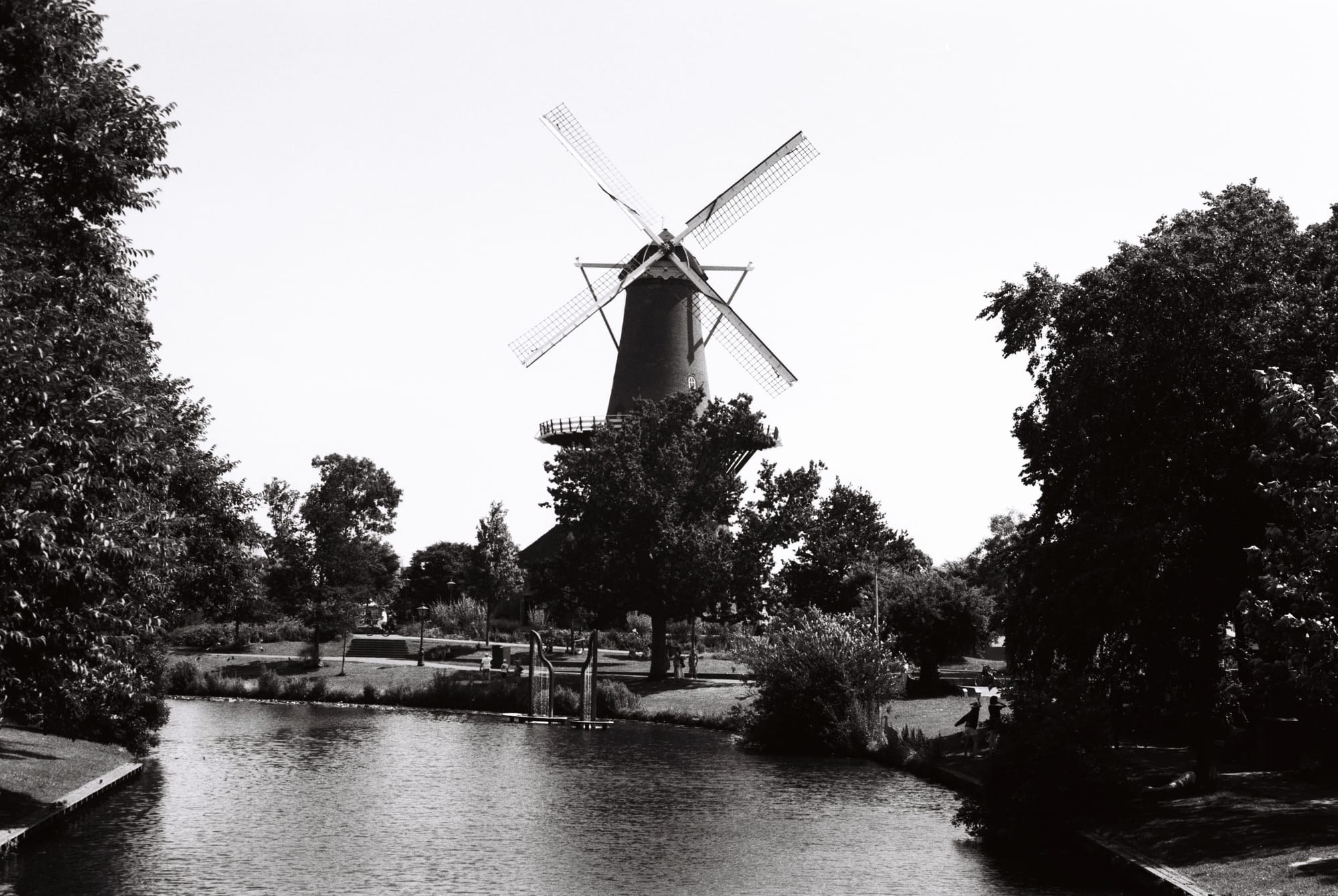
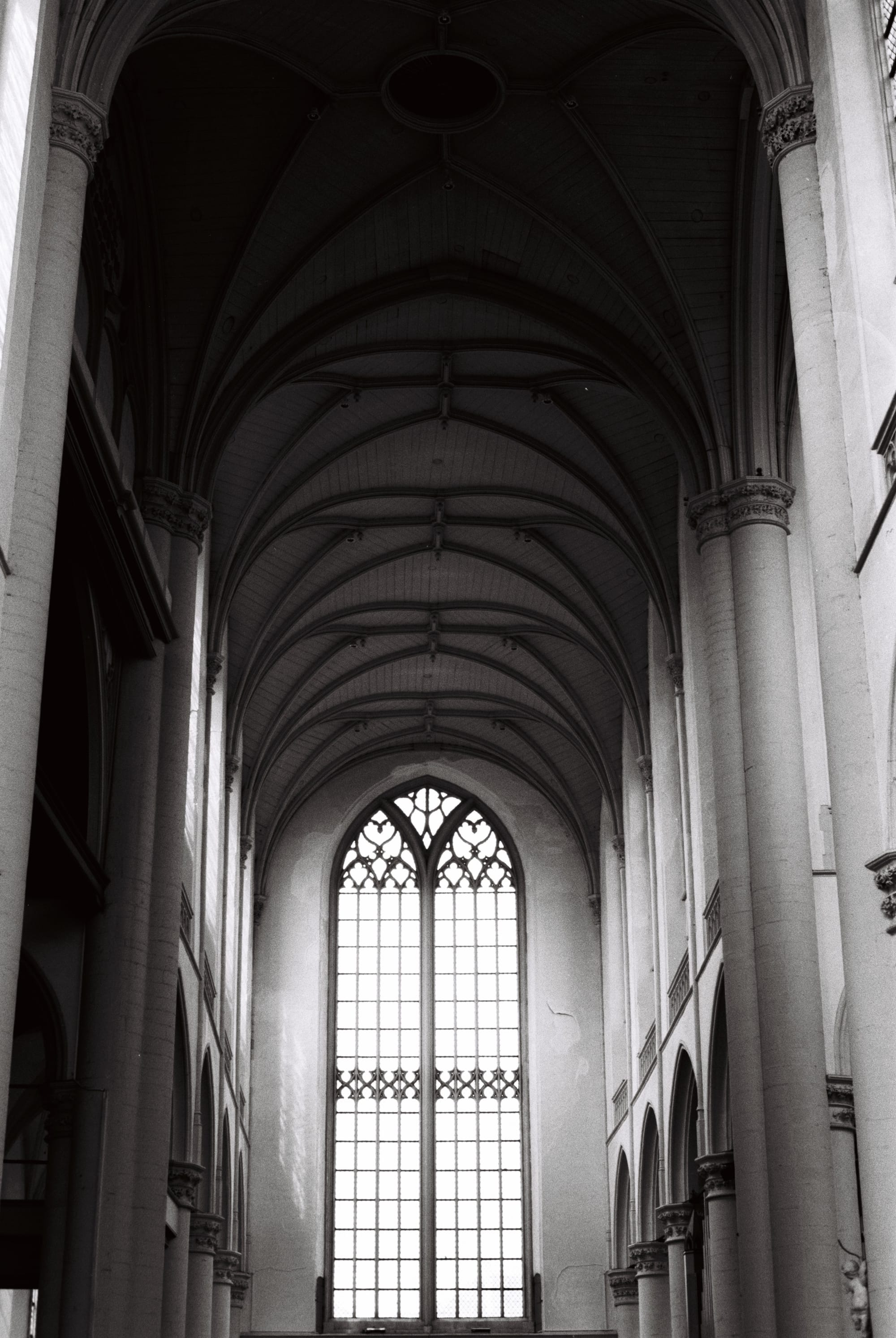
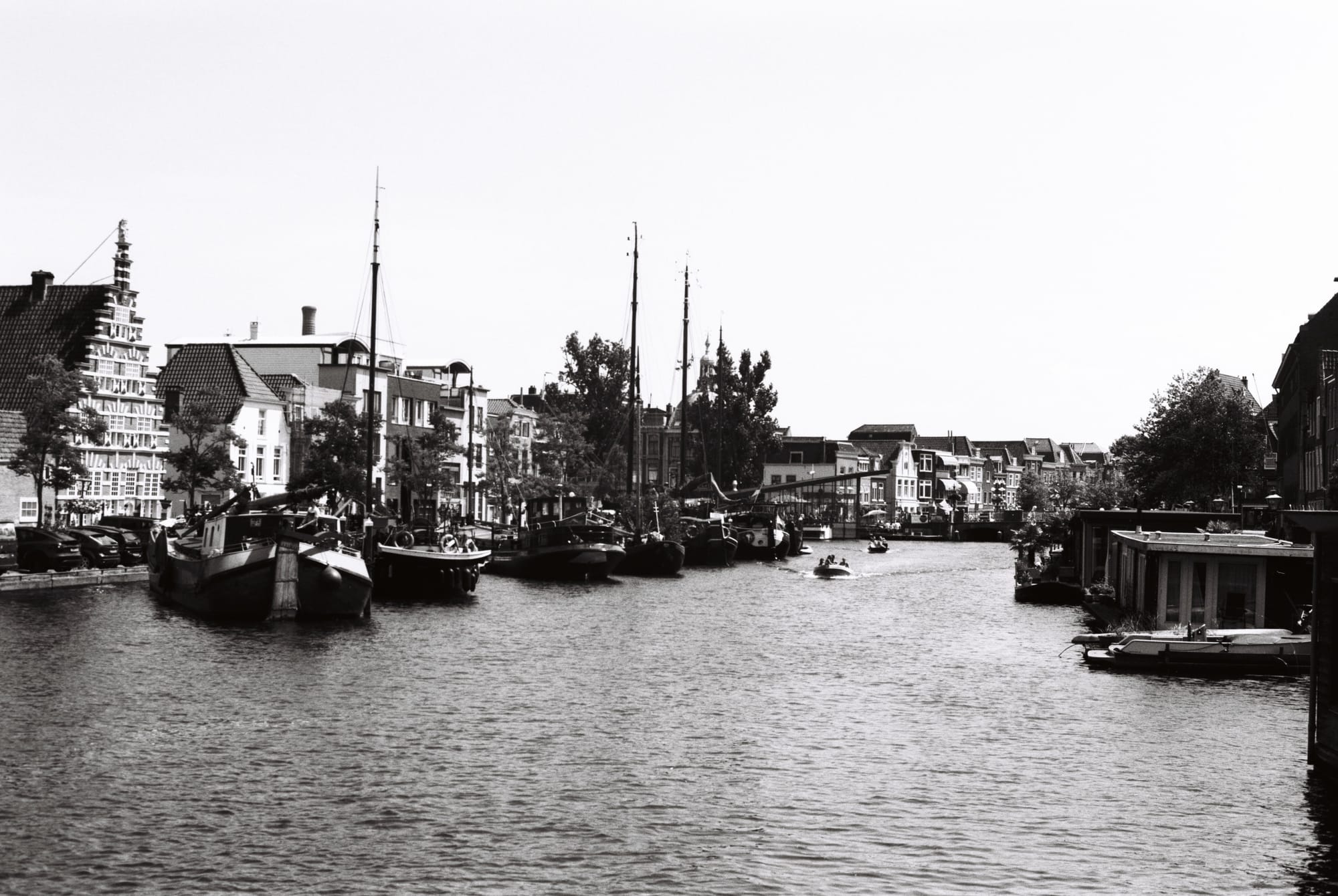
Our impression of The Netherlands is admittedly complicated. We really only spent time here after long haul or red-eye flights, on extended layovers, or in a Schengen crisis which definitely cast a shadow on our experience here.
However, we will fondly remember the historic places and impressive museums where we could take a moment away from the heat and chaos to contemplate big ideas about art and potential and tragedy and consider the history in the floorboards under our feet.