Tanzania
Going on safari was one of the driving factors behind Radical Sabbatical and the whole year-long journey essentially blossomed from this seed. It is emblematic of one of the purposes of this trip, which is to share experiences with each other that have shaped us in the past. Rory’s previous trips to Tanzania and Mozambique and safaris there were profound to him and something we now wanted to experience together.
We flew from Amsterdam to Kilimanjaro airport. There were quite a few logistical things that went into arrival in Tanzania: 48 hours of pre-arrival malaria prophylaxis, a certified copy of our yellow fever vaccines, two brand new 100 dollar bills for the cash-only visa on arrival, and scouring luggage to make sure there were no plastic bags (a $50 dollar fine for every bag brought into the country). We were geared up for some bribery but were pleasantly surprised to get shuffled through without a problem! We were excited to have things all planned for us for the next week. We were picked up right on the airport curb and that’s when our decision making ceased (thank god) and we drove 1.5 hours to our first hotel outside Arusha. We could hardly sleep under our first mosquito canopy in anticipation of our safari the next day.
In the morning we met our friendly guide named Musa and packed ourselves into a beast of a modified Toyota Land Cruiser with a pop-top roof that would be our mobile home for the next week.
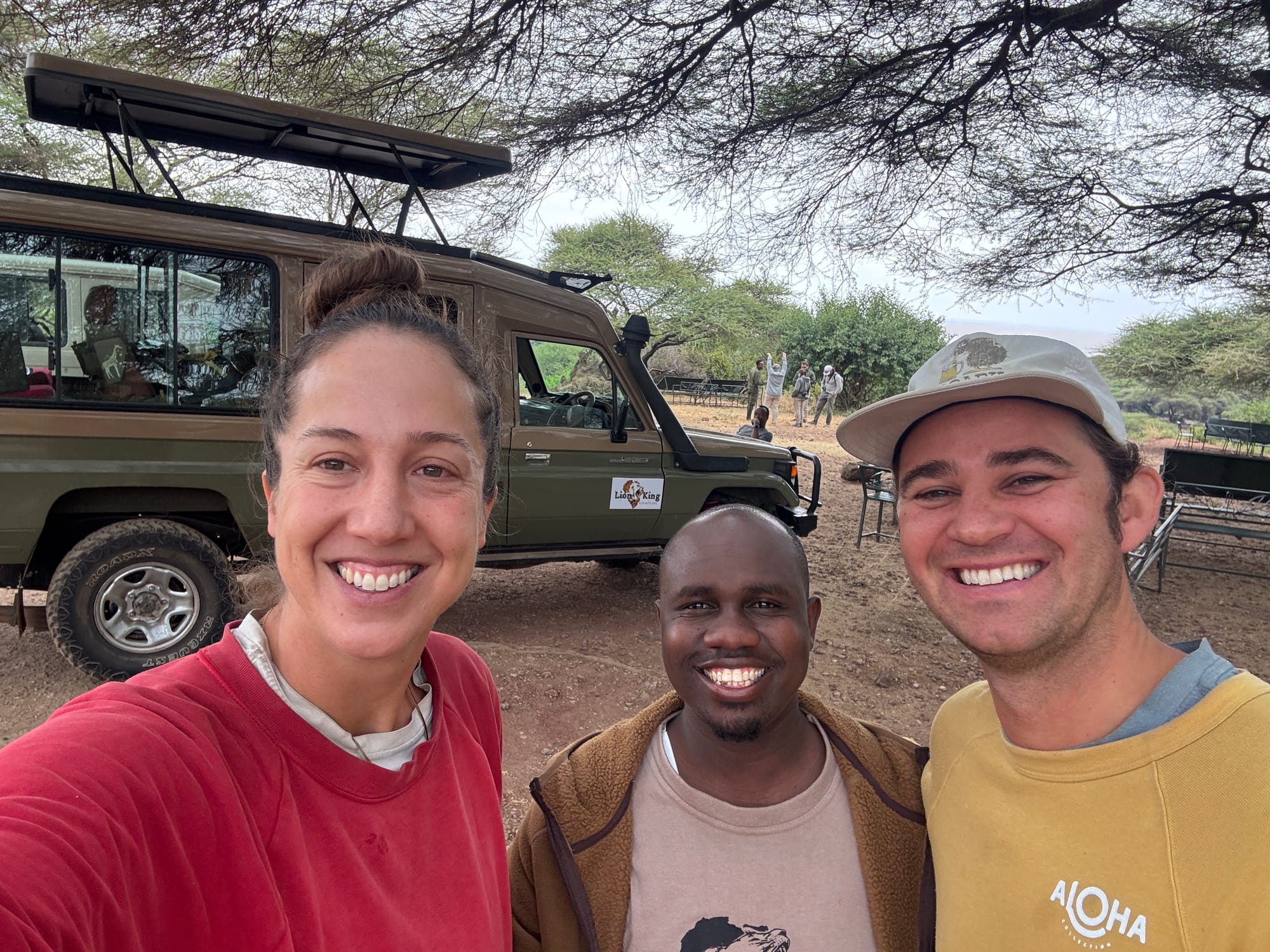
Our guide Musa has a very interesting story. He has been a guide for over 10 years and his knowledge of the parks is substantial. Incredibly, he has every unmarked dirt road or semblance of a path mapped in his head. For the millions of acres of land in the wildlife parks, he drives them as if it is his commute home- which, in a way, it is. During the COVID lockdown he became a substitute city bus driver in Arusha since there was no one coming on safari. He takes a lot of pride in his work and we felt lucky and grateful to be in his competent hands.
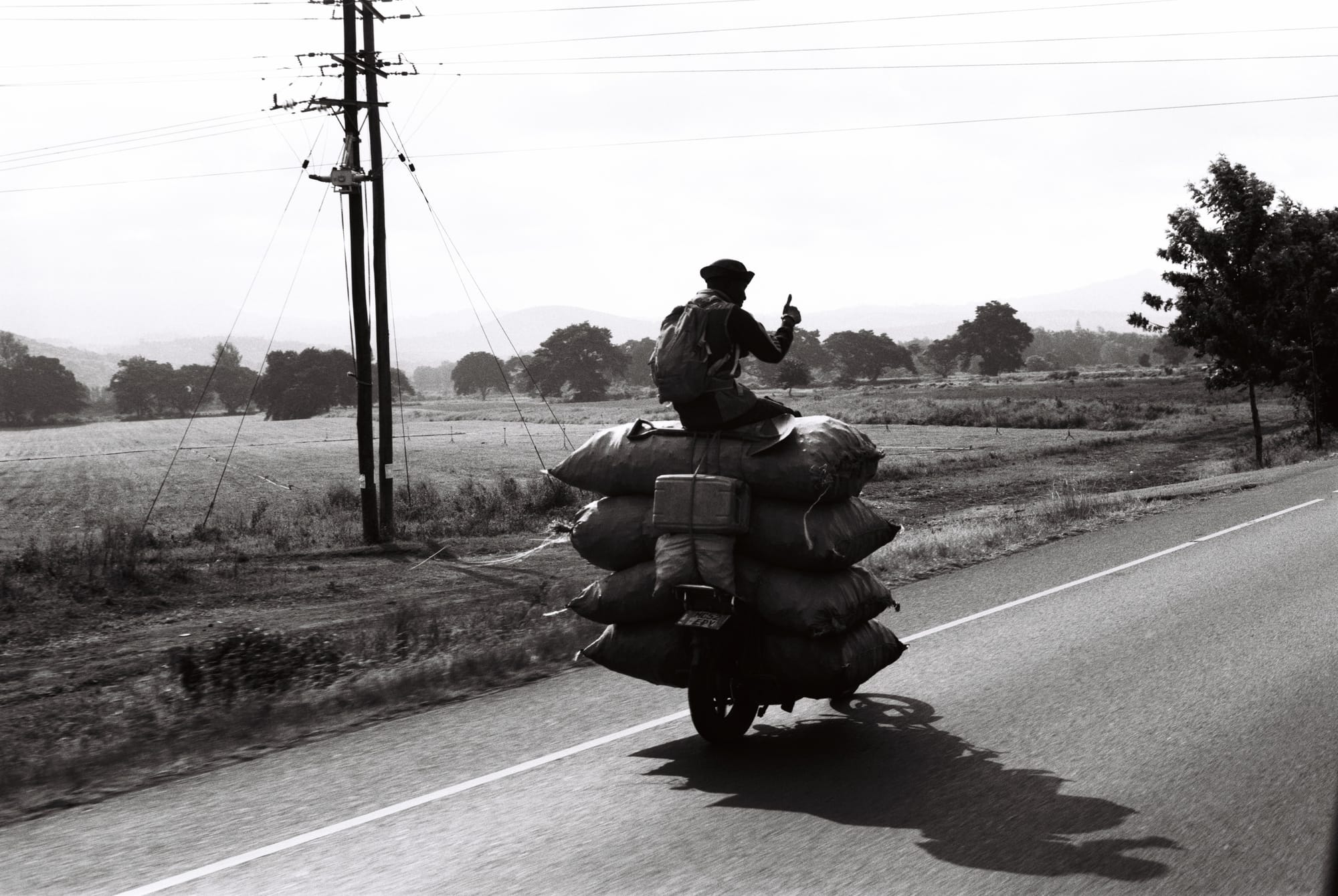
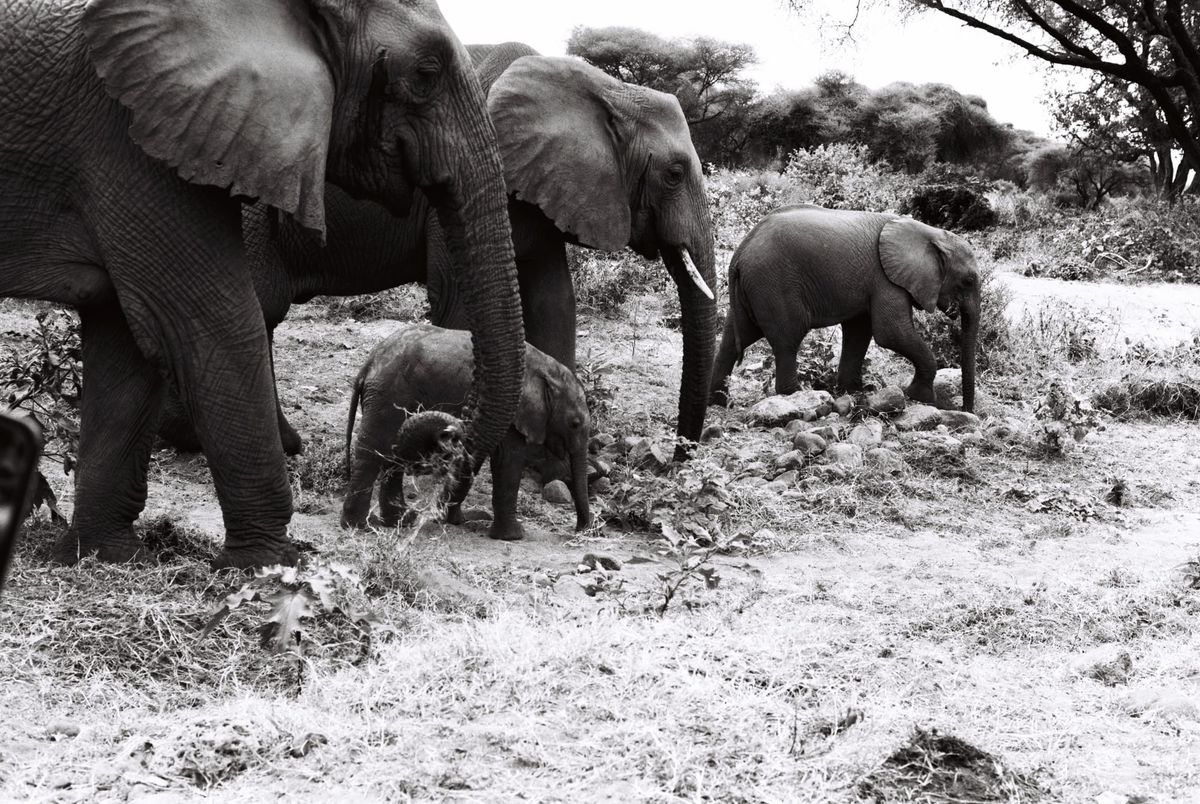
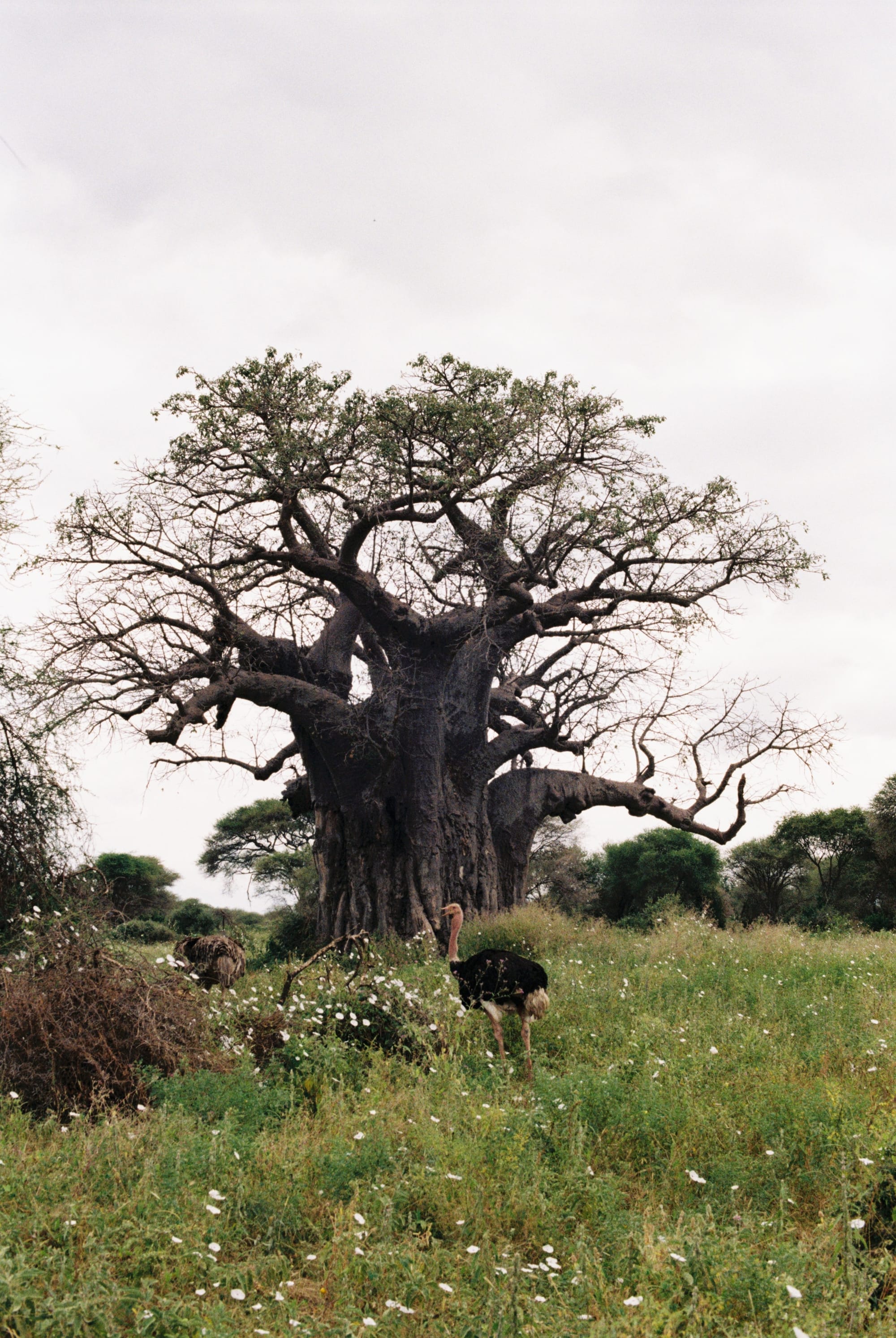
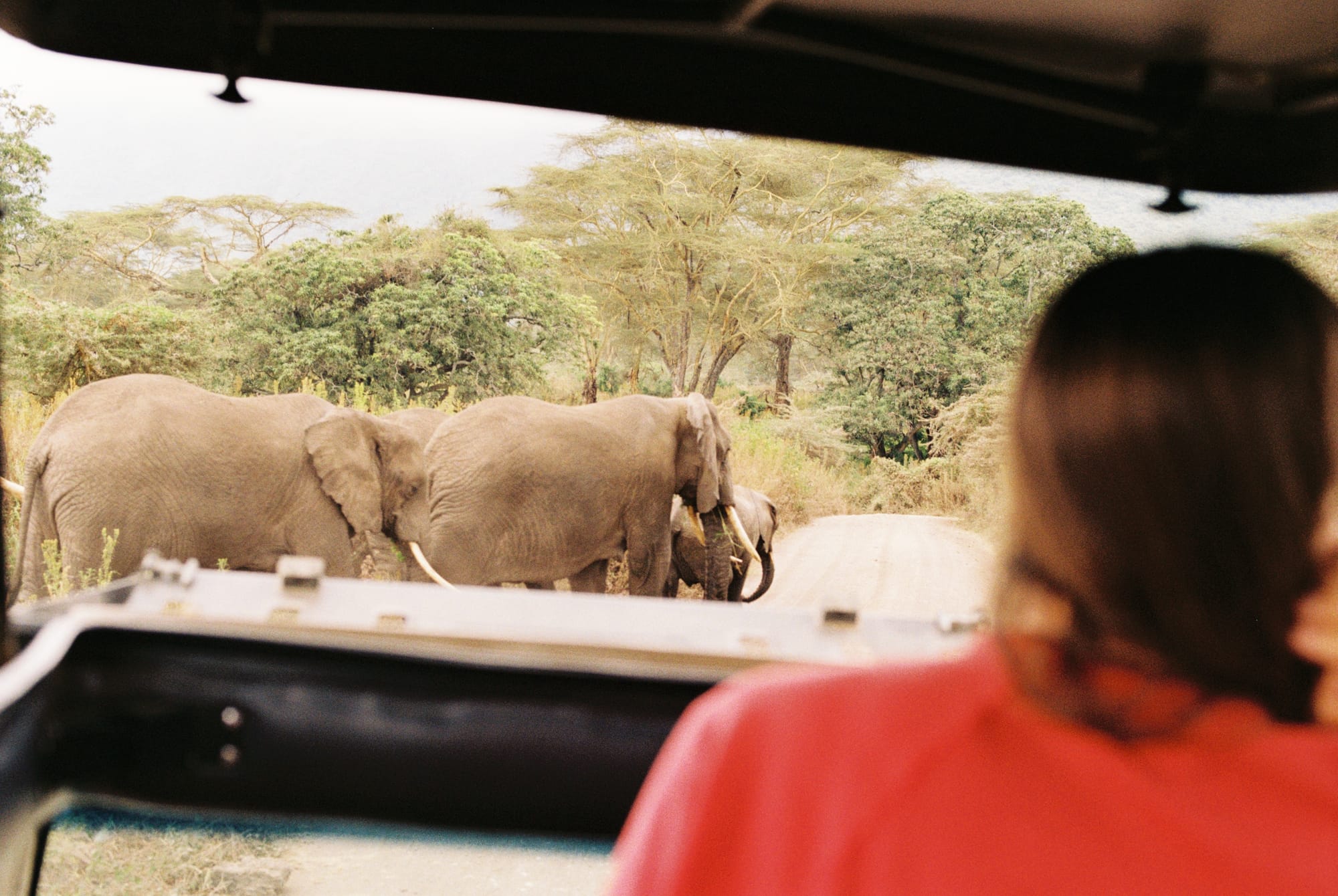
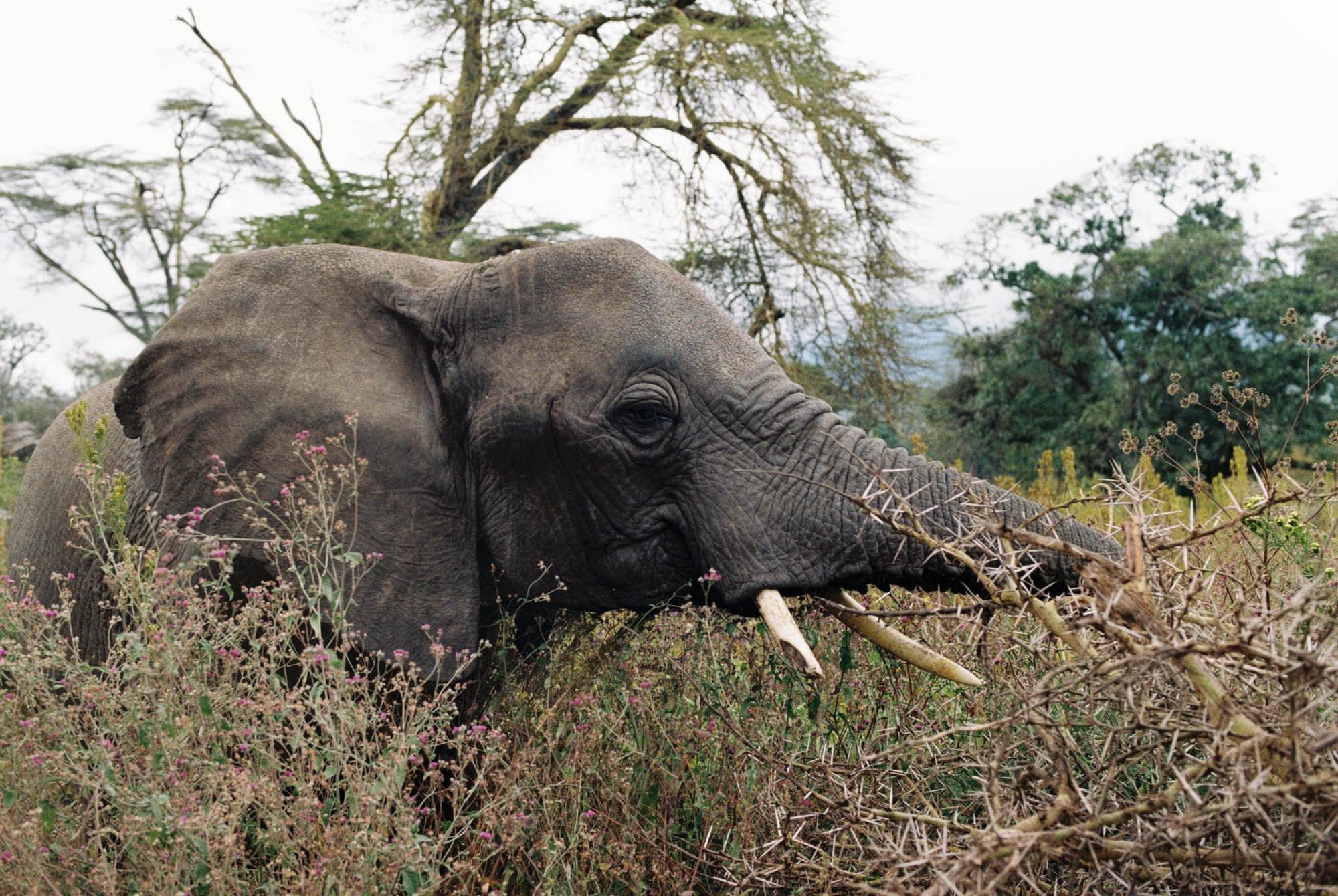
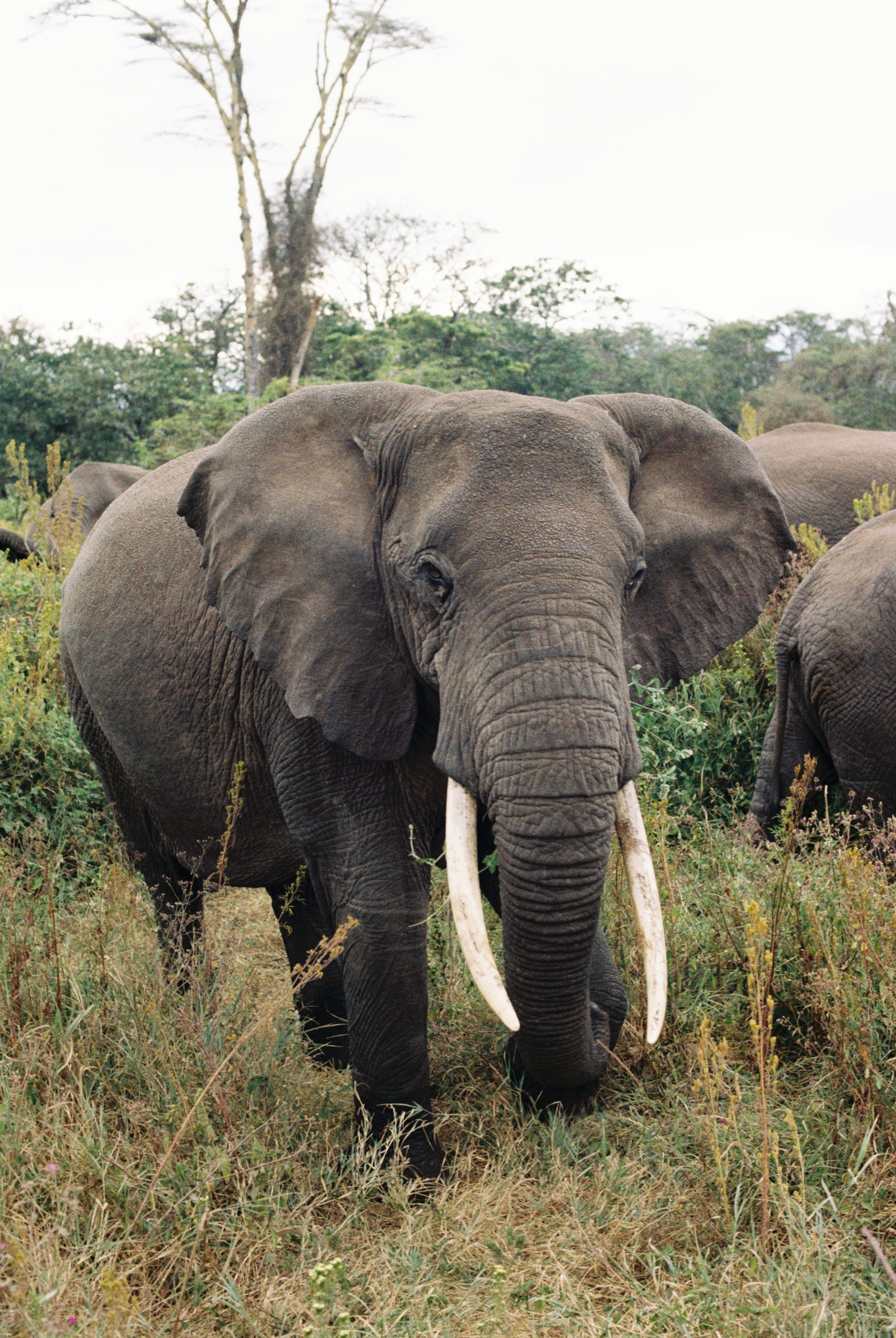
Our first game drive was through Tarangire National Park which is known as “Elephant Paradise” and also has a high density of baobab trees. This was a great introduction as the park is compact and almost immediately we saw our first elephants. We had an especially close encounter with a female feasting on morning glory on the side of the road. The baobab trees are known as “upside-down trees” because their tangle of thin branches compared to their stout trunks make it look like their root system has sprouted from above! They are also hollow and Musa told us that the Masai native people hide in them while hunting and historically used them in tribal warfare, and more recently poachers have used them to evade rangers. It was an amazing first game drive and Tarangire really delivered as an elephant paradise.
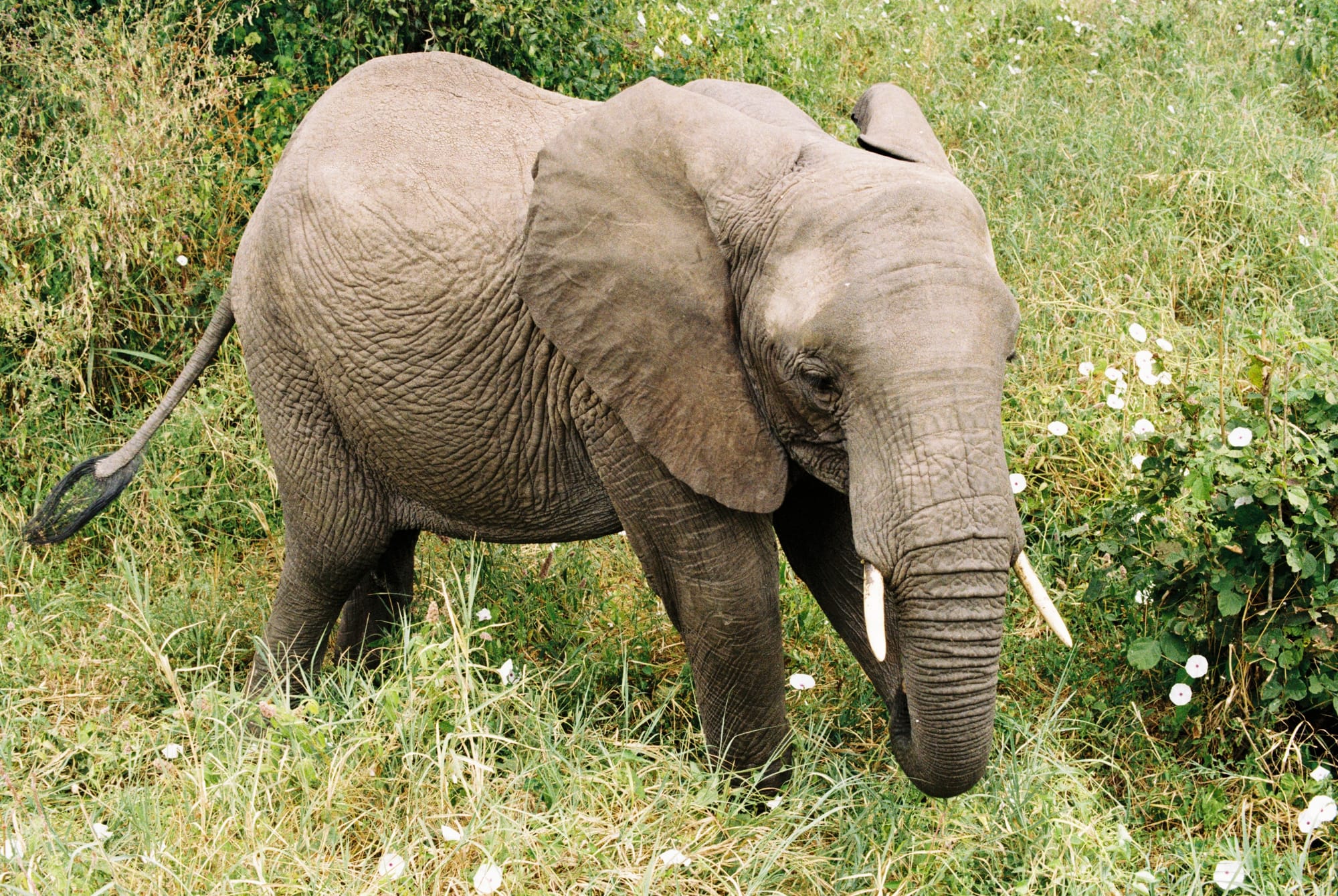
Cow elephant enjoying her morning glory breakfast
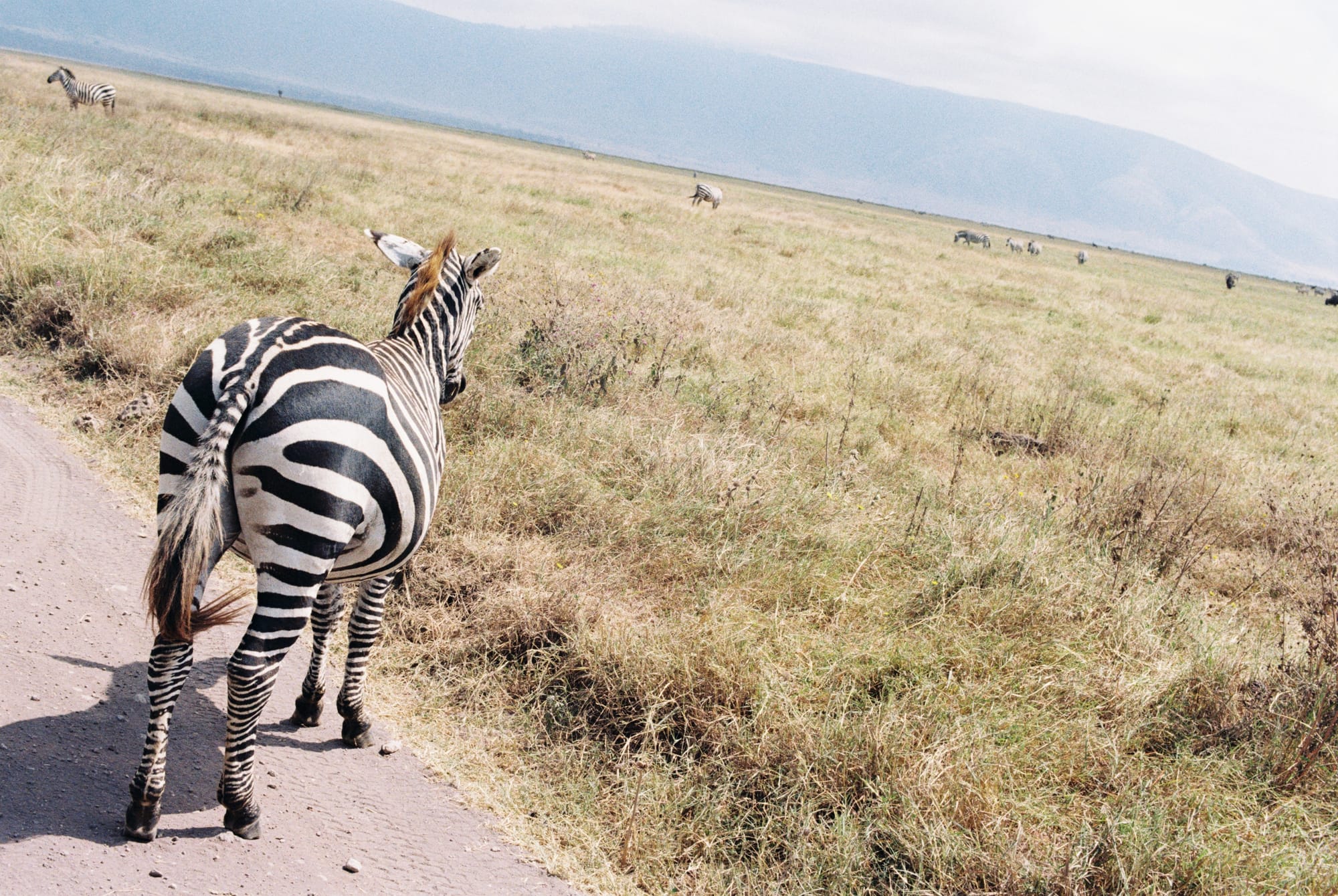
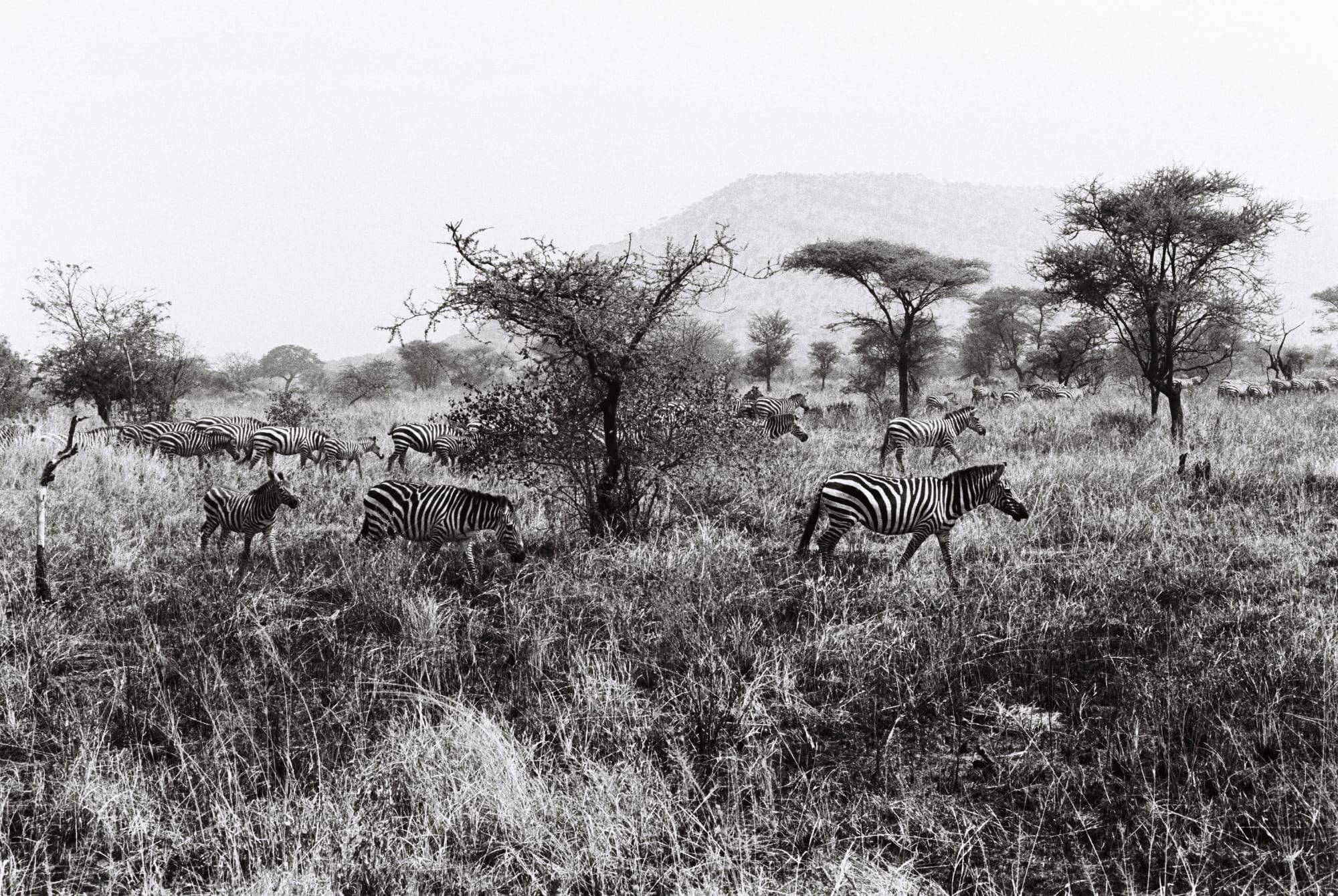
For the next two days, we explored Serengeti National Park. The word “Serengeti” in Masai means “the endless plain.” Musa told us that when the Masai tribe migrated down the Nile from Egypt and entered into the Serengeti, they saw nothing beyond the flat expanse of grasslands. We were in the Serengeti for the beginning of the dry season so the grasses were yellow and the vegetation was minimal which made spotting wildlife a bit easier. The plains were punctuated by large dark rock formations called kobjes where lion prides like to rest. We will never forget speeding around on the long dusty roads of the endless plains in constant search of wildlife.
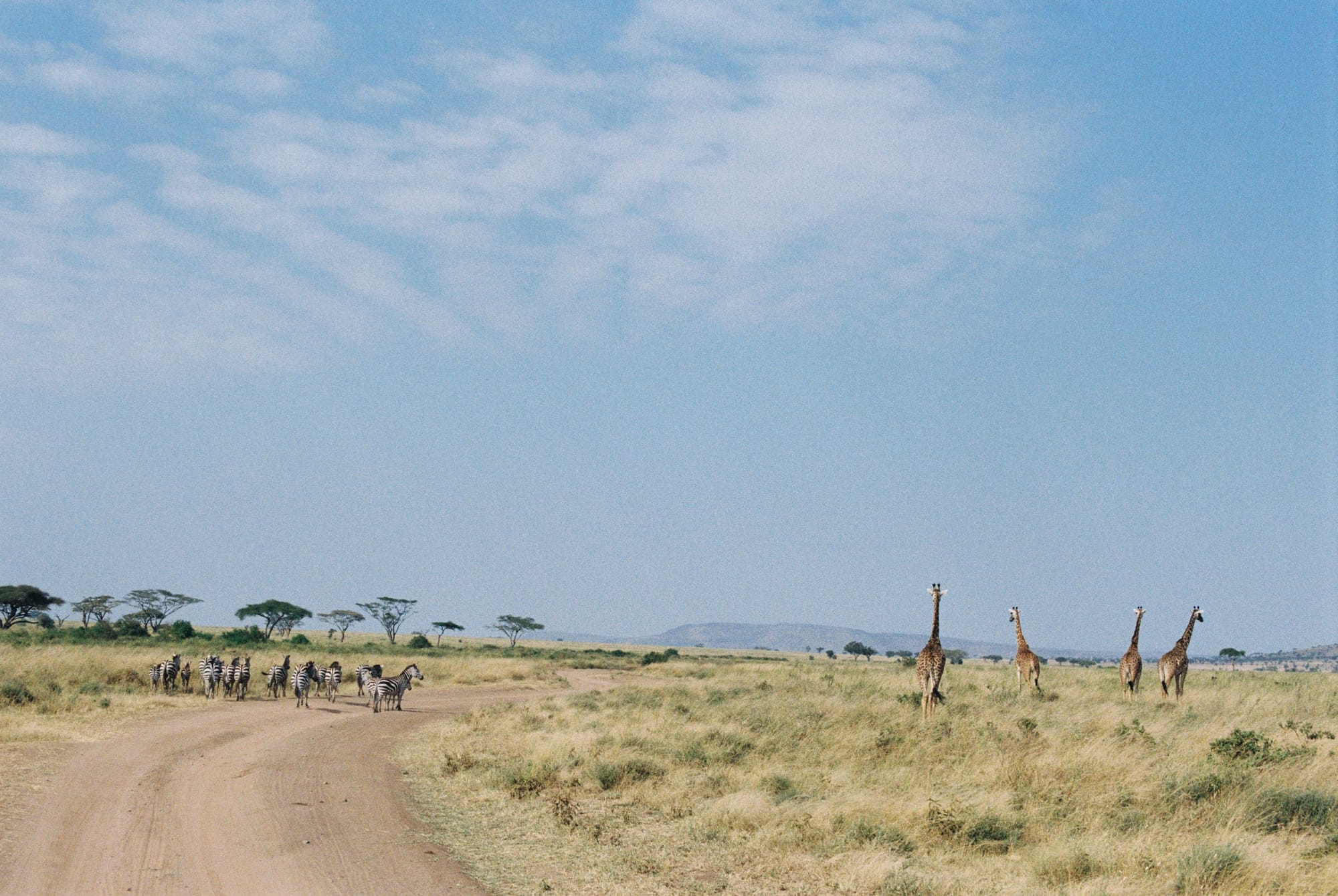
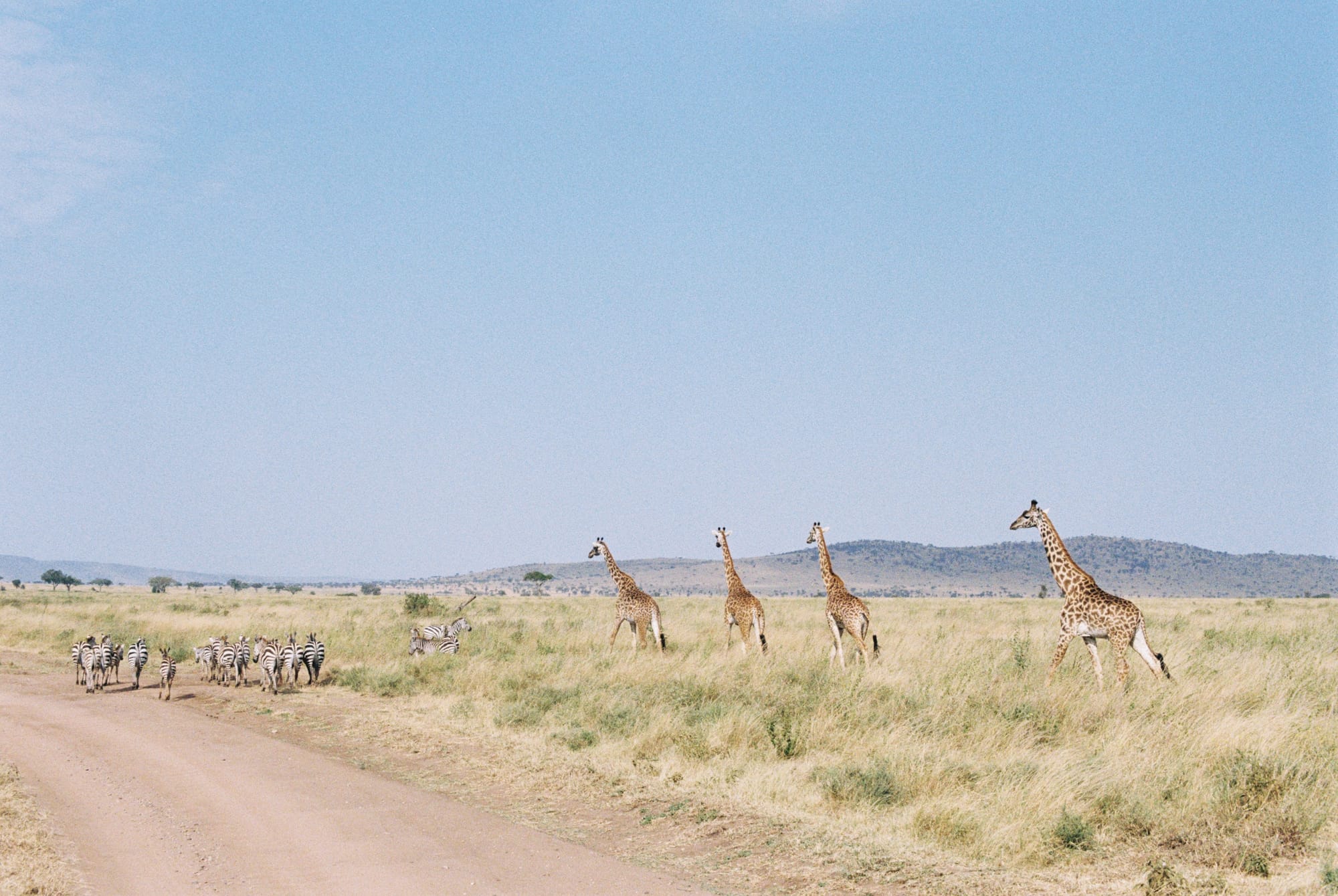
Giraffes and zebras on the endless plain
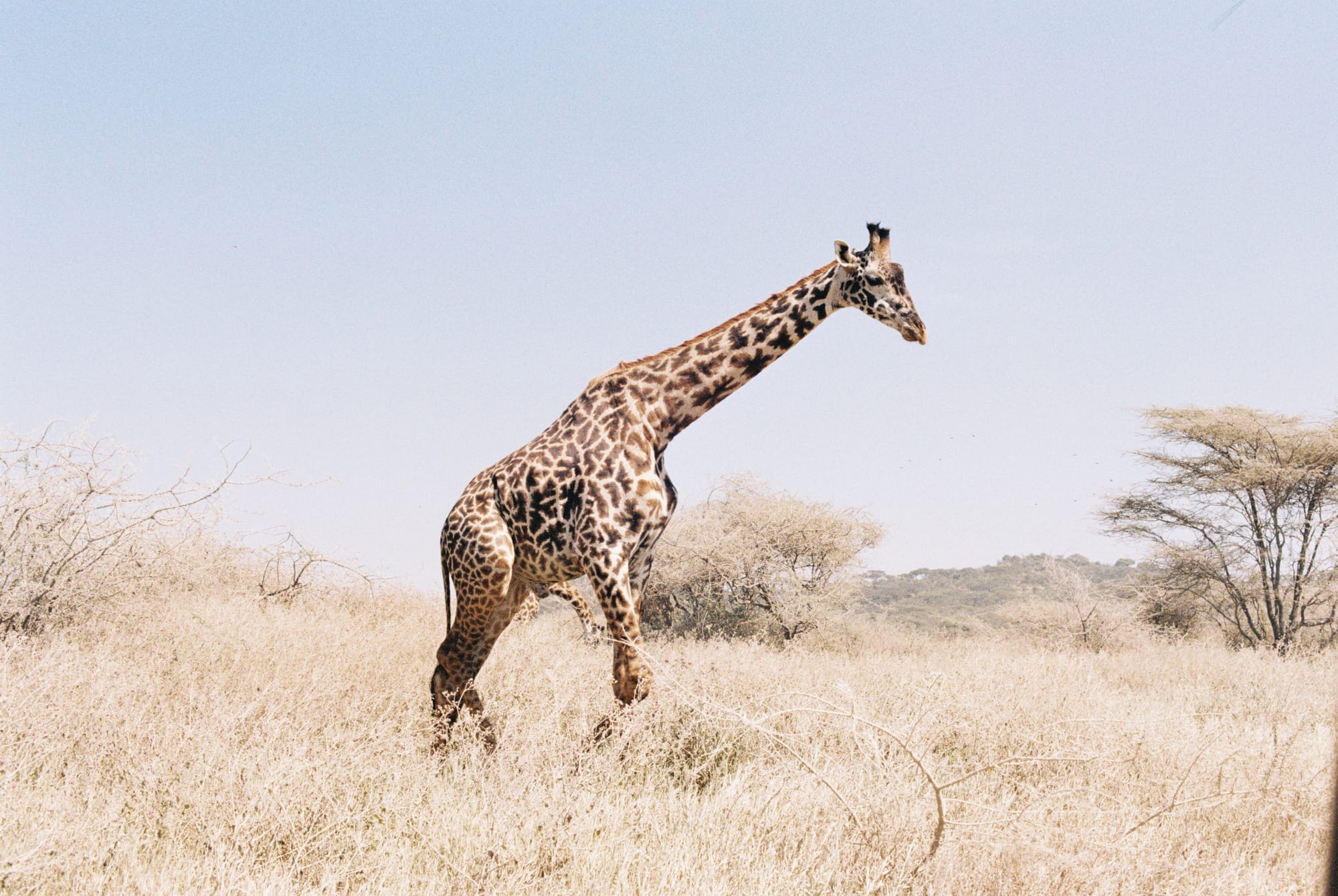
The expanse of the plain is difficult to describe- it makes you feel small while also providing this ultimate freedom within it. The number of decisions we’ve had to make this year must be in the millions but on the Serengeti there were no more choices or answers to supply. We just had to watch whatever was in front of us, all the internal noise of choosing went away and there was nothing left to do but see.
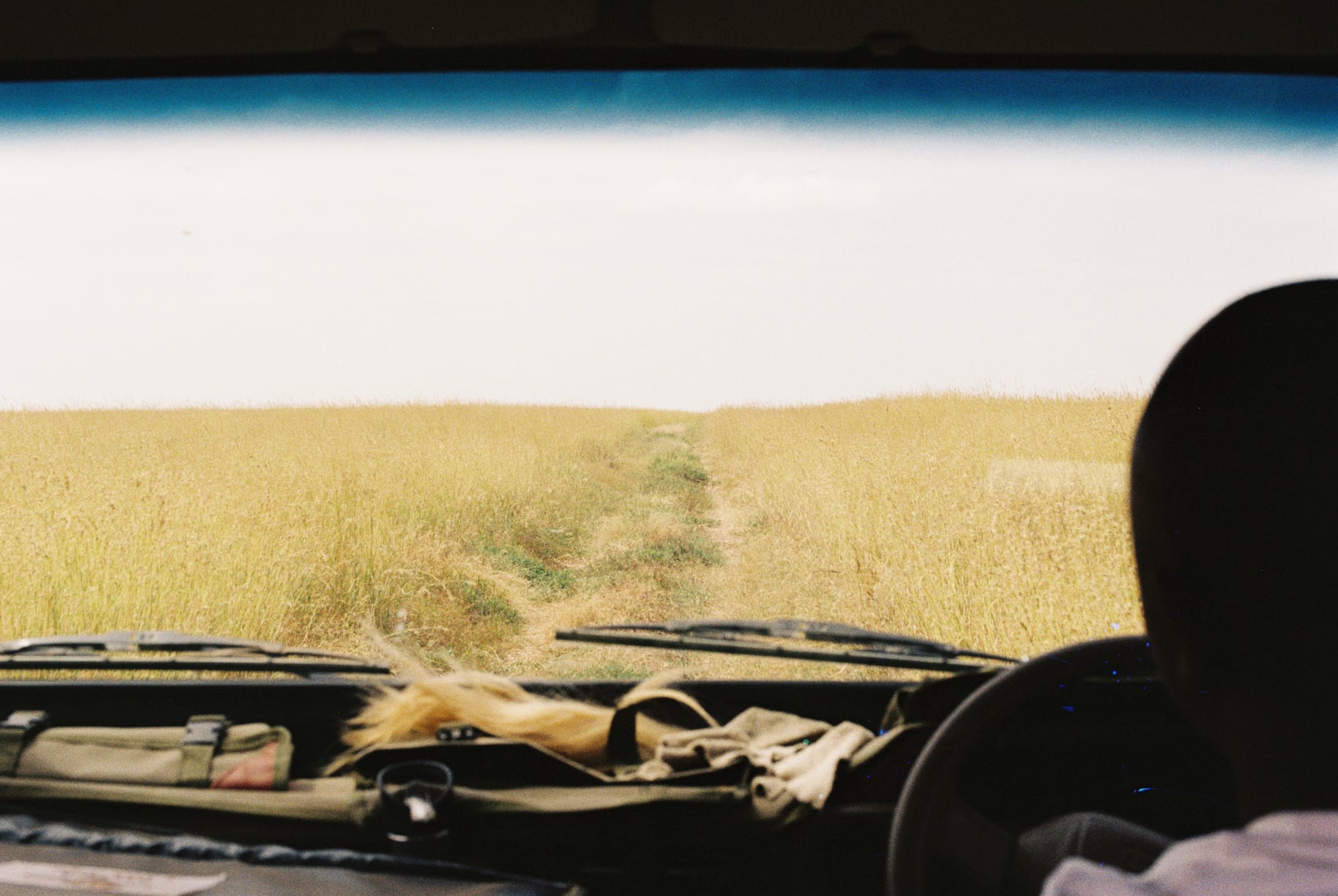
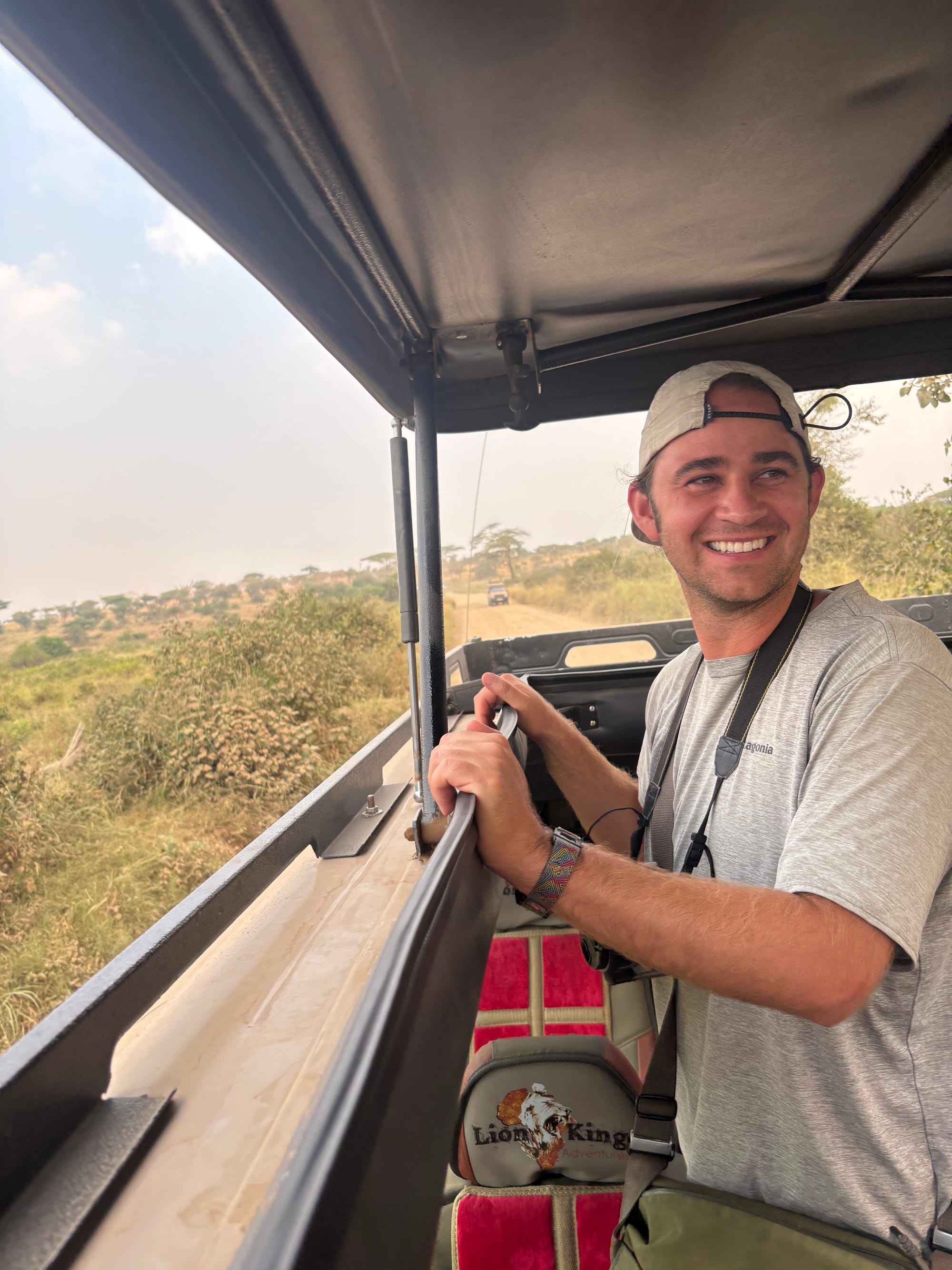
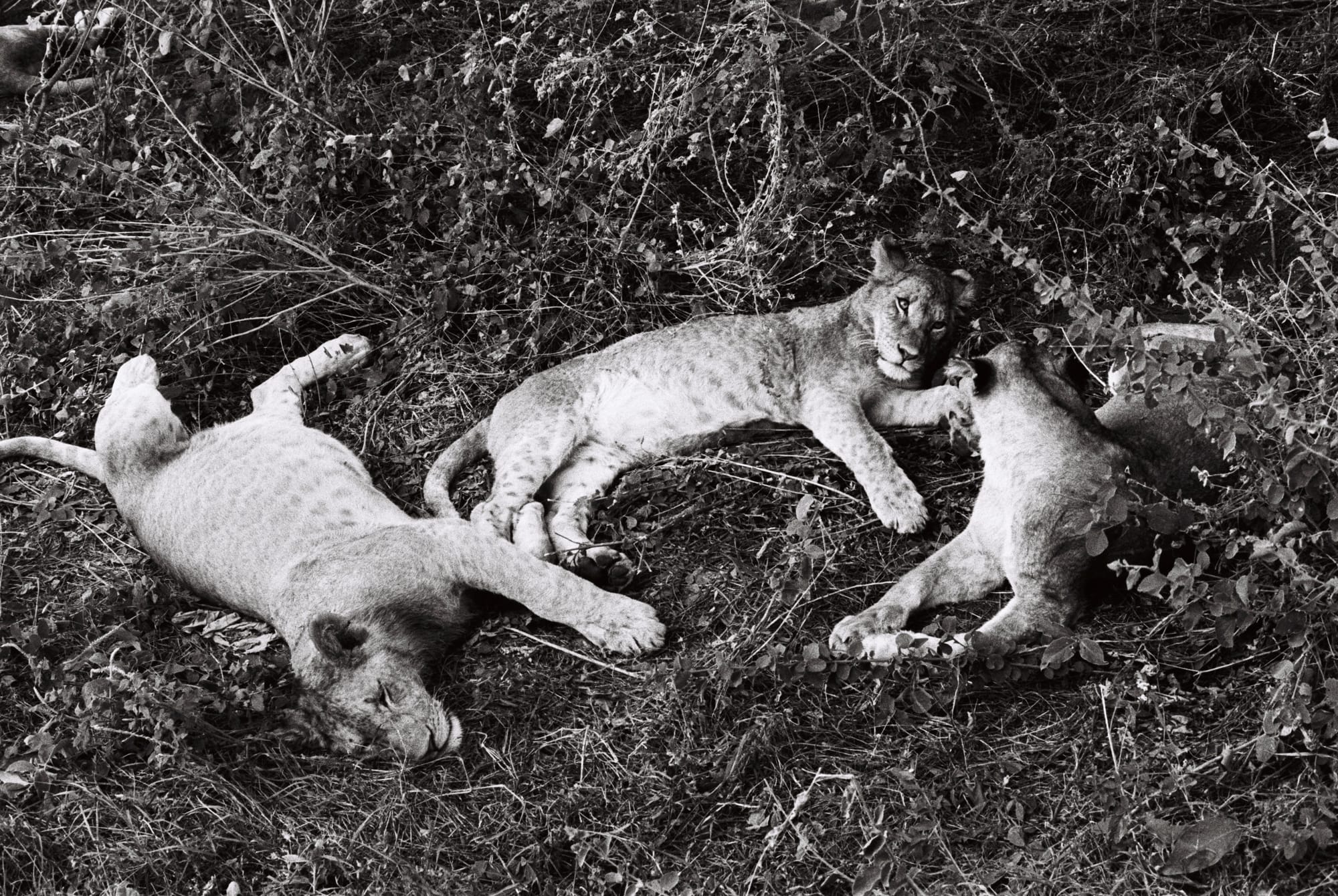
On our first morning in the Serengeti, we found one lioness sleeping on a rock and then found a pride of 9 lions lounging under the shade of a tree a few yards away. They did not seem to give our vehicle much thought. We asked Musa whether he thinks animals understand that humans are inside of the vehicle, or if the vehicle is just another big animal that they need not worry about. He estimated that elephants, lions, and primates could ascertain that we were both vehicle and human but the rest of the animals probably just saw the Land Cruiser as a large, unthreatening animal that does not compete for food so they don’t care much.
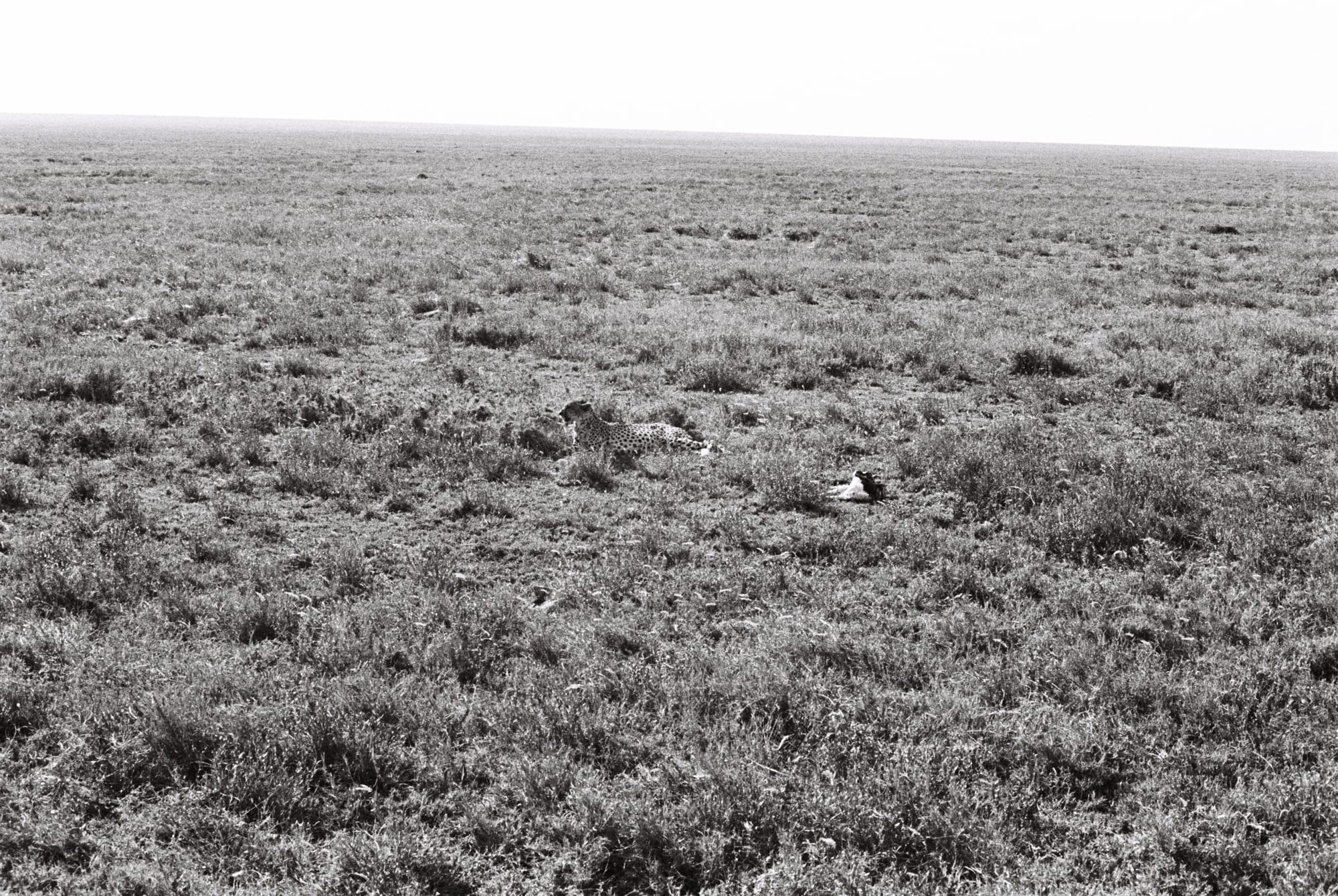
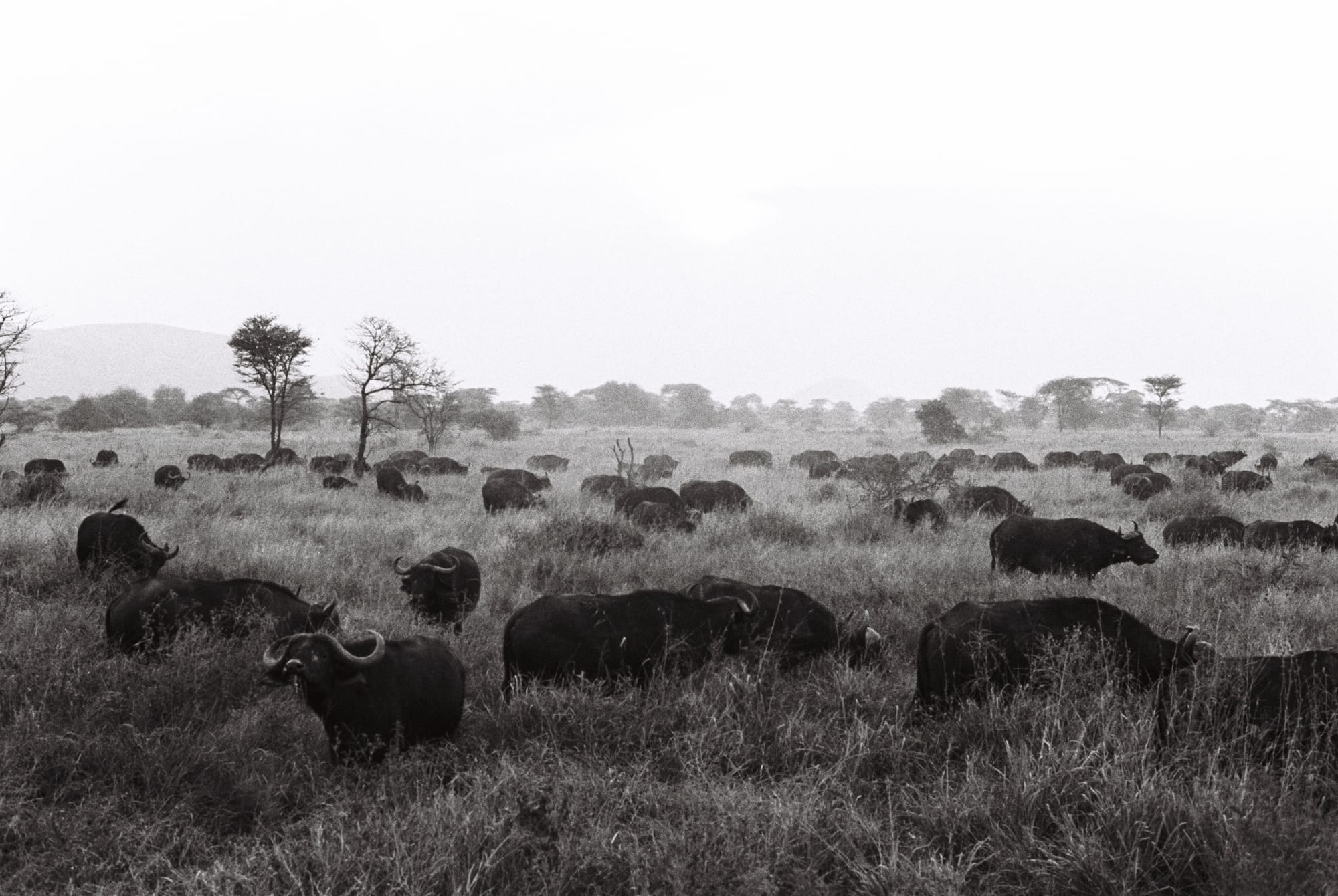
We were able to spot two cheetahs as well- one had just gorged on a baby gazelle so she was very lazy. We drove to the lodge for the night and enjoyed sunset while watching a large herd of African buffalo. The night in the tent was very peaceful and we were only awakened by the roar of lions and grumbling of passing buffalo. We were not permitted to walk between the lodge and our tent without a guide after dark. We had to radio the staff and ask for a chaperone so that we wouldn’t disappear at the hands or mouths of one of the thousands of things that could kill us on the plains.
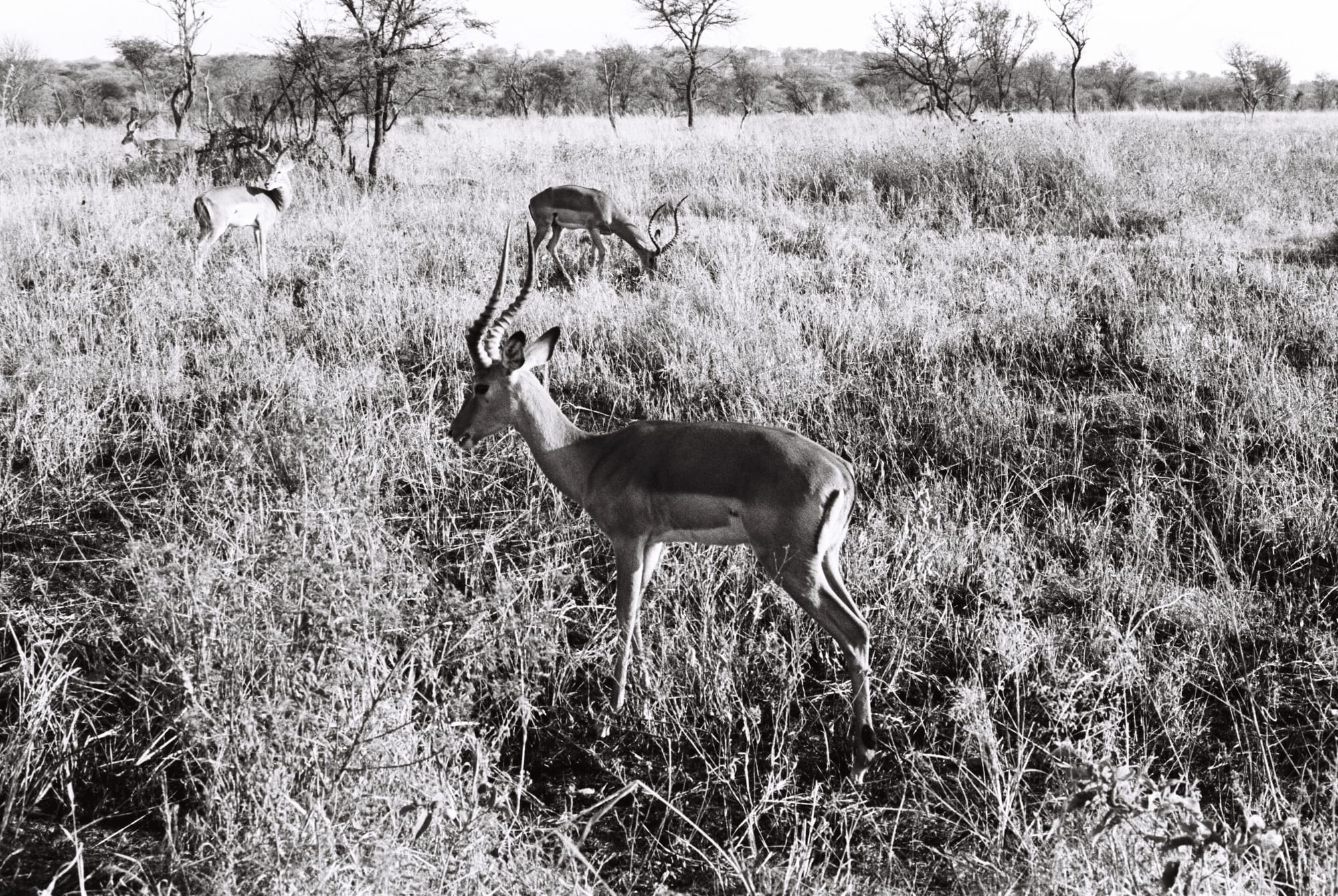
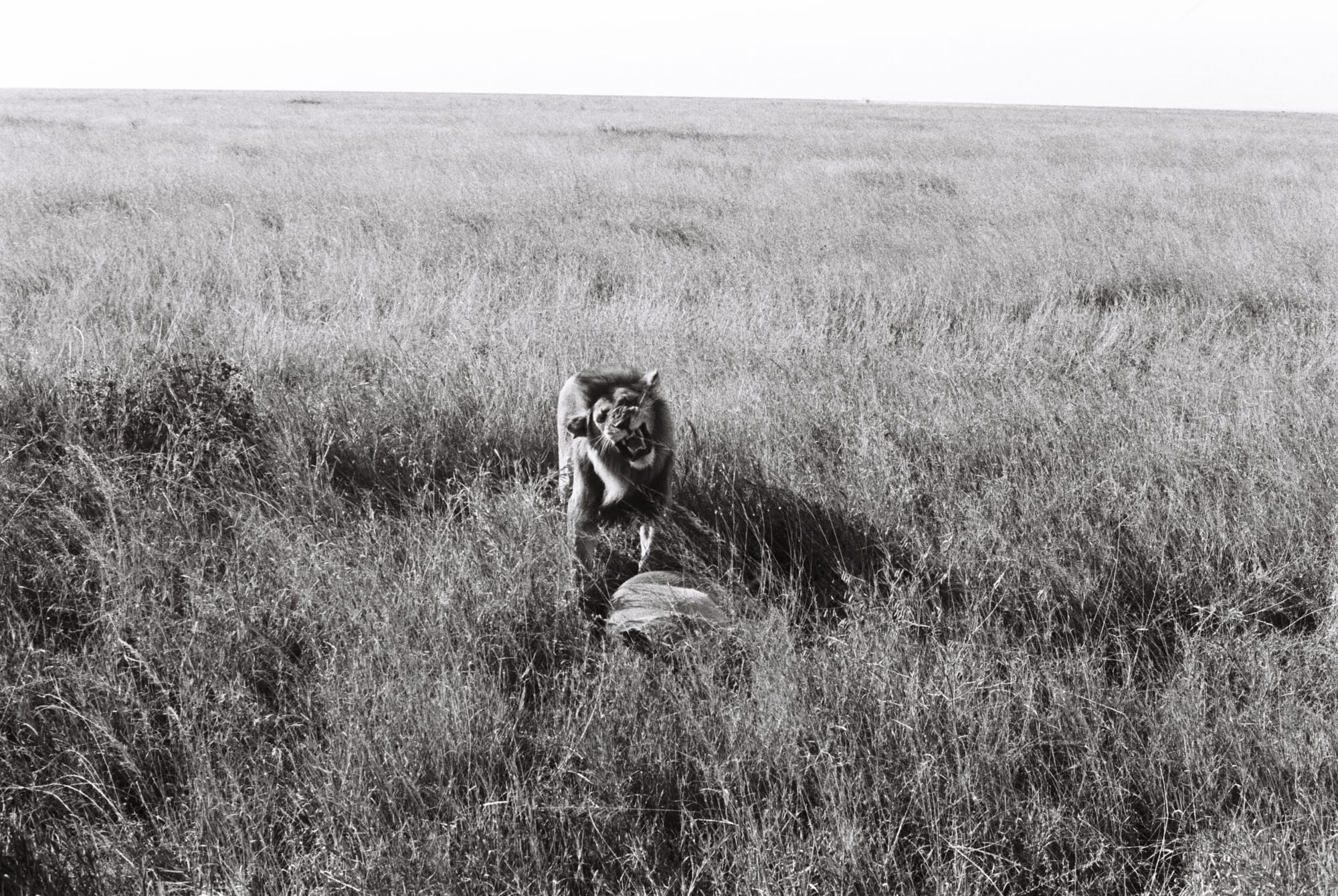
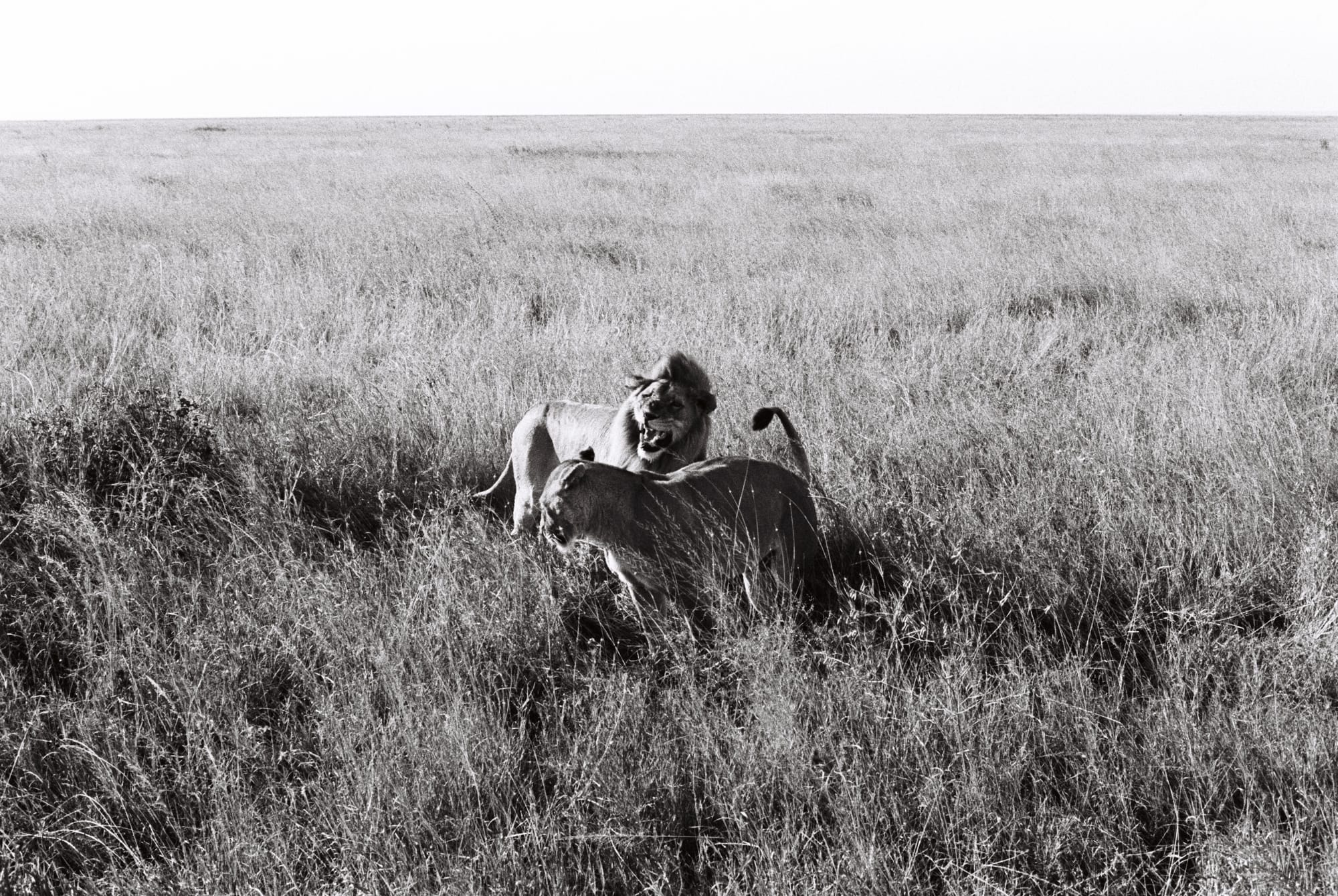
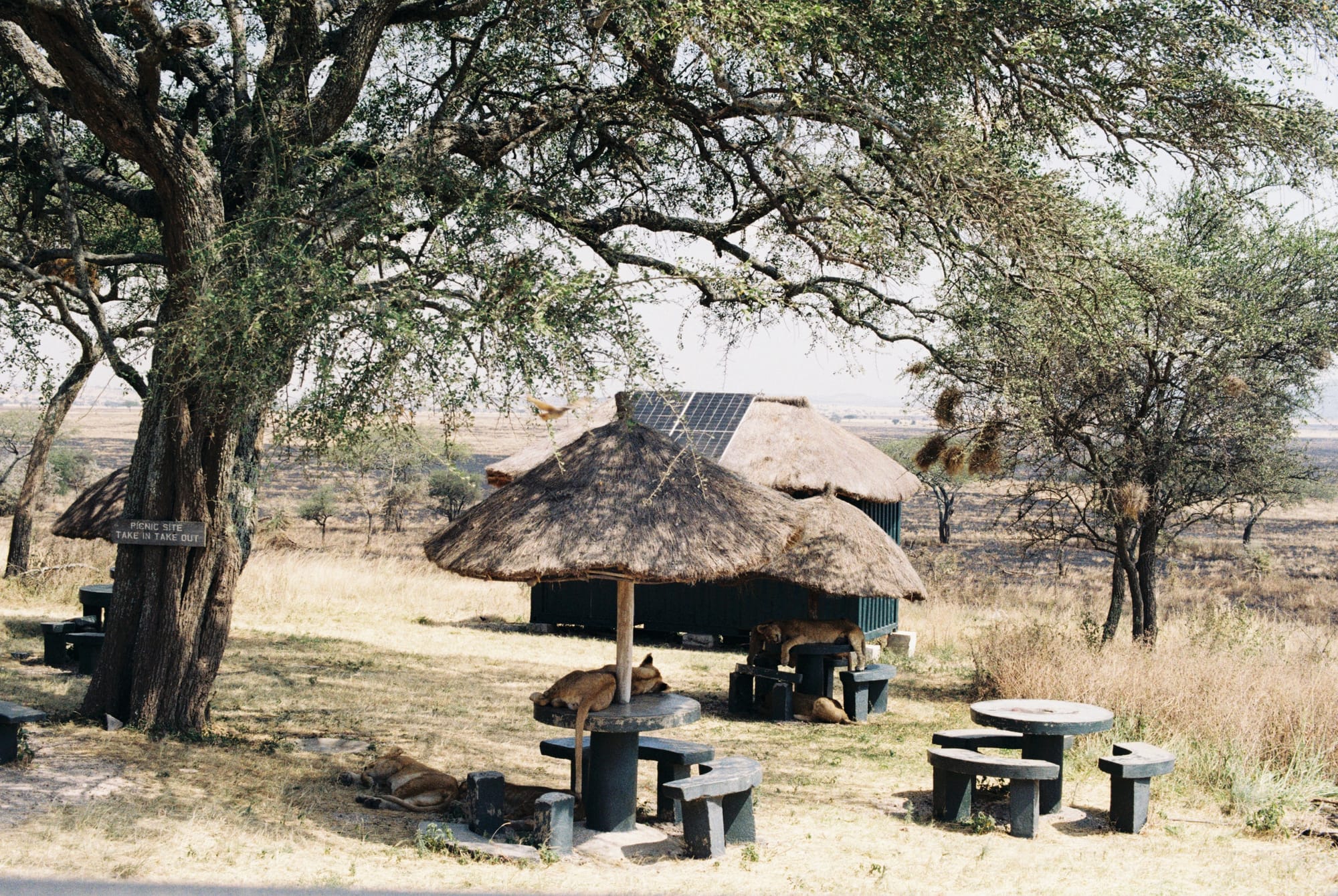
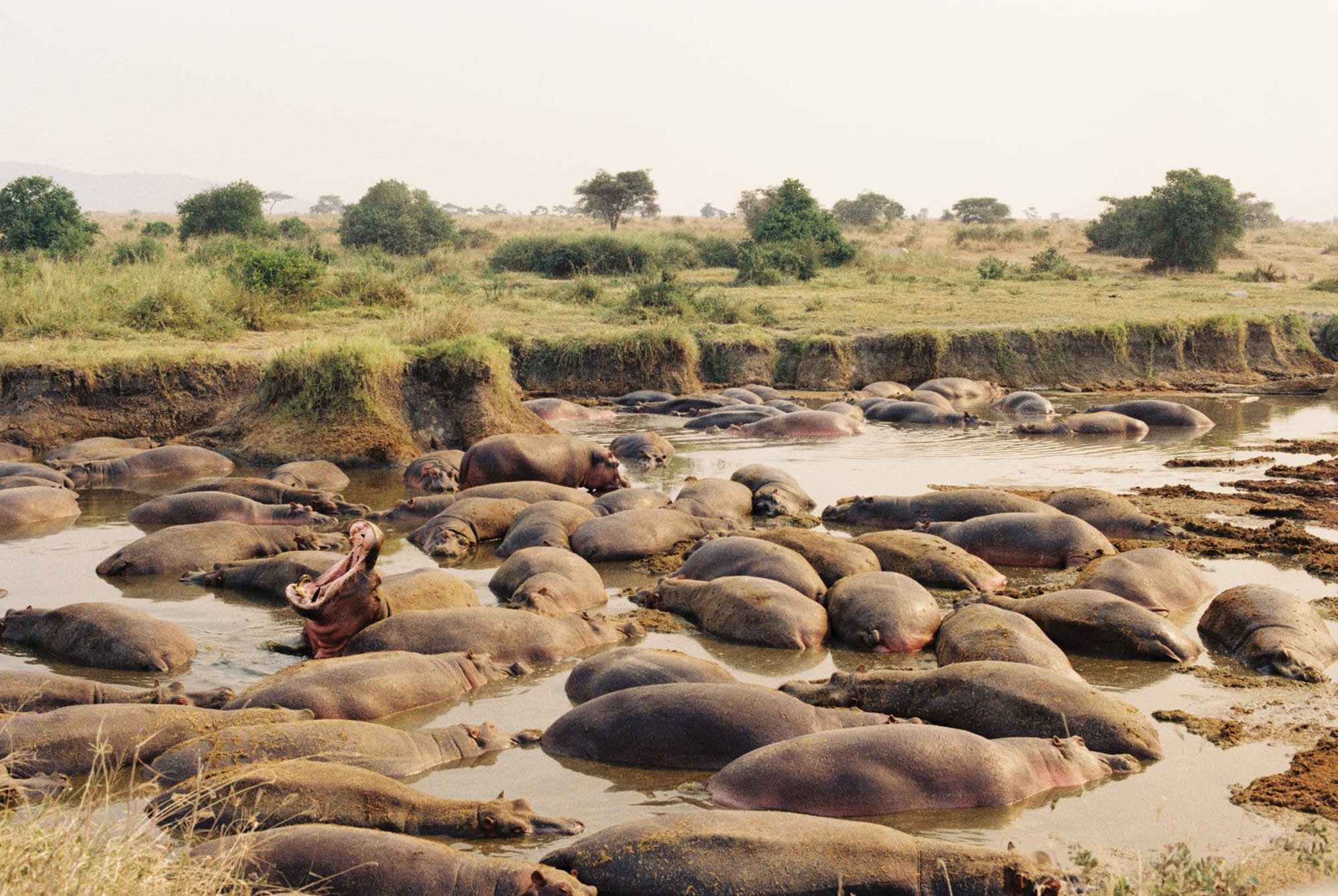
Our final day on the Serengeti started with a puff adder on the side of the road. It is responsible for the most snake bite deaths in Africa and the fact that it does not slither like a snake but rather crawls like a caterpillar made this a pretty horrid thing to watch. We saw a lot of big cats on our last day in Serengeti NP as well. Most notably, there was a group of young male lions who commandeered the picnic area, a lounging leopard in a tree, and a pair of mature lions mating in a field. Also, we will never forget the terrifically pungent bloat of hippos.
The next days’ game drives were in Ngorogoro Conservation Area which is adjacent to Serengeti NP. Ngorogoro Crater is actually a caldera and was formed from an implosion of an ancient volcanic cinder cone. Musa told us that the volcano was taller than Mt. Kilimanjaro. As we descended into the caldera we were completely entranced by the contrast from the Serengeti. This area is considered to be the cradle of humanity because the earliest fossils of mankind were found here. There are also the Laetoli Footprints nearby, which are the earliest evidence of bipedalism almost 4 million years ago. There was an ethereal feeling to the caldera as we drove down into it. We followed the same paths that the Masai tribe did to move their cattle across the grasslands. And before the Masai there were other nomadic tribes taking the same paths, and millions of years before them our prehistoric ancestors molded their footsteps into volcanic ash and history. It felt like the beginning of everything on the crater floor.
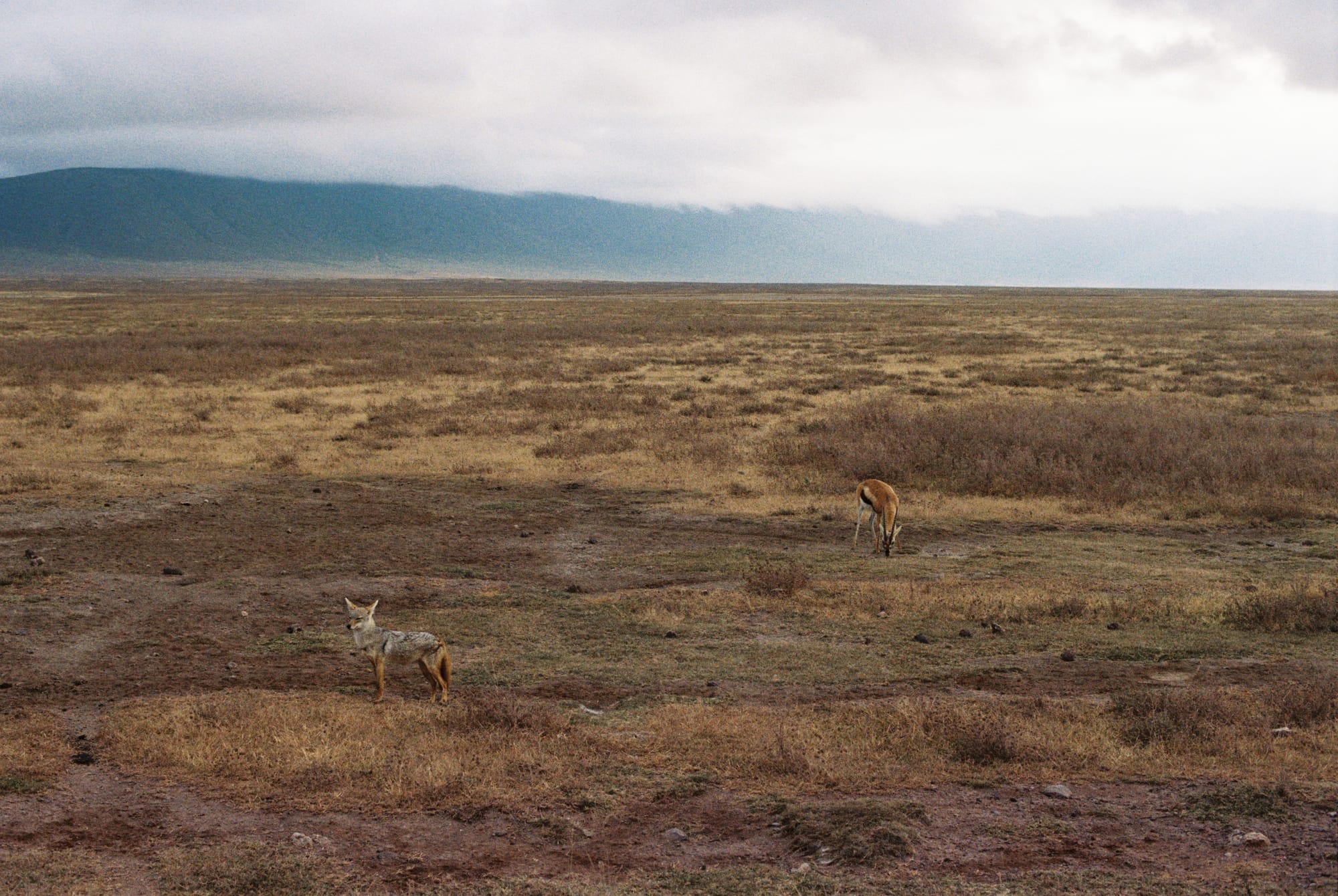
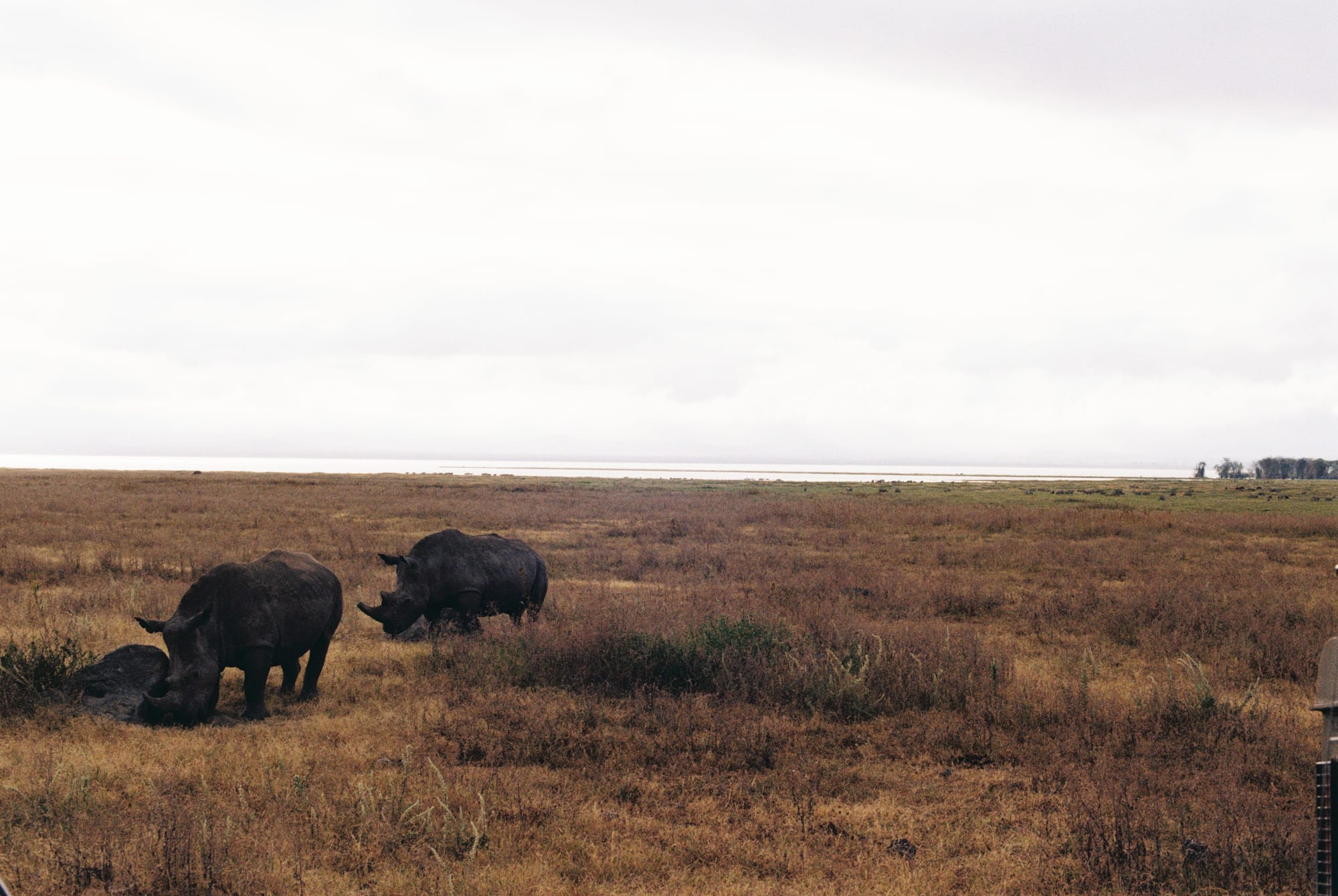
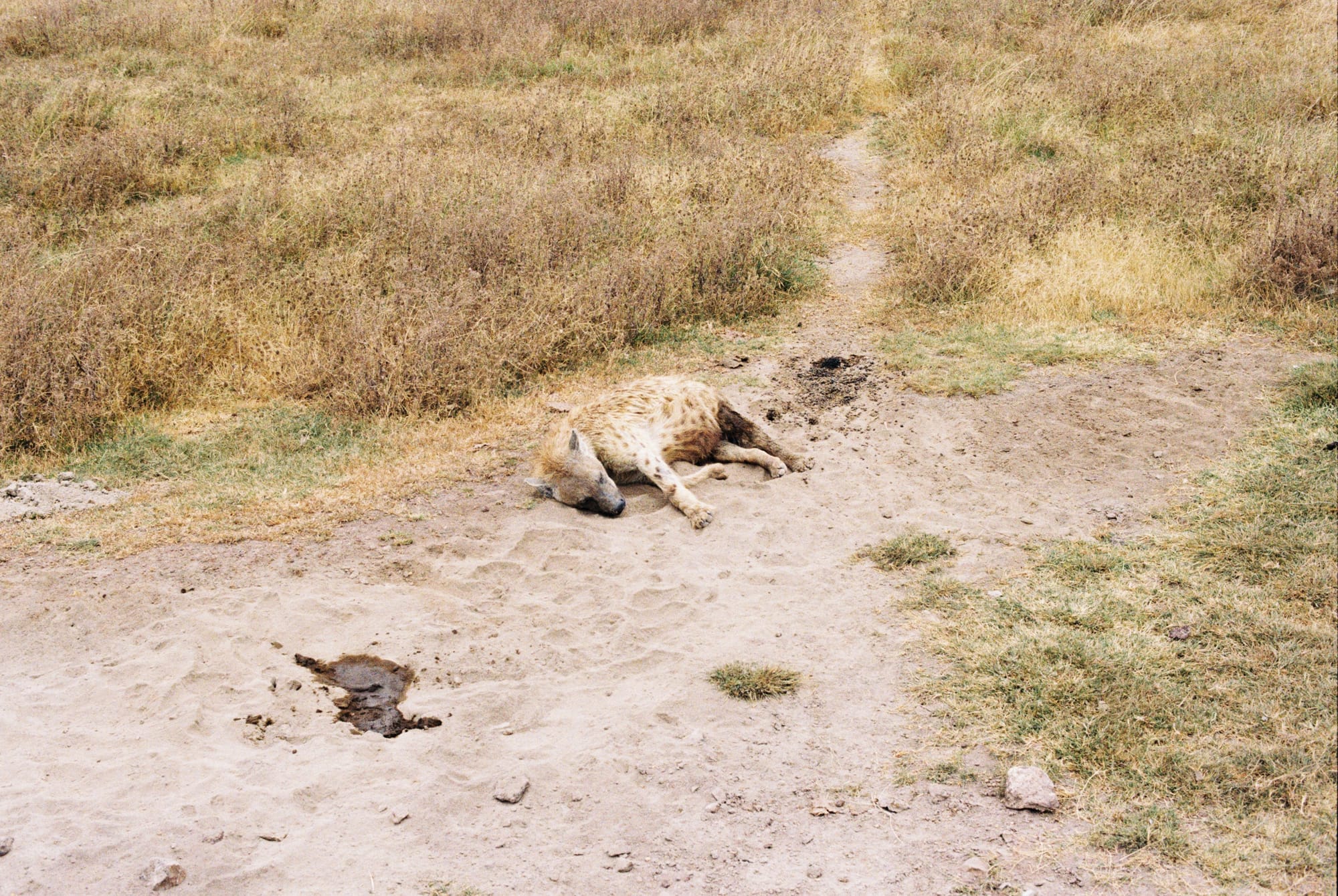
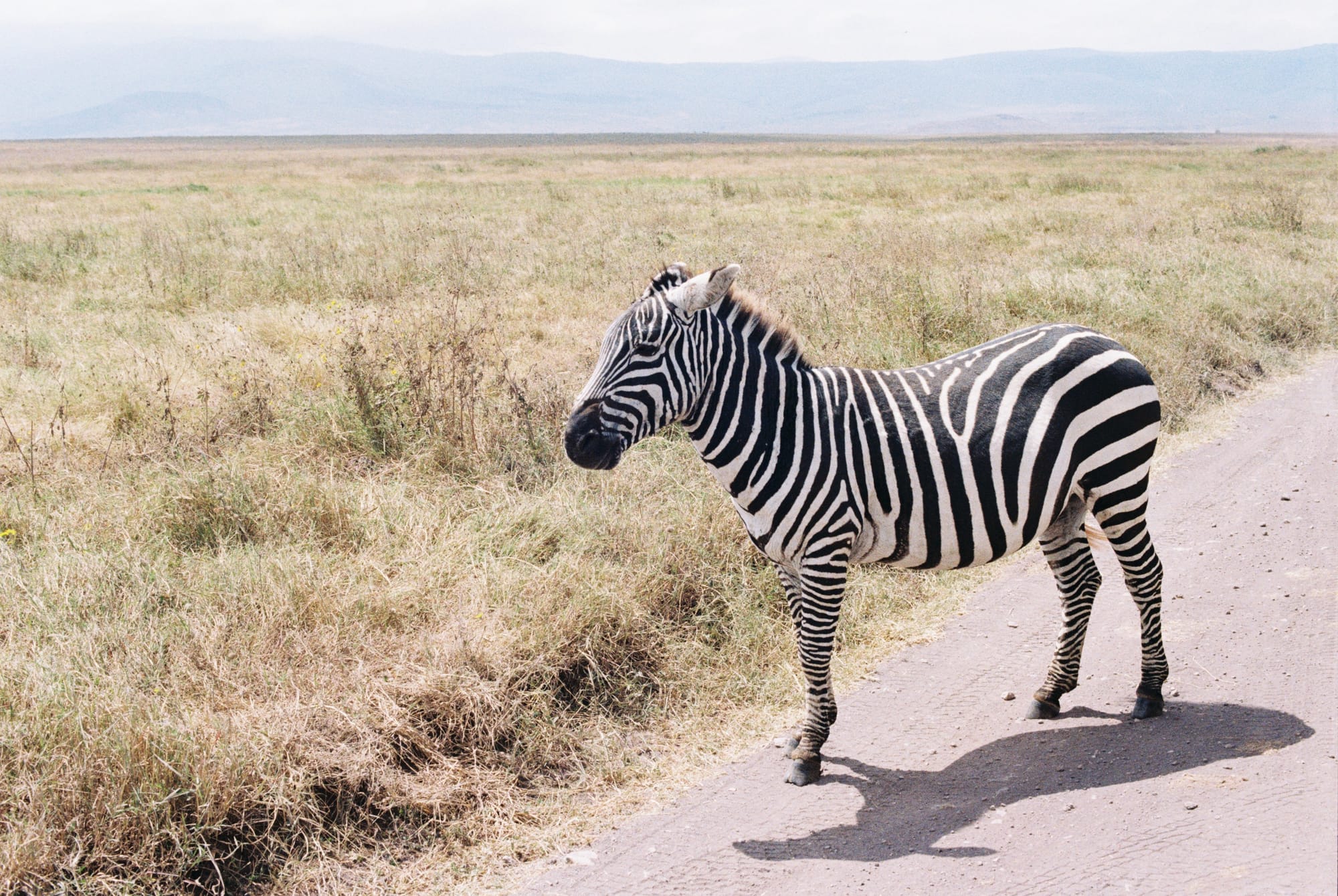
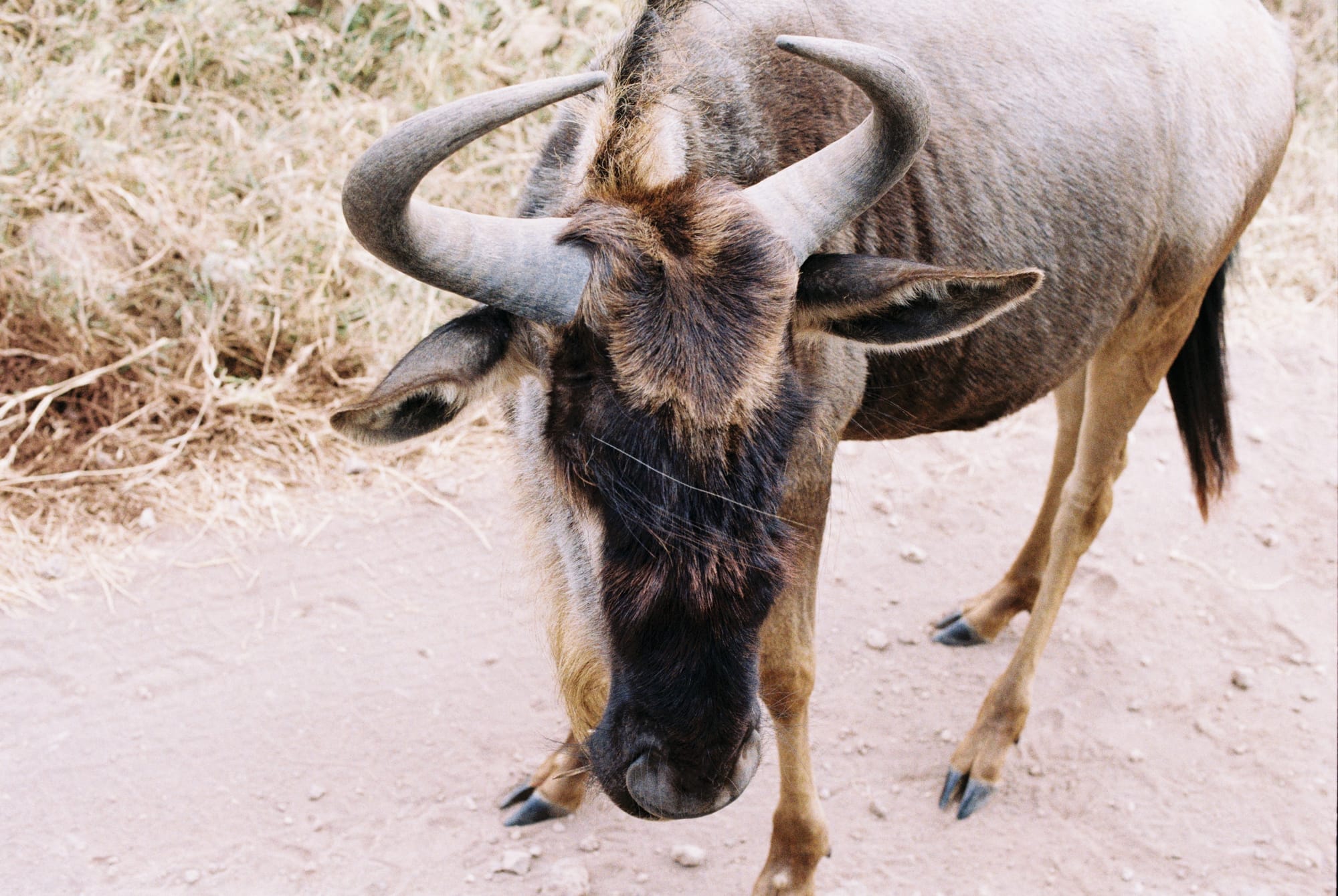
Ngorogoro crater was packed with wildlife. Shortly into our descent we saw two white rhinos walking close to the road which was very special. We saw zebra and wildebeest migrating together, a hyena who was delirious after his carrion feast, large families of elephants, and most surprising was a leopard pooping in the road on the drive out. Musa told us it was good luck to see a big cat pooping- white people will believe anything!
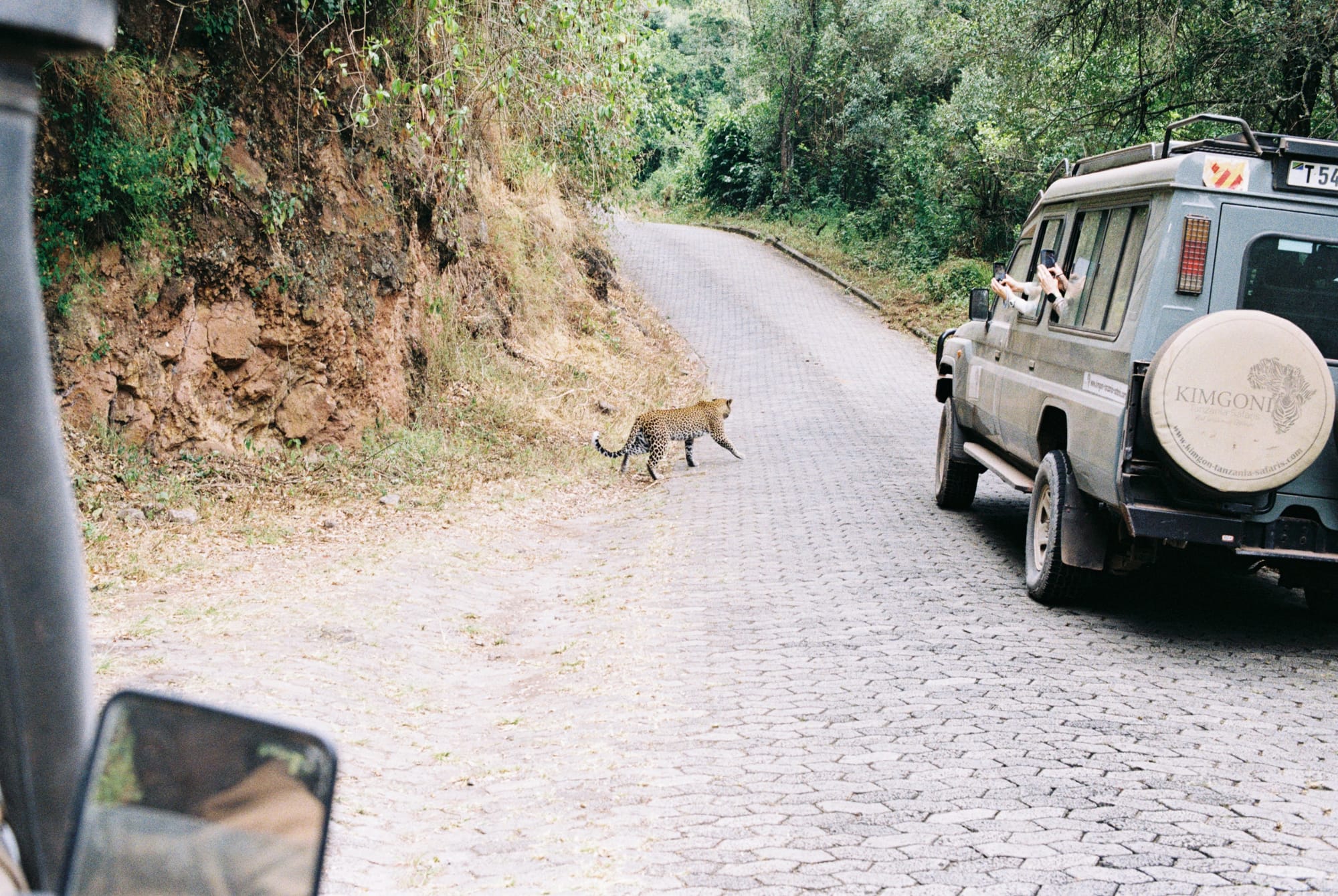
Our final game drives were through Lake Manyara National Park near Arusha. This park felt also very different from the three before it. It was a very wet and lush landscape. There were tree-climbing lions (Musa told us they climb trees to avoid the marshy areas and stay away from the incessant ants) and hippos and elephants and giraffes. This park was also great for birdwatching. It was more challenging to spot animals with so much vegetation so it felt rewarding to find them. The highlight had to be finding a baby elephant playing in the river with his family.
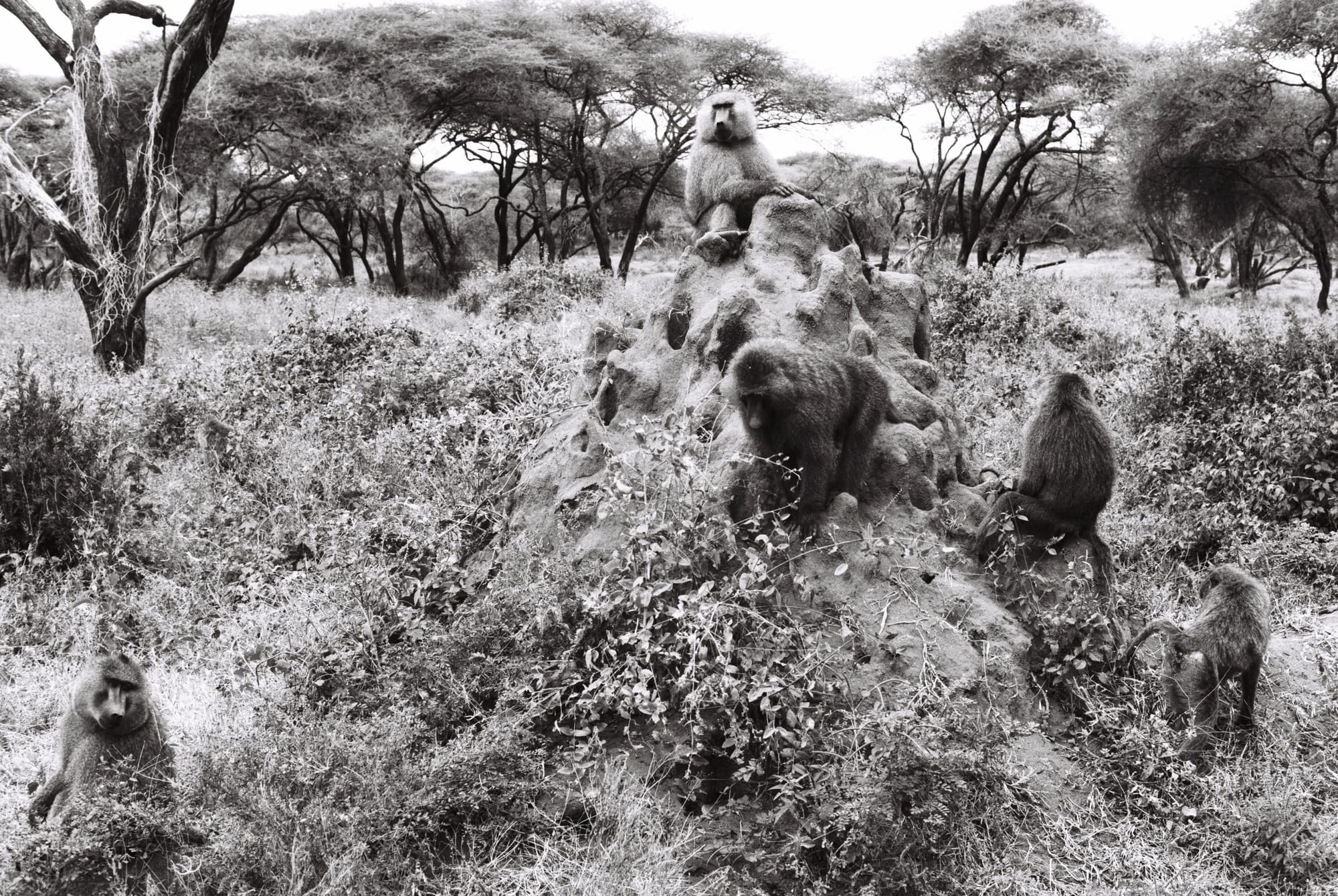
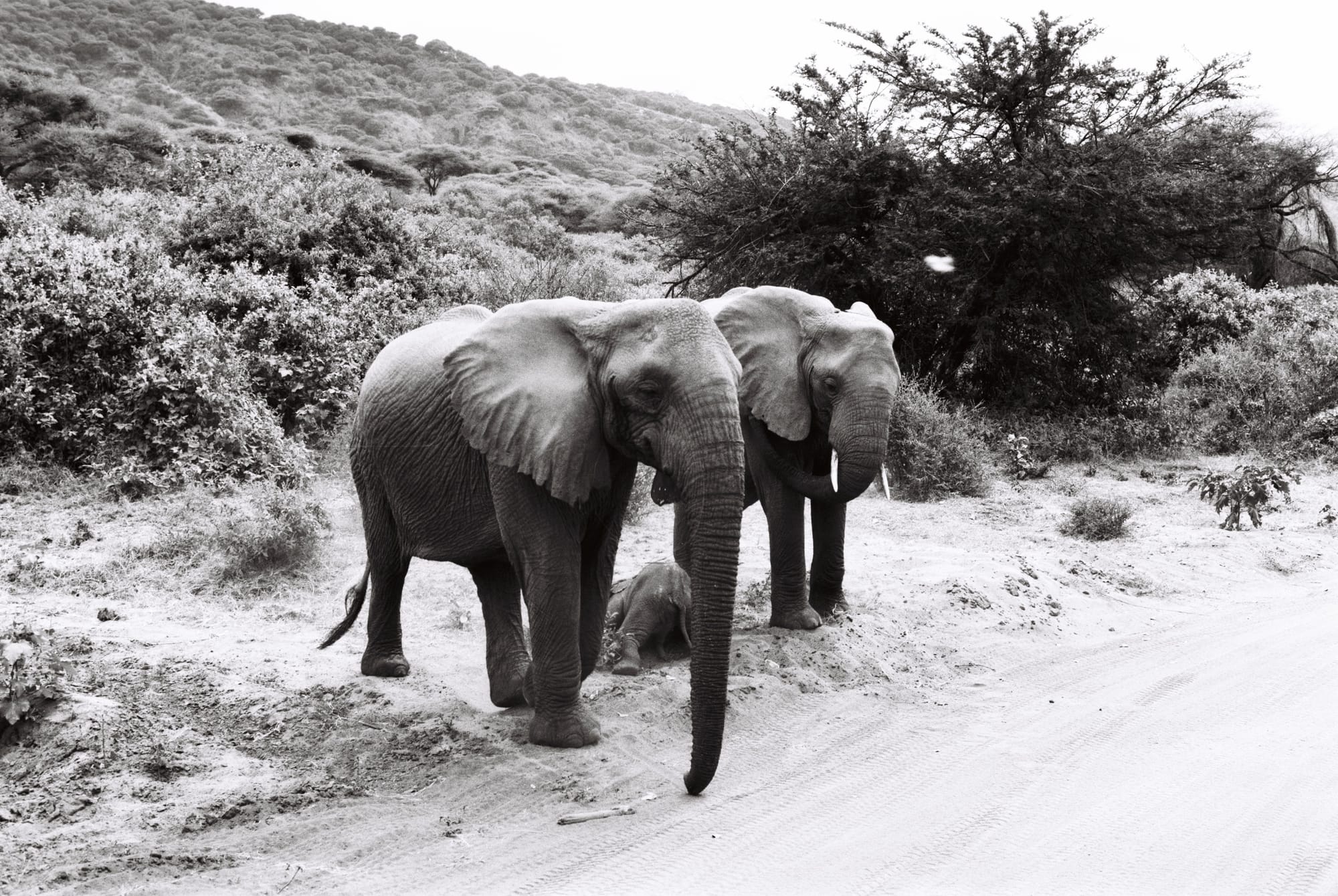
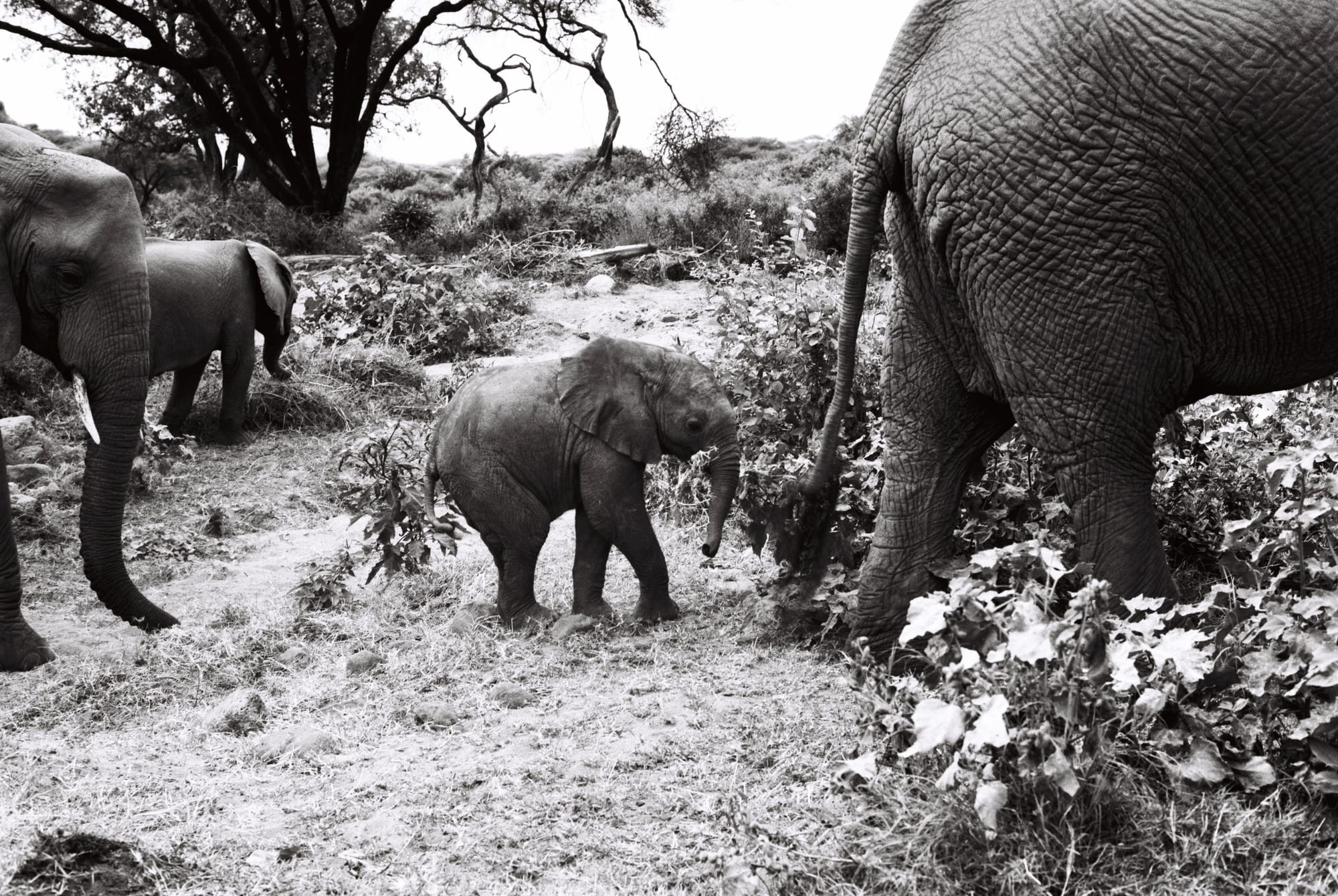
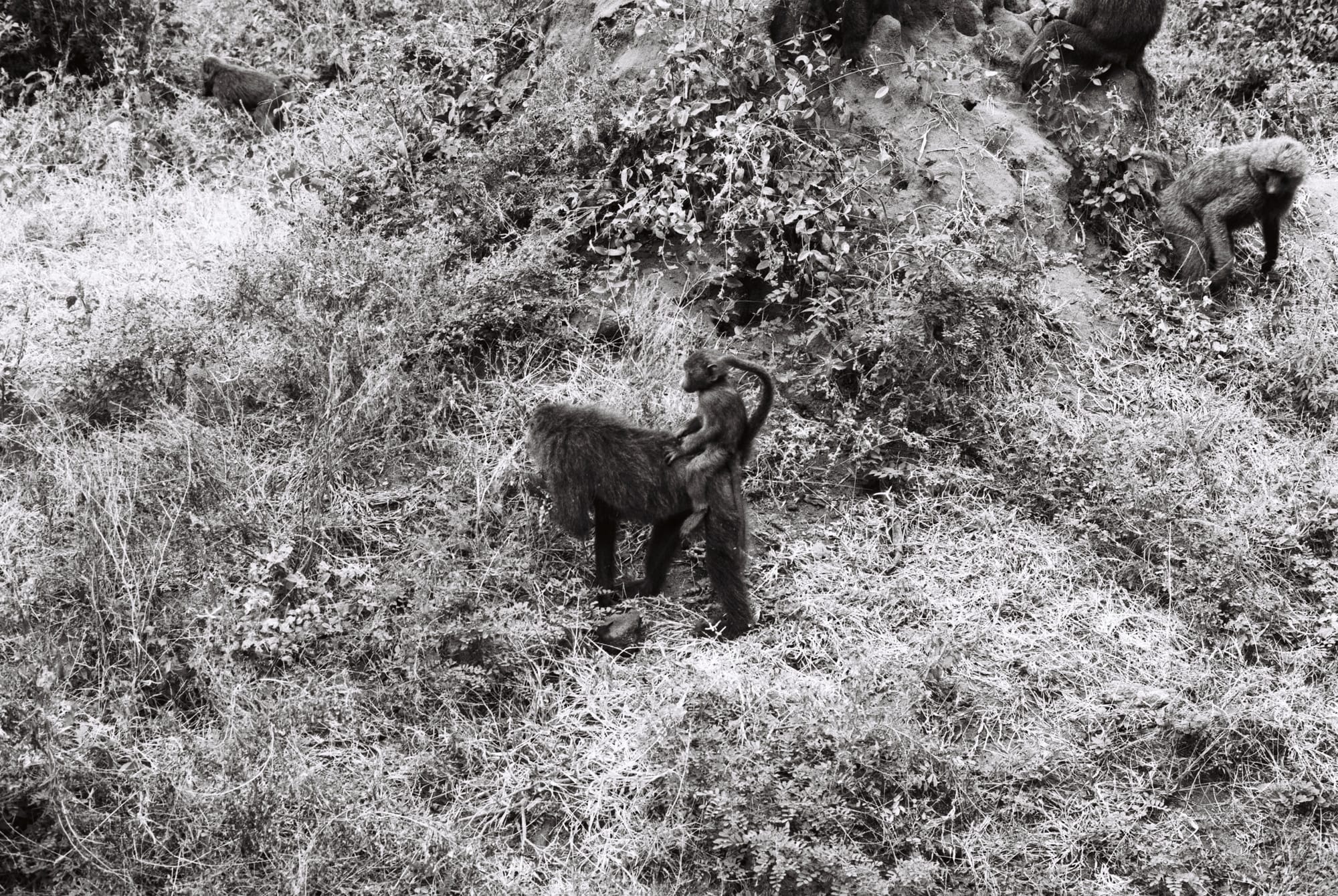
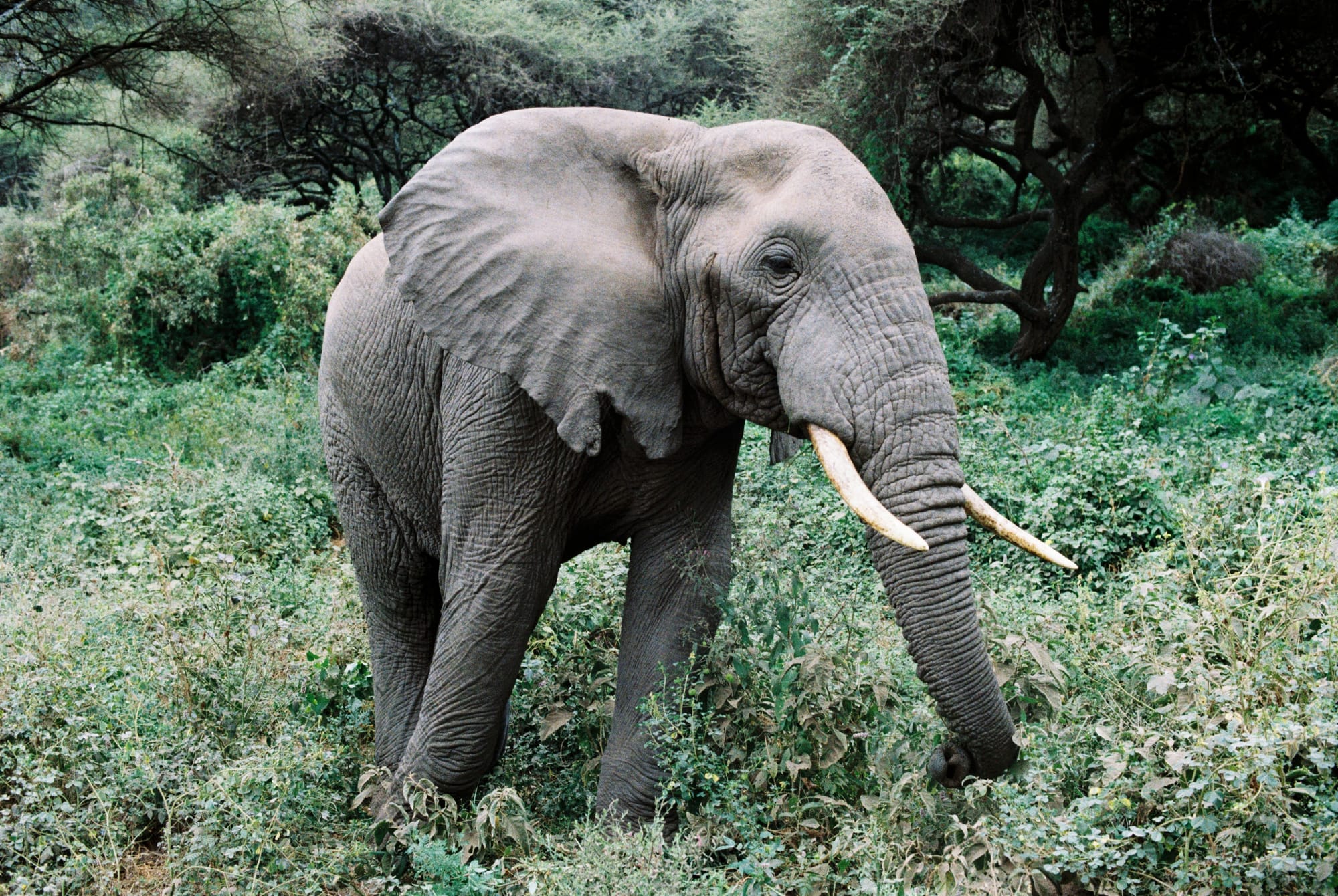
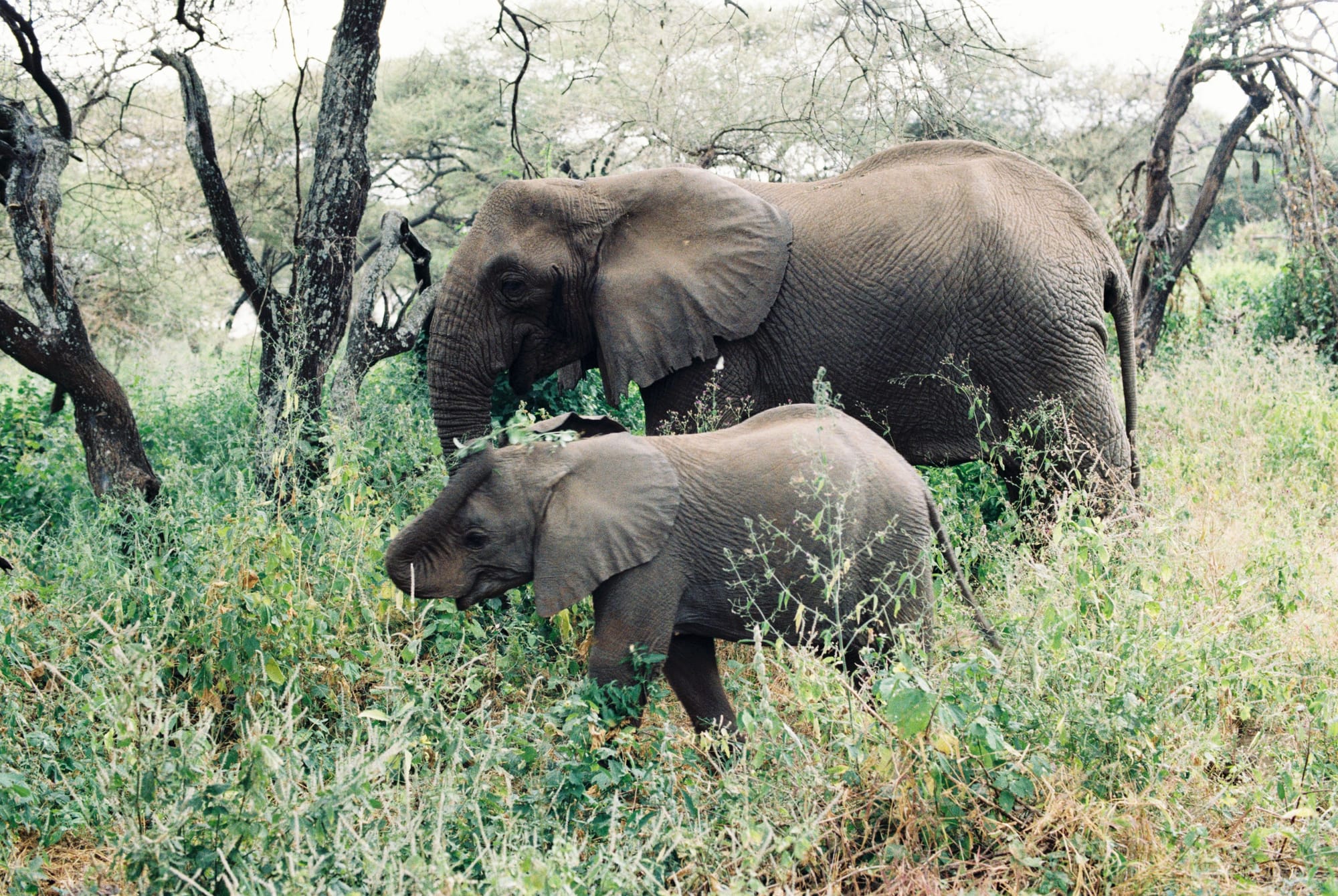
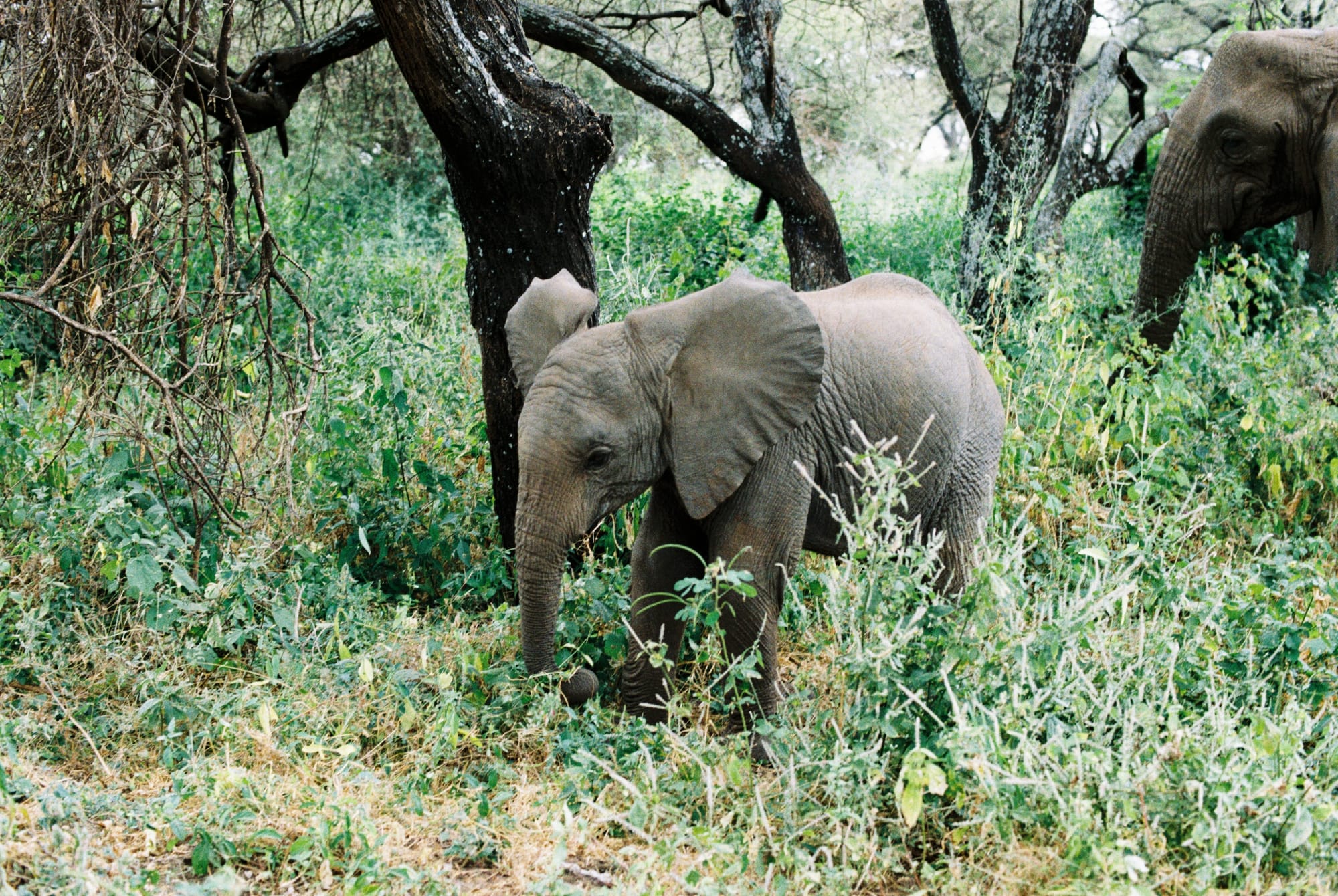
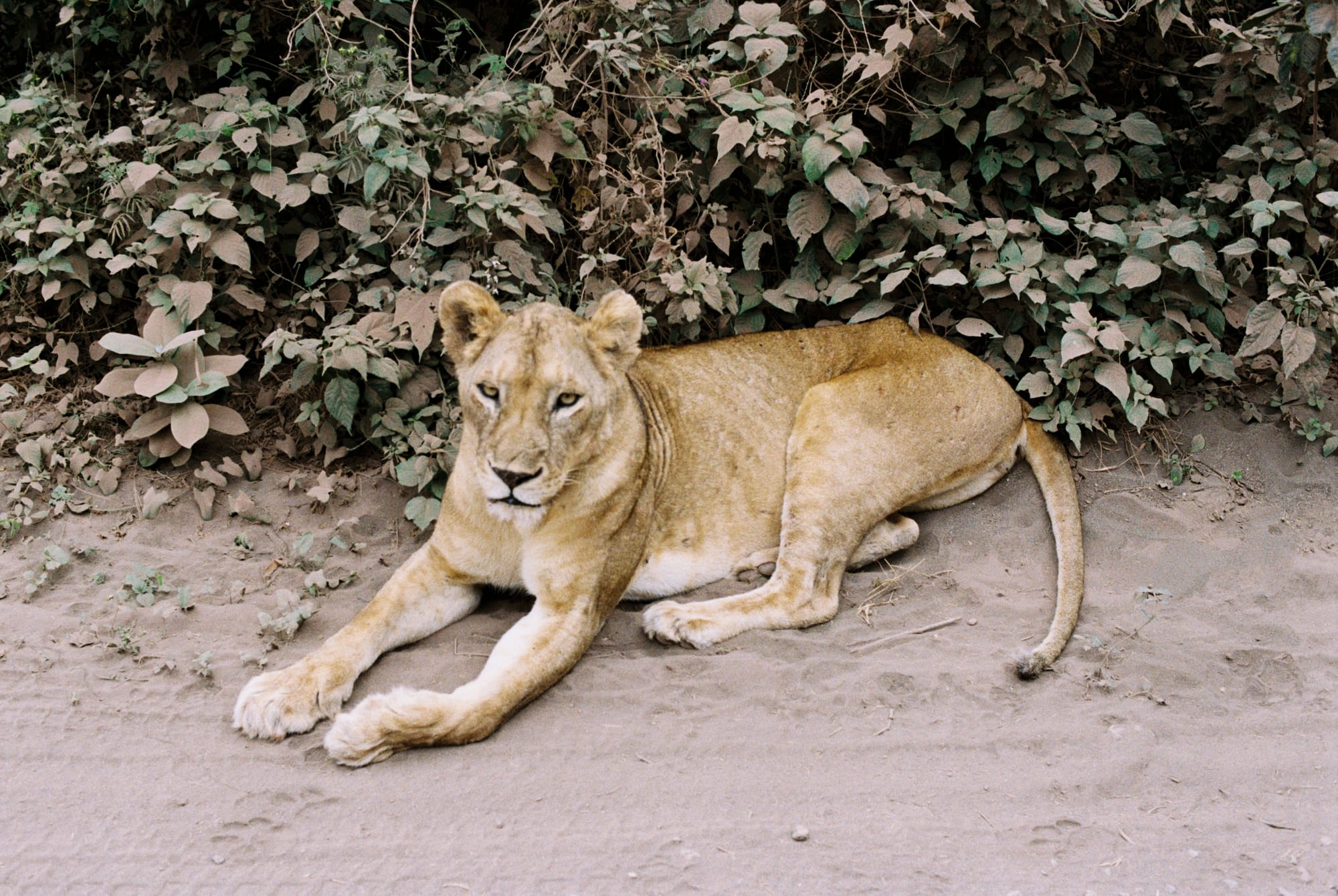
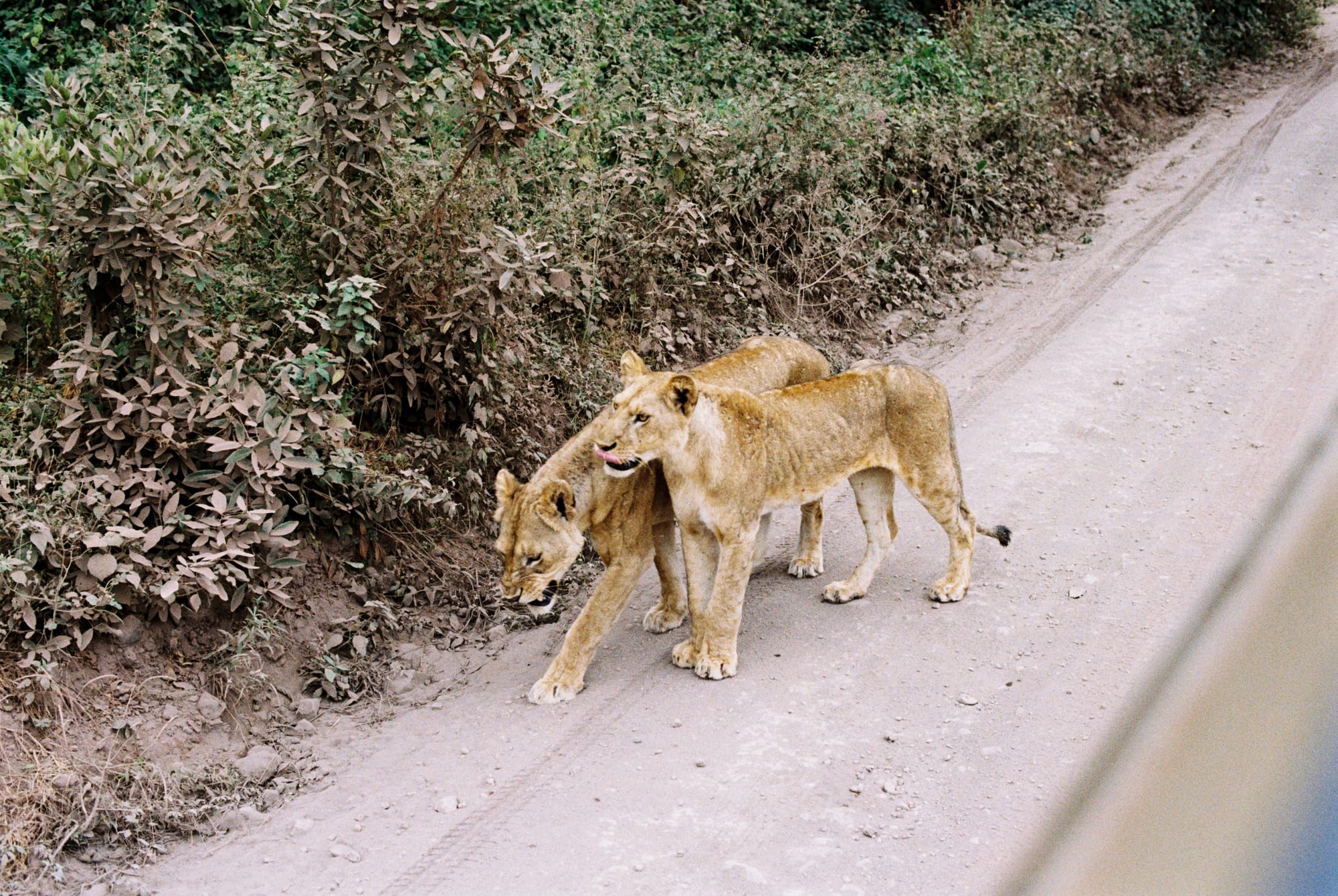
We aren’t sure of the best way to iterate the volume and species that we saw on safari. We figured a list of everything we could think of was fun.
Mammals: zebras, giraffes, elephants, black-faced monkeys, warthogs, baboons, lions, black-backed jackals, cheetahs, Thompson and Grand gazelles, impalas, African buffalo, wildebeest, hippos, leopards, dik-dik, topi, bush buck, water buck, heartbeest, white rhino, hyena, and blue monkeys.
Birds: lilac-breasted roller, little bee-eater, red-cheeked cordonbleu, woodland kingfisher, martial eagle, bateleur, southern red bishop, emerald-spotted wood dove, white-browed robin-chat, white-backed vulture, black-headed heron, great white pelican, yellow-billed stork, common ostrich, gray crowned-crane, greater and lesser flamingo, helmeted Guinea fowl, African sacred ibis, Egyptian goose, glossy ibis, secretary bird, blacksmith lapwing, hildebrandt’s starling, Kori bustard, marabou stork, Fisher’s lovebird, superb starling, tawny eagle, and northern red-billed hornbill
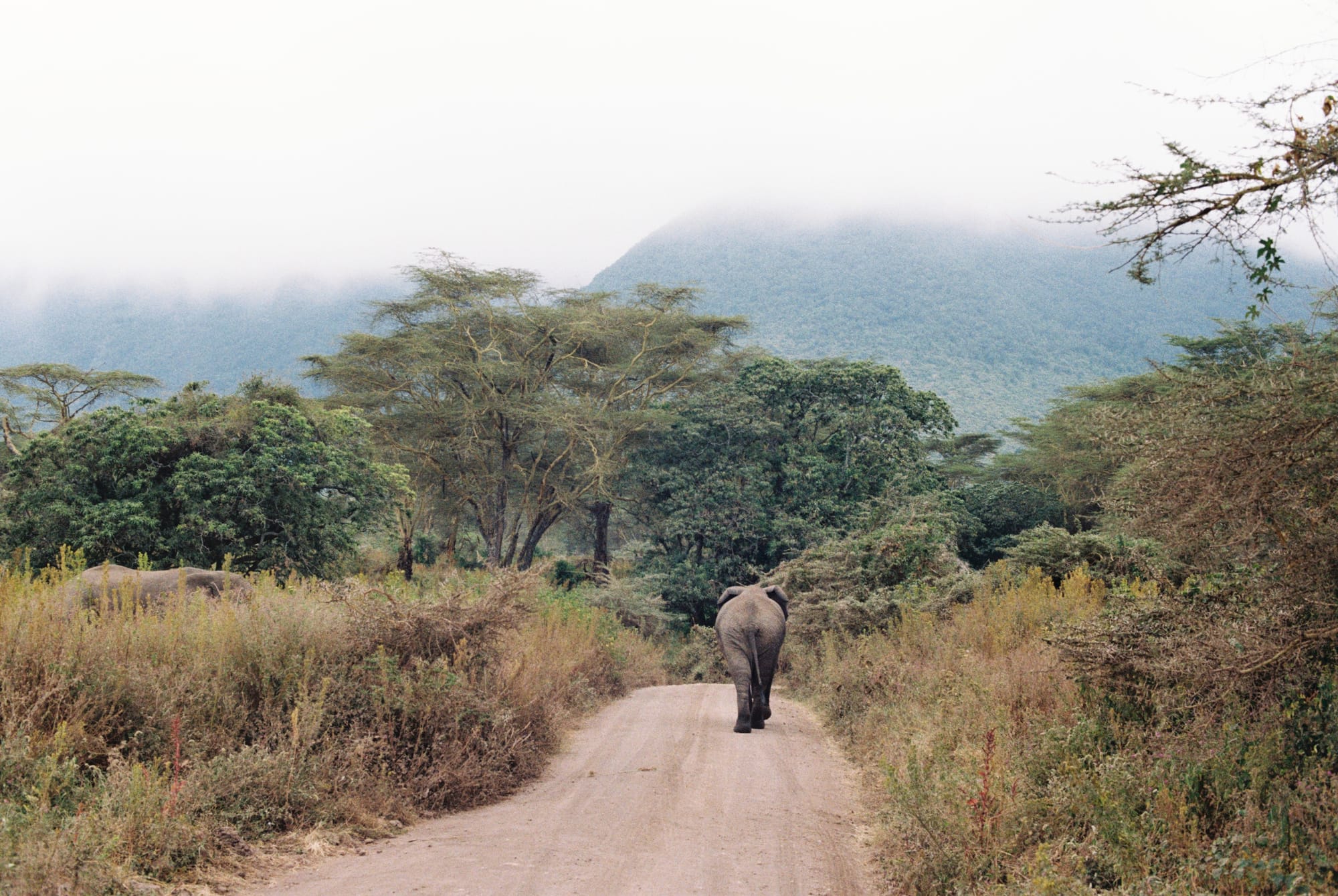
Each day and each park and even each game drive were very different from each other. We had a nostalgic sense of wonder each morning as we climbed into the truck anticipating what animals we would see, which empty roads we’d explore, and what stories or wisdom Musa would impart on us. There is a wildness and biodiversity that are unmatched in Tanzania. It seems like a fitting place for mankind to have emerged and we are grateful to have come back to visit it.