Norway
We approached our last country in Europe with excitement and apprehension. We were stoked to have our big group of friends coming to meet us in Oslo for a 3 week portion of the trip, but it also meant that our year-long journey was nearing its end.
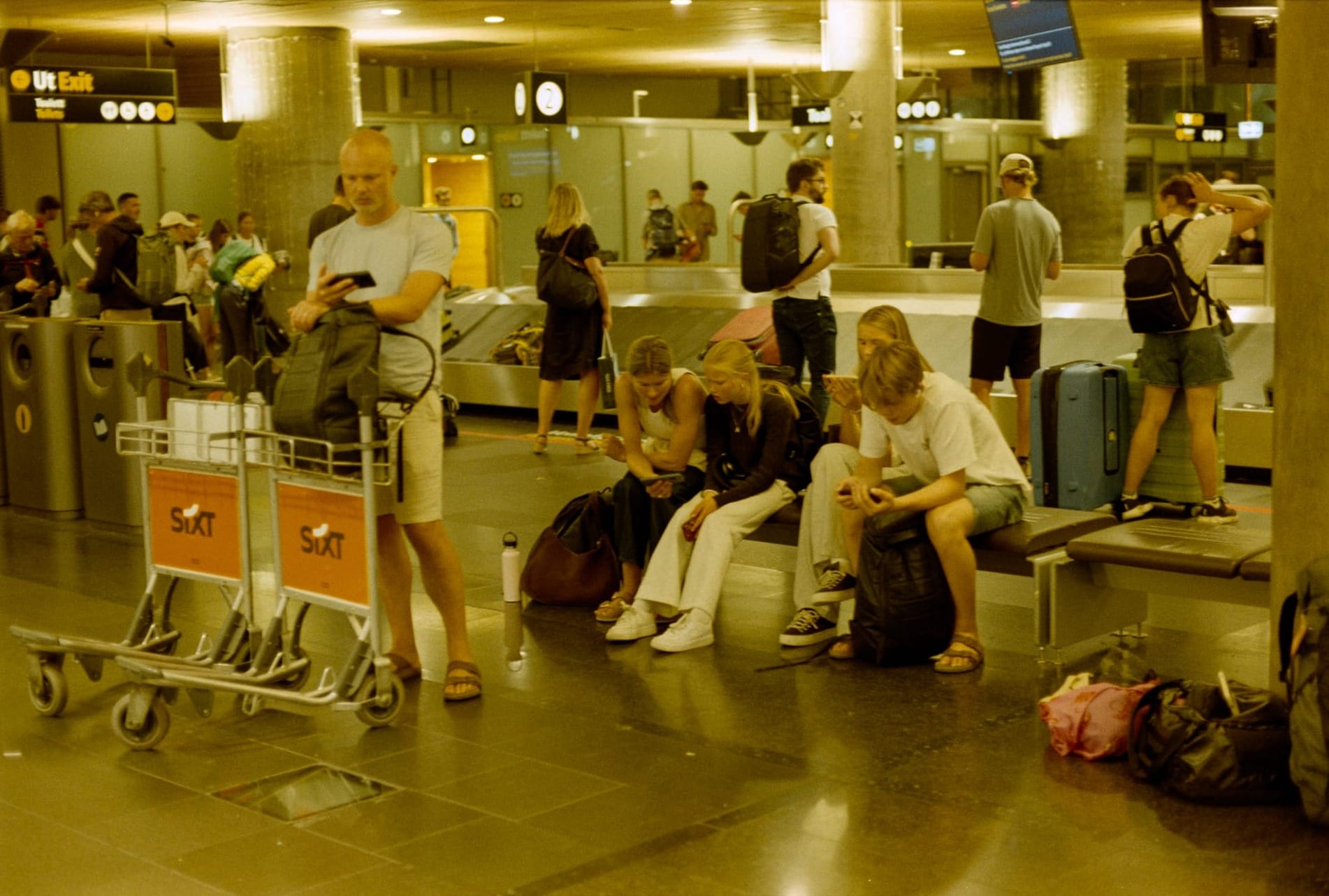
We first flew in to Oslo from Geneva and by this time the sticker shock from Switzerland had normalized the $67 public bus ticket from the airport to downtown Oslo. The Norway soccer team made it into the quarter finals World Cup game the night of our arrival! We had planned to watch the game at one of the viewing parties in Oslo but our flight was delayed so the pilot would announce game updates over the intercom. At baggage claim, England and Norway were tied approaching the final few minutes and everyone in the airport was streaming the game on their phone and cheering- a watch party of its own kind! We entered into Oslo after midnight but still with thousands of people in the streets watching the game in extra time. We cheered and rowed alongside the patriotic Norwegians but unfortunately had to see England squeak out a win. Now, we have heard a lot about football “hooligans” in Europe who riot after a loss (or a win) but the Norwegians left the watch parties in an orderly fashion at 2 a.m. without flipping over even one car. Maybe it’s because no one can afford to get drunk here with $19 pints? Or maybe they have some semblance of mutual respect? Either way, we were disappointed.
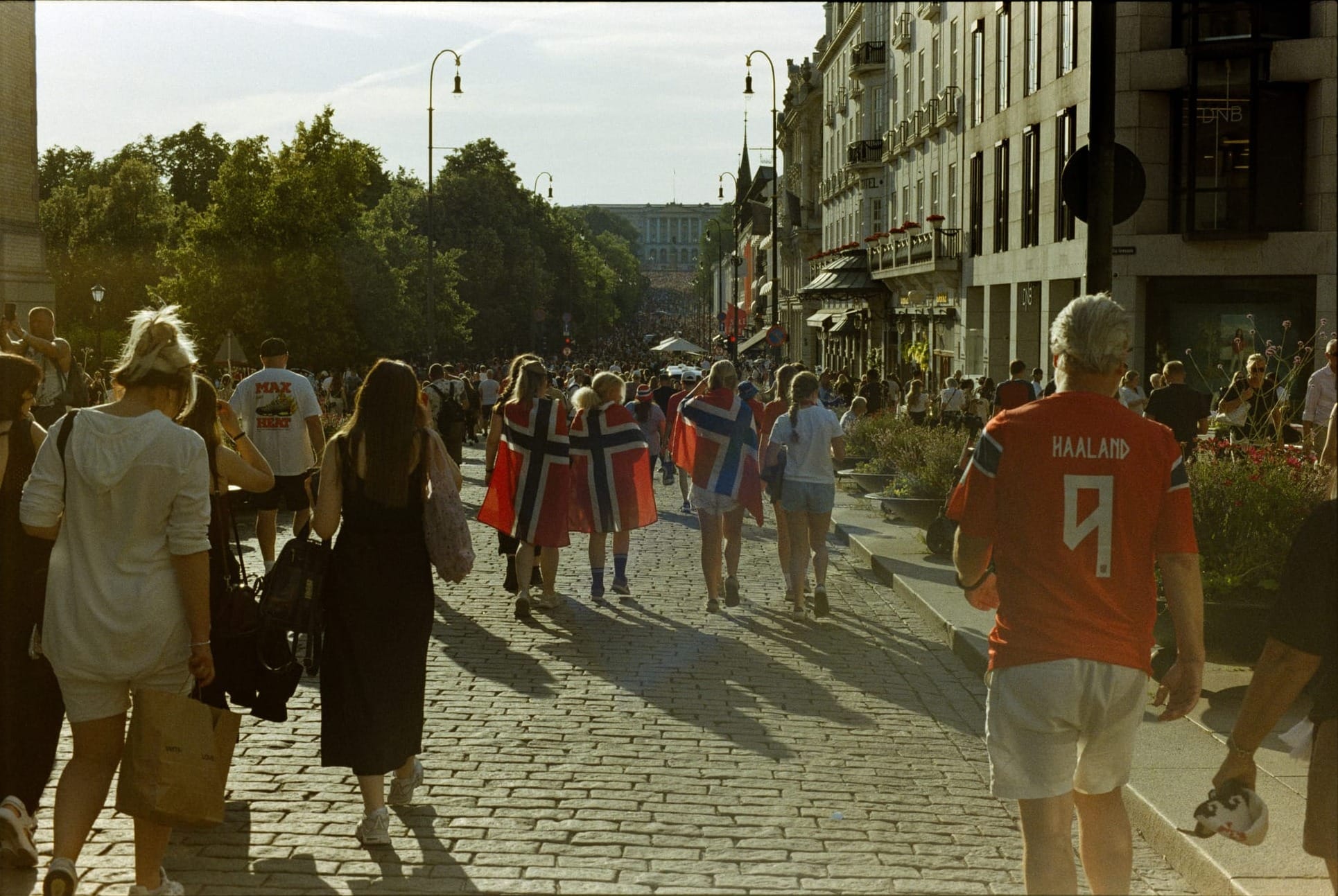
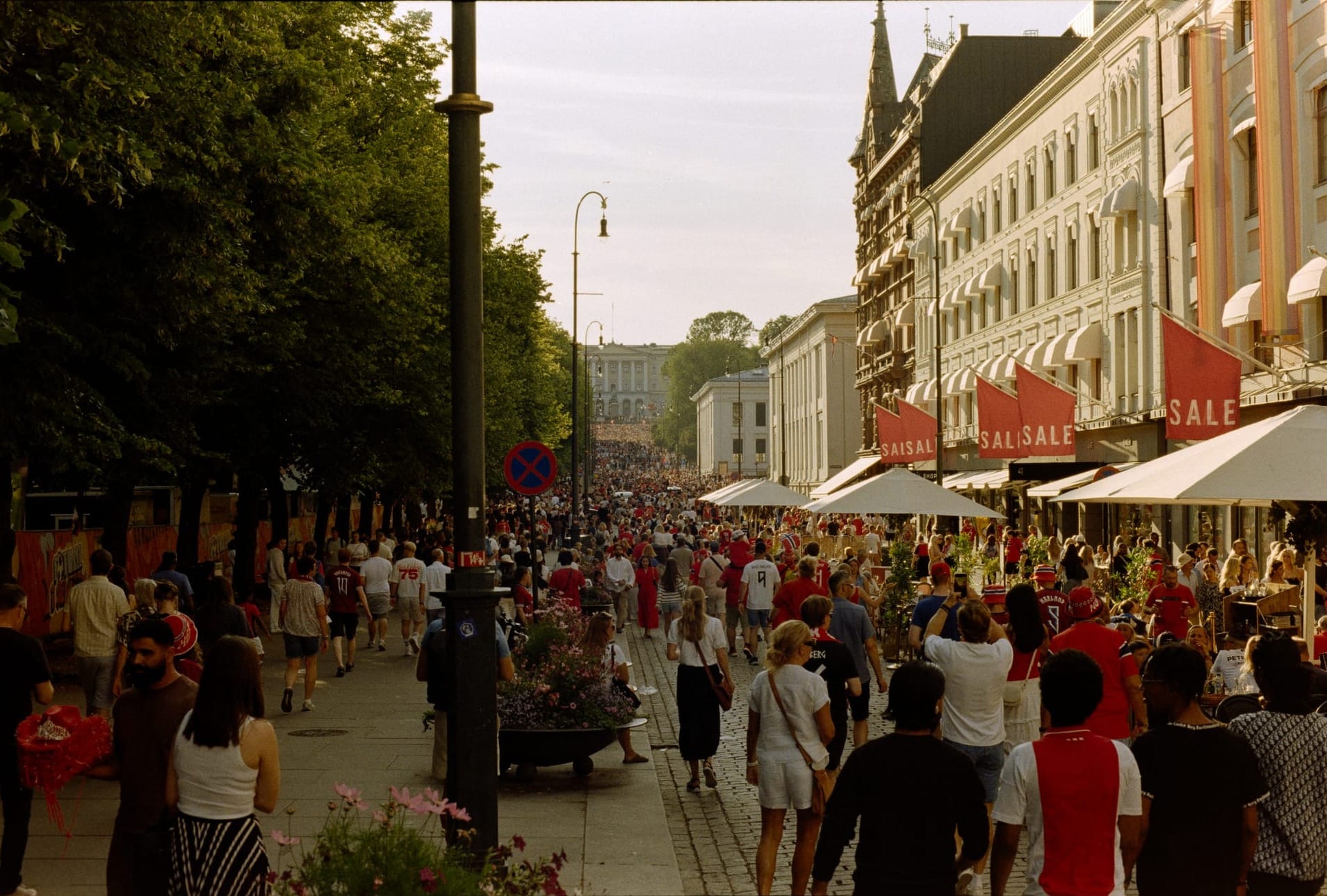
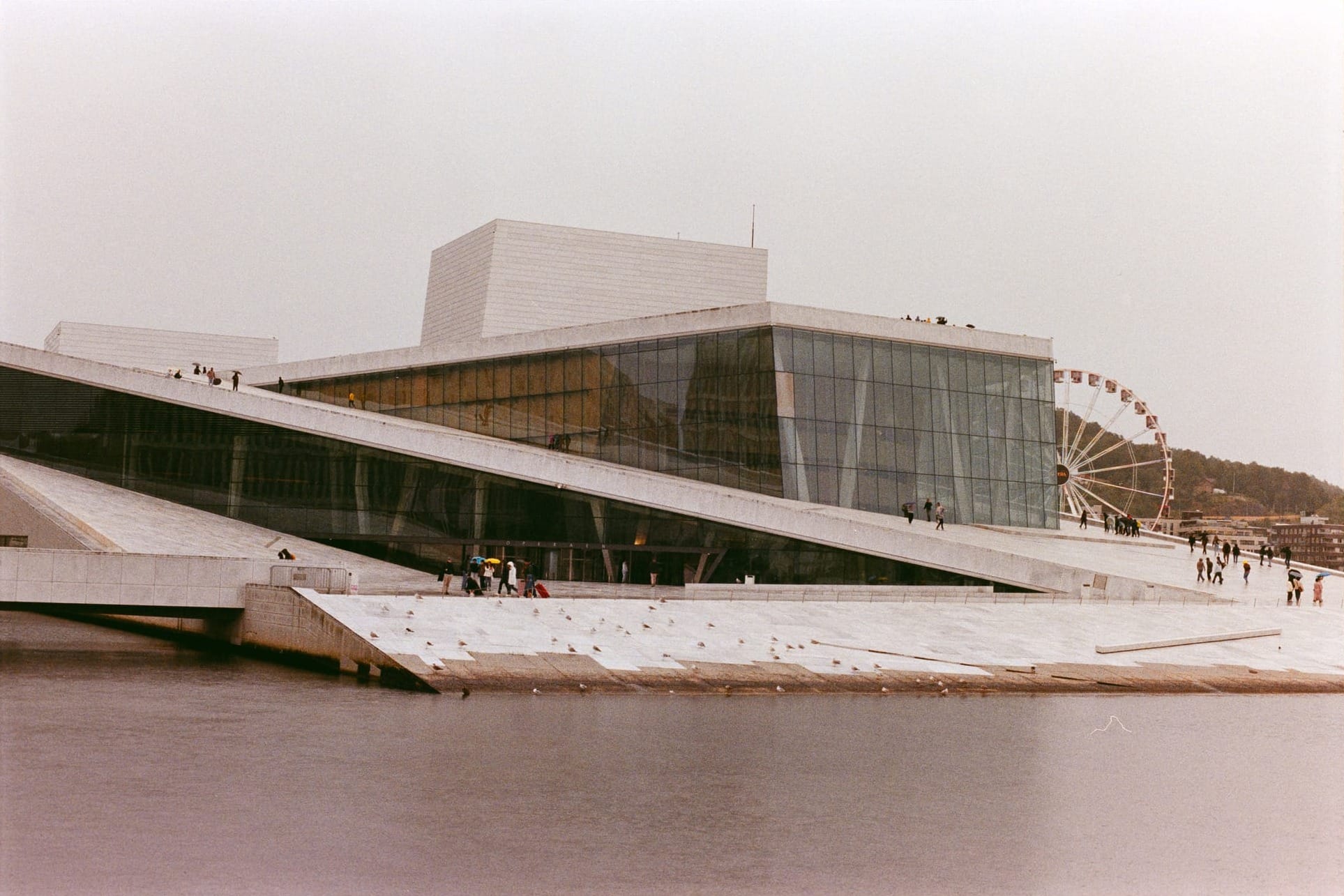
We caught Oslo in a rare stretch of warm weather so we enjoyed the sunshine and it was hot enough to even swim in the Fjords and join the locals lying out in the sun near the Opera House. We had some dinner under the blazing 9 p.m. sun. What a wild place!
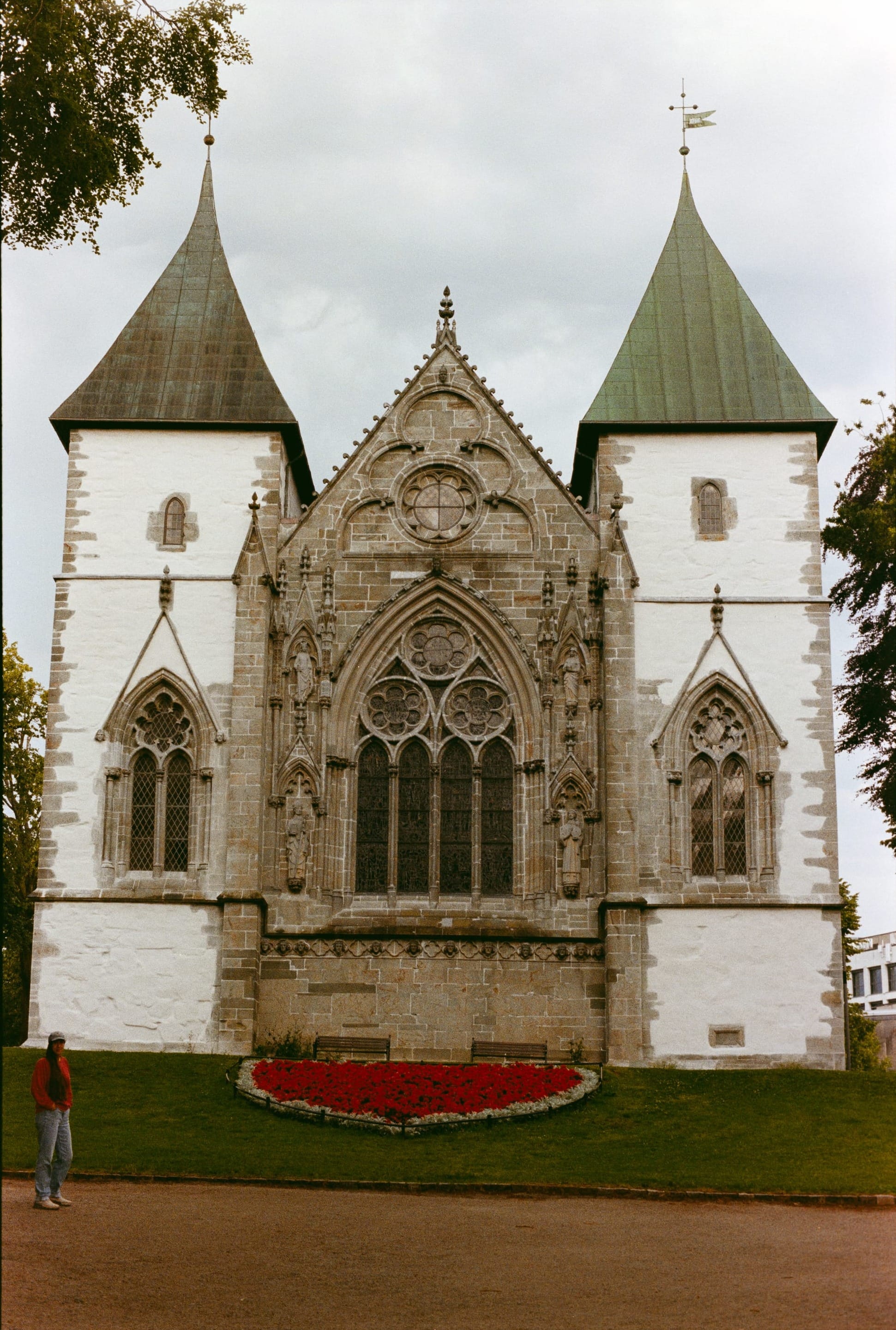
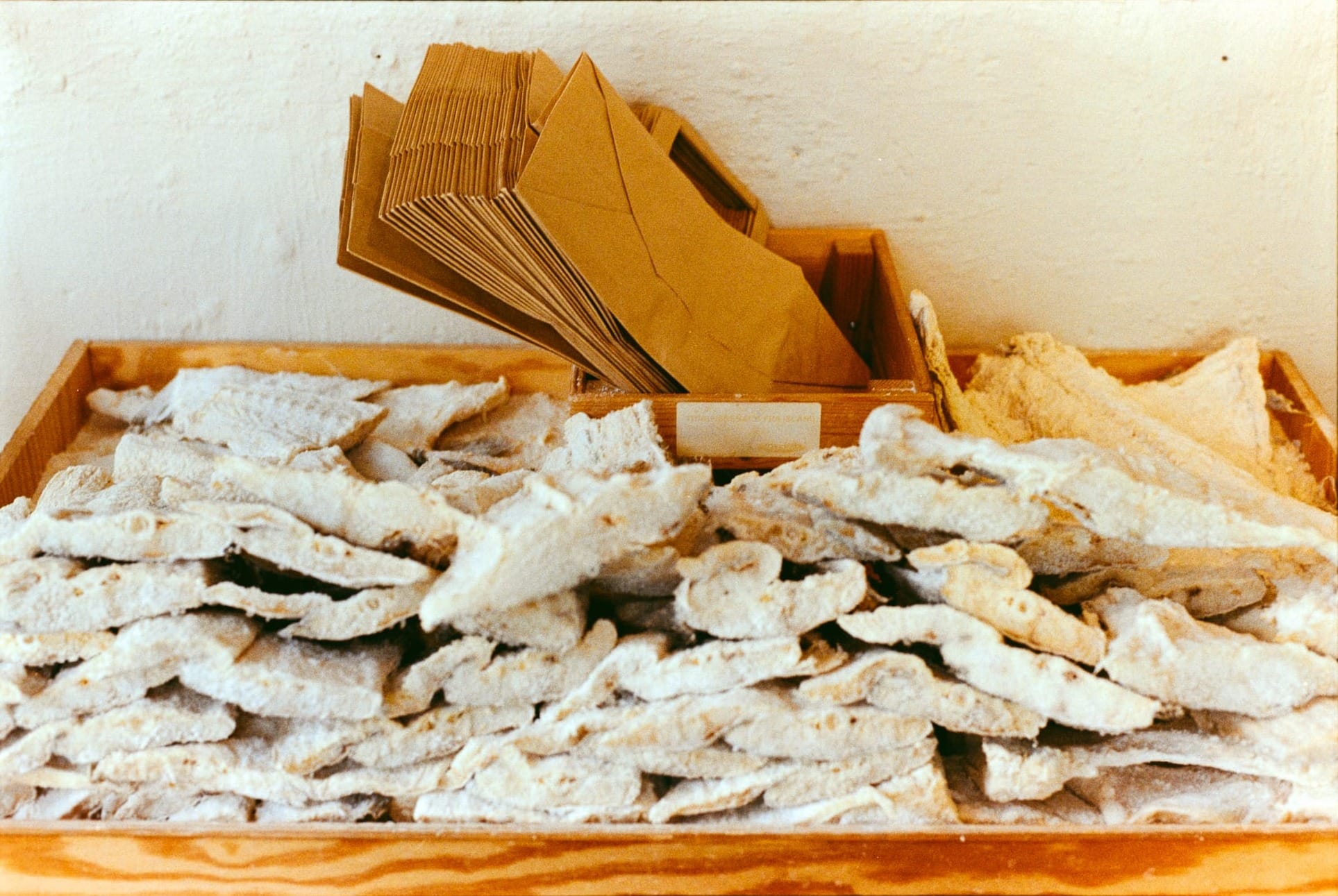
From Oslo, we flew to Stavanger which is a fishing port and old petroleum manufacturing center in southwest Norway. It doesn’t sound glamorous or cute, but when we walked through the city it turned out to be a very sweet and beautiful place. We stayed a short walk away from Old Town with its whitewashed houses, climbing roses, and cobblestone streets. Stavanger, along with the rest of Norway, has a long fishing history and we went to a fishmonger and saw where they did all of the processing and cold/hot smoke of their salmon. We had a sampler plate of the hot-smoked, cold-smoked, and marinated salmon which turned out to be the best that we had ever tasted. It was 10 am and we just devoured the fish plate. The owners gave us a little tour of the cold smoker and told us the cast iron grates had not been cleaned in over 100 years. Talk about well-seasoned. We also had our first intro to Norway’s love of Tex-Mex. We at first thought this was a joke but we learned that in the 1960s when the petroleum factory was a booming industry in Stavanger, there were a lot of Americans from Texas and New Mexico working in the petroleum plants. They introduced Norwegians to the magic of hard-shelled tacos, sour cream, shredded cheddar, and taco sauce. Even after the petroleum factory shut down, the Norwegians ran with the Tex-Mex food and adopted Taco Fridag or “Taco Friday” as a nationwide cultural practice. There is a dedicated Tex-Mex aisle in every grocery store in Norway.
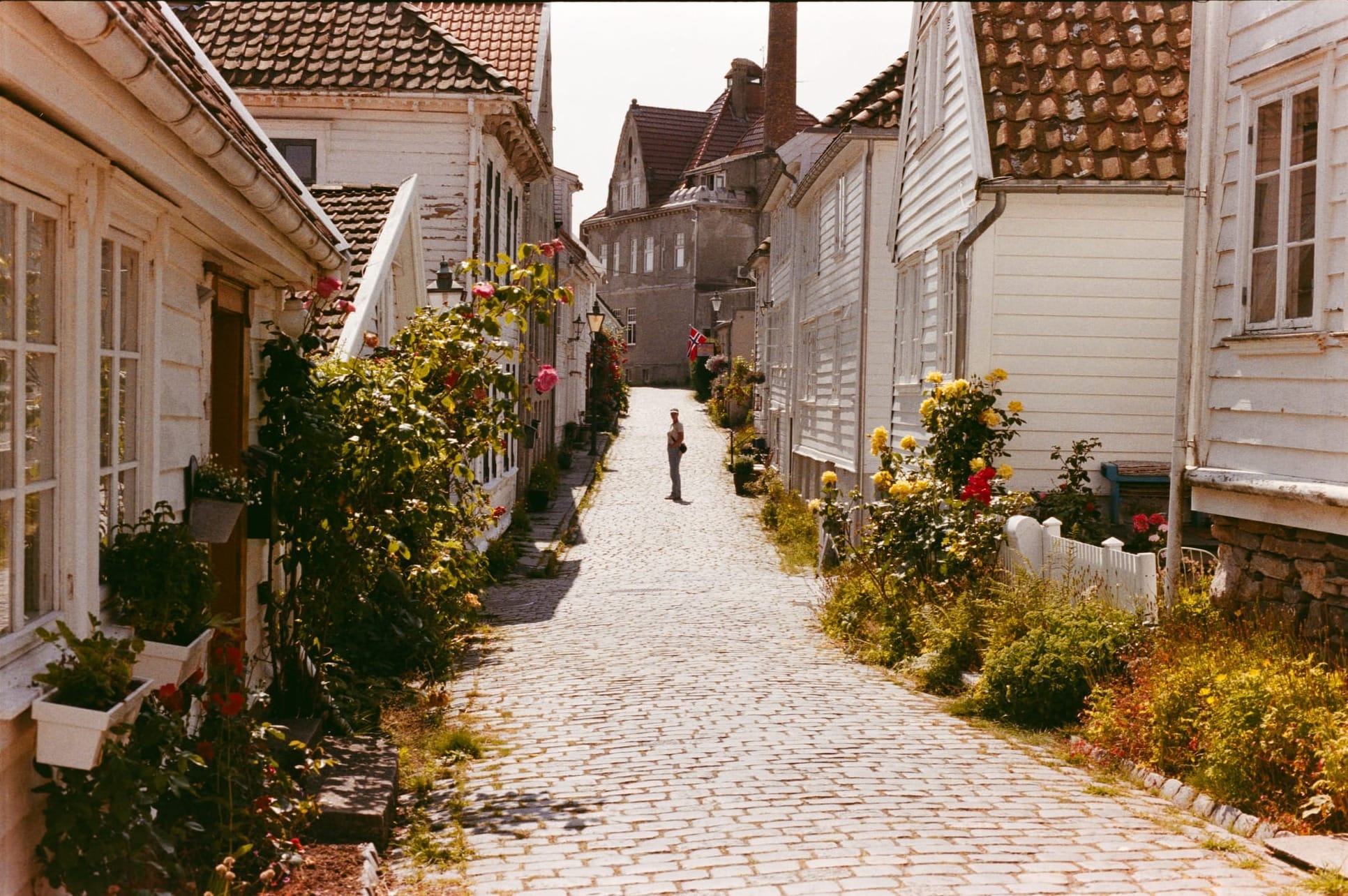
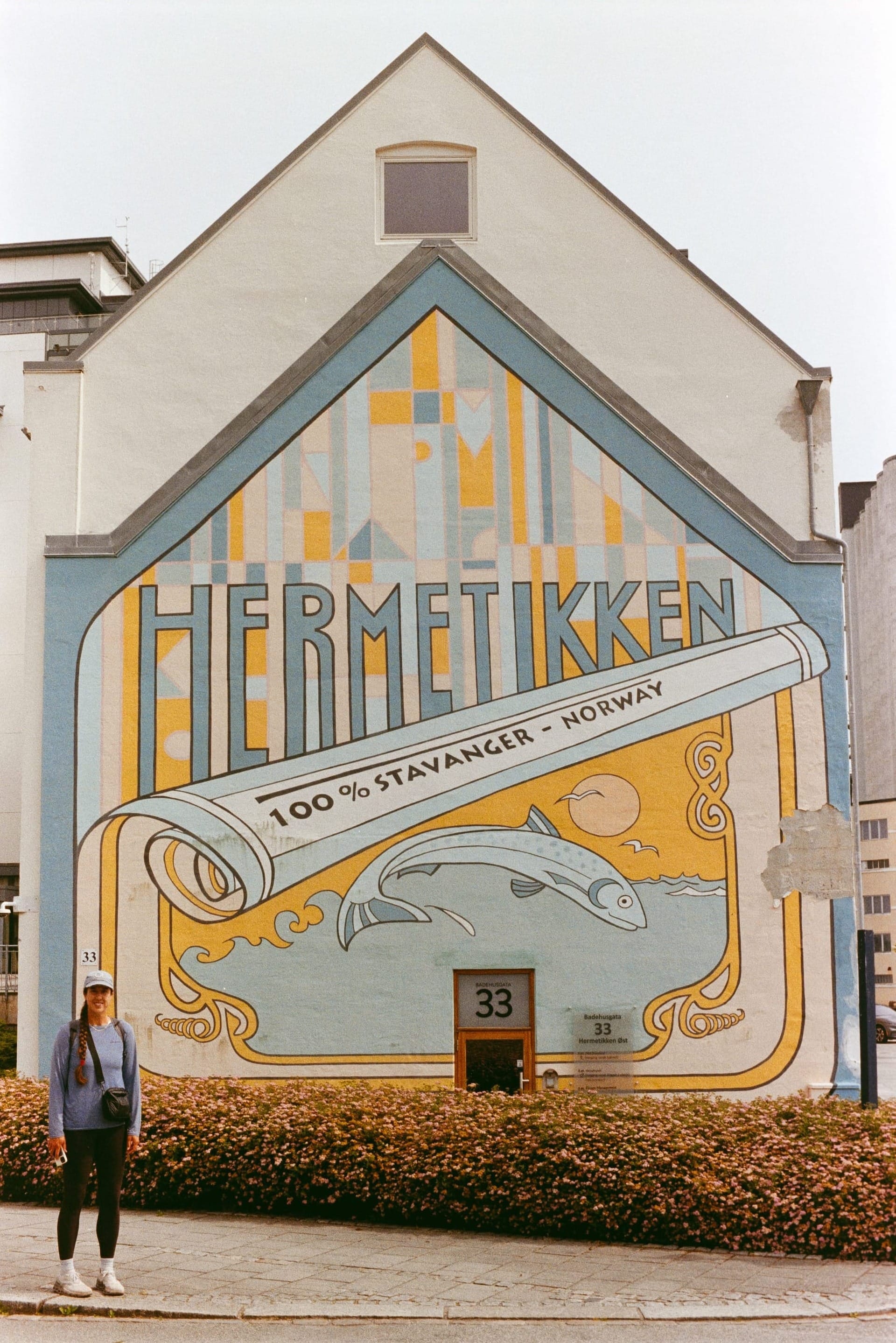
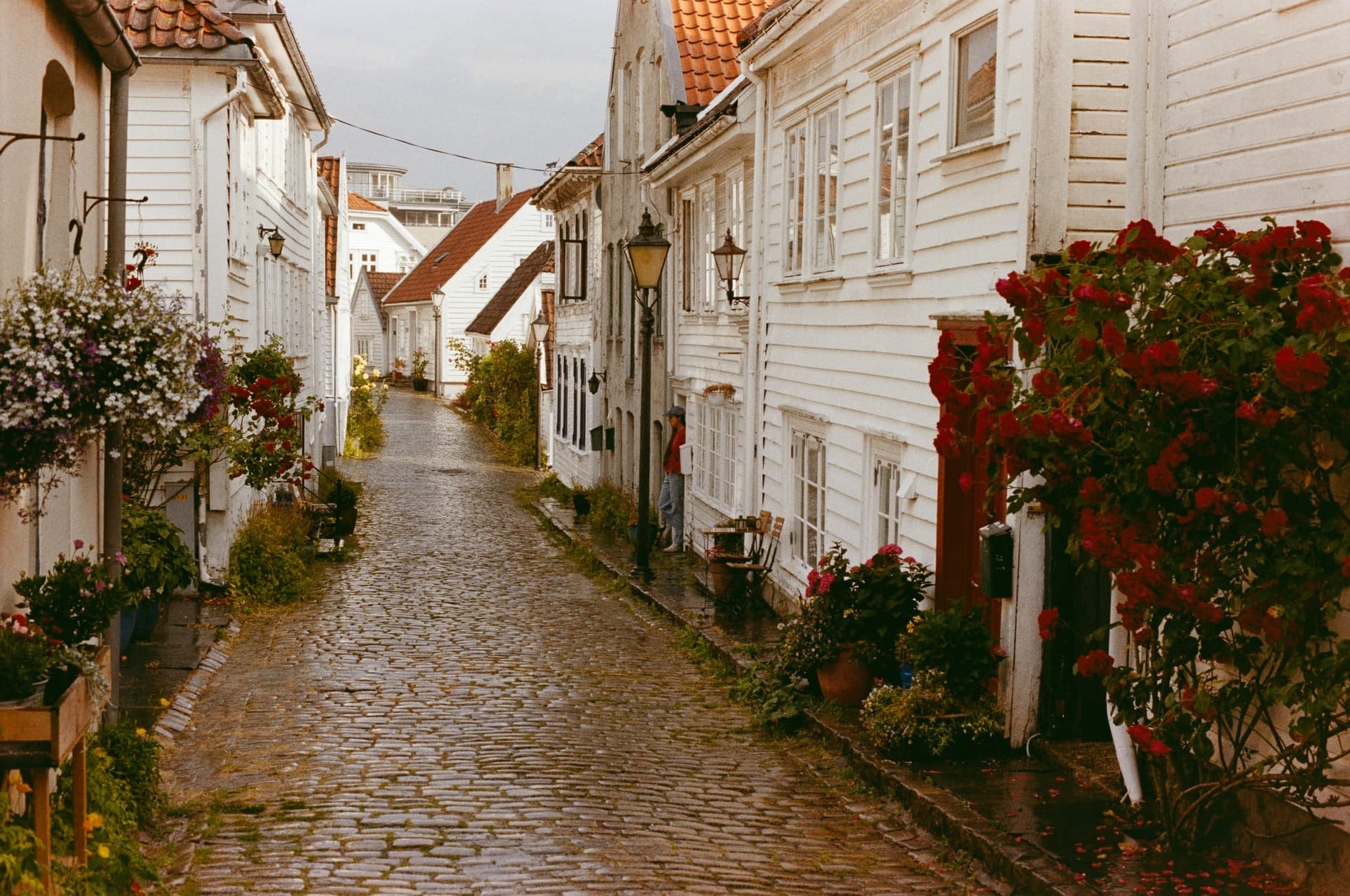
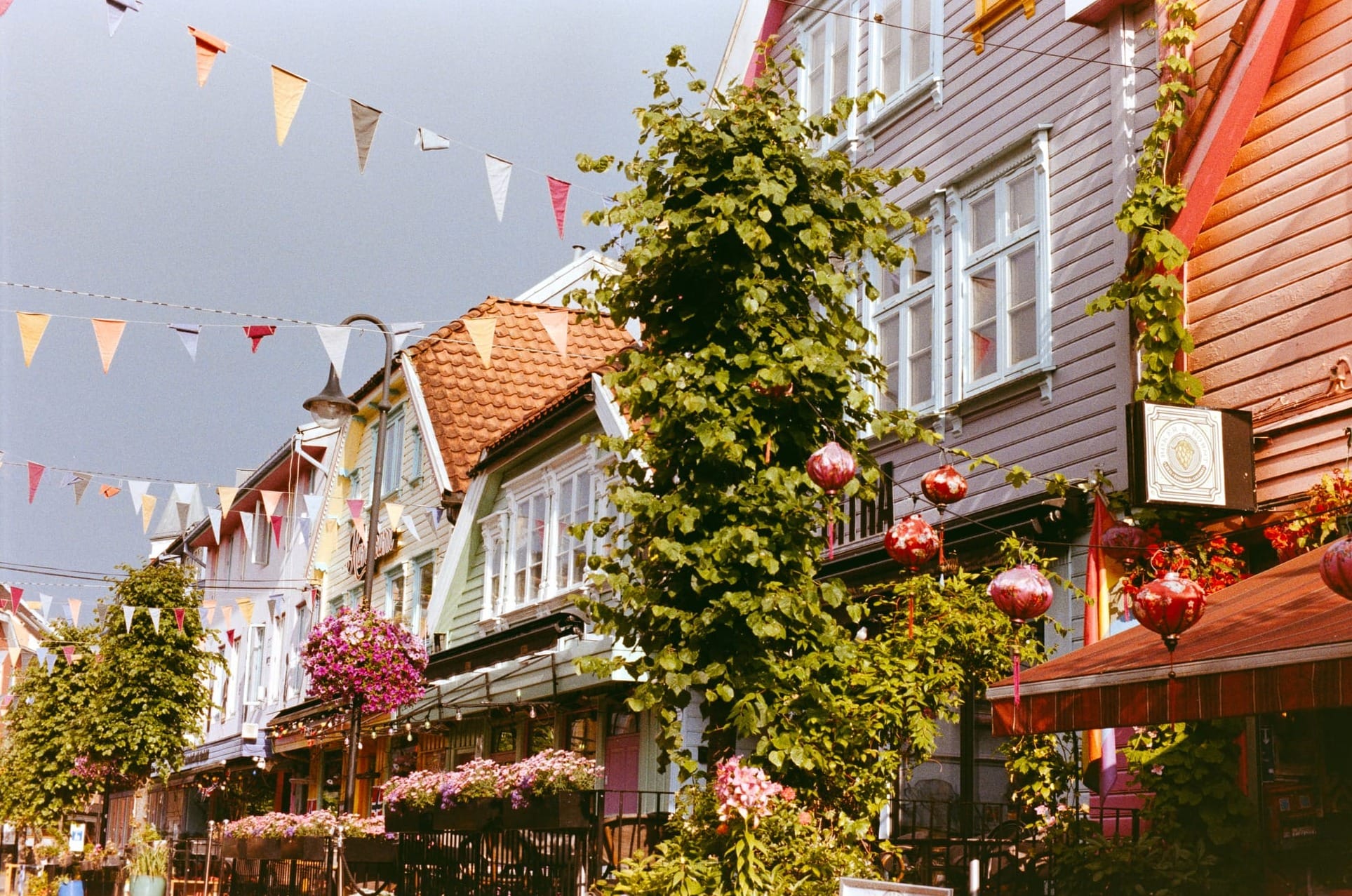
Stavanger Old Town
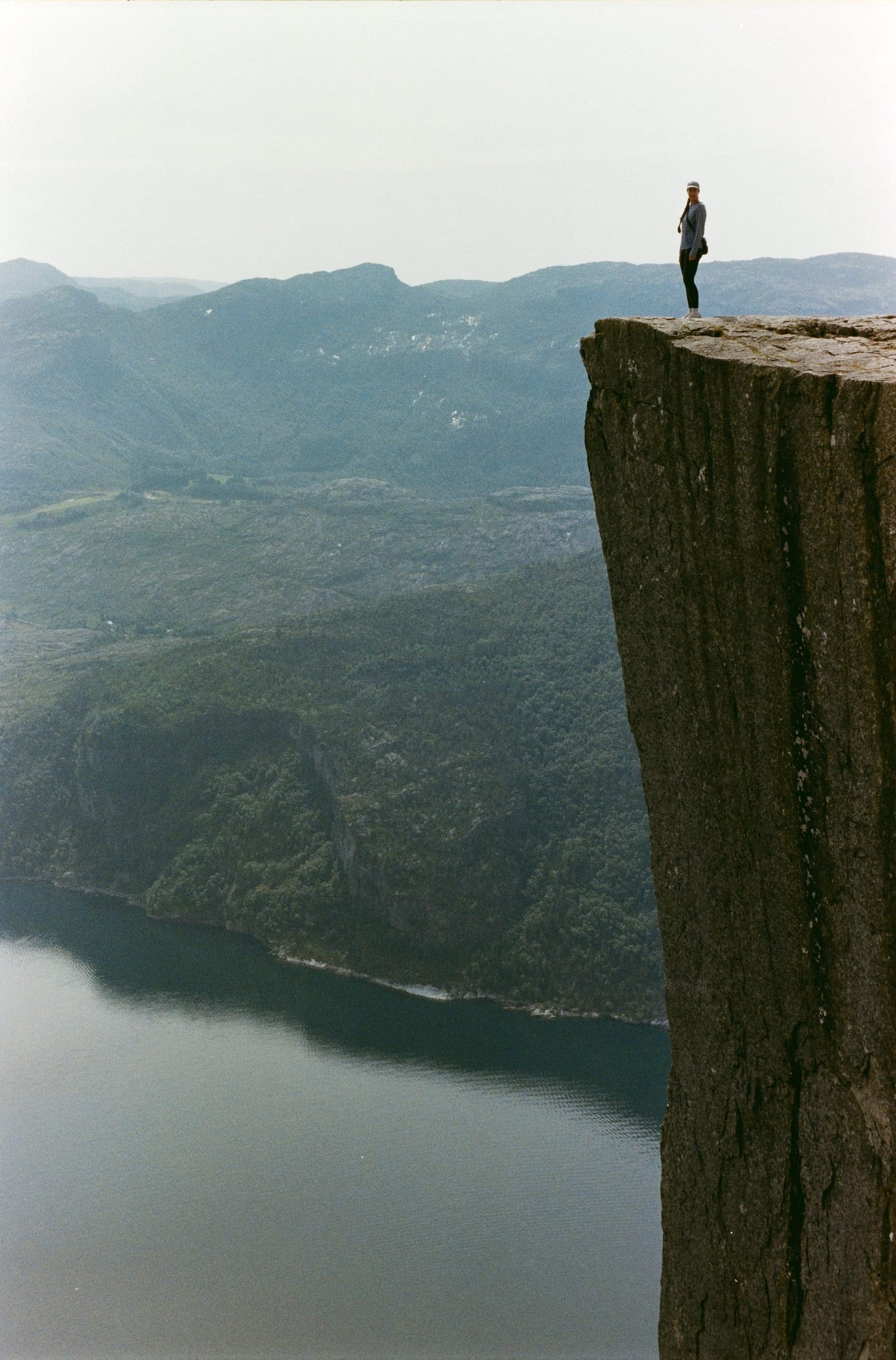
We took a day trip from Stavanger to hike Preikestolen or “Pulpit Rock” which is one of the most famous and popular hikes in Norway. Pulpit Rock is a flat rock bench at the apex of a steep cliff that overlooks Lysefjorden. It was formed during the last ice age as ice froze into crevices in the cliff and broke off the cliff face leaving the flat plateau in place. It was a majestic experience to sit and peer off the ledge and feel the thousands-of-feet vertical drop into a glassy fjord.
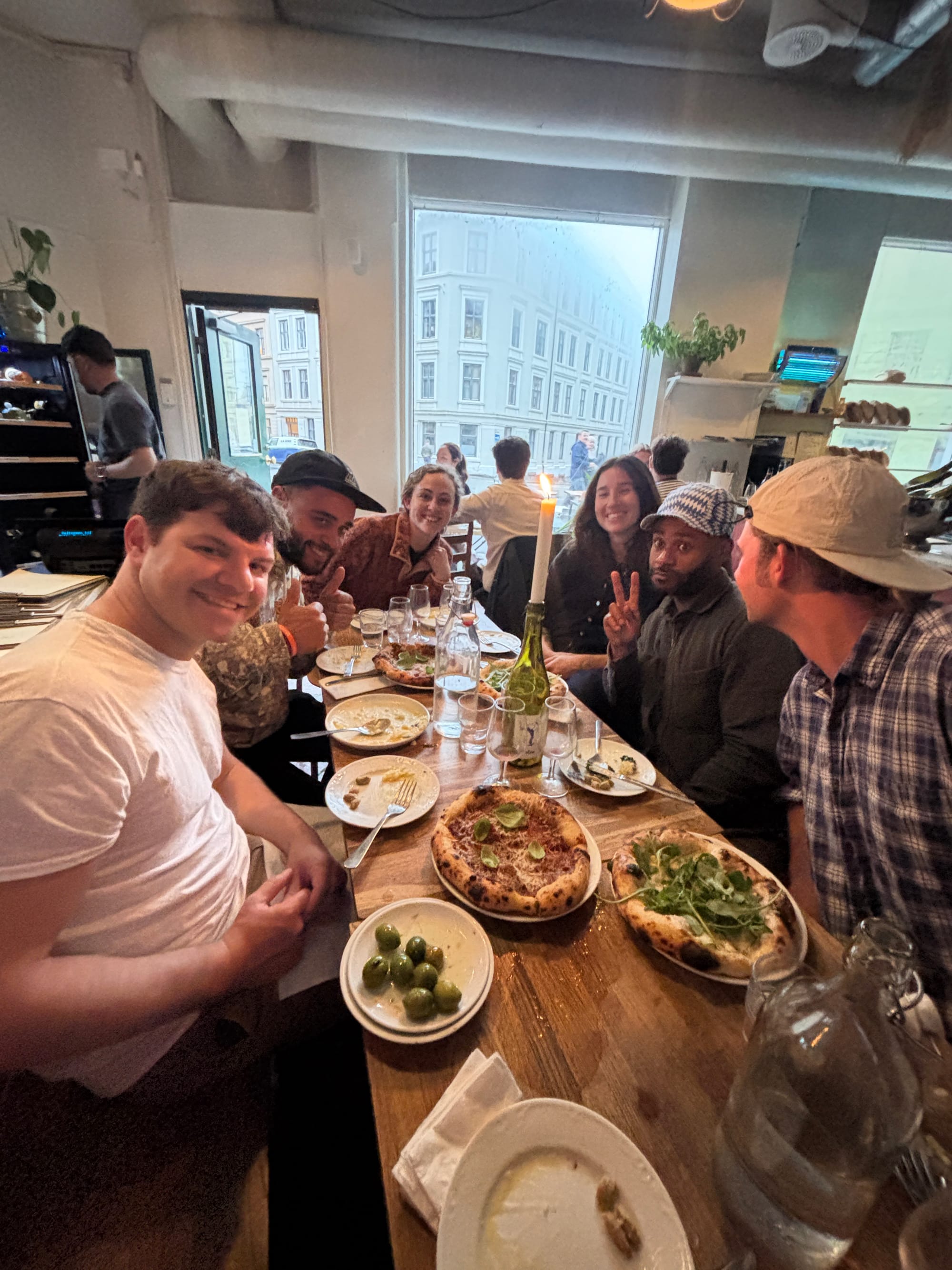
After our 3 days in Stavanger, we flew back to Oslo and met our friends as they trickled into the country. Greg (Gerg), Audrey, Dávid (Da), Morgan (Morgy), and Josh (Gjeurge). We had a welcome dinner at Babbo Collective to kick off the trip.
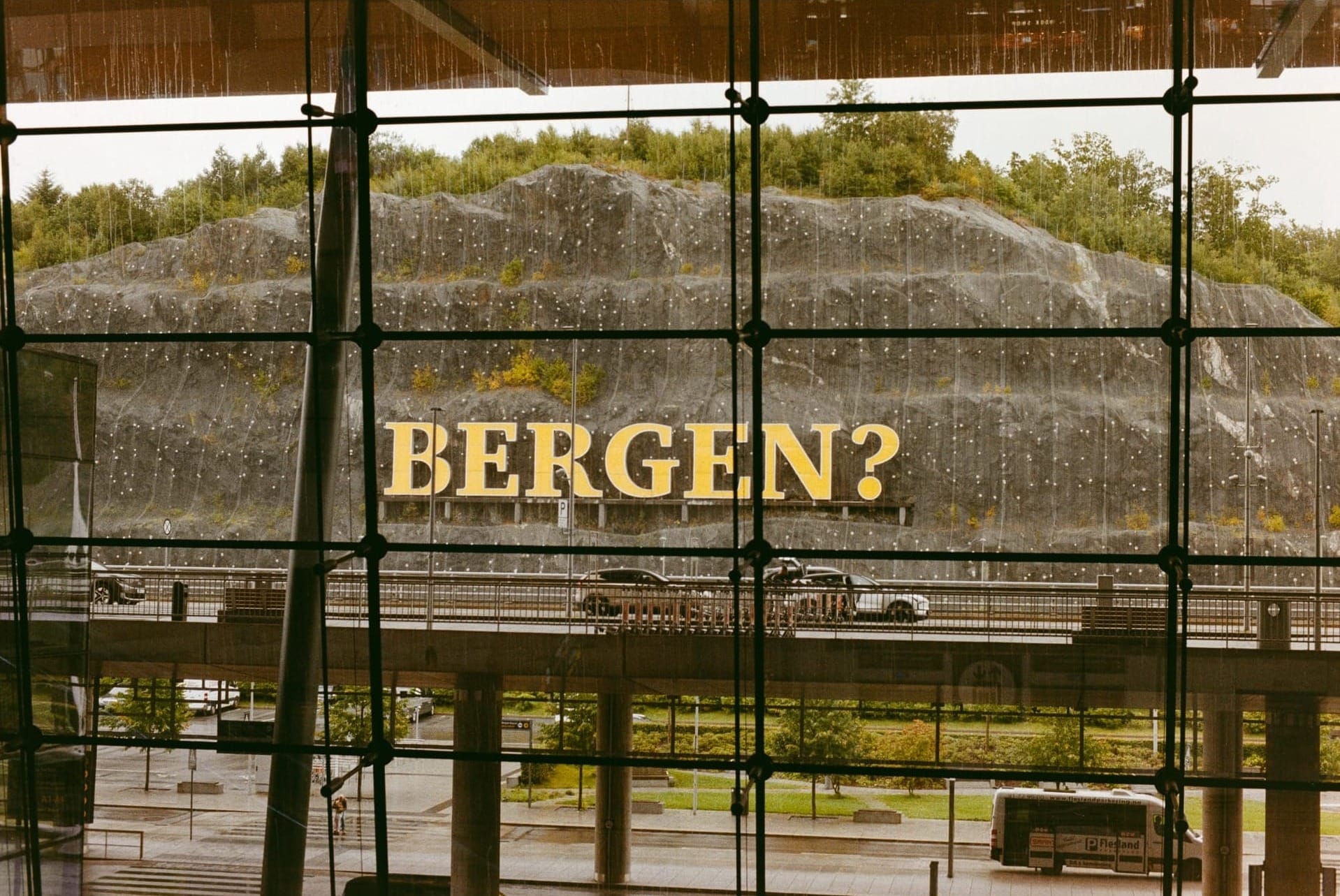
After a night in Oslo we flew out to Bergen where we picked up our rental car and started our road trip on mainland Norway. Now, renting a van that would actually fit 7 people and all of our bags was cost-prohibitive. So we opted for an SUV and rented a storage unit for the camping gear which we wouldn’t need until the second half of our trip. After a master Tetris session of packing, we managed to fit all of us and our backpacks into the car.
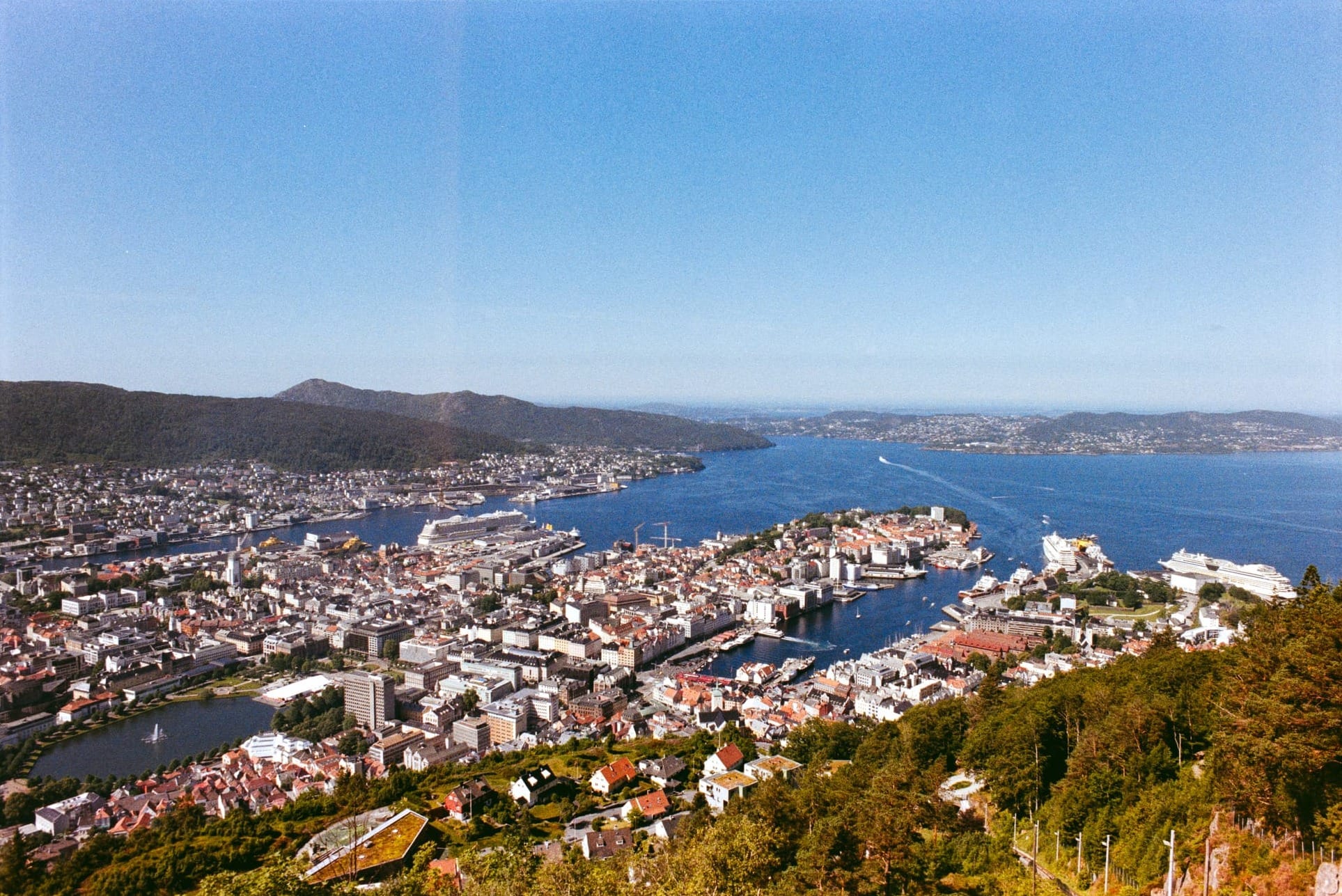
Bergen was the original capital of Norway and is a busy port city that is surrounded by mountains. We stayed in a quaint Airbnb and walked to coffee shops and the fish market which ended up having a fish sandwich that we would eat for lunch every day in Bergen. It was a seafood tripleta of sorts with hot and cold smoked salmon and a shrimp salad all shoved into a crusty roll. It was a revelation. We also had our first sauna experience in Bergen! We went to the community pool that was adjacent to Byfjorden and took dips into the warm pool to the hot sauna and then brief jumps into the 54 degree fjord. It was a very fun sauna experience and one that we learned is solidly integrated into Norwegian culture. We hiked up Mt. Fløyen for panoramic views of Bergen.
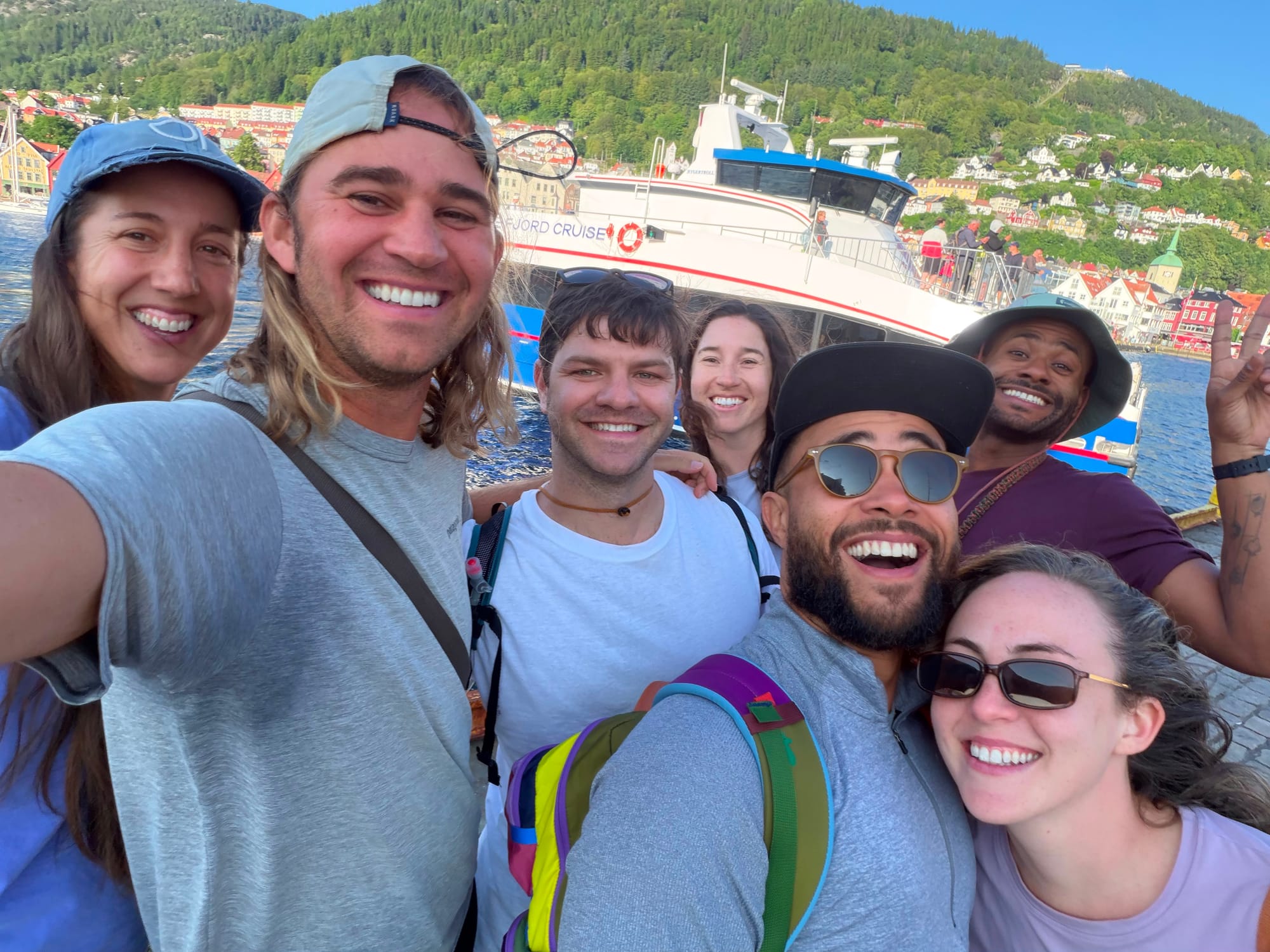
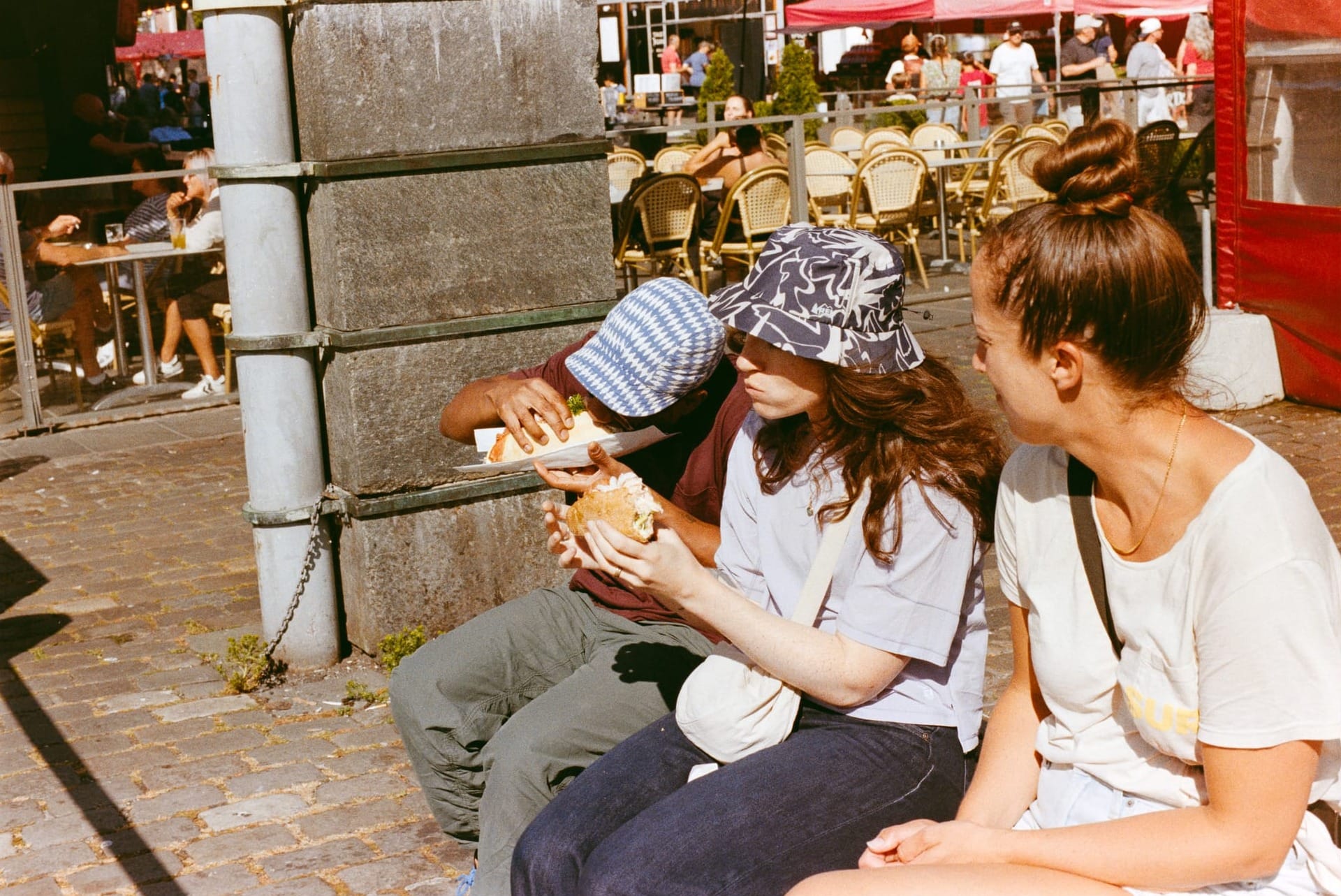
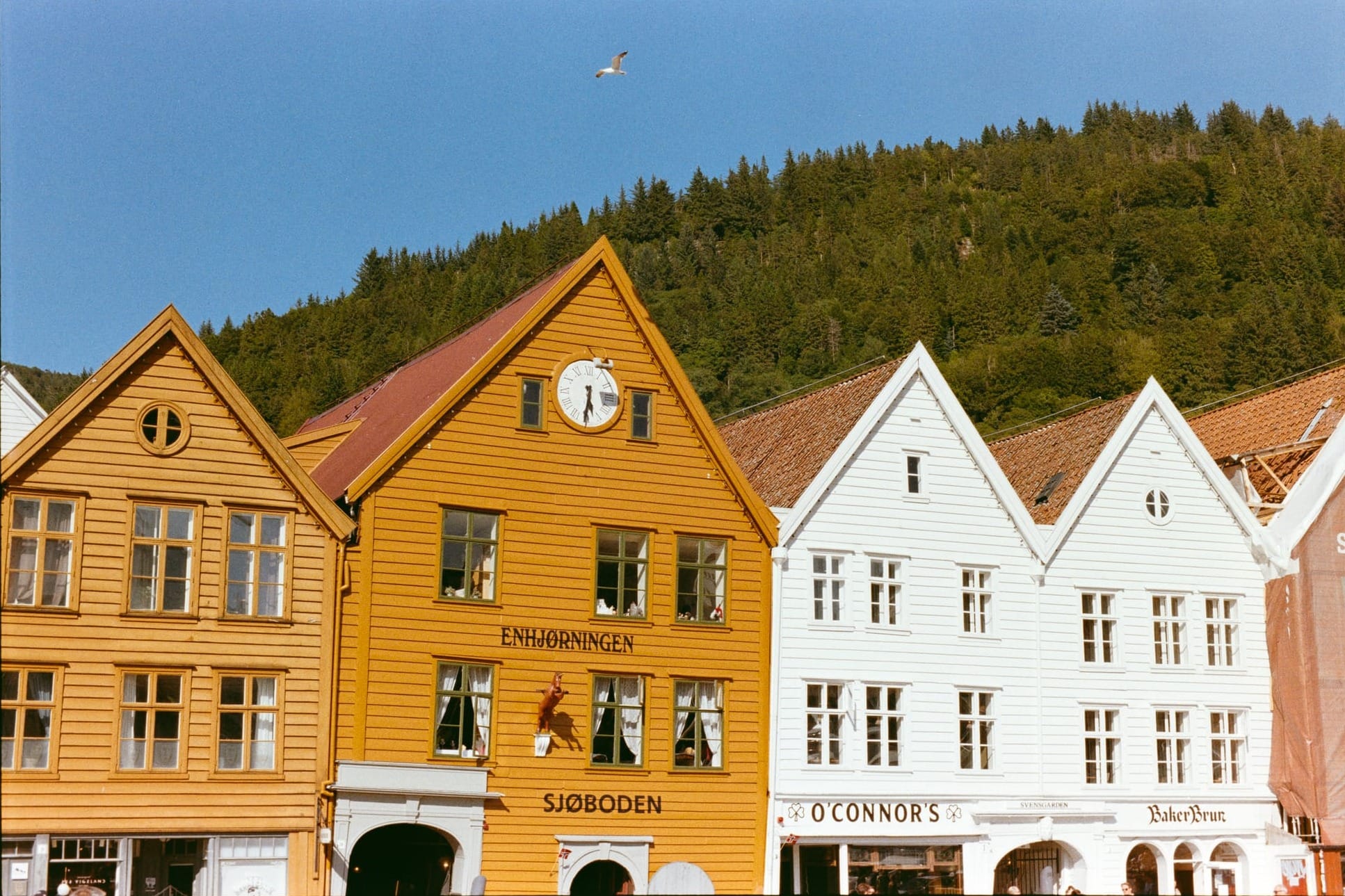
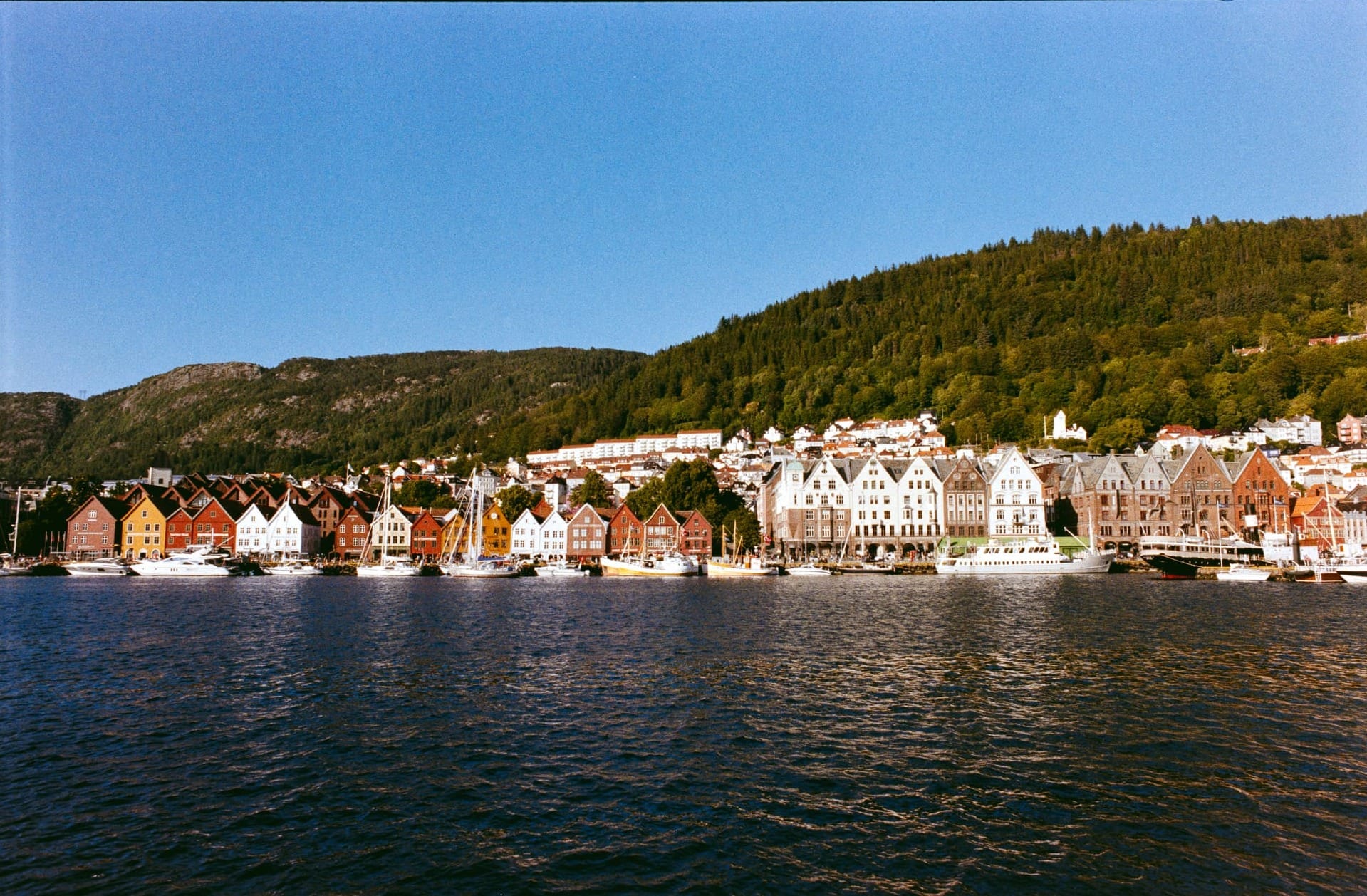
The colorful Bergen waterfront
Our first stop on the road trip leaving Bergen was to a cabin near the town of Kinsarvik that overlooked Hardangerfjord, the second longest fjord in Norway stretching over 100 miles inland from the Atlantic Ocean.
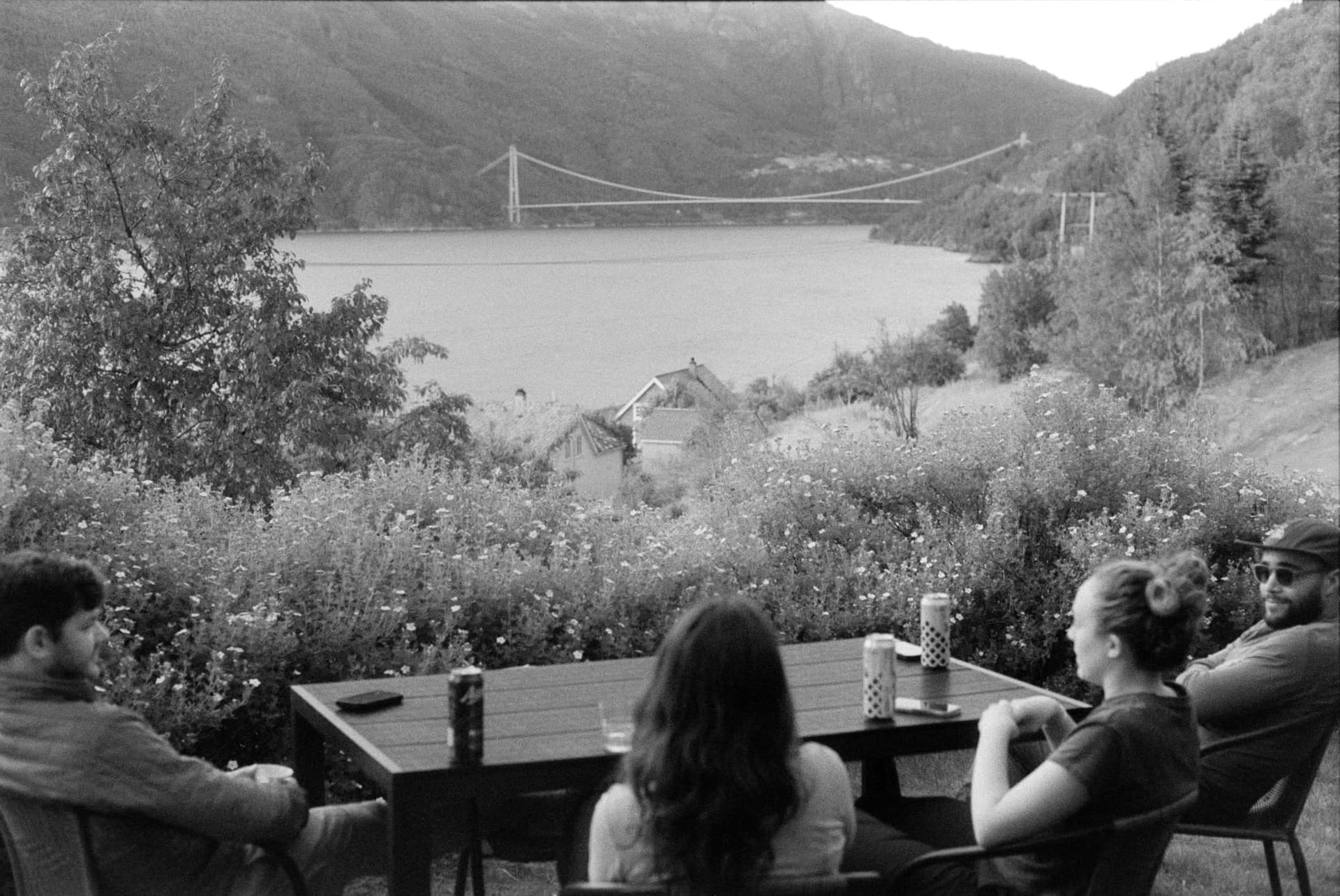
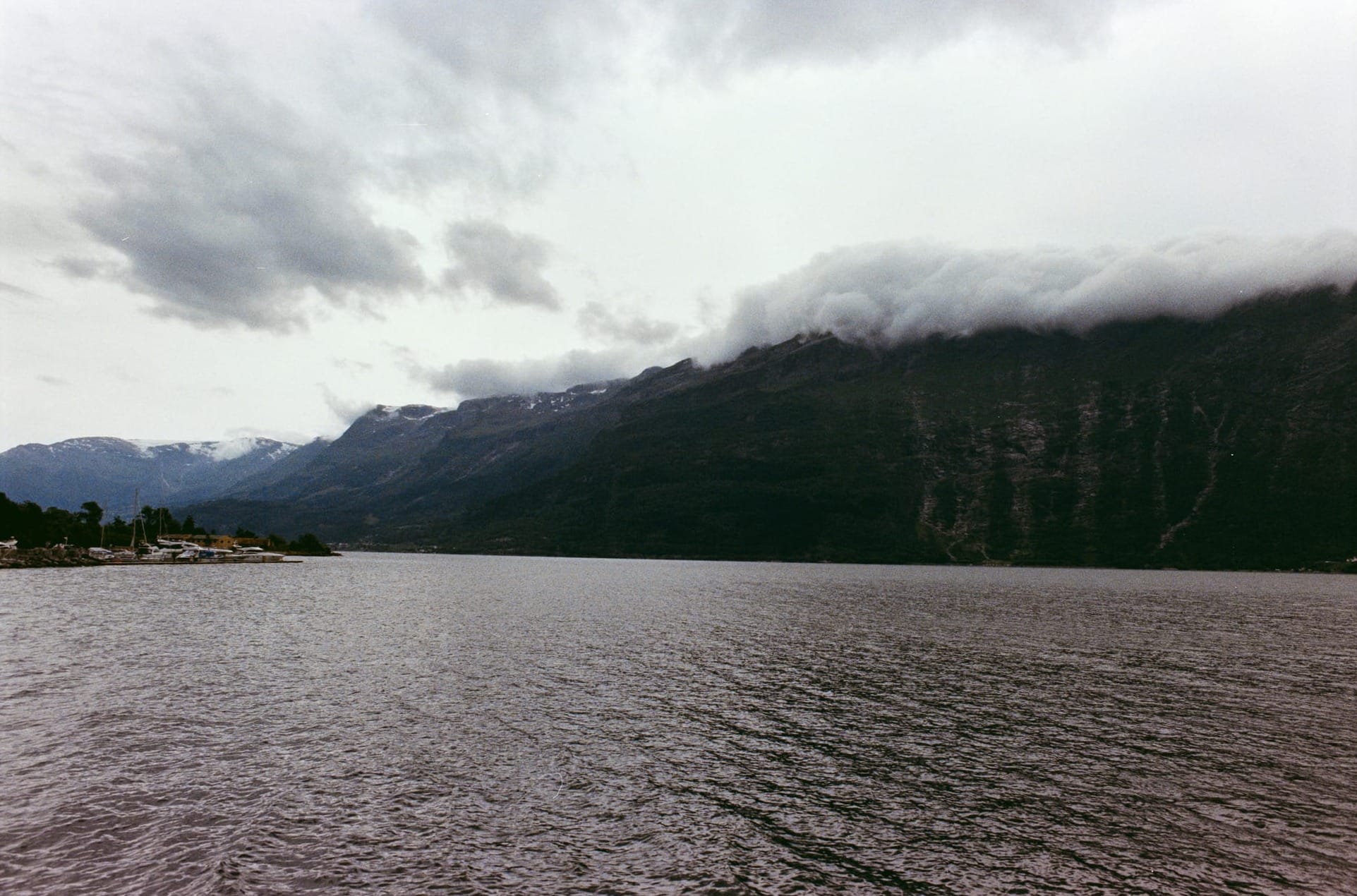
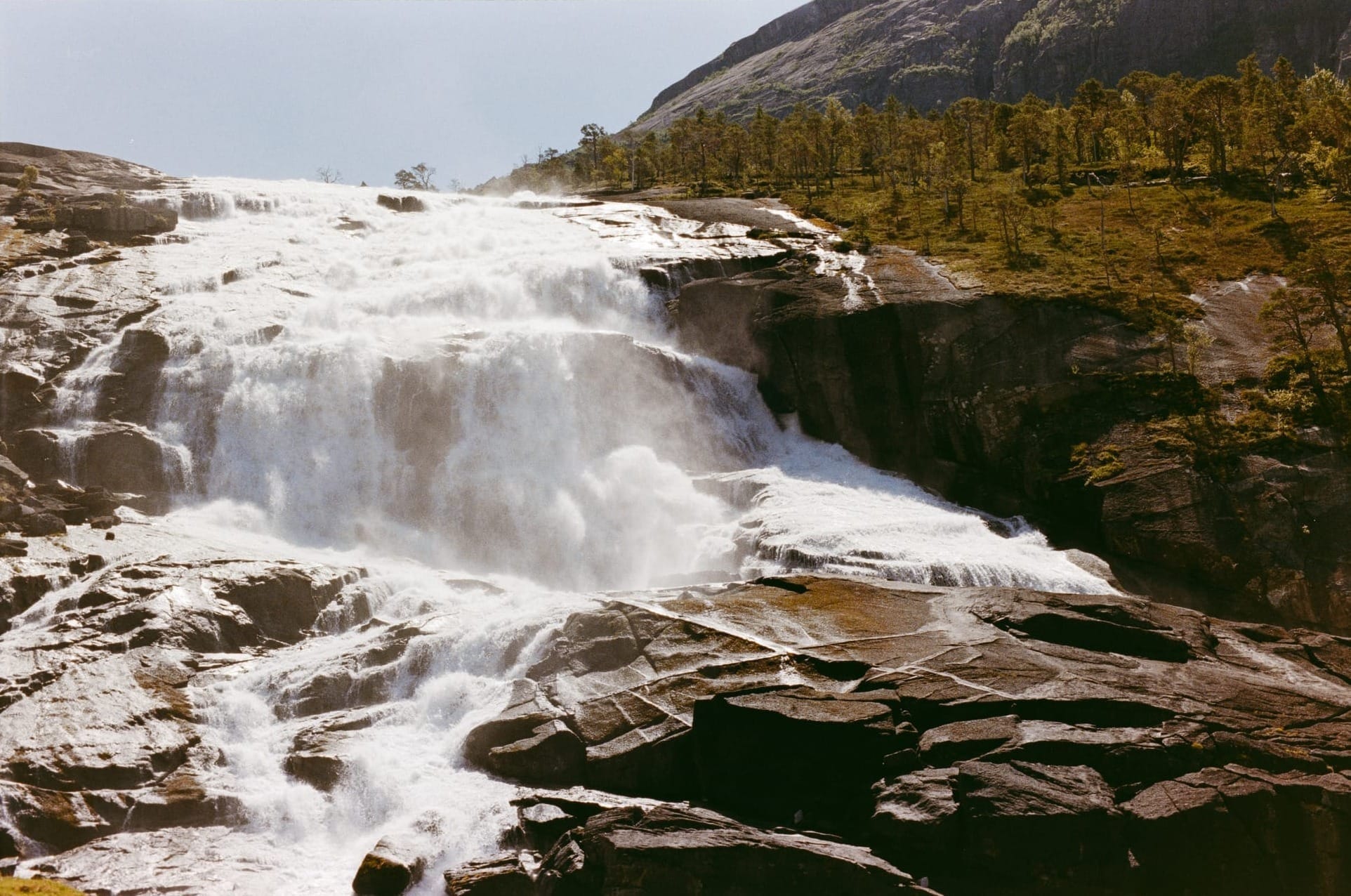
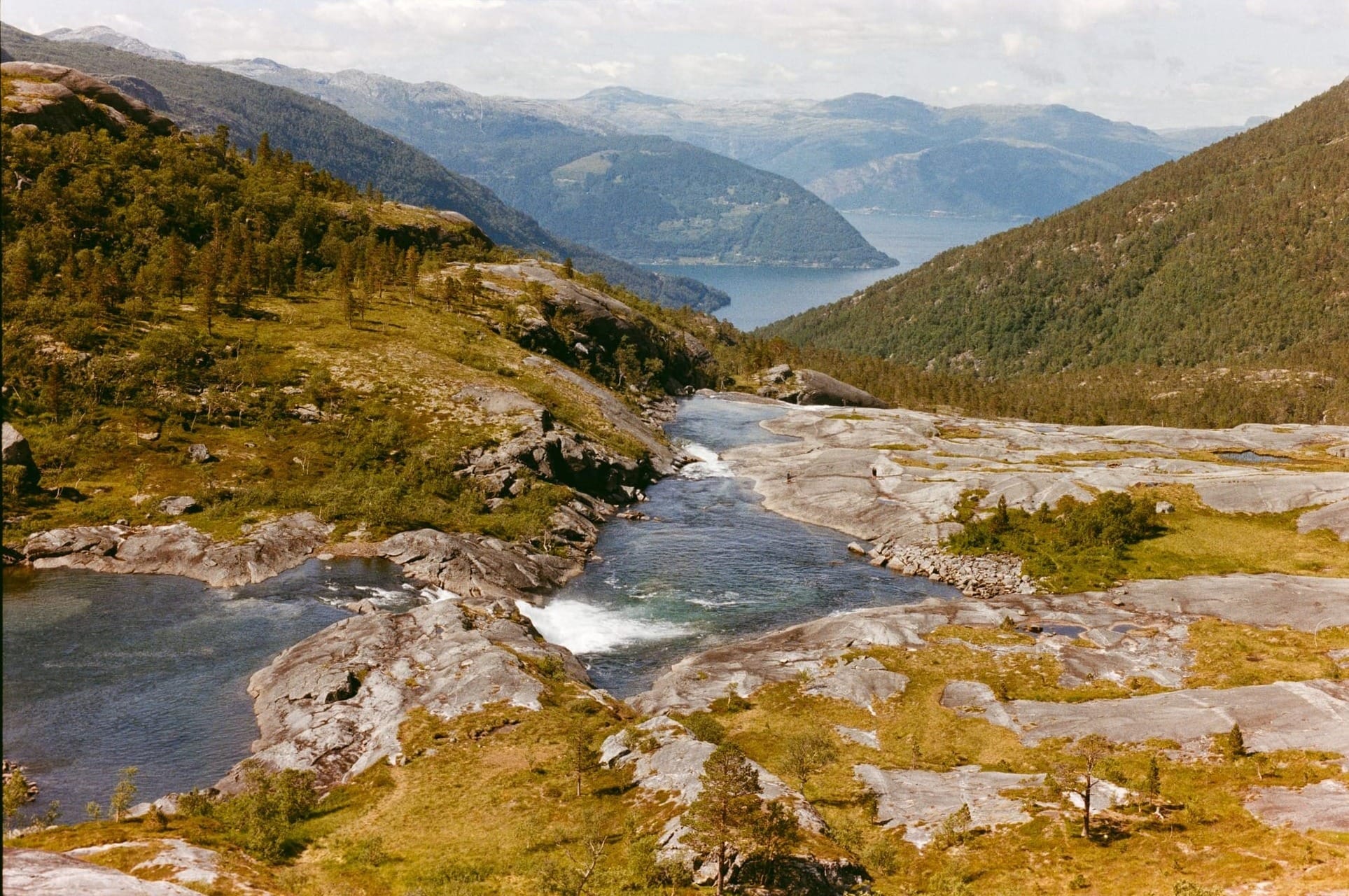
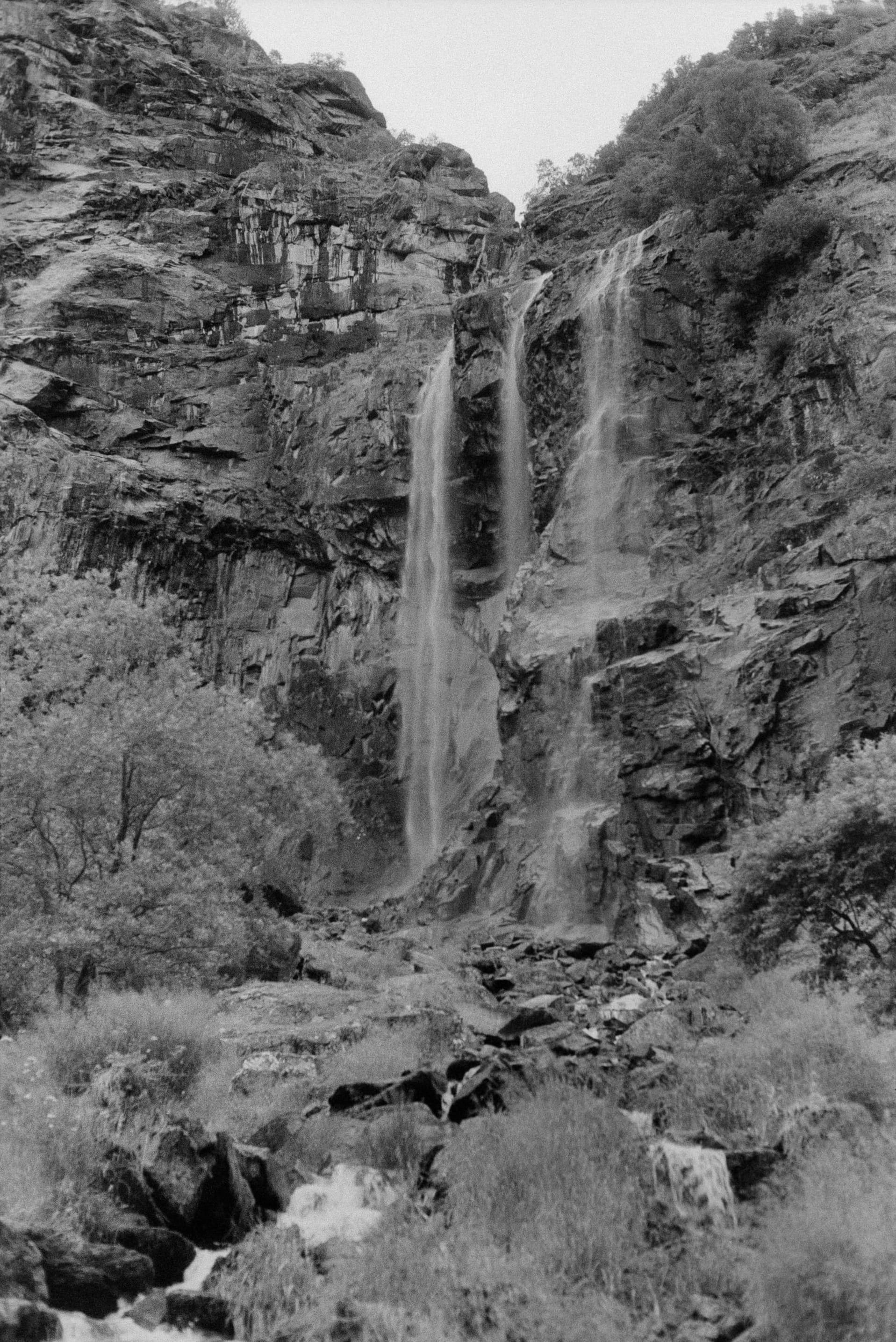
We found that fjords here are a quintessential aspect of Norway and part of the fabric of daily life. A fjord is a valley formed by glacial processes that is then filled in with seawater. When Norway was in the process of building its modern infrastructure in the 1950s it managed to penetrate seemingly unreachable spits of land through tunnels, bridges, and ferries that are now seamlessly integrated into the commute between the small towns. To reach our Airbnb on the Hardangerfjord we drove through the longest road tunnel in the world (complete with roundabouts, mood lighting, and rest stops to break up the 30-minute drive underground) and immediately exited onto a massive bridge that spanned the entire width of the Hardangerfjord. From this cabin in Kinsarvik we drove to the Husedalen Valley for a waterfall hike. This valley is situated just east of the Hardangerfjord and the 12-mile hike traversed four impressive waterfalls with views of the valley and the Kinso River that winds its way back down to Kinsarvik.
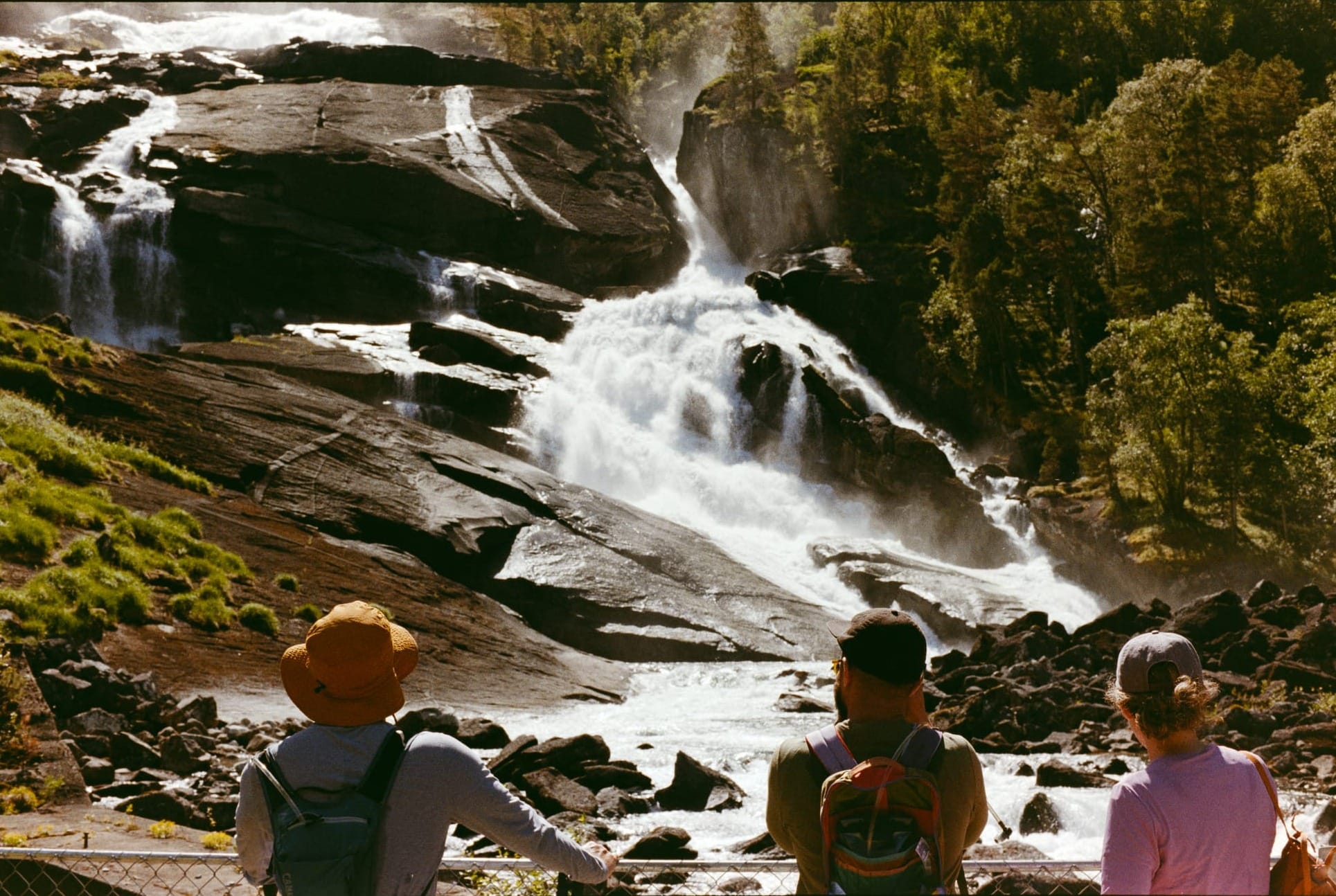
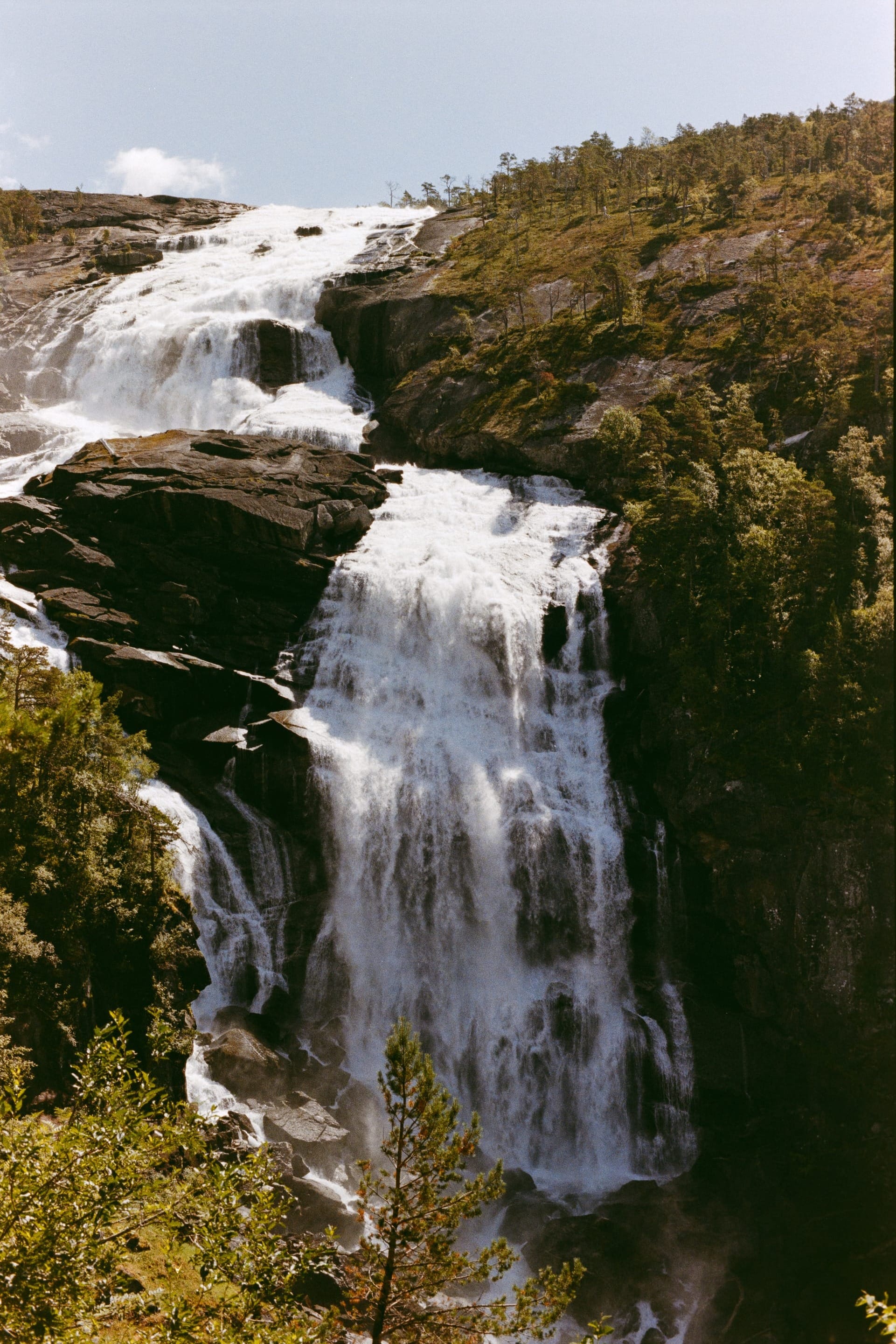
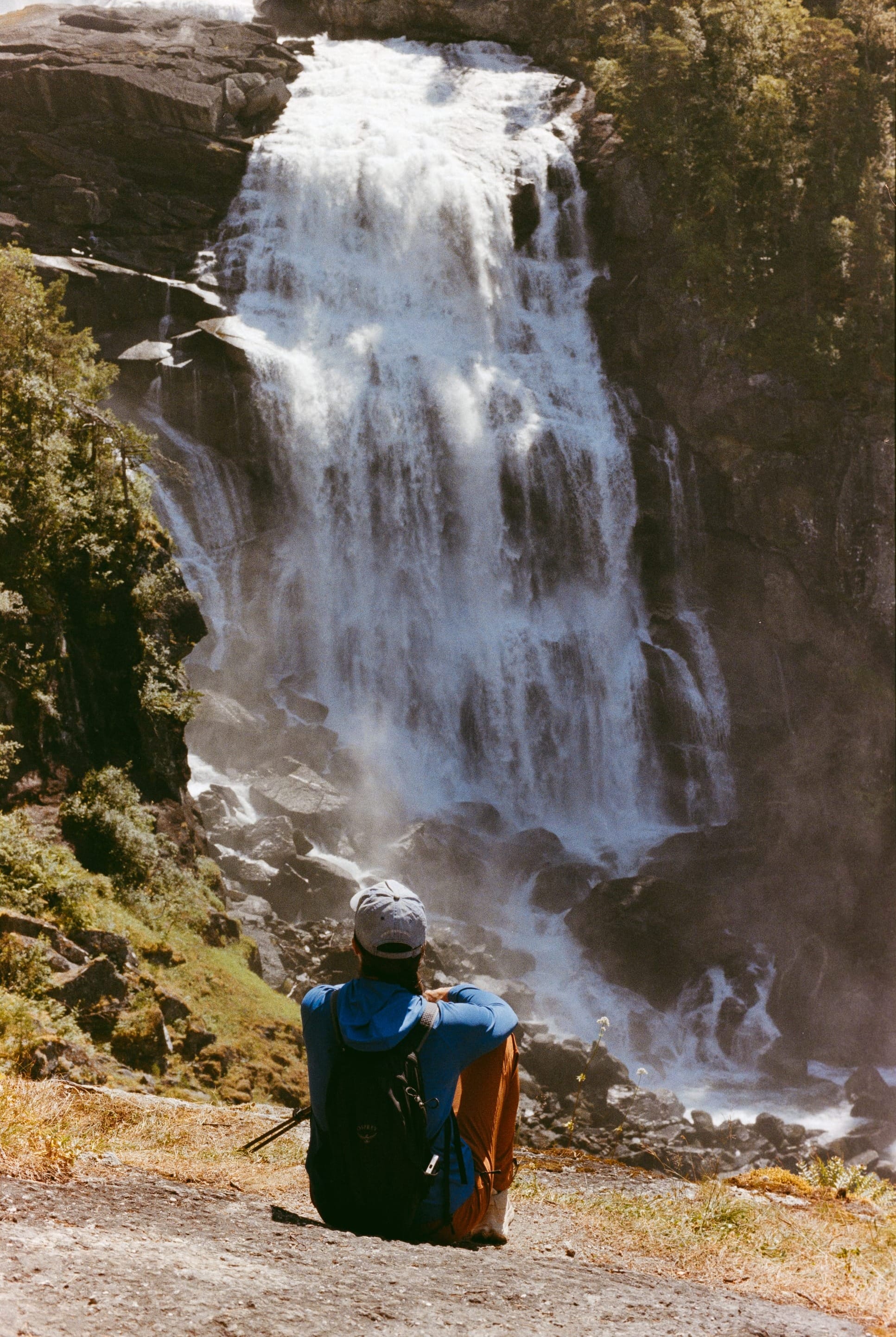
Nyastølfossen waterfall
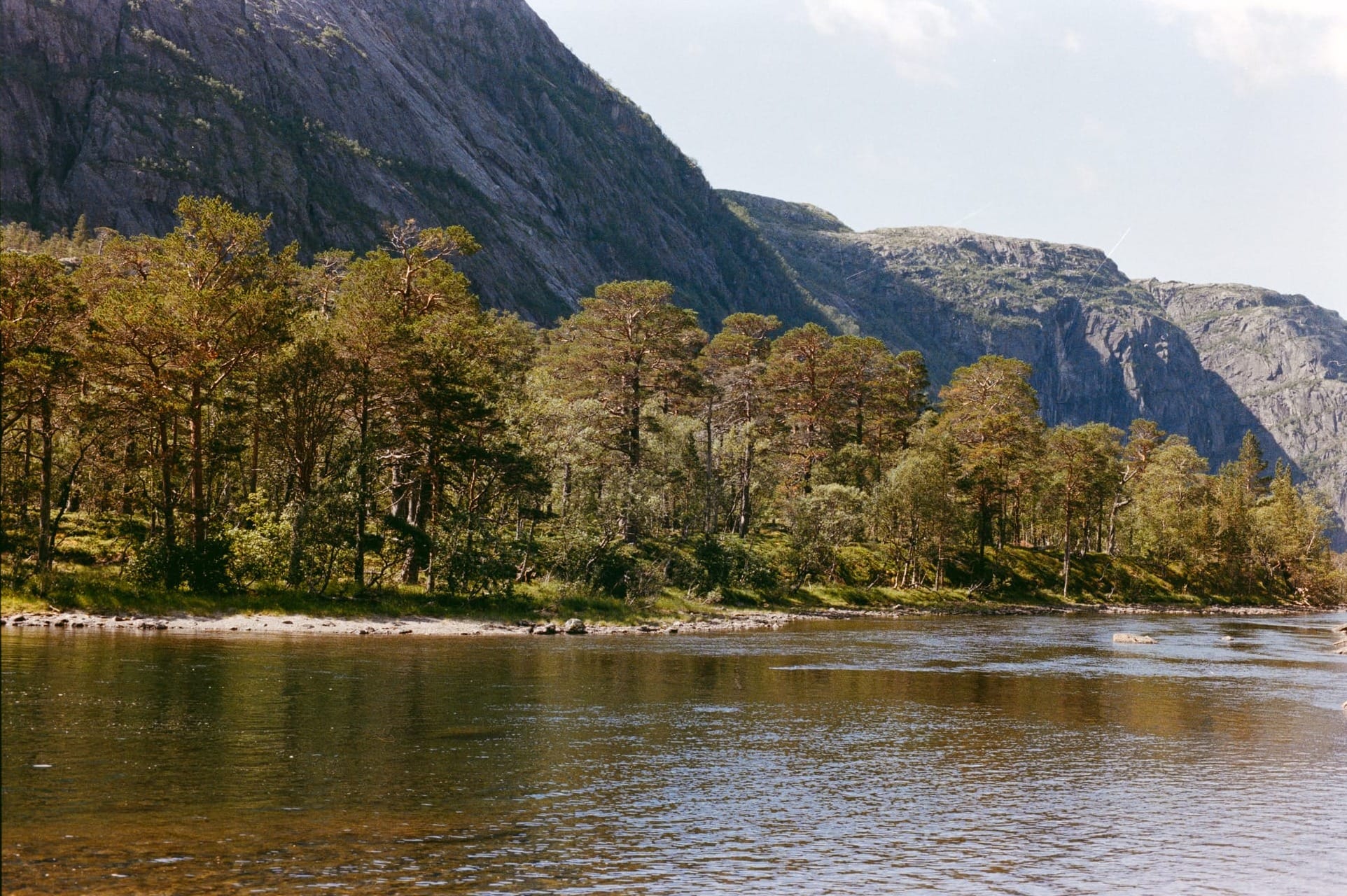
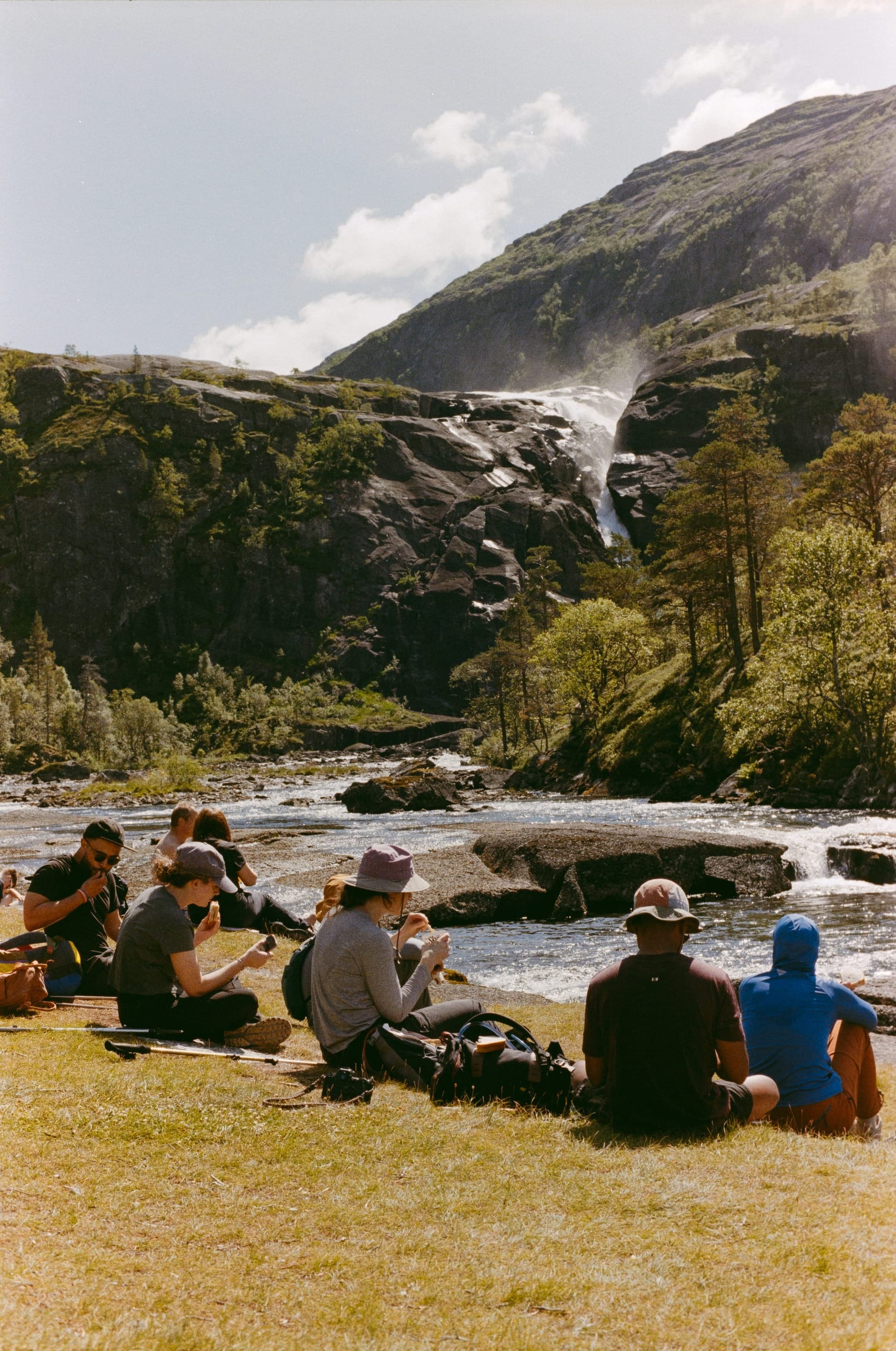
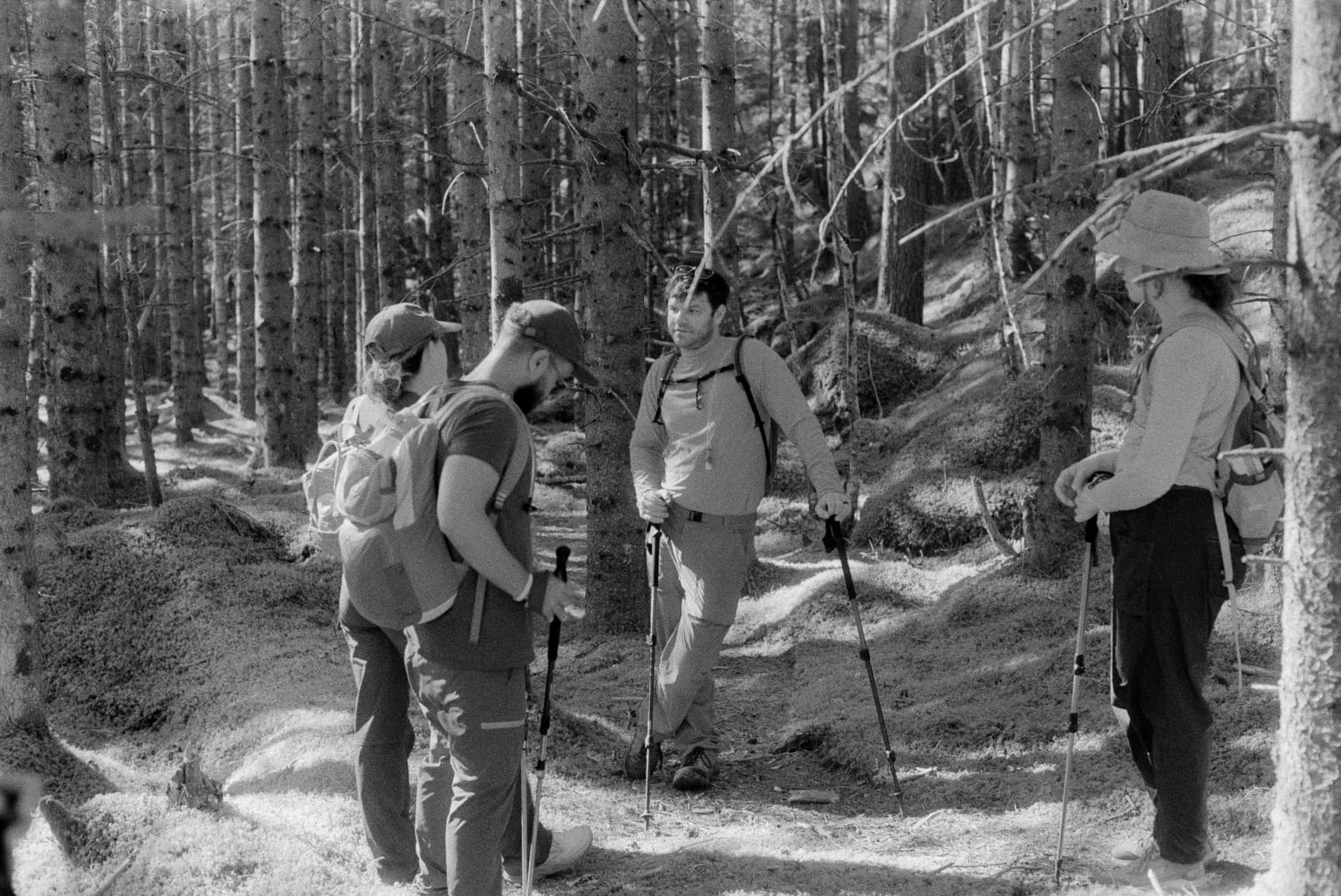
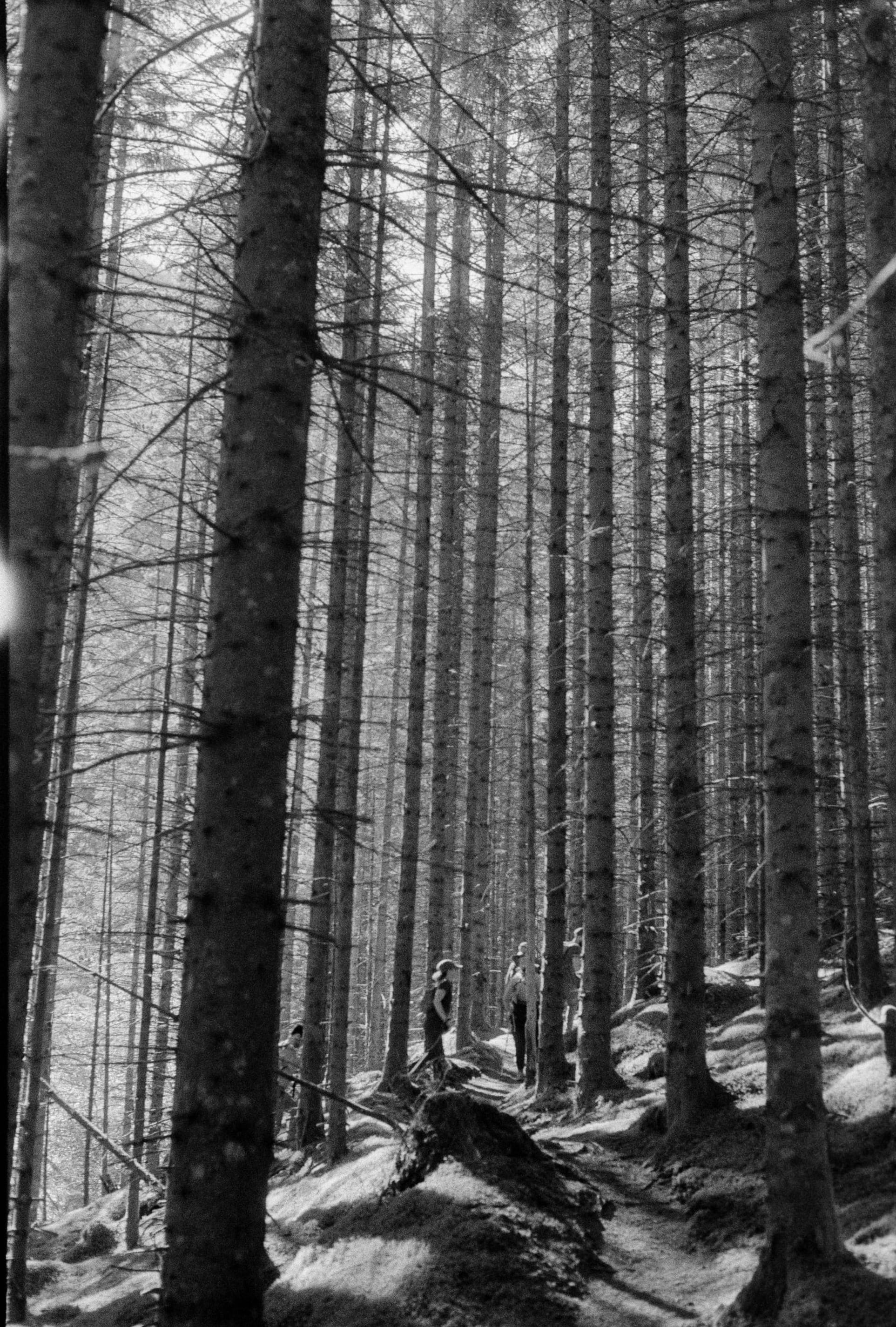
Our next Airbnb was in the small town of Lærdal about 3 hours northeast. We enjoyed this very quaint town and went on another hike that ventured down the Aurlandselvi valley that wound through historic farmsteads, across mountain streams, and alongside steep plunging gorges. Sadly, this was the last stop for Gjeurge who flew back home to Boston. RIP Gjeurge.
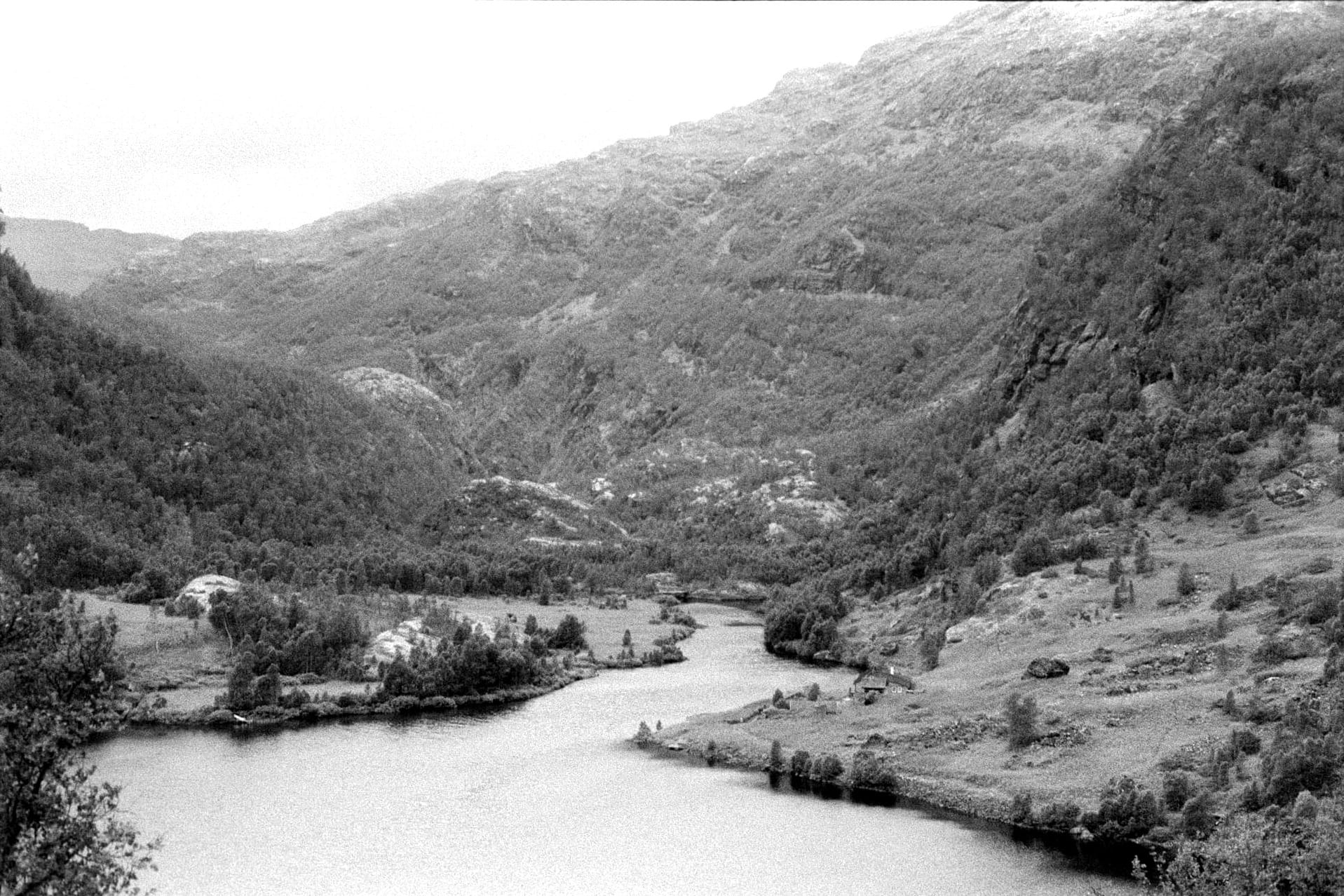
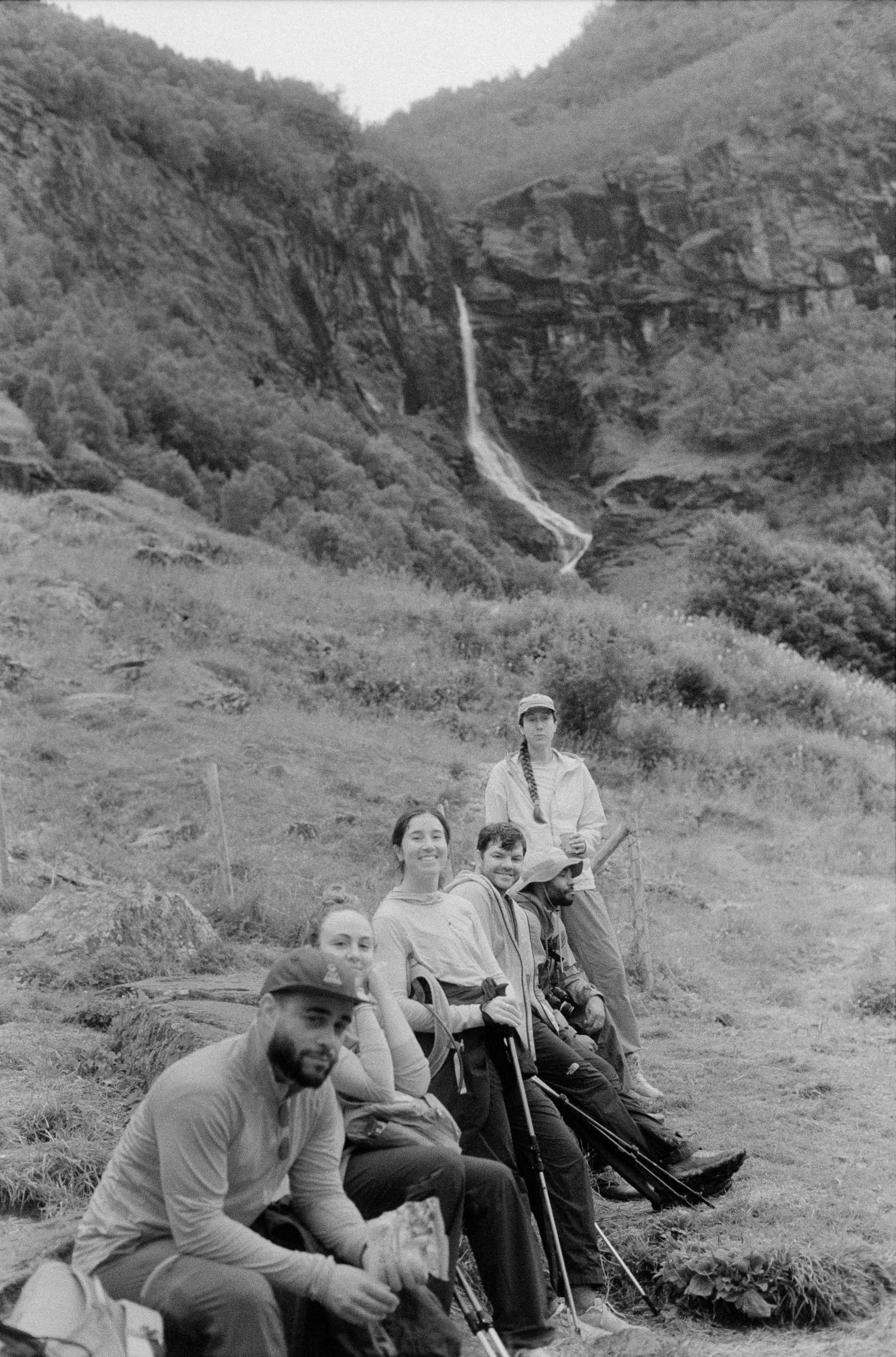
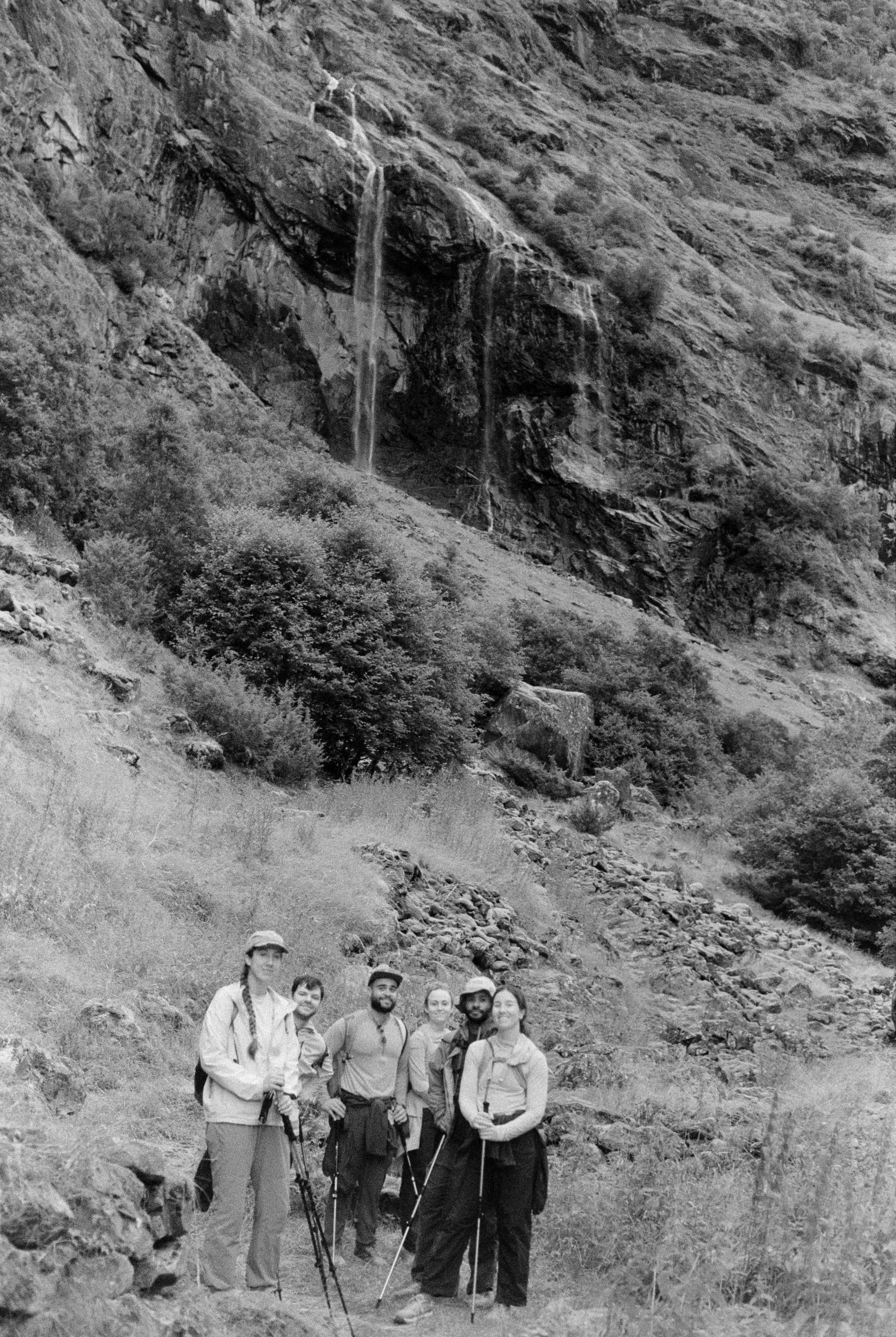
Hiking in the Aurlandselvi valley
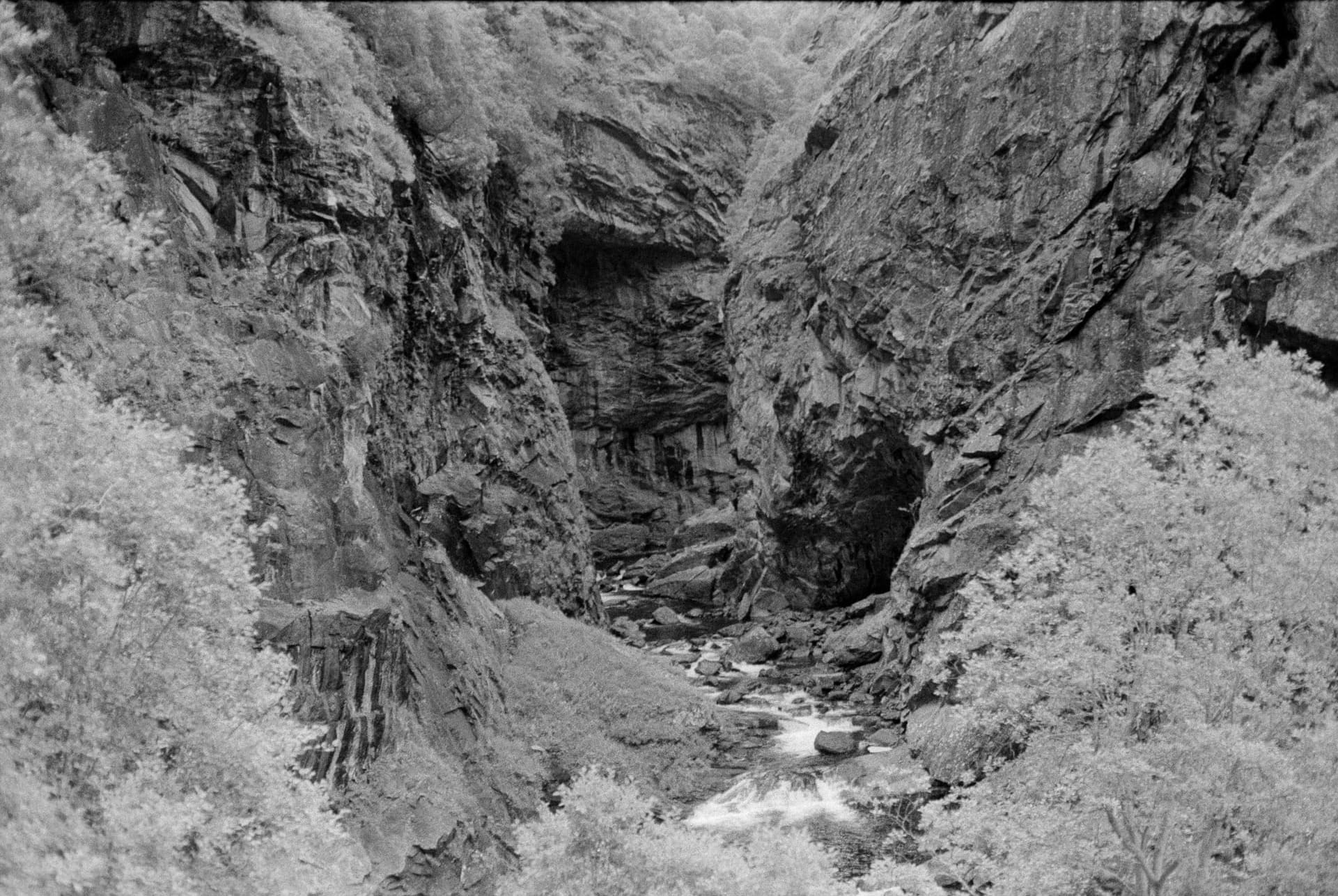
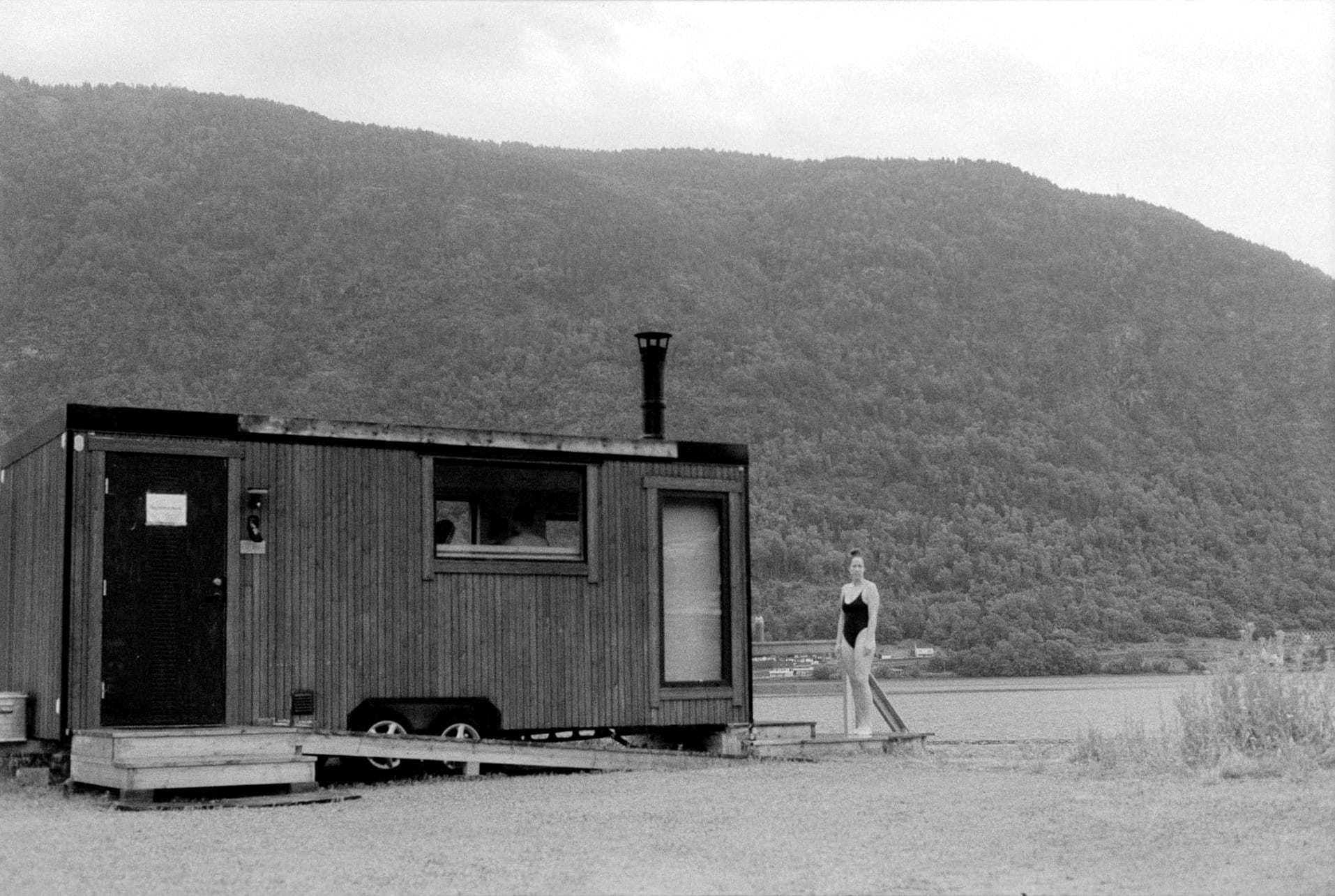
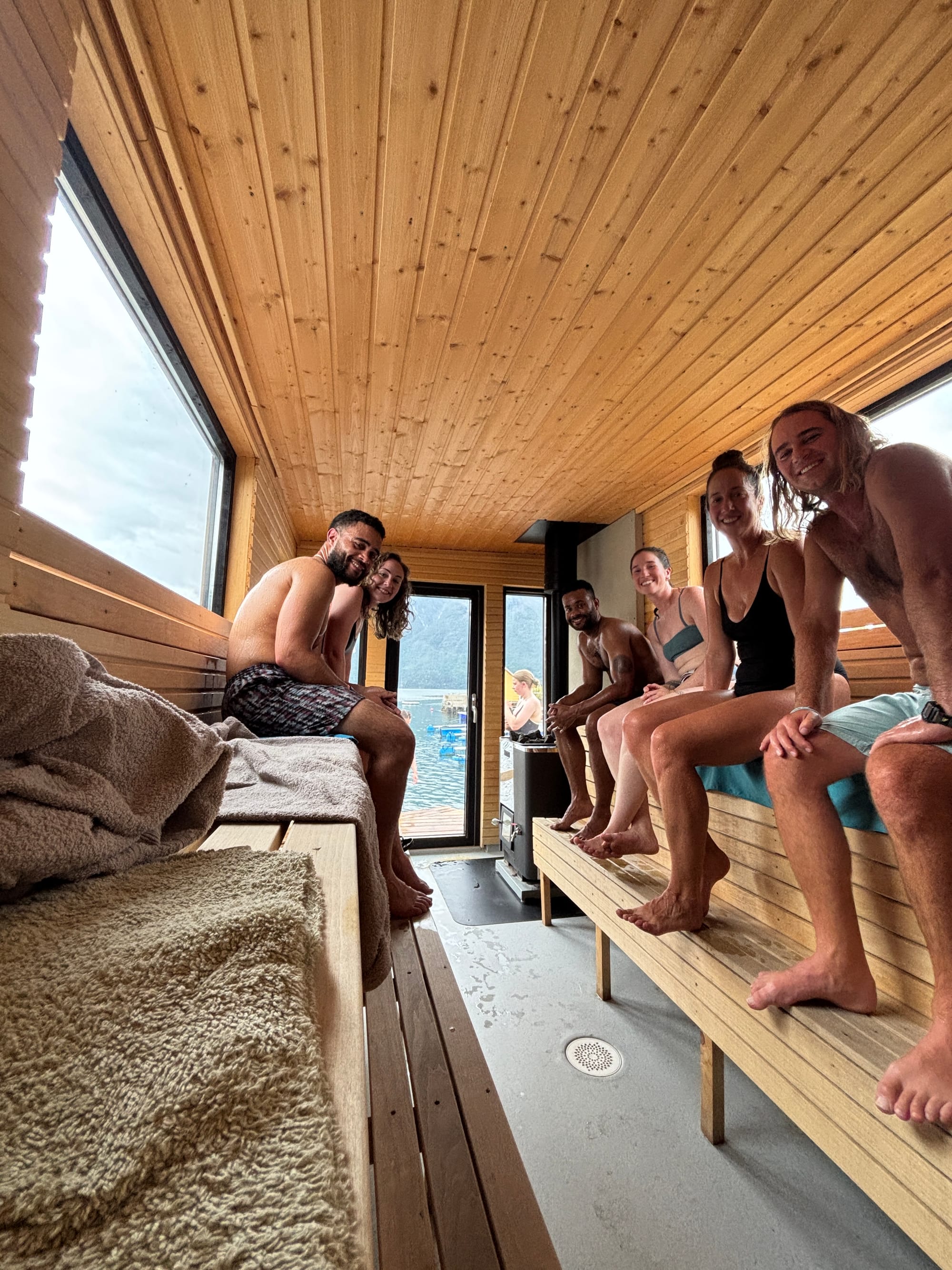
We continued our tour north and had a great sauna experience on Songdal Fjord. We shared a sauna with three young Norwegian sisters who gave us some nice cultural context for our visit. They told us their favorite local frozen pizza brands, the most popular Norwegian movies on Netflix (Troll and Troll 2, both prodigious cinematic masterpieces), and extolled their love of Taco Fridag.
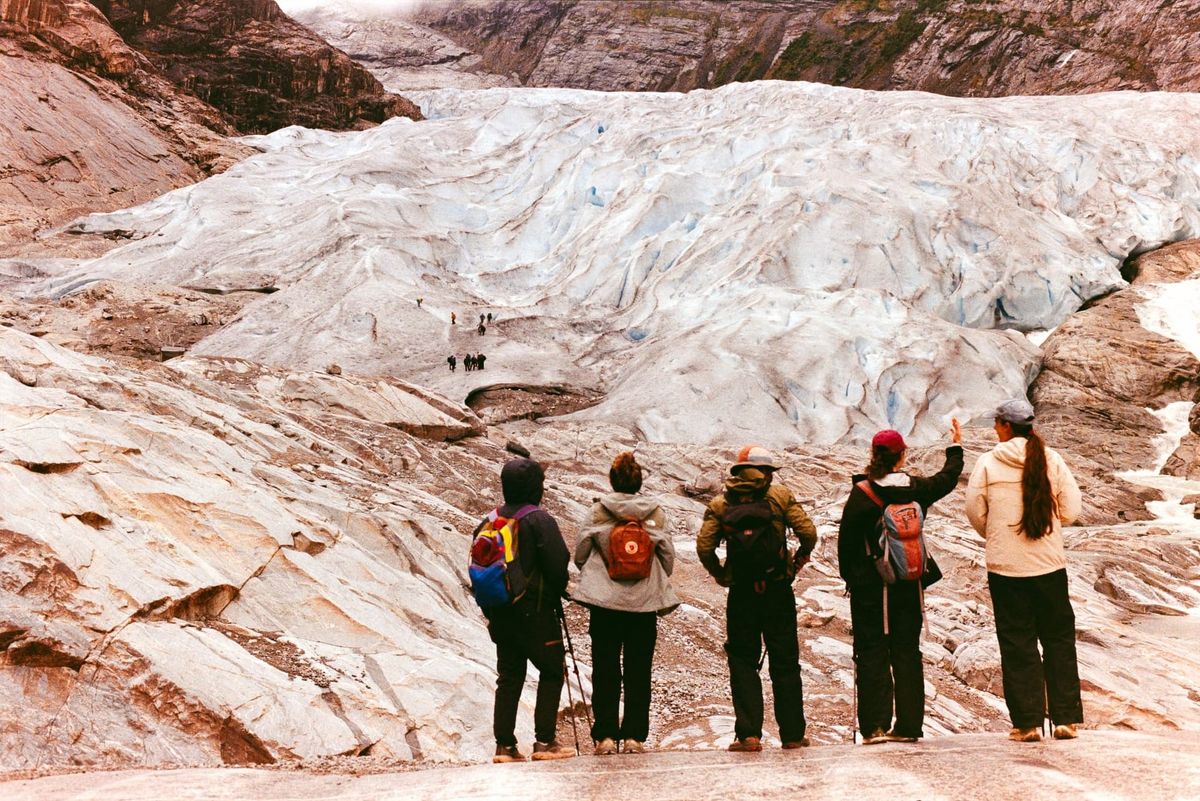
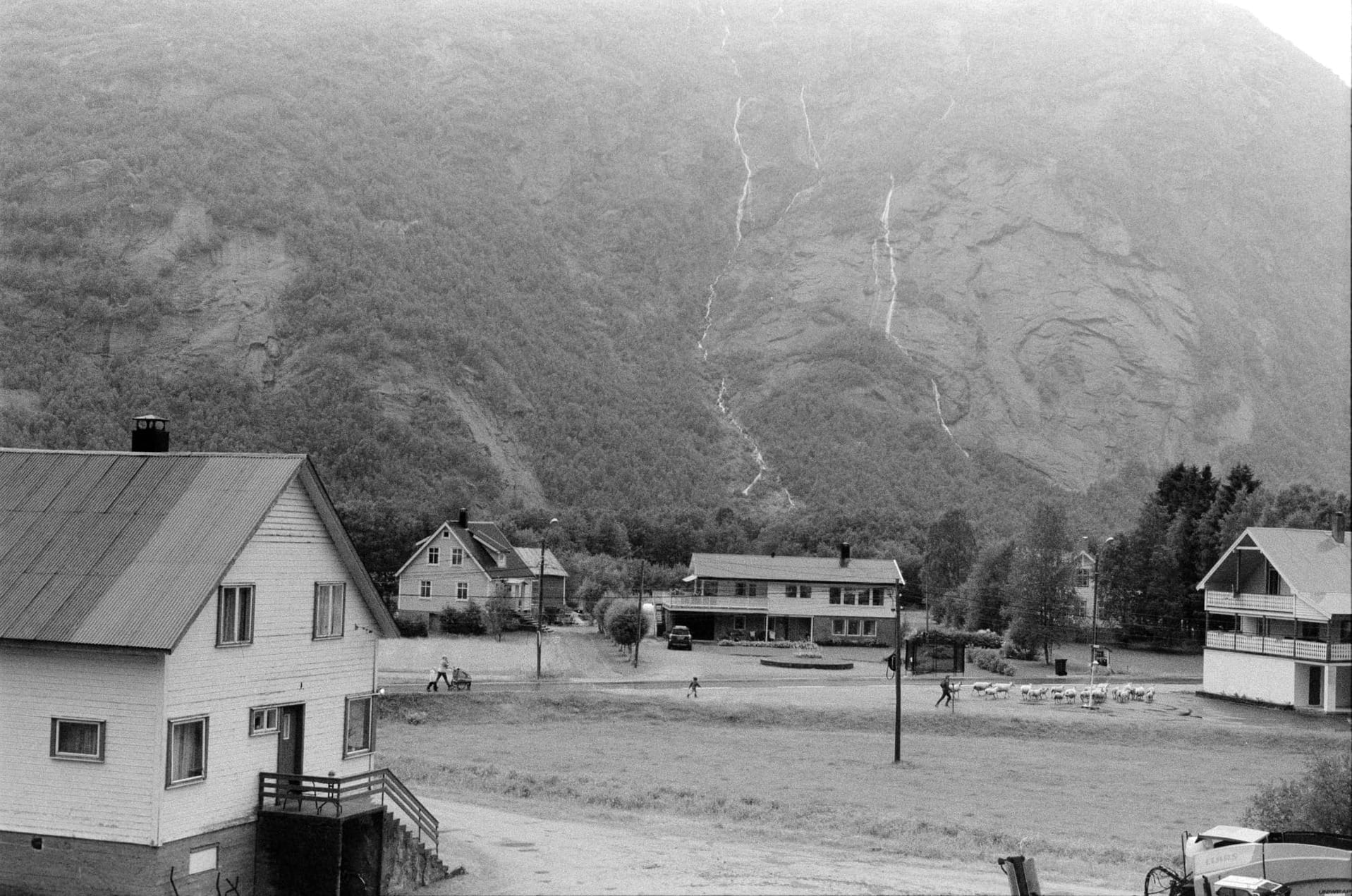
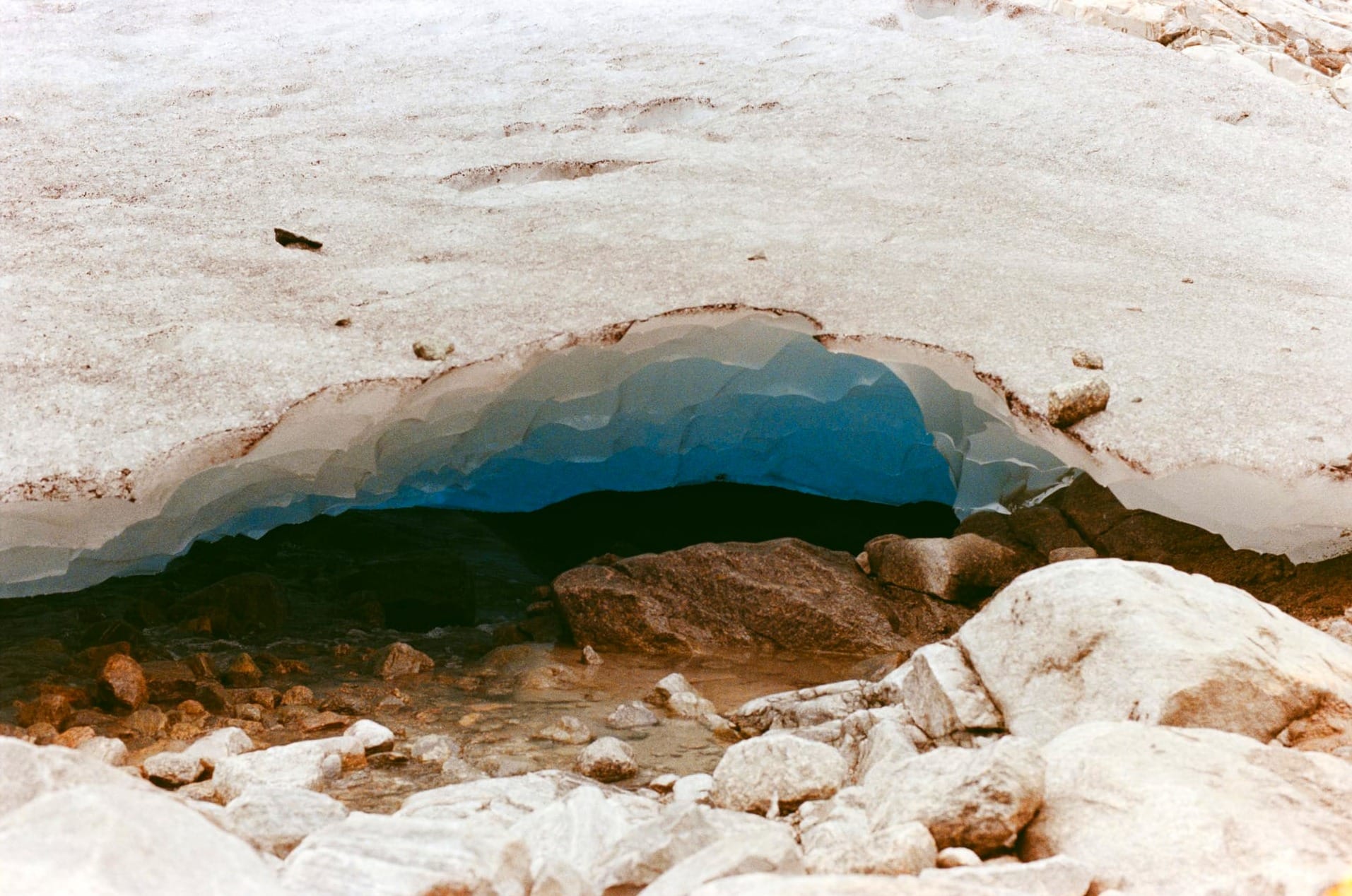
Our next destination on the roadtrip was to the small town of Veitastrond where we stayed in an Airbnb that was very close to two great glacier hikes. The first of these hikes was to the Austerdalsbreen glacier. The hike was not hard and the payoff was really incredible- we were within spitting distance of the tongue of the glacier and could poke at floating iceberg chunks as they made their way down the mountain streams. The U-shaped valleys here were clearly cut by ancient glacier with deep sediment along the shores of the glacier runoff.
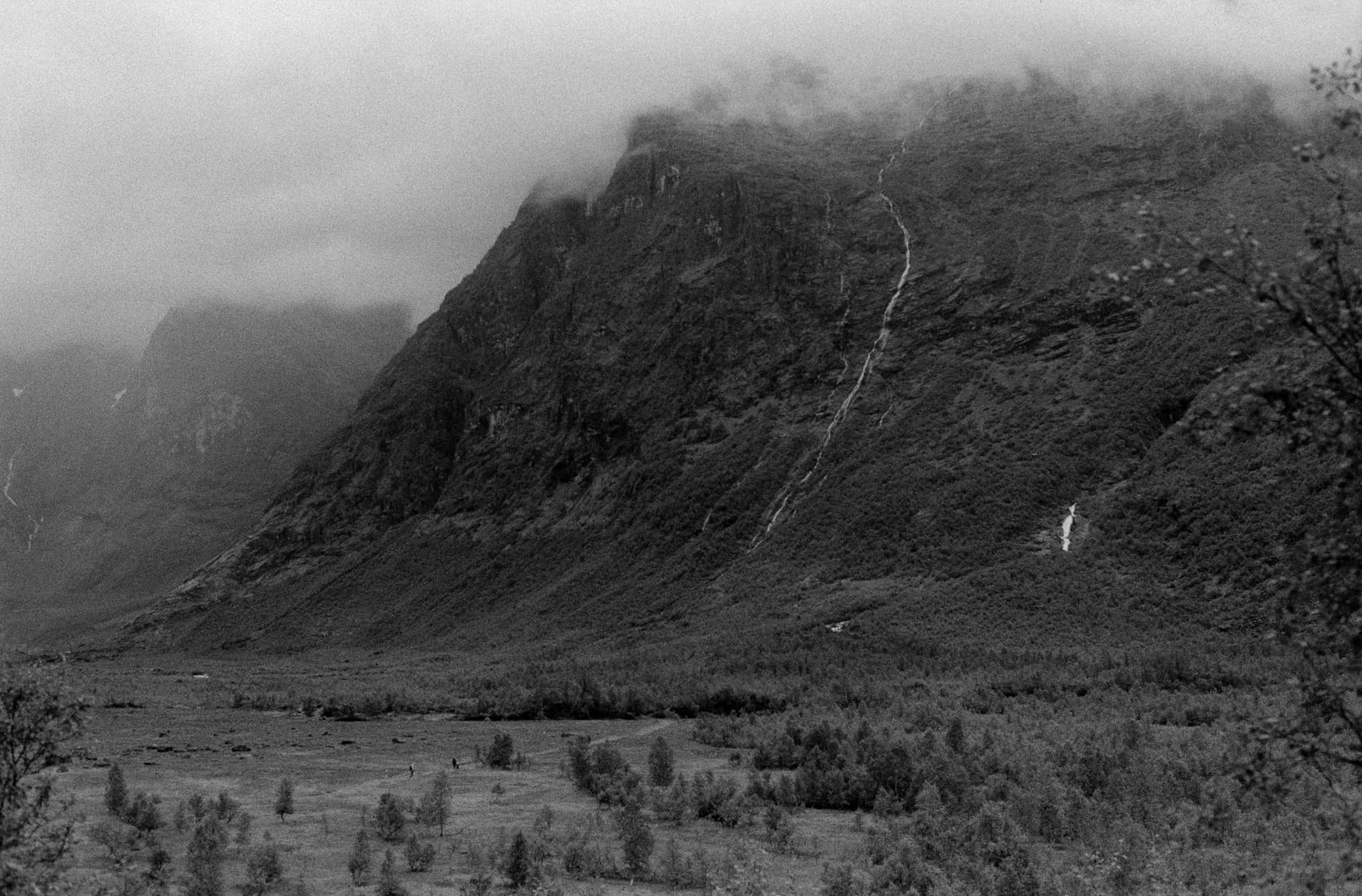
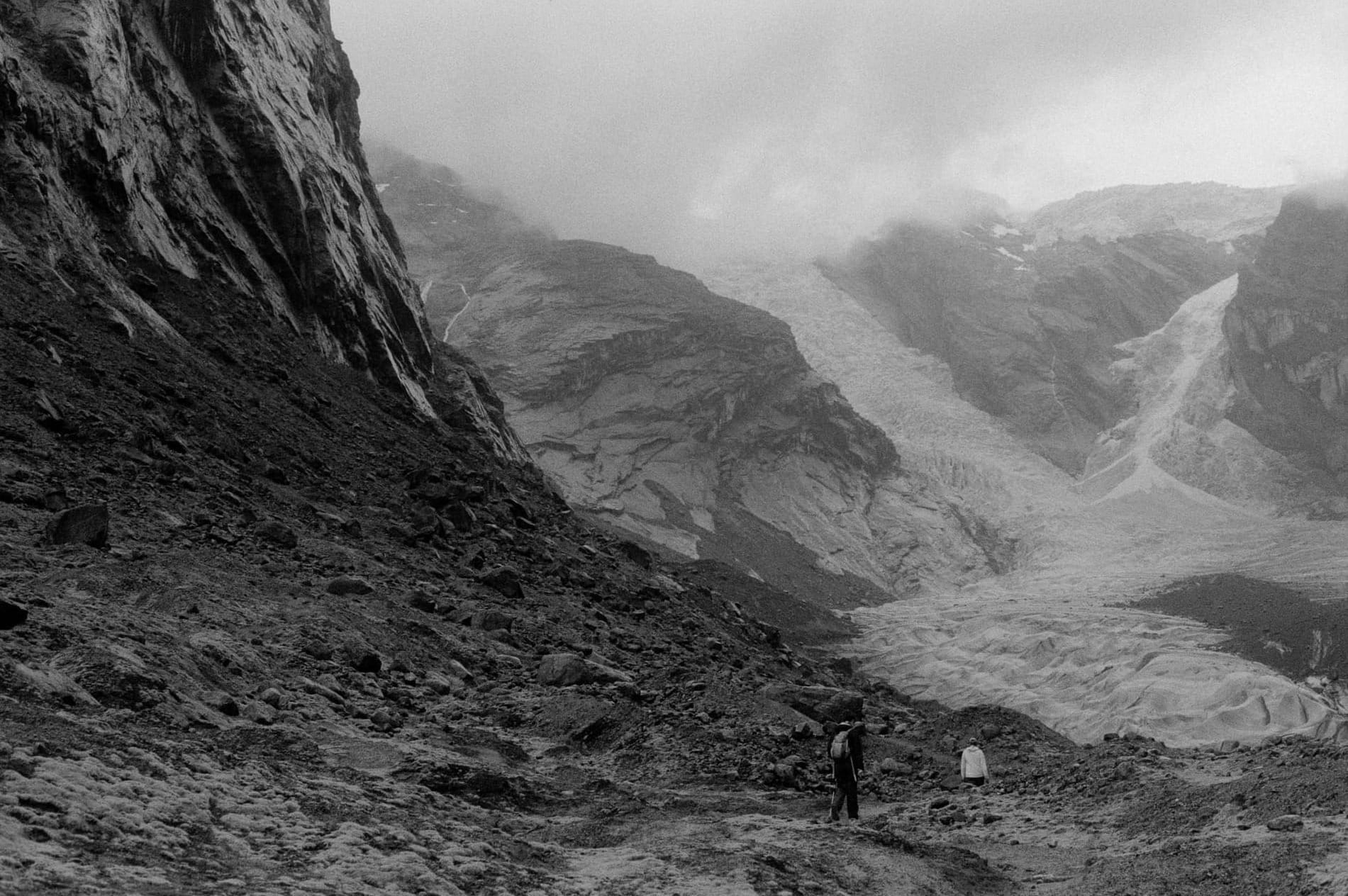
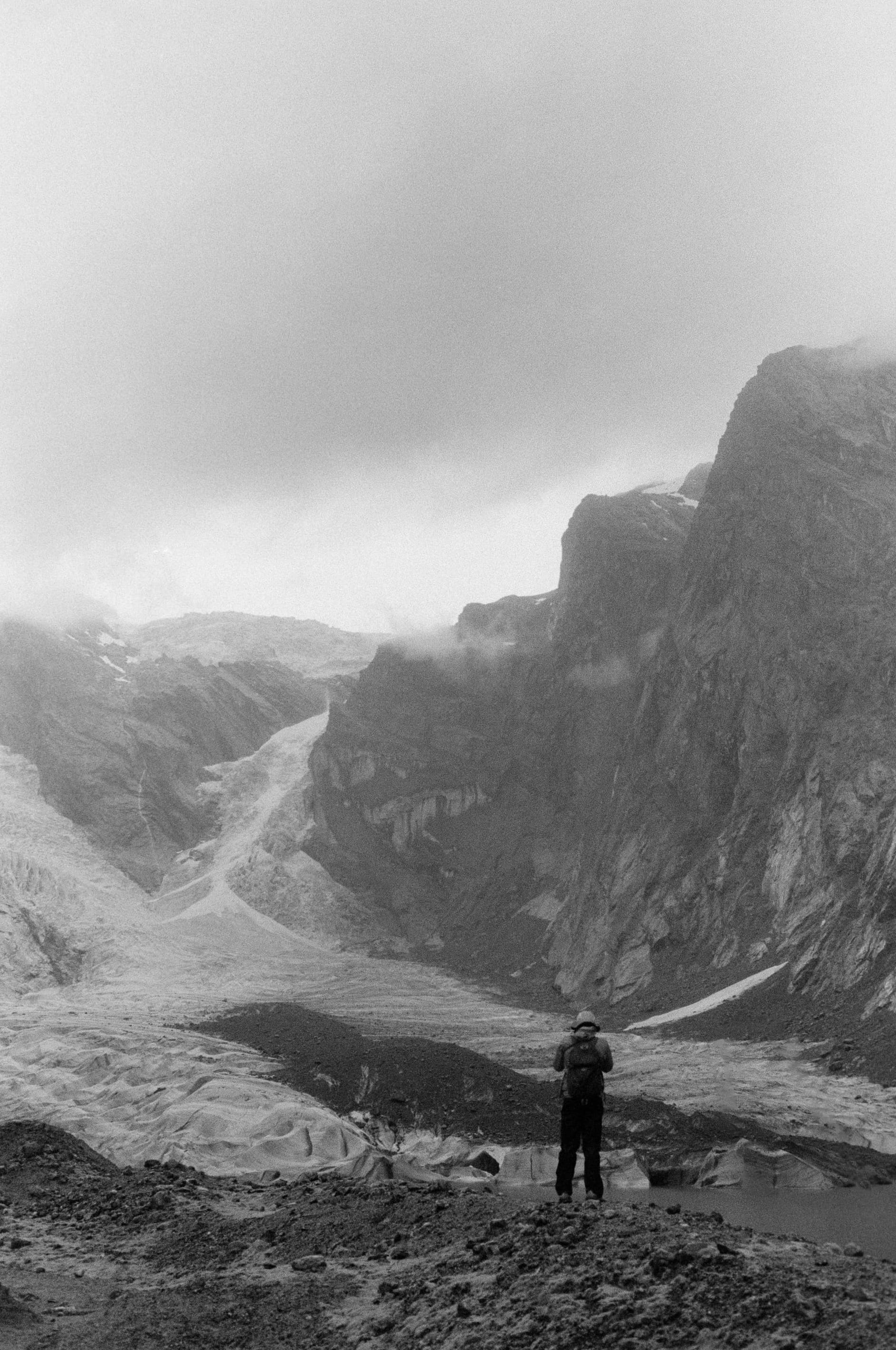
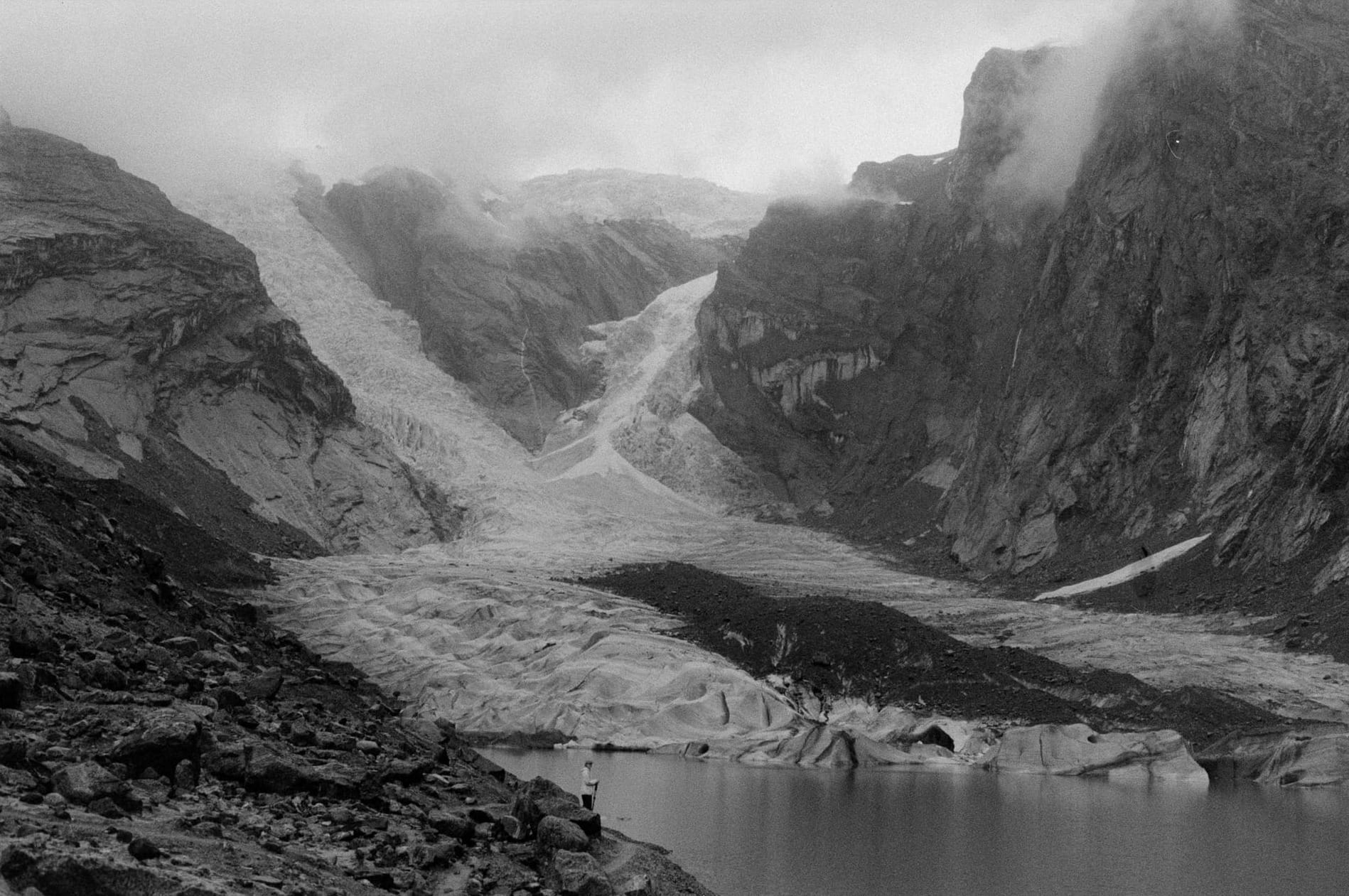
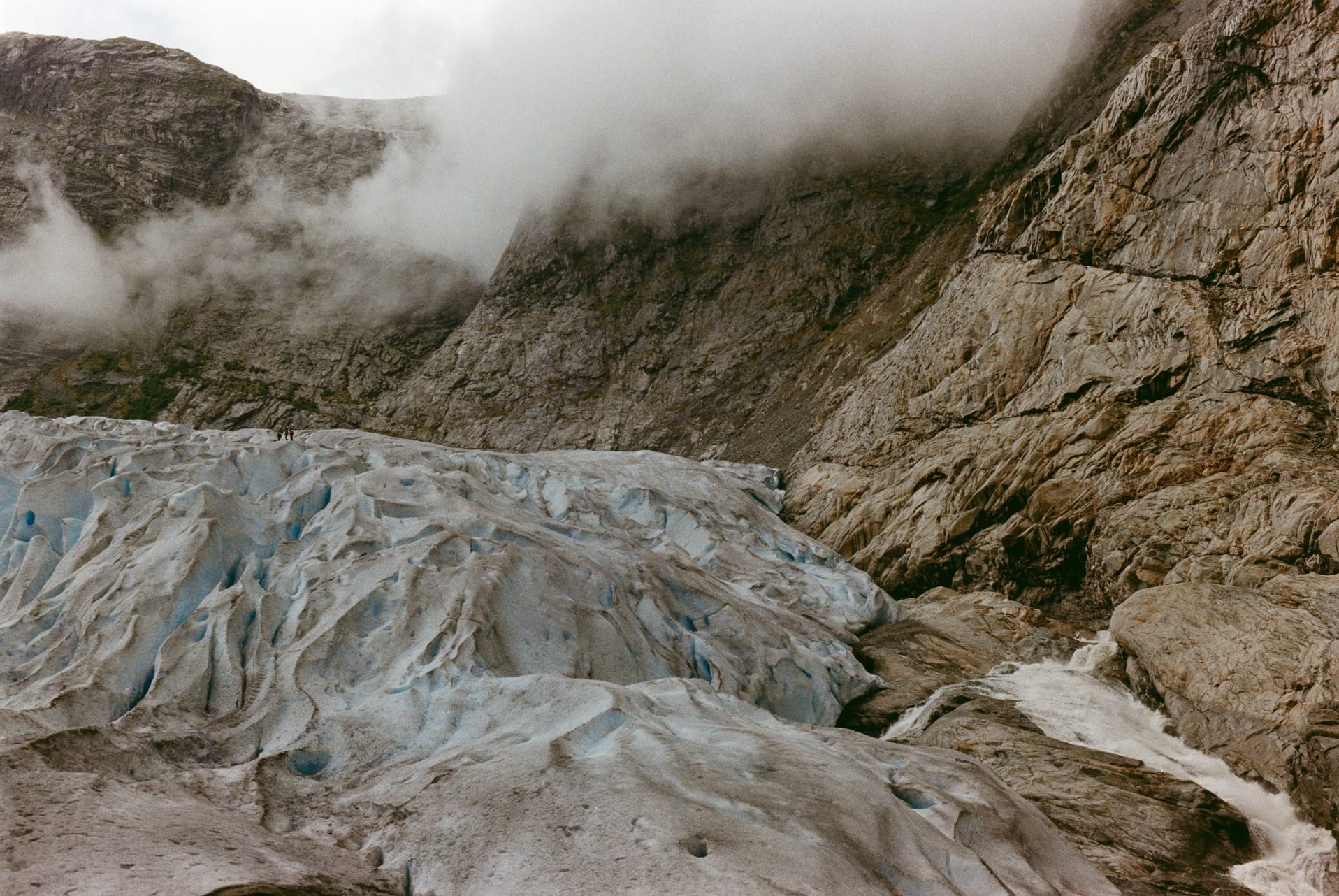
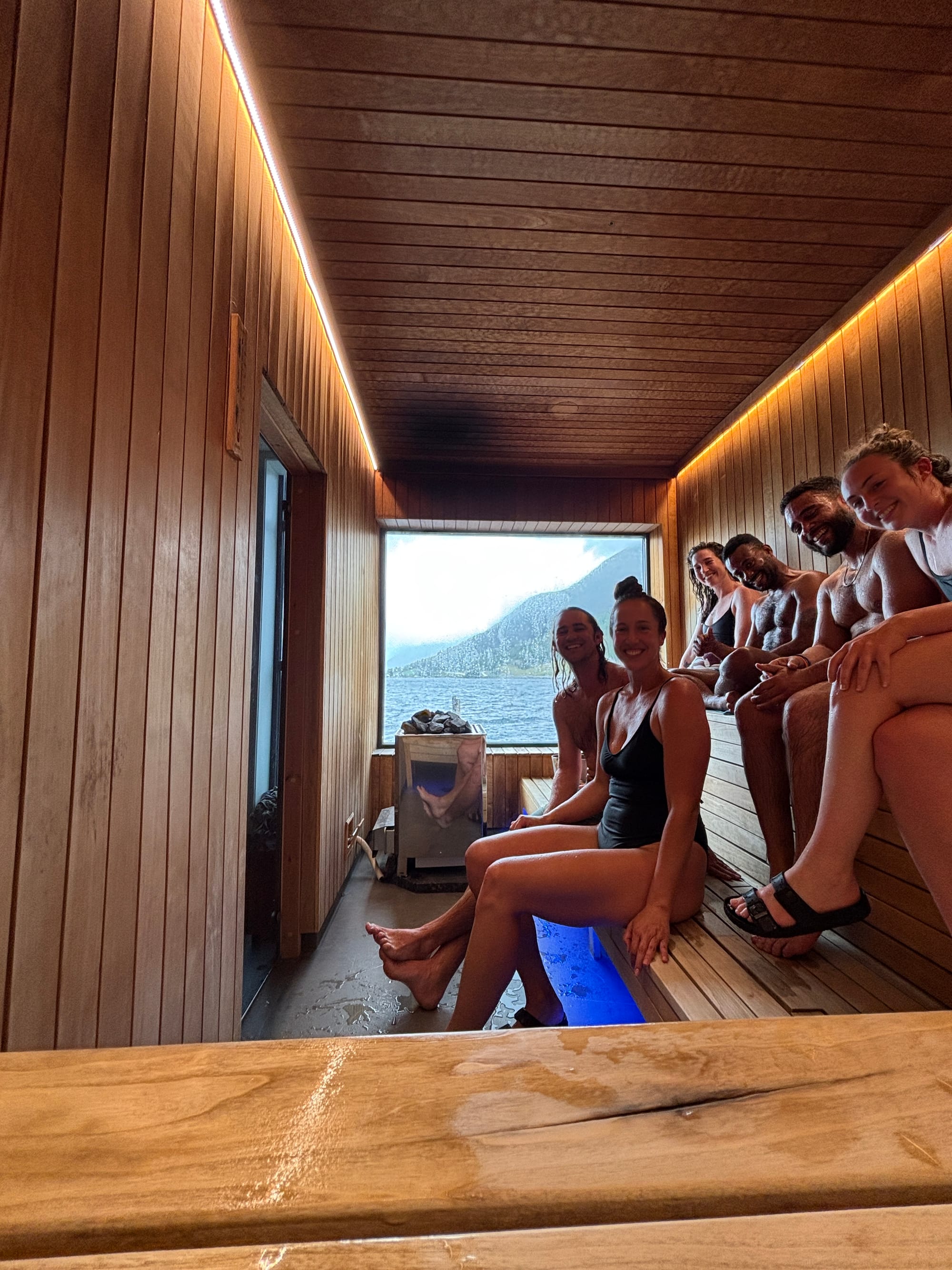
The next day we headed to Nigardsbreen glacier which again was a relatively easy hike with a great view of the chunky glacier. Afterward, we enjoyed a stormy sauna experience in the small town of Skei. We went from the fiery sauna into the choppy, windy, freezing fjord in a healthy Nordic squall. We were surprised that the fjord, being seawater, did not taste or feel salty at all. There is so much glacier runoff and fresh rain/river water in the fjord that a 10-meter deep layer of freshwater rests on top of the denser saltwater. After our sauna adventures we felt practically Norwegian.
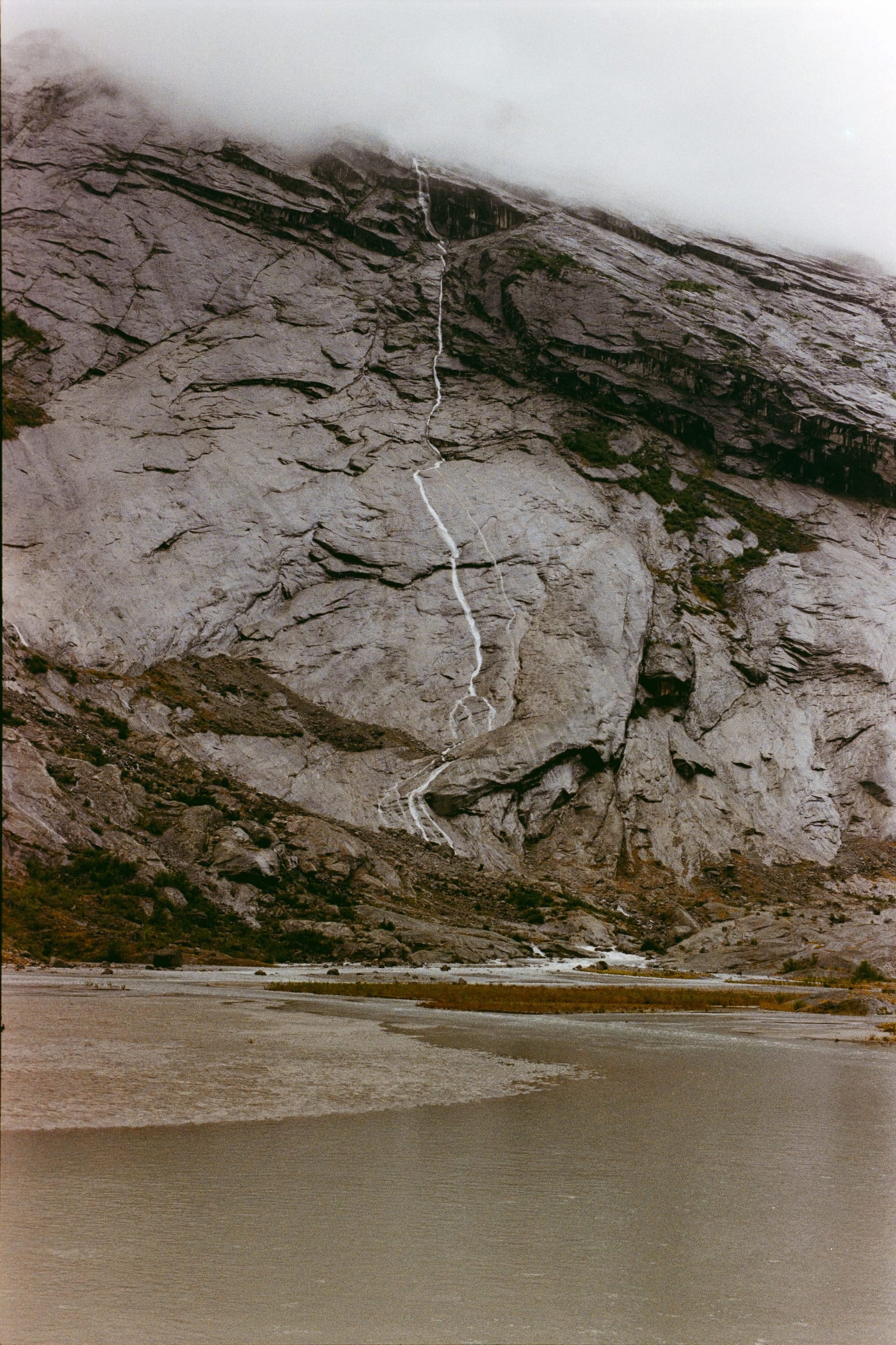
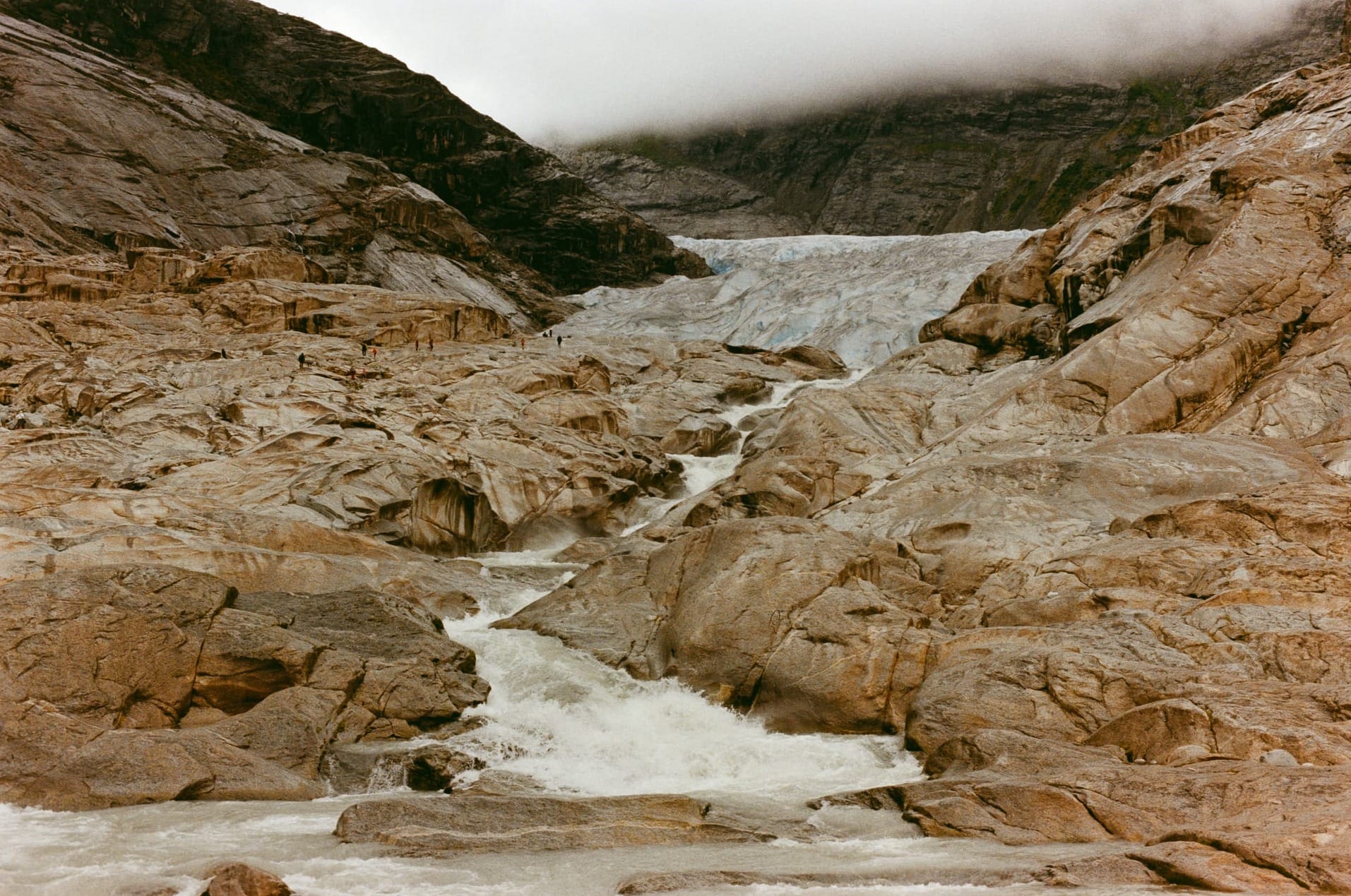
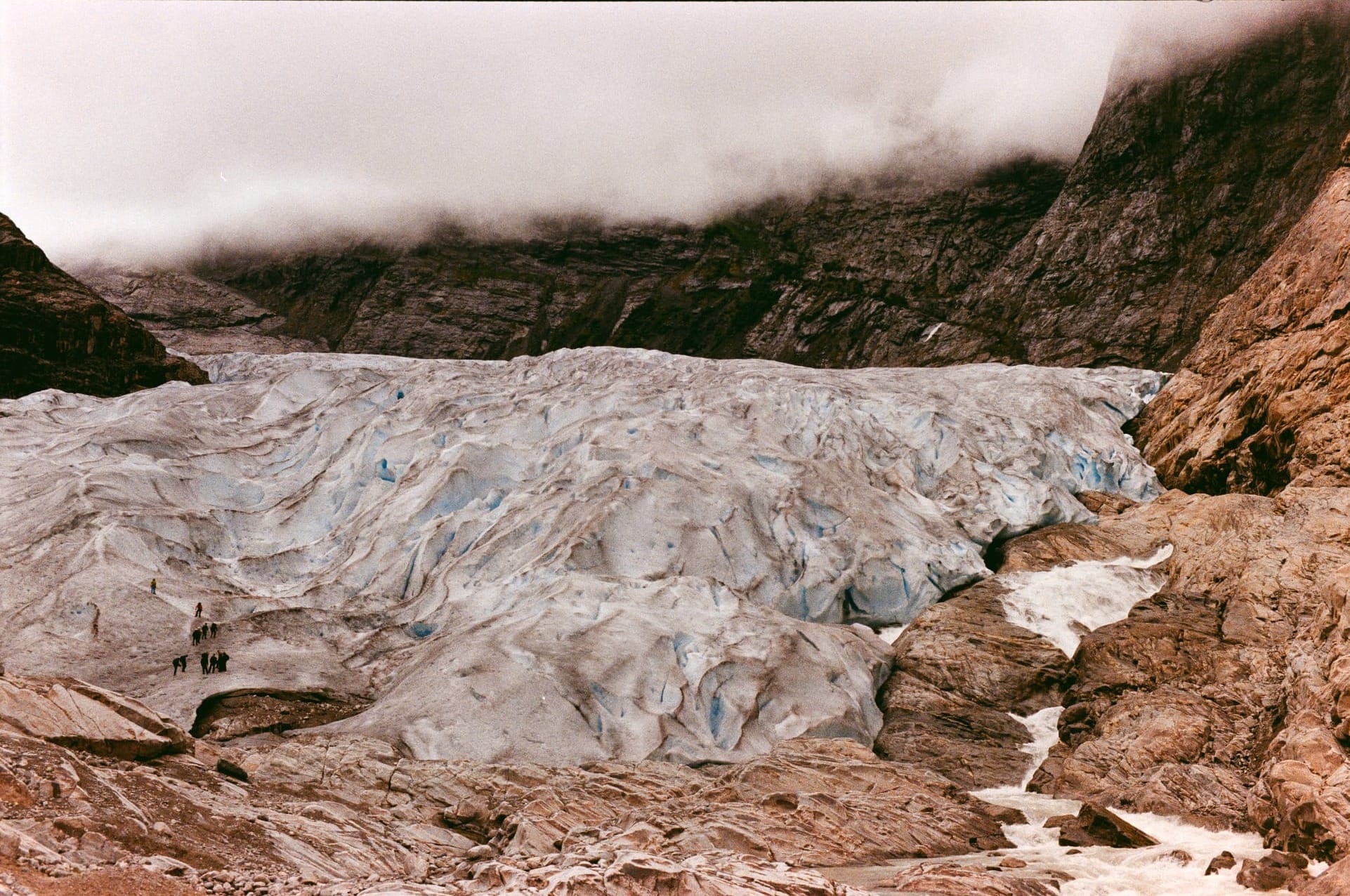
Our first glimpses of Nigardsbreen glacier
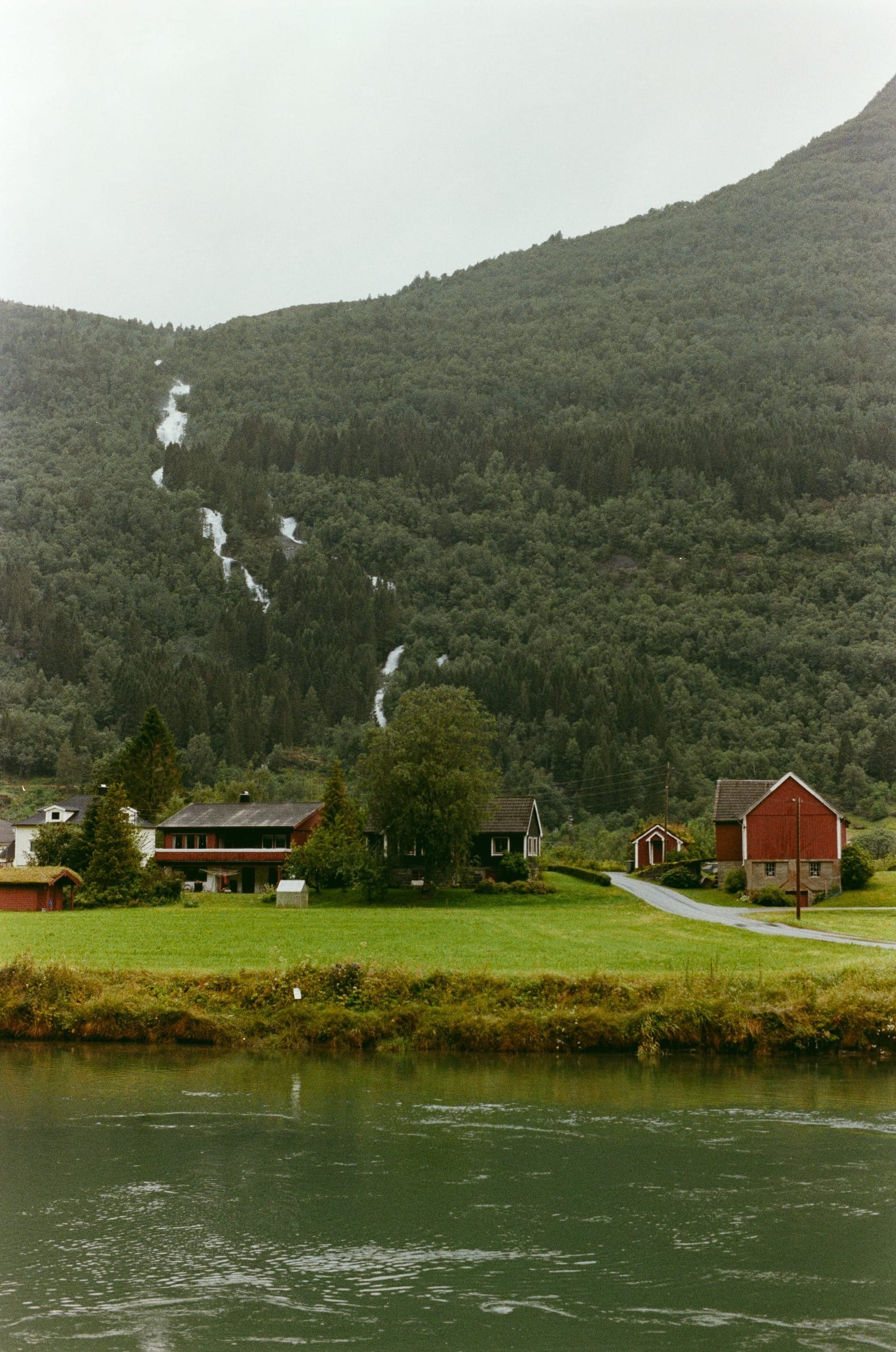
We continued our roadtrip to the town of Stryn where we stayed in a dreamy little cottage alongside the meandering Stryneelva River. We visited the neighbor cows, picked wild raspberries, and sat by the fire waiting out the rain. We had planned to summit Mt. Skala but the weather didn’t permit so we pivoted to Raksætra hike which was below the cloud line so it offered nice views from the historic timber farm structures with grass-roofed cabins and views of Nordfjord. This was our last stop on our mainland road trip so we drove back to Bergen to ditch the rental car and flew from Bergen up to Bodø, which is a city in the Arctic circle on the coast of the Norwegian Sea and the gateway to the Lofoten Islands.
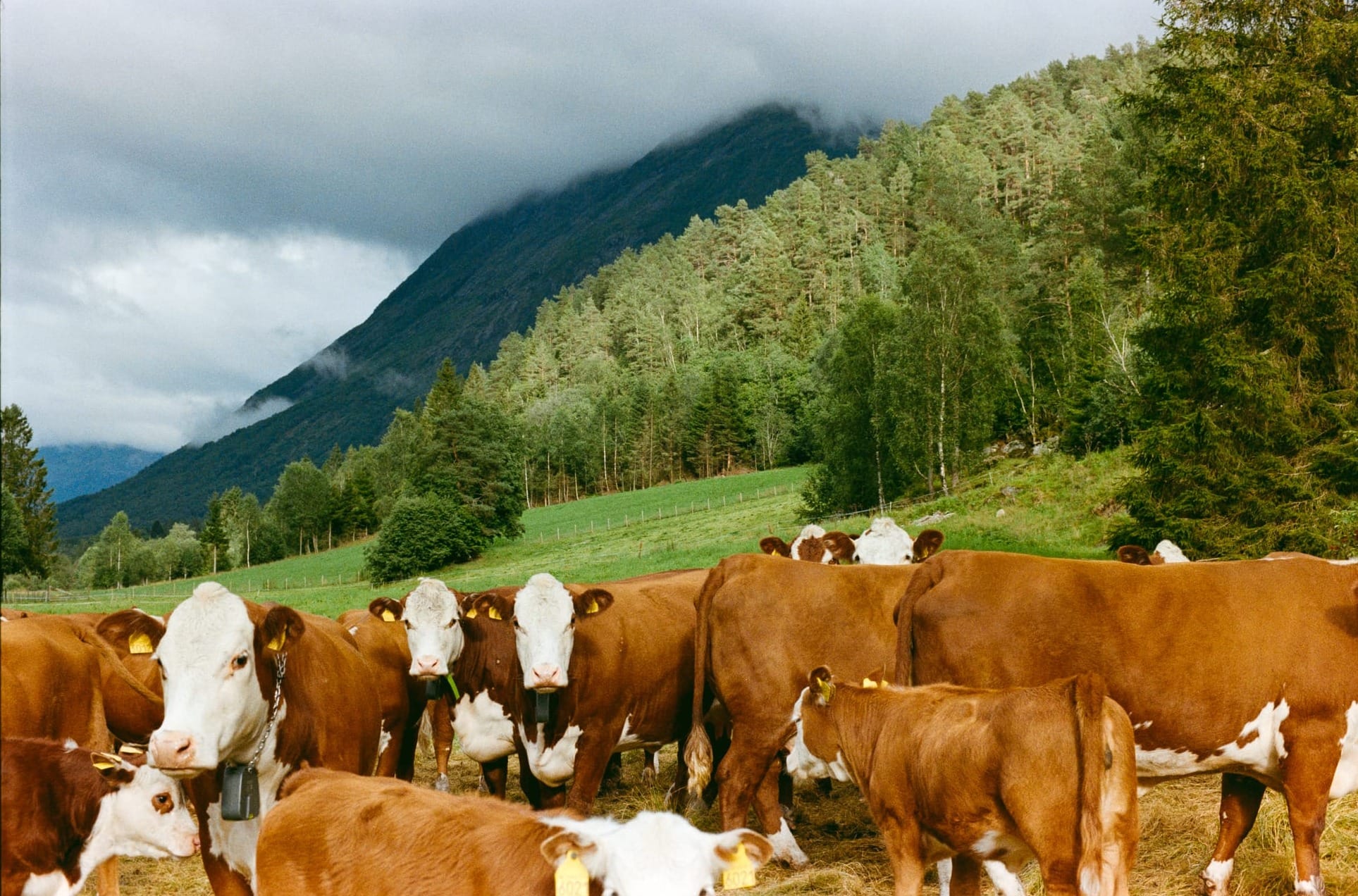
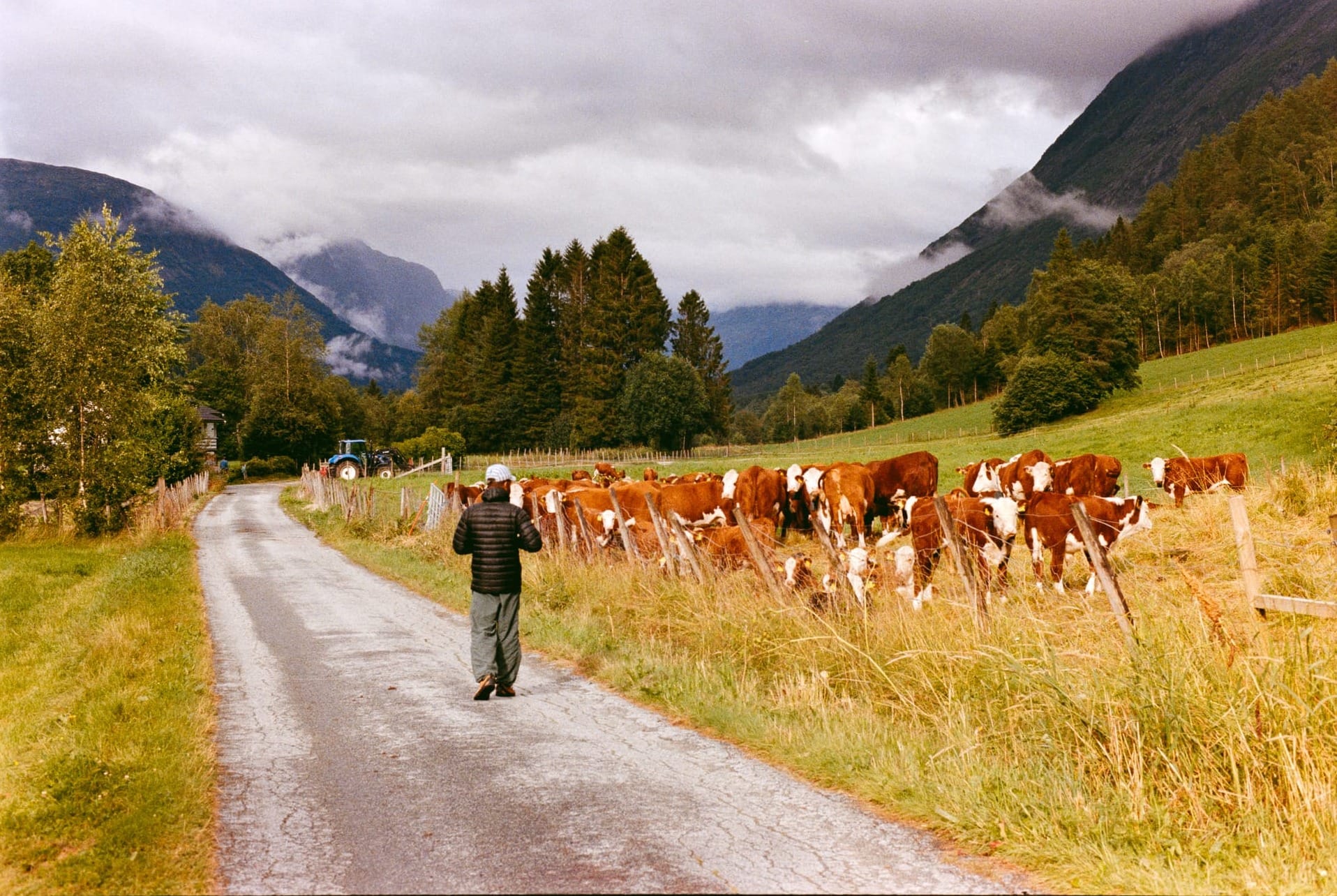
Herefords of Stryn
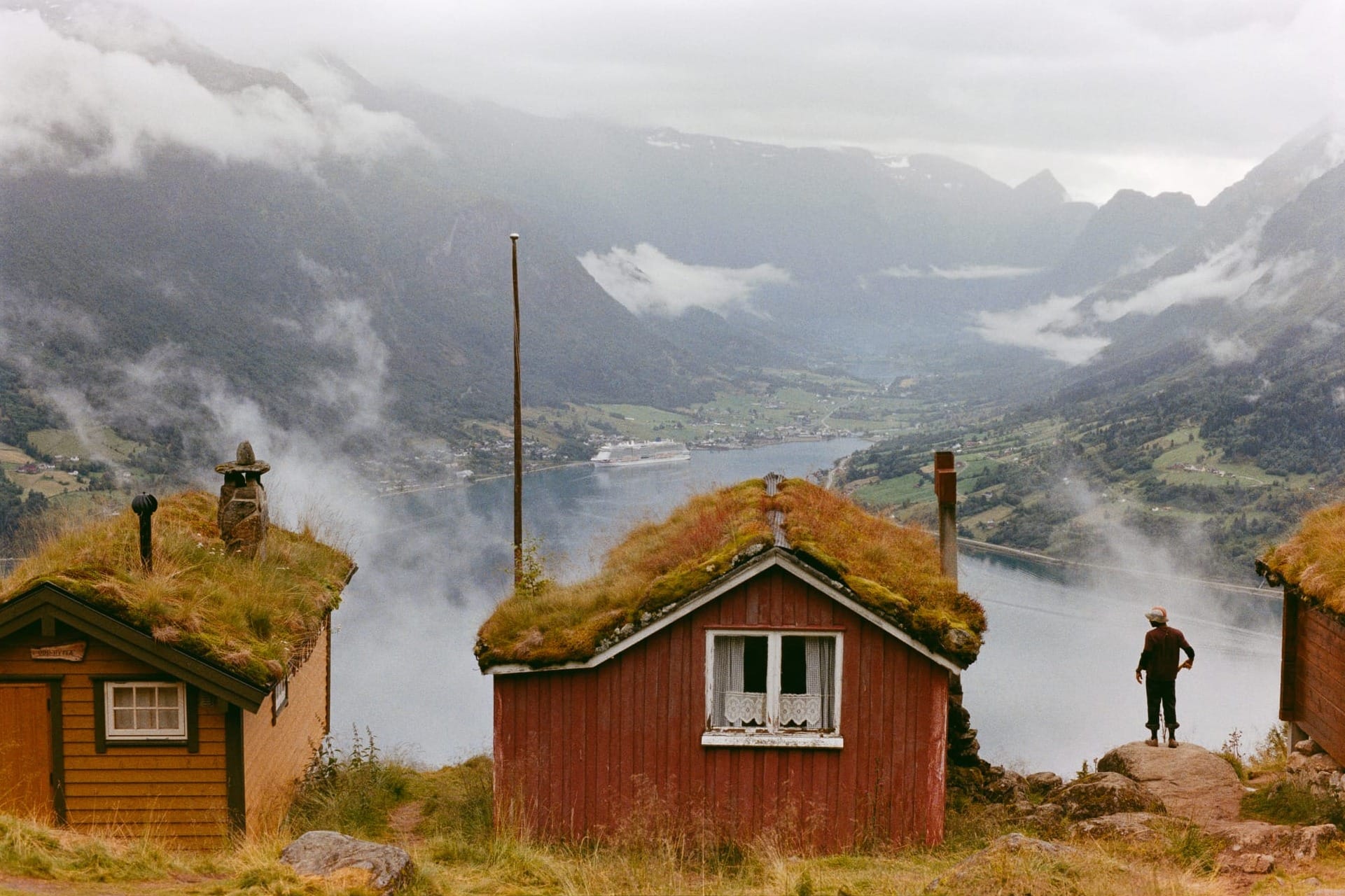
We were only in Bodø for one night and took the ferry with our rental car to Væroy Island where we planned to spend 2 nights camping. It was a bit nerve-racking on the ferry as there were sheets of rain pelting the ship and poor visibility as we sailed for 5 hours on rough seas to Væroy. Luckily, weather changes swiftly and dramatically this far north so after getting into port and picking up some supplies from the store we were shocked to see blue sky and some sun break through! We set up our tents and started on the most iconic hike on the island to the summit of Håen mountain with an old cold-war era NATO station. The view here overlooks the abandoned bird-hunting village of Måstad and the island's northernmost coastline. We were lucky enough to add on a second peak because the good weather held so we summited Mt. Hornet which offered spectacular views of the town and port on the southern portion of the island.
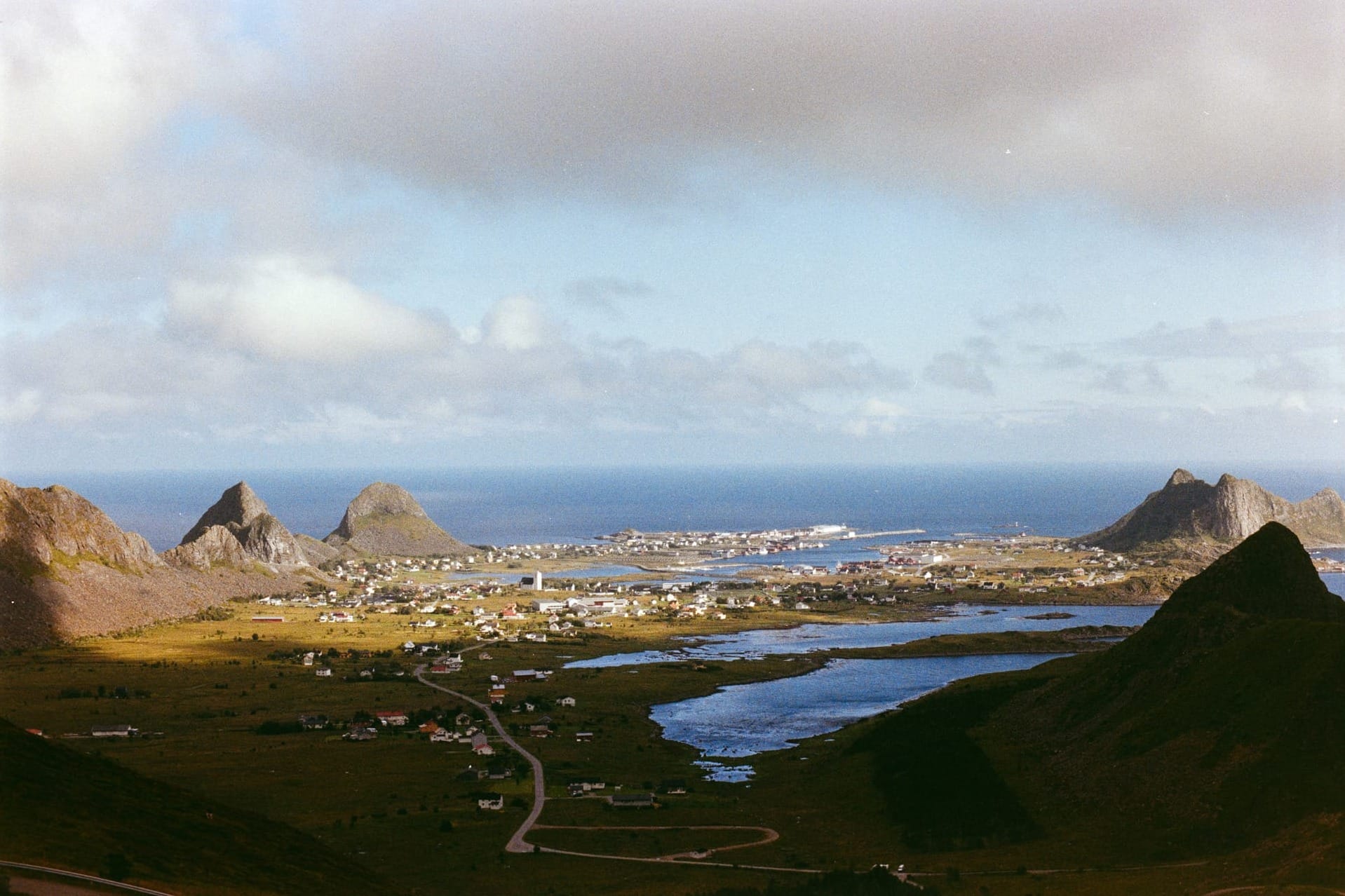
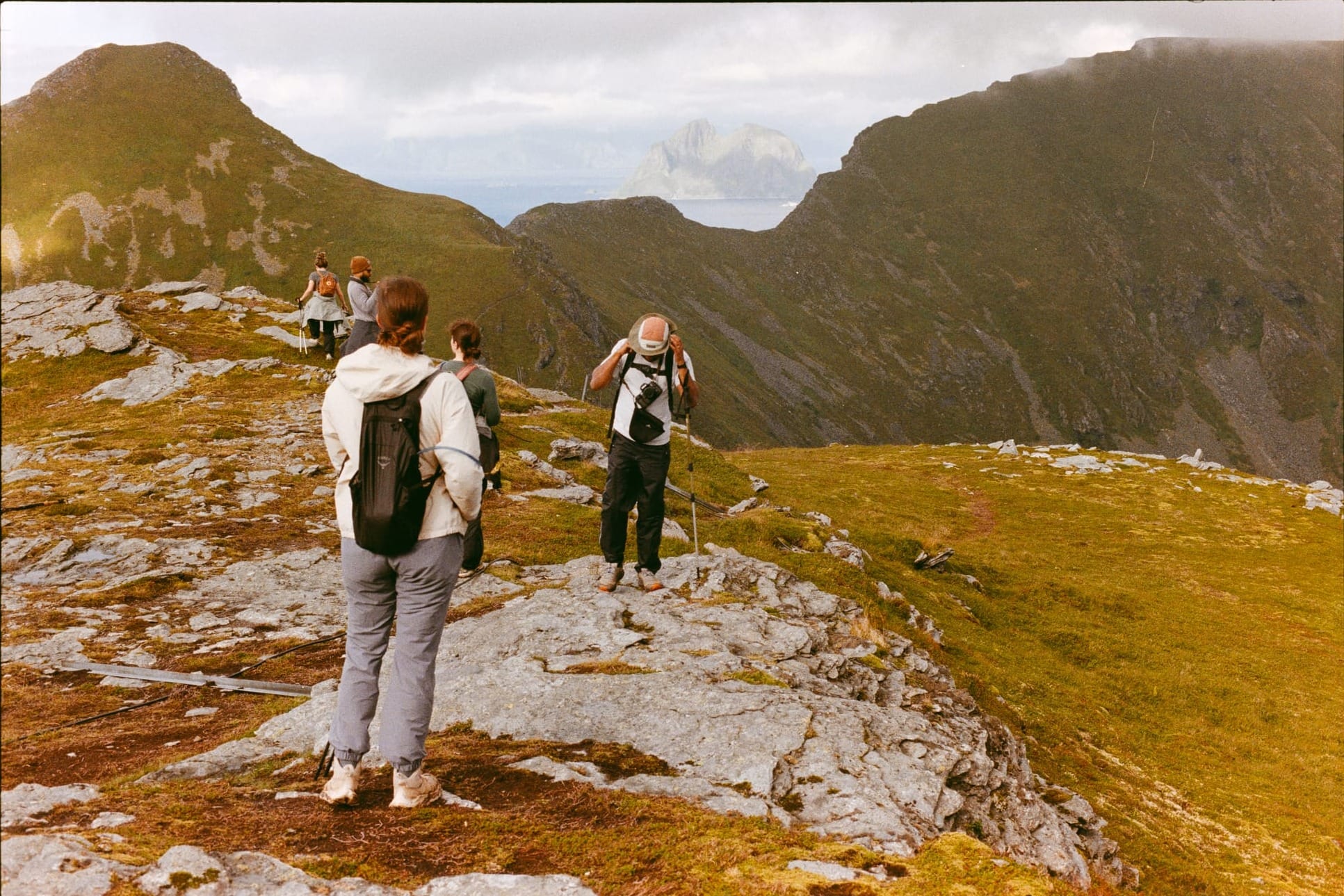
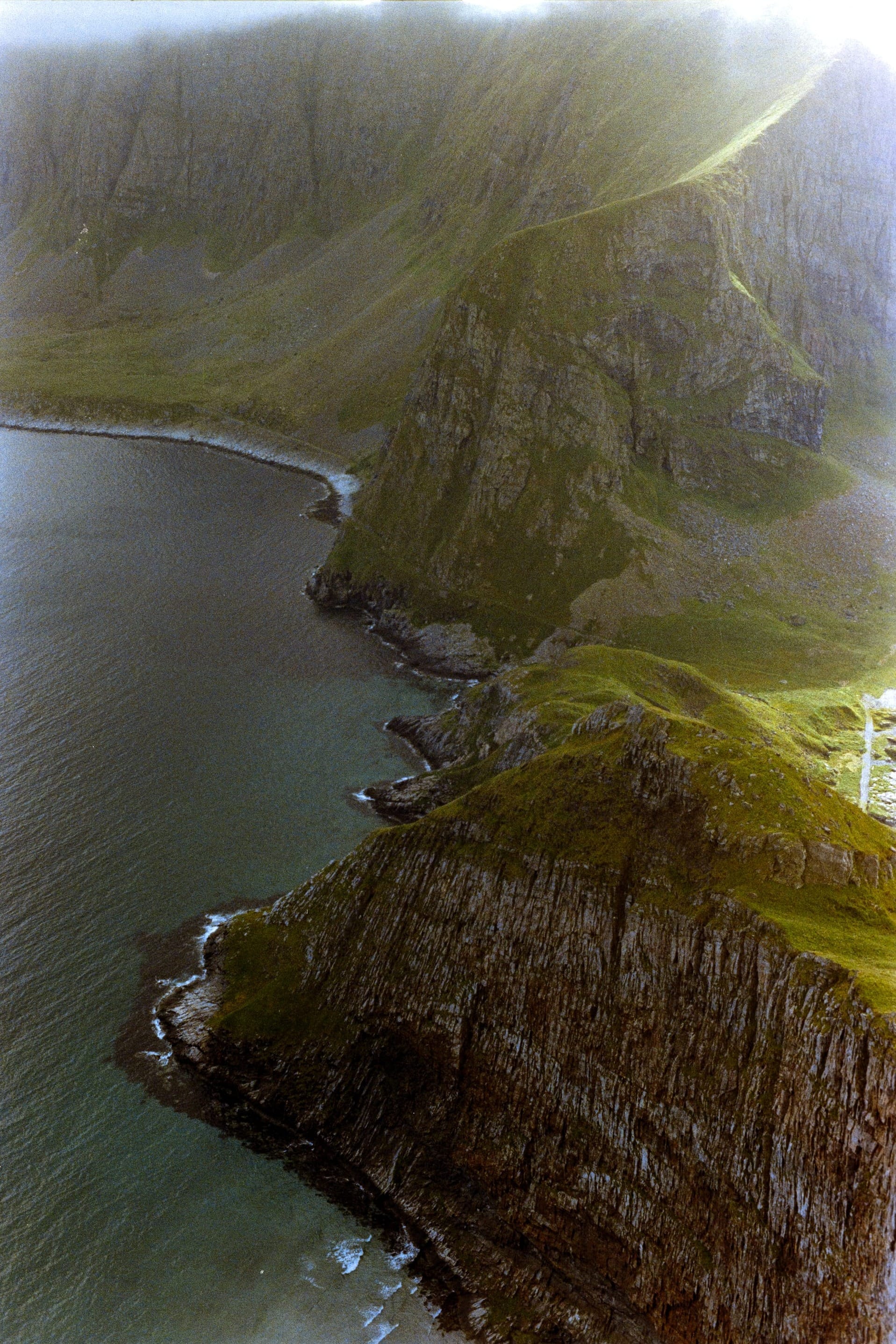
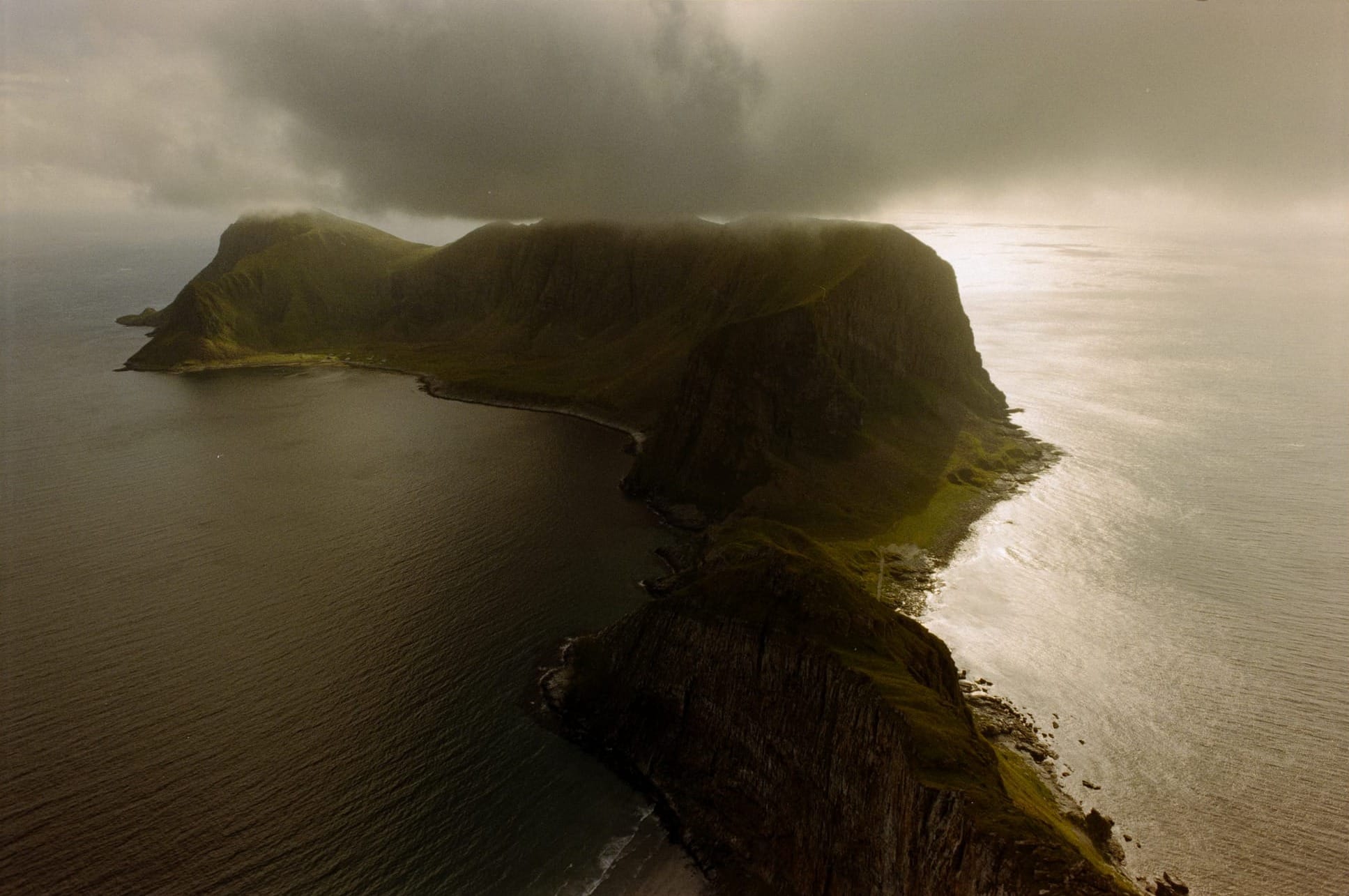
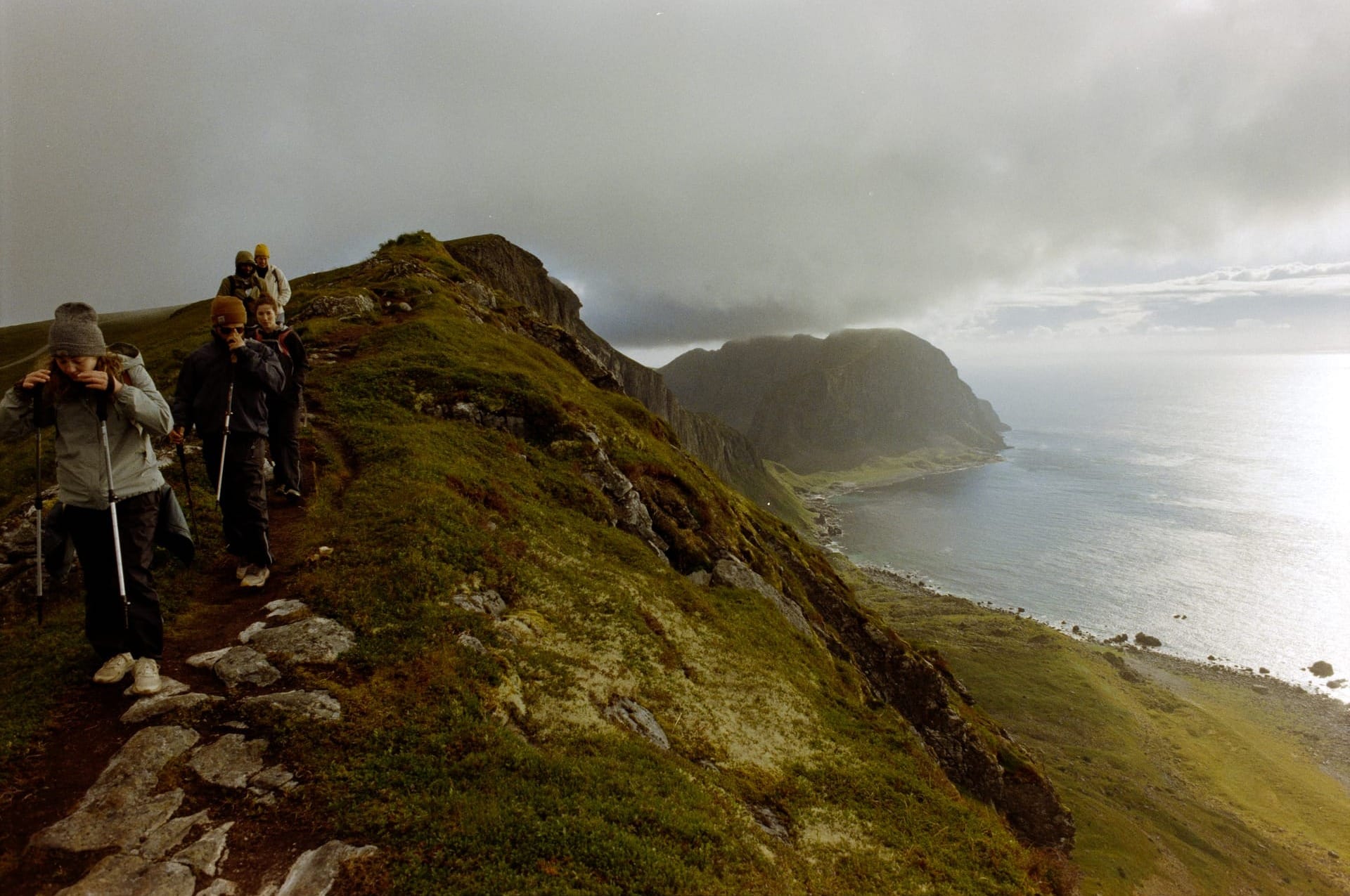
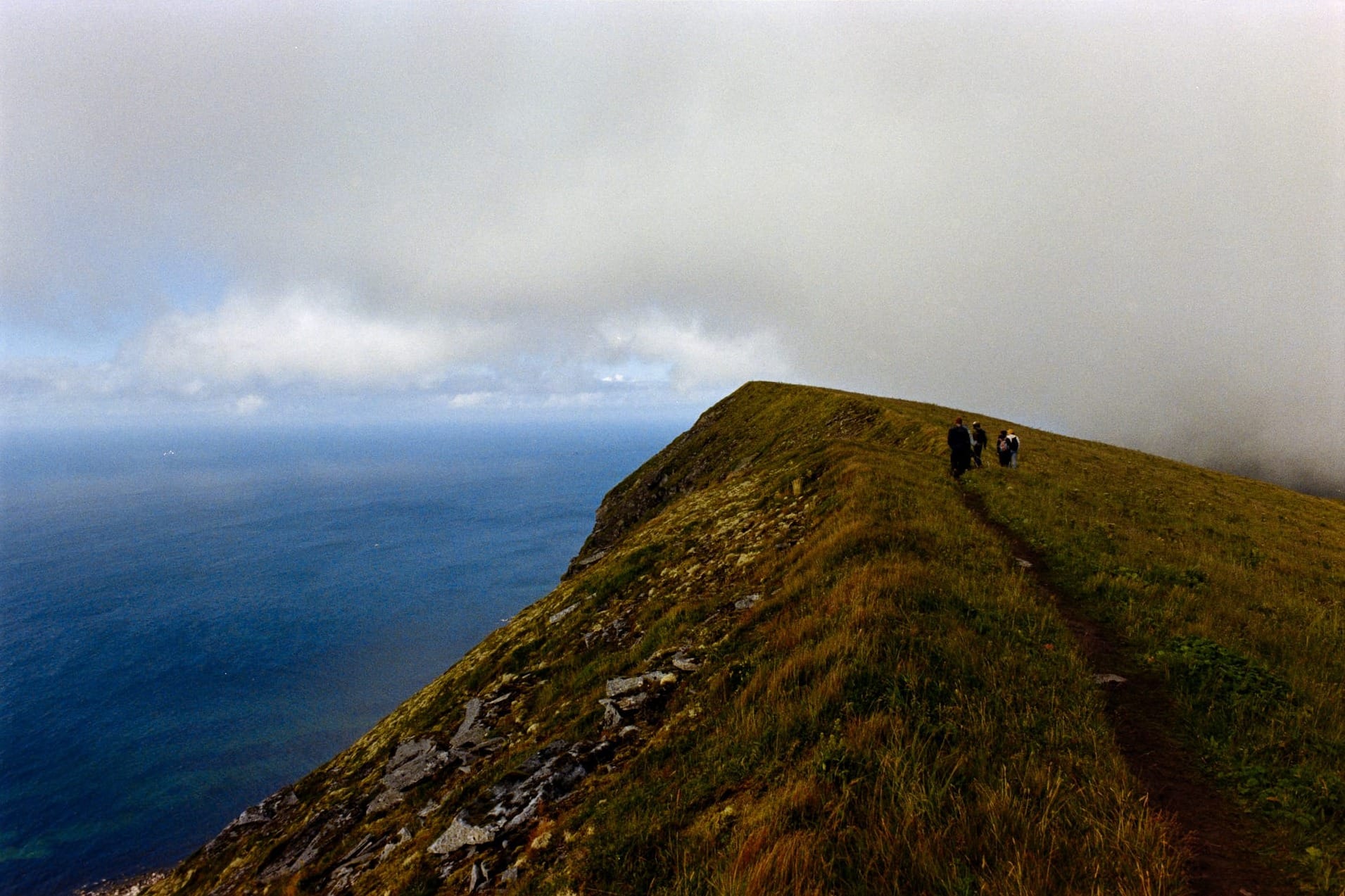
Ridgeline hike to Mt. Hornet
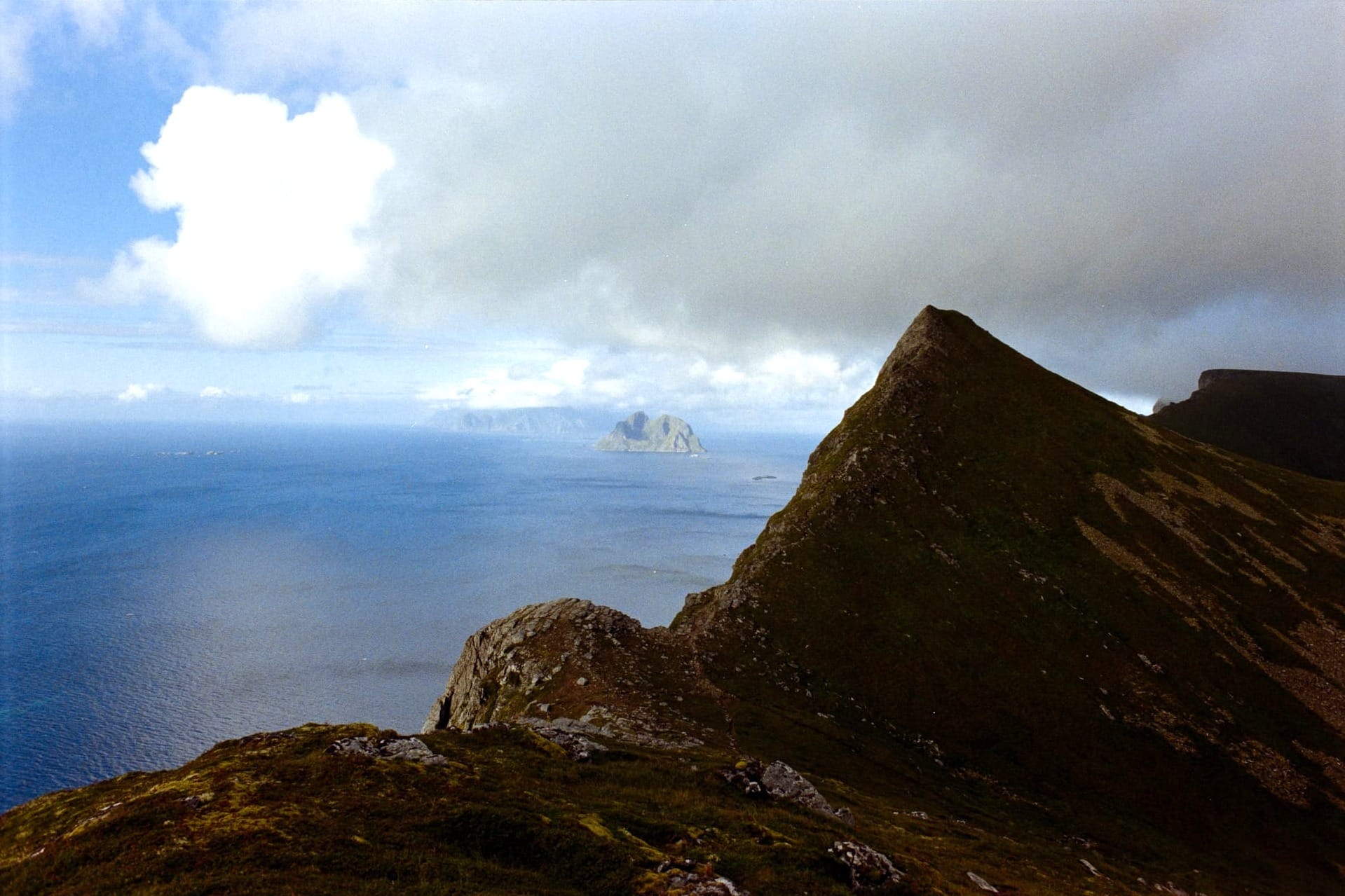
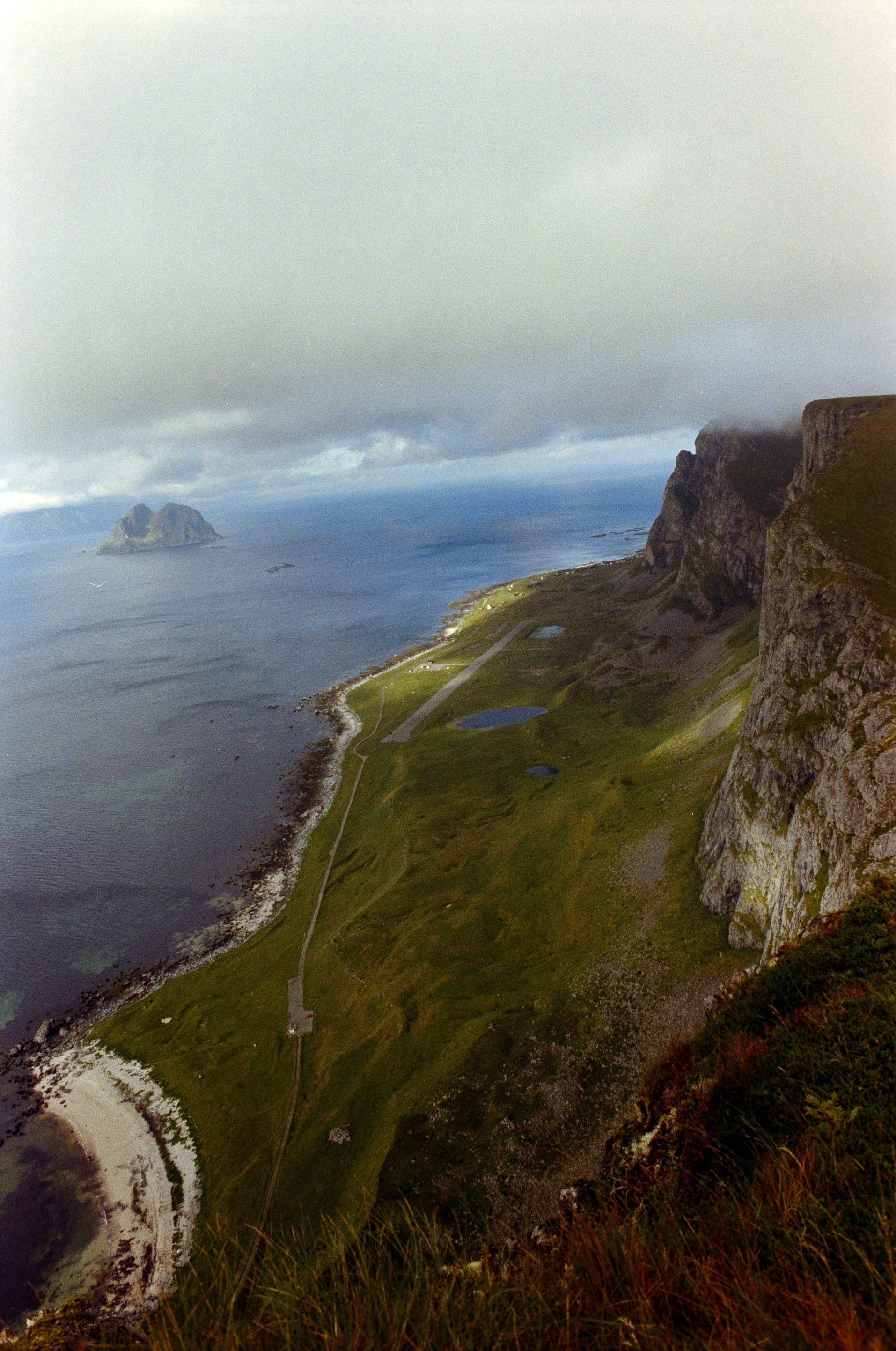
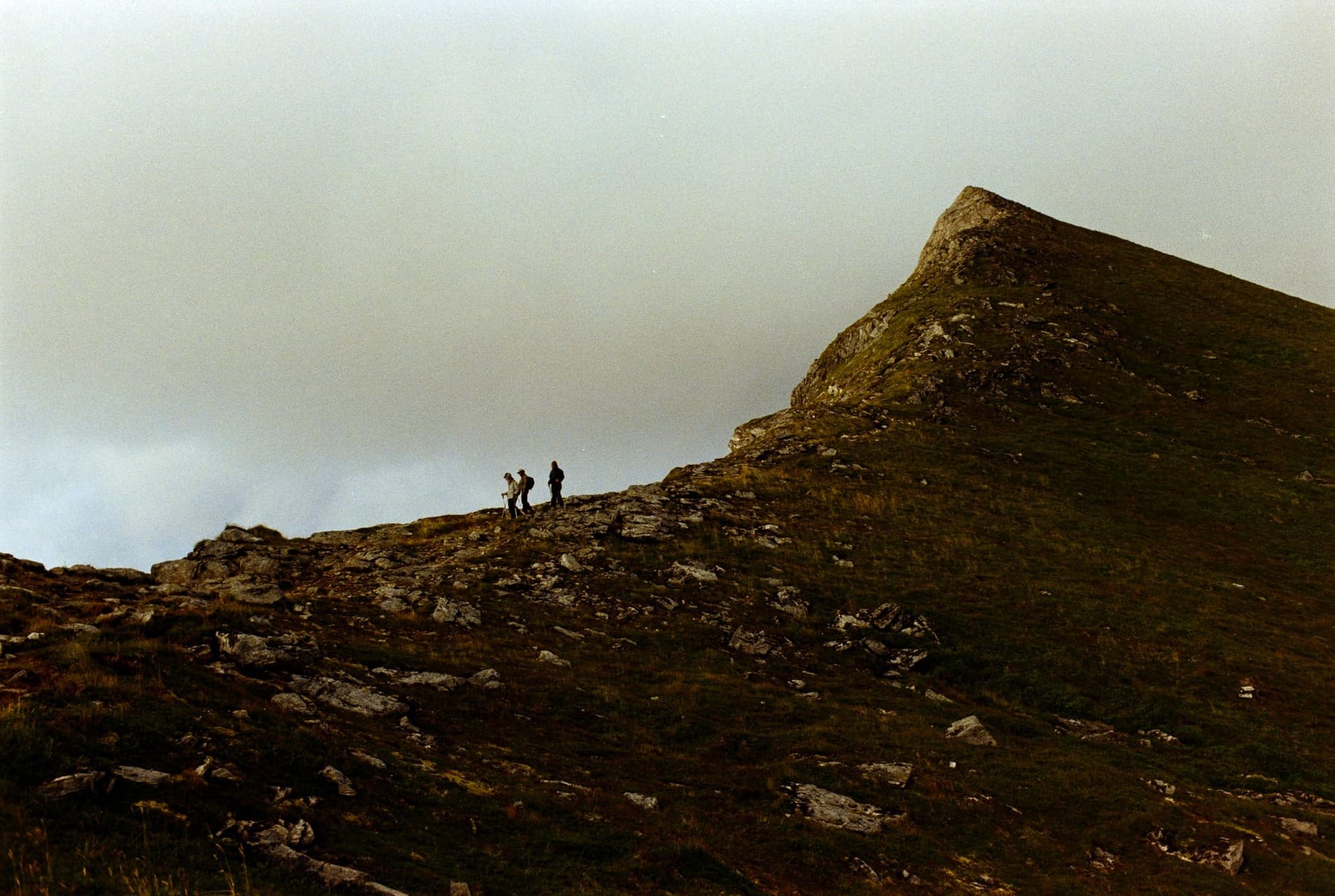
The island of Væroy is very small and we had explored every driveable street within the first 90 minutes on the island so we hunkered down in the picnic area to cook our backpacking meals and climbed into our tents at 9 p.m. (still in broad daylight as there is no sunset this time of year). Sadly, our nice weather window slammed shut and we were pelted with rain and wind most of the night. We had a new tent as our tent from the O-trek was still broken but unfortunately it didn’t stand up to the Arctic winds and we had quite the long night with various tent collapses, though it could’ve been worse as we did stay dry and warm throughout the storm.
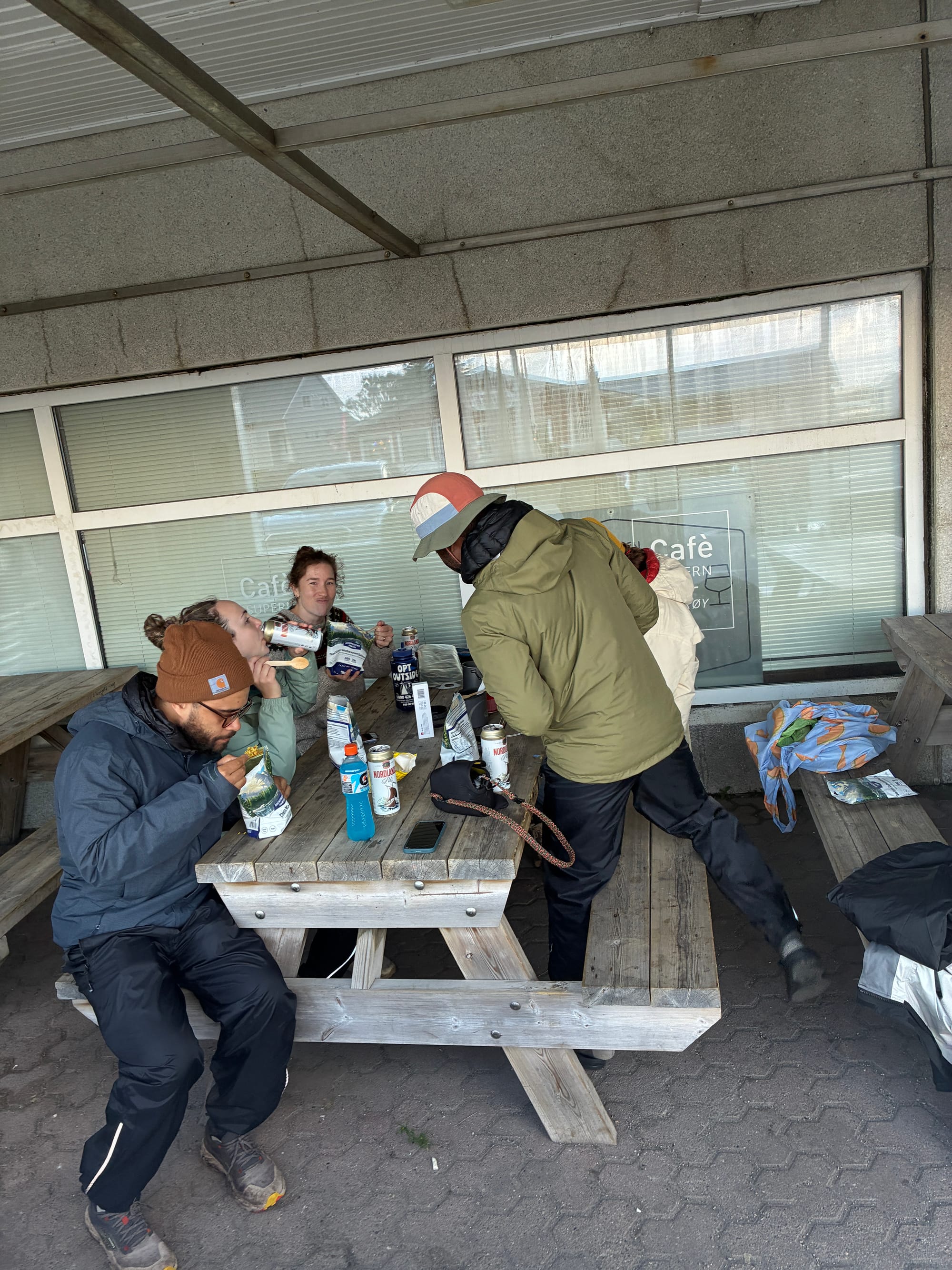
We did have clear skies for most of our second day on Væroy and took the opportunity to walk the only remaining section of the island that we hadn’t explored, the very northern coast with a trail to Måstad. This was a village that was settled for the purpose of hunting puffins and sea eagles. Bird hunting was the primary food source and industry for the people of Væroy. At one time, there were 120 people living in the town of Måstad but without roads or a harbor it was abandoned in the 1950s. The puffin hunting was done with the Norwegian Lundehond which was a dog breed originating from this very small town and it was bred to have an extra toe which apparently helped it skirt around cliff edges and into caves to extract puffins. The Måstad village was quaint but a bit haunting and the remnants of the schoolhouse are still obvious with an old lonely lecture desk standing under the collapsed roof.
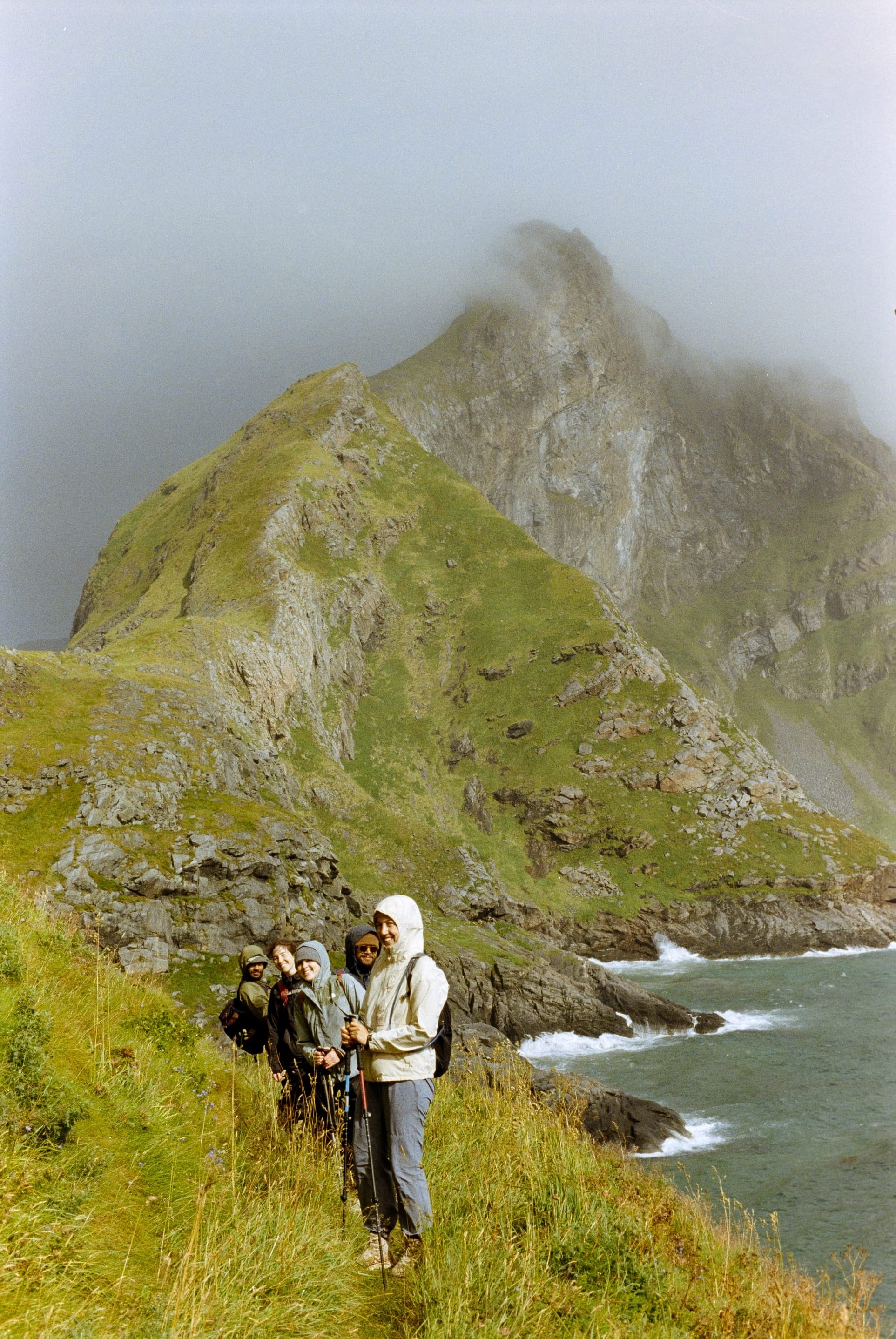
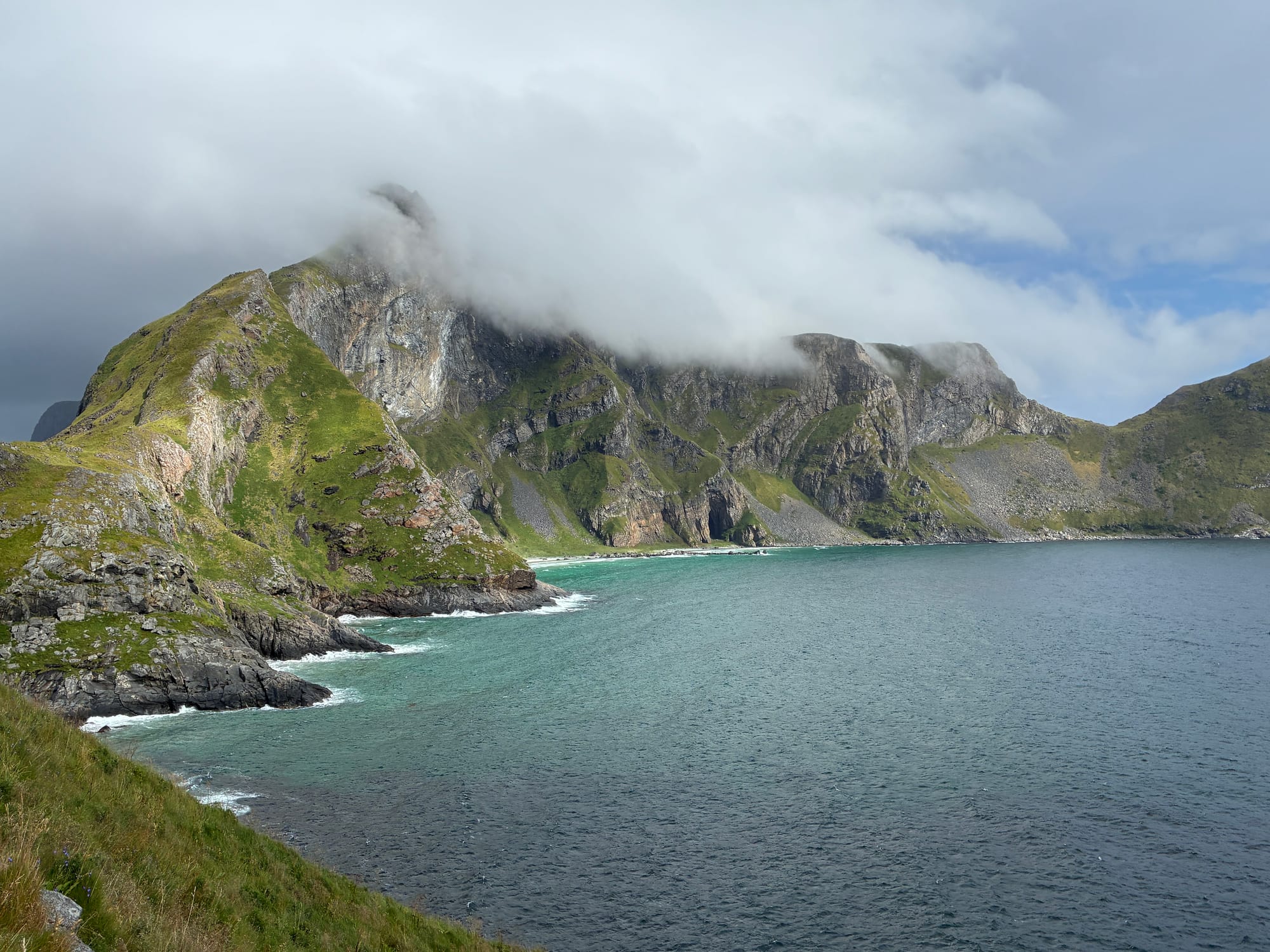
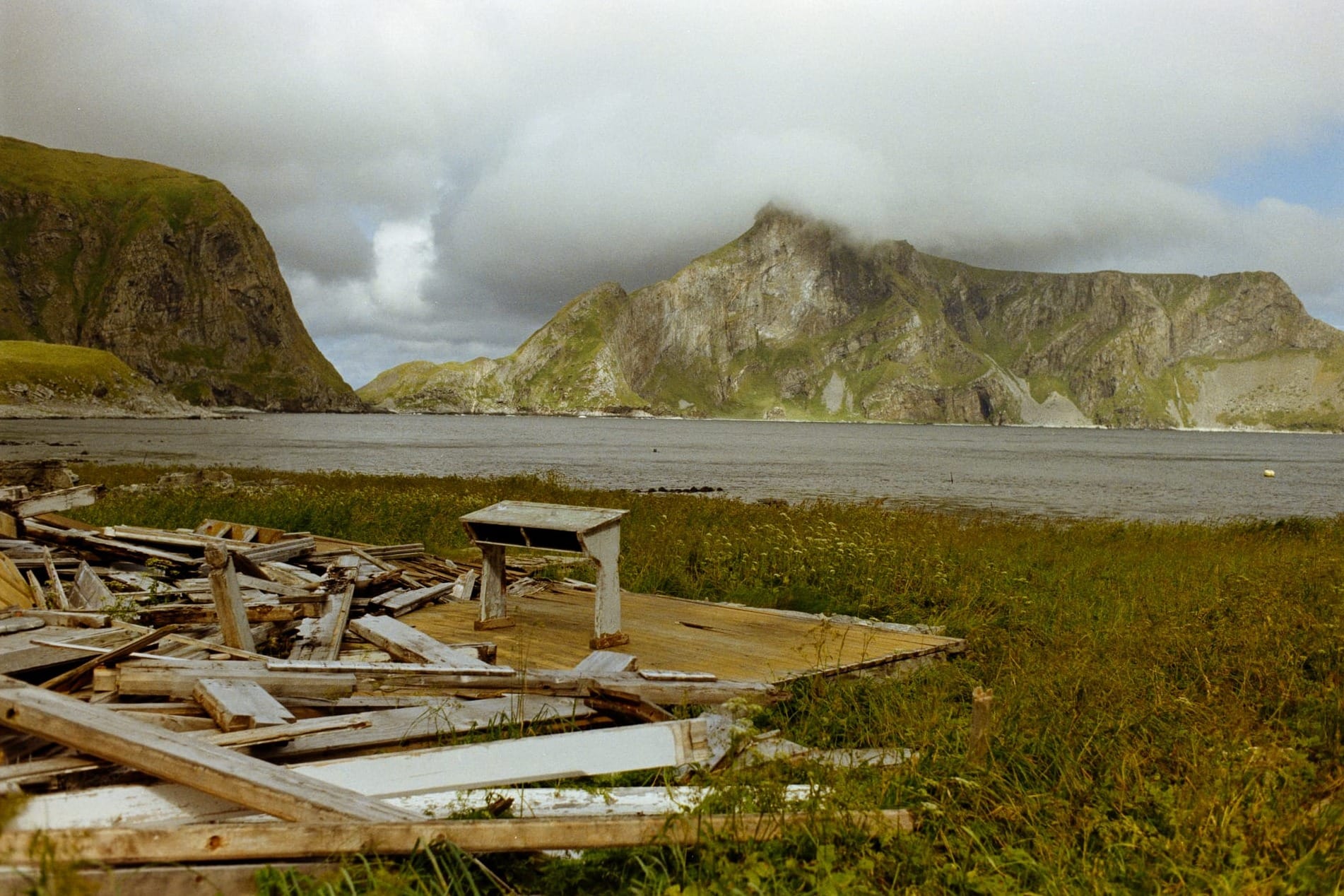
After our harrowing first night in the tents, we decided to ask around about an indoor accommodation as 12 hours of rain was forecasted overnight. We found an empty hotel offering reasonable rooms so we enjoyed a much needed night of protected rest. Our ferry the following day did not leave until nearly midnight so we waited for a small weather window and summited our last peak in Væroy called Nordlandsnupen. We did find the only pub on the island and waited for the ferry drinking a couple of heinously priced pilsners on the deck. Our very late ferry gave us the opportunity to enjoy the midnight sun and we landed at the port town of Møskenes and arrived at our Airbnb at about 2 a.m. as the sun that never set began to rise higher in the sky.
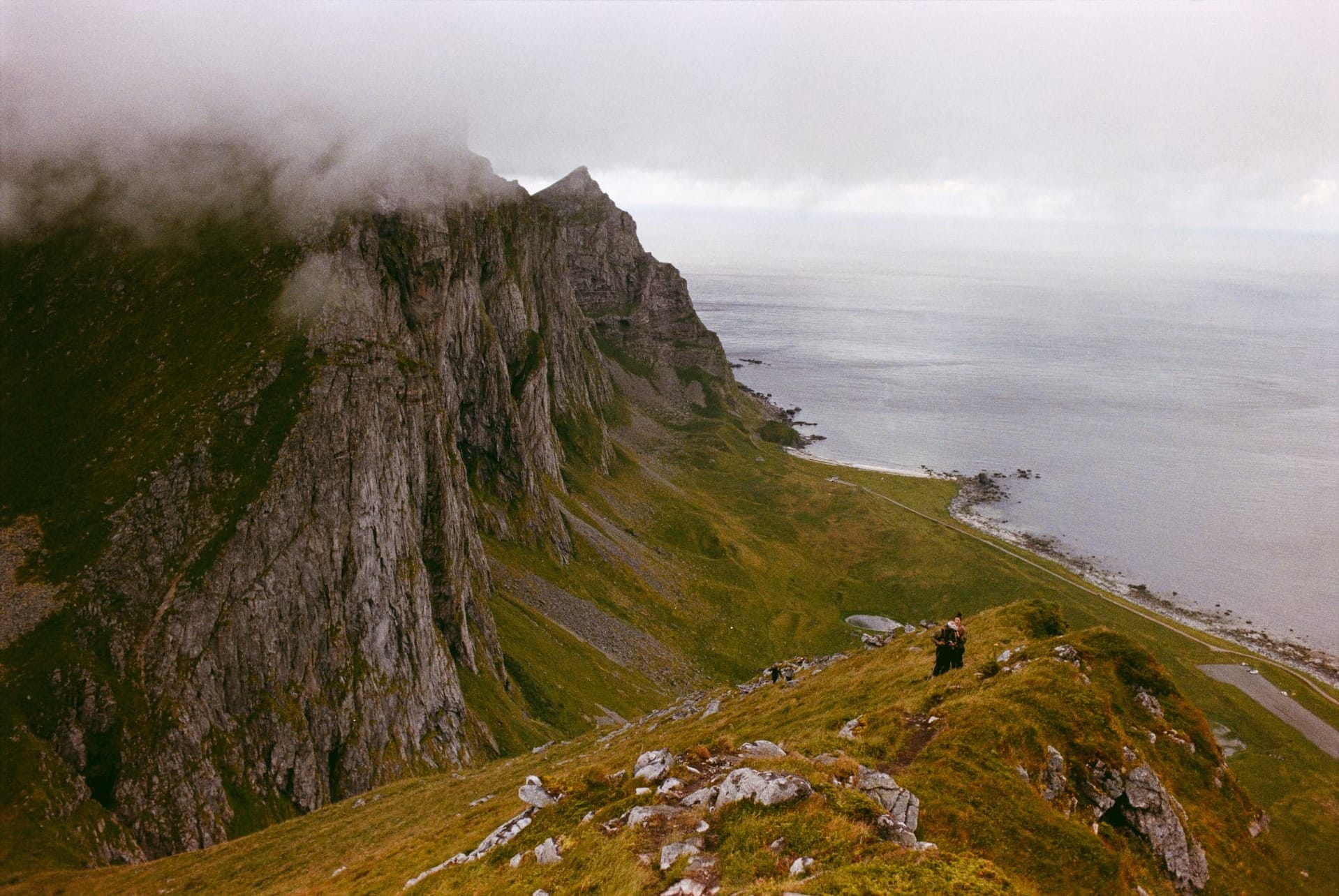
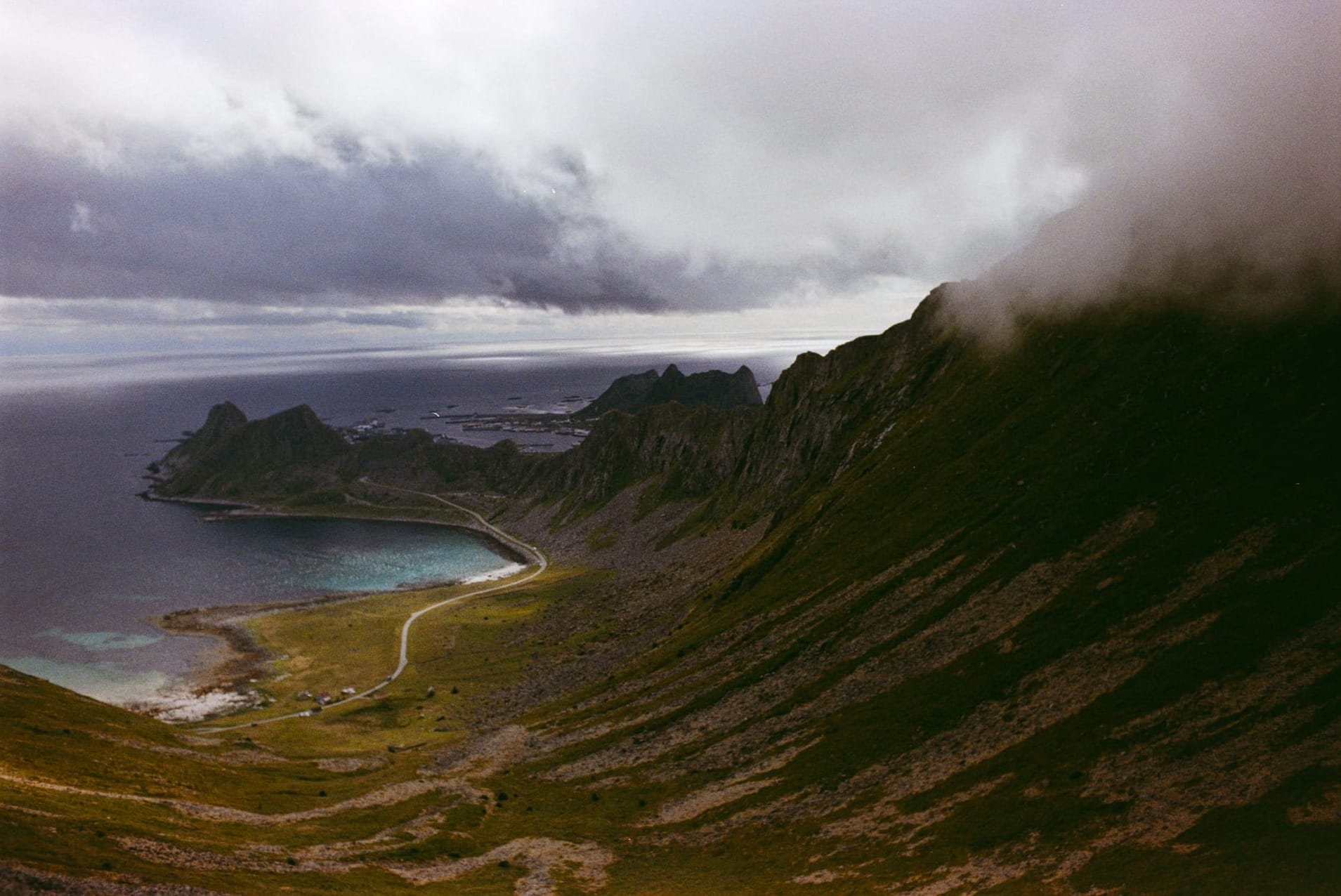
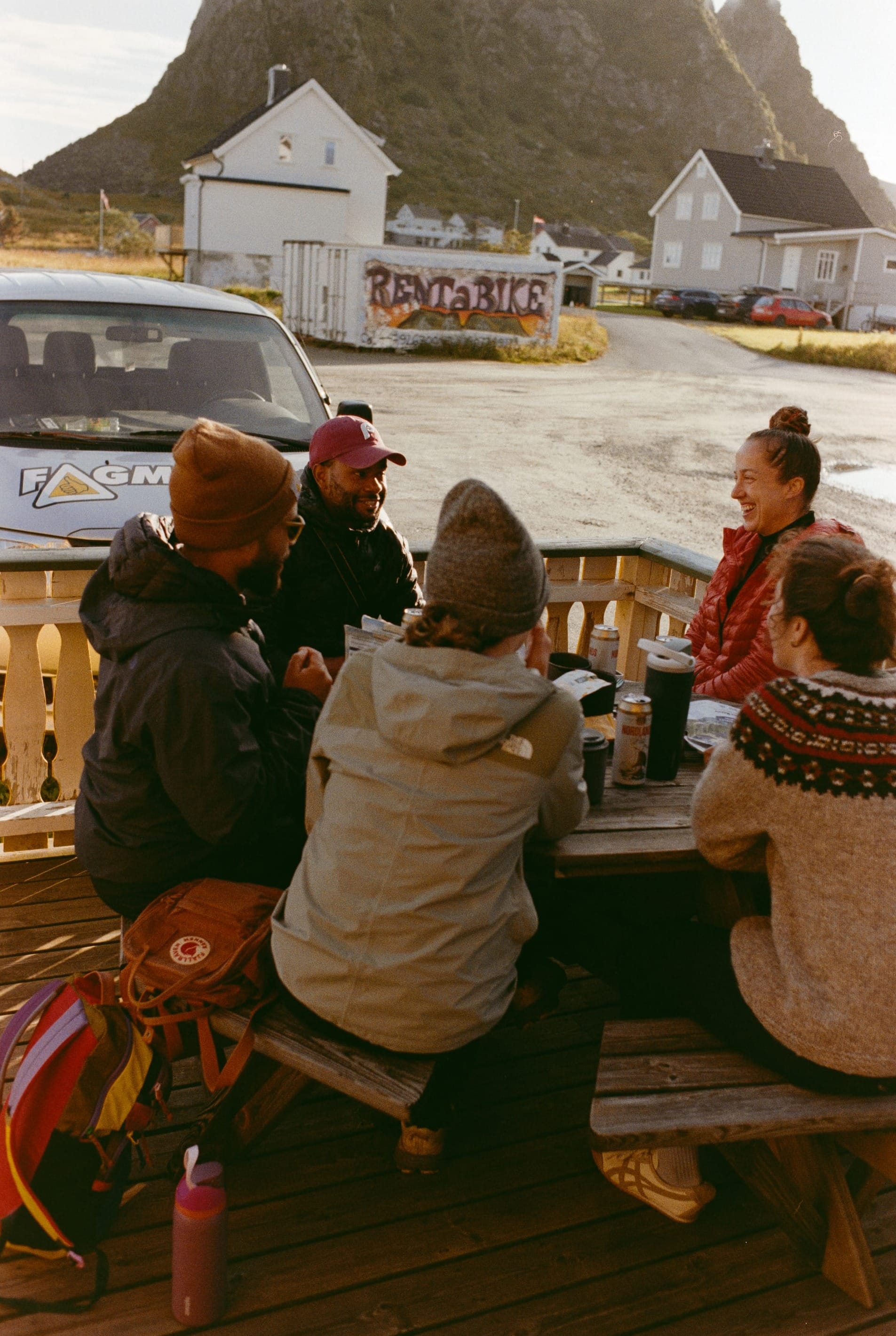
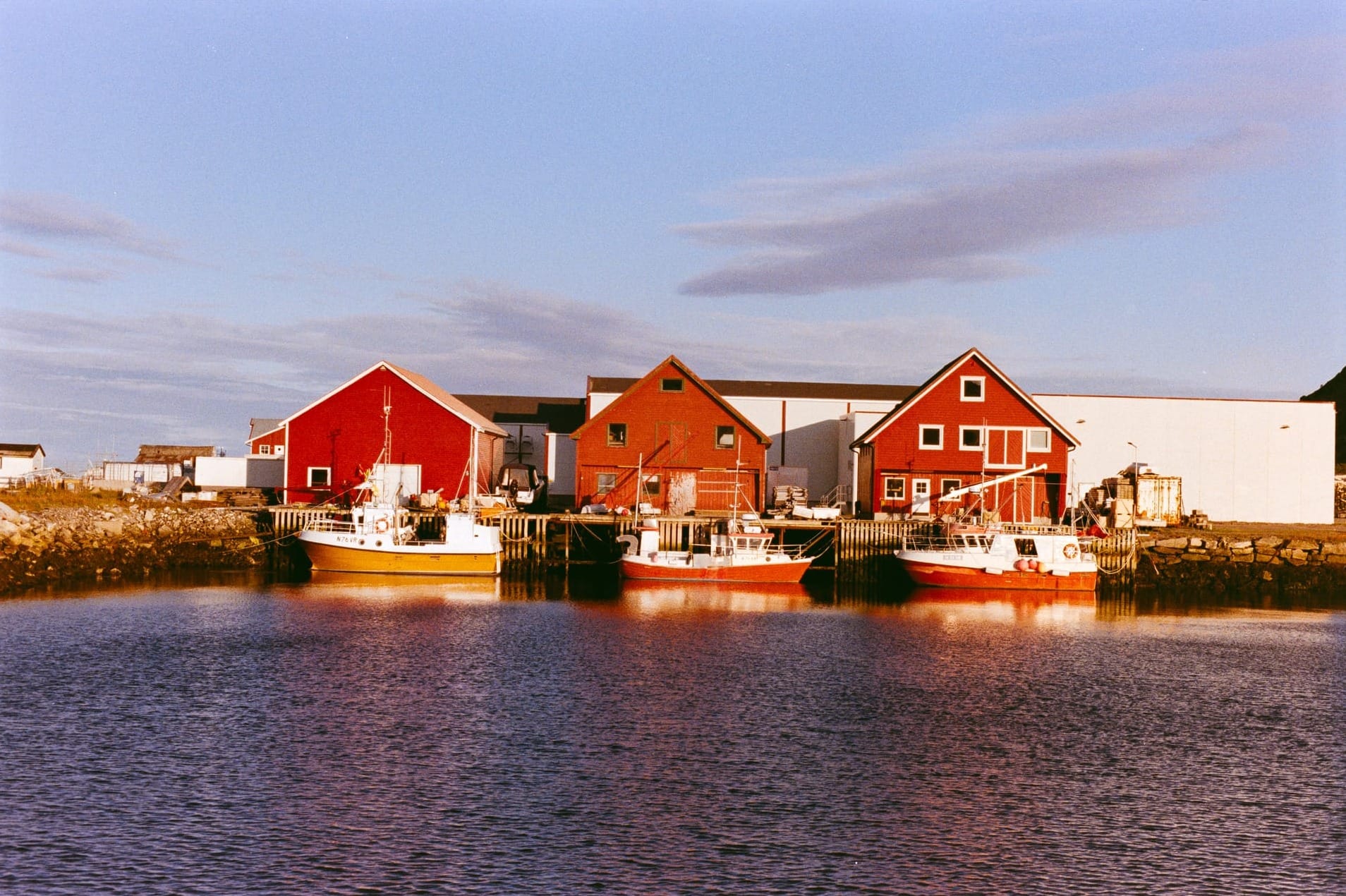
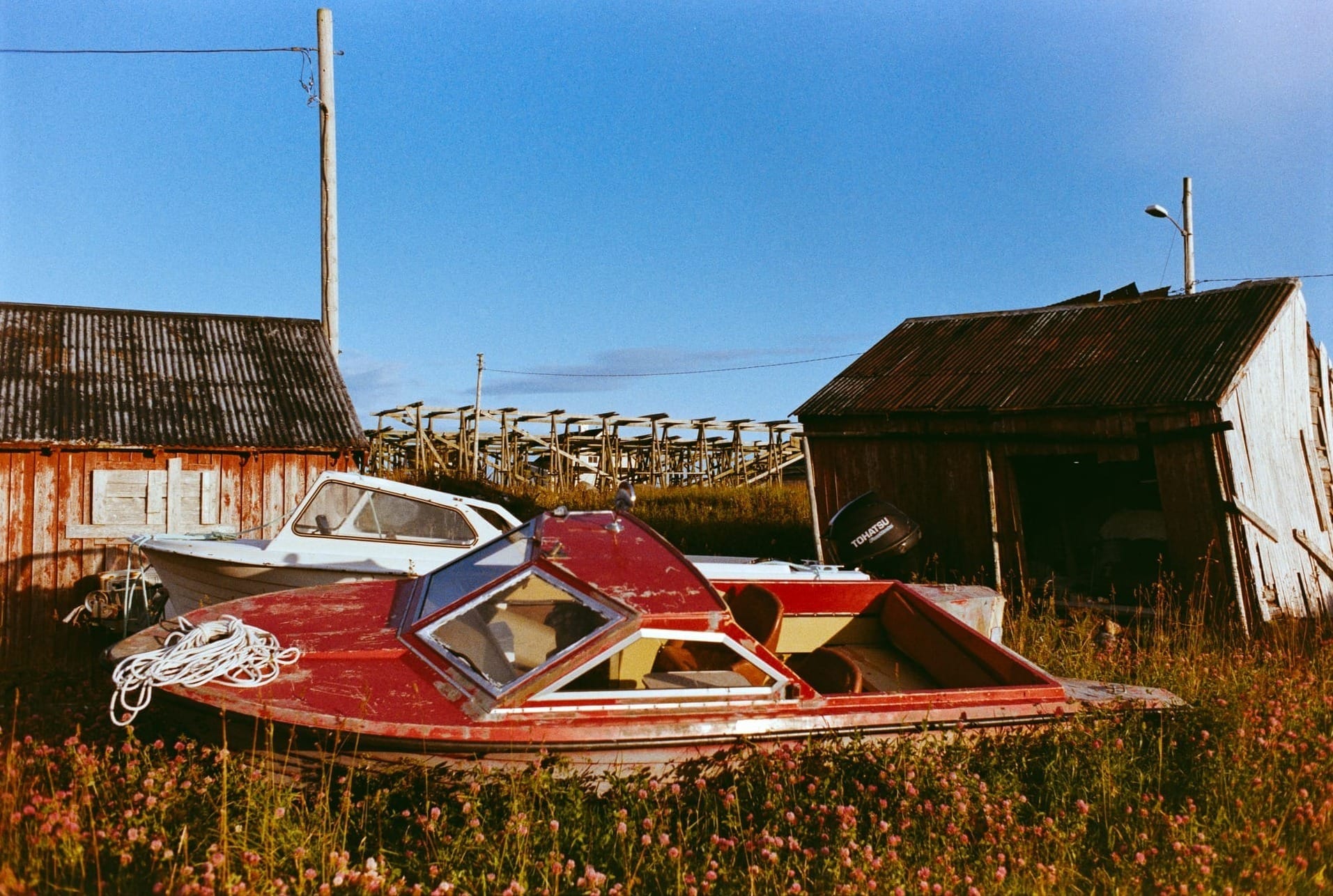
Scenes from Væroy
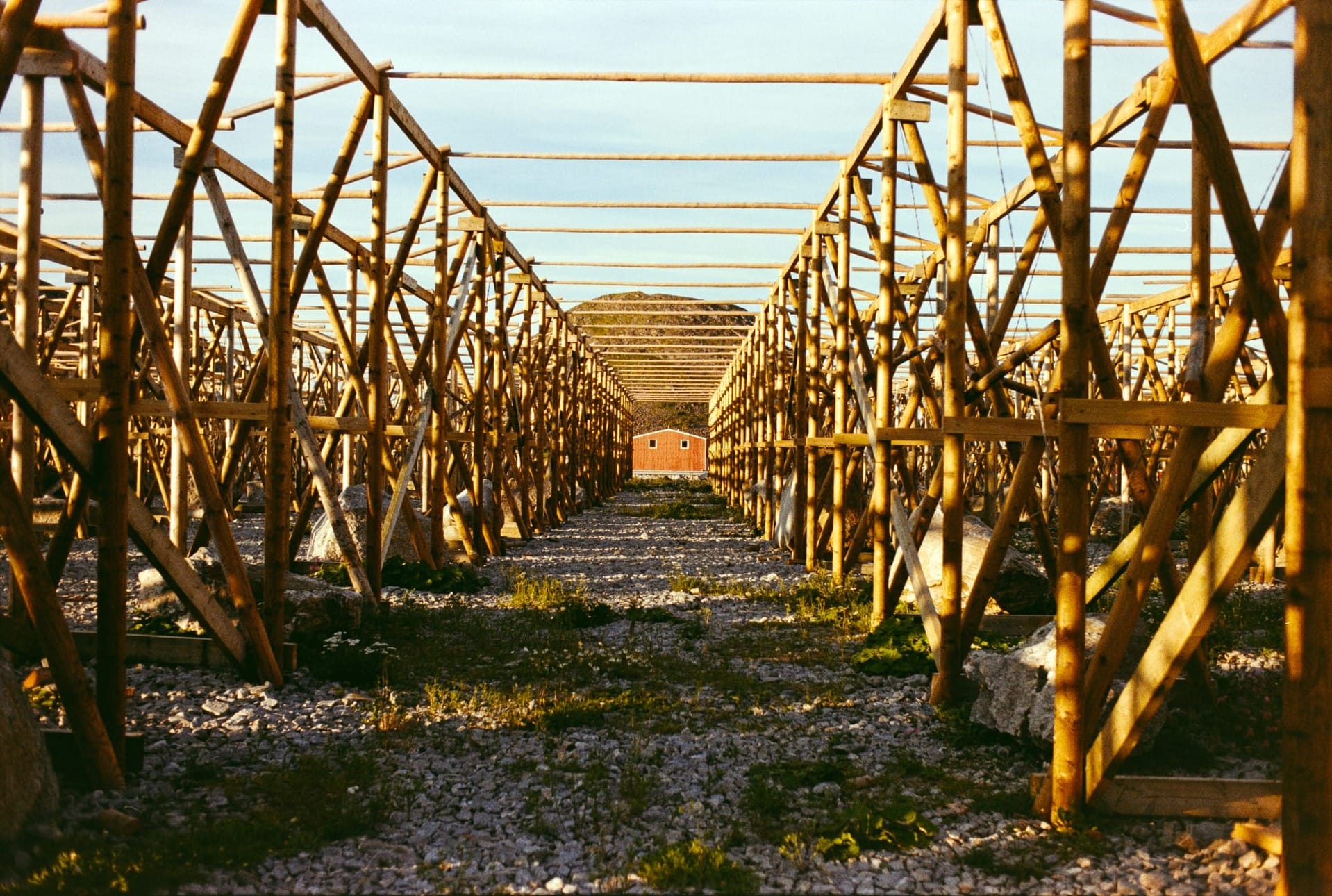
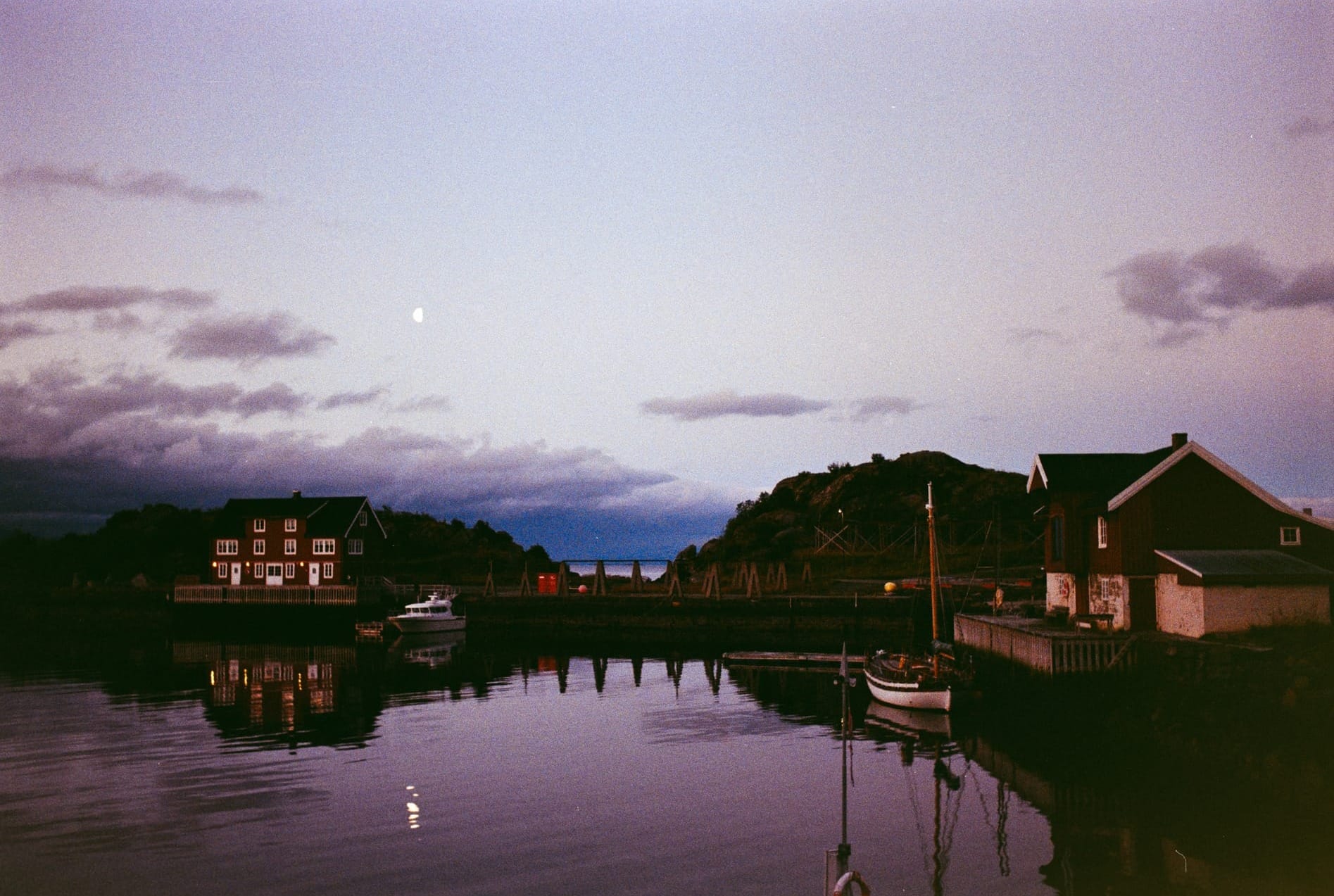
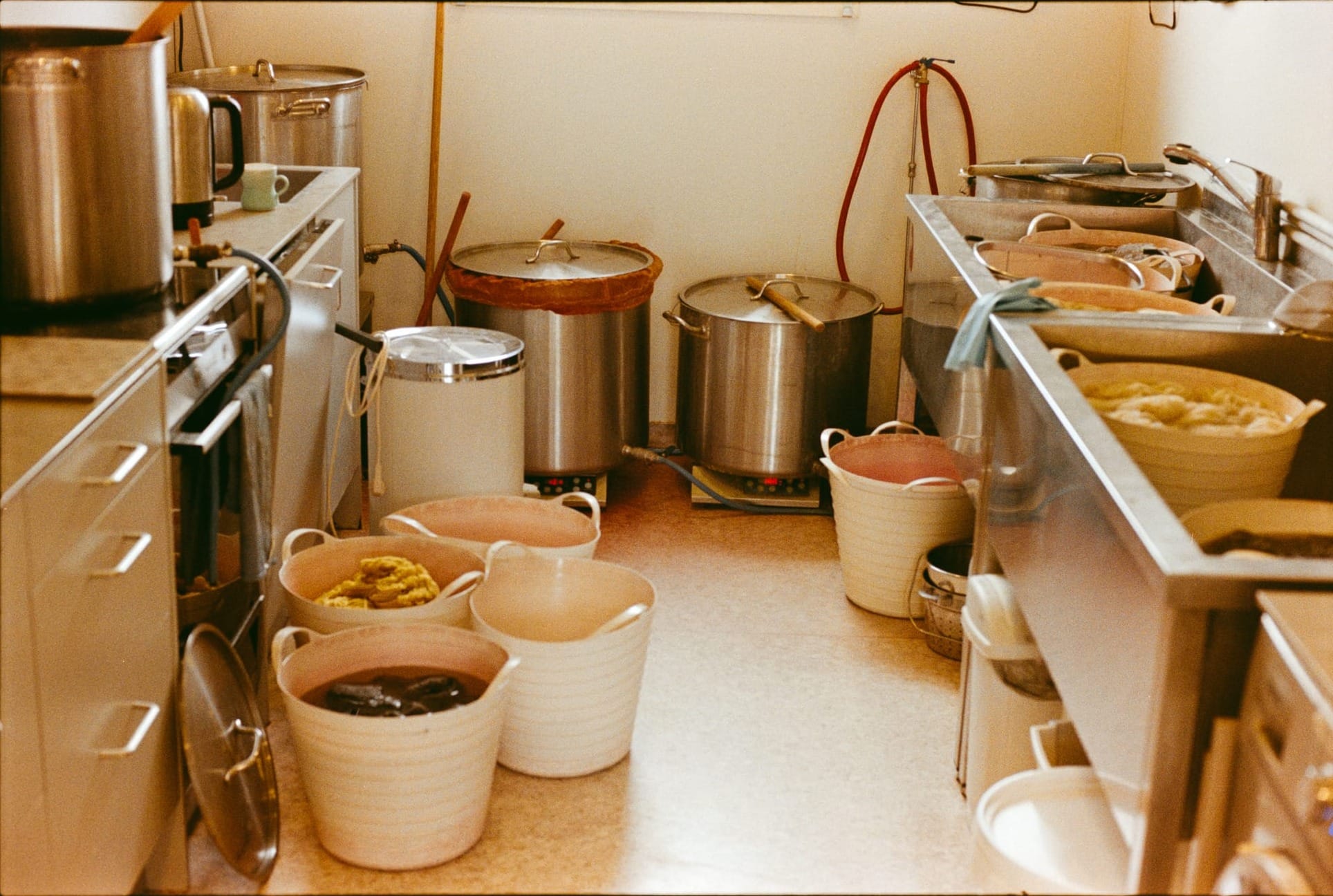
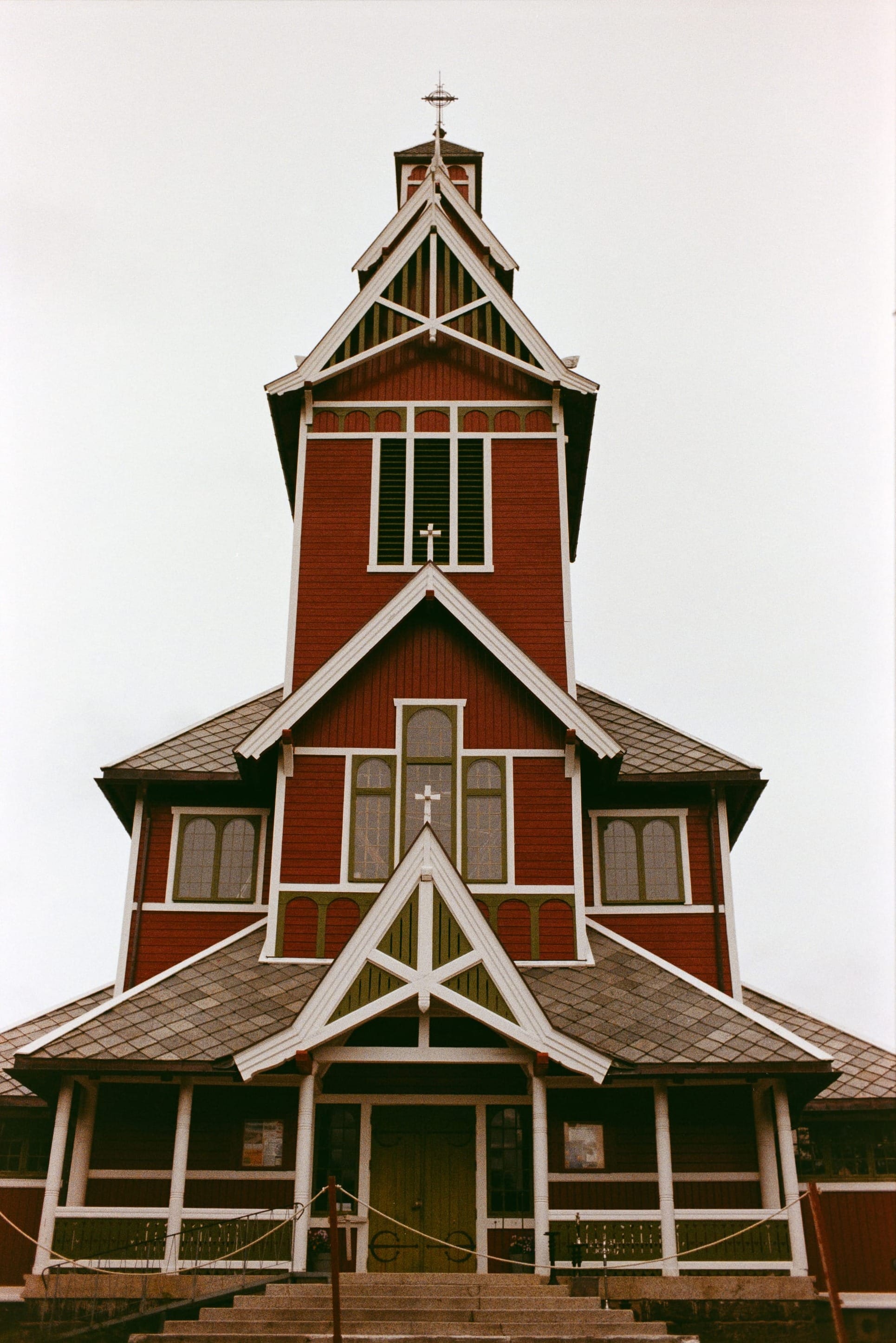
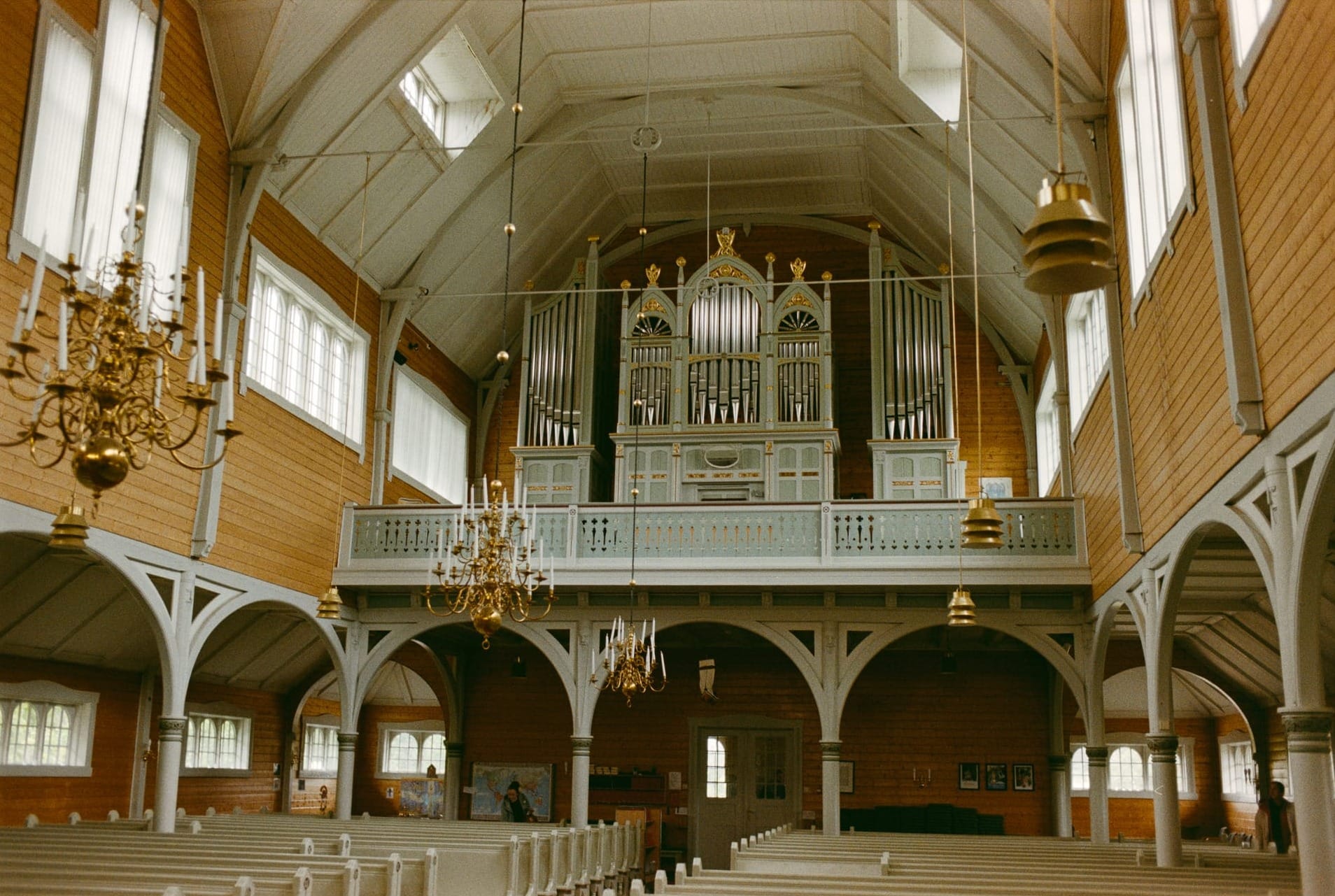
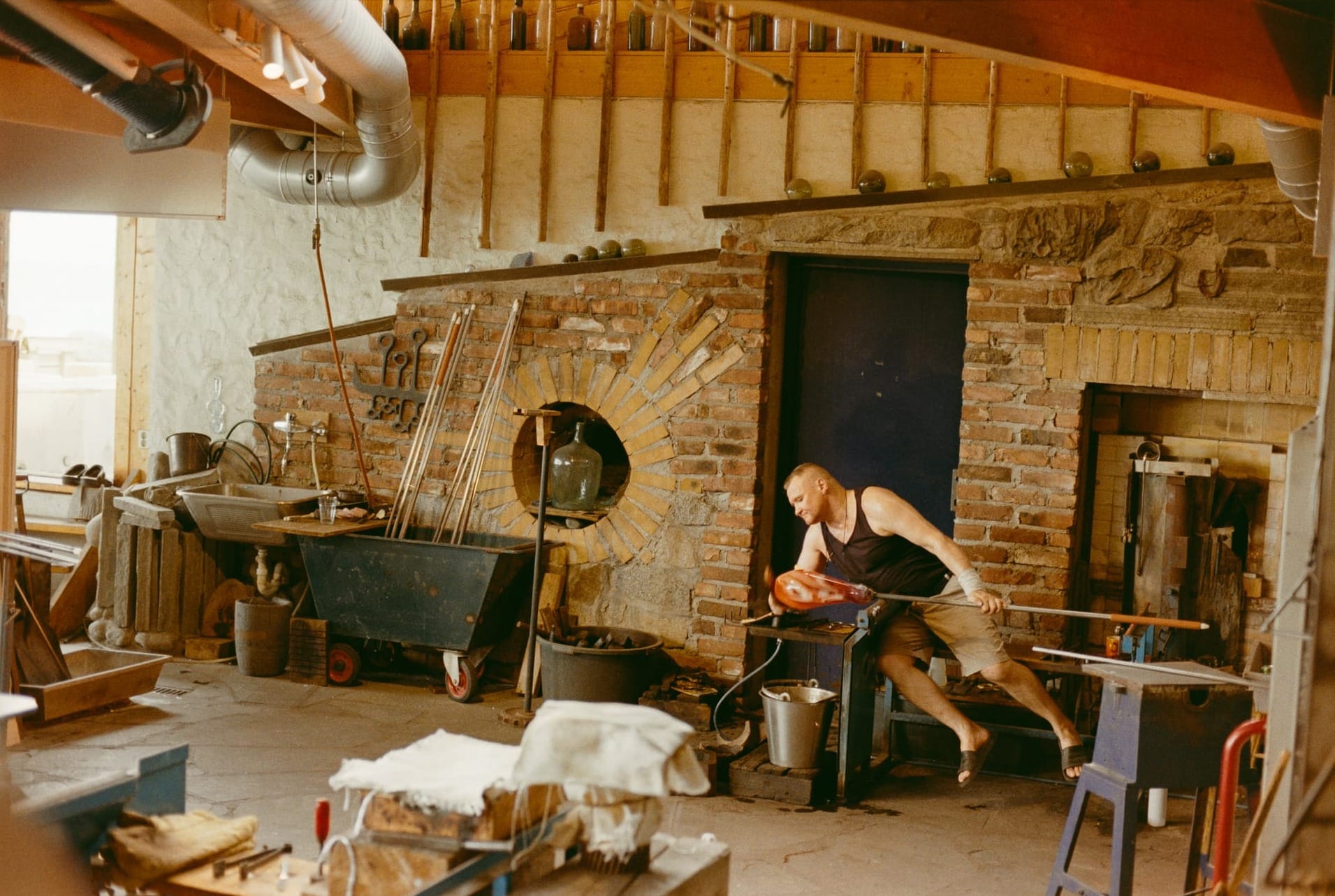
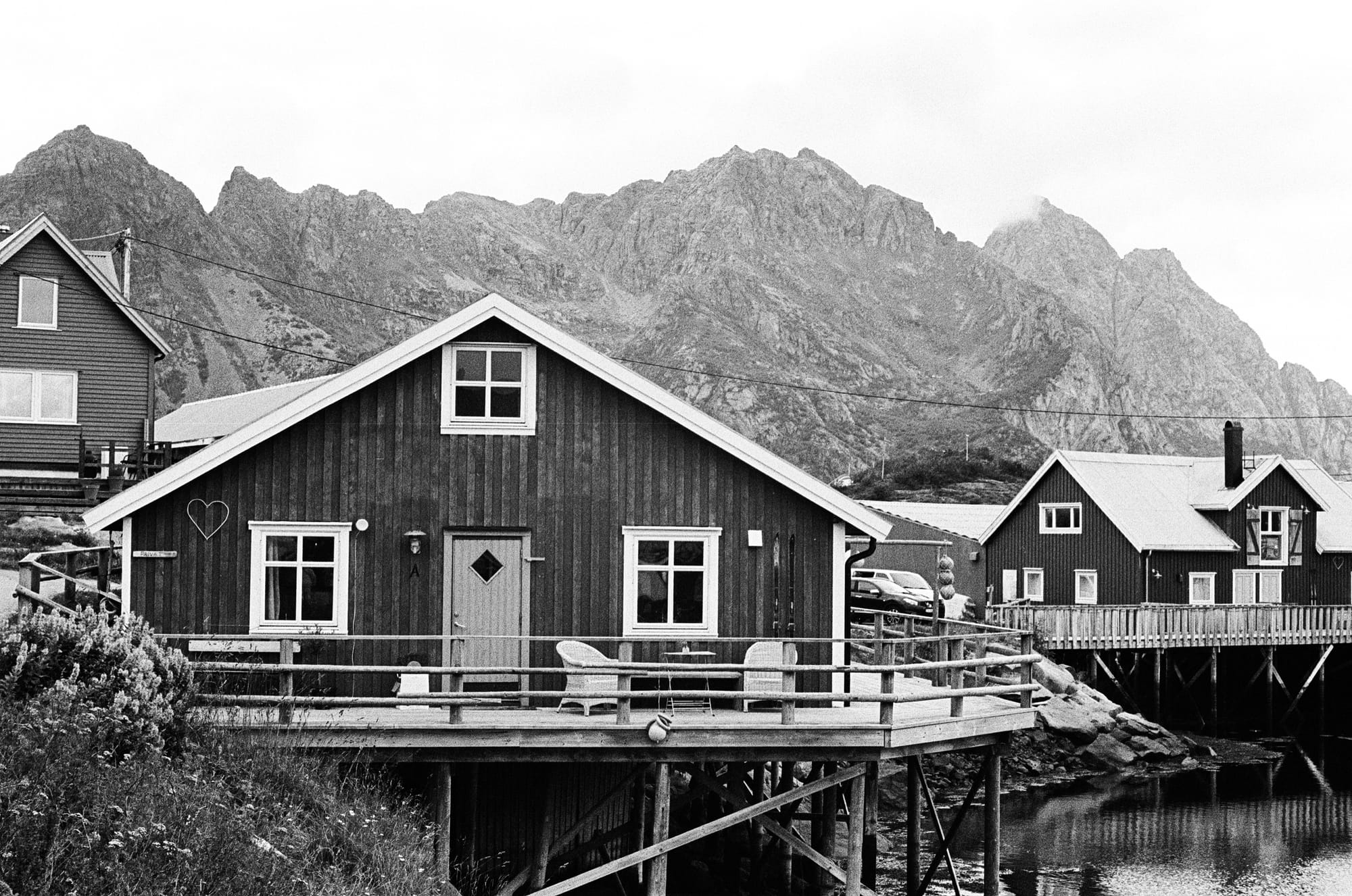
Lofoten is an archipelago and despite its high latitude in the Arctic circle, it has relatively balmy temperatures thanks to the ocean currents here that act as a heat reservoir. The Lofoten archipelago’s islands are connected by bridges and tunnels which allow the seemingly isolated areas to remain populated. We stayed in a very comfortable fisherman’s house on the fjord for 5 days and were able to explore a lot of Lofoten. We visited the Buksnes Church built in the Middle Ages in the dragestil or "dragon style" and it is still an active parish. We stopped by a sheep farm where they sold home-spun and dyed wool and beautiful $700 sweaters (the apparent going-rate for hand-knit Norwegian sweaters) and enjoyed watching a glass blowing demonstration at a coastal cafe. We celebrated our first night on Lofoten with a traditional Taco Friday feast.
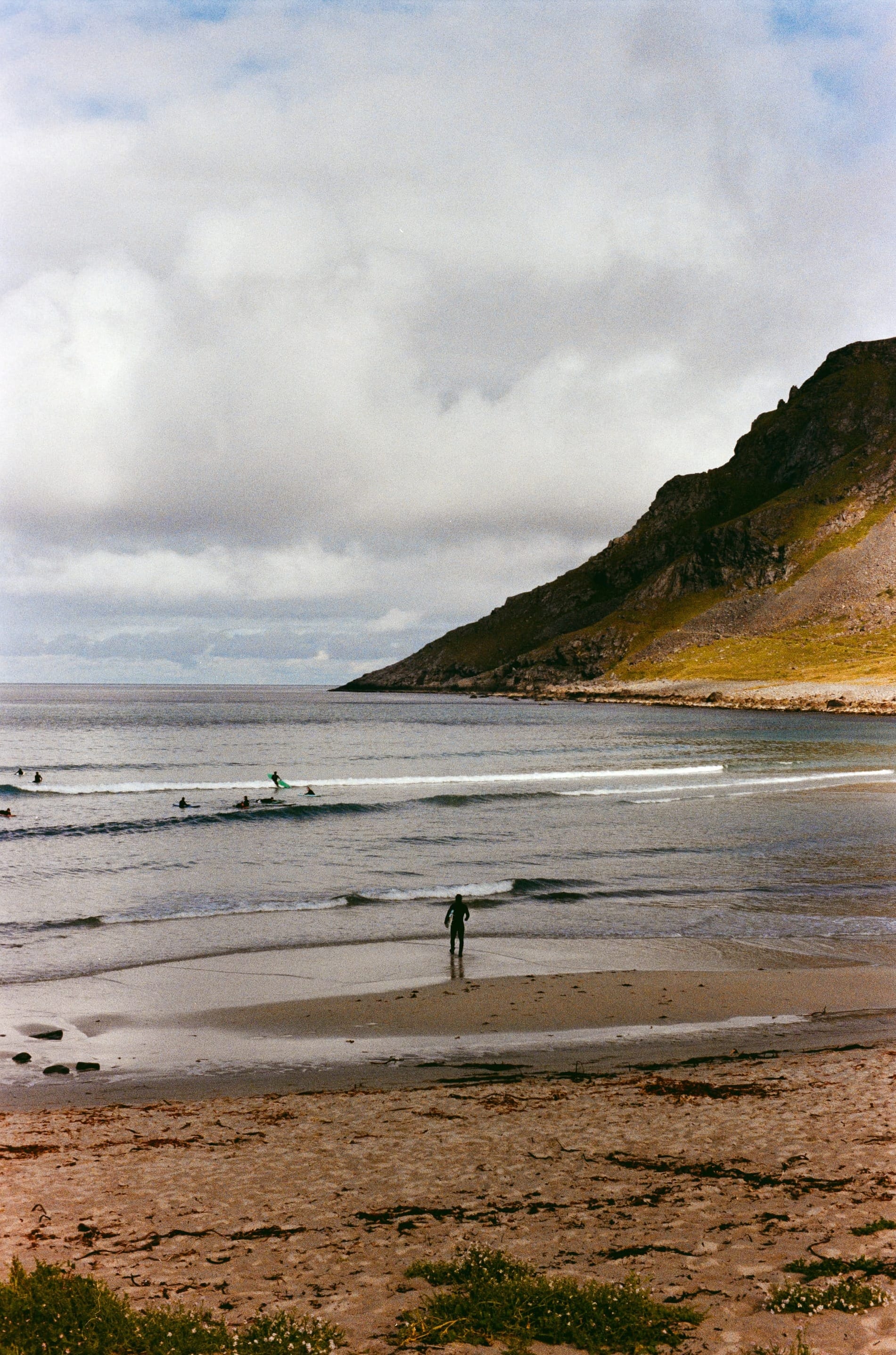
It turns out that Lofoten has surf! Well, the waves were ankle-to-knee high but Ror couldn’t pass up the opportunity to paddle into Arctic waters. The session was worth it just for the views alone. It was a bluebird afternoon on our second day after surfing so we took the opportunity to summit Nonstinden Peak and got our first taste of Lofoten hiking which is steep, slippery, and breathtaking.
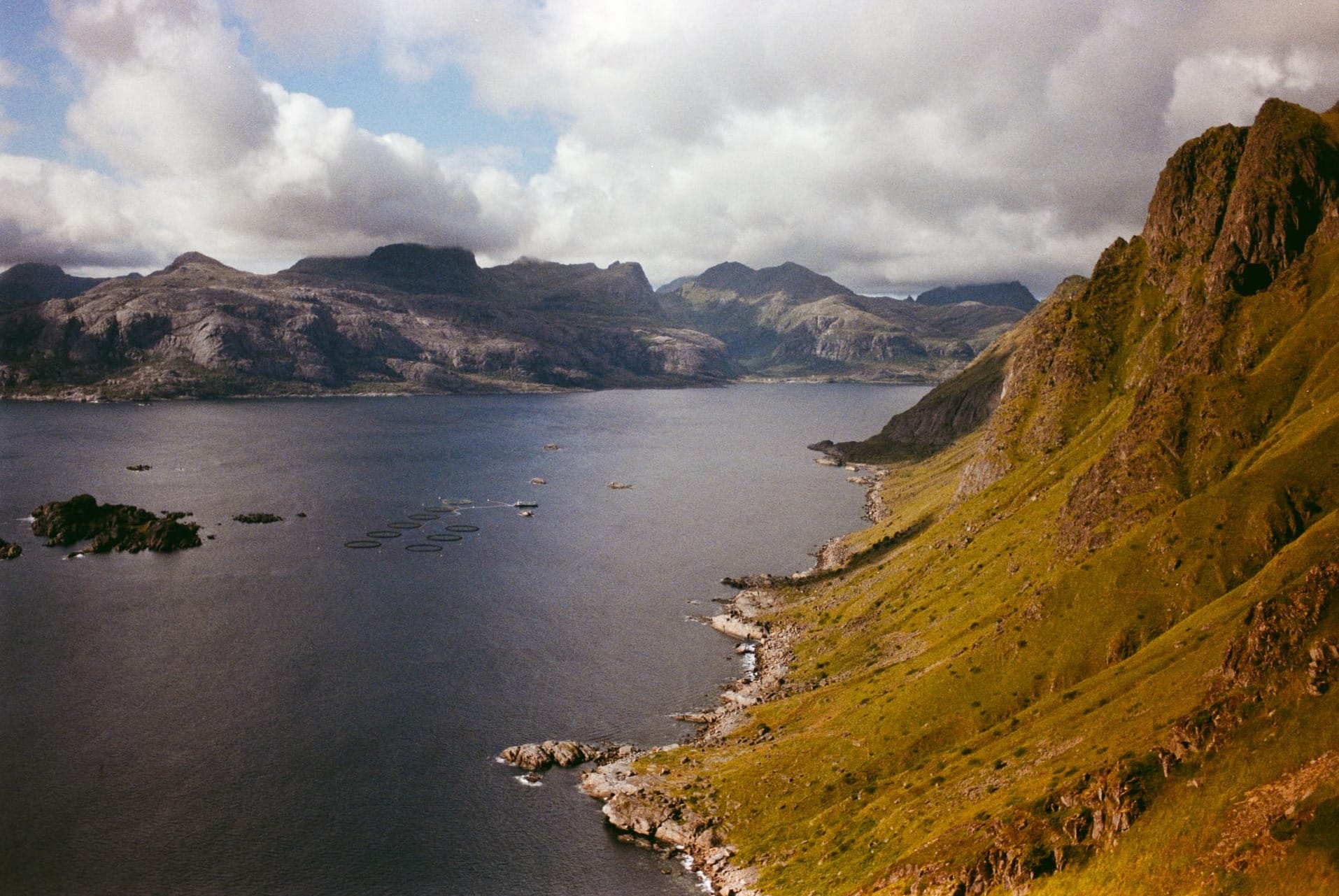
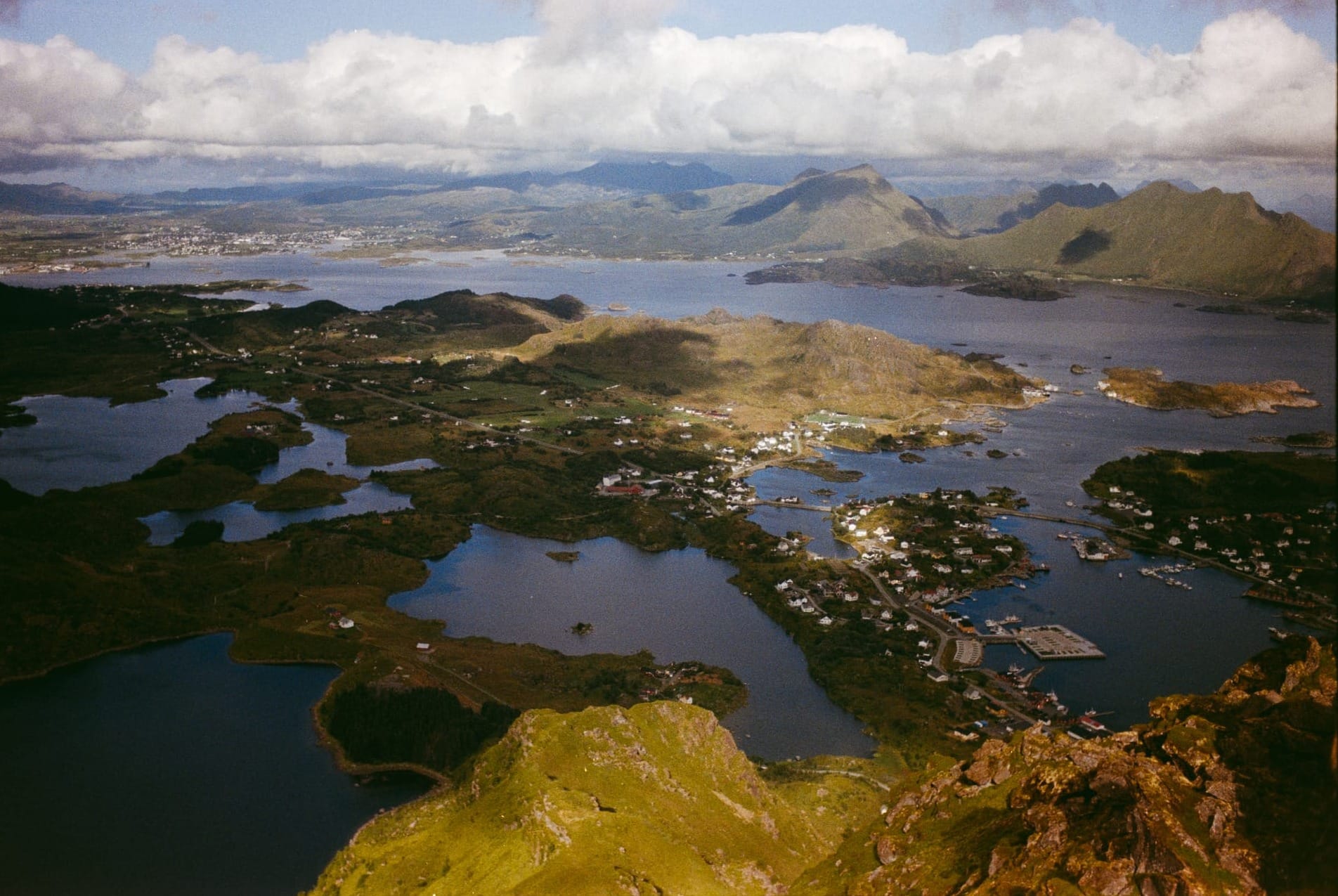
Views on the way up to Nonstinden Peak
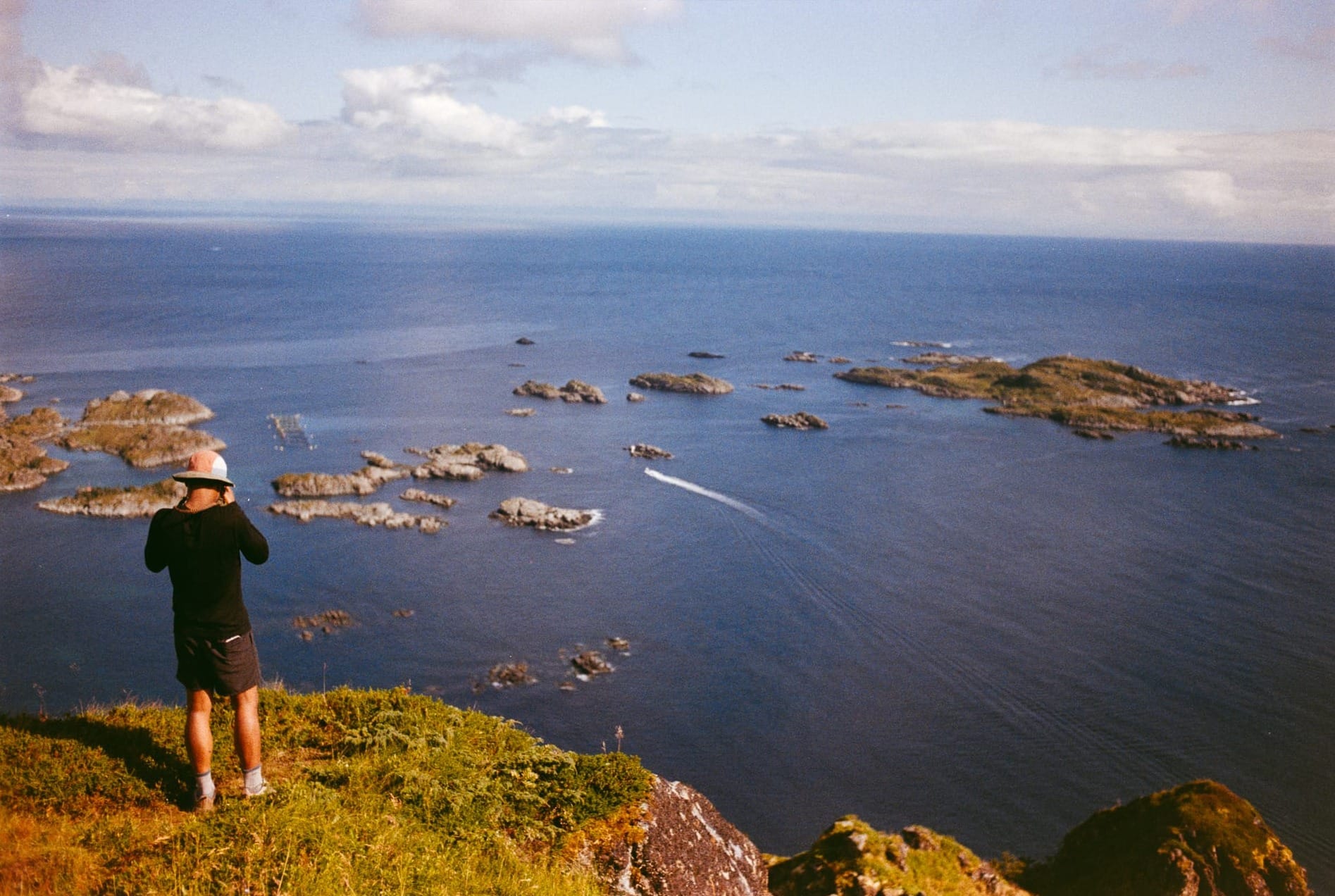
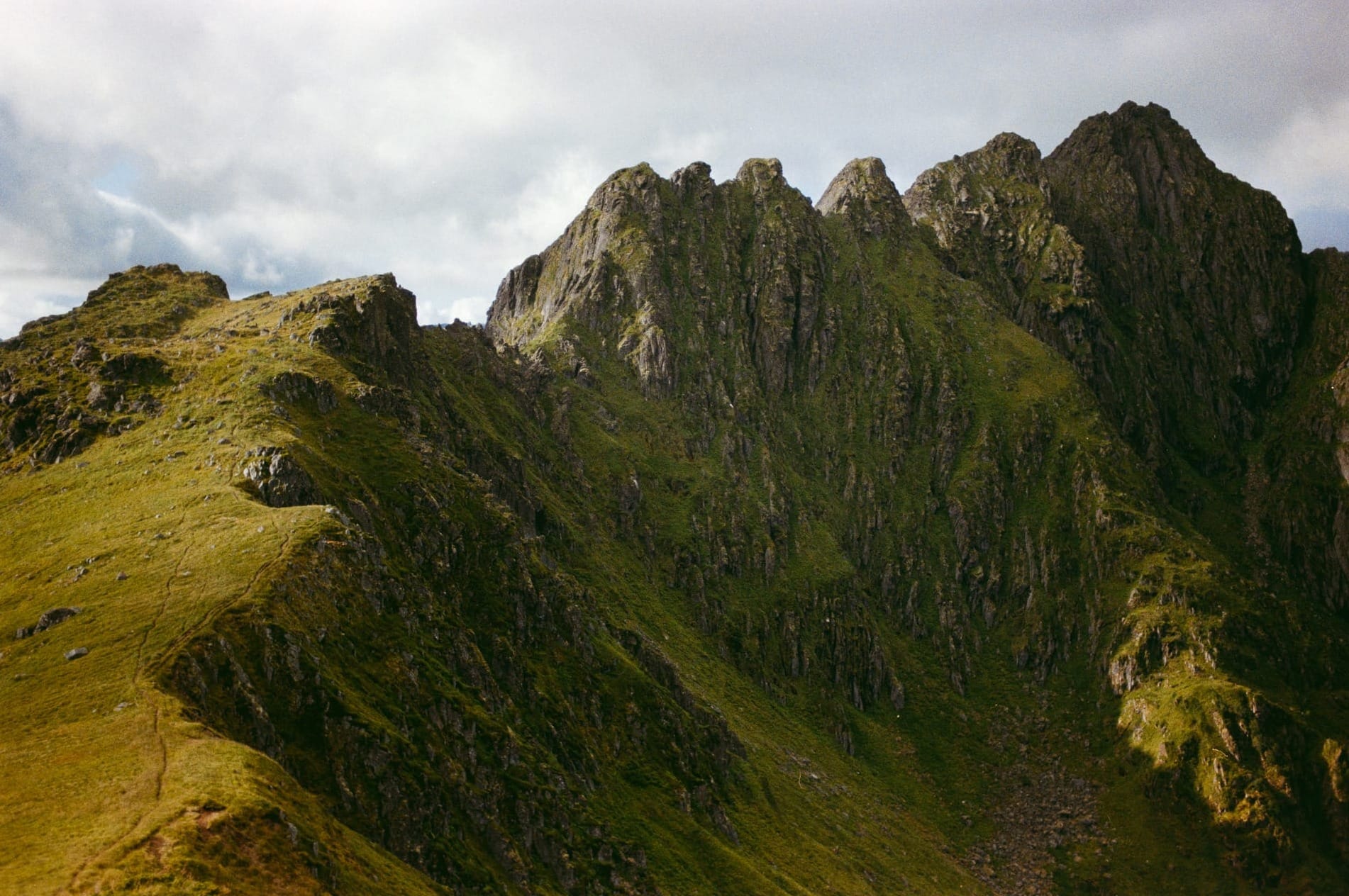
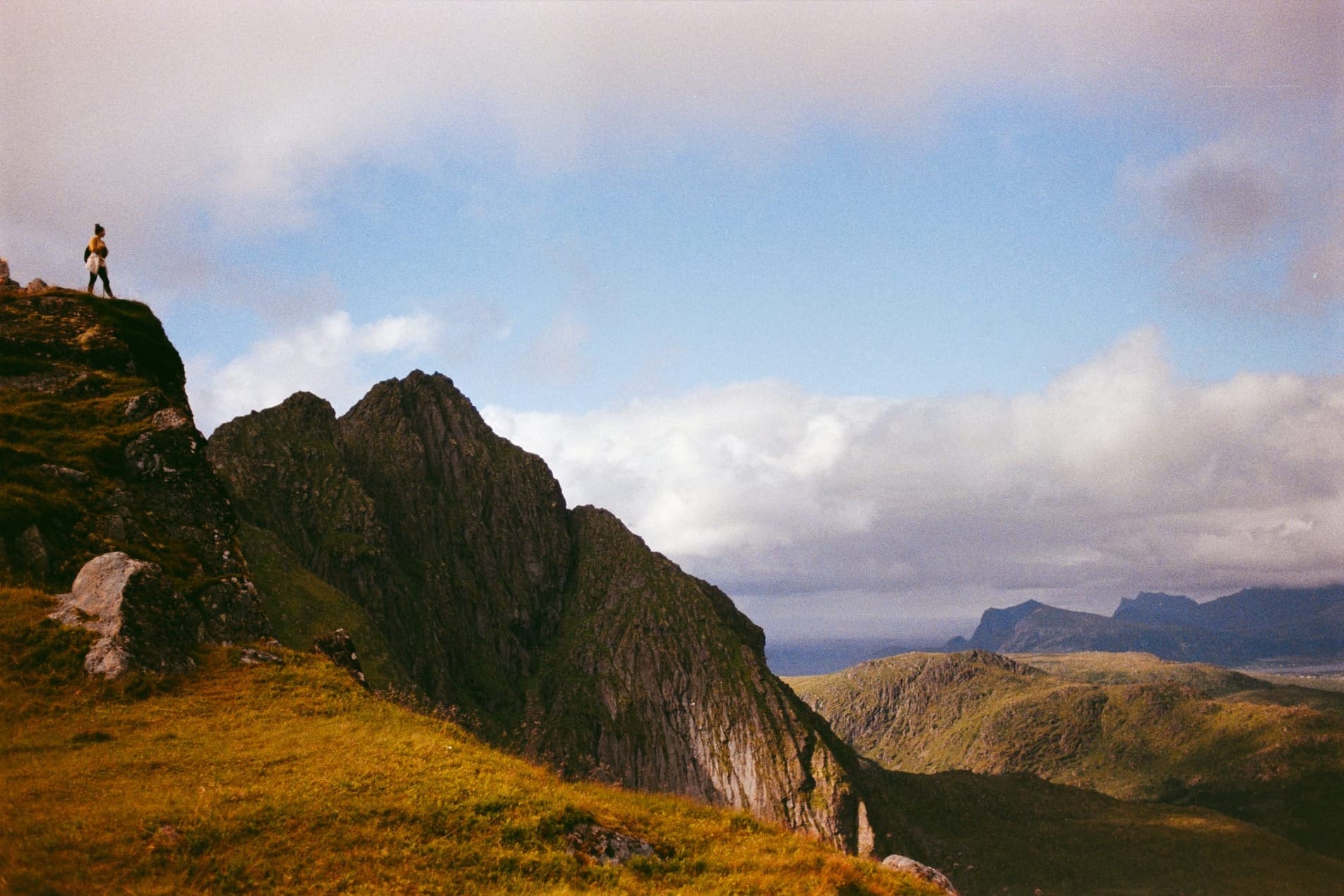
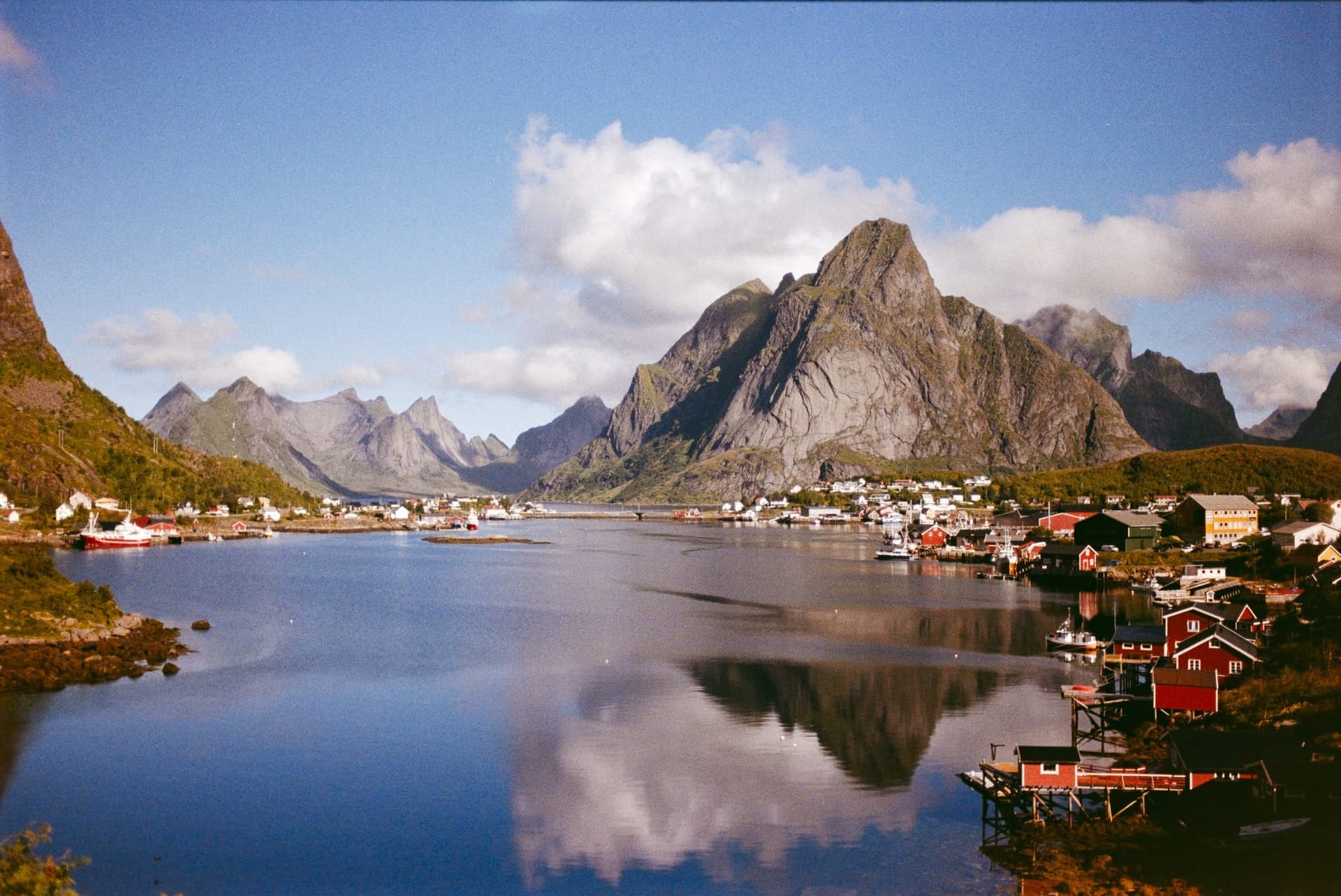
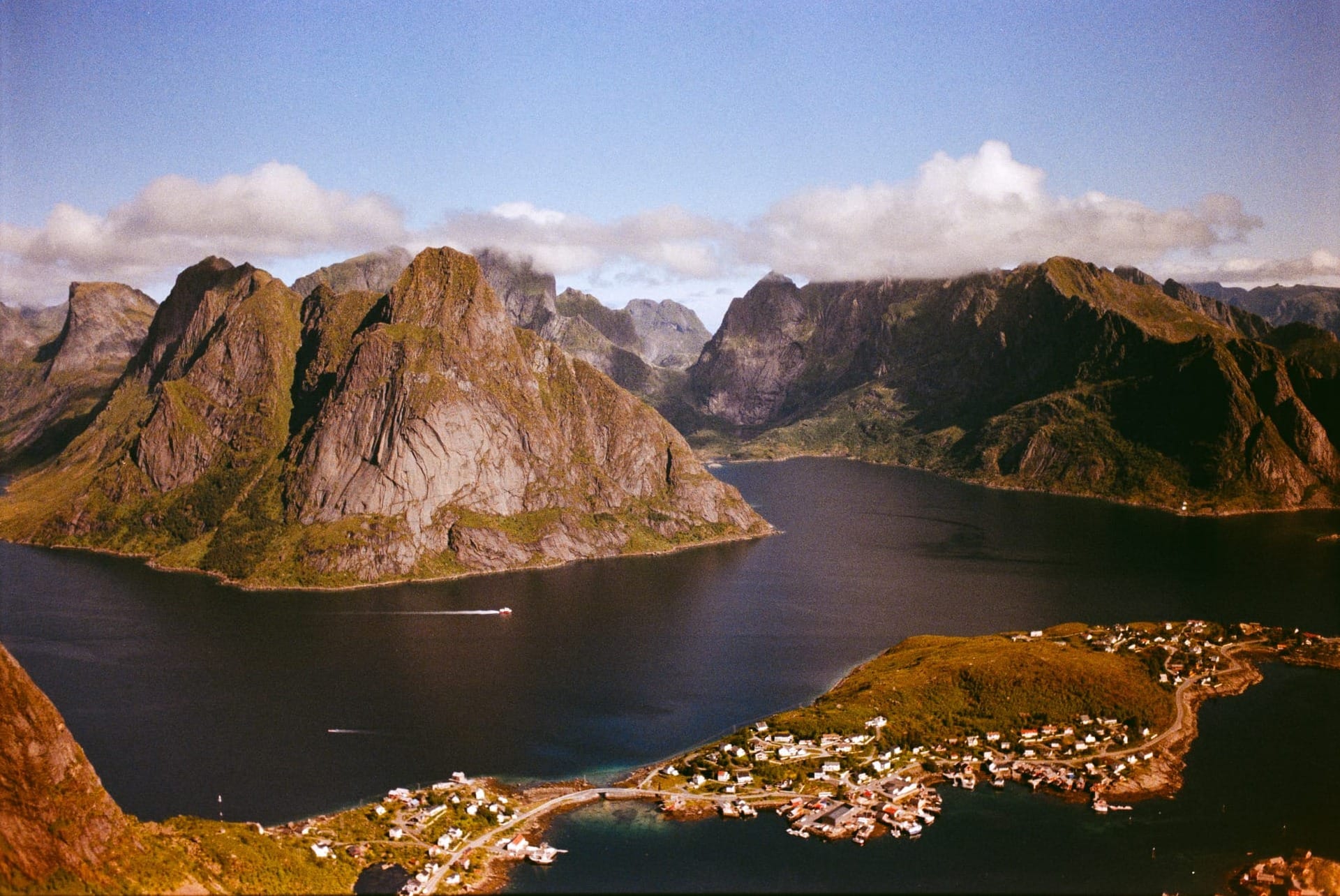
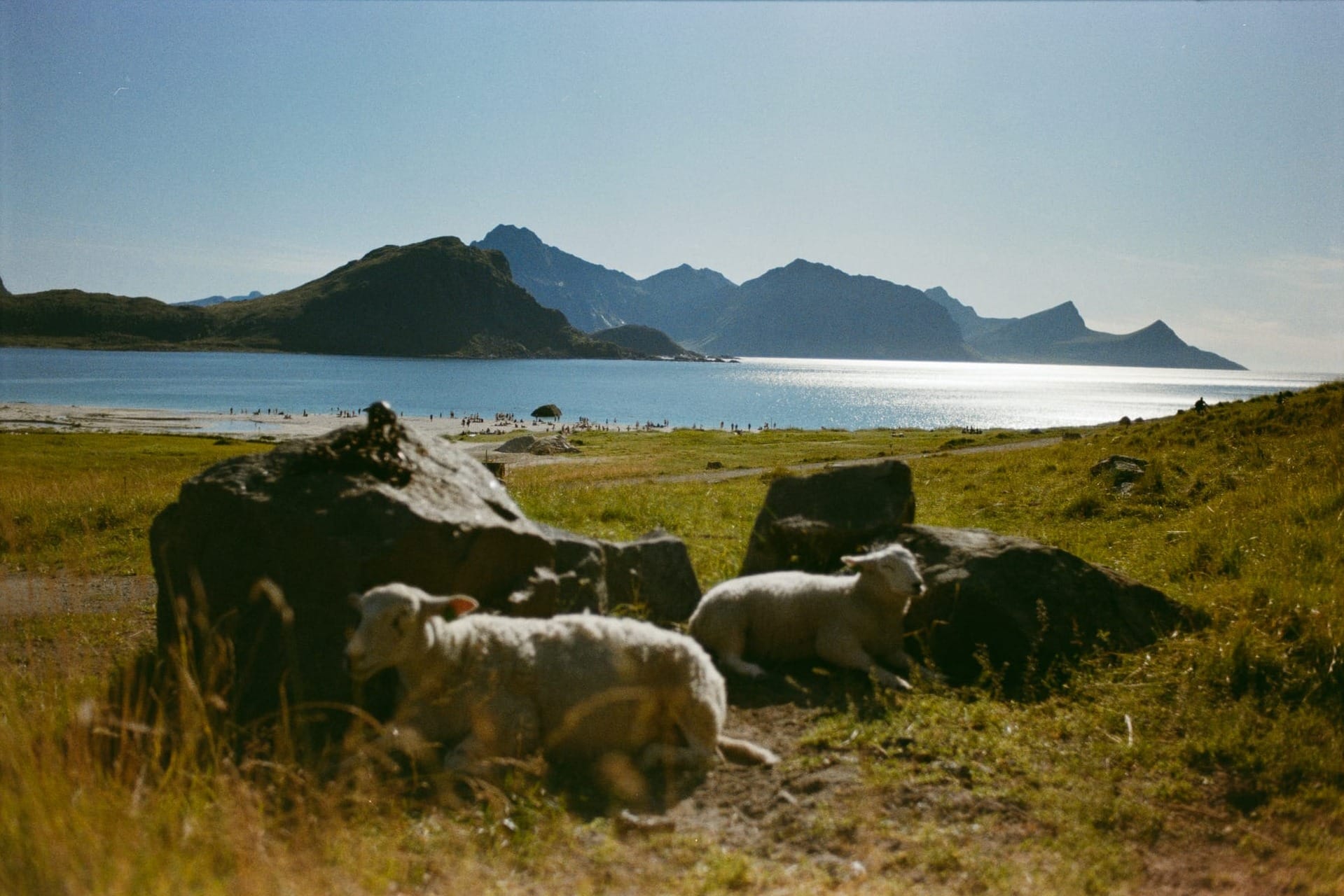
The most popular (and crowded) trail of Lofoten is called Reinebringen and we decided to make the trek on our second day of shockingly nice weather. This hike summits Reinebringen peak after a climb of 2,000 stone steps. It felt a bit like Disneyland but for good reason- it offered panoramic views of the fishing villages, The Vestfjord, and mainland Norway in the distant horizon. When you get a stretch of decent weather in the Arctic Circle you really have to take advantage of it, so we pushed on to a second hike this same afternoon and with our lactic acid pumping we summited Mannen peak with views of the very deceptive looking white sand beach and tropical-looking water. If were were to just get a postcard of the view, we would’ve guessed it was Hawaii.
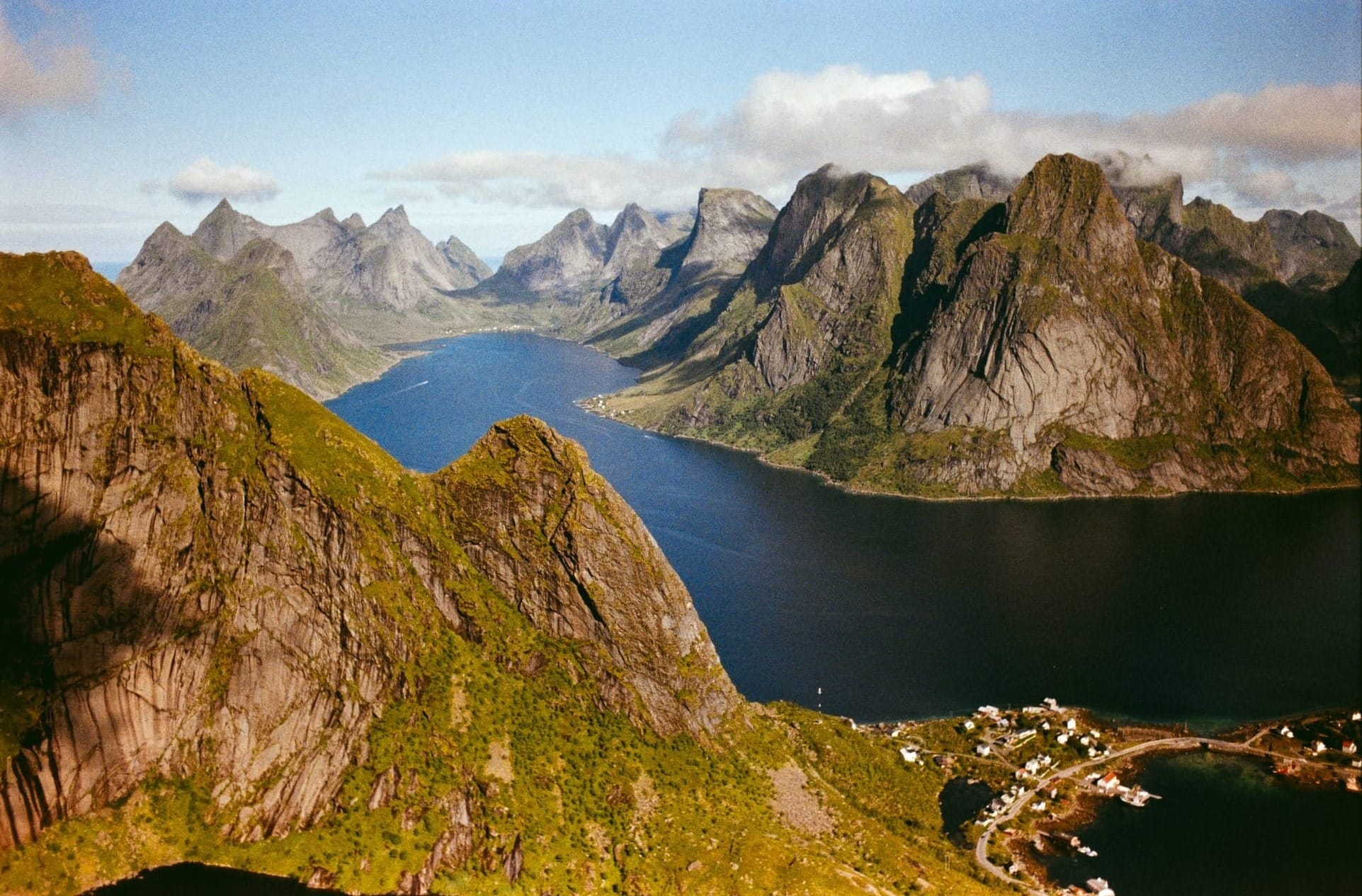
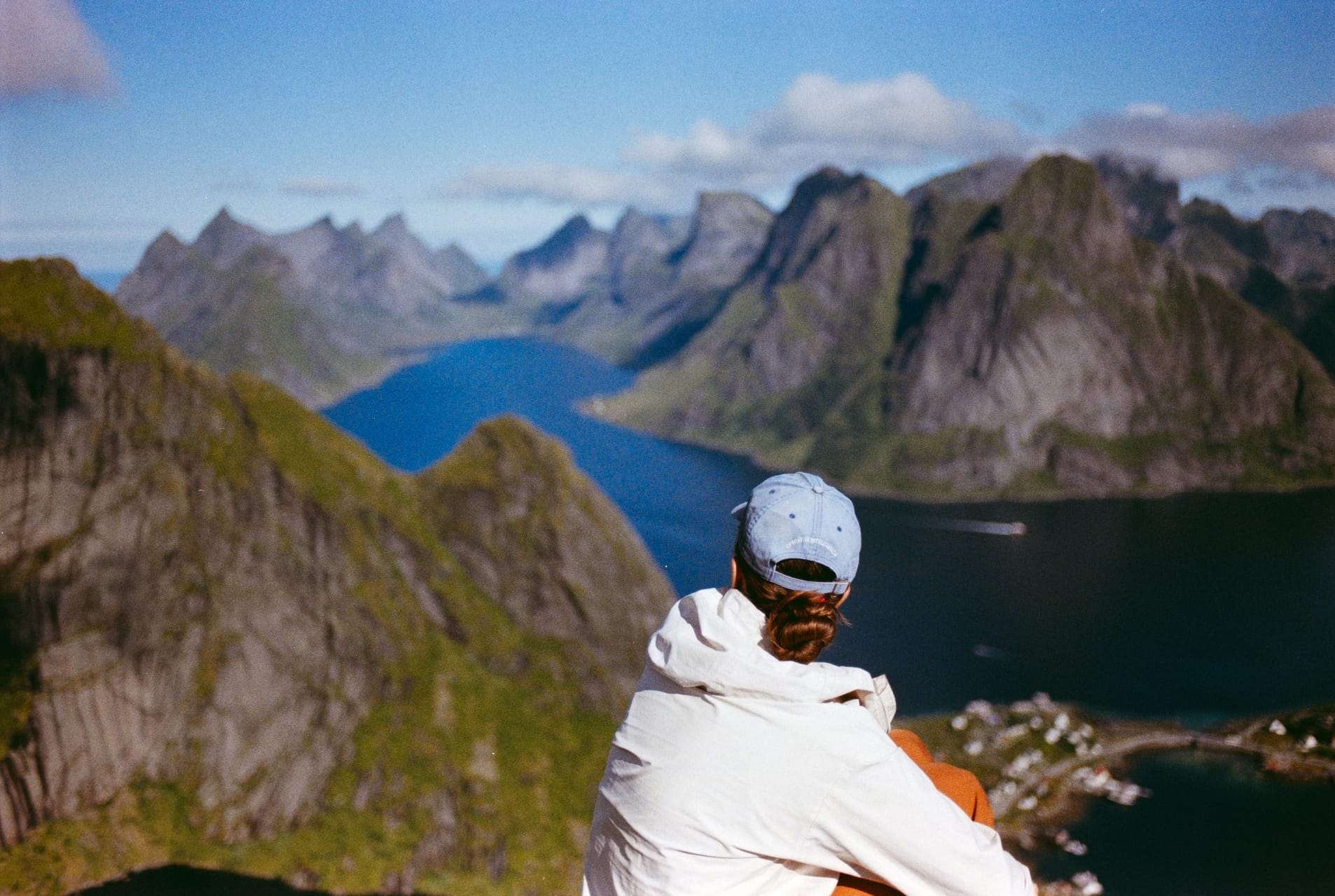
Views from the summit of Reinebringen
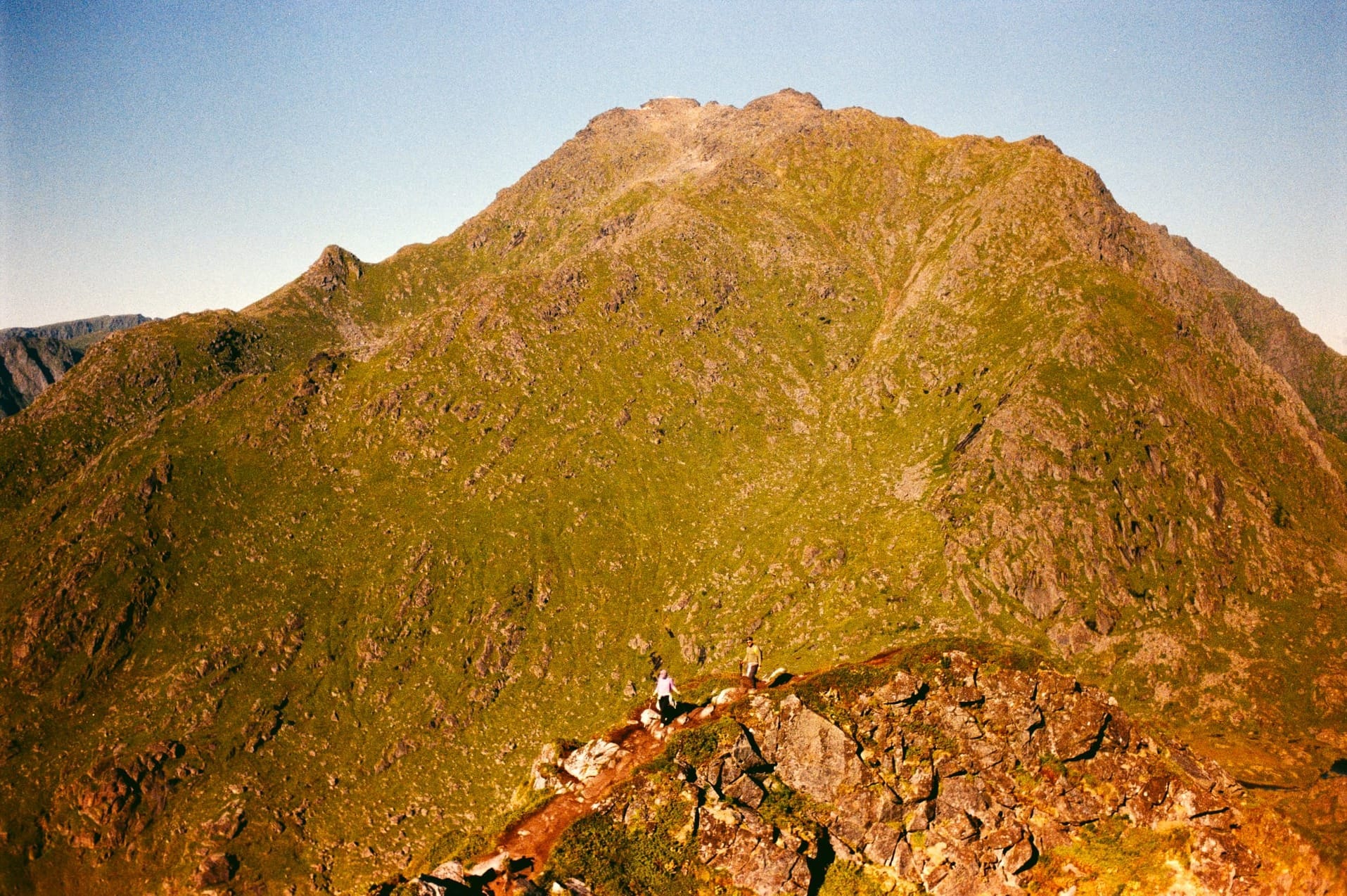
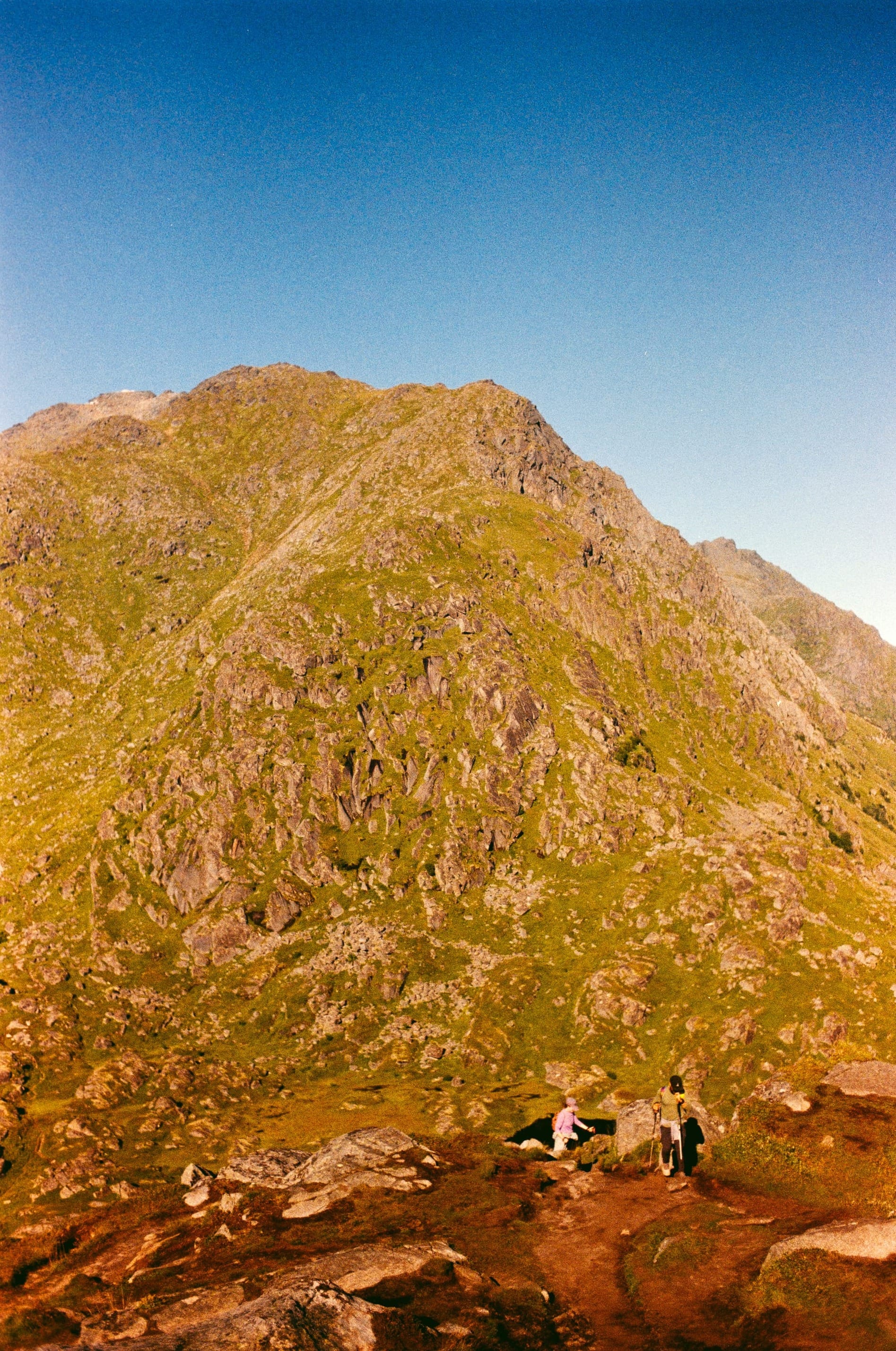
Da and Morgy on Mannen Peak
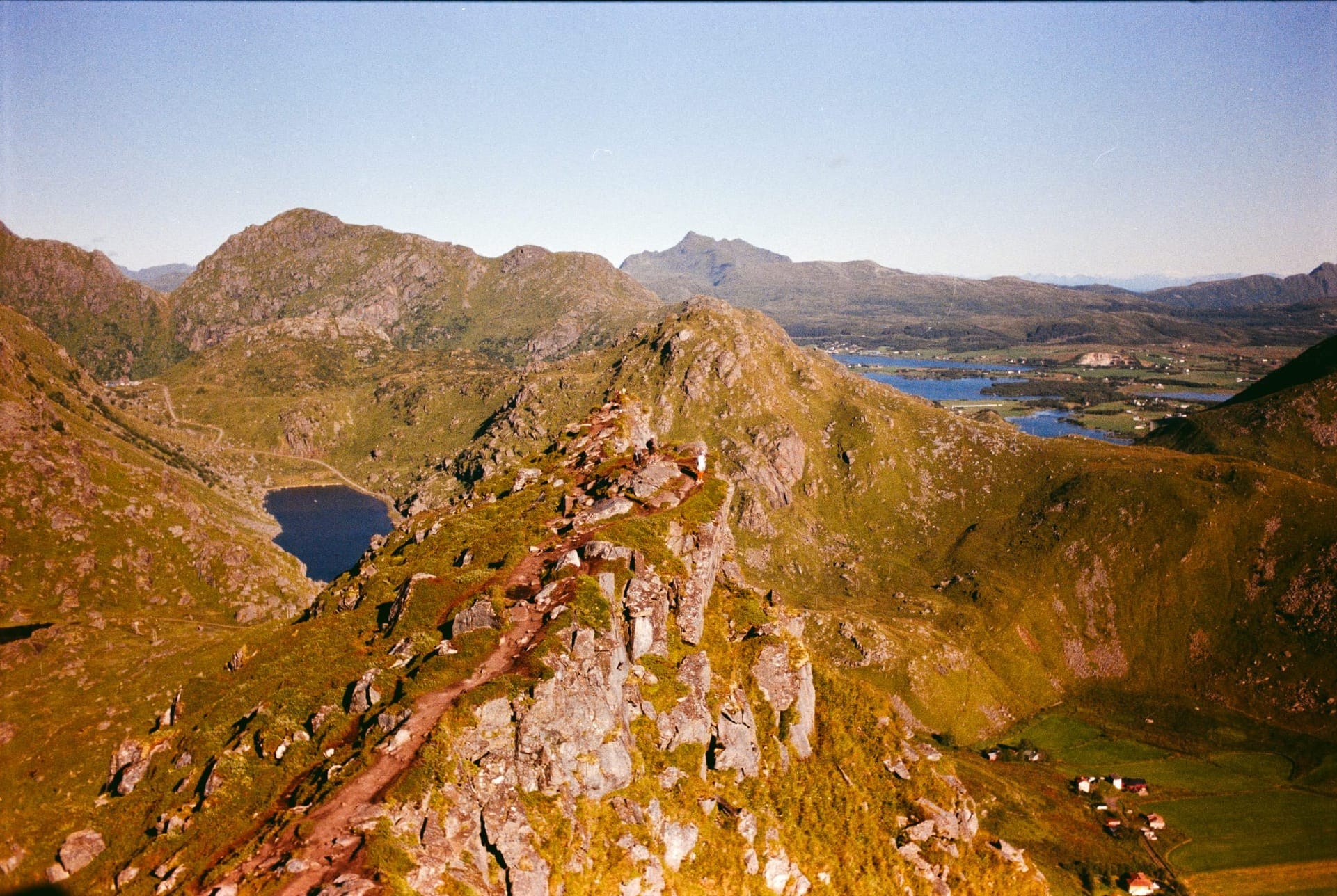
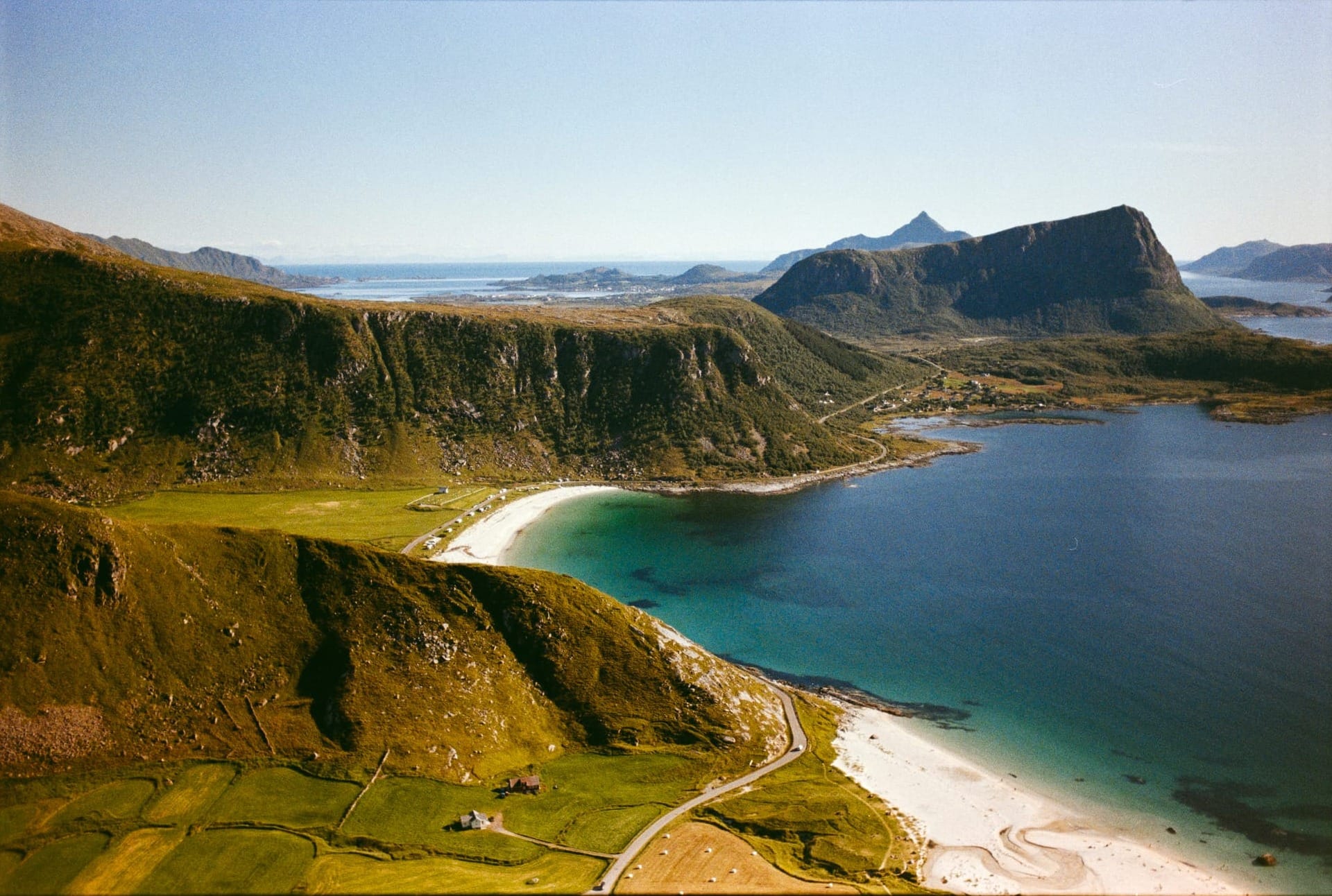
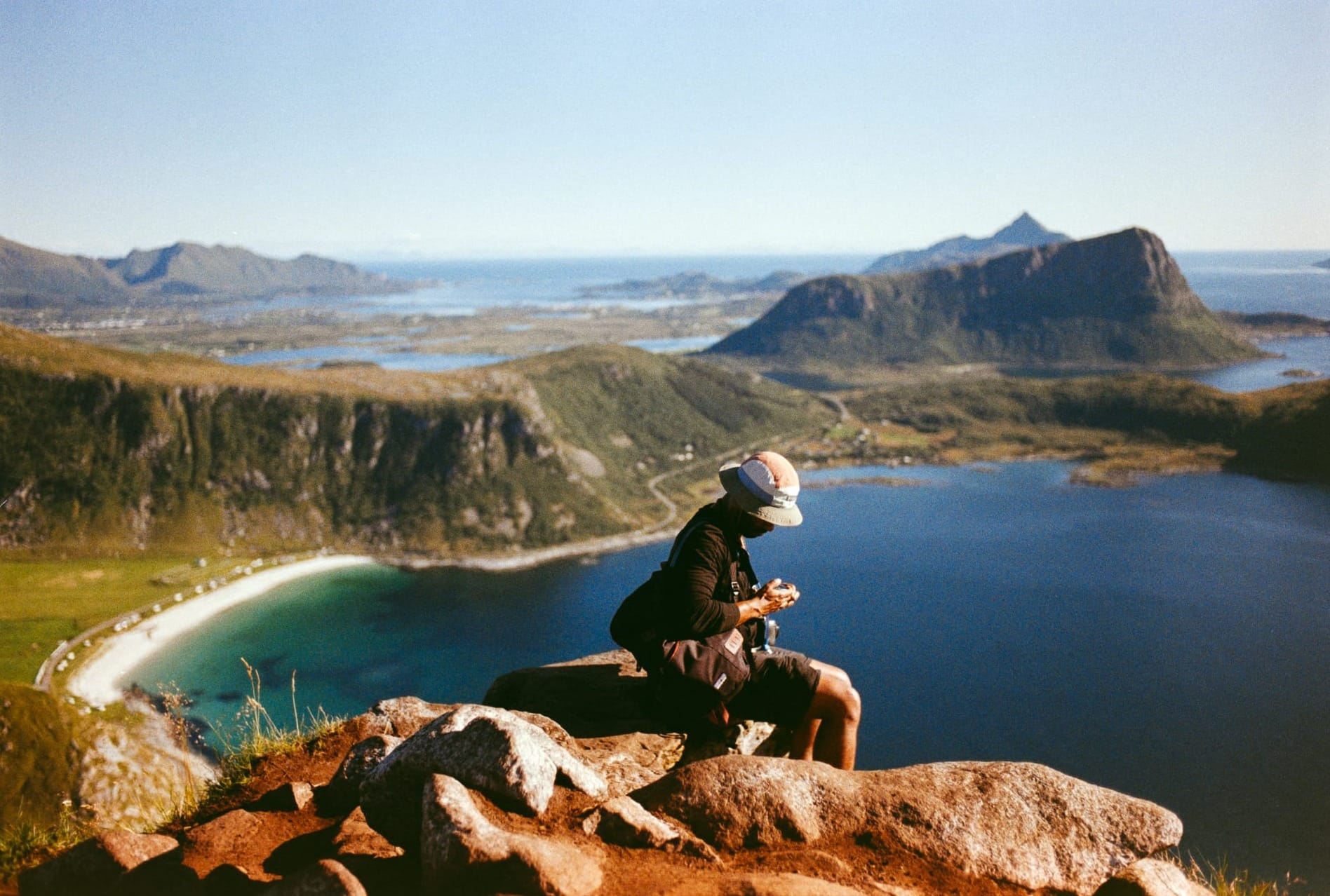
White sand beaches from Mannen peak summit
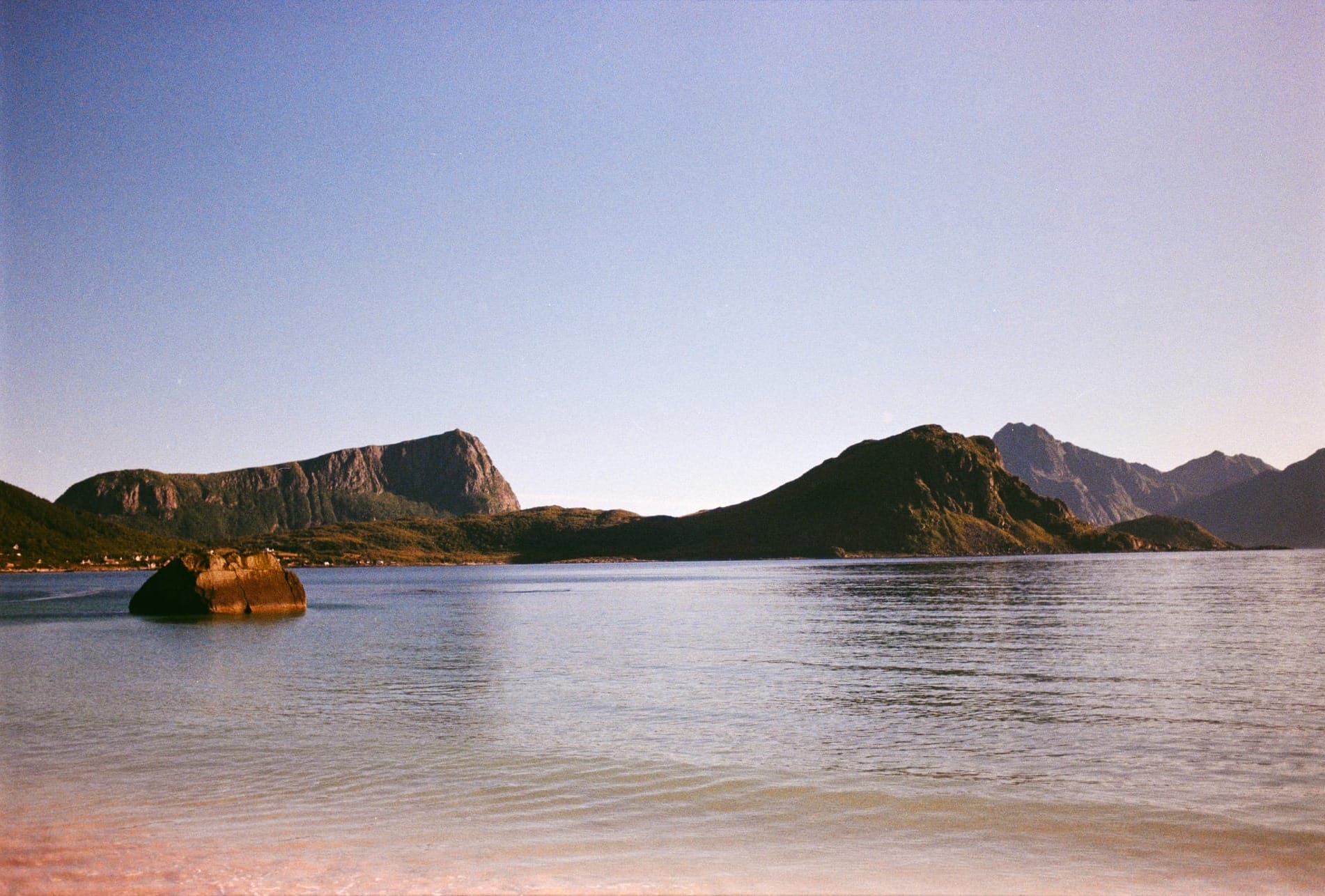
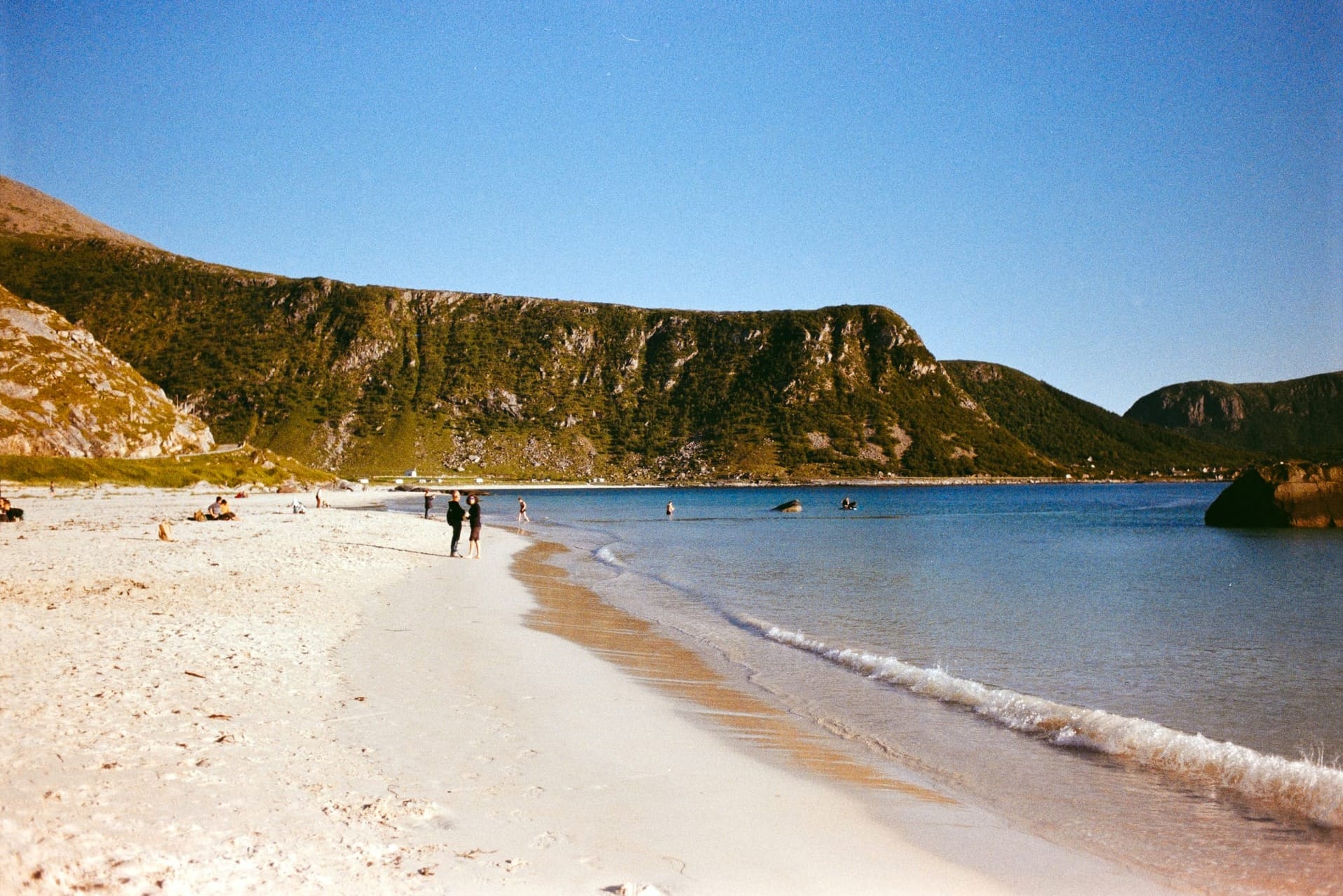
Haukland Beach
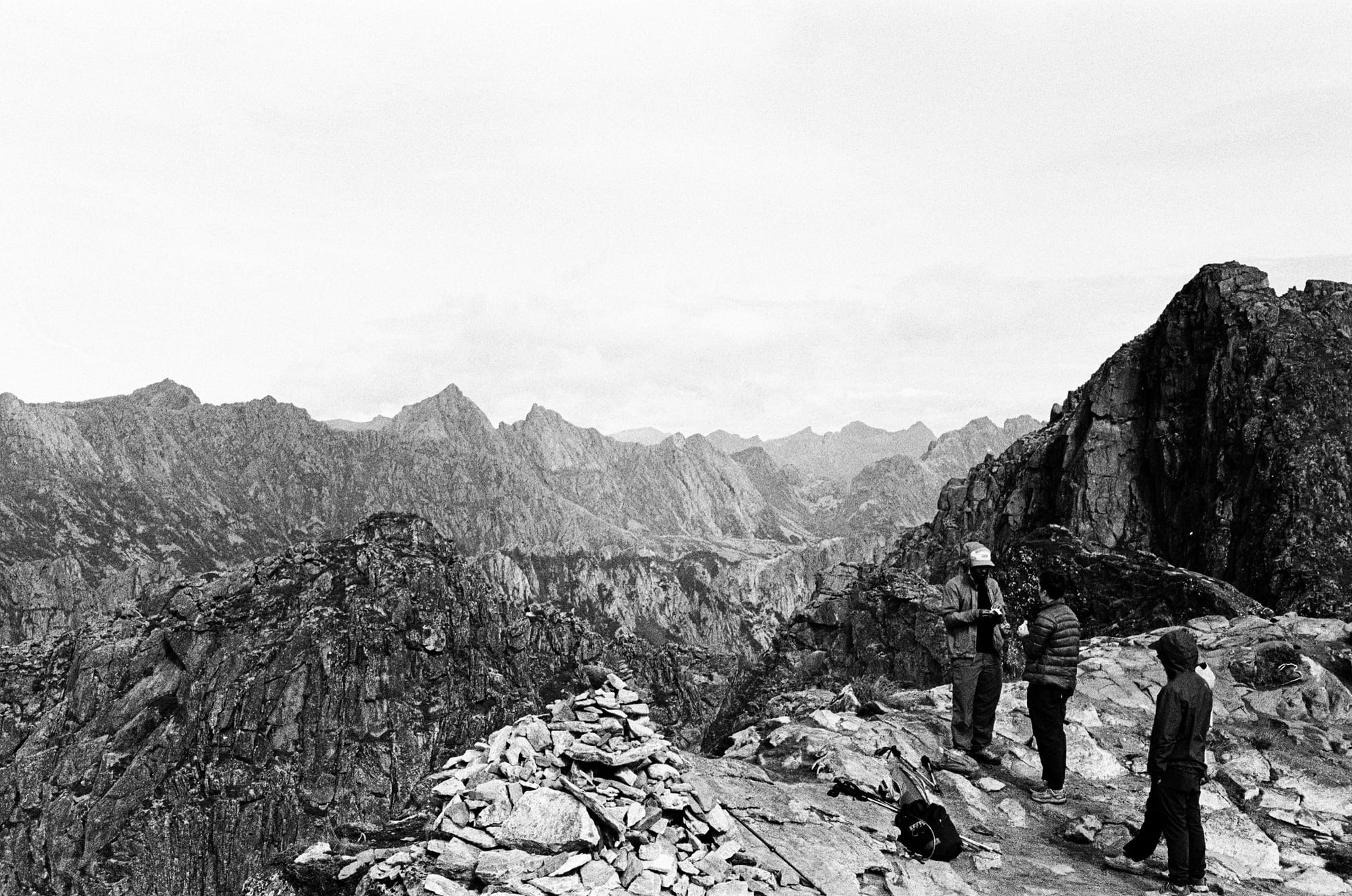
The following day was forecasted to have the best weather so we decided to hike our longest trail in Lofotodden National Park to the peak of Mt. Ryten. It was another summit hike with sweeping views of the bay and Norwegian Sea. After this hike, our legs were a bit rubbery from all the back-to-back steep trail days so we decided to hit another sauna. This was definitely the coldest fjord water we’d swam in so far but it felt amazing going from the 54 degree water to the 185 degree ripping sauna.
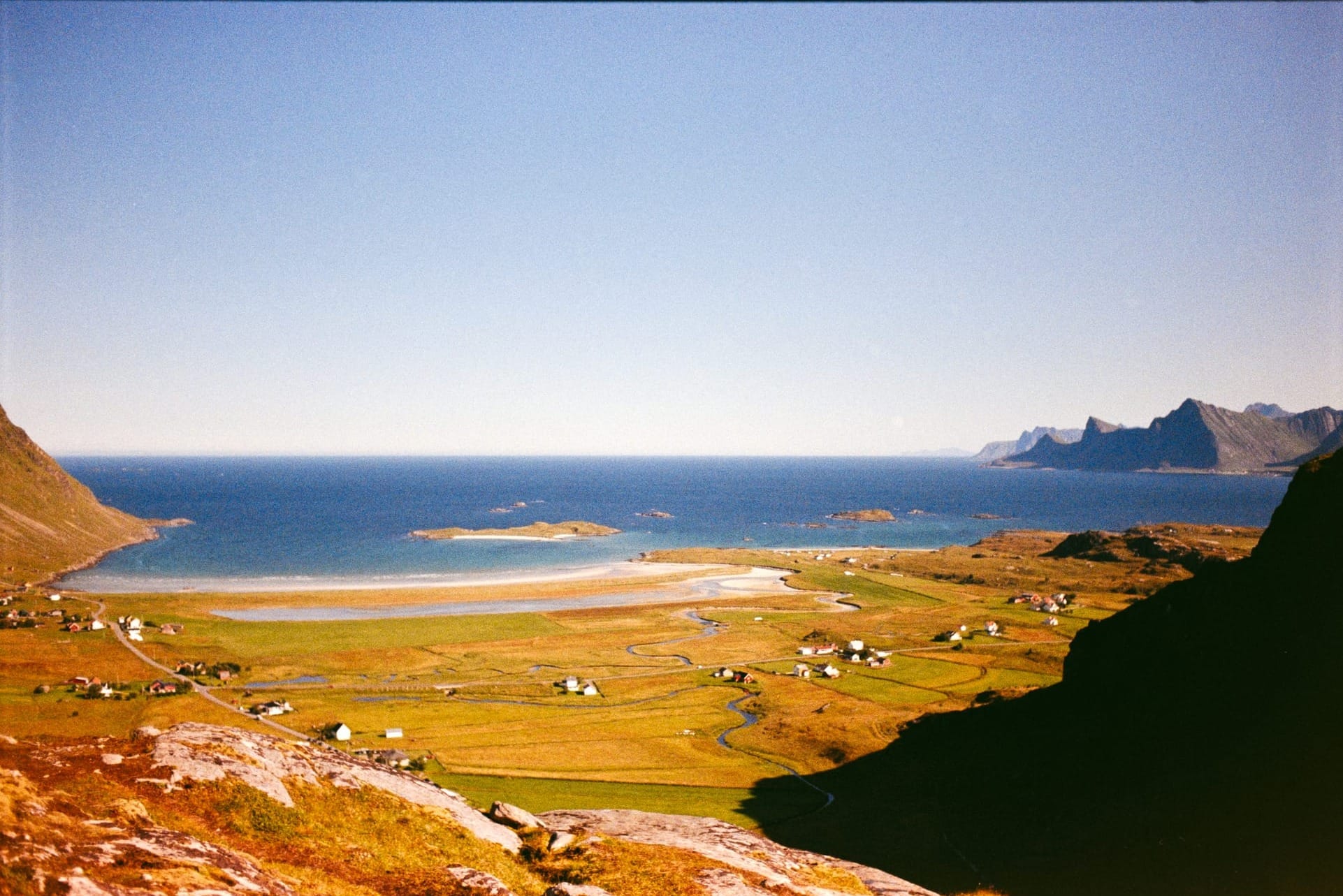
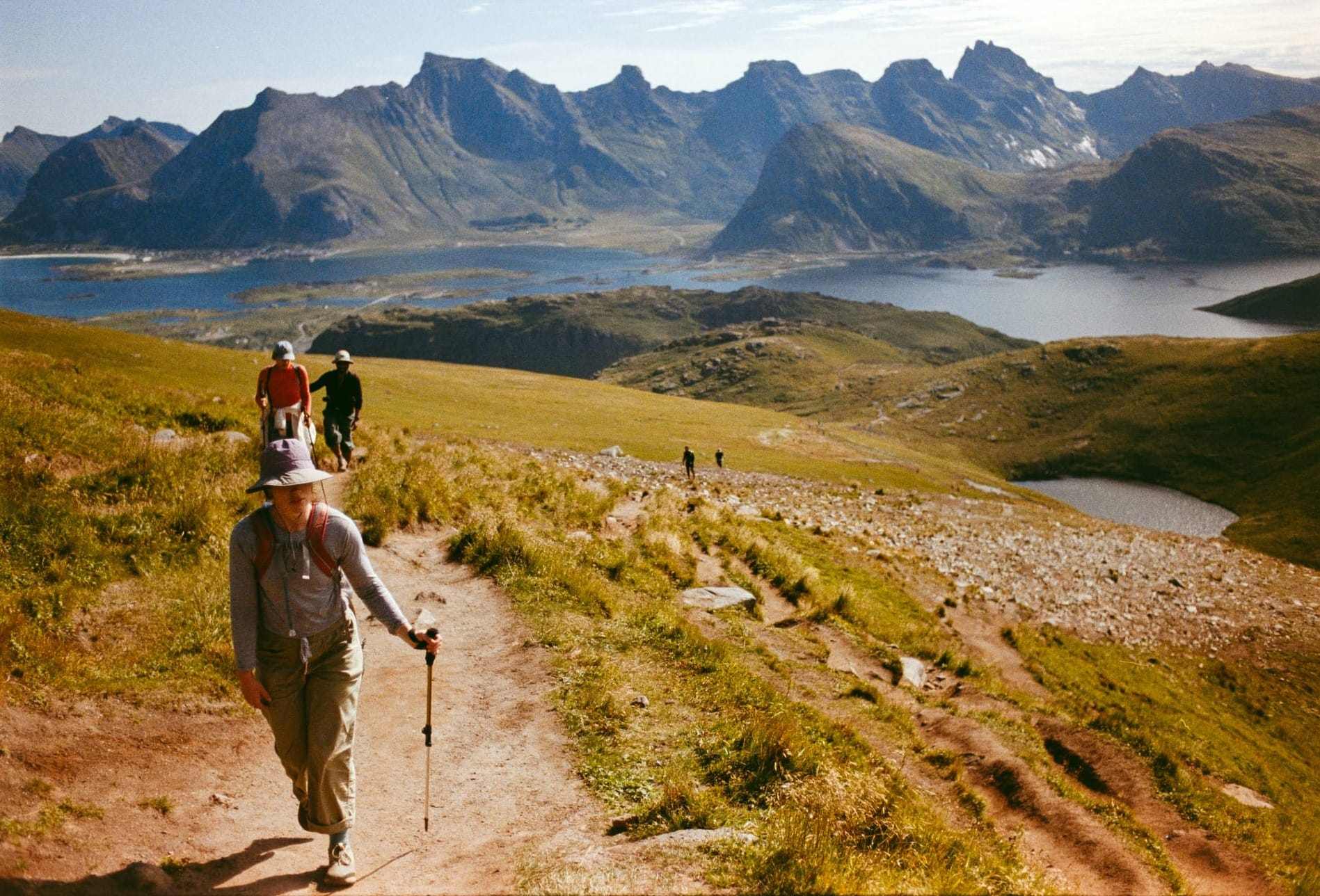
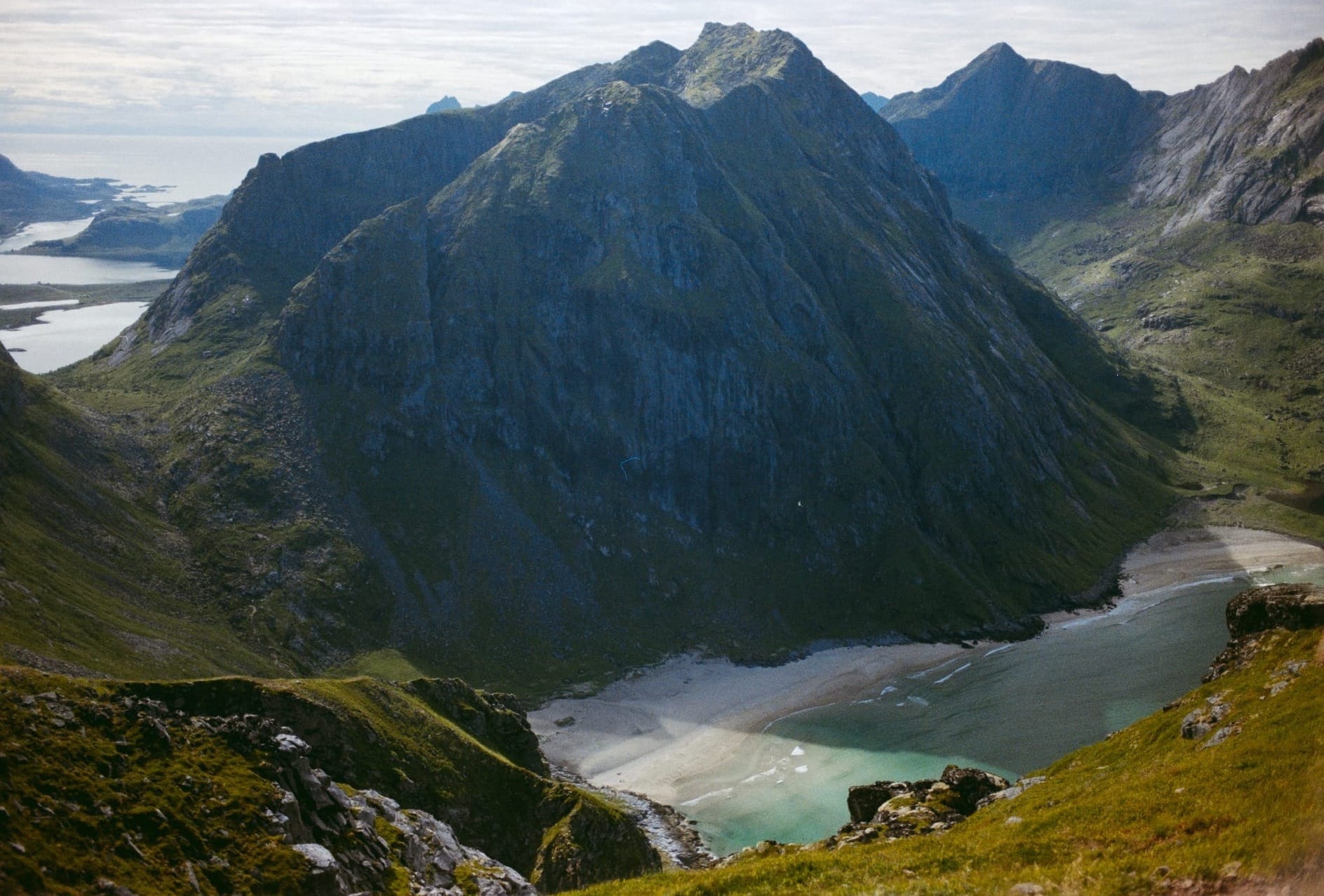
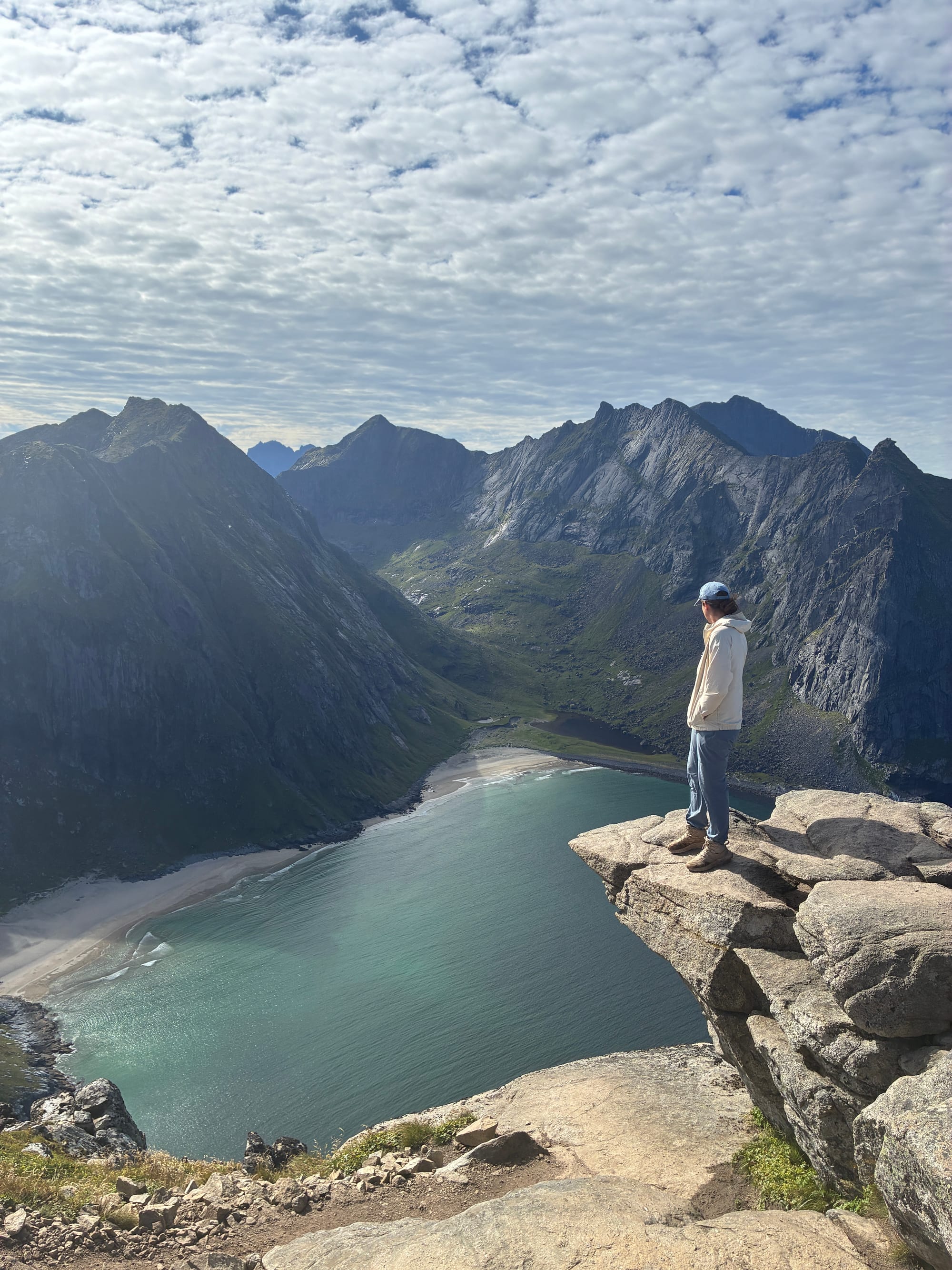
Views from the summit of Mt. Ryten
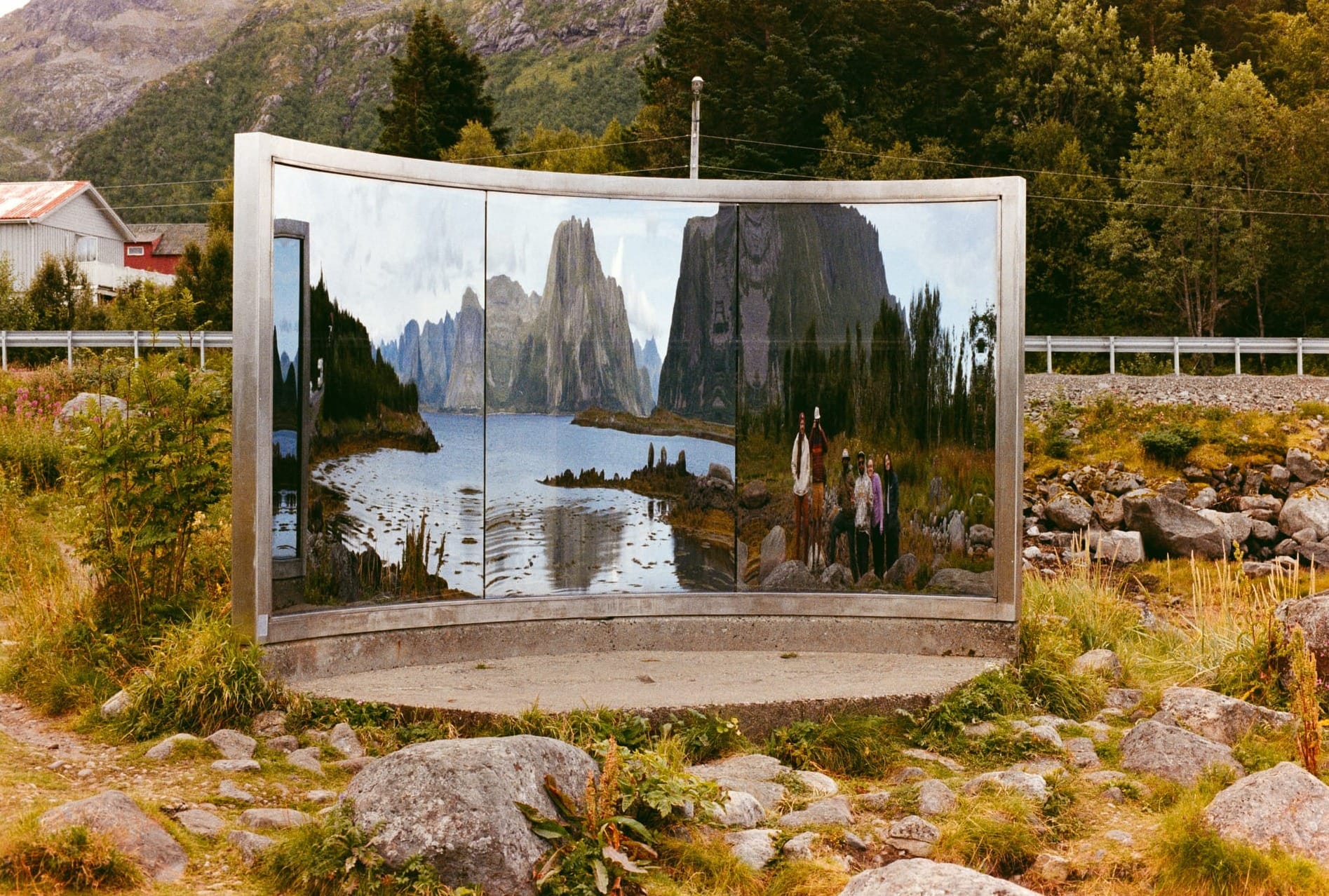
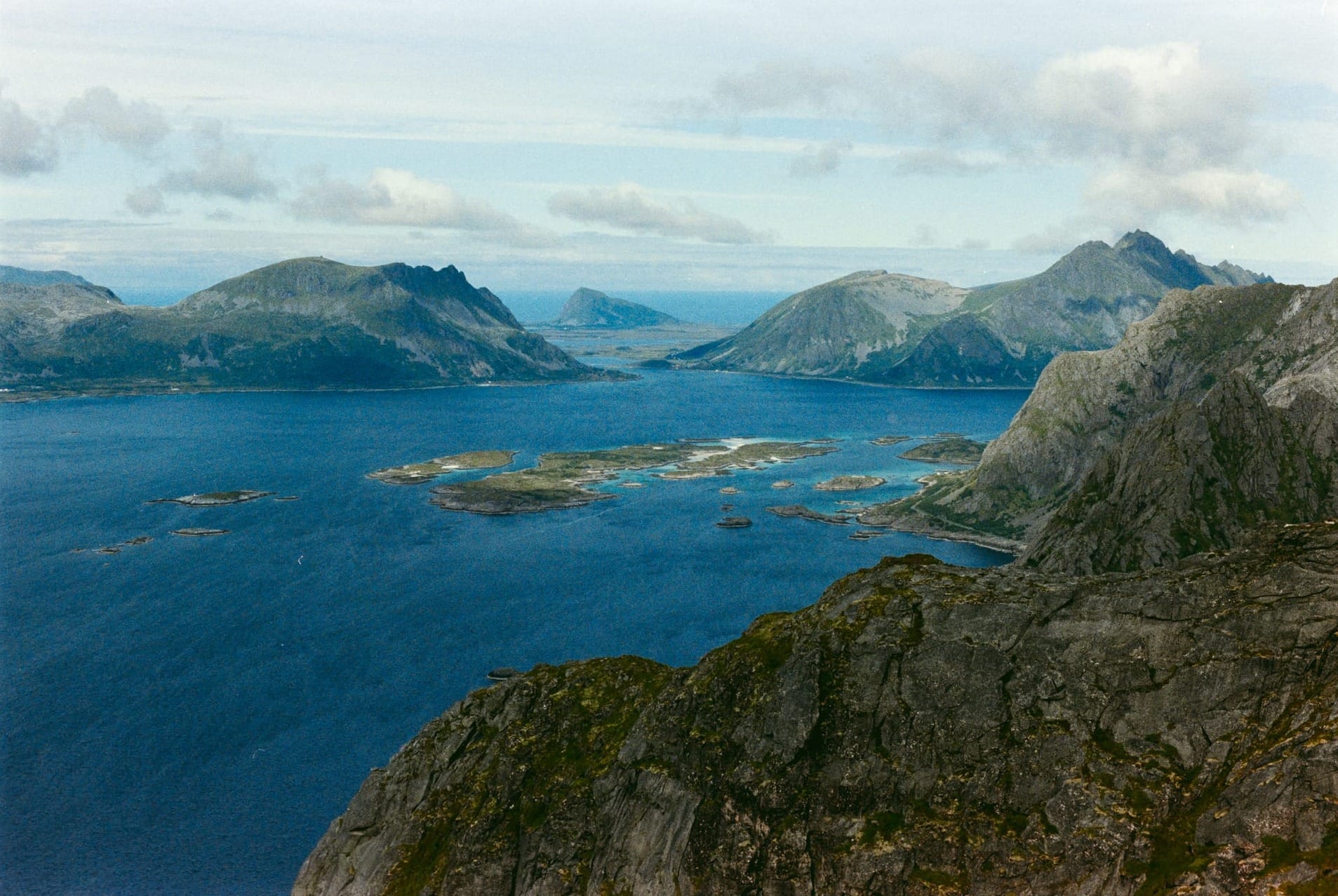
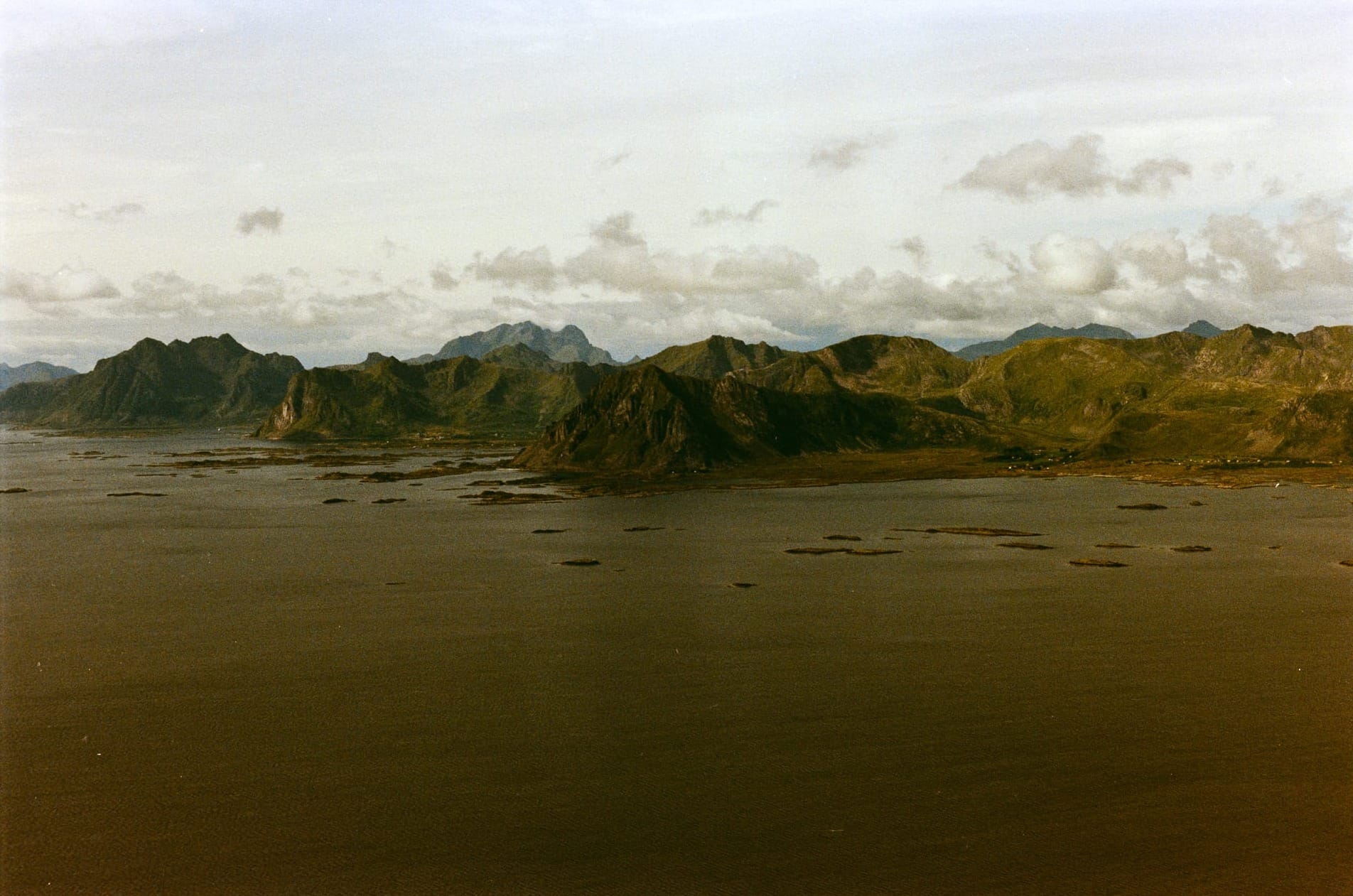
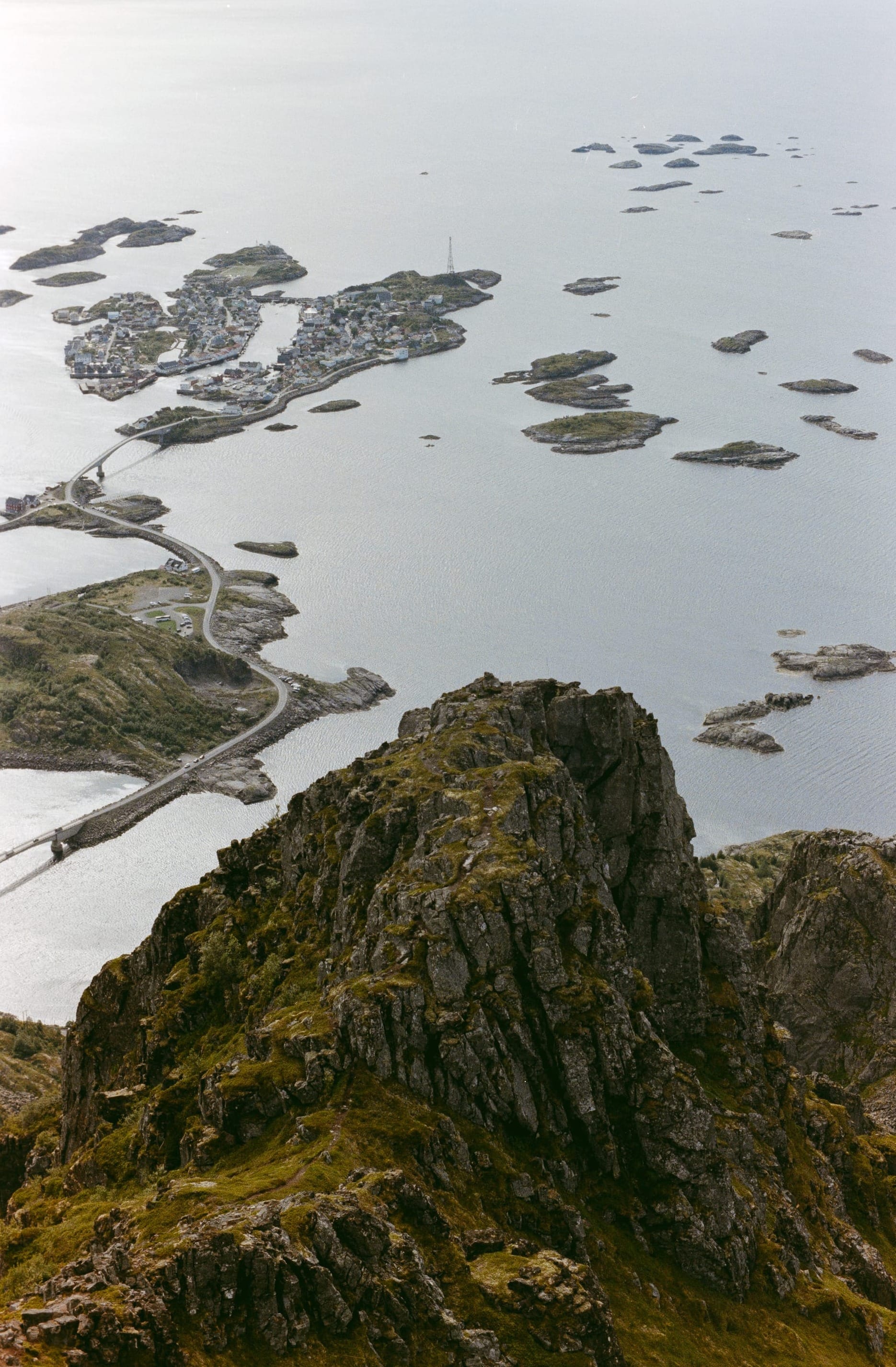
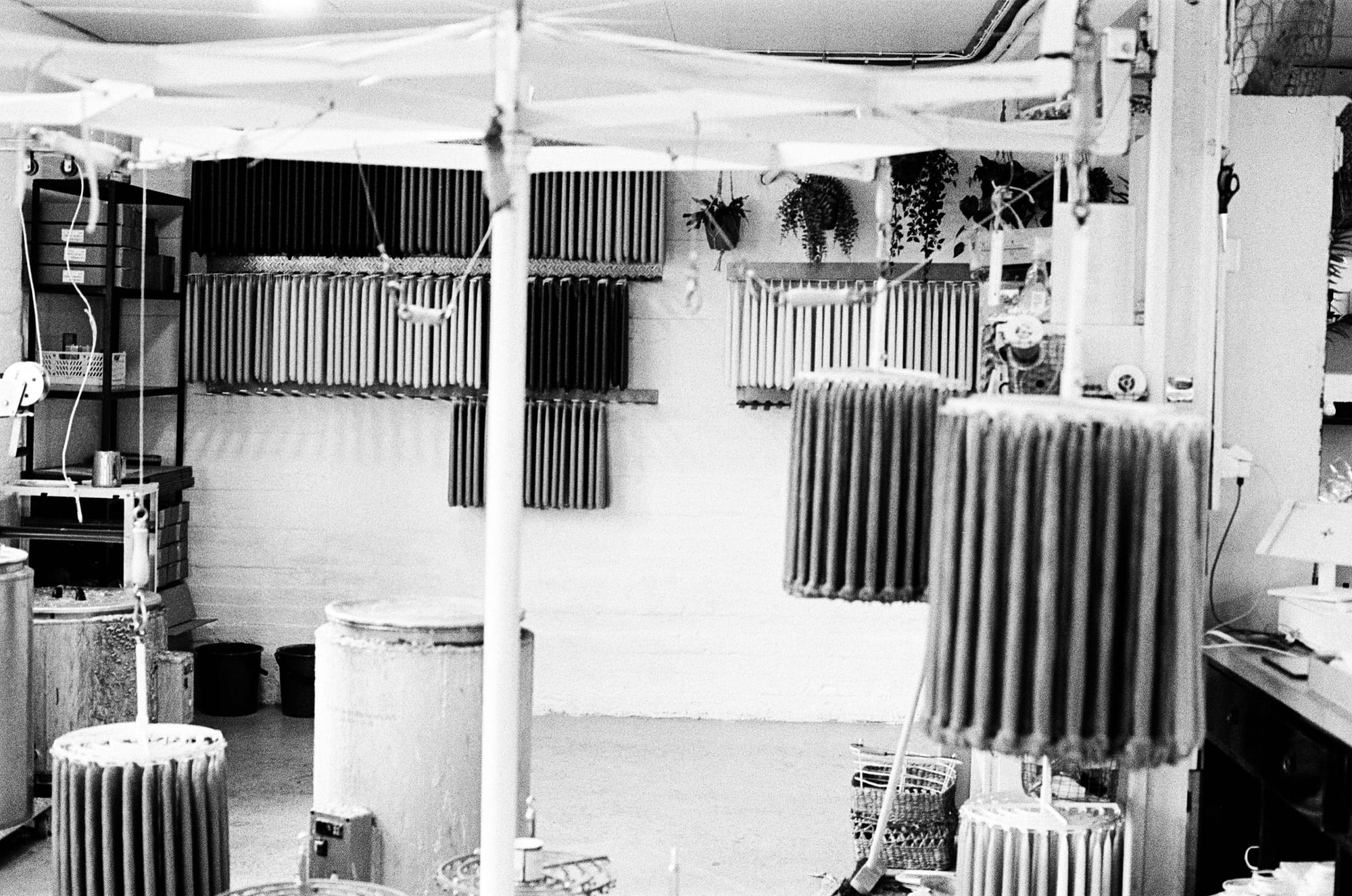
On our last day in Lofoten we had one more hike to do which turned out to deceptively be the hardest despite being the shortest. We visited an art installation on the way to the trailhead. The hike was only 1.7 miles but most of the steep and muddy trail was scrambling and boulder hopping. However, the views were sublime and we reached the summit of Festvågtinden with panoramic views of the fishing village of Henningsvær. After the hike, we wandered through this cute town and stumbled into a candle shop before lunch.
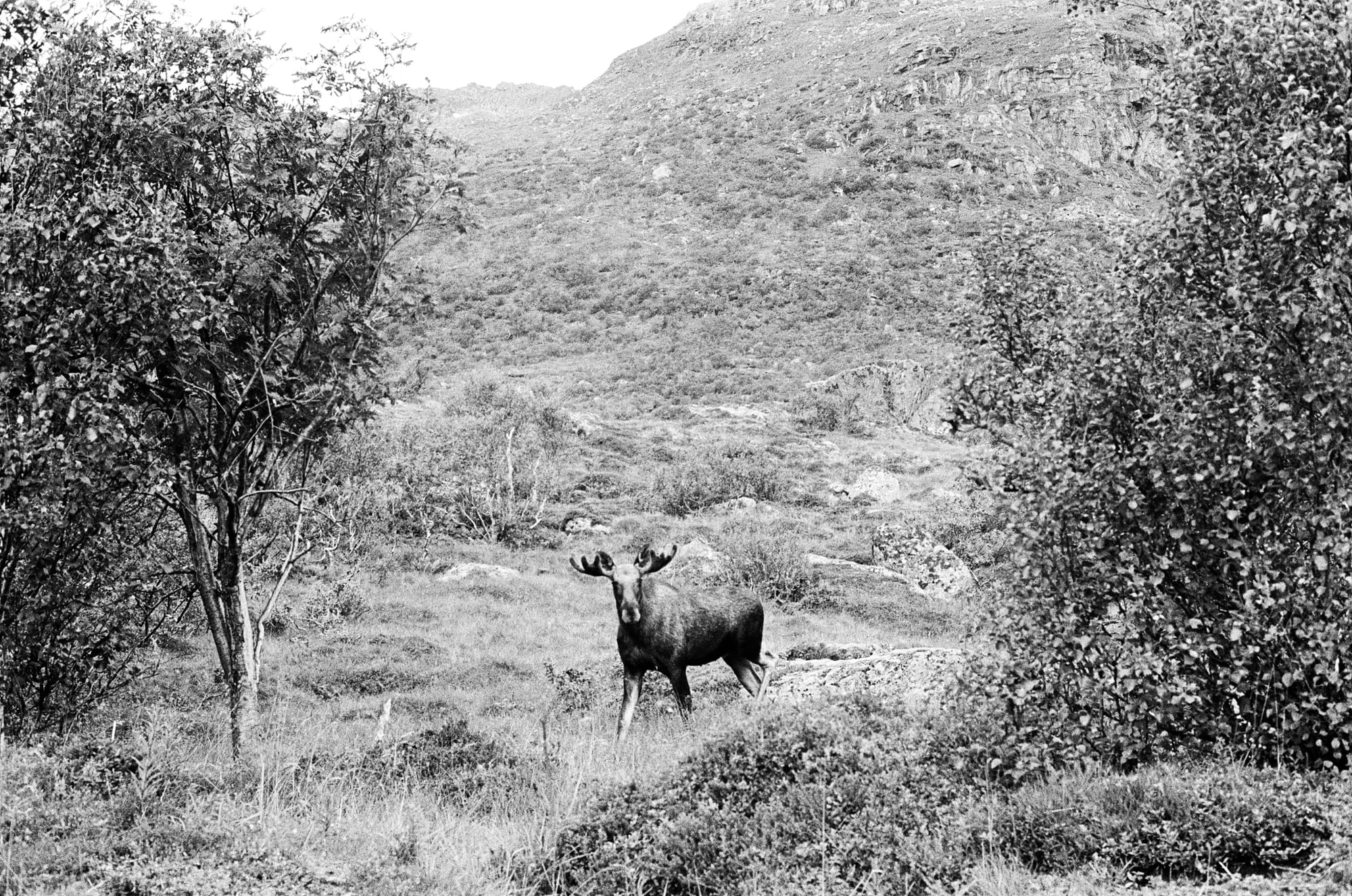
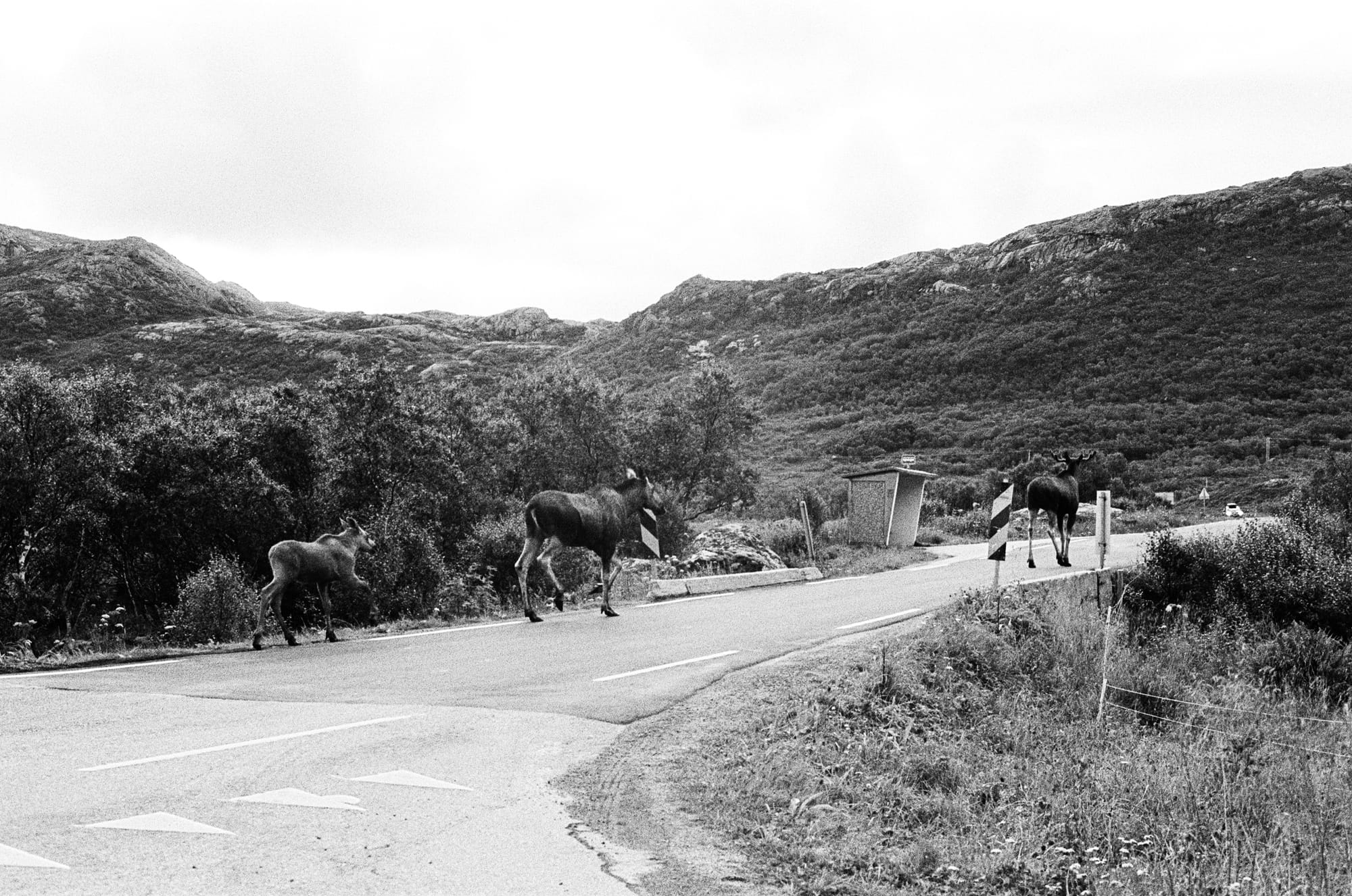
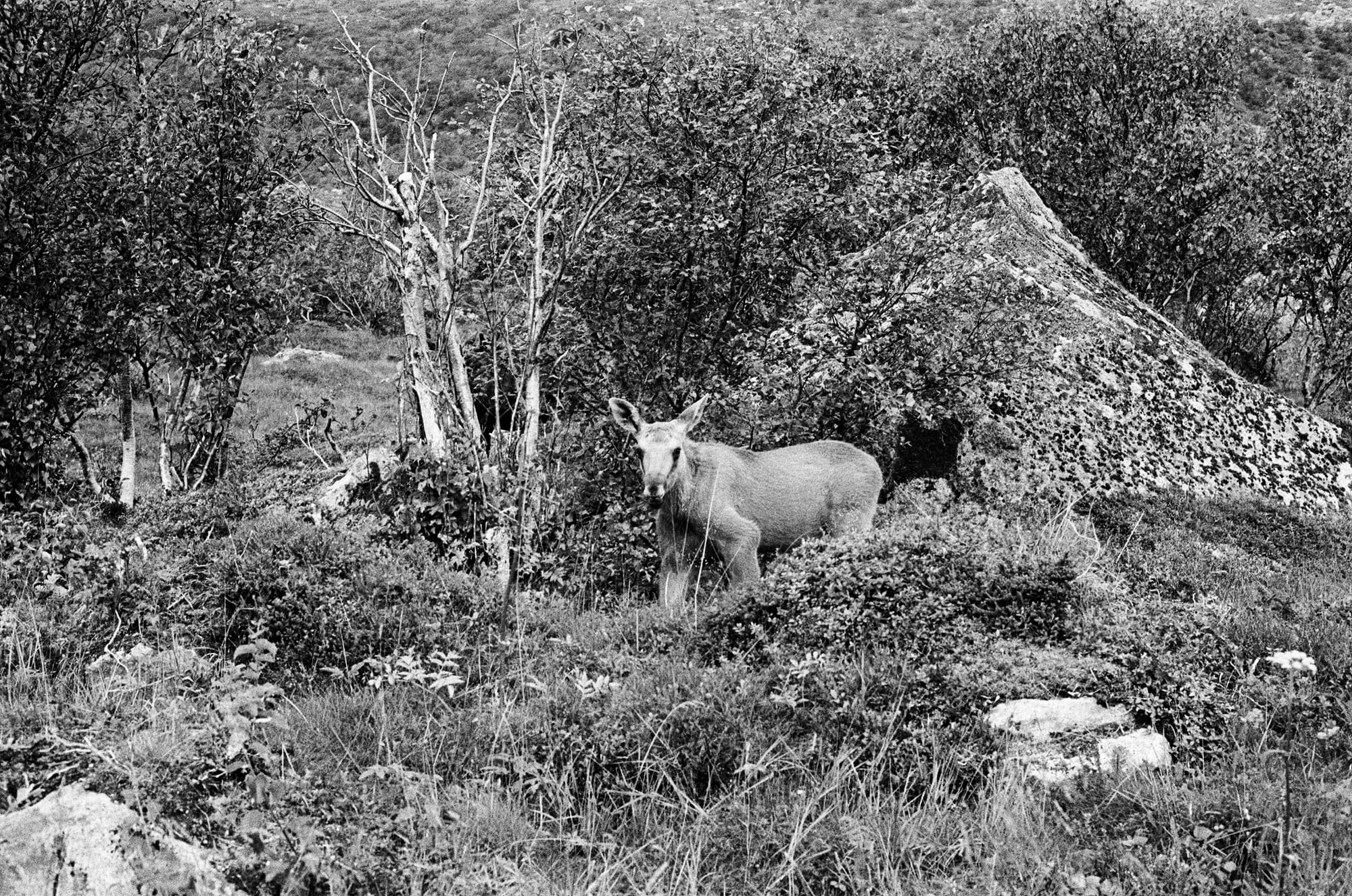
On our final day in Lofoten, we were quite gutted that we missed puffin season but in our sorrow on the ride back to the ferry port we encountered a family of 3 moose! A young bull with velvet horns, a big cow moose, and a young awkward toddler moose. It was quite the sighting and felt like a nice farewell present from Lofoten.
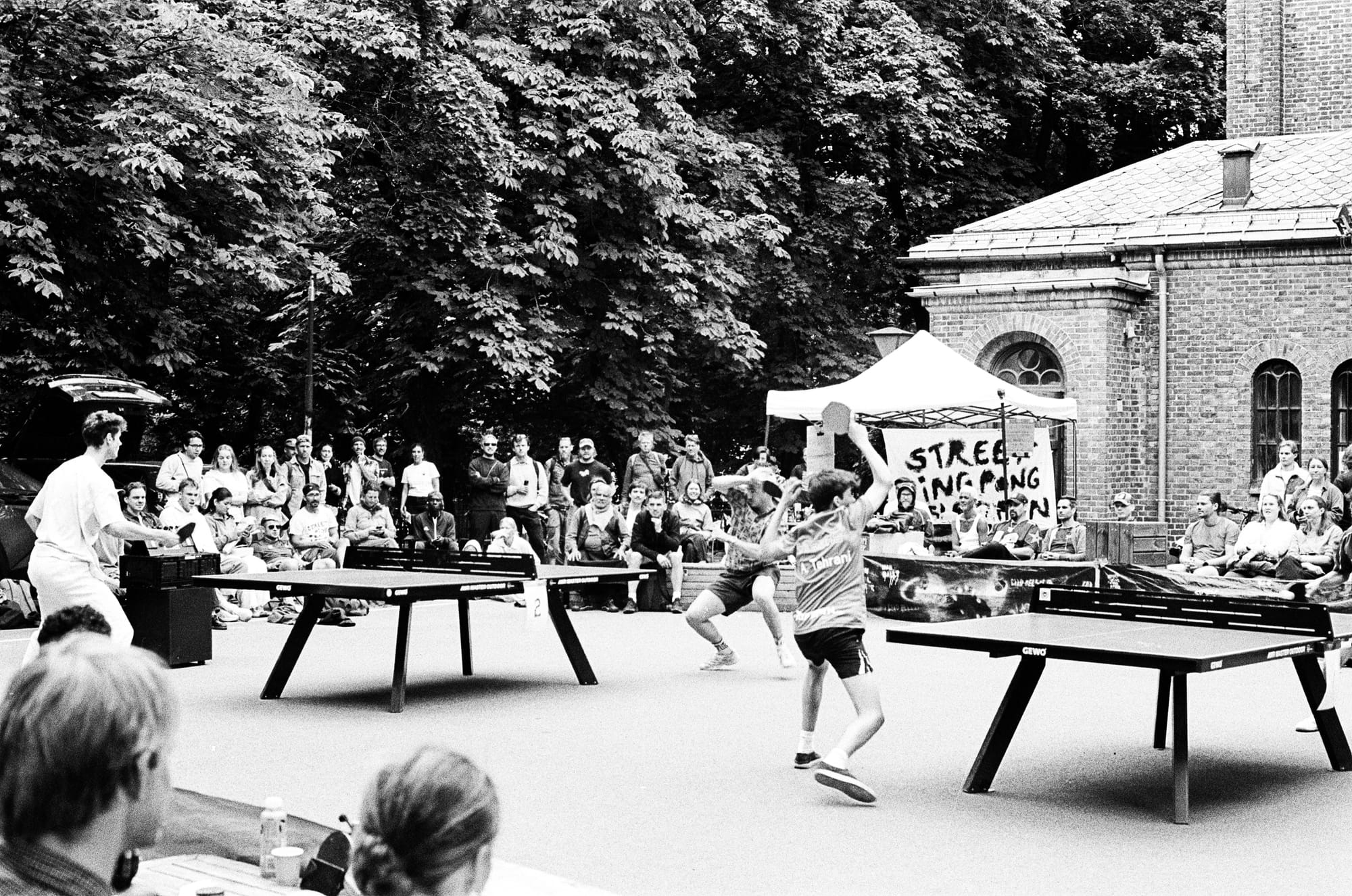
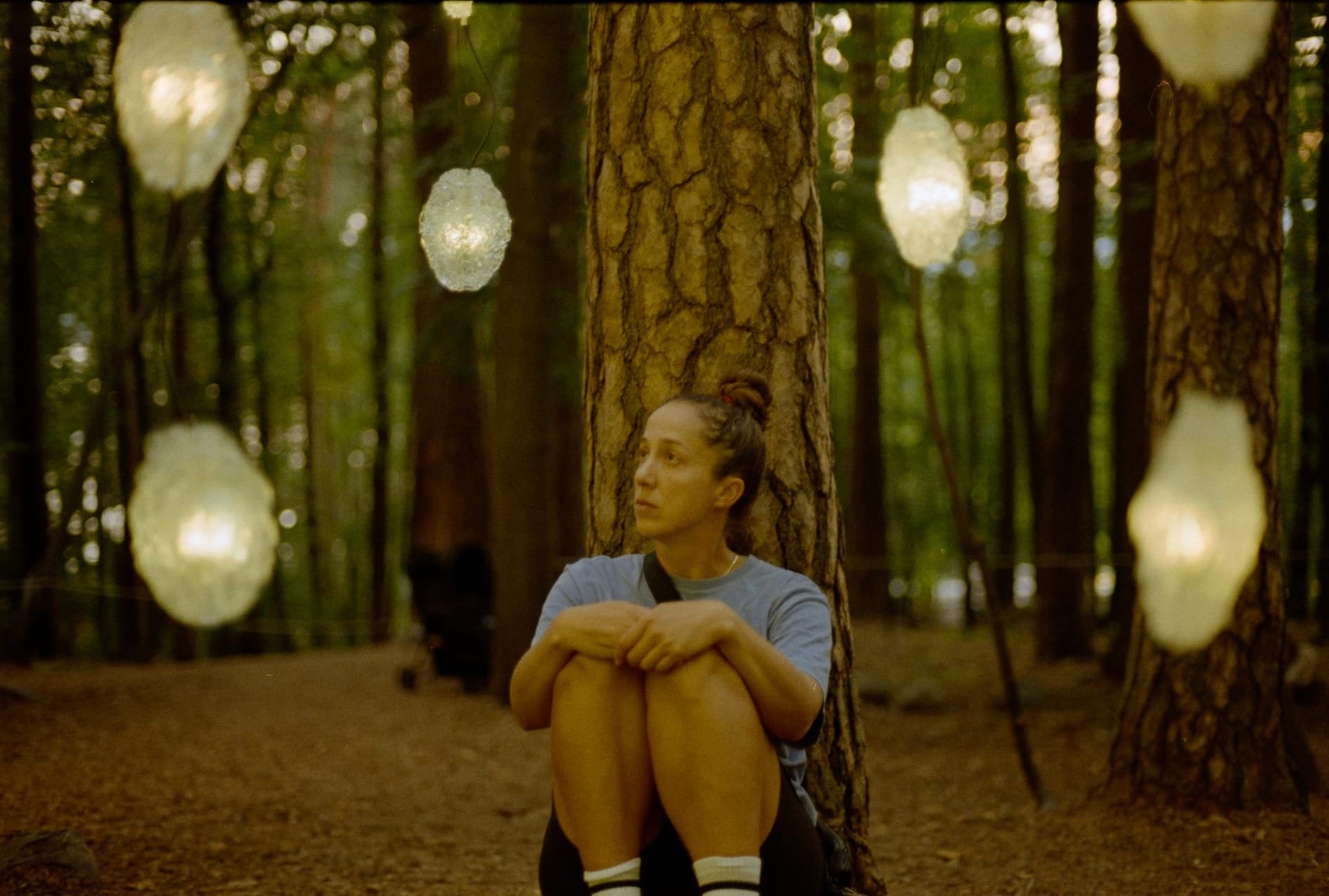
We were already feeling sentimental towards Norway even before we left. Not only did we love this strange country but leaving it also meant that our friends were headed home and our own Radical Sabbatical was wrapping up. We had been in Norway for nearly a month and although our wallets would appreciate not getting obliterated by Norwegian Kroner anymore, we would sorely miss this special place. After the rest of the gang had left, we had one more day in Oslo. We happened upon a street ping pong tournament which was very entertaining. We also got the opportunity to visit a James Terrell art installation which was beautiful and disorienting as all of his pieces are (sorry, no pictures allowed) and we sat in Ekeberg Park in the evening with a light installation called The Nordic Pixel Forest which was mesmerizing and nostalgic.
We are very grateful that we were able to travel for three great weeks with our friends and it made the last international segment of our Radical Sabbatical much less tragic. Norway is a special place and full of contrast. We roamed craggy glaciers, gazed on deceptive white-sand beaches, scrambled up steep alpine trails, suffered sweltering sauna schvitzes and icy fjord plunges, surfed arctic waves, sailed under a midnight sun in rolling swell, and were humbled by howling winds. People here have settled in far flung inhospitable places that are battered by rain and wind and snow and winter darkness. But they are not only connected by their impressive infrastructure of subterranean tunnels, expansive bridges, and fraught ferries but also by warm cafes serving up endless filter coffee, hot waffles, brown cheese, and $700 wool sweaters.