Italy
We had just exited the French Riviera trek a few days ago and we had planned to train directly from Nice, France to start a 6-day trek along the Italian Riviera and Cinque Terre. However, we were still quite sick and couldn’t muster the energy to hike so we made alternate plans to train for the first 3 days instead of walking between towns, hopefully giving us time to recover.
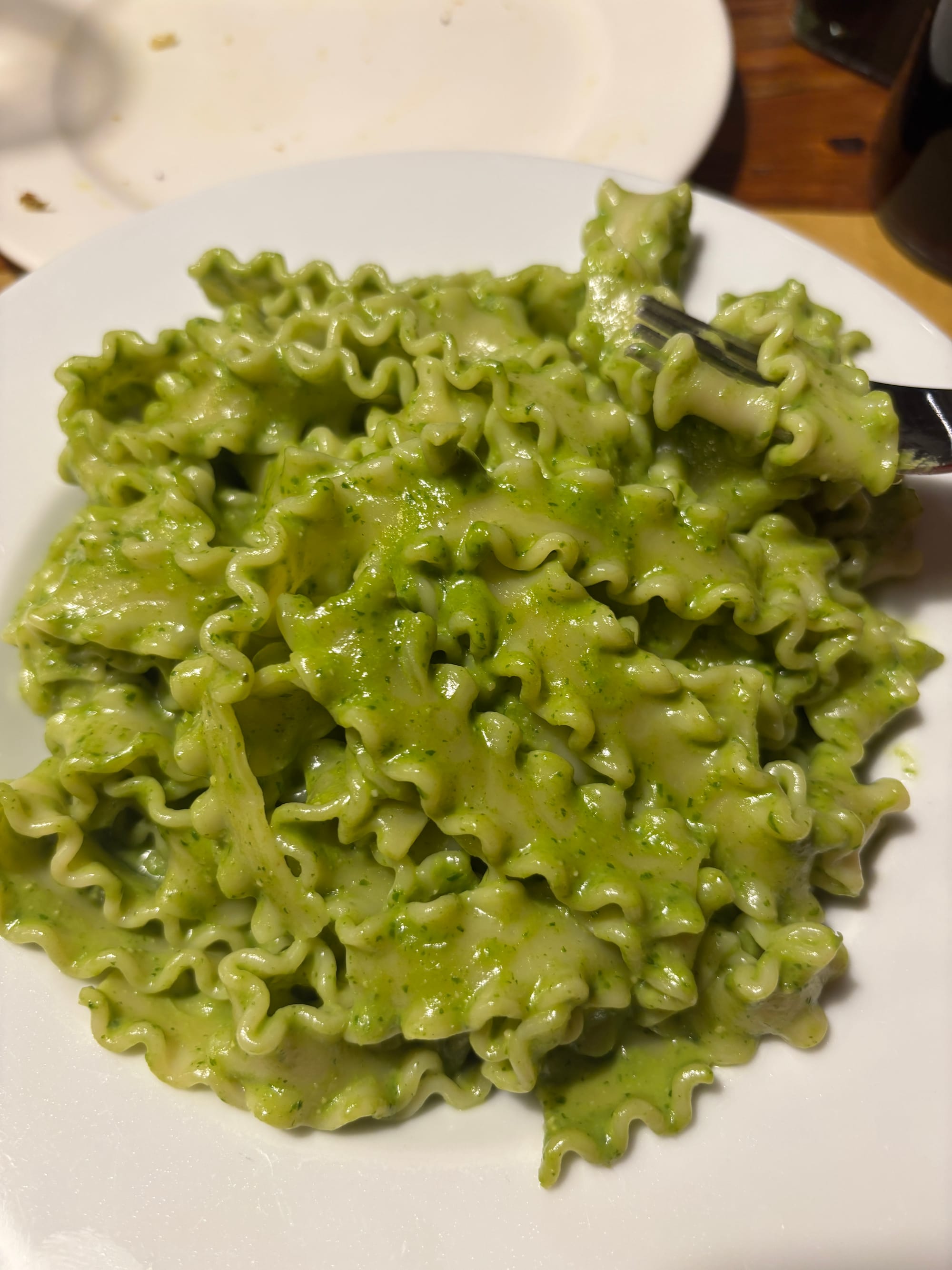
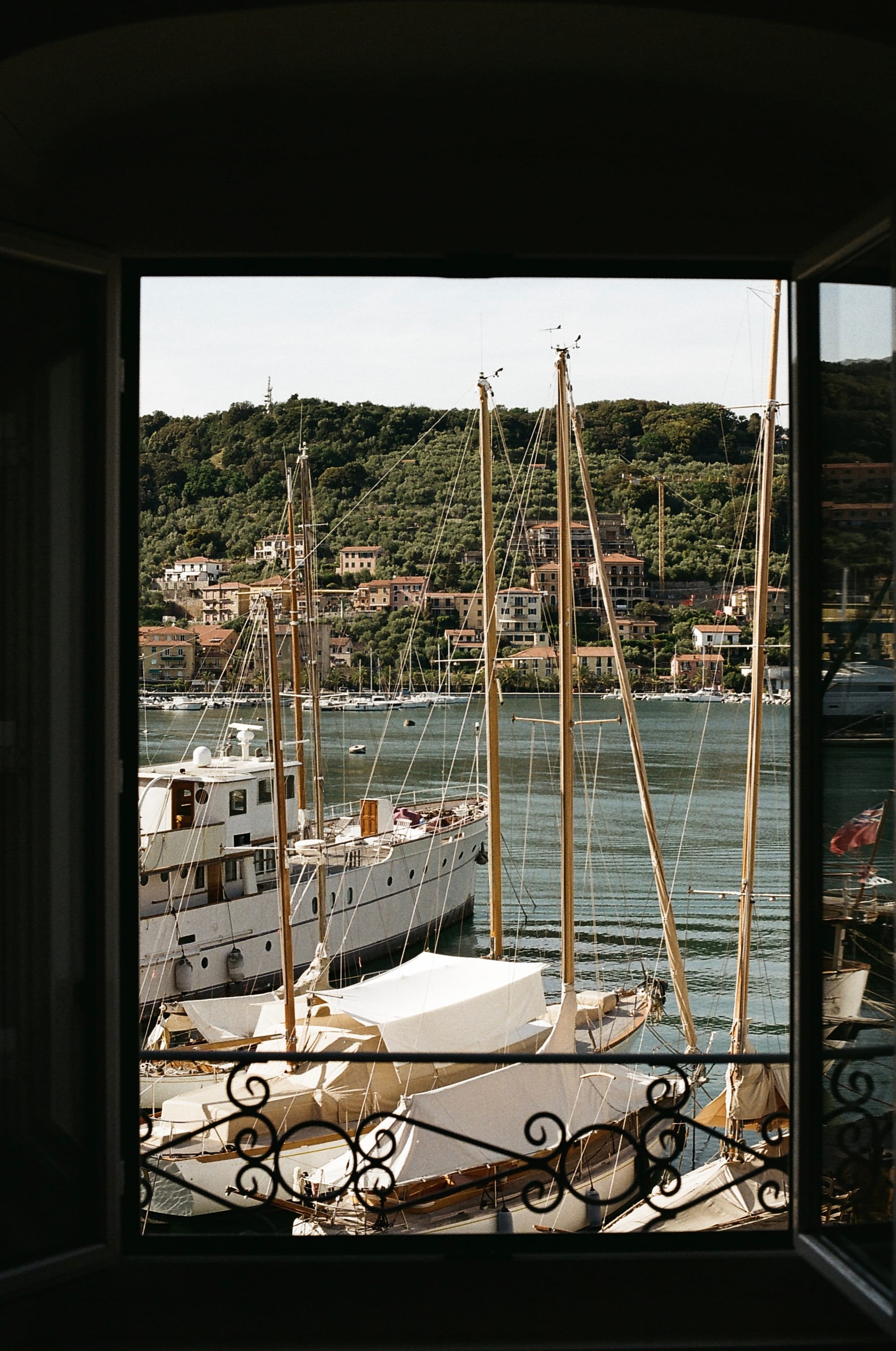
It turned out to be the best place to get sick because the train between the small villages in the Northern Liguria region was very easy, cheap, and scenic. We left Nice and arrived in the small town of Sestri Levante, Italy. Although we spent most of our time recovering in the Airbnb we did venture out for our first true Italian meal at a local osteria for pesto mafalde pasta which we both agree was the best pasta of our lives.
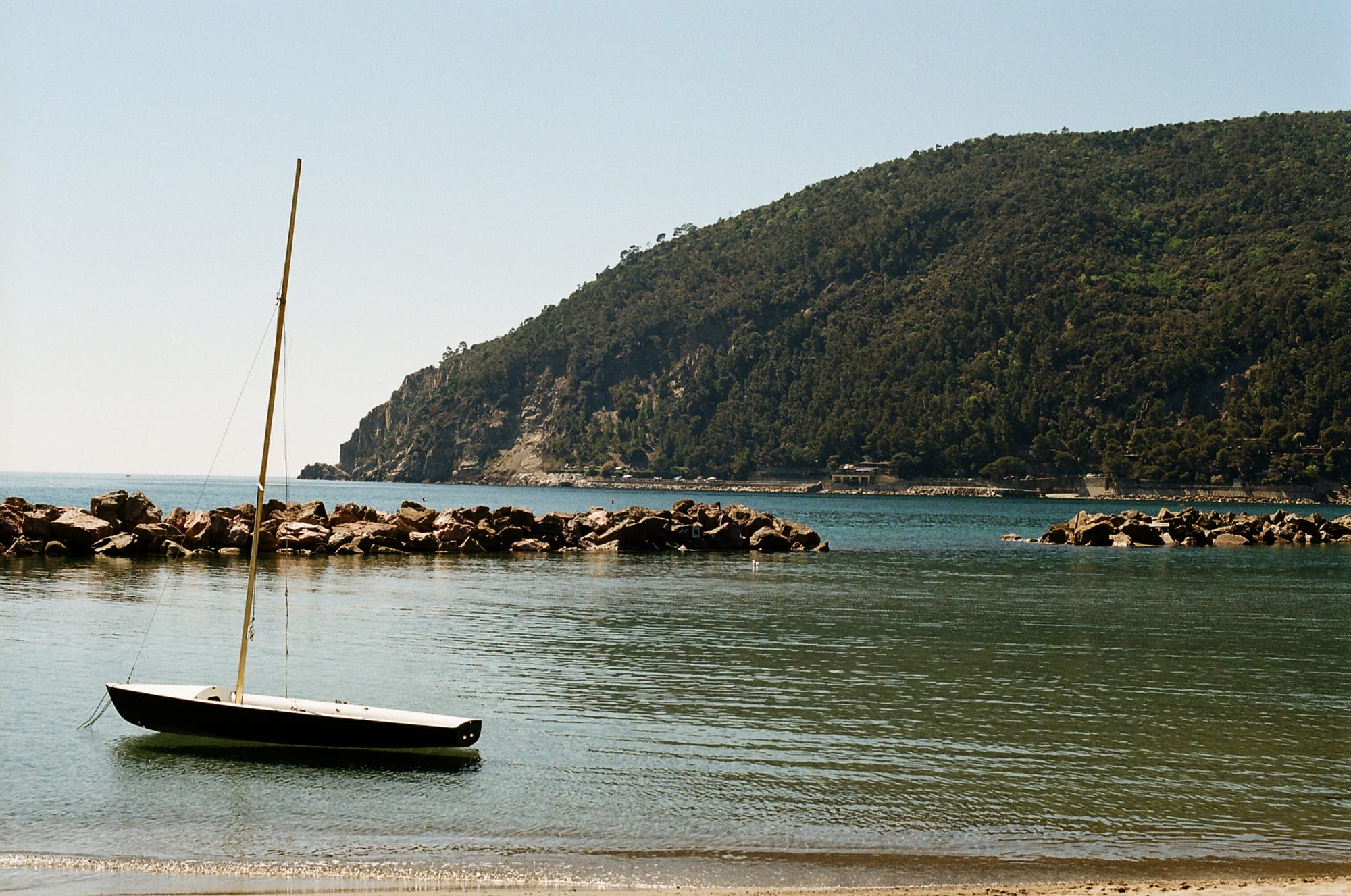
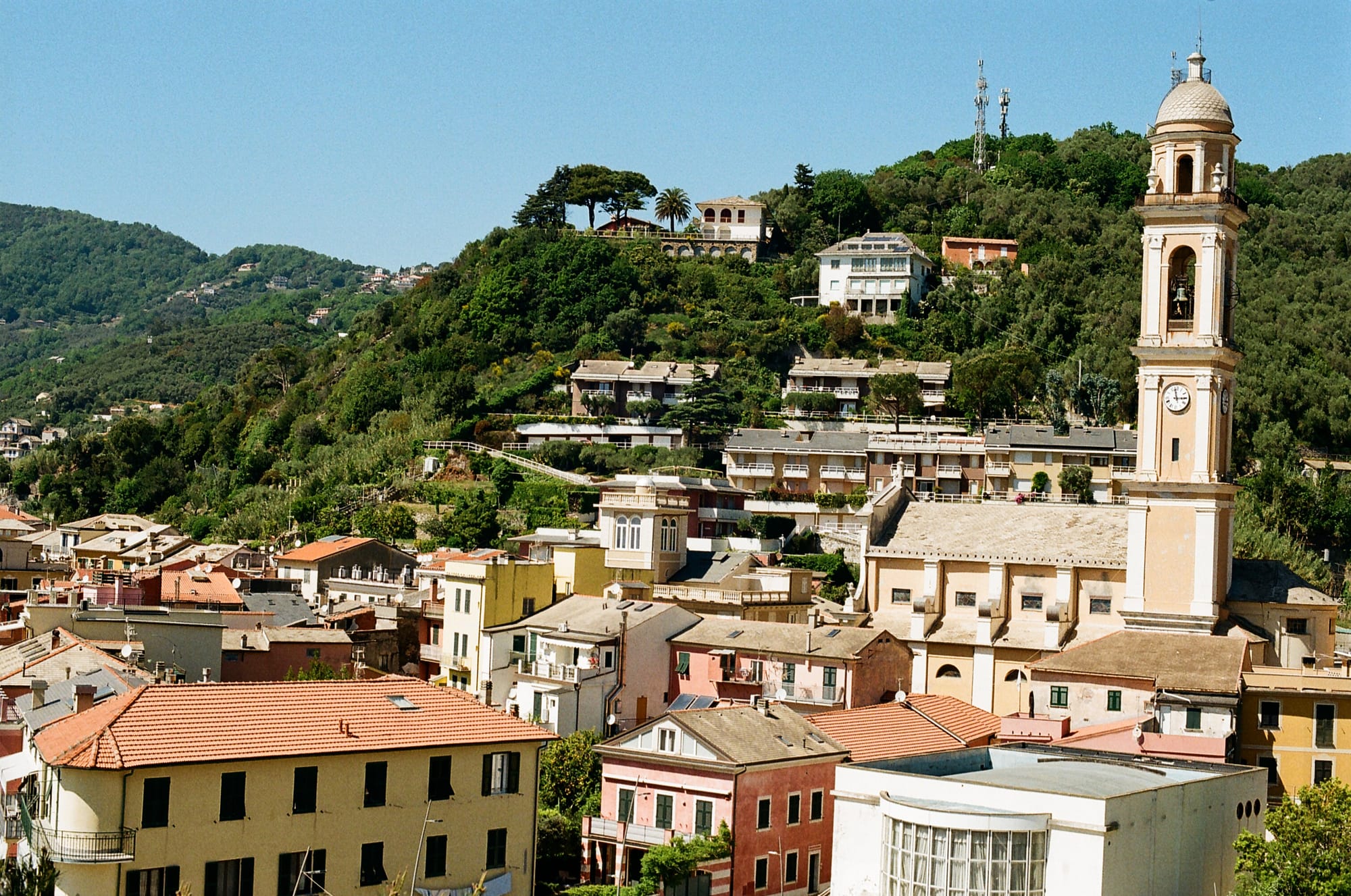
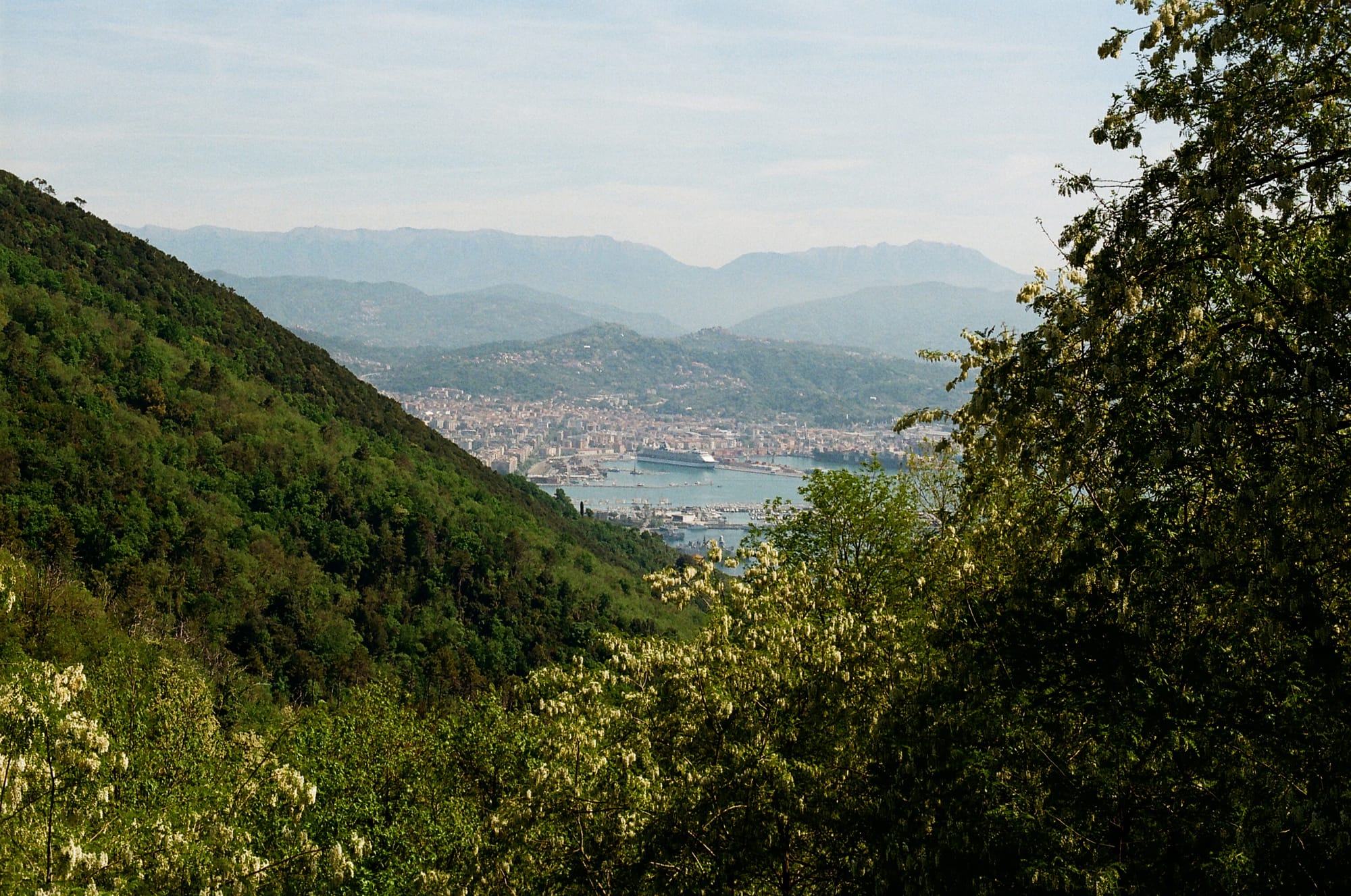
We spent the next two days in Moneglia and Bonassola, two small villages just north of Cinque Terre. Cinque Terre, or “Five Lands,” is a group of 5 colorful, coastal Italian villages and a designated UNESCO site. We knew right away on entering Moneglia that this area was special. It seemed like a vast majority of tourists headed straight to Monterosso al Mare- the first of the 5 villages of Cinque Terre- and skipped over these small northern towns. We loved walking the citrus and olive tree-lined streets and quiet alleyways and pondering the calm Ligurian Sea. As we headed south, we started to encroach on the masses that flocked to Cinque Terre. By the time we trained to Bonassola, we were both feeling well enough to start hiking so our first day of hiking was from Bonassola to Monterosso al Mare.
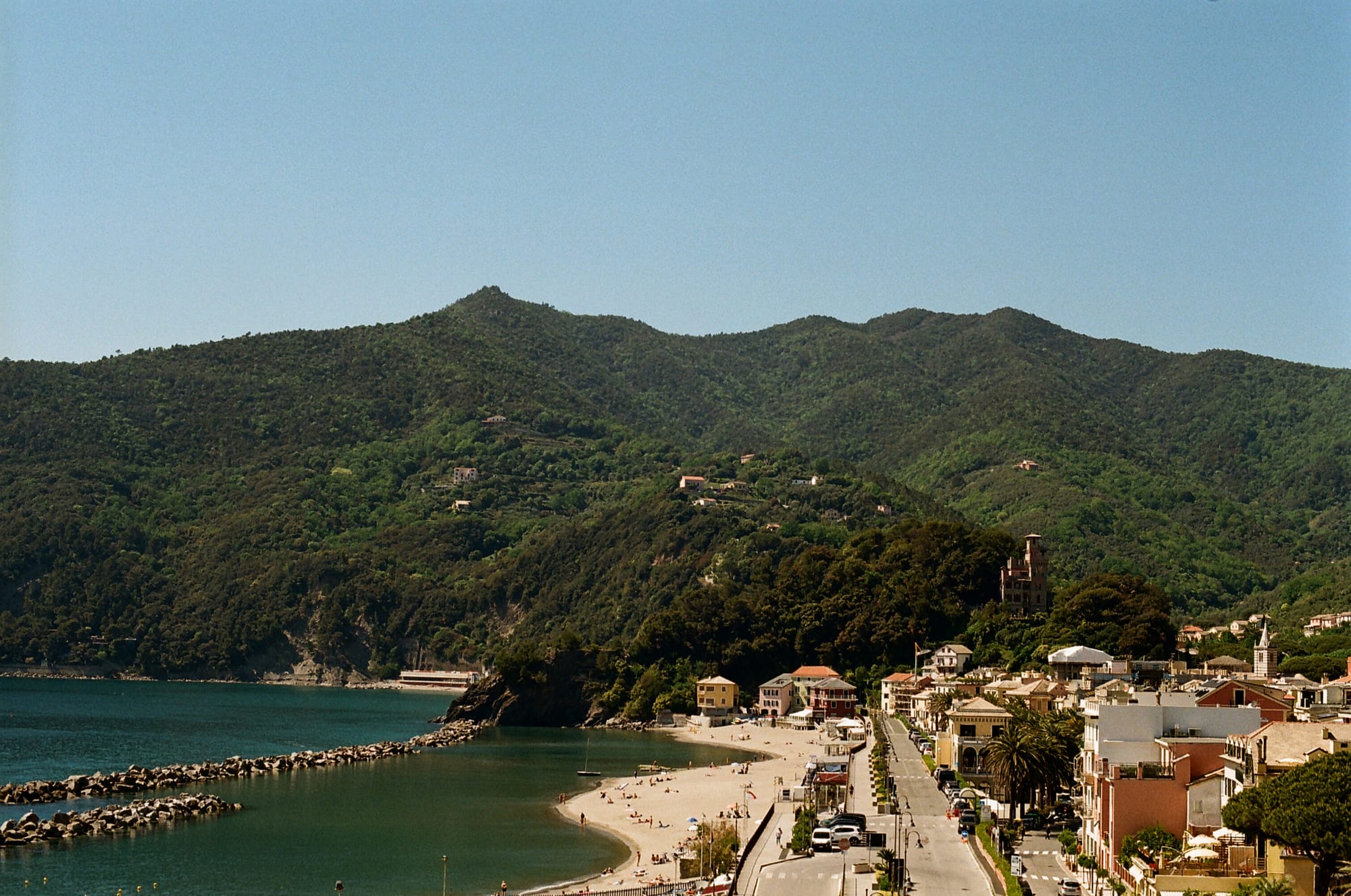
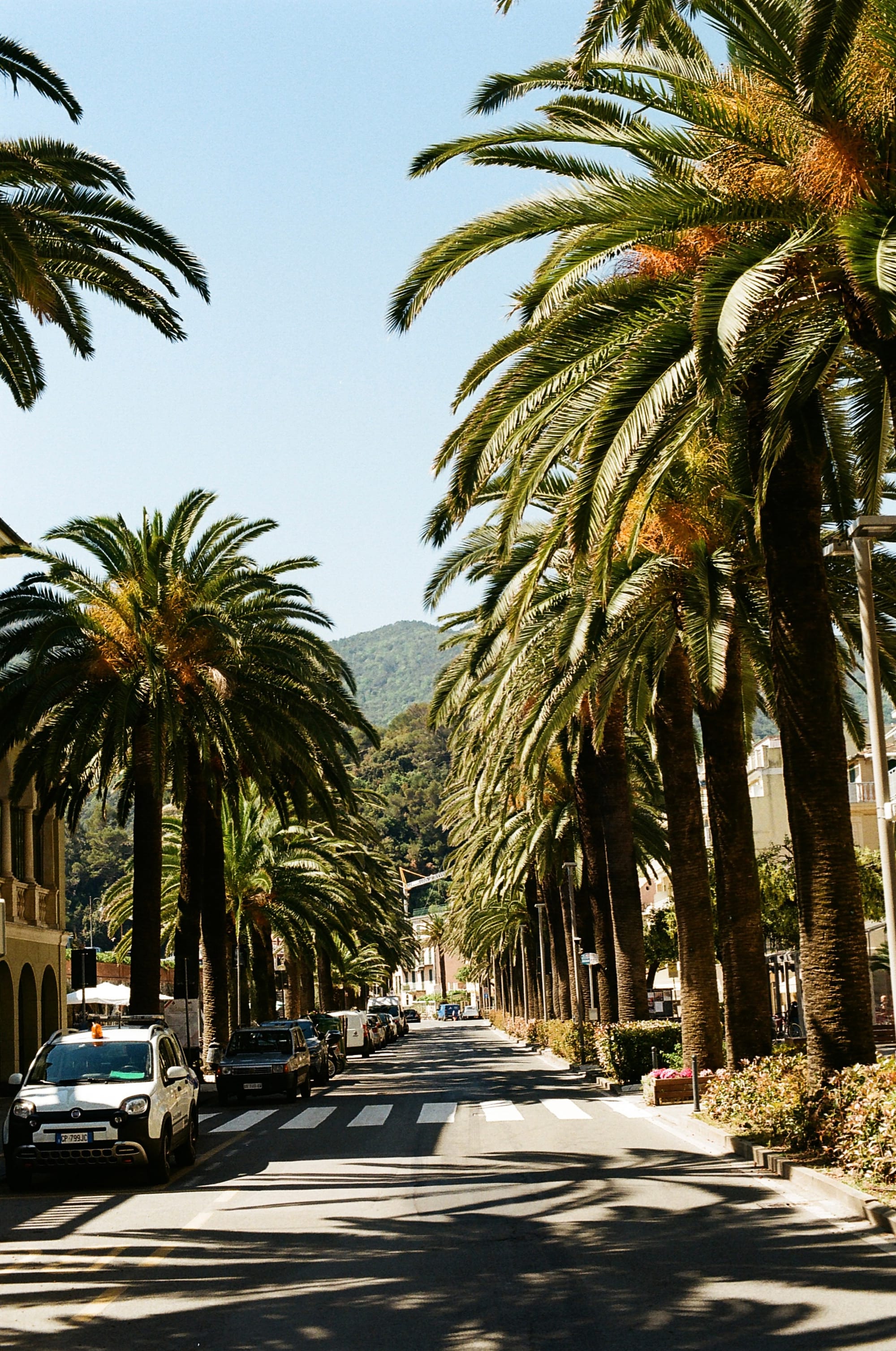
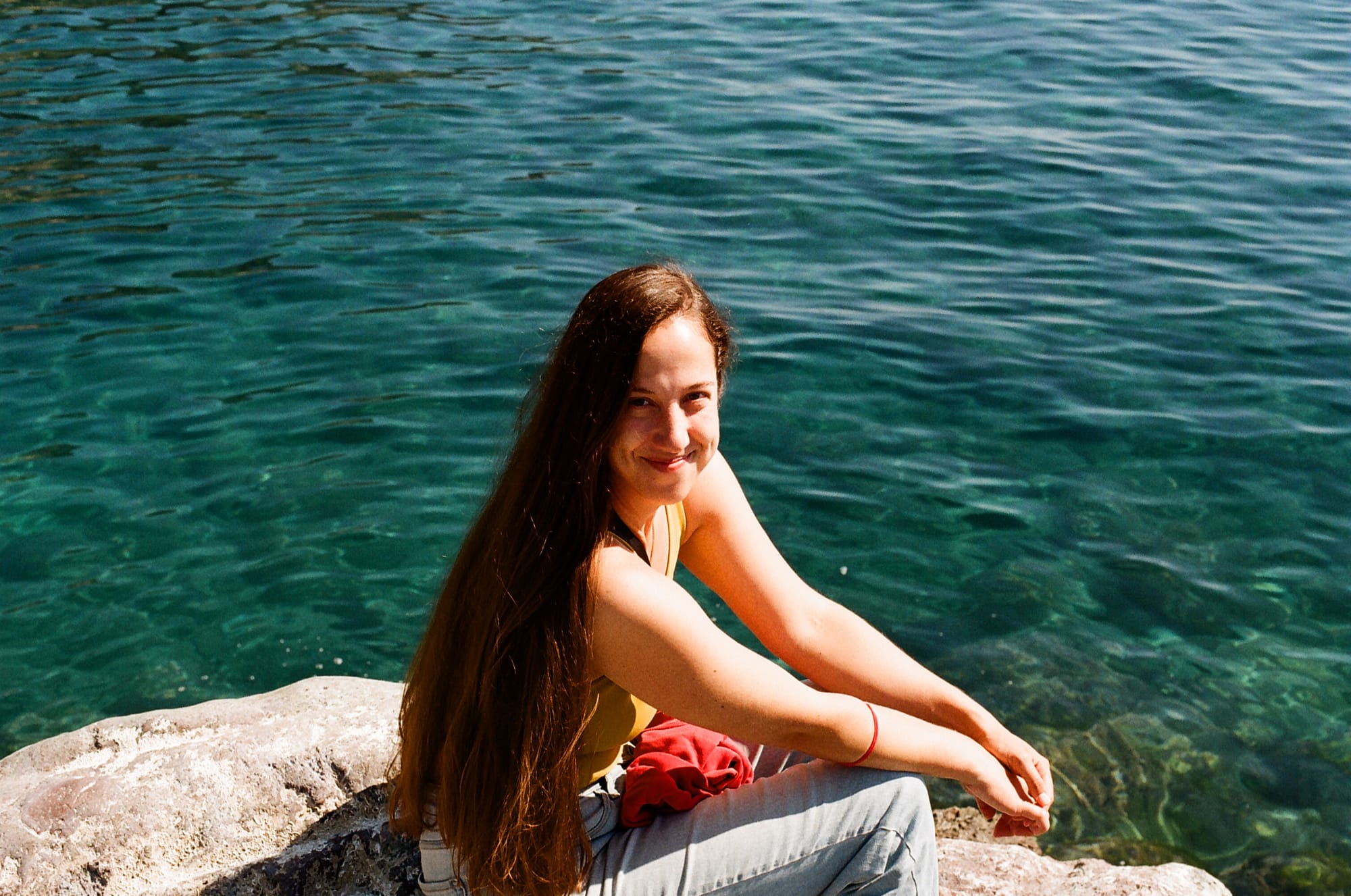
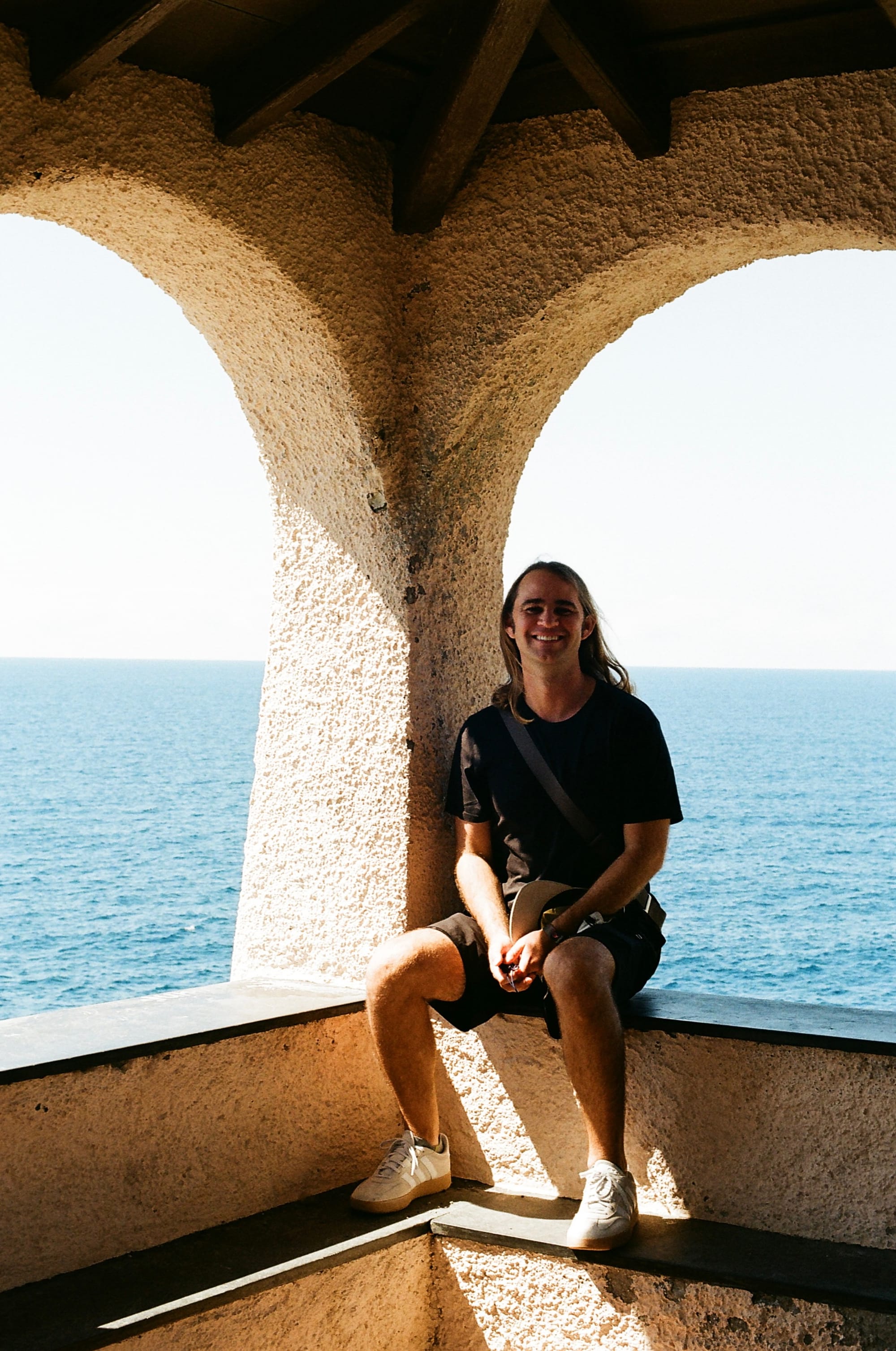
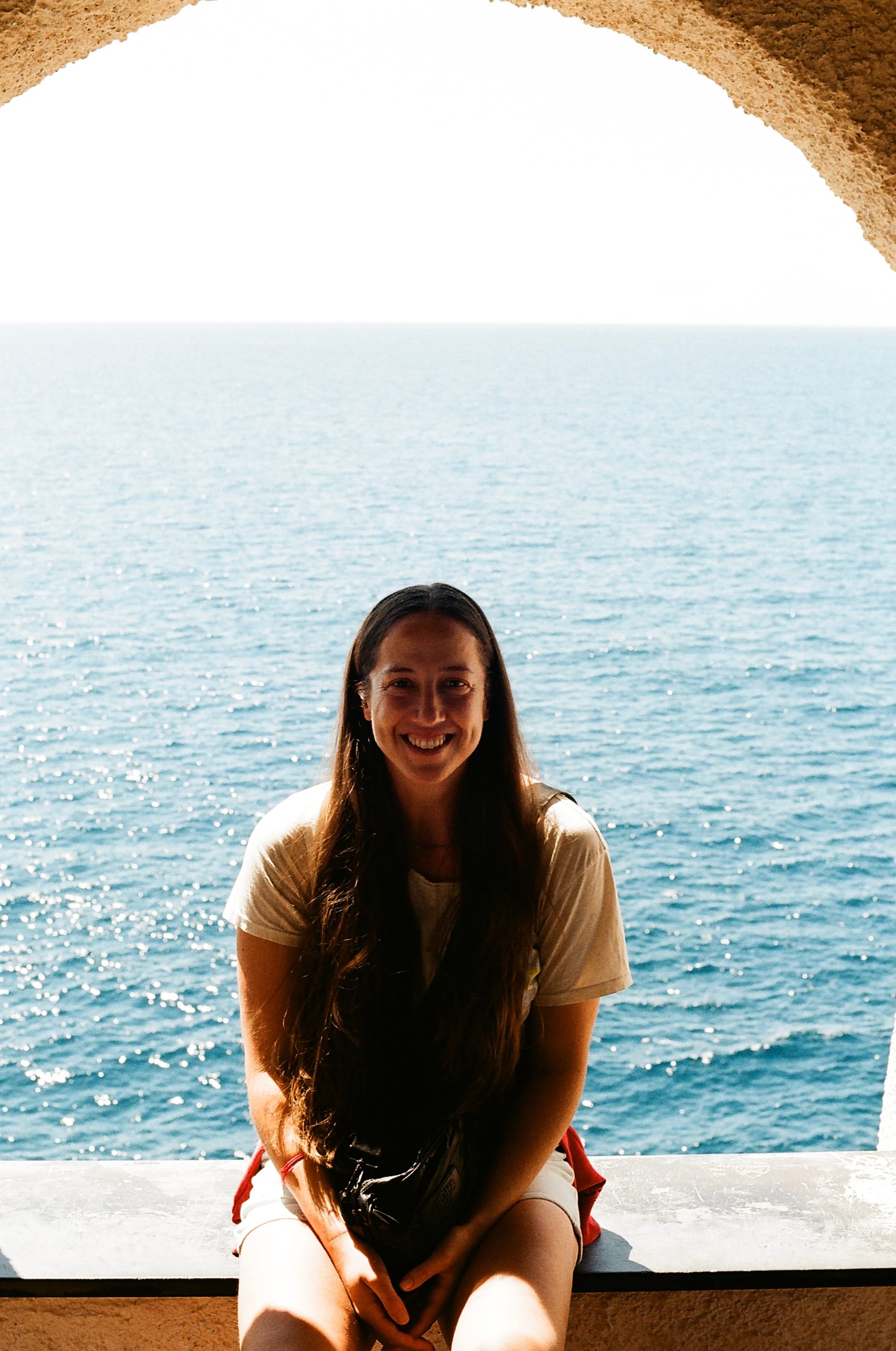
A church, Chiesetta della Madonnina della Punta, in Bonassola
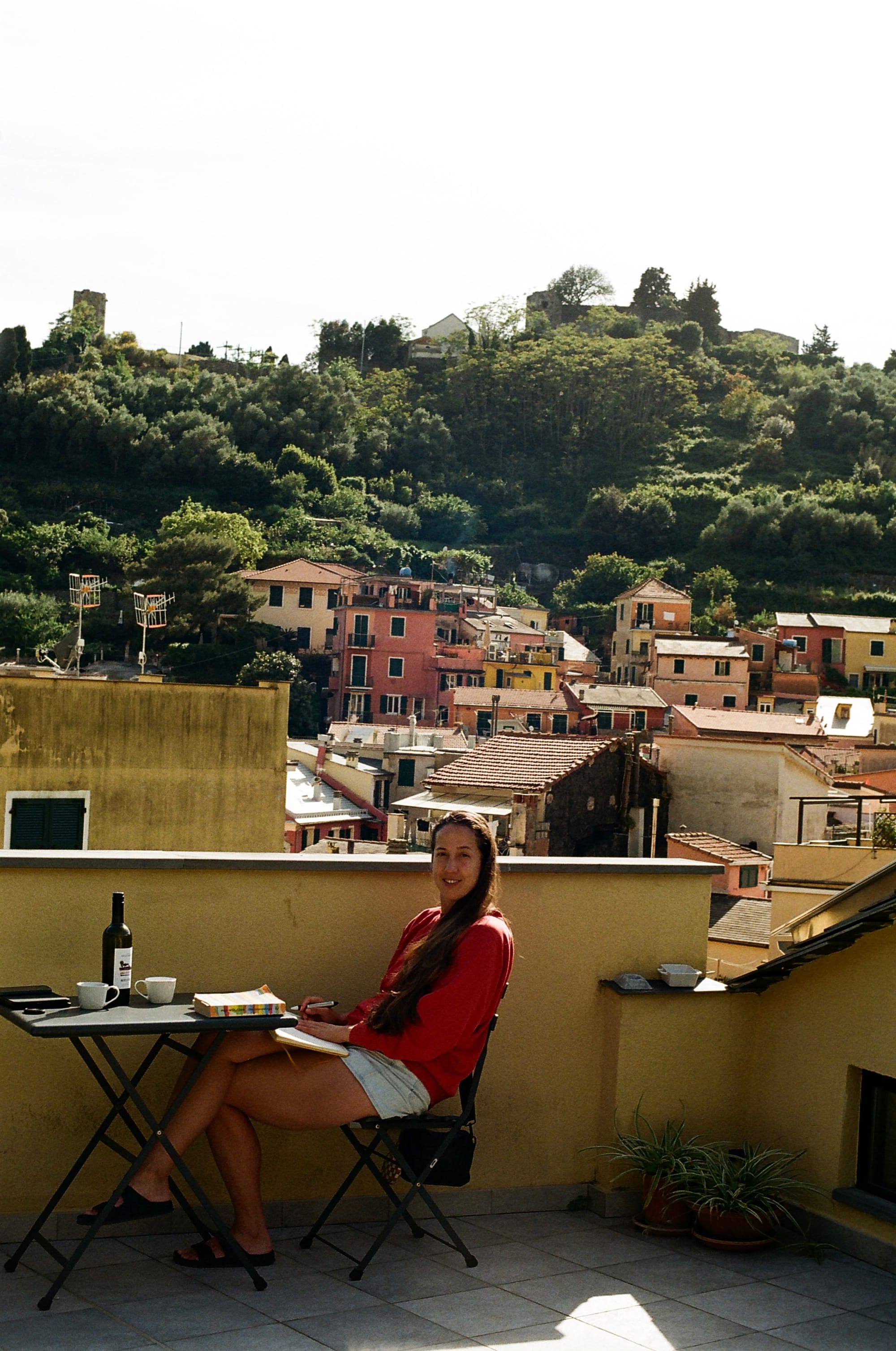
The towns seemed to defy physics- they are built on steep cliffs that plunge into the Mediterranean and the pastel colored vertical buildings dot the coastline every few miles. The trail on the first day was 11 miles and steep. When there are only vertical sandstone cliffs along the coast, the miles are guaranteed to be punishing. We had never experienced such a lovely trail, though. There were times where it meandered on cobblestone walkways in small villages, or ascended steep stone stairways, or balanced delicately between rows of terraced grapes through a vineyard. At all times, though, it smelled wonderful. There was a moment high on a bluff where we had a solid wall of rosemary to our left, blooming lemon trees and sweet-smelling Japanese Cheesewood to our right, and on the ground either side of the trail was punctuated by wild fennel, jasmine, and honeysuckle. The miles seemed to just melt away in a scented daze. We ended our day sitting on our Airbnb rooftop across from a lemon grove marveling at the blissful town that surrounded us.
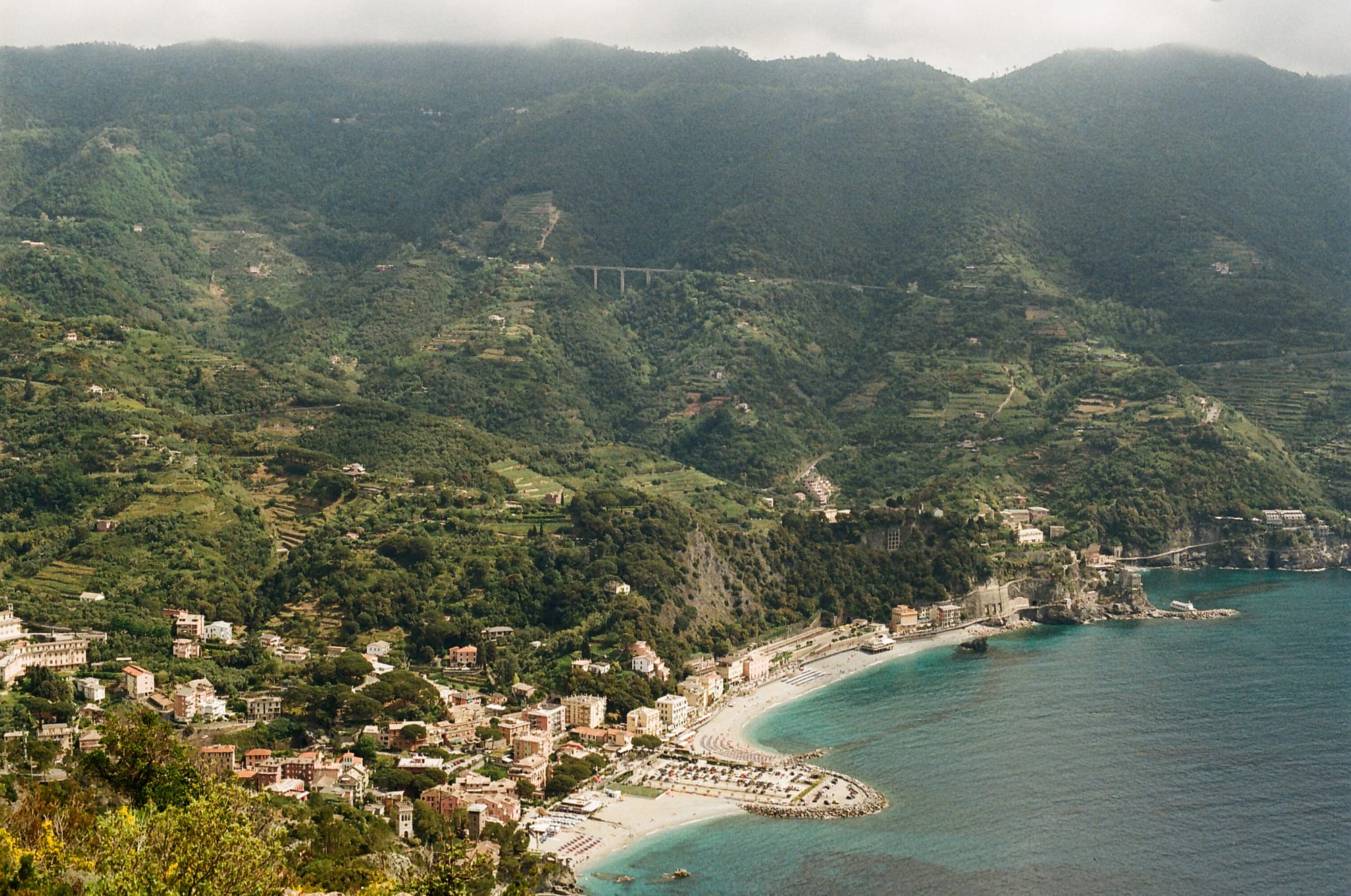
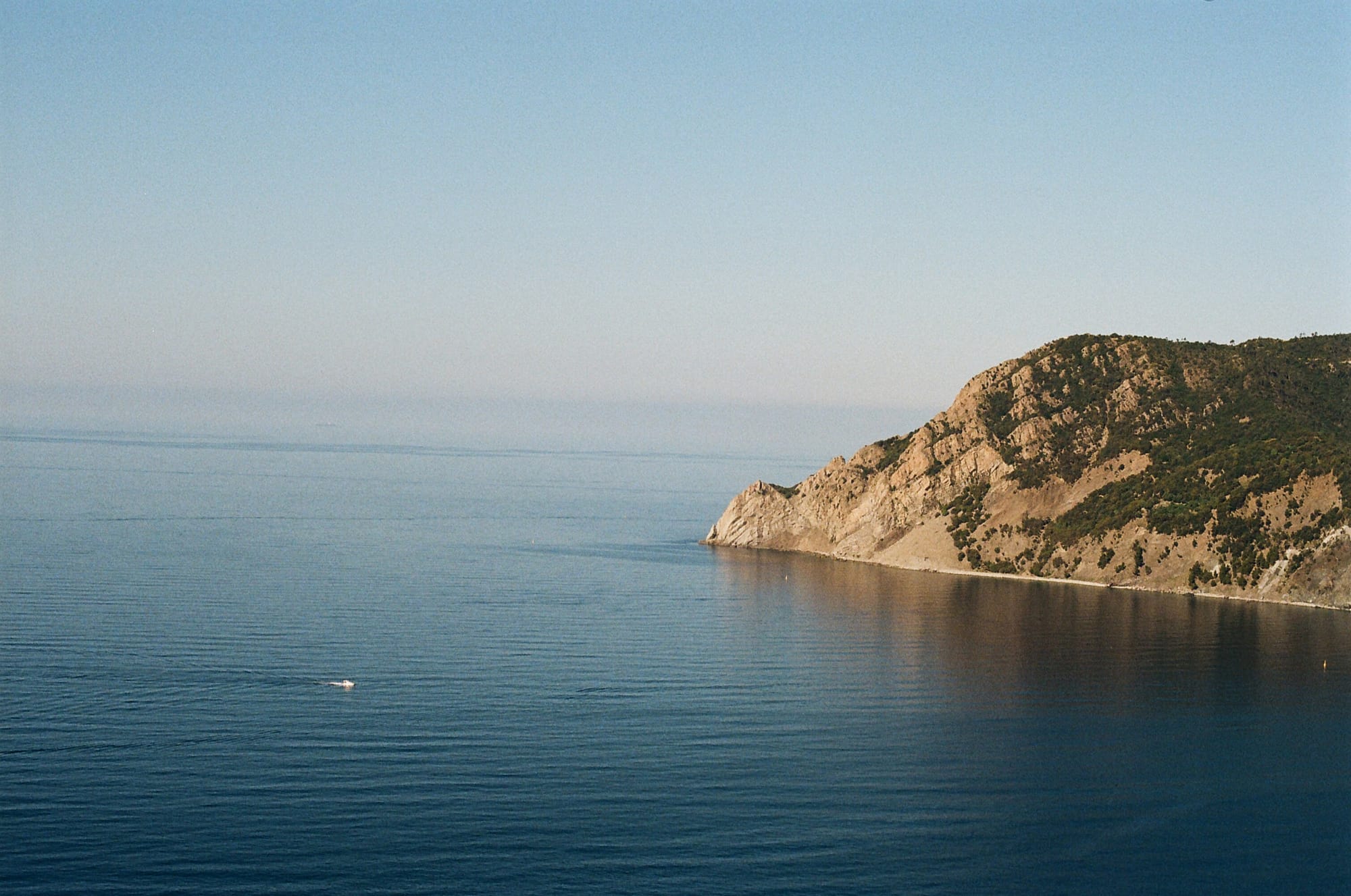
We had only 2 goals on our second day of hiking: to walk to each of the 5 villages of Cinque Terre and to eat gelato in every one. With such a daunting task, we got started early and exited every village with a steep ascent and entered every village on a steep descent. We started in Monterosso al Mare, then Vernazza, Corniglia, Manarola, and Riomaggiore. With each town, unfortunately the crowds seemed to grow more oppressive but luckily we spent most of our time on the dreamy trails between villages. It was only 9 miles of hiking so I don’t know if it was the grade of the slopes, the relentless sun, or possibly the numerous gelato stops but by the time we entered into the fifth village of Riomaggiore we were feeling unwell. Luckily, the lactose from our last scoop of gelato really settled the tummy and we can say that we accomplished all of our goals that day.
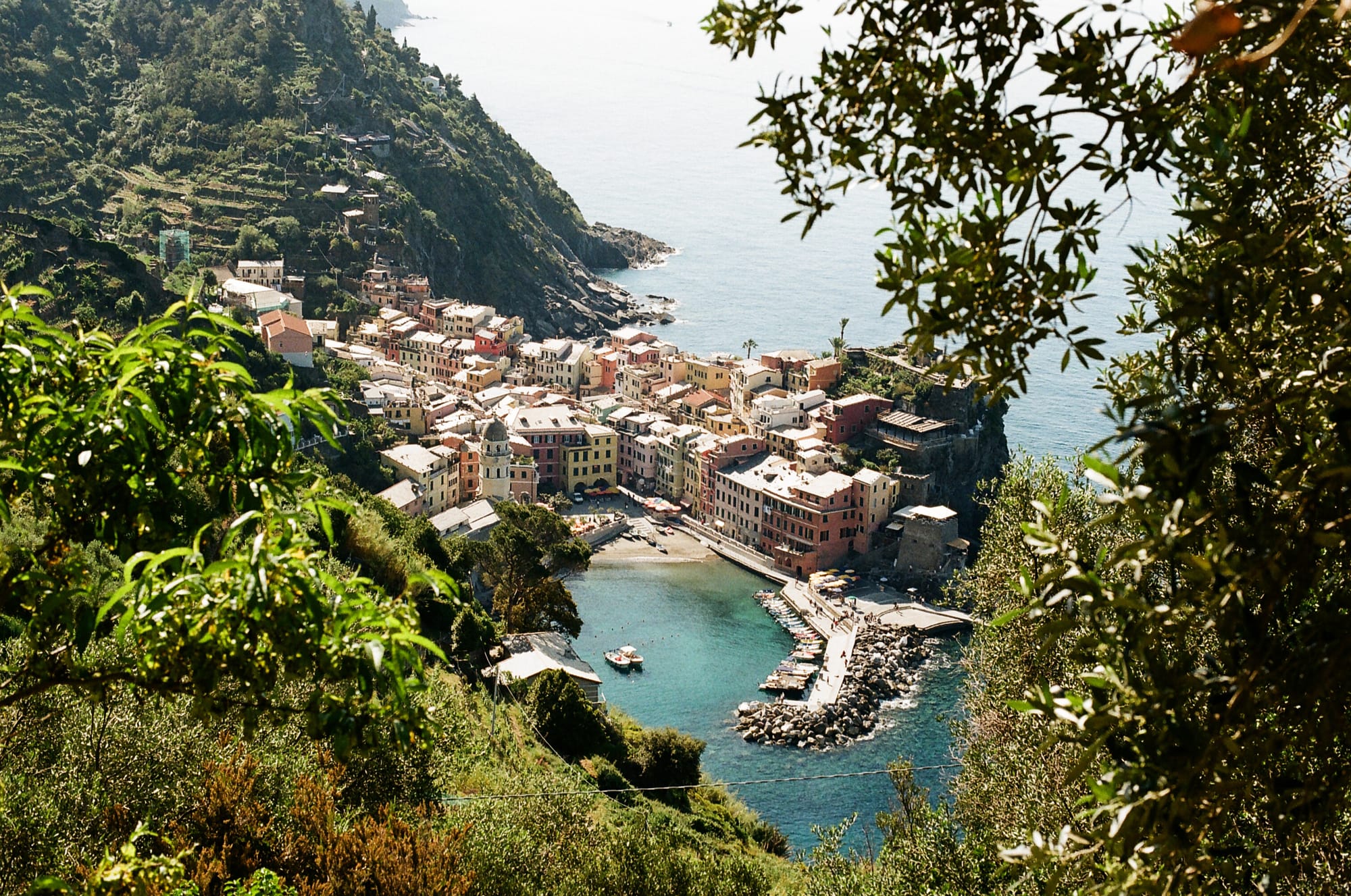
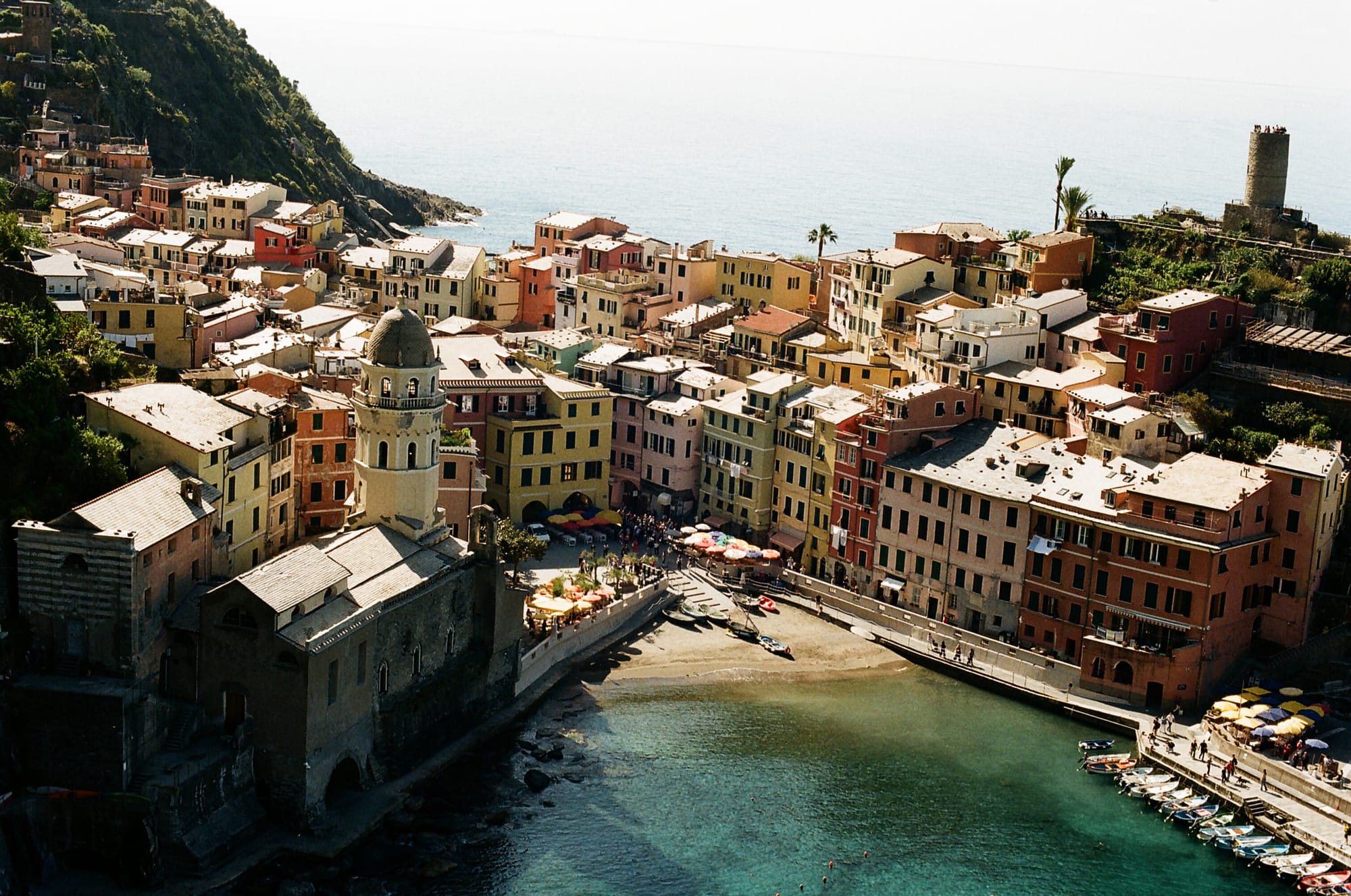
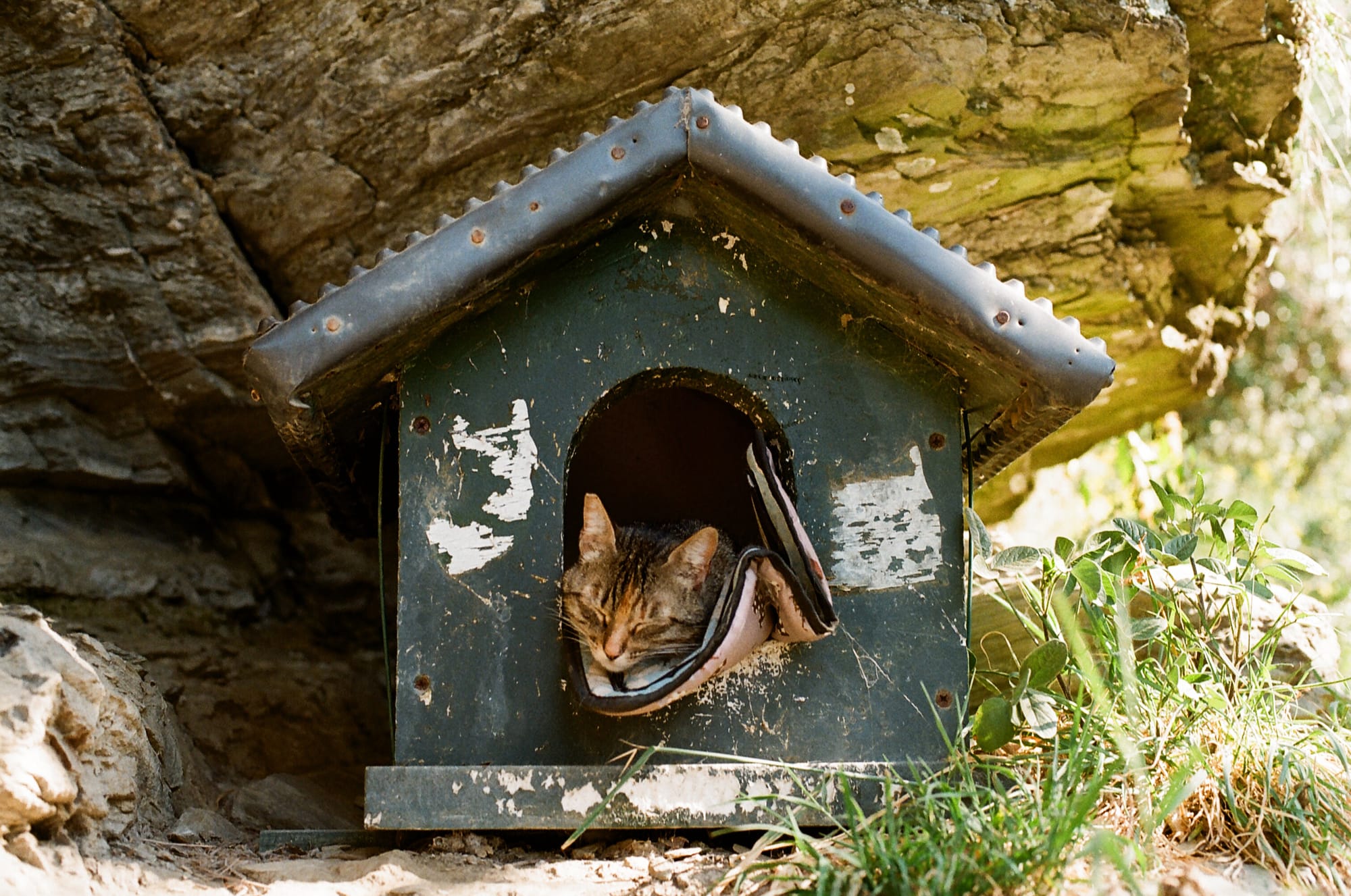
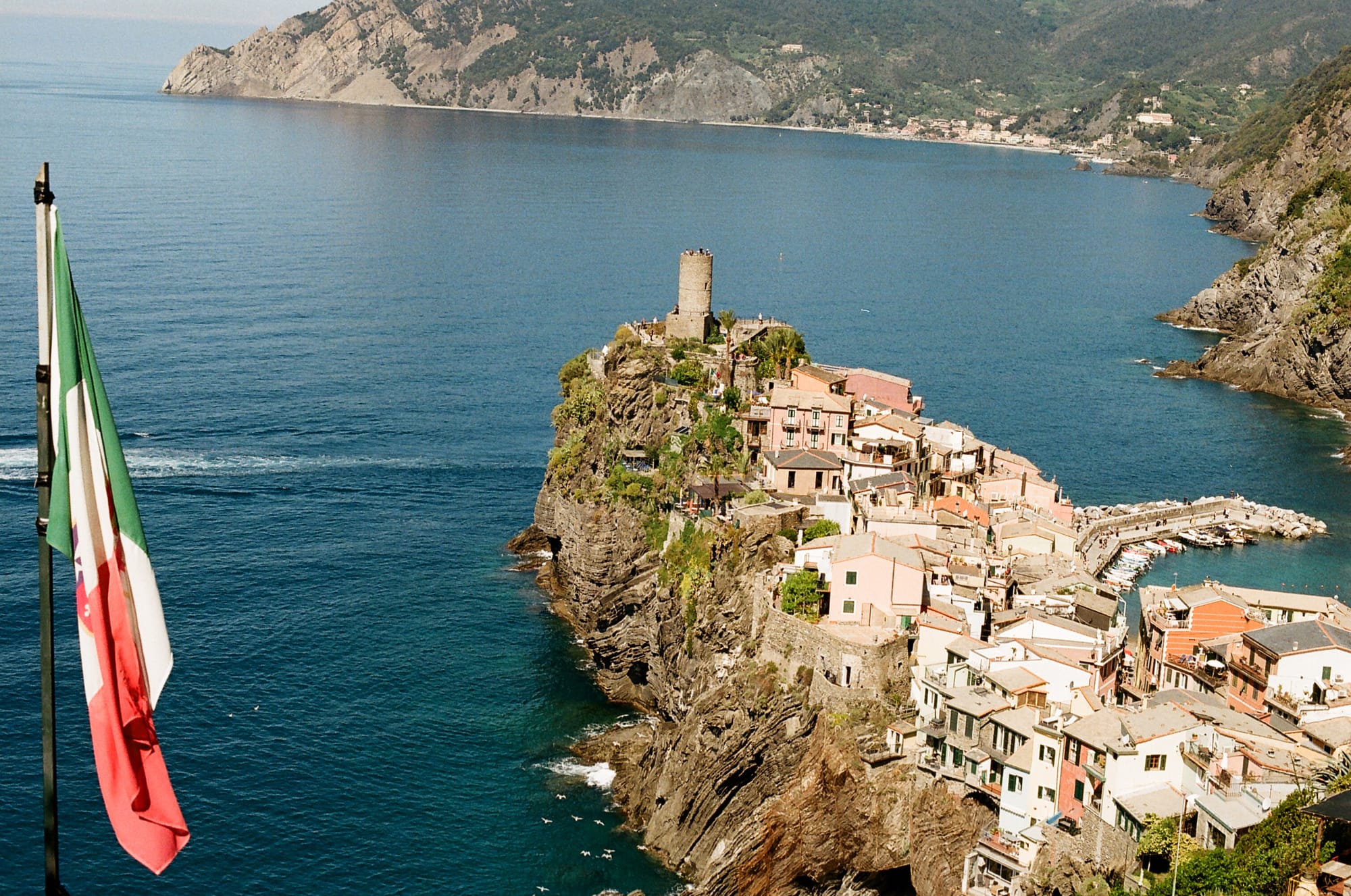
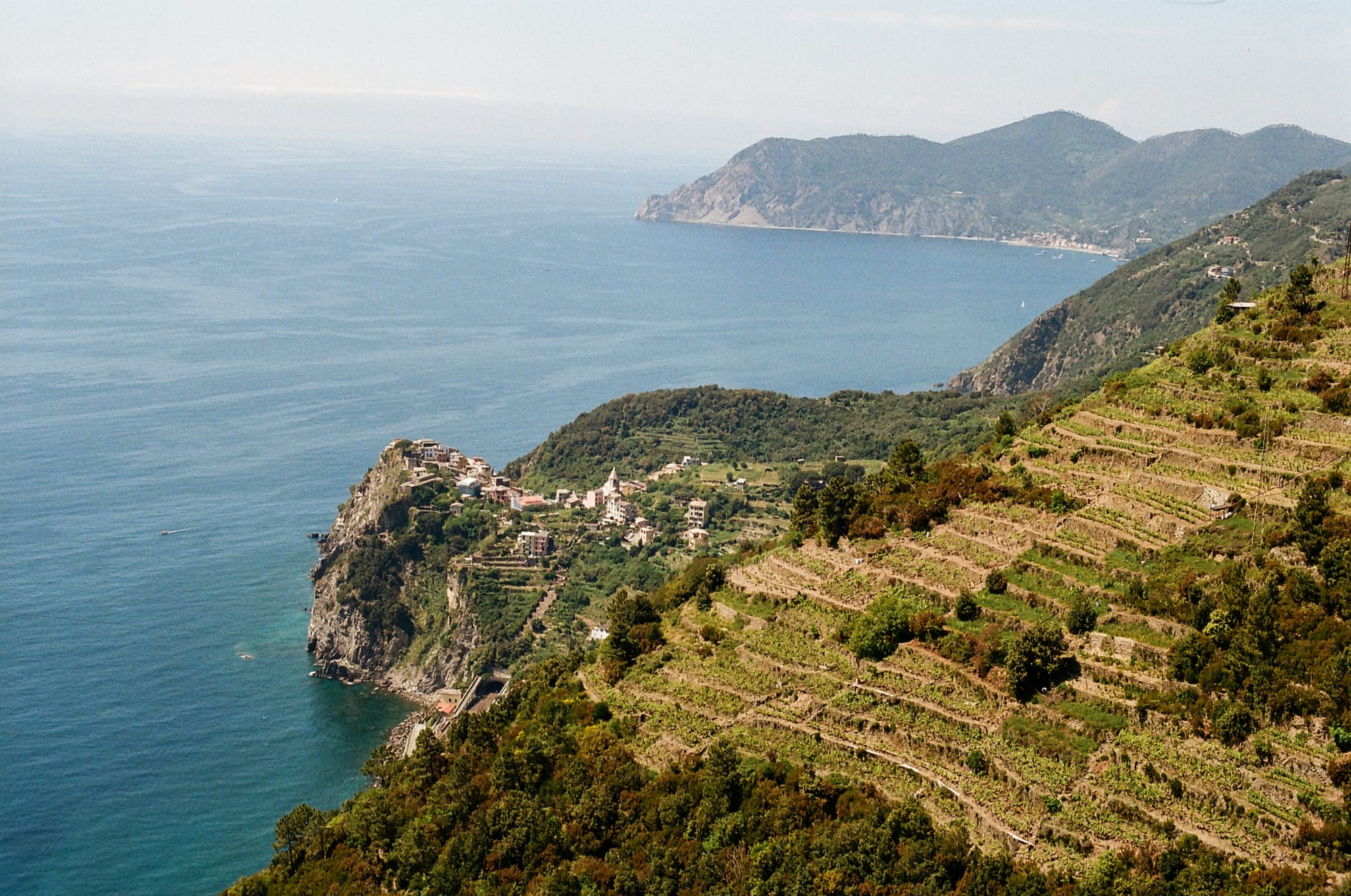
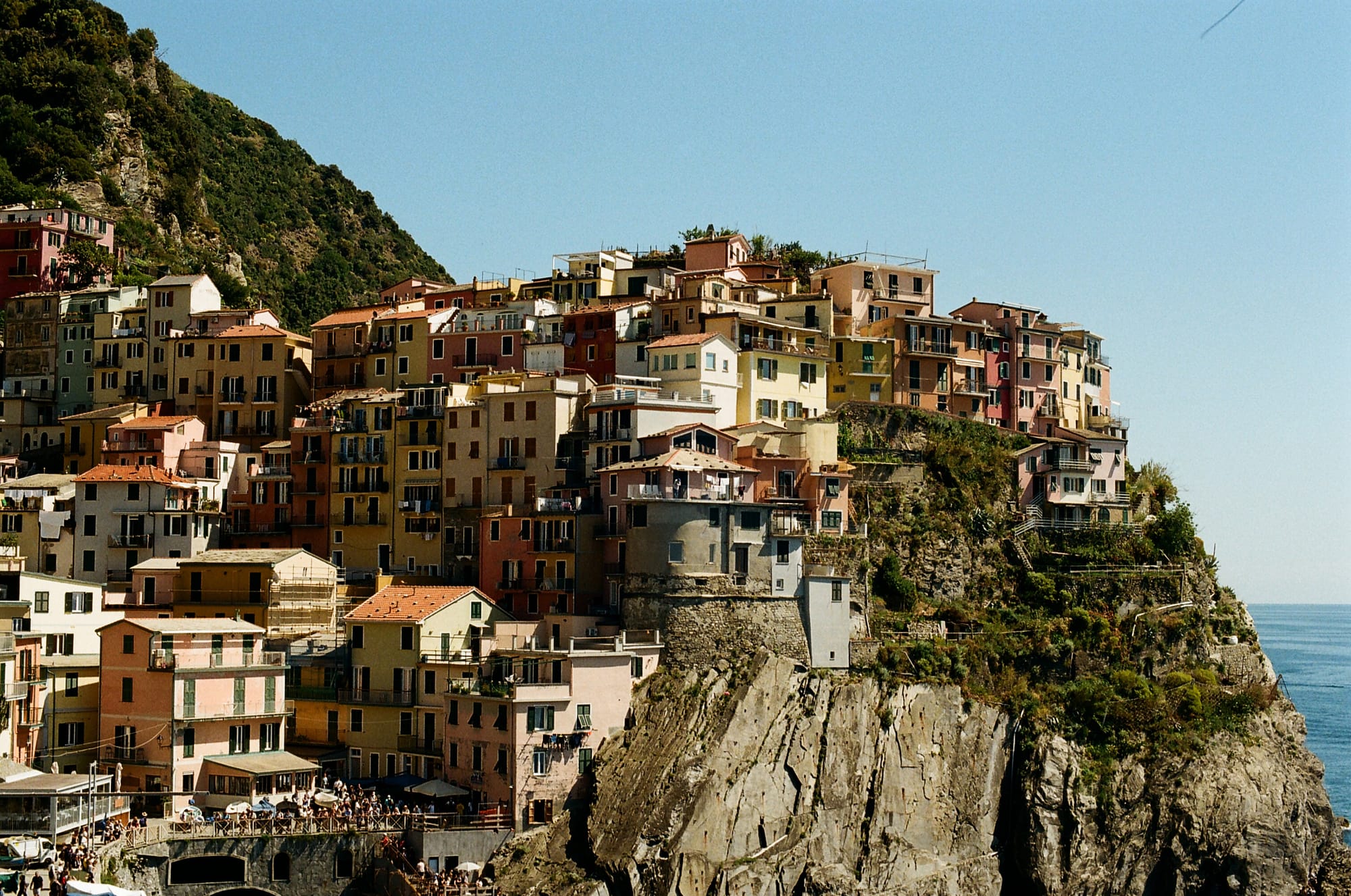
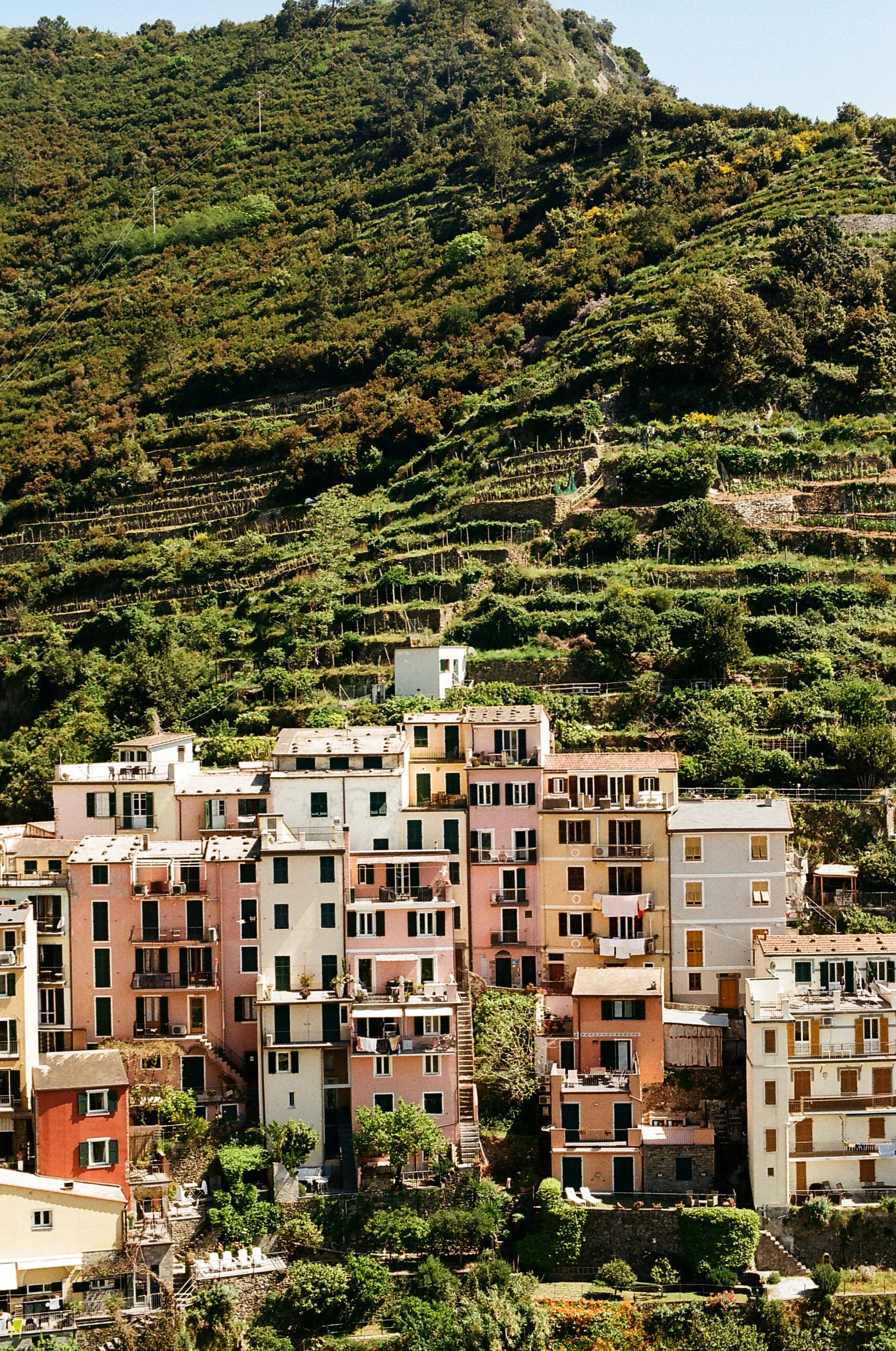
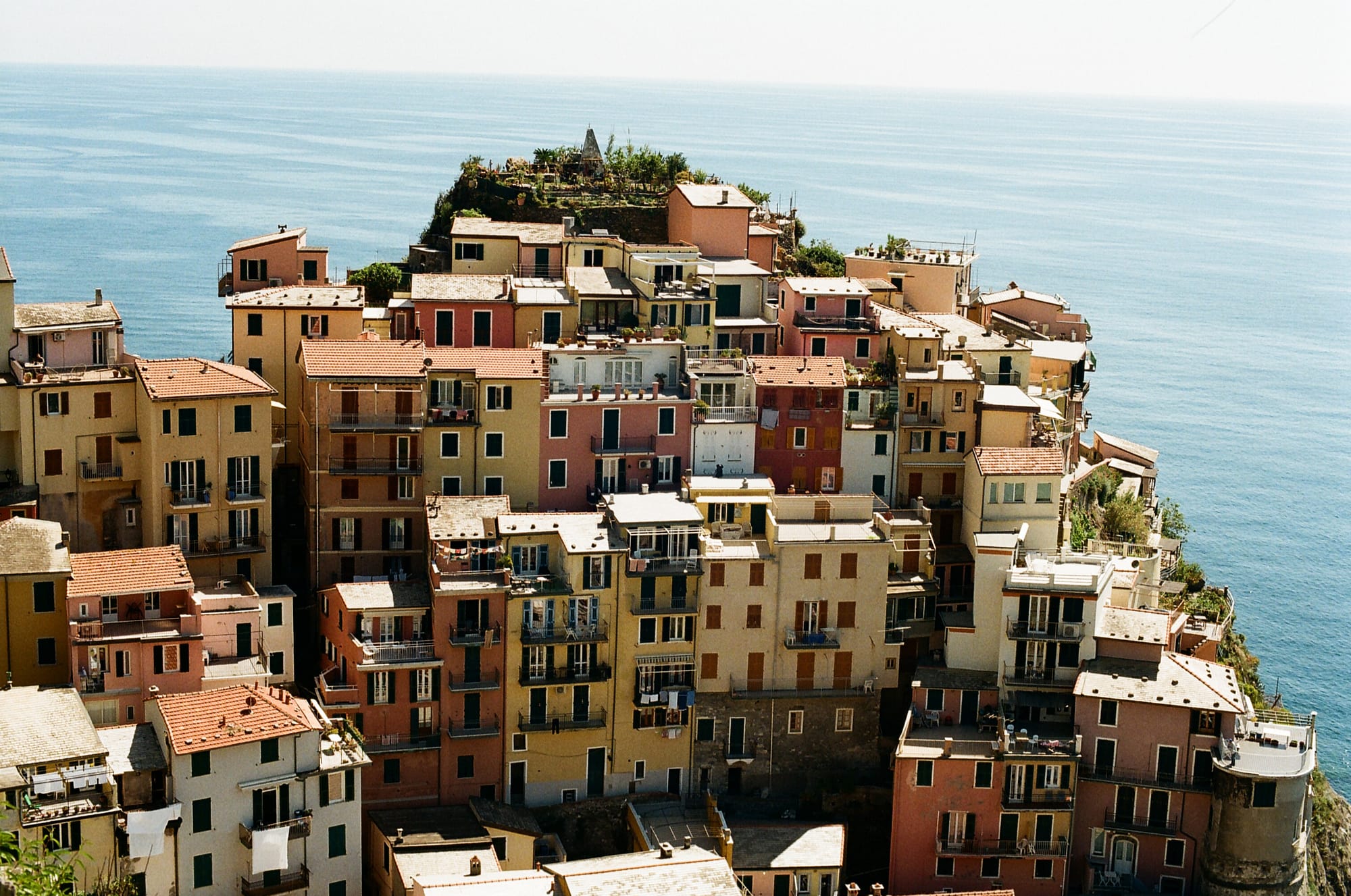
While we were not big fans of any of the actual villages of Cinque Terre, the surrounding countryside was sublime and we really leaned into the slow pace of life in the small surrounding towns. On our last day of hiking in the region we walked from Riomaggiore to La Grazie, about 8 miles through beautiful countryside. La Grazie was a top competitor for the sleepiest city in Europe. We couldn’t even find a tobacco shop open to sell us a bus ticket. If there are two things that Italians love, it’s their espresso and cigarettes. If the tobacco shop ain’t open, nuthin’ is.
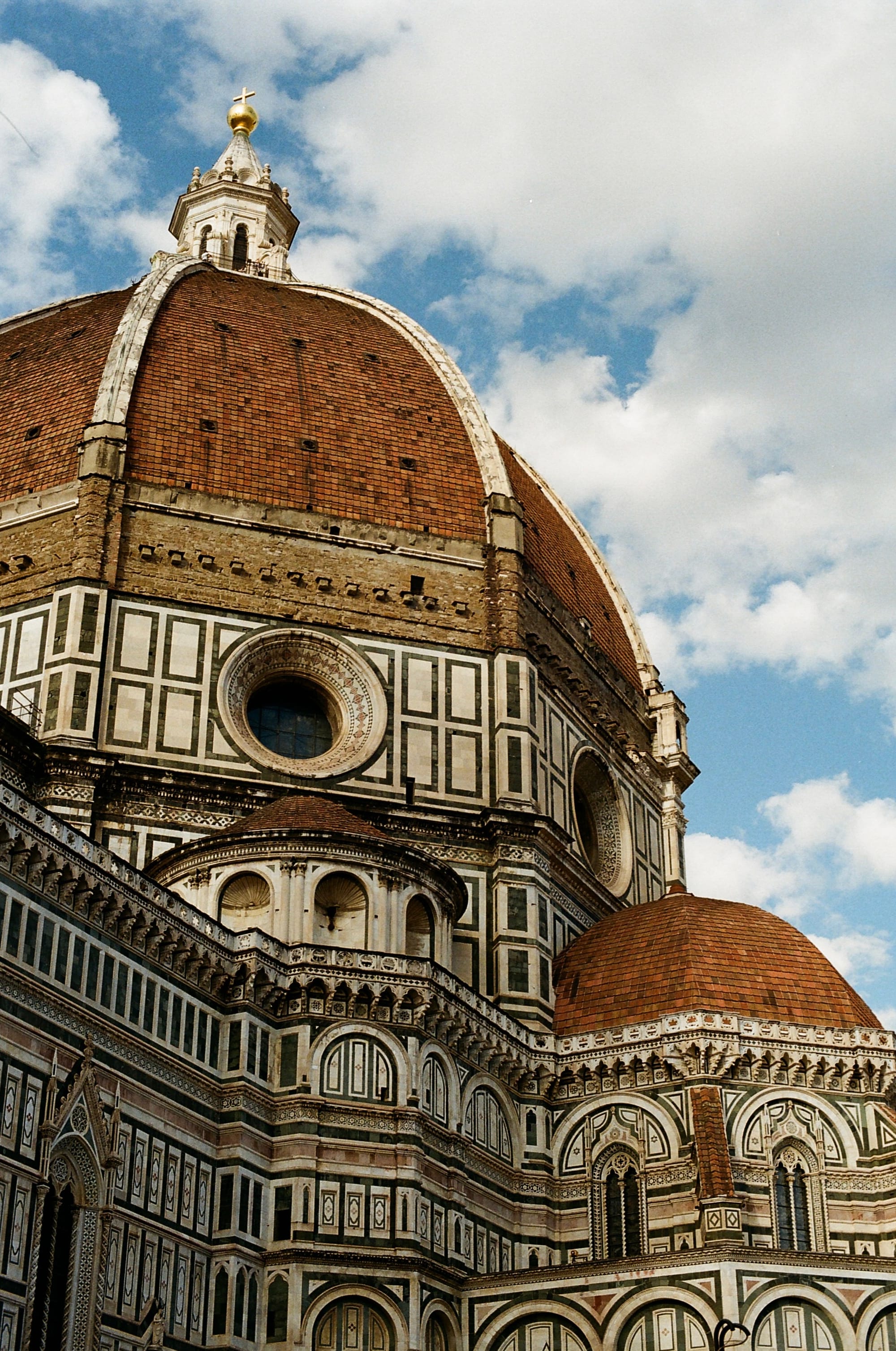
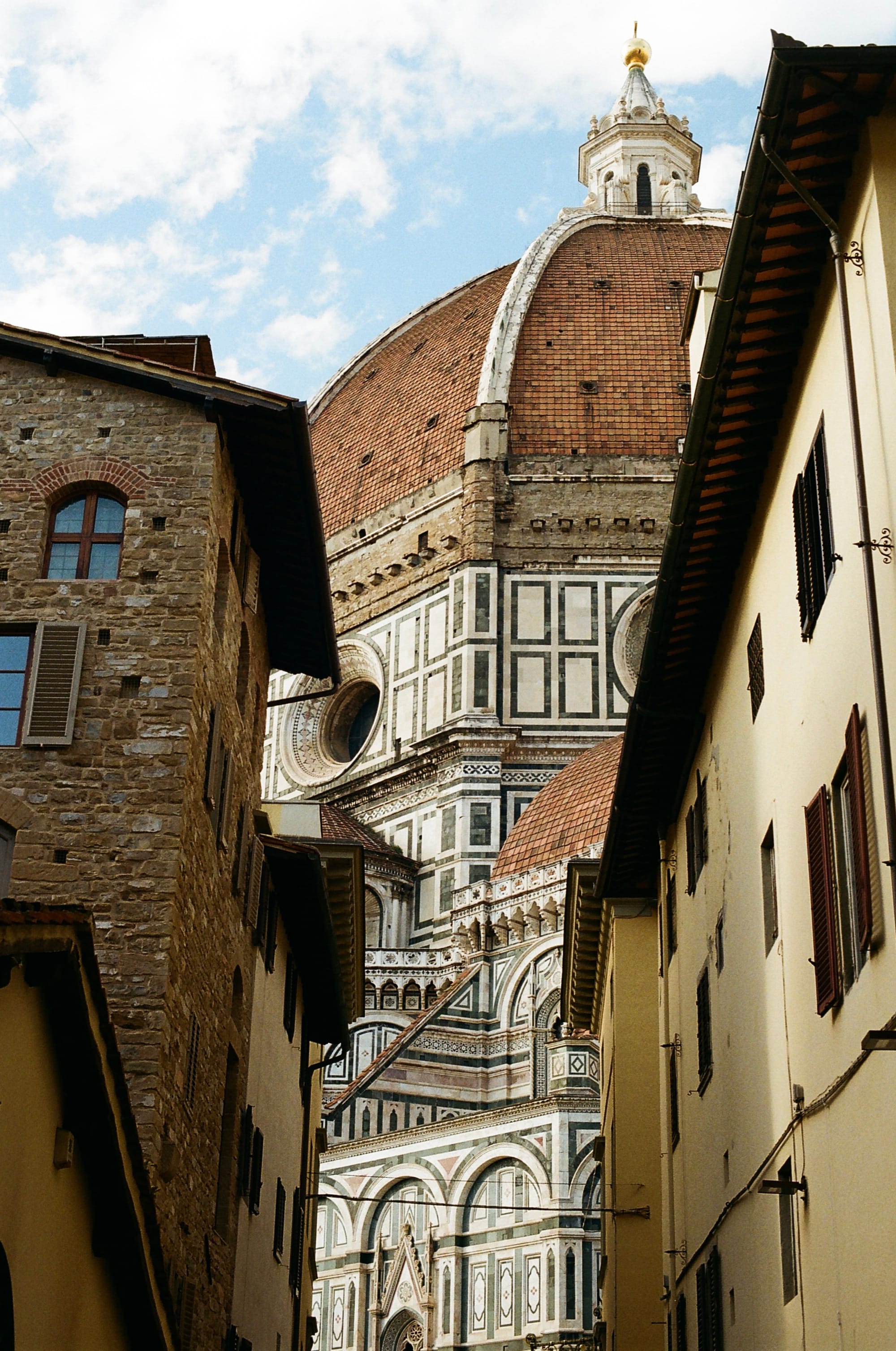
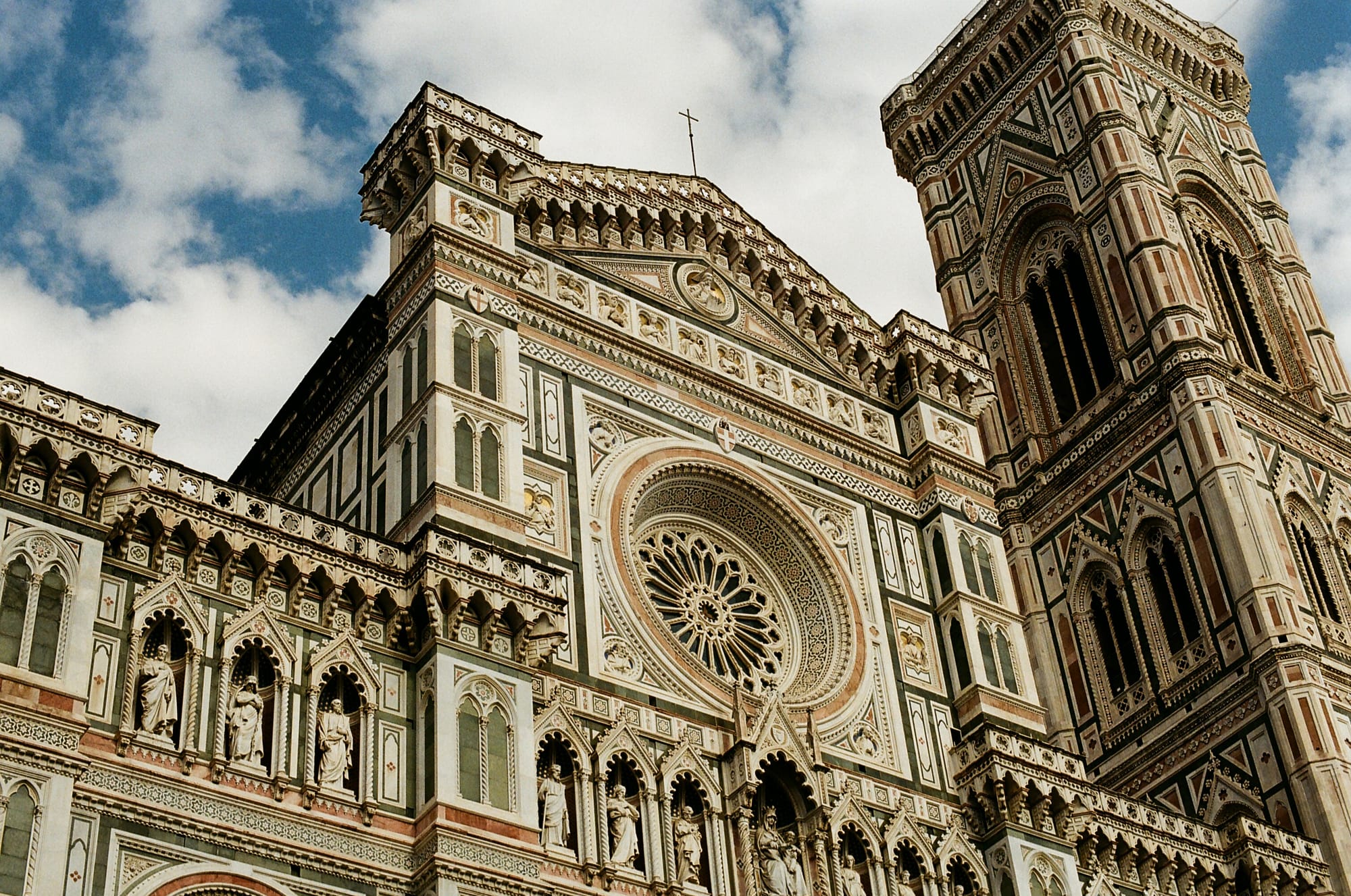
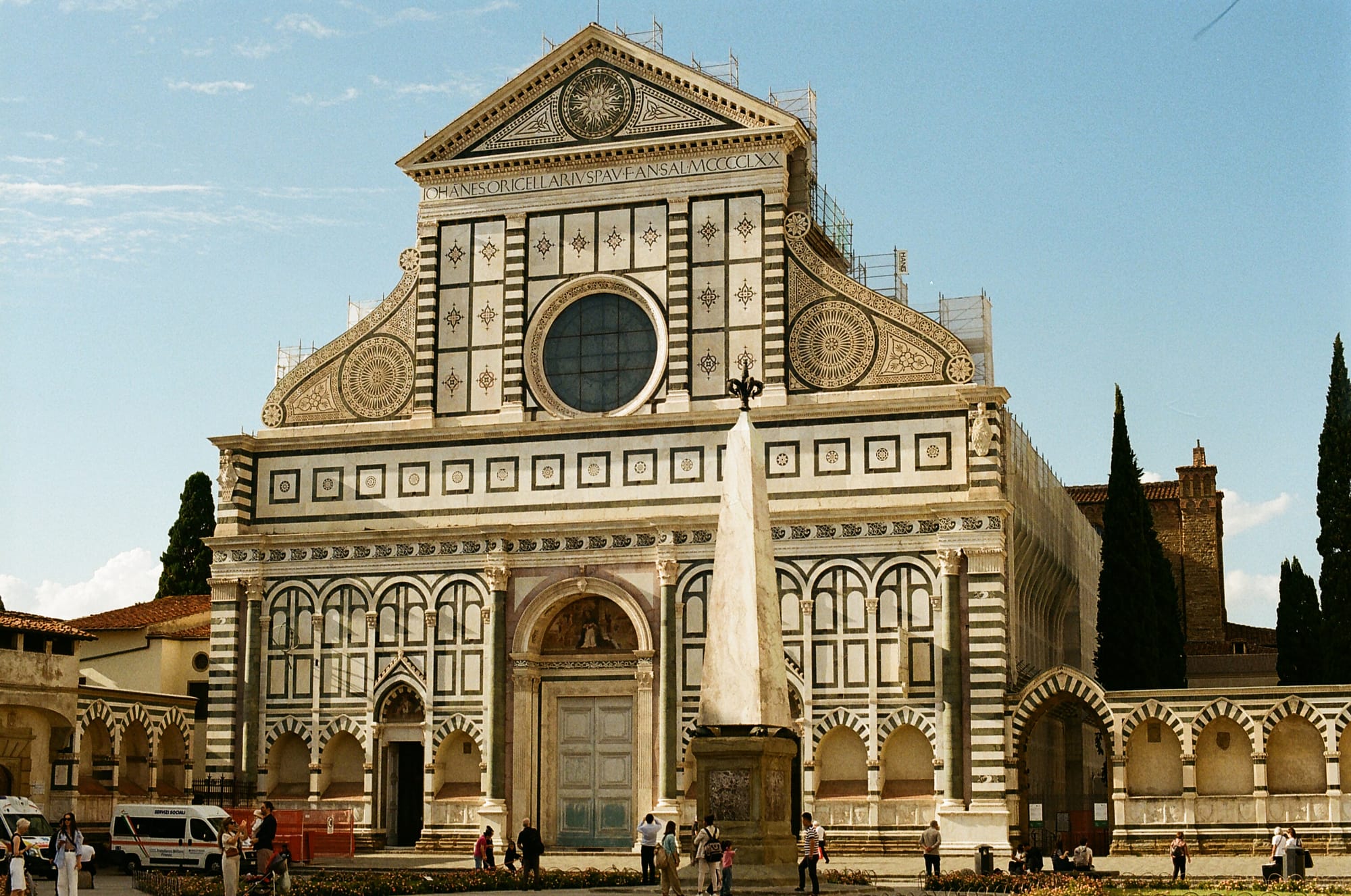
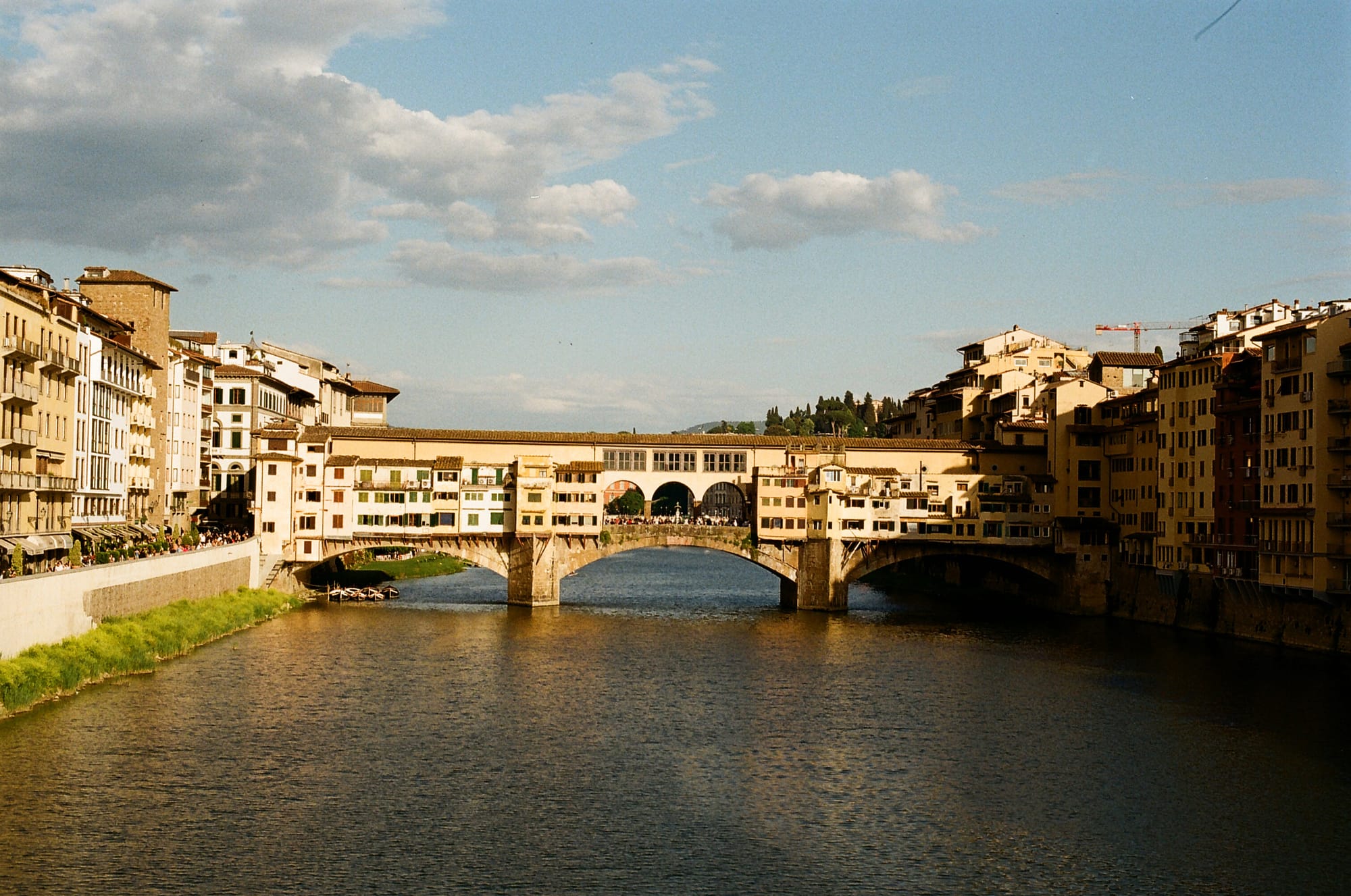
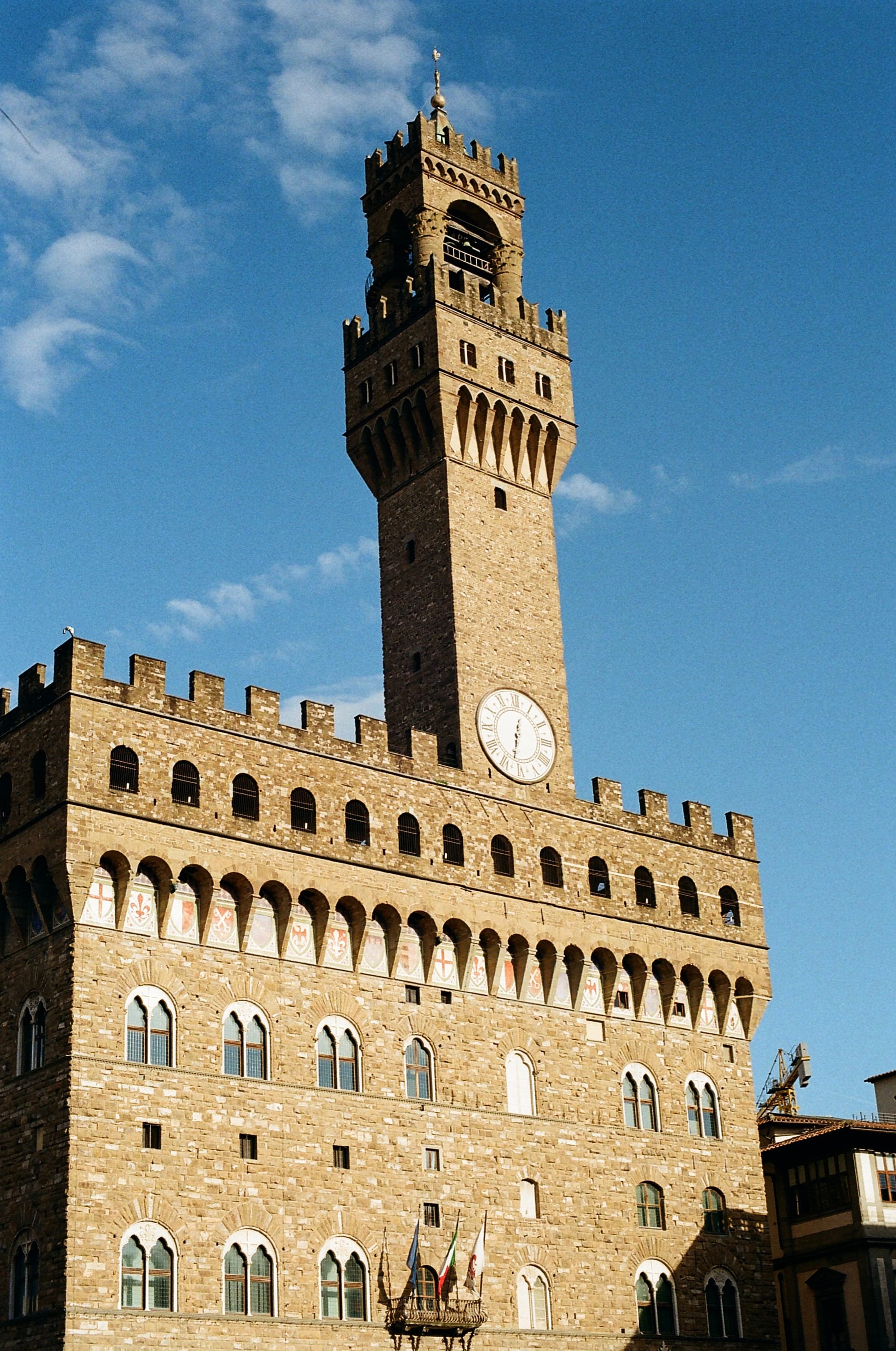
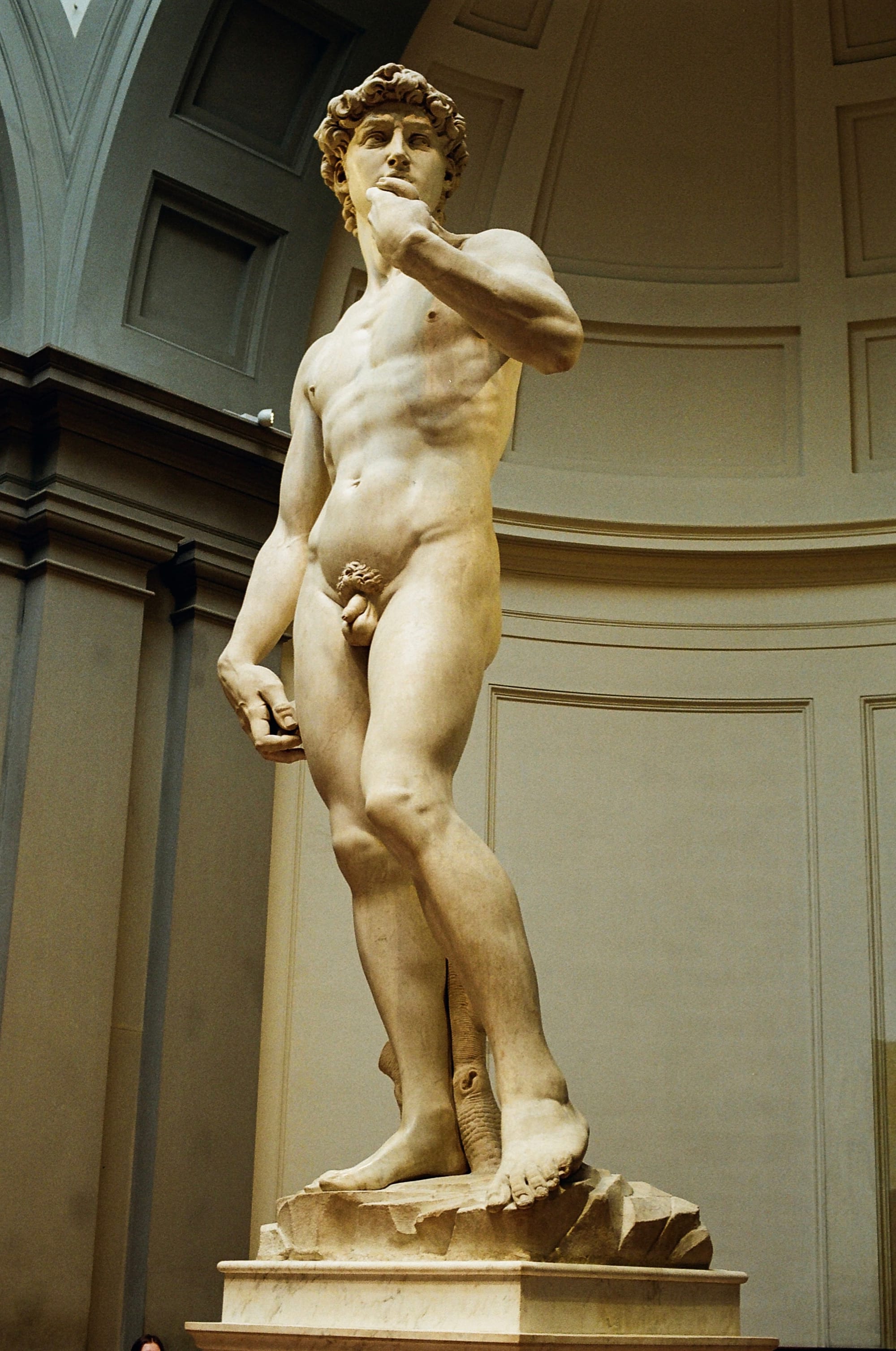
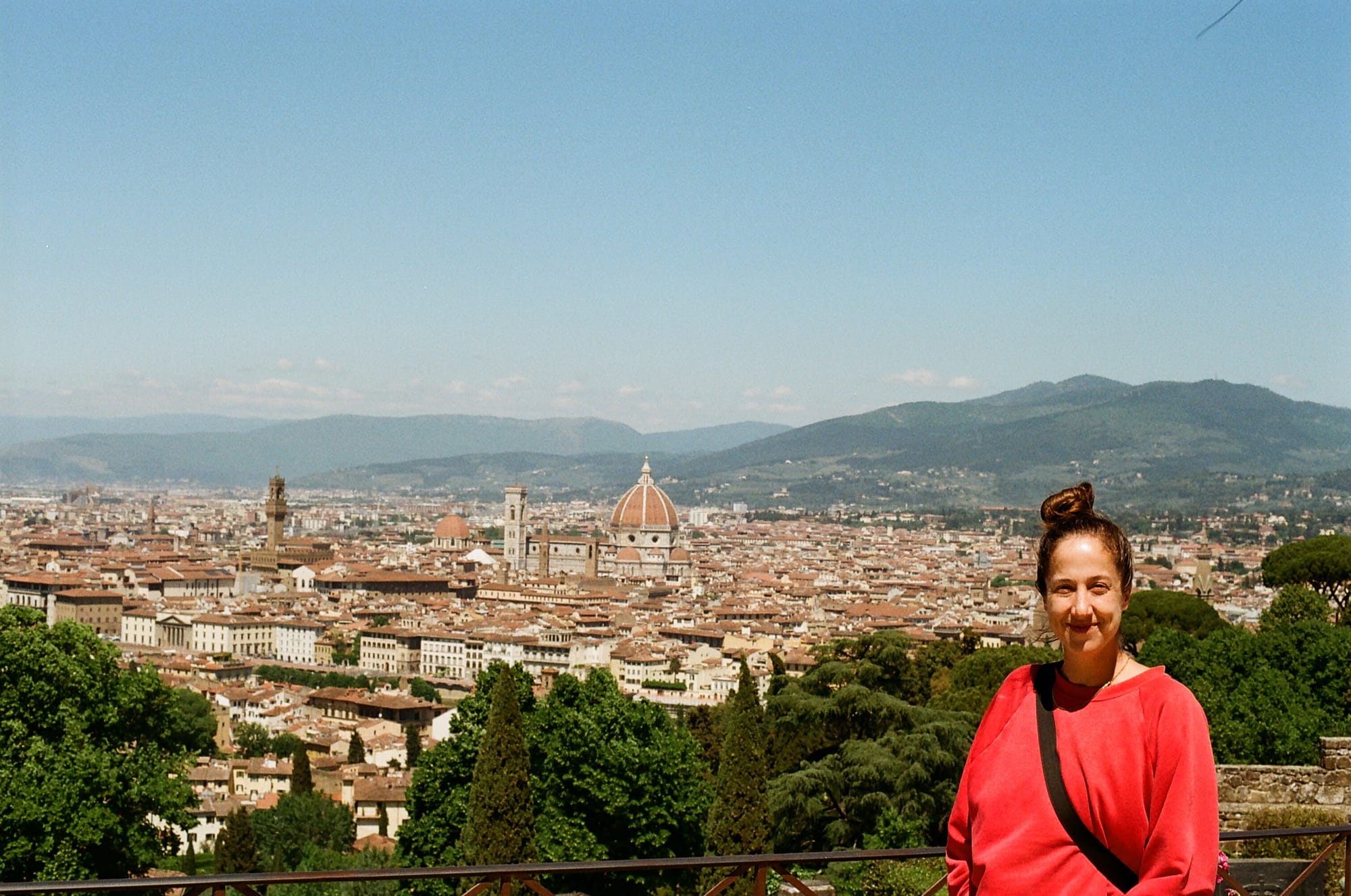
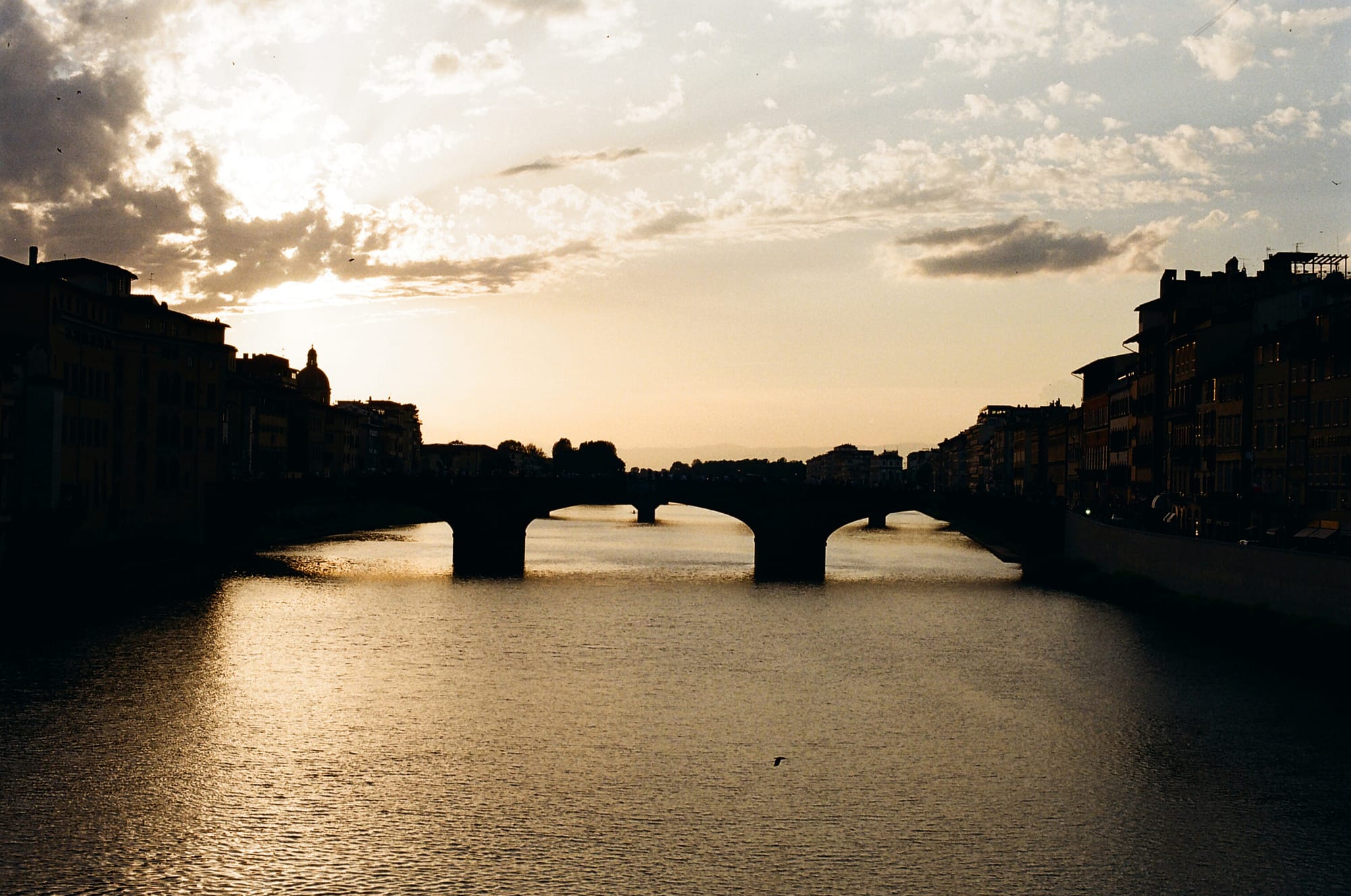
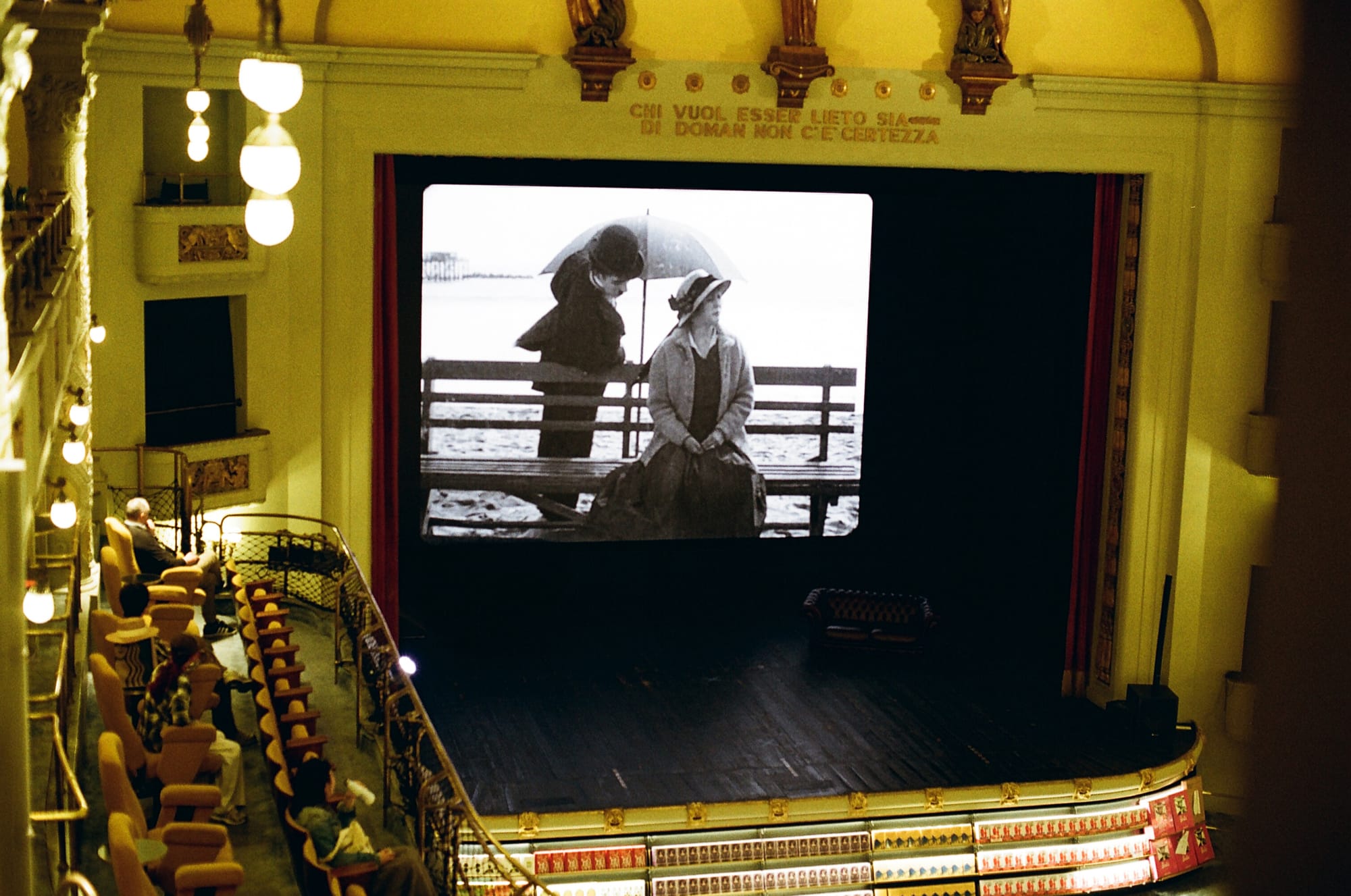
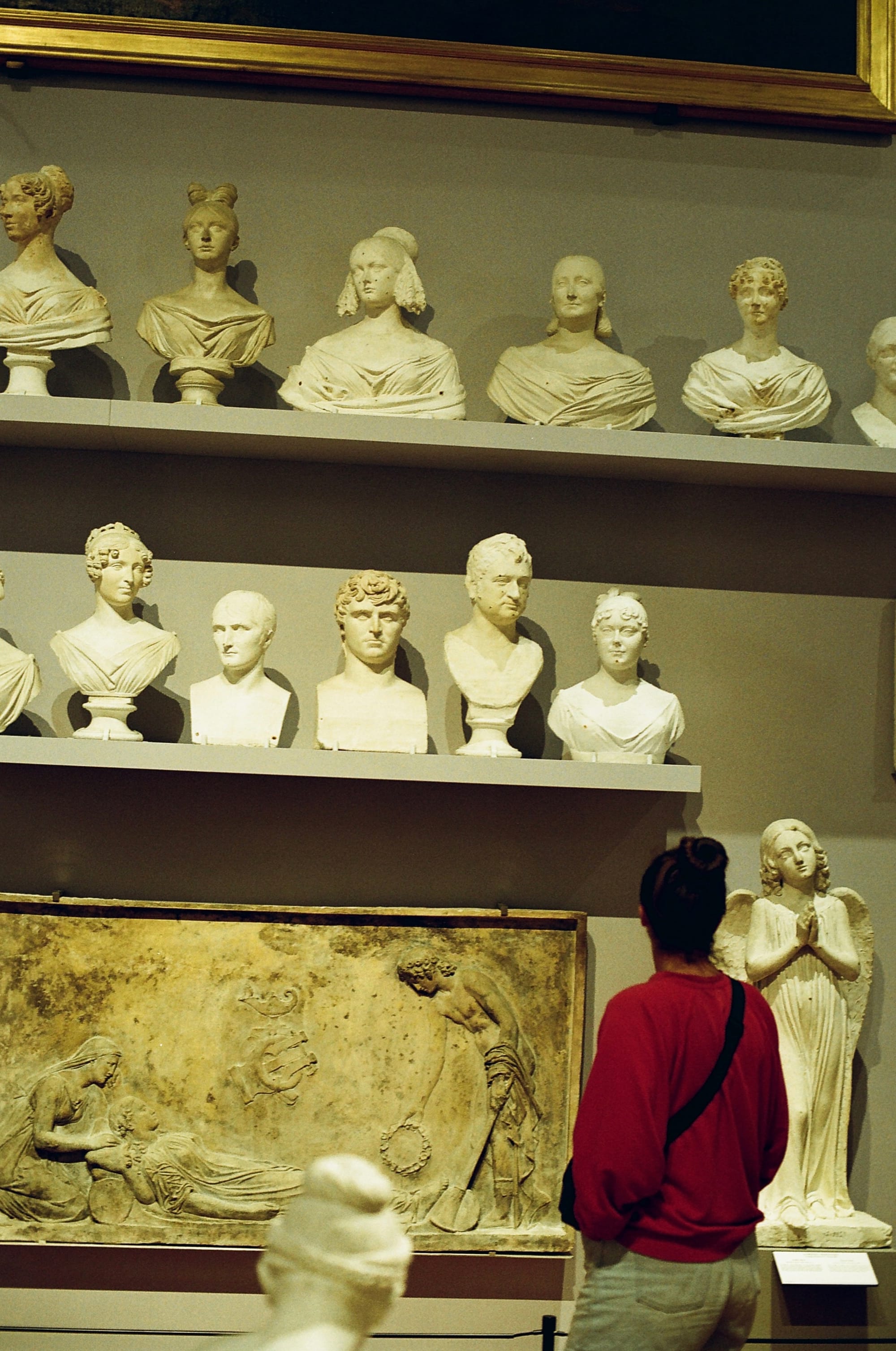
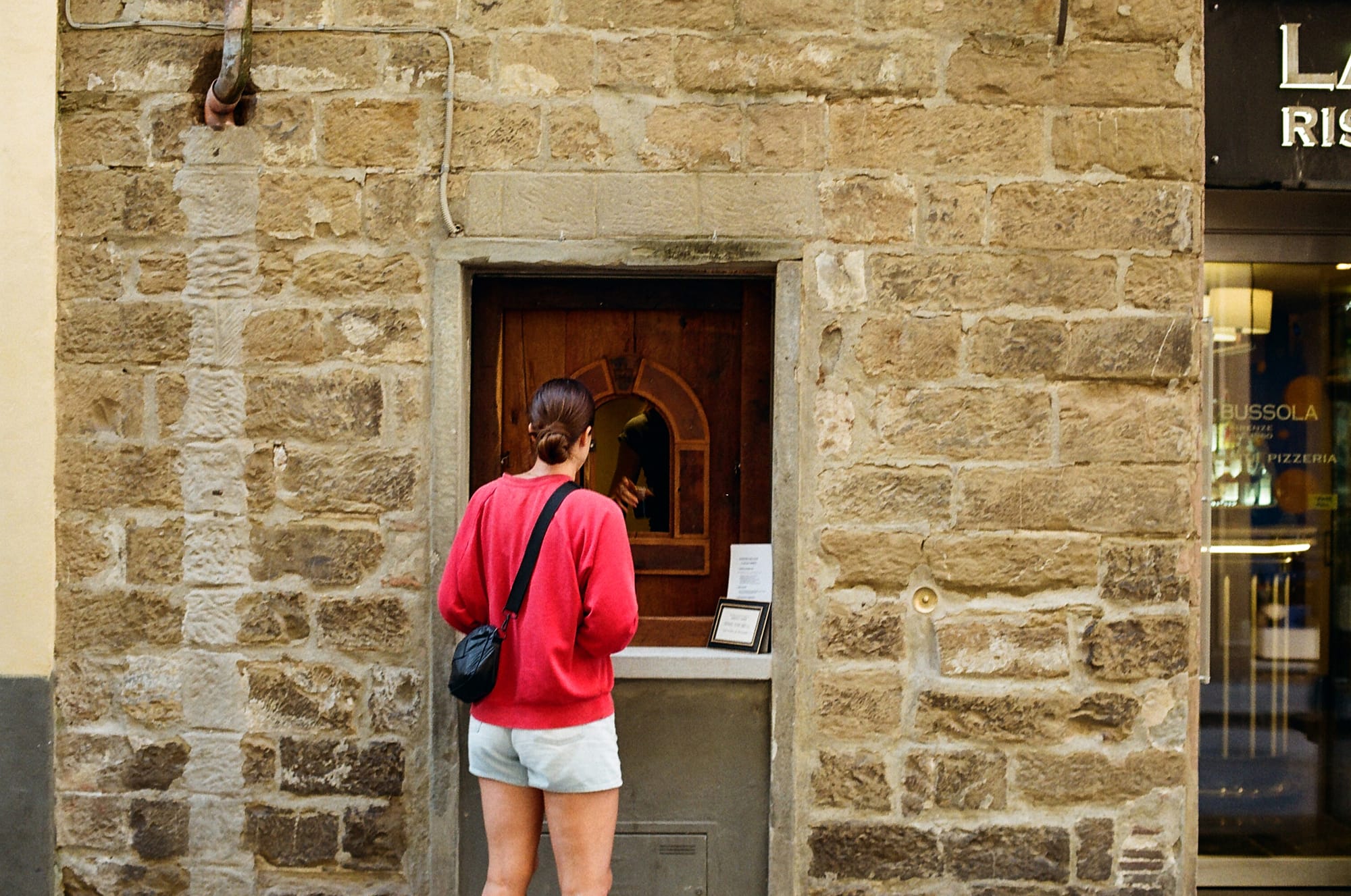
From our hike along Cinque Terre, we took a train to Florence, Italy. This was our baptism into “Euro Summer”. It was quite a zoo and hard to believe that all of us tourists could fit onto these small cobblestone streets. Admittedly, we did not like being part of this sea of humanity (but it is never lost on us that we are not in traffic, we are traffic). There were still many highlights in Florence including the Galleria dell’Accademia where we saw The David by Michaelangelo. Even with a million people there, it was quite awe-inspiring. We had fun getting drinks from the wine windows in Florence. These are small windows built into the stone sides of noble families’ estates in the 1500s. They sold wine that they produced on their estates directly to the villagers to bypass taxes. But the story that we liked most is that they became very popular and important during the bubonic plague, as people still needed their wine but had to social distance out of the pubs. It reminded us of the good ol’ days of to-go COVID cocktails in Washington, D.C. We admired The Duomo cathedral which is the predominant viewpoint and emblem of the city. We walked the Ponte Vecchio bridge at sunset, which is the only bridge in Florence to have survived WWII. We visited Giunti Odeon, which is a historic cinema built in a 15th century palace that is now a hybrid bookstore and cinema. They had Charlie Chaplain films playing all day.
We then took a train to Rome. We visited the Vatican Museum and it was a dizzying record of art there with over 9 miles of galleries. We don’t know if this is true, but it seems like it would have to be the largest collection of art in the world, in both sheer volume and also the expanse of time that it covers. This place has everything, a whole wing of ancient Egyptian artifacts like mummies, ancient classical sculptures, the frescoes of the Raphael Rooms, and of course, the Sistine Chapel. To be completely honest, we are not huge fans of renaissance art as there are only so many ways to paint Jesus on the cross. But it is impossible to not be dumb struck by the Sistine Chapel.
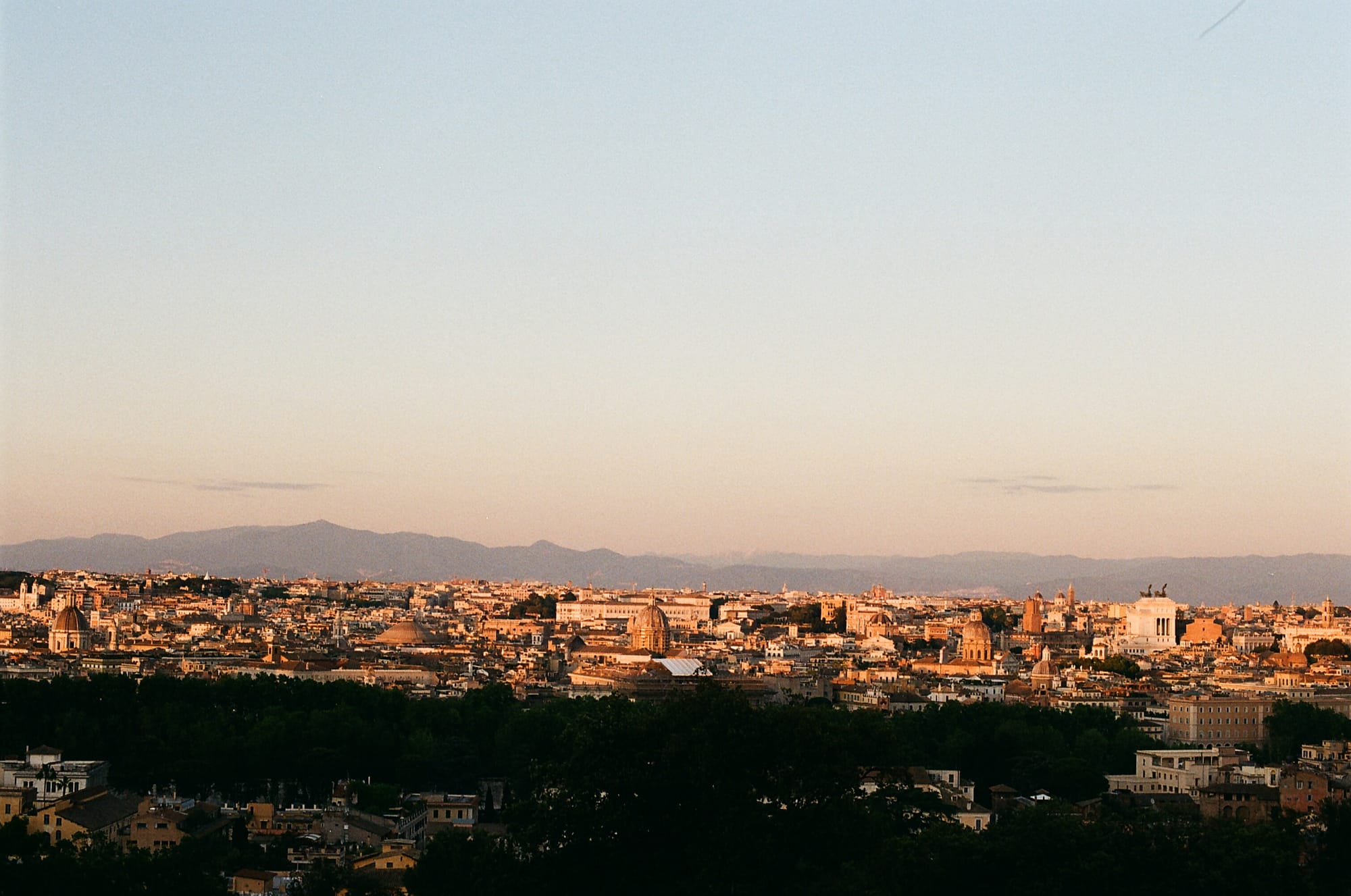
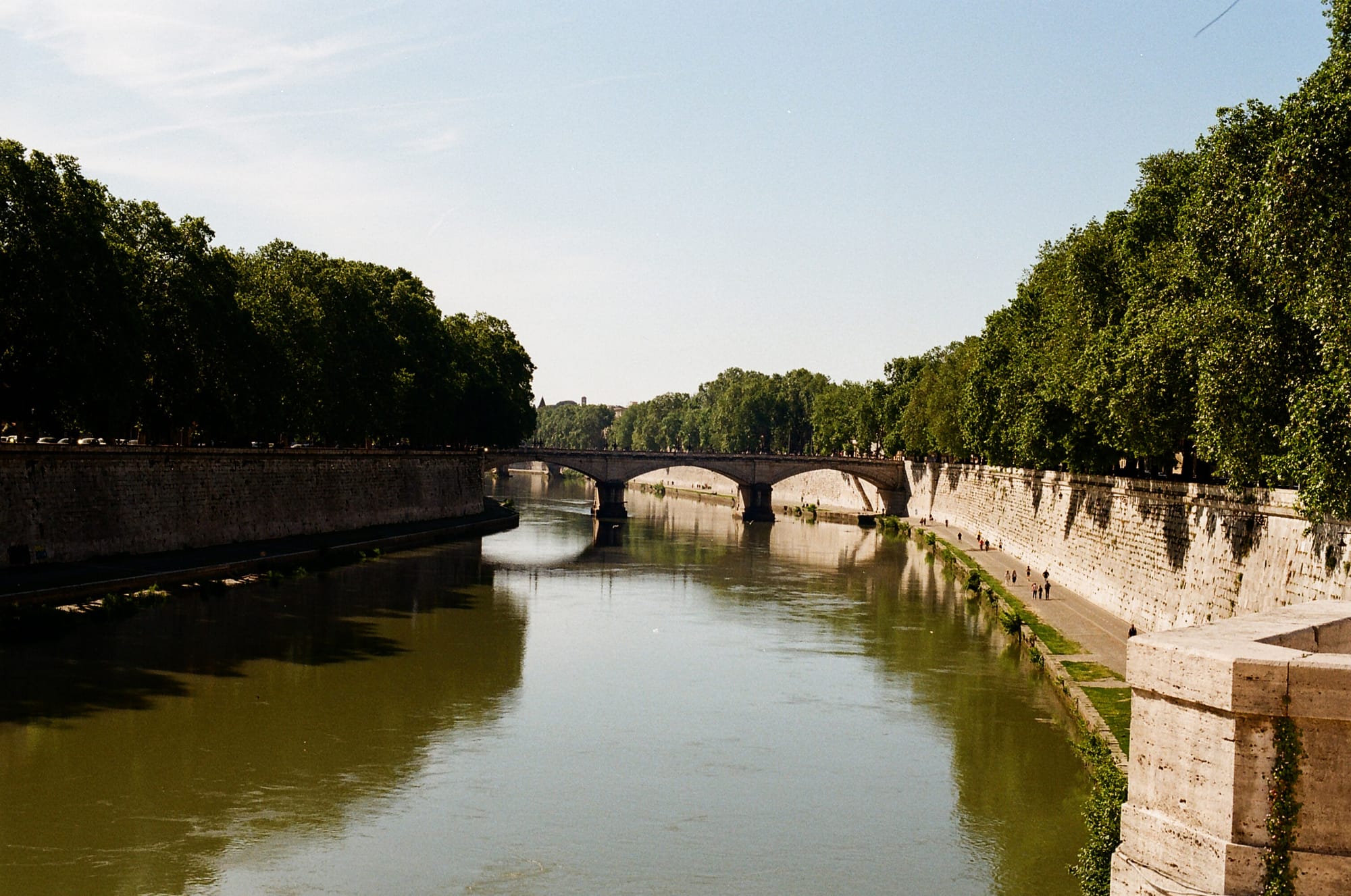
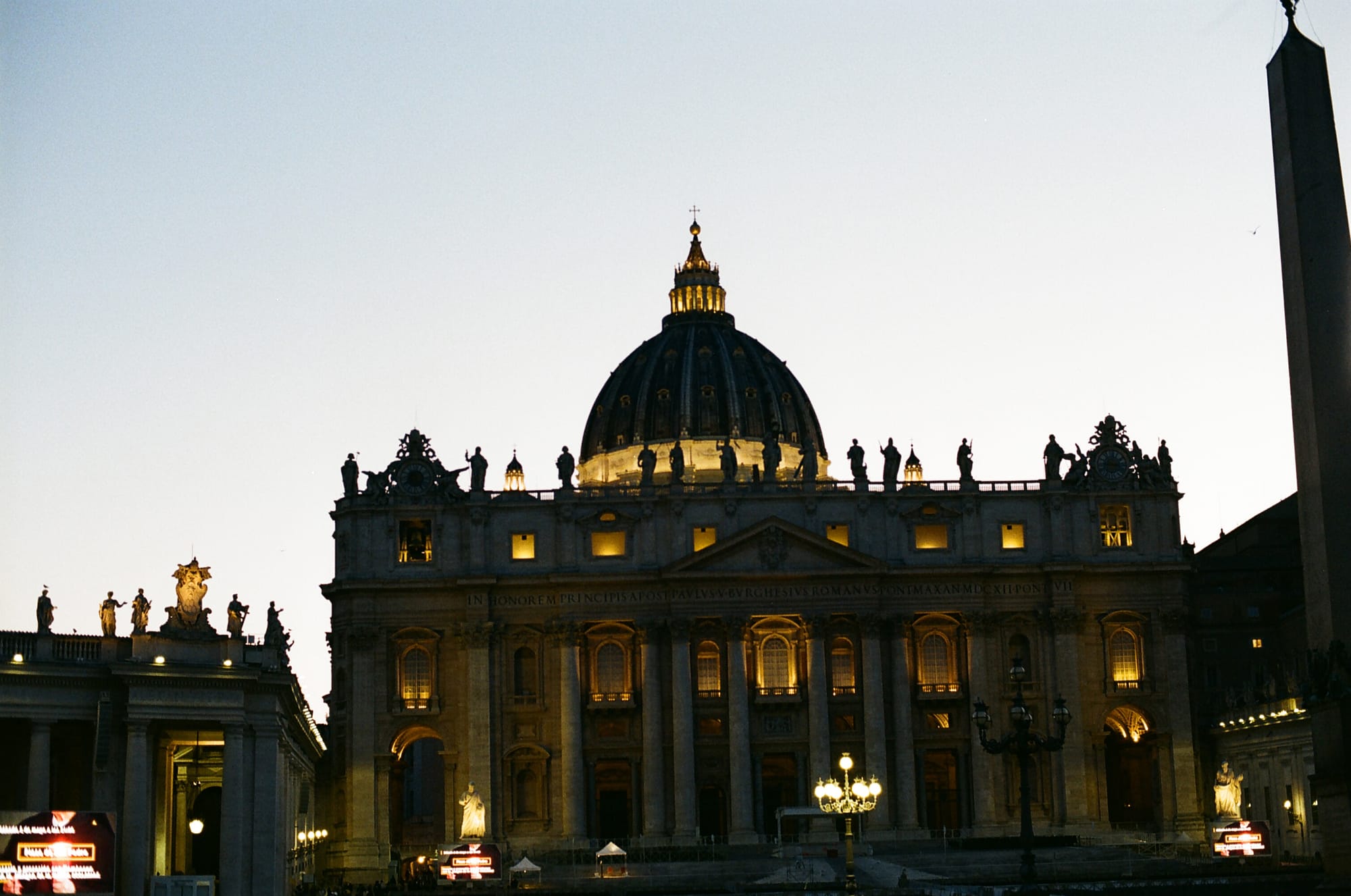
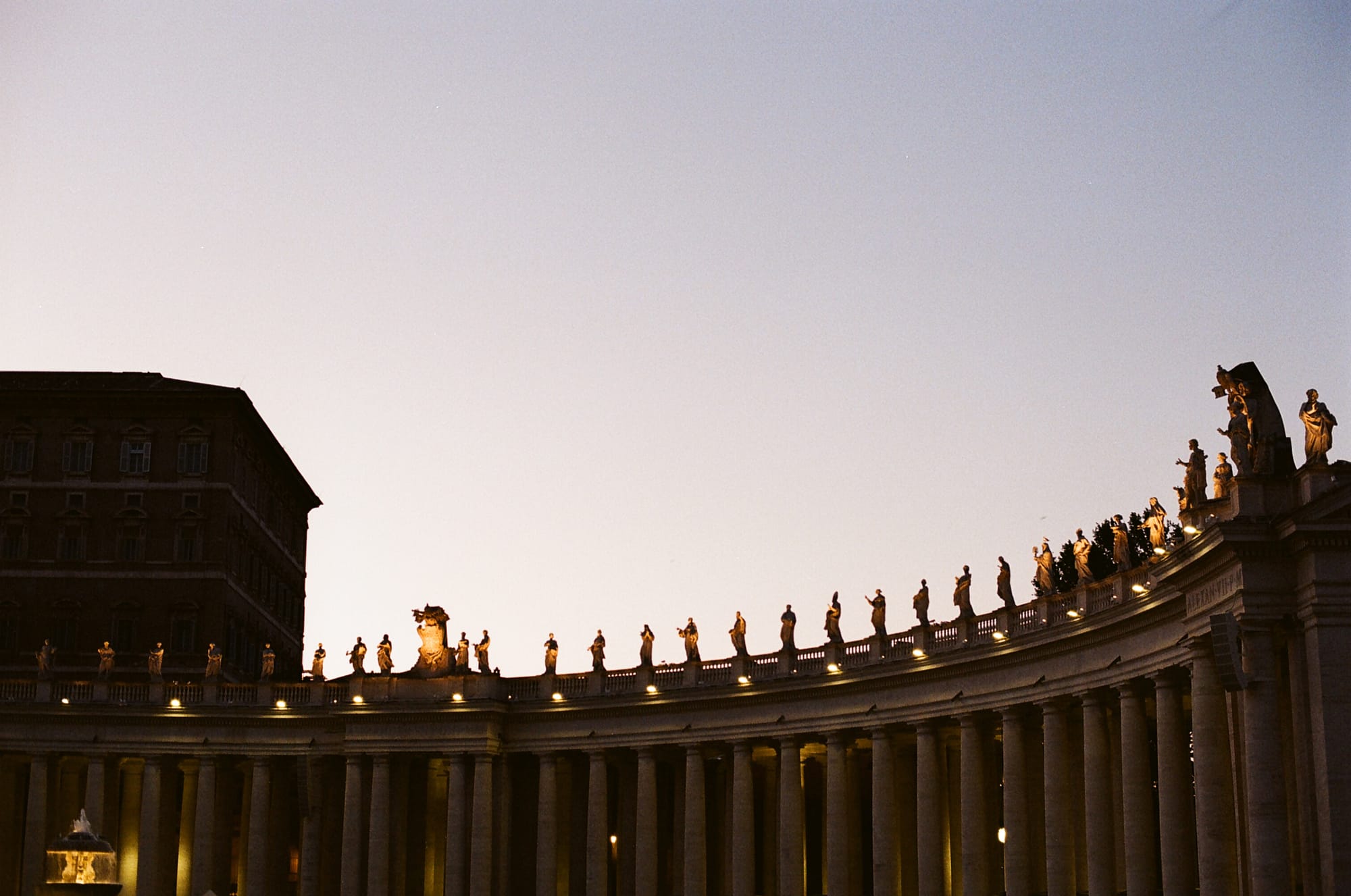
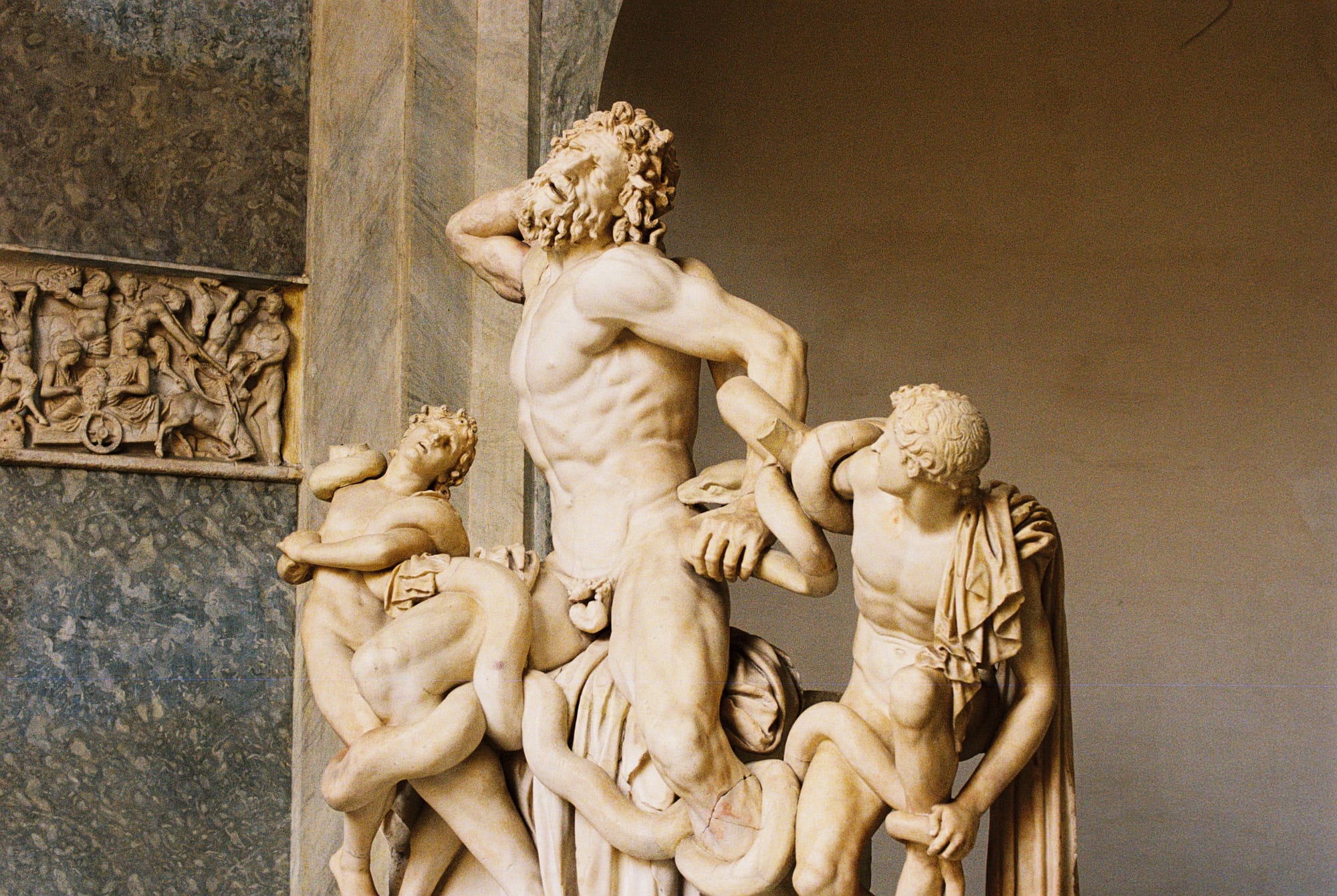
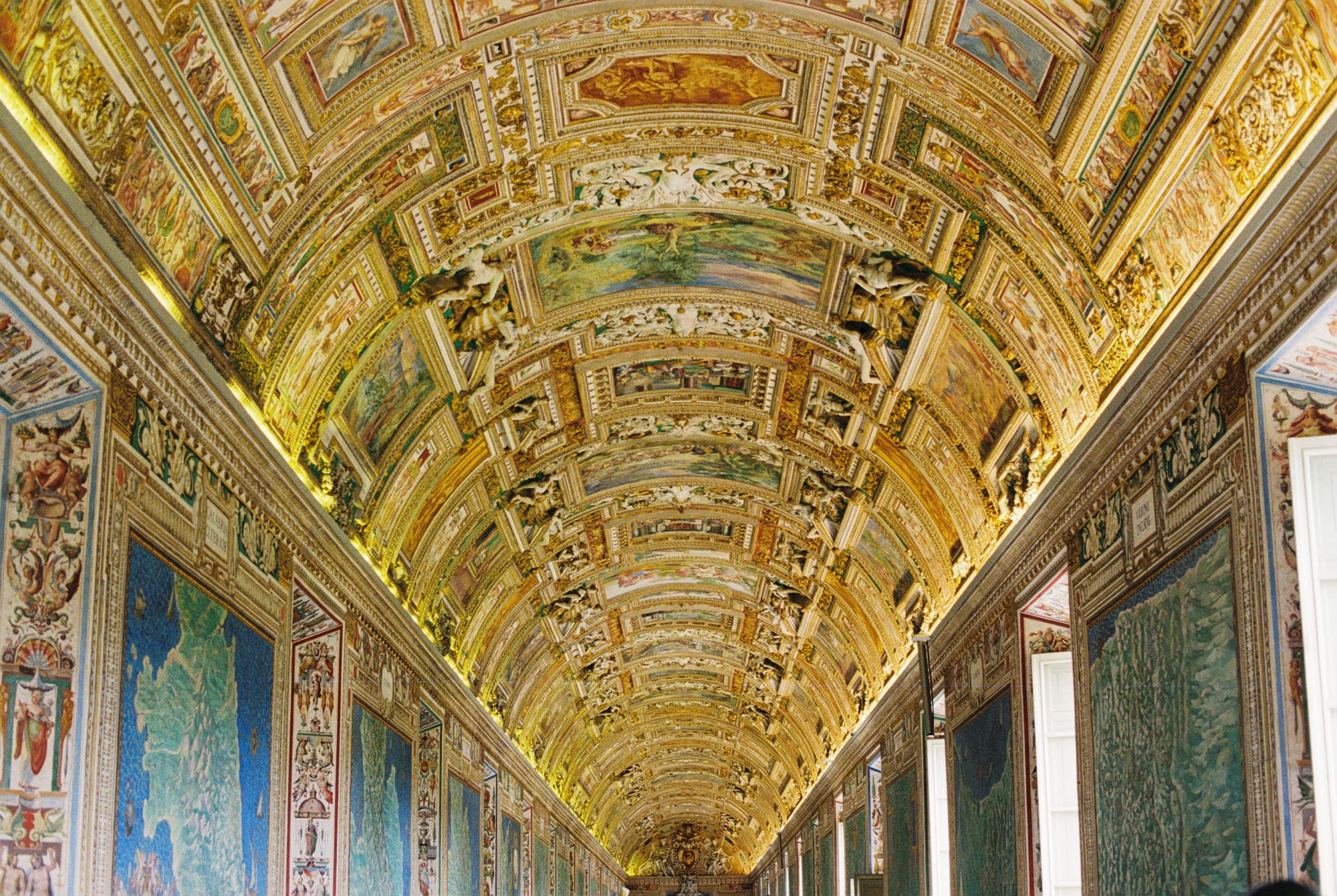
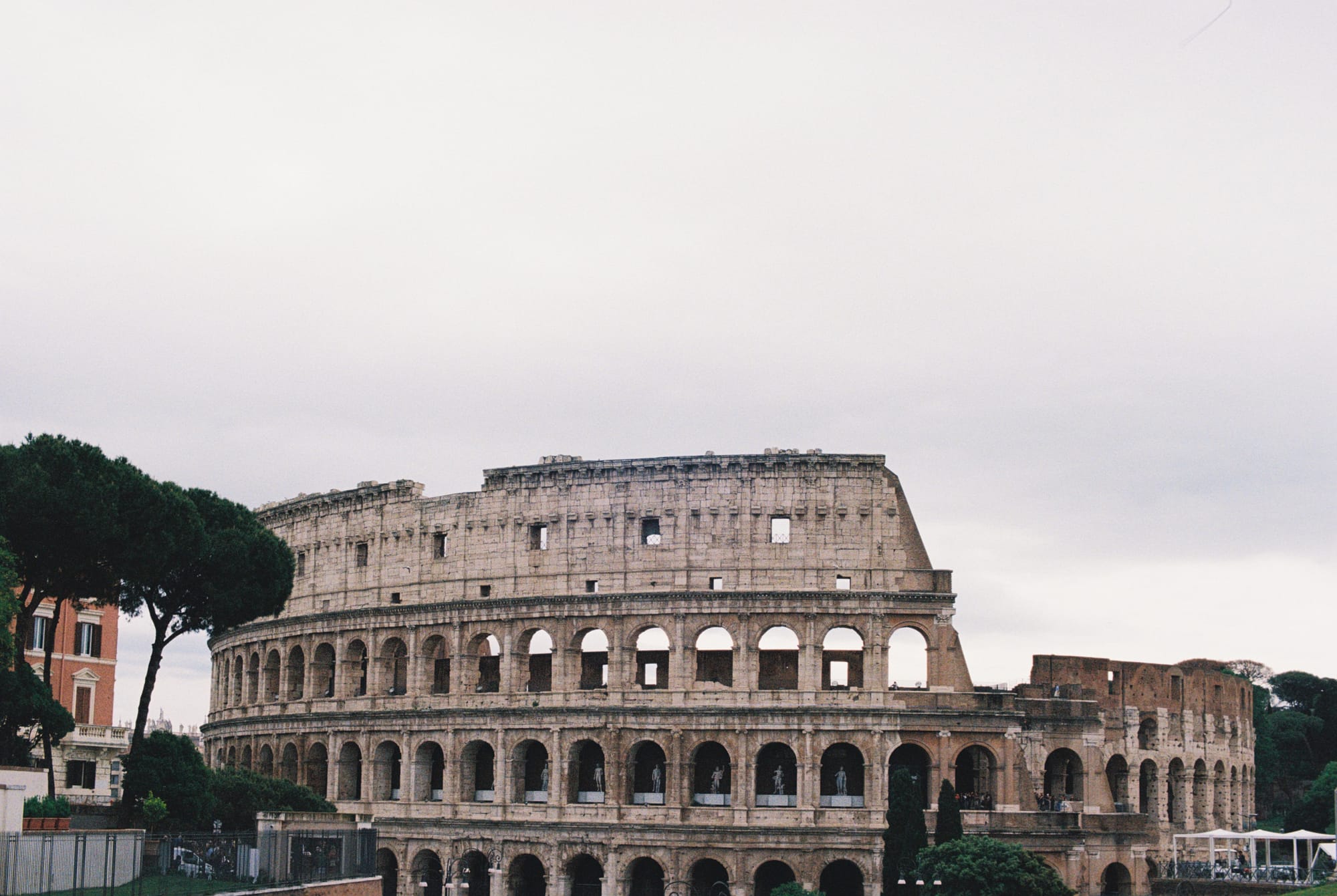
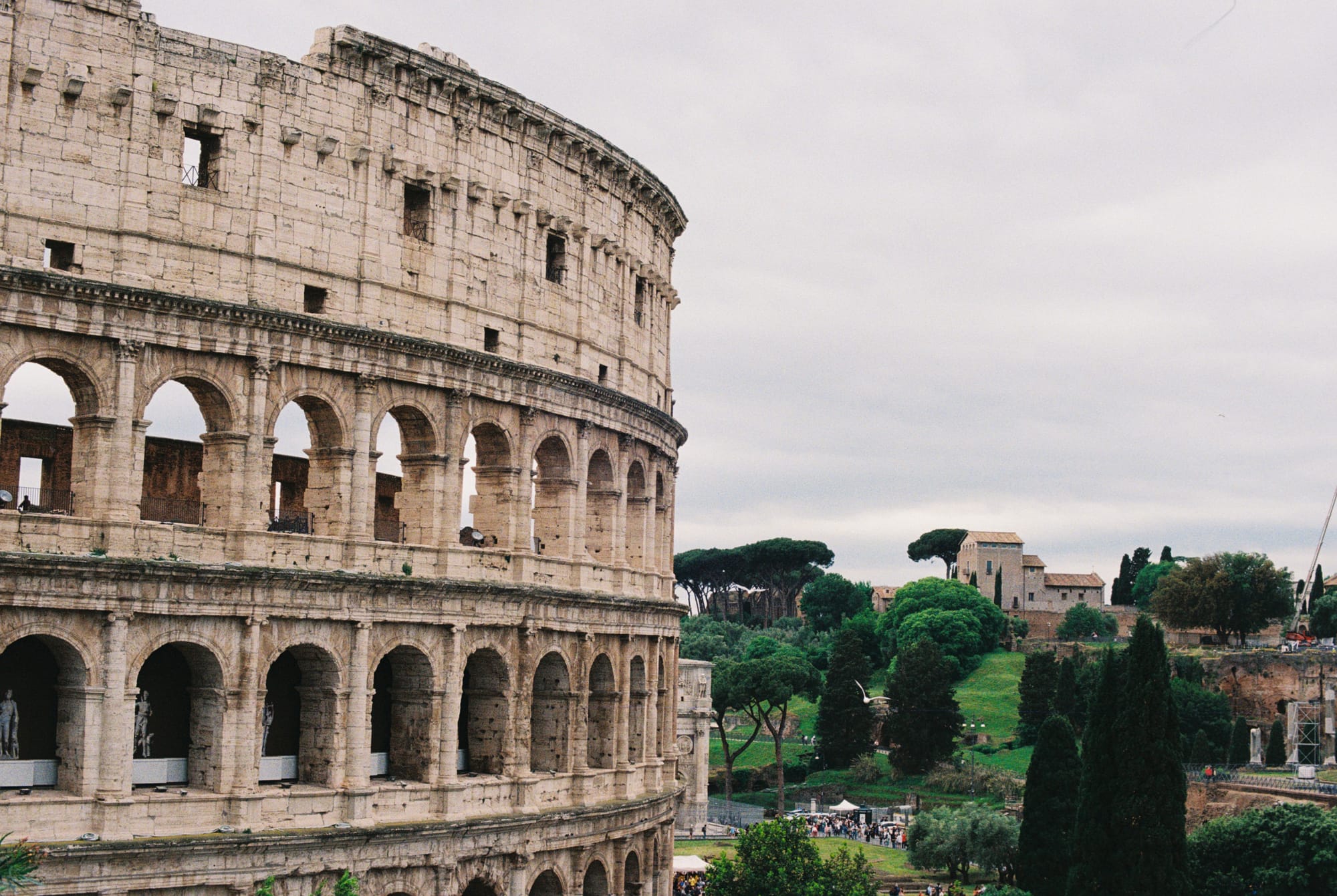
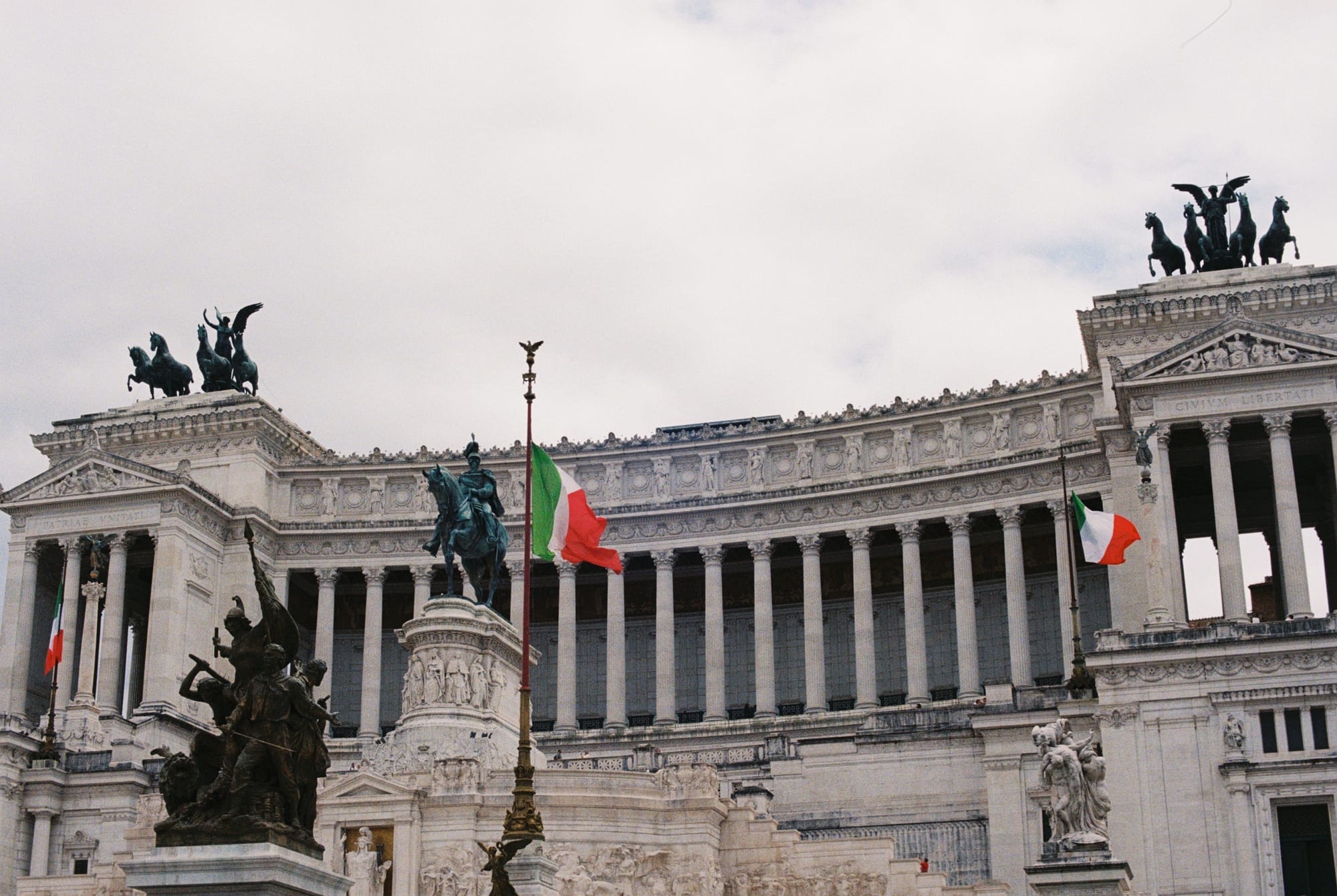
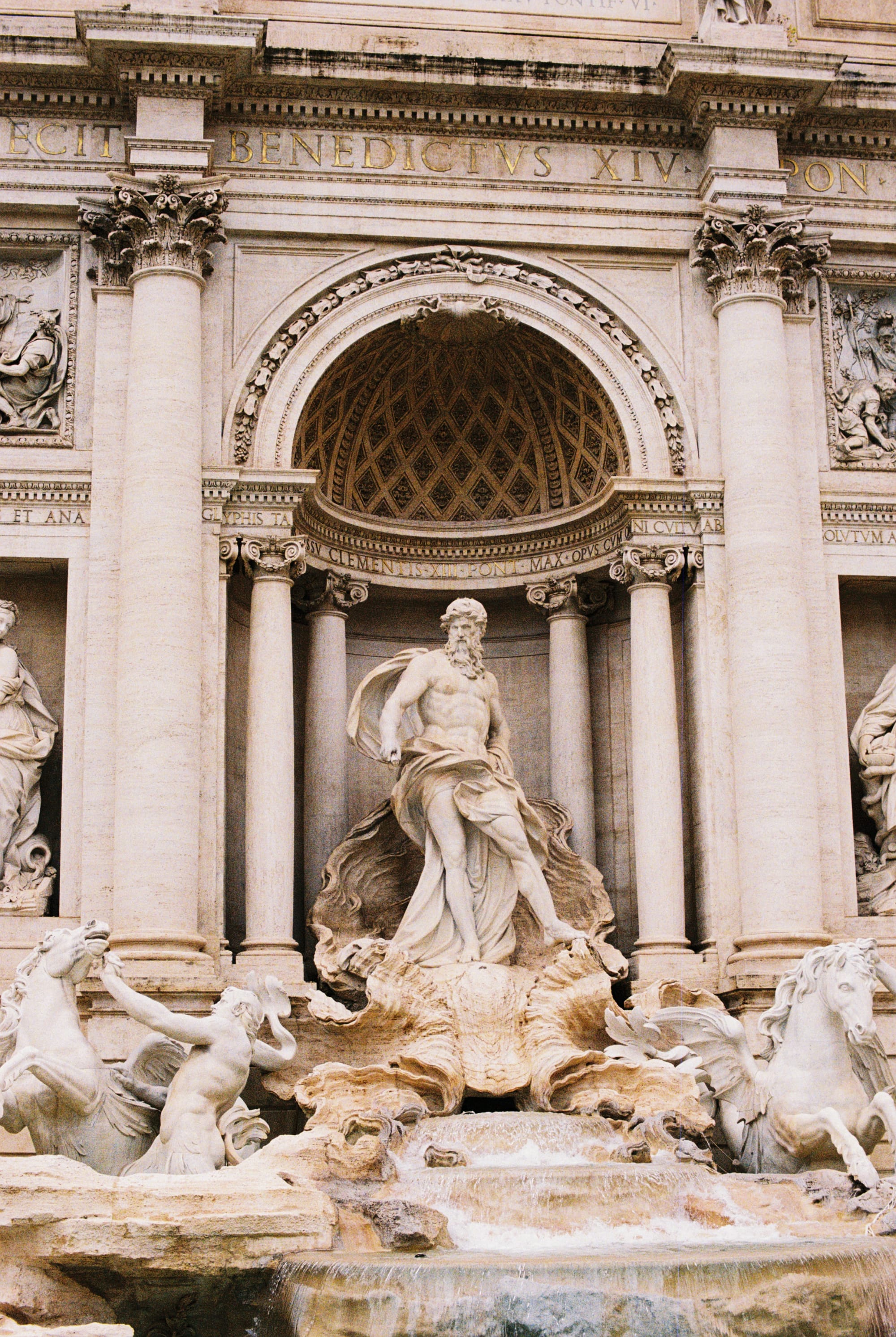
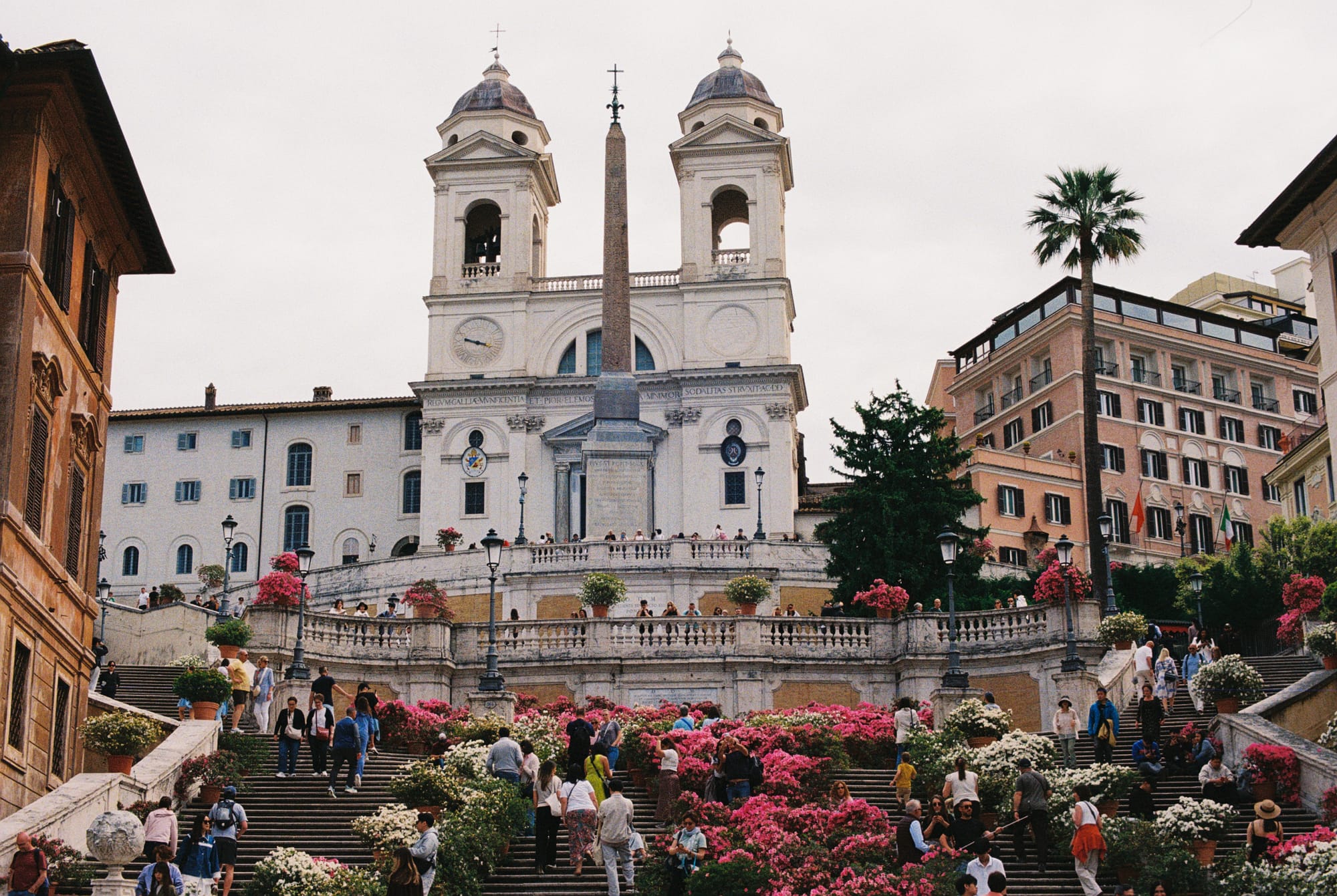
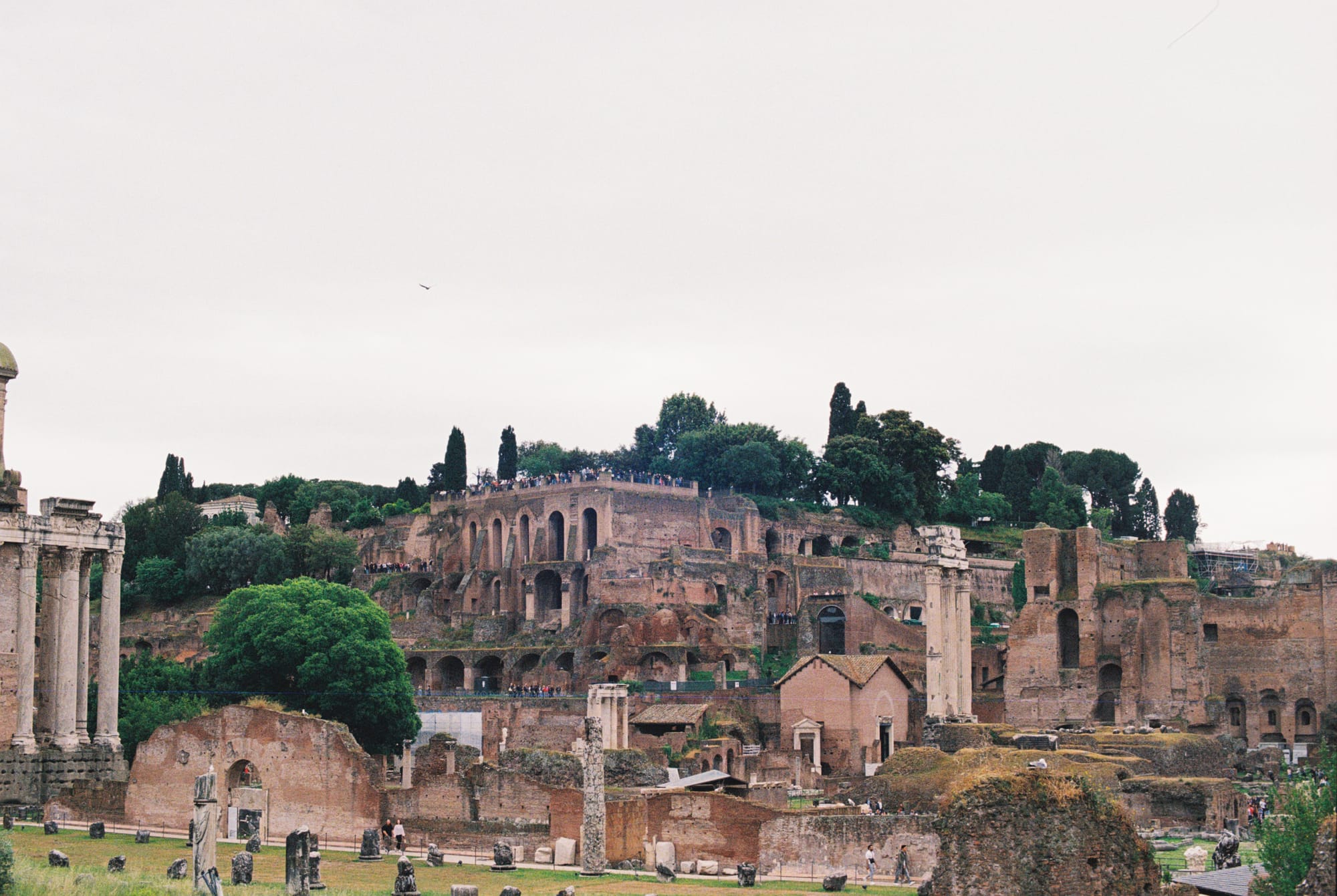
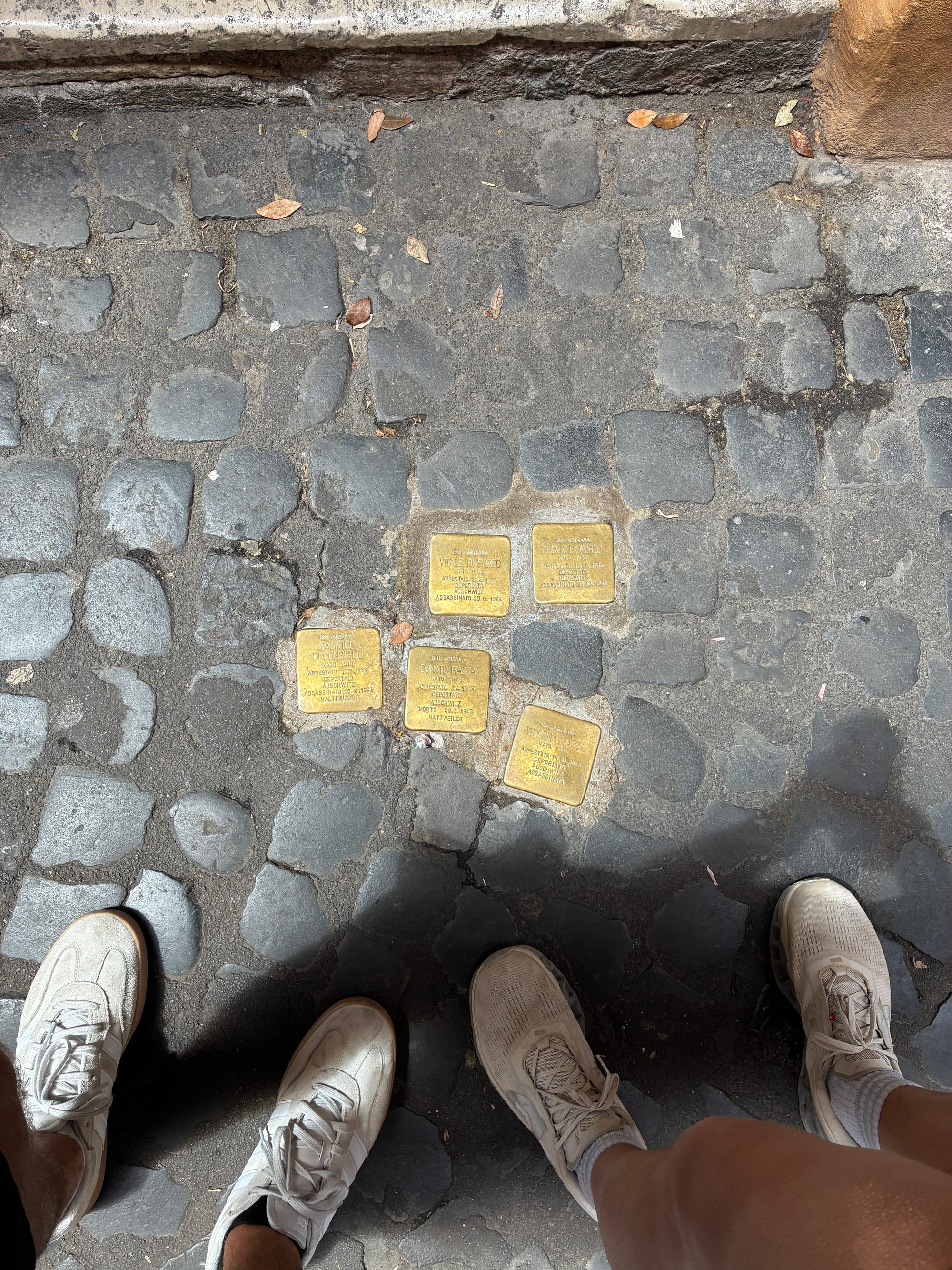
We saw a lot of history in Rome like the Pantheon with the largest concrete dome in the world, The Trevi Fountain, the Roman Forum, Trajan’s Column, and The Colosseum. We were very moved by the bronze tiles outside many homes and buildings in Rome (especially in the Jewish ghetto) that are memorials to each person who was taken from their home and sent to concentration camps during WWII.
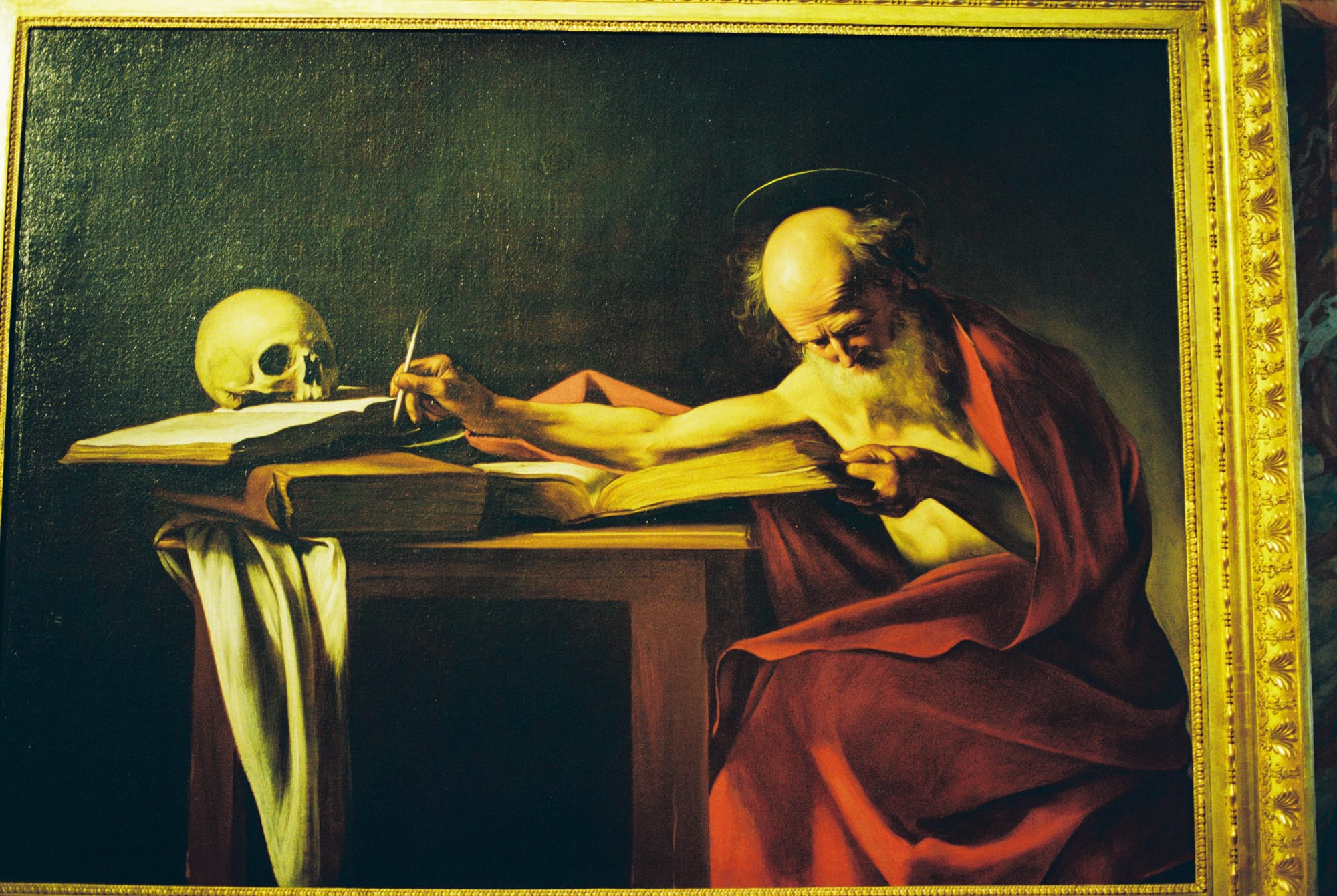
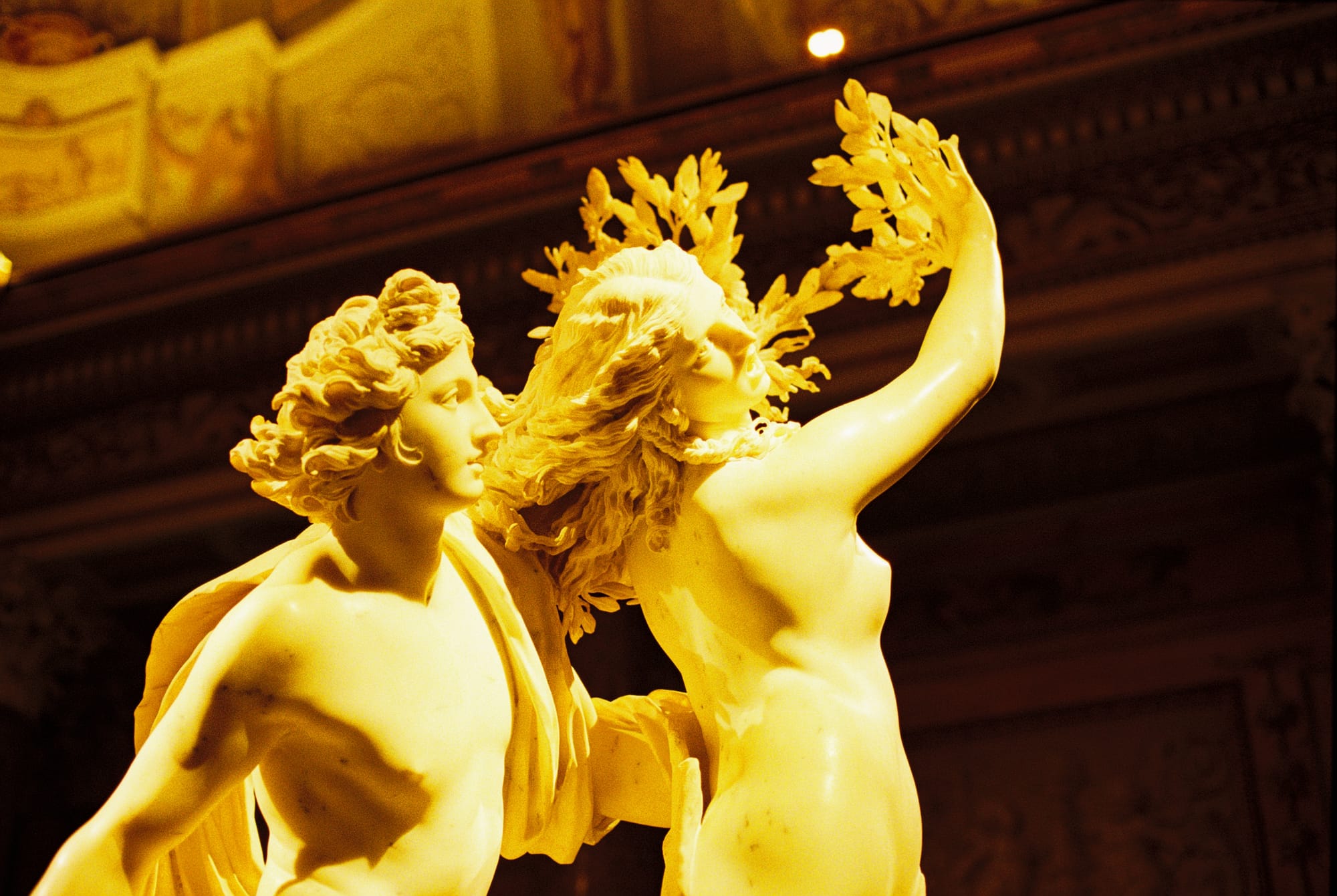
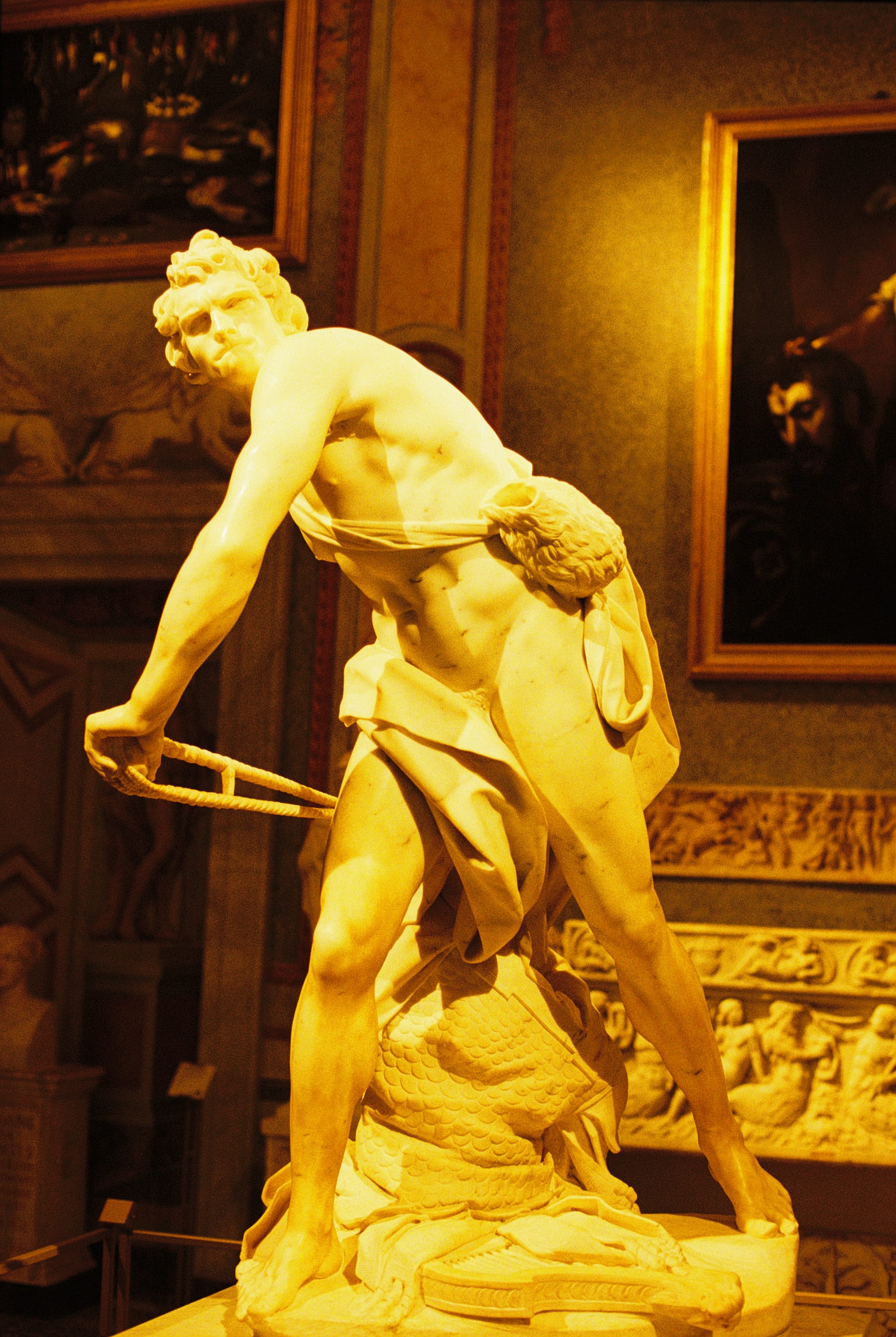
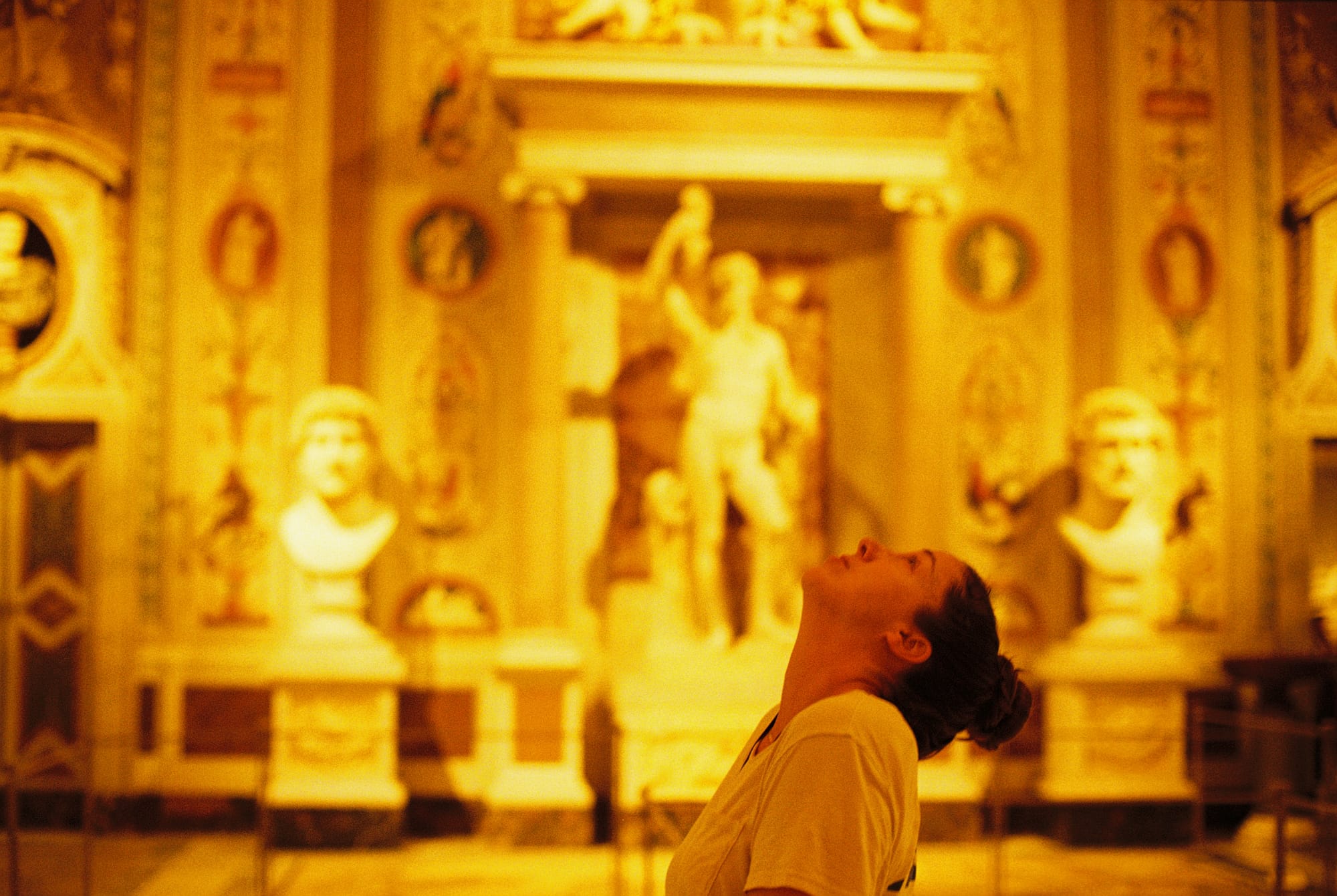
The last museum we visited in Rome was the Borghese Gallery which is home to a ton of Bernini sculptures and also has an entire room of Caravaggio paintings.
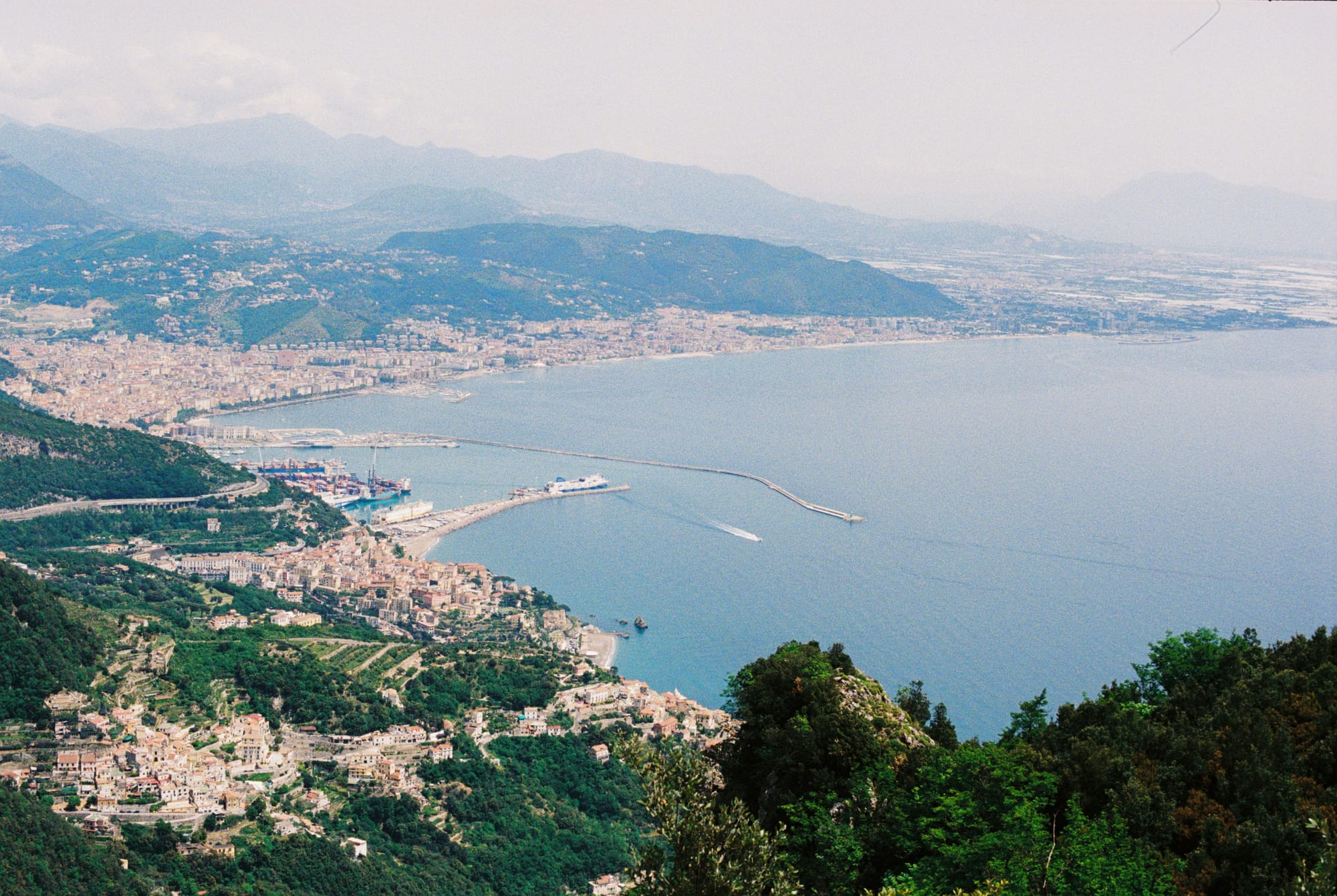
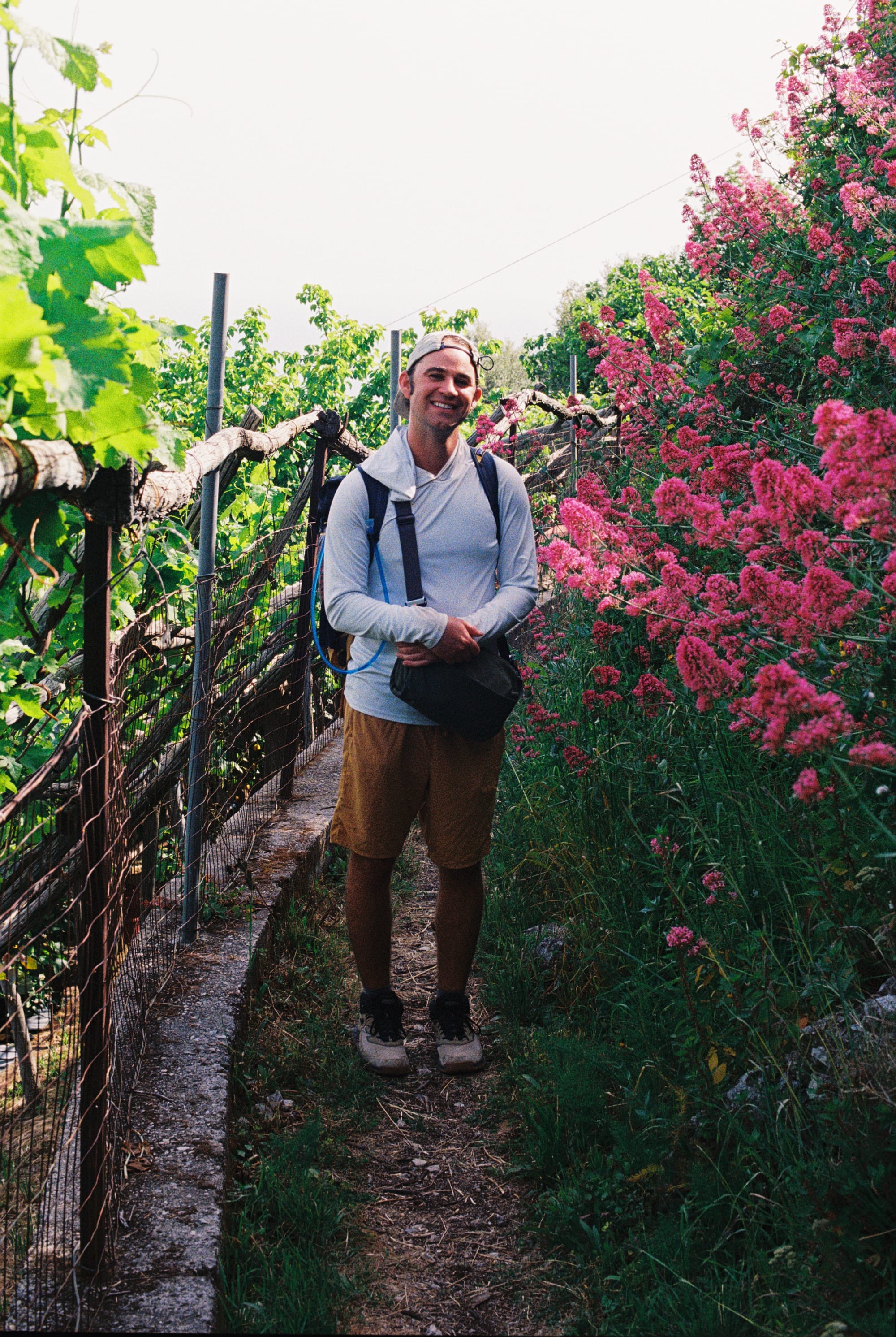
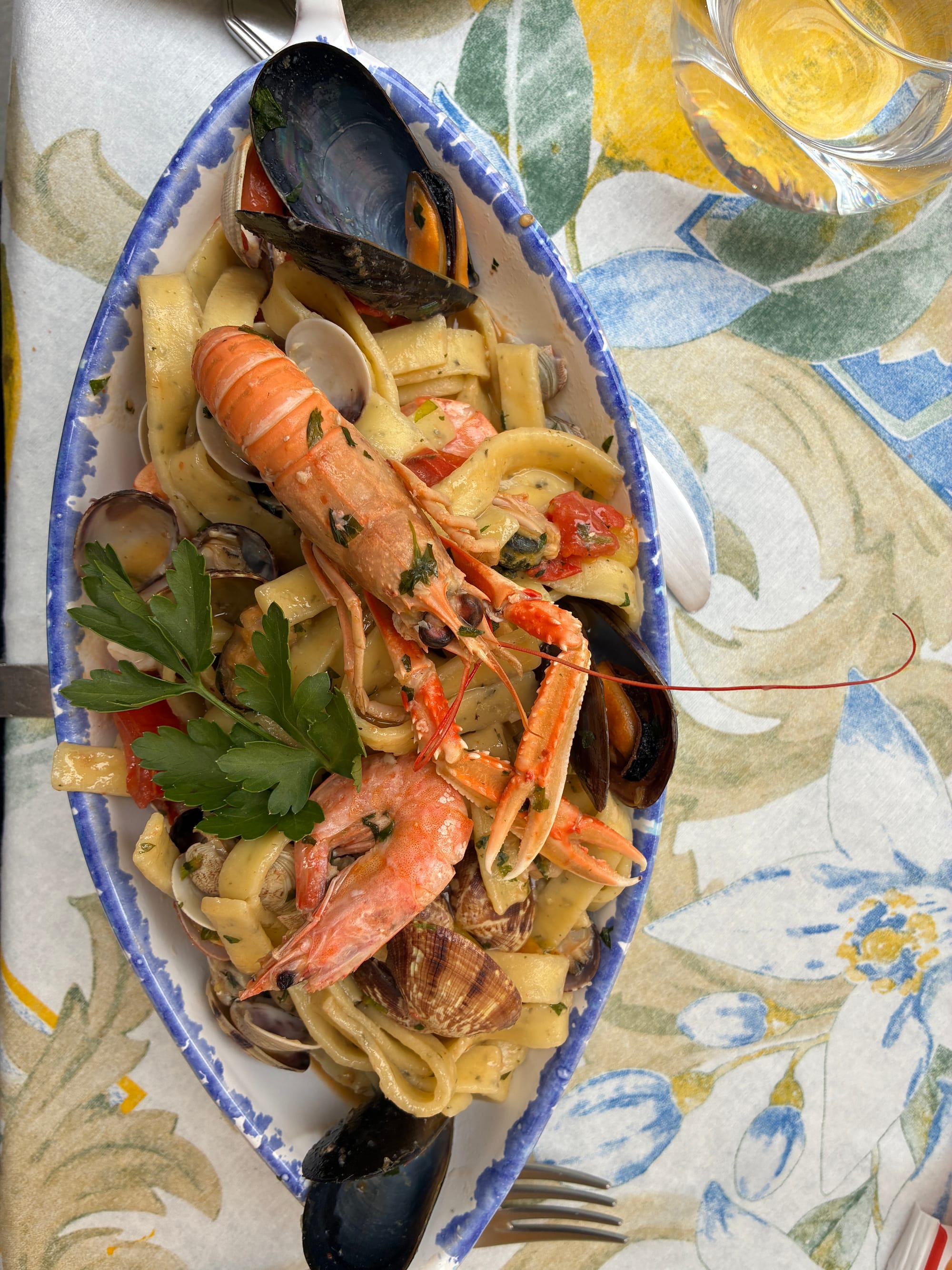
Enough with the city hopping, back on the trail! We took a train from Rome to the village of Raito to start our hike of the Amalfi Coast. There is an organization in Italy called the Club Alpino Italiano (CAI) that makes and maintains trails including one called the CAI-300 which meanders along a 50-mile stretch of coastline that encompasses the Amalfi Coast. We must have overindulged in Florence and Rome because Day 1 of the hike was a bruiser. To be fair, most of the uphill was on a steep dirt trail, somewhat bush-whacked, but we did appreciate that there was not another soul on this hike which was a nice change from our city stops. We climbed from sea level to over 3,000 feet for some incredible views of the Gulf of Salerno. The descent on Day 1 was lovely after the climb, lined on either side with ripe lemon trees strained under the weight of their own fruit, scattered red poppies, violently pink Valerian, and fragrant olive trees. We spent our first night in Maori and it was such a treat to come off the hike with an amazing seafood pasta bowl from a random street vendor.
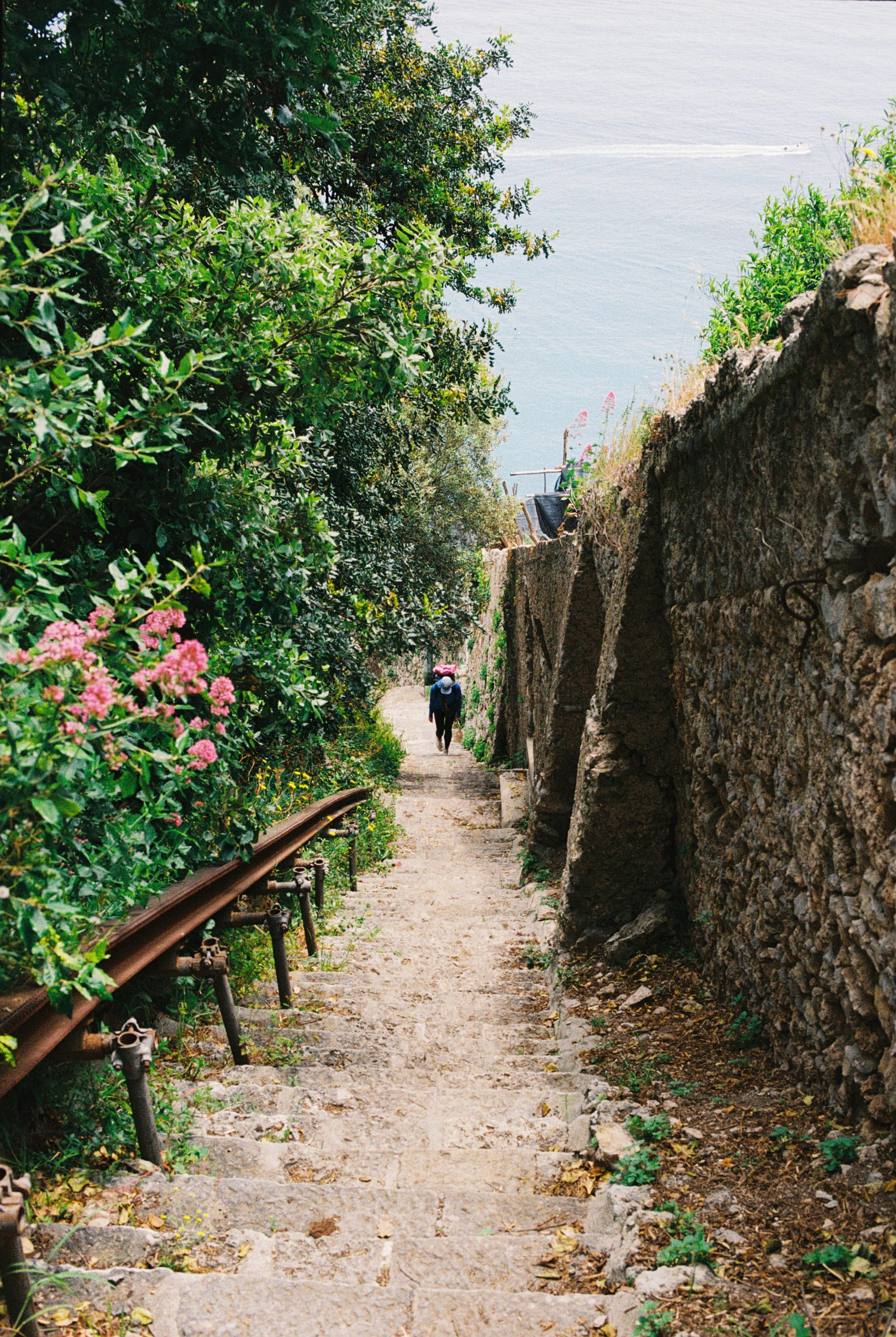
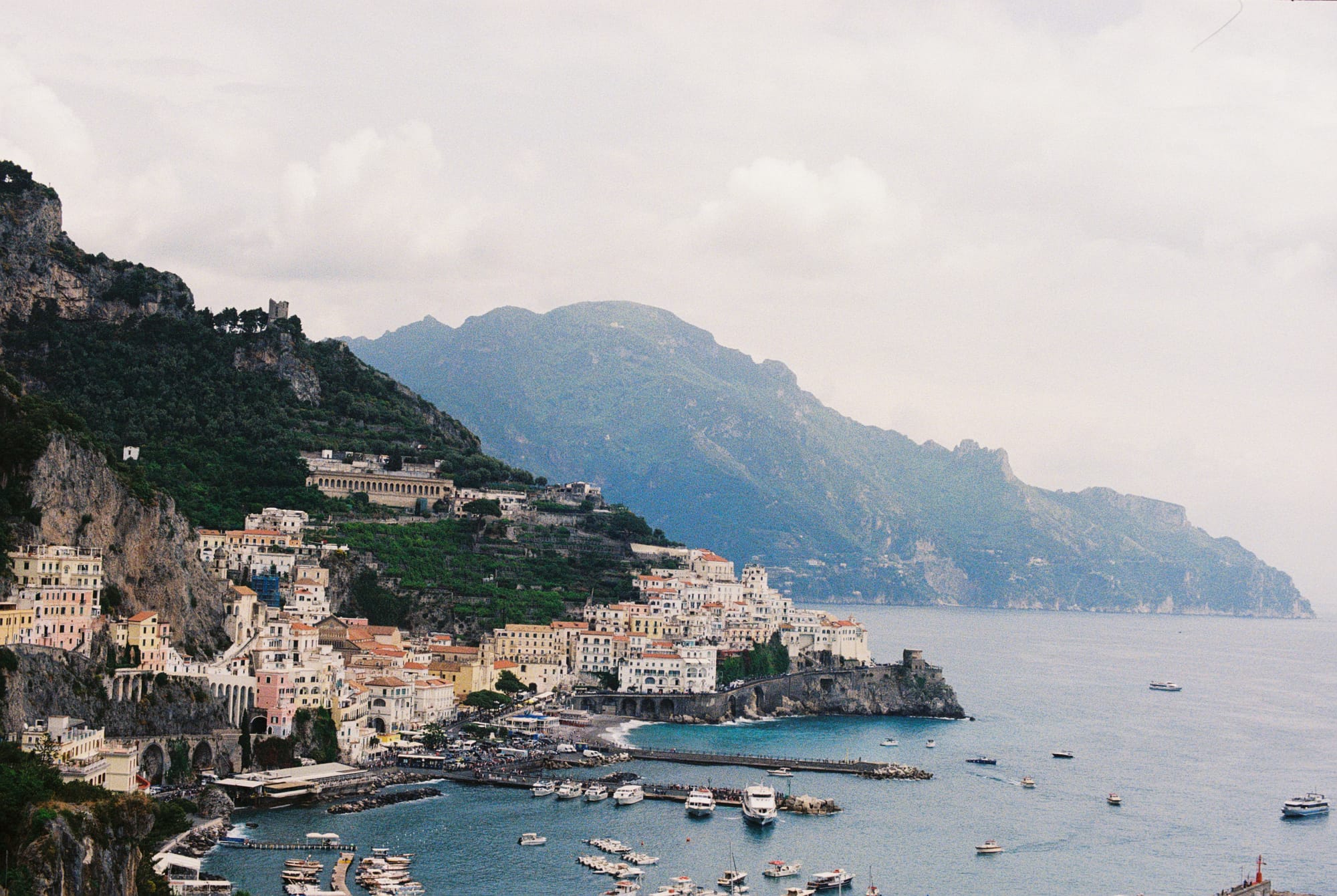
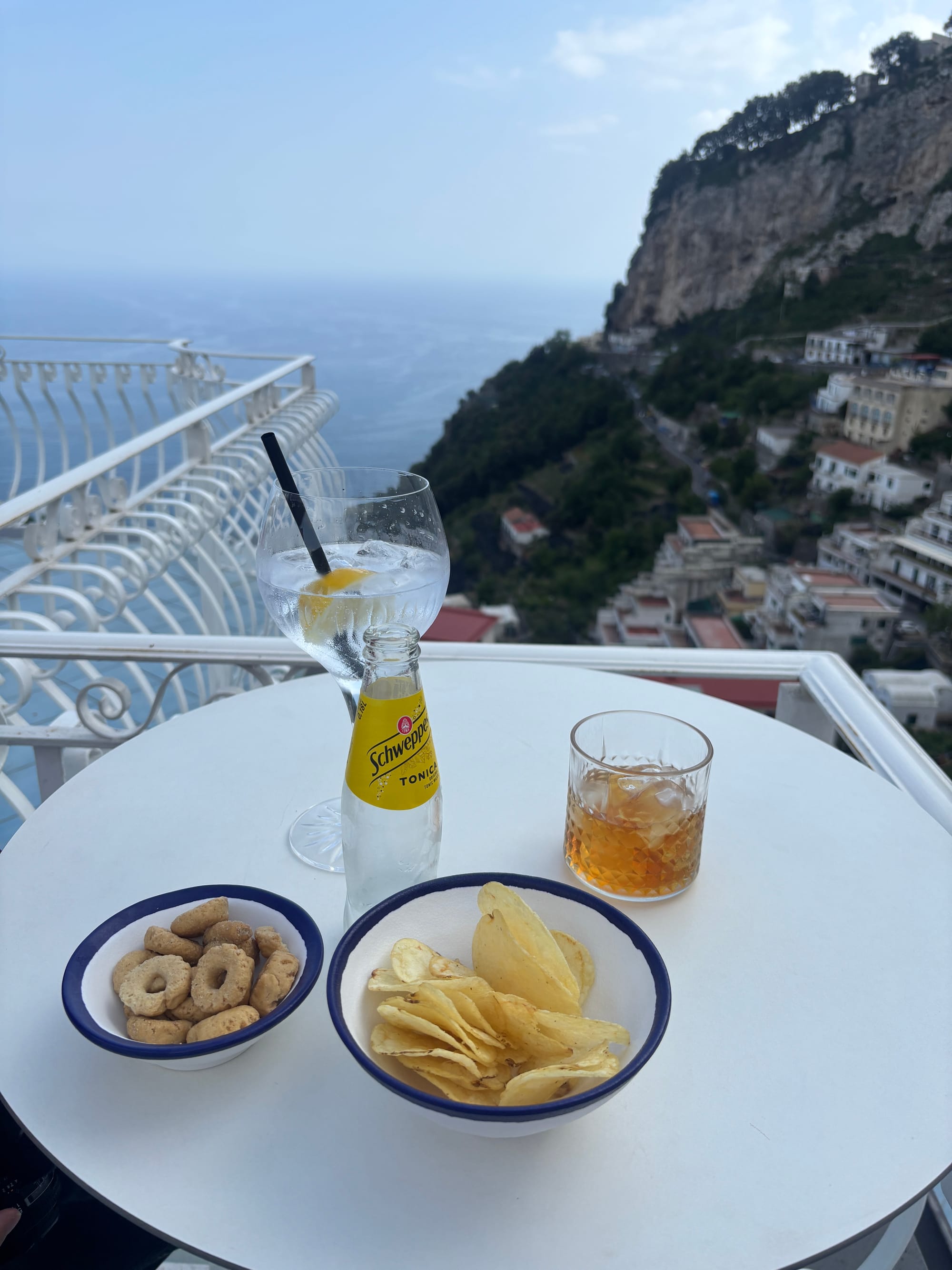
We were back into the hiking groove now, our shoulders remembering the weight of these god damned duffle bags. It was a manageable 2000-foot climb over 3 miles and then a long descent into the city of Amalfi. We couldn’t afford any place to stay overnight in Amalfi which turned out to be good because we hated the crush of the crowds. It was beautiful to look at from afar, but unfortunately they had a pier for cruise ships which simply slammed the town. We instead climbed out of Amalfi up to a small village called Pogerola which was supremely sleepy and we found a little apertivo with a view which was more our speed.
On Day 3, we had a nice 2,000 foot climb which led us to the small town of San Lazaro where we took a stroll looking for anything open for lunch. A few blocks down a random street, we popped into the only unlocked storefront and asked if they were open. They were definitely closed but we think the lady took pity on us and said, only pizza, and only to go. The prices seemed like a mistake, 5 euro per pizza so Ror got a margherita and Em got a pistachio mortadella. We walked to the park to chow down and this whole excursion ended up being kismet because it was undoubtedly the best Neopolitan style pizza we have ever had. What a revelation. Miles on stomach full of pizza feel light as air. We ended up in the small town of Bomerano.
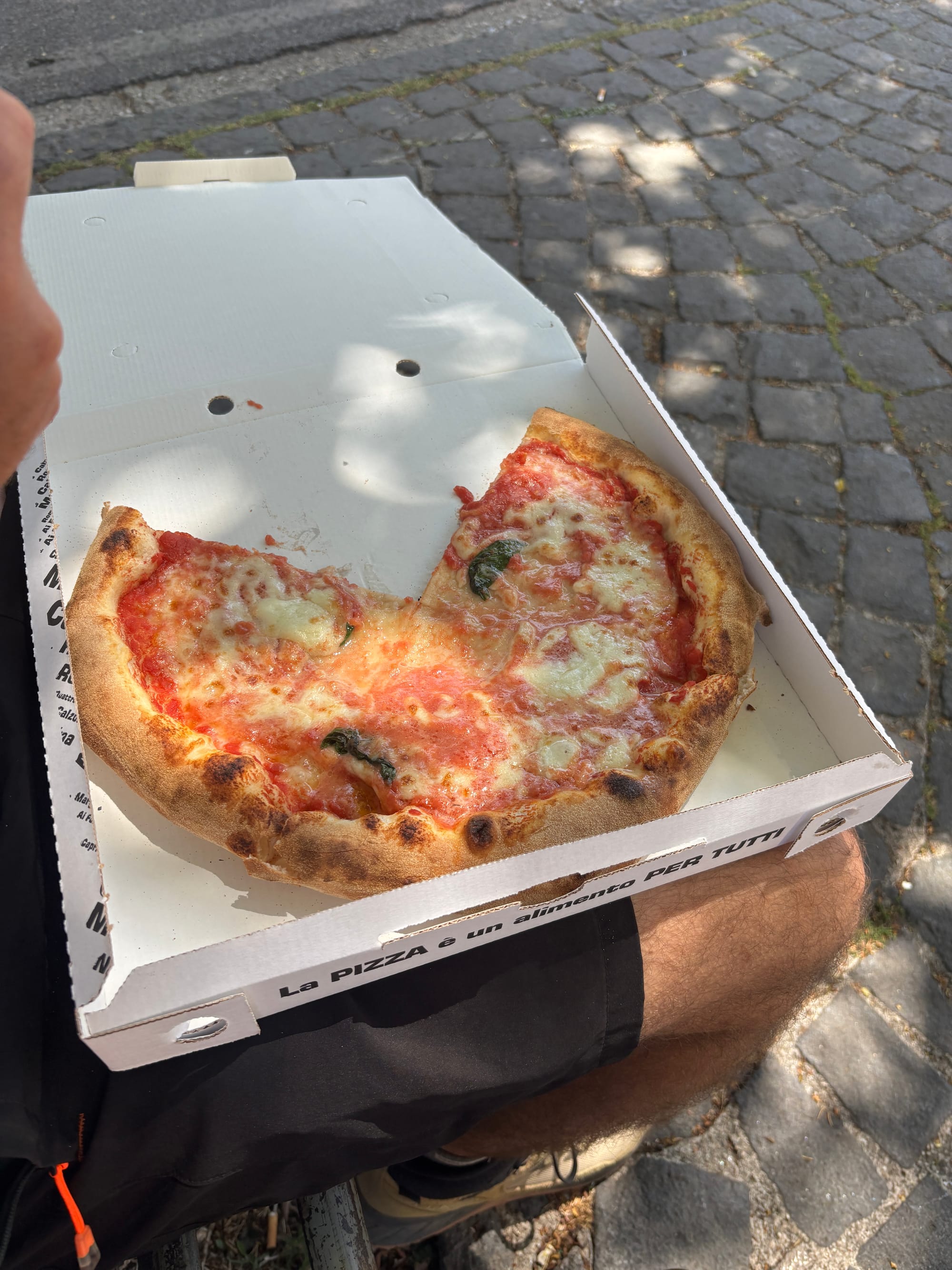
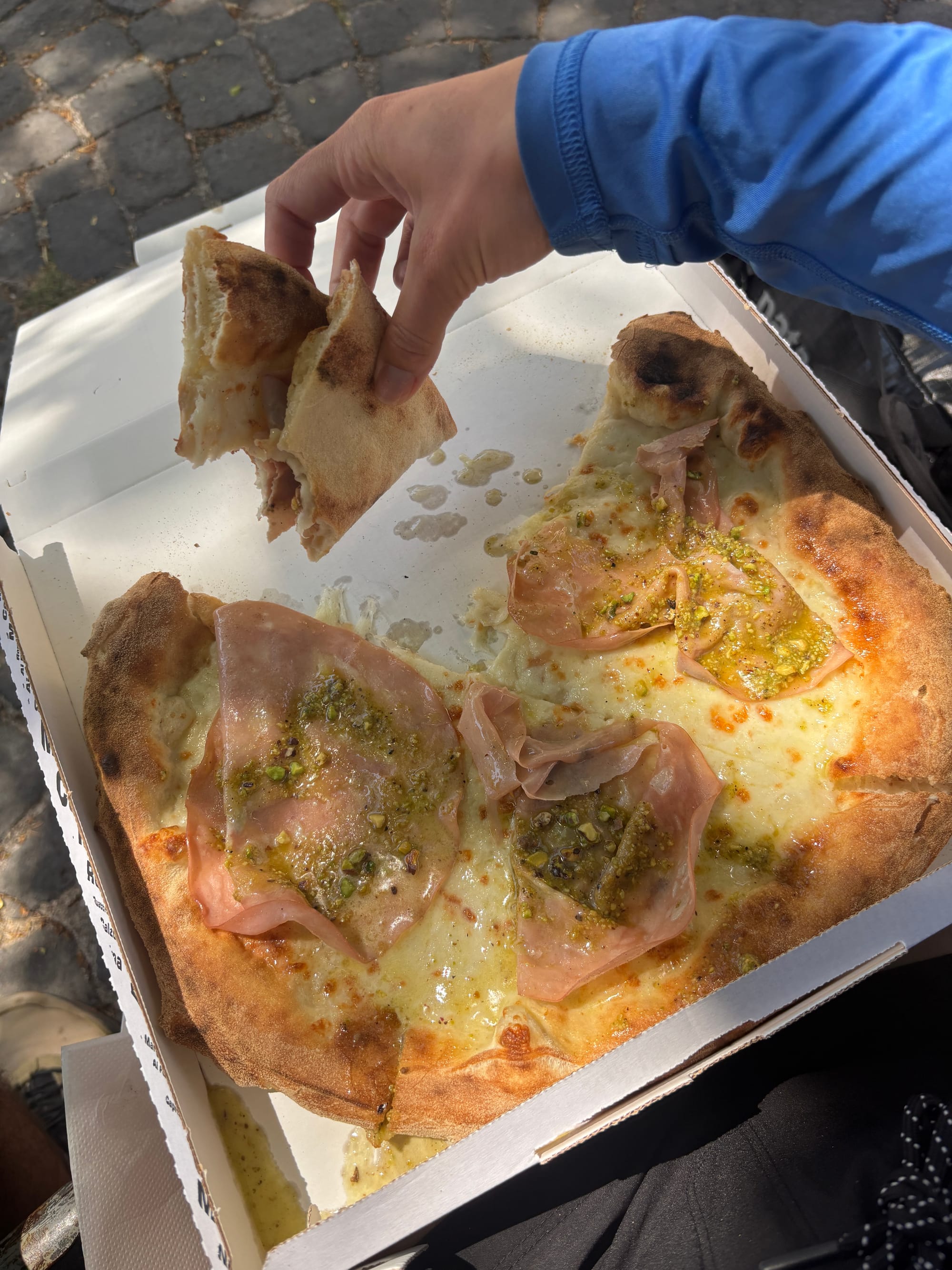
We did not expect much from this pizza, so we apologize for the quality of the shots but we did want to document the best pizzas of our lives
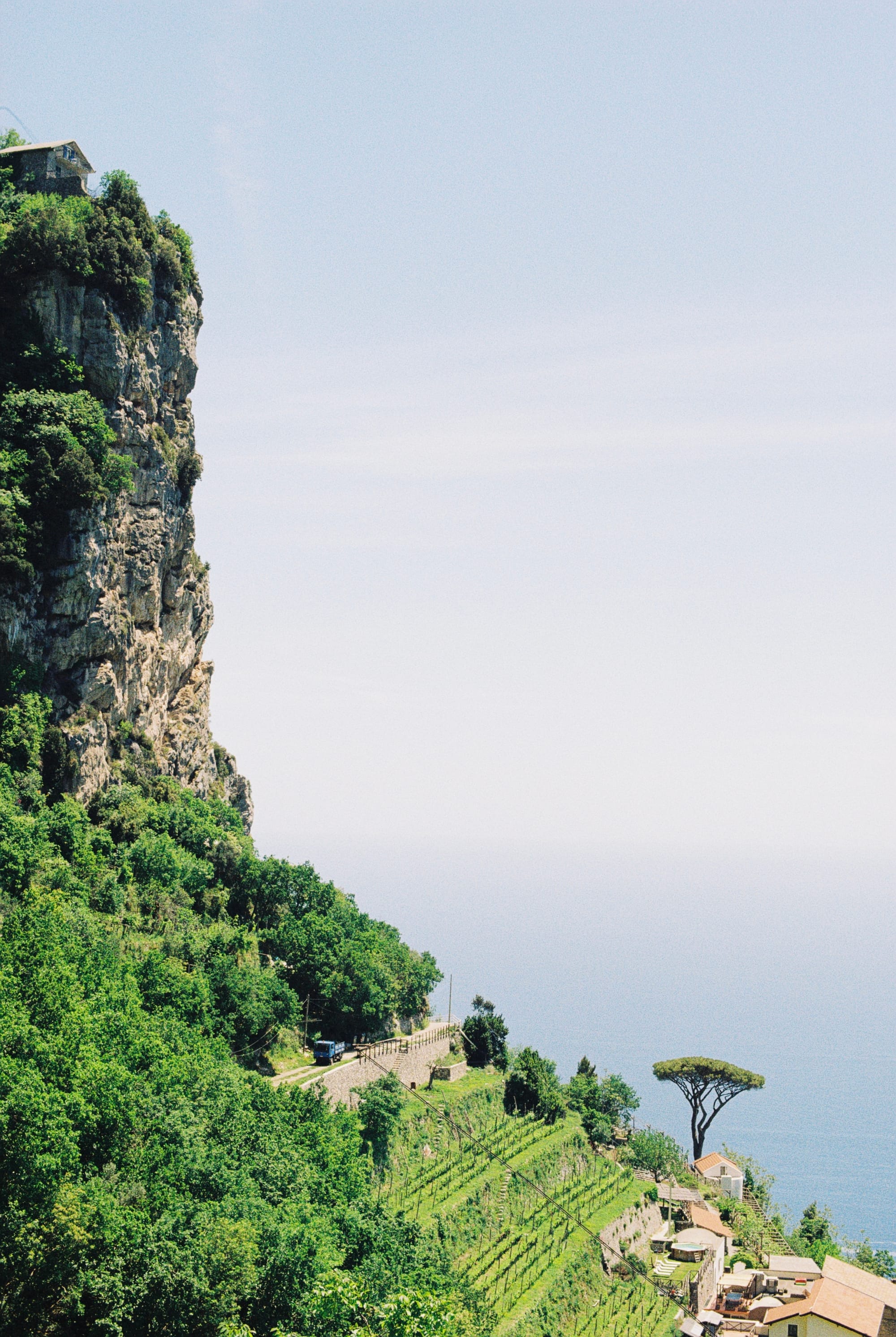
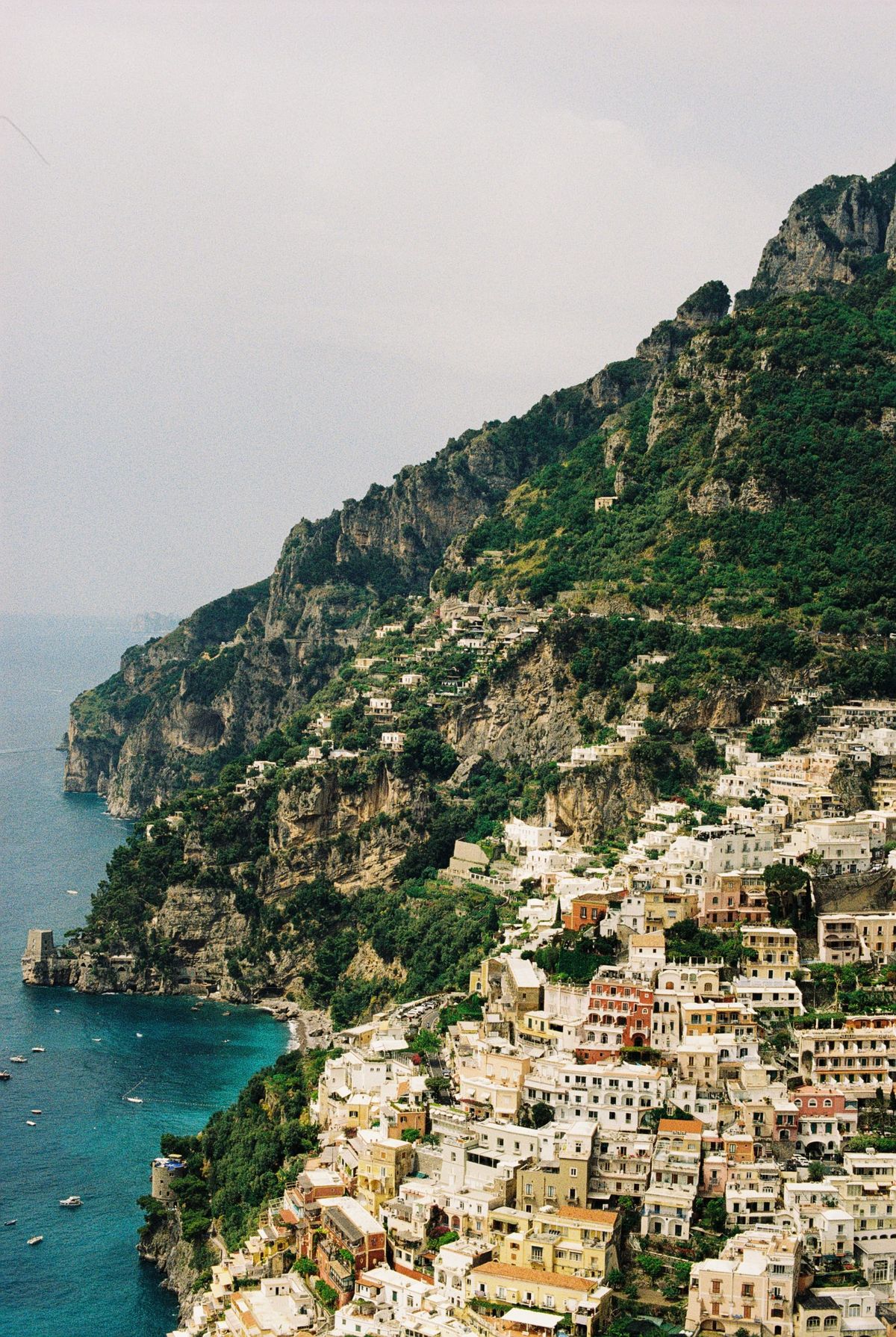
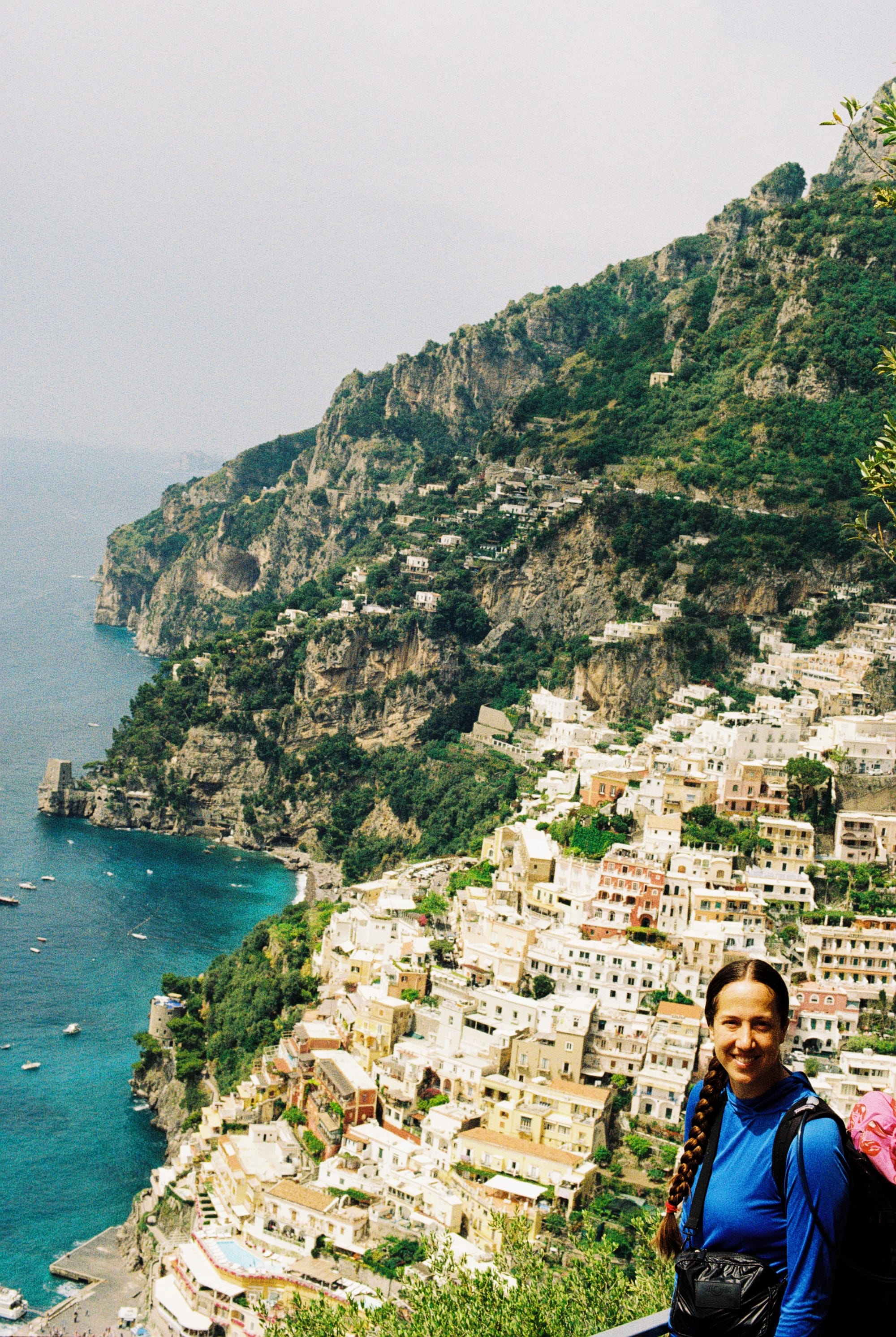
Day 4 of the CAI-300 included the only popular hike on the Amalfi Coast called the Senteri degli Dei or “Path of the Gods.” It is an impressive 8 km section between the towns of Bomerano and Positano. The views on this section were amazing but decidedly more crowded. The town of Positano, like Amalfi, was only enjoyable from afar and intolerable once we descended into town. Unfortunately, we were stuck here while trying to find a bus to our next town because the coast gets so steep and so rocky that there are no trails in the next 10 km. We spent the night in a village called Colli St. Pietro which was just a quaint town and we slept at a farm and enjoyed the goats, chickens, sheep, and boundless lemon trees.
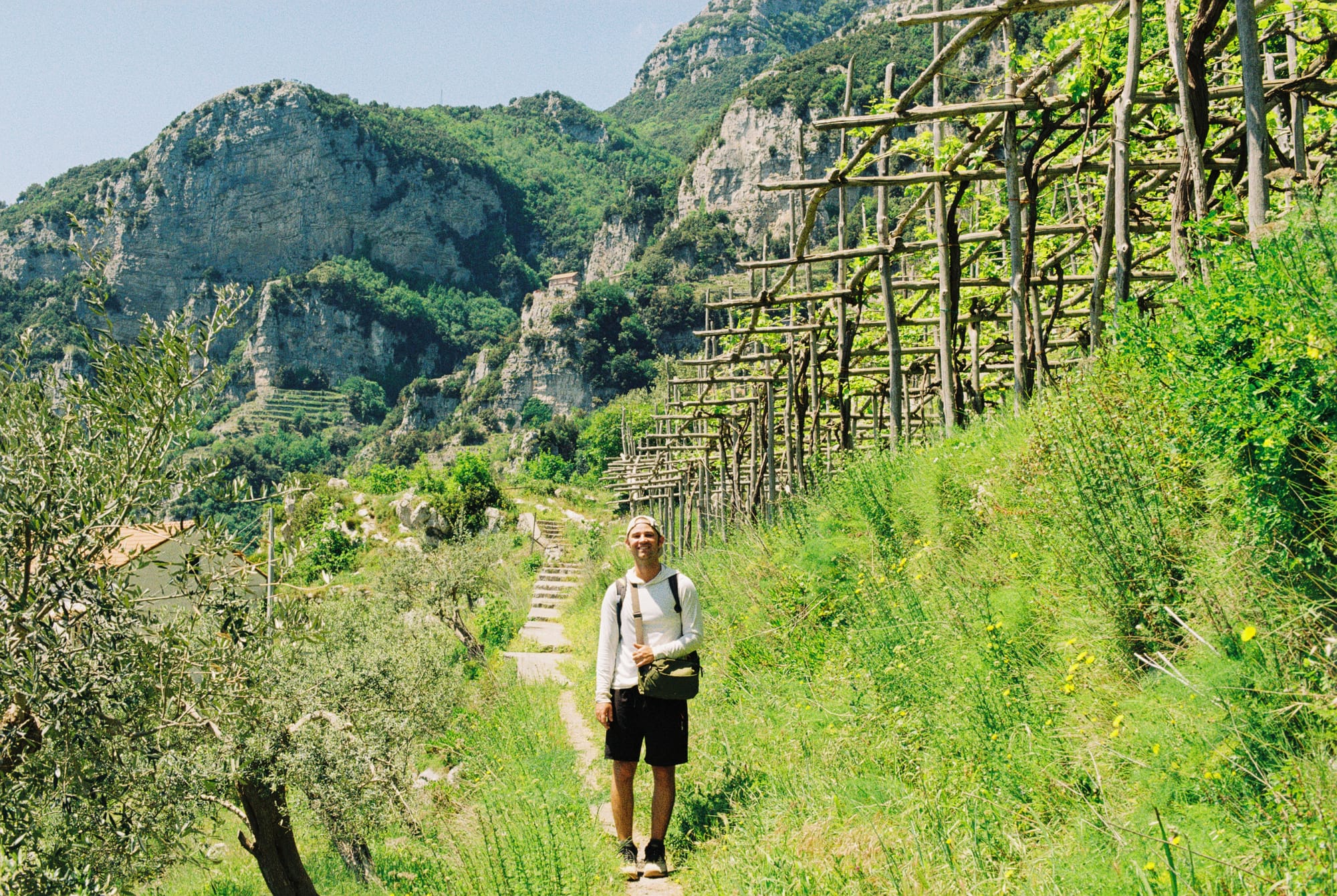
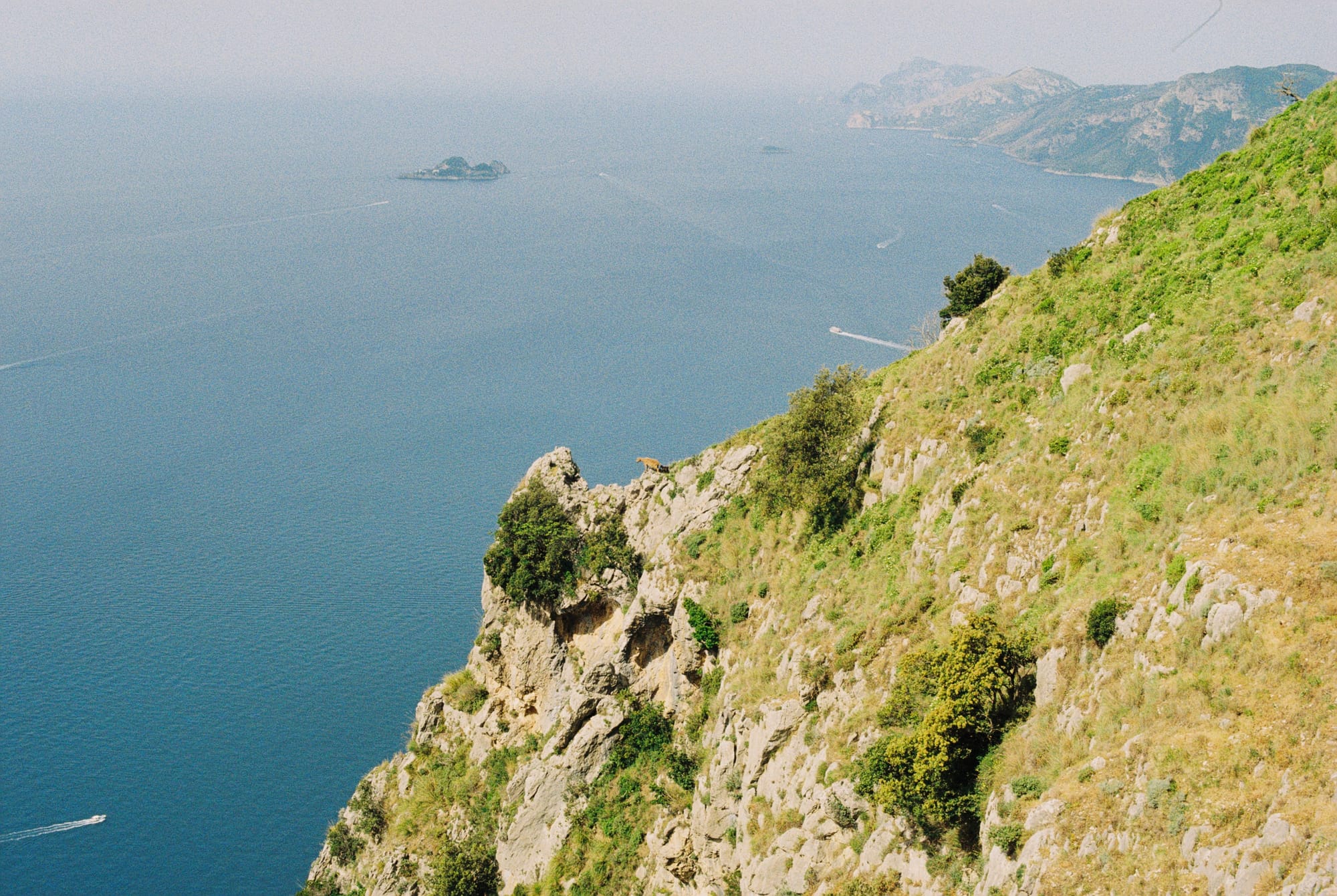
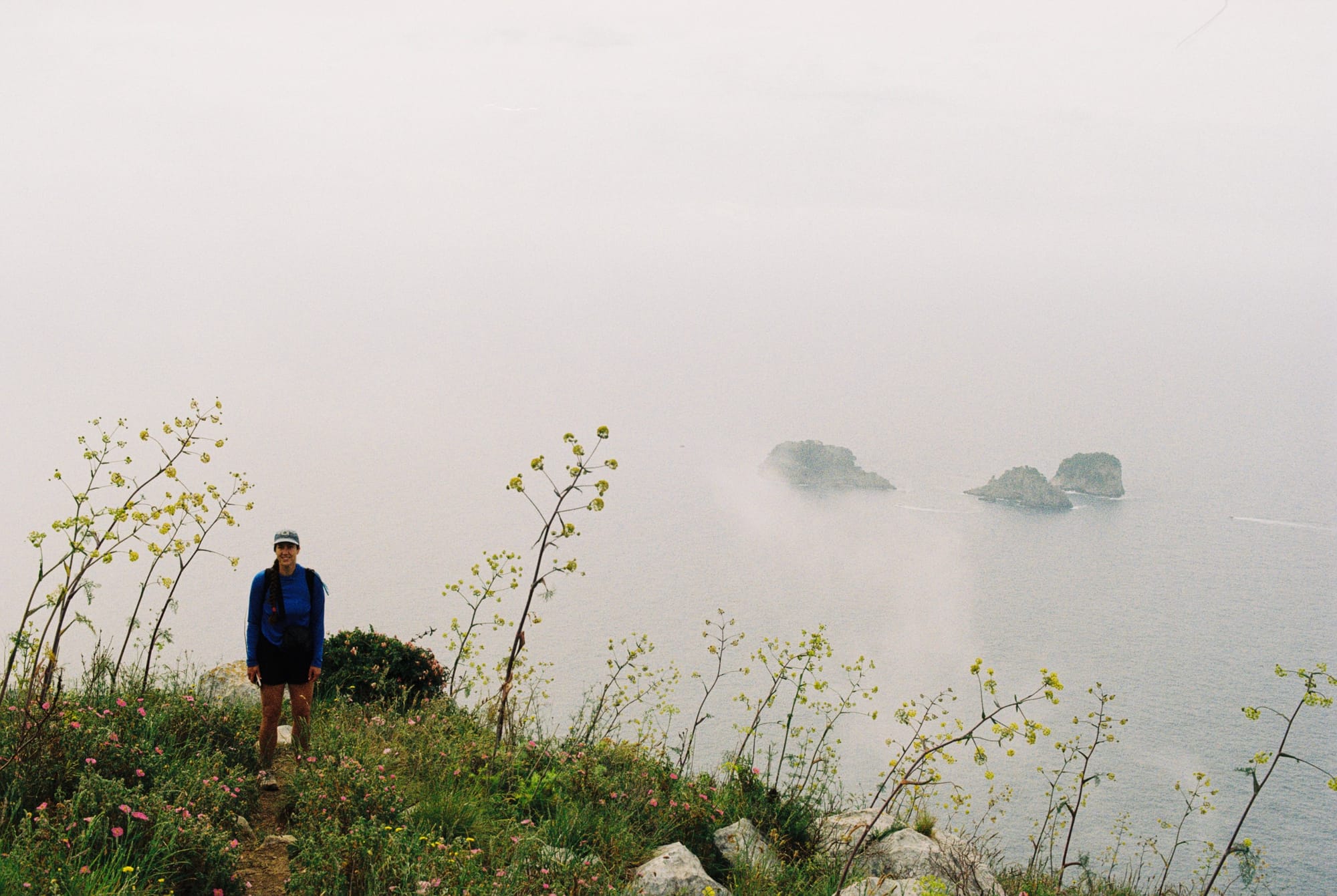
The last 2 days of the CAI-300 were much less trail-based and more of a wander down small alleys and streets through farm towns as we worked our way to our end destination of Sorrento. We did start on a steep dirt trail on Day 5 and ended up on a pristine ridge line in peak wildflower bloom. We had clear views of the Tyrrhenian Sea and the small islands dotting the coast offshore. We had mapped this out on AllTrails roughly following what the “official” route was for the CAI-300. We did the planning and mapping over a bottle of wine in Colombia months ago and it was an odd feeling being the puppet at the hands of some tipsy puppet master, who so happened to be our past selves. We ended our Day 5 in the small town of Termini.
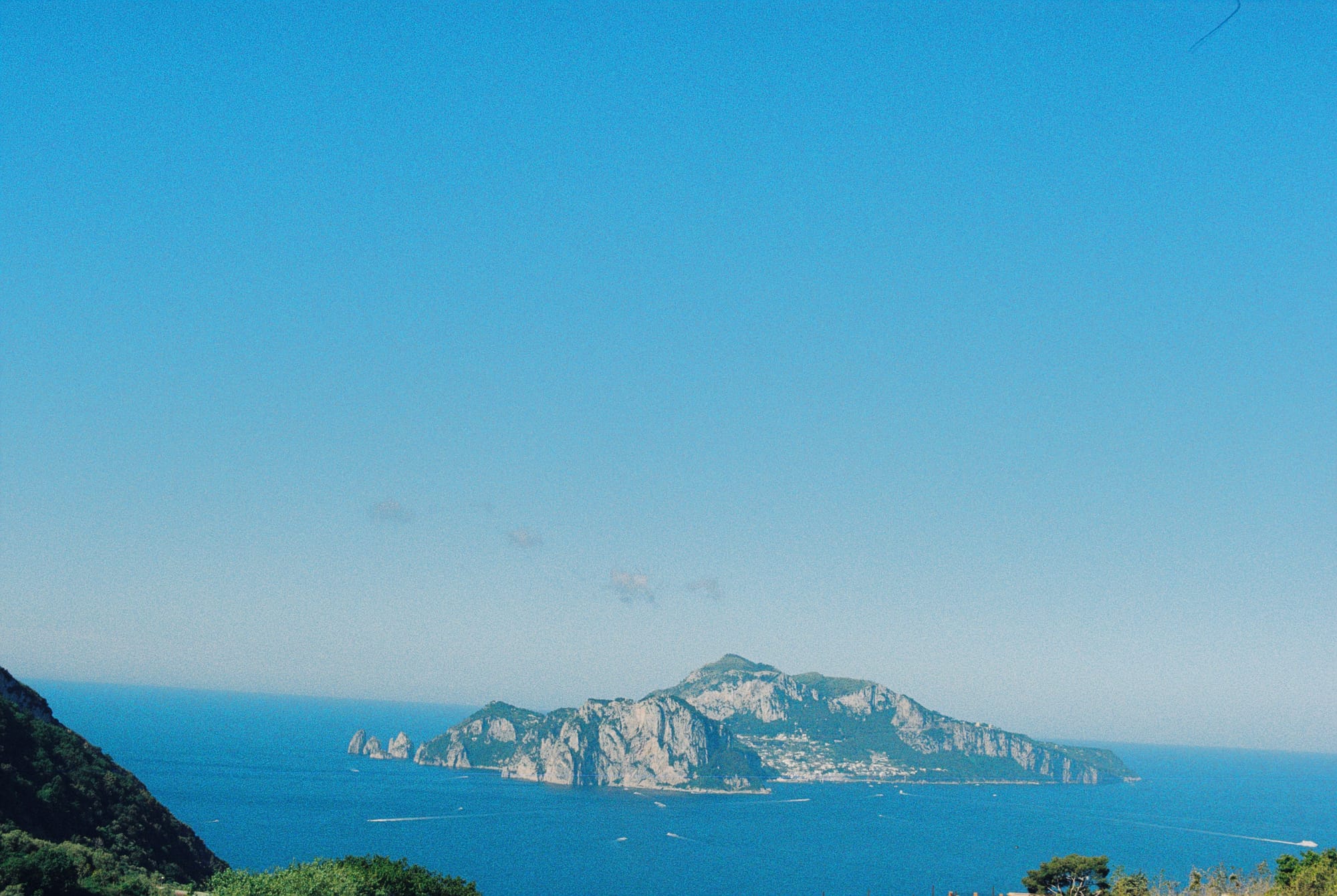
Day 6 was our final hiking day along the Amalfi Coast and although we were looking forward to washing our clothes and trying to escape our perma-stink, it was bittersweet because the CAI-300 turned out to be a beautiful and desolate hike (in the best sense of the word). We had brief views of the island of Capri at the beginning of the hike today as our ridgeline walk was impeded by thick fog. The rest of the day was wandering through the maze of streets and alleyways.
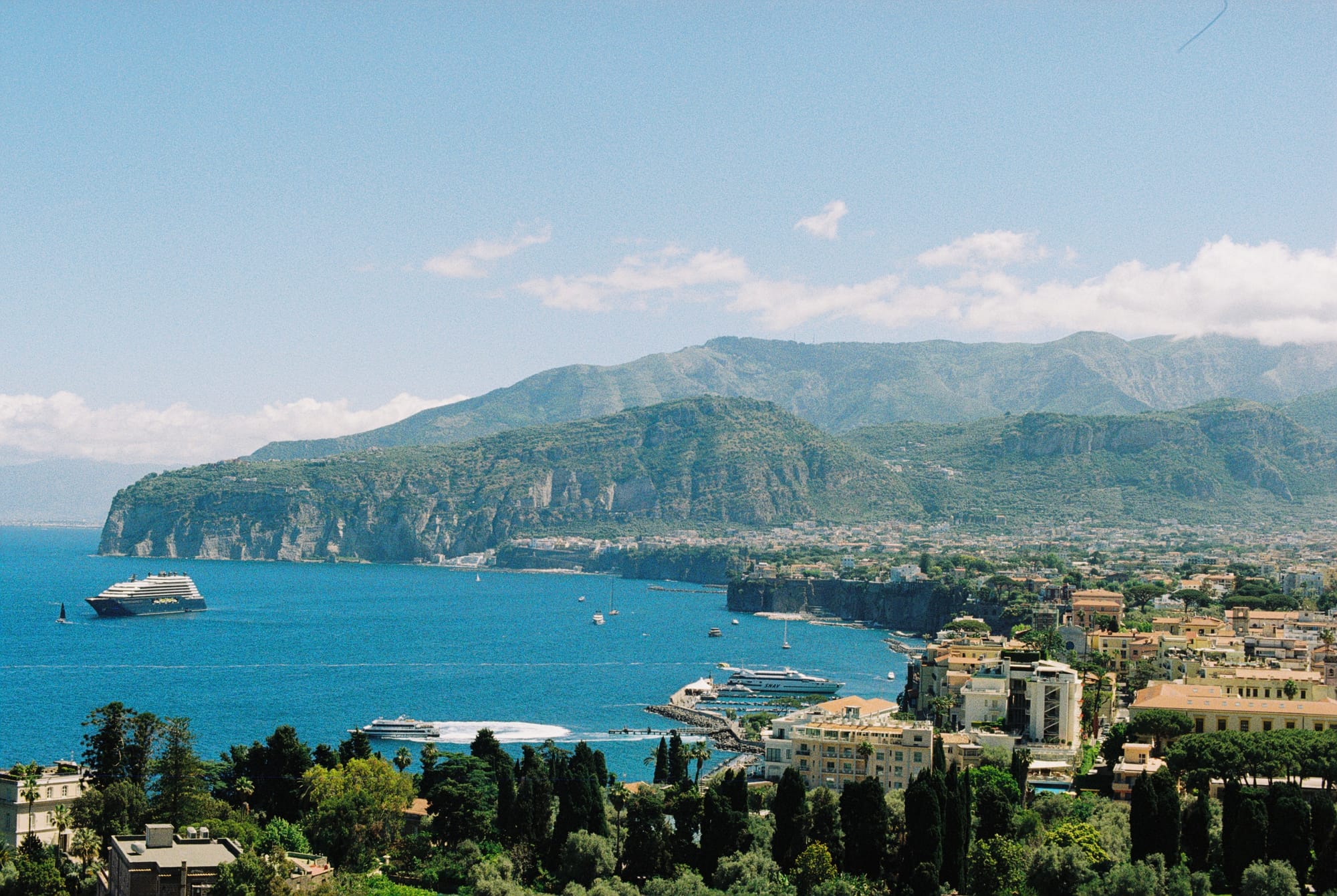
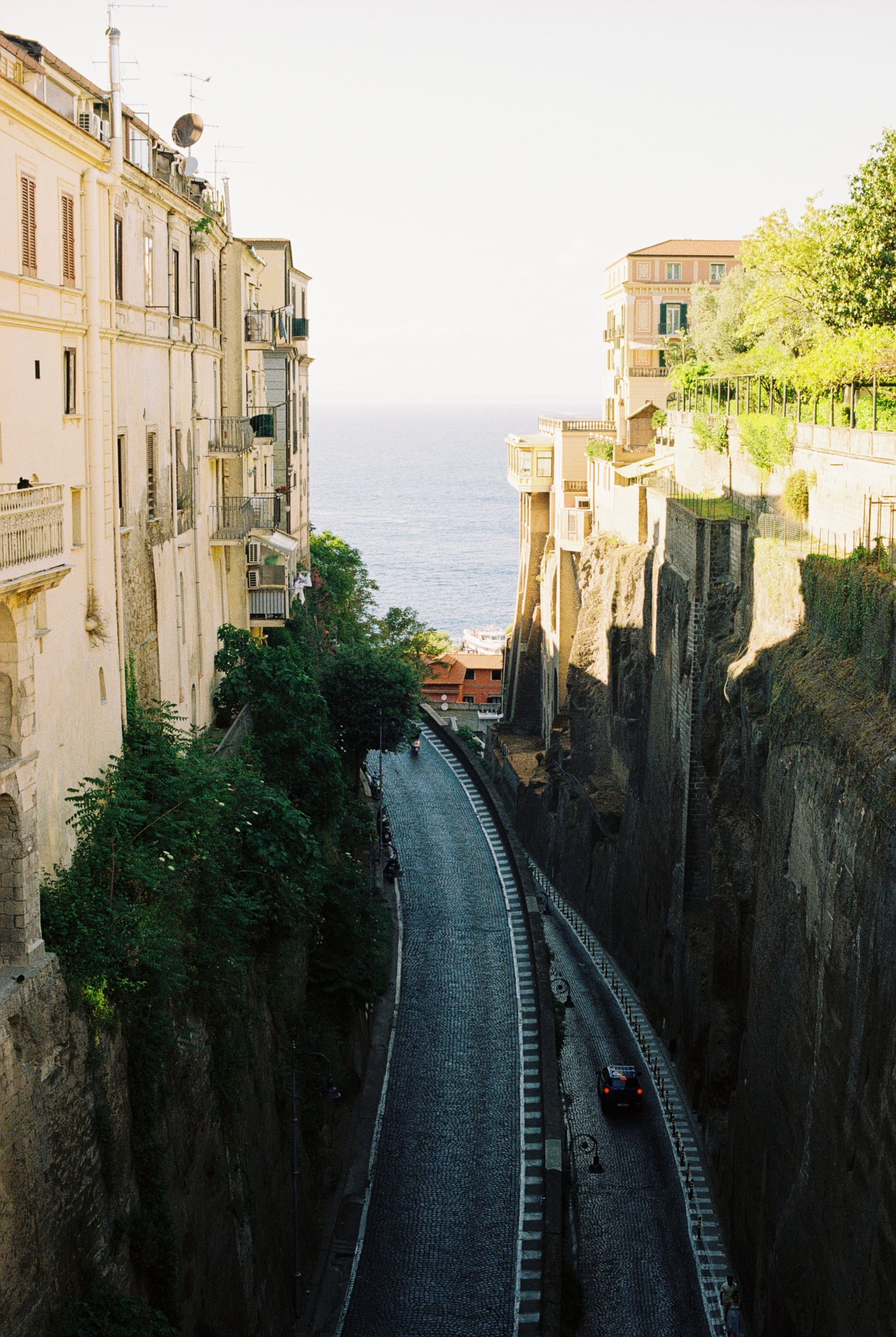
It seems that every little town on the Amalfi coast has a few shared characteristics: a giant fruitful lemon grove, a beautiful church with a glamorous dome, a relaxed and sleepy feeling to the streets which are egalitarian in use between pedestrians, cars, and scooters. There is always a cafè serving espresso shots with seltzer water chasers at any time of day, a tobaccheria which is the understated heart of the town selling bus and lottery tickets, bad pastries, and, of course, cigarettes. Through these towns we wandered until we reached Sorrento where we did laundry and took a rest from our burdensome duffles.
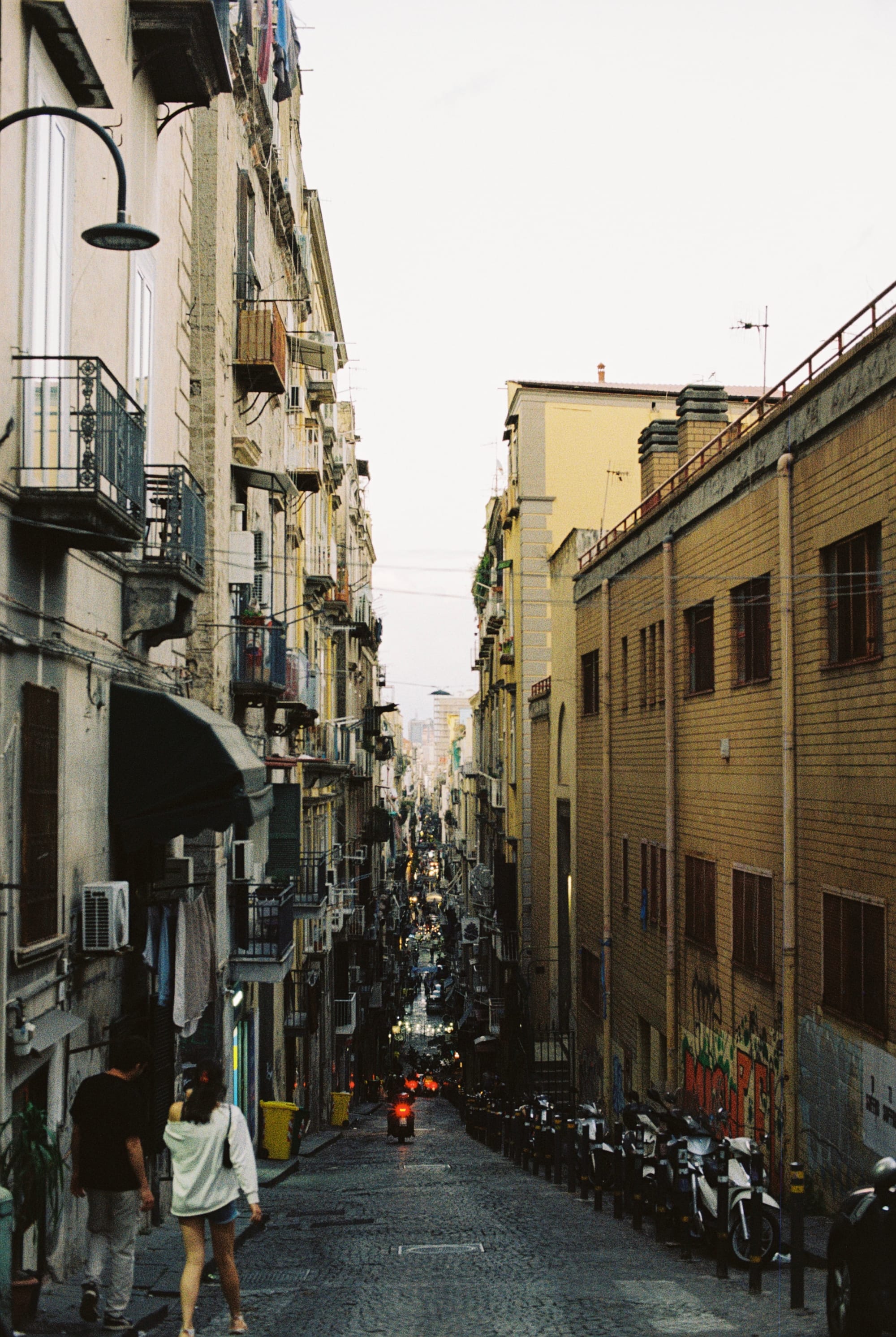
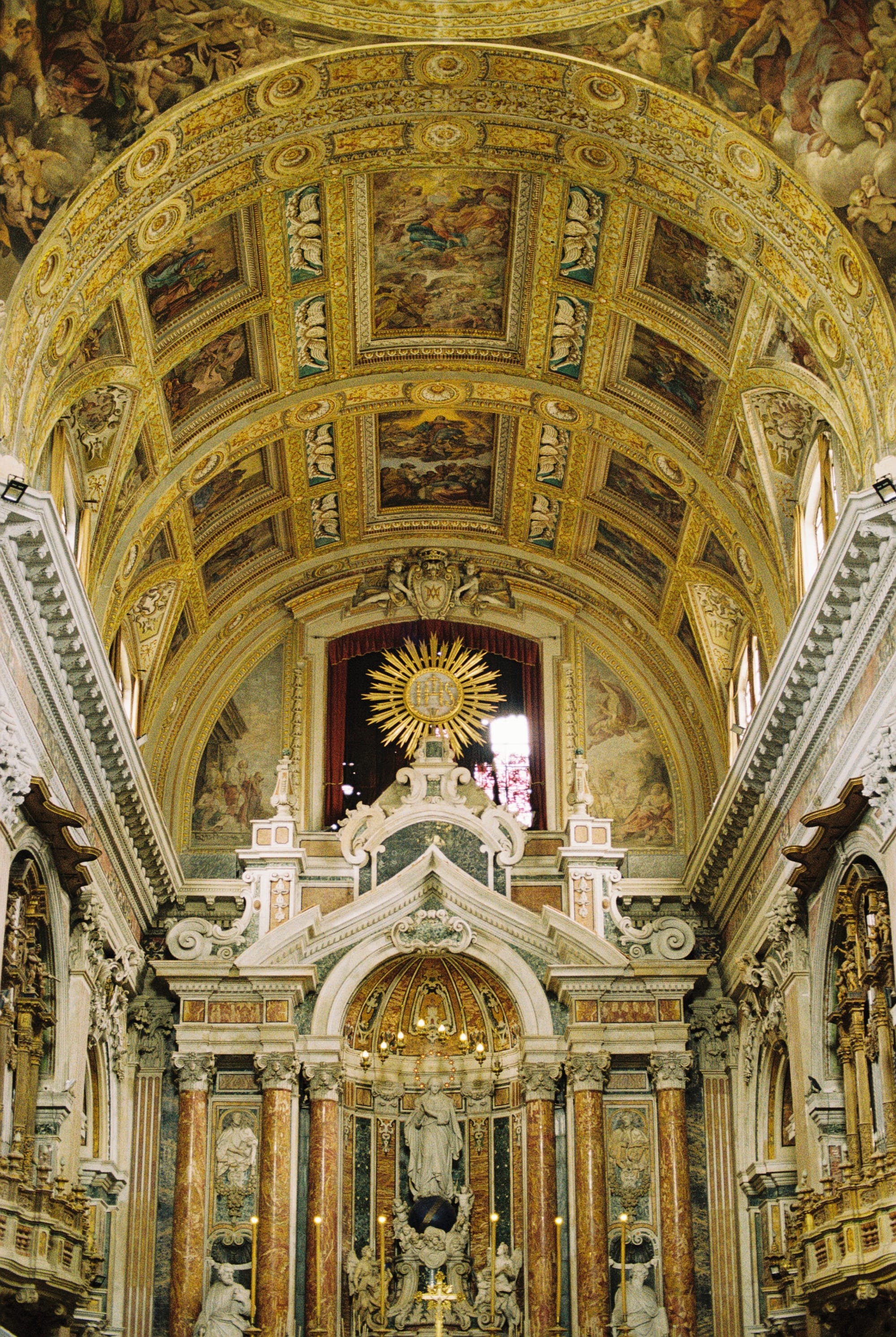
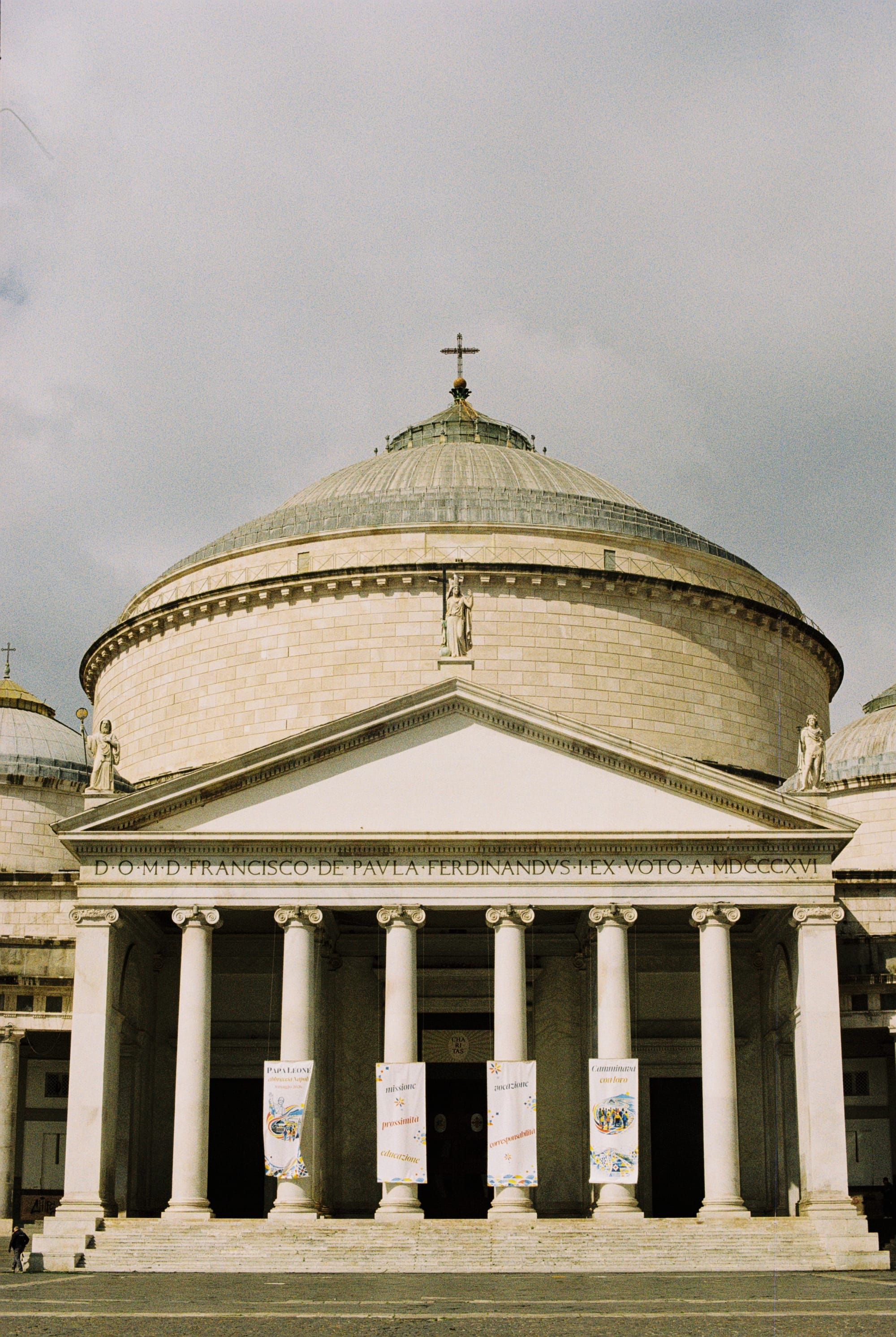
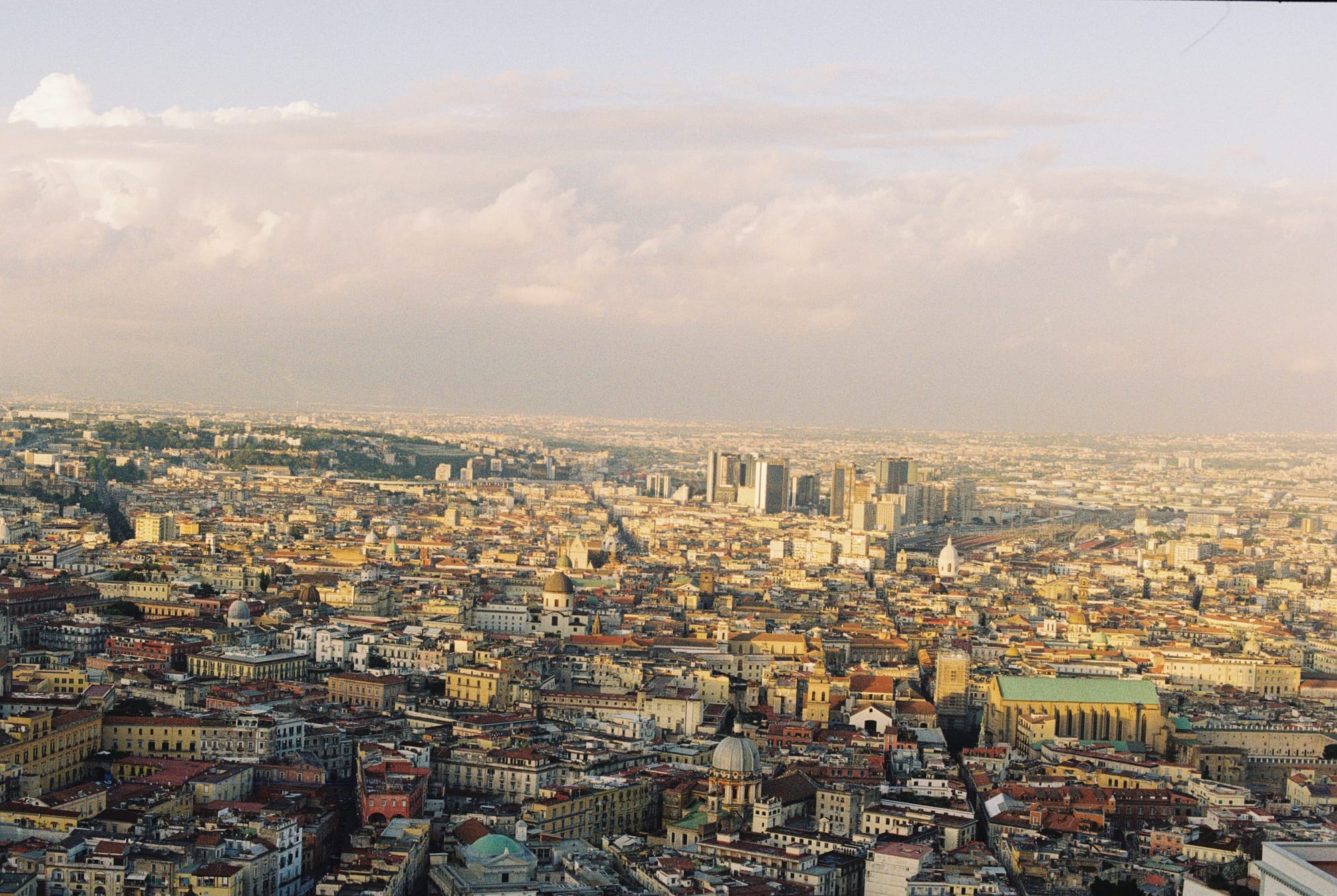
The next day, we took a train to Naples. We gave this city the ol’ college try but we were not fans. It was dirtier than any city we’ve been to so far on our trip and it was crowded. It did have some impressive architecture including the Piazza del Plebiscito, Chiesa del Gesu Nuovo, and Castel Sant’Elmo for a great city and bay view.
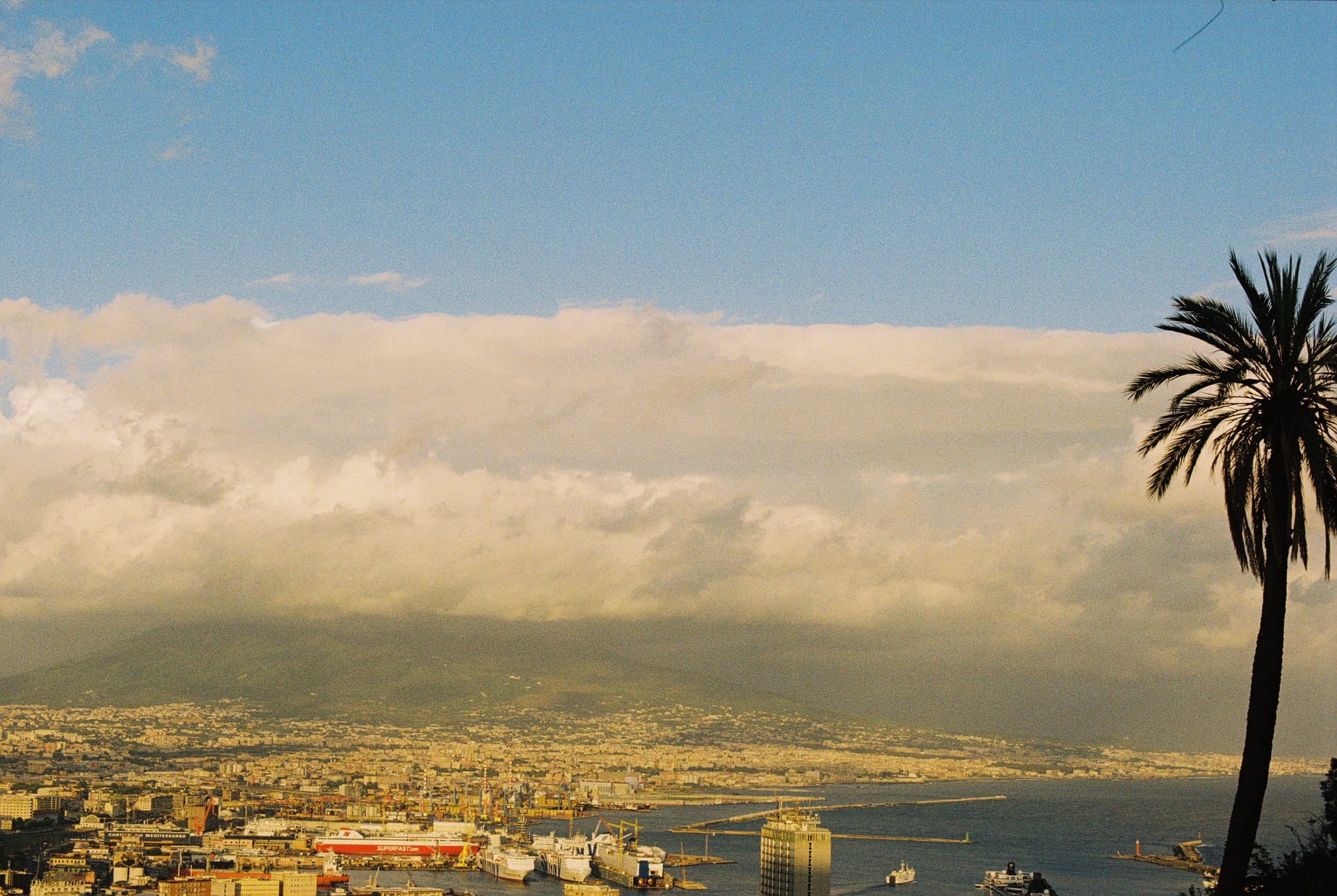
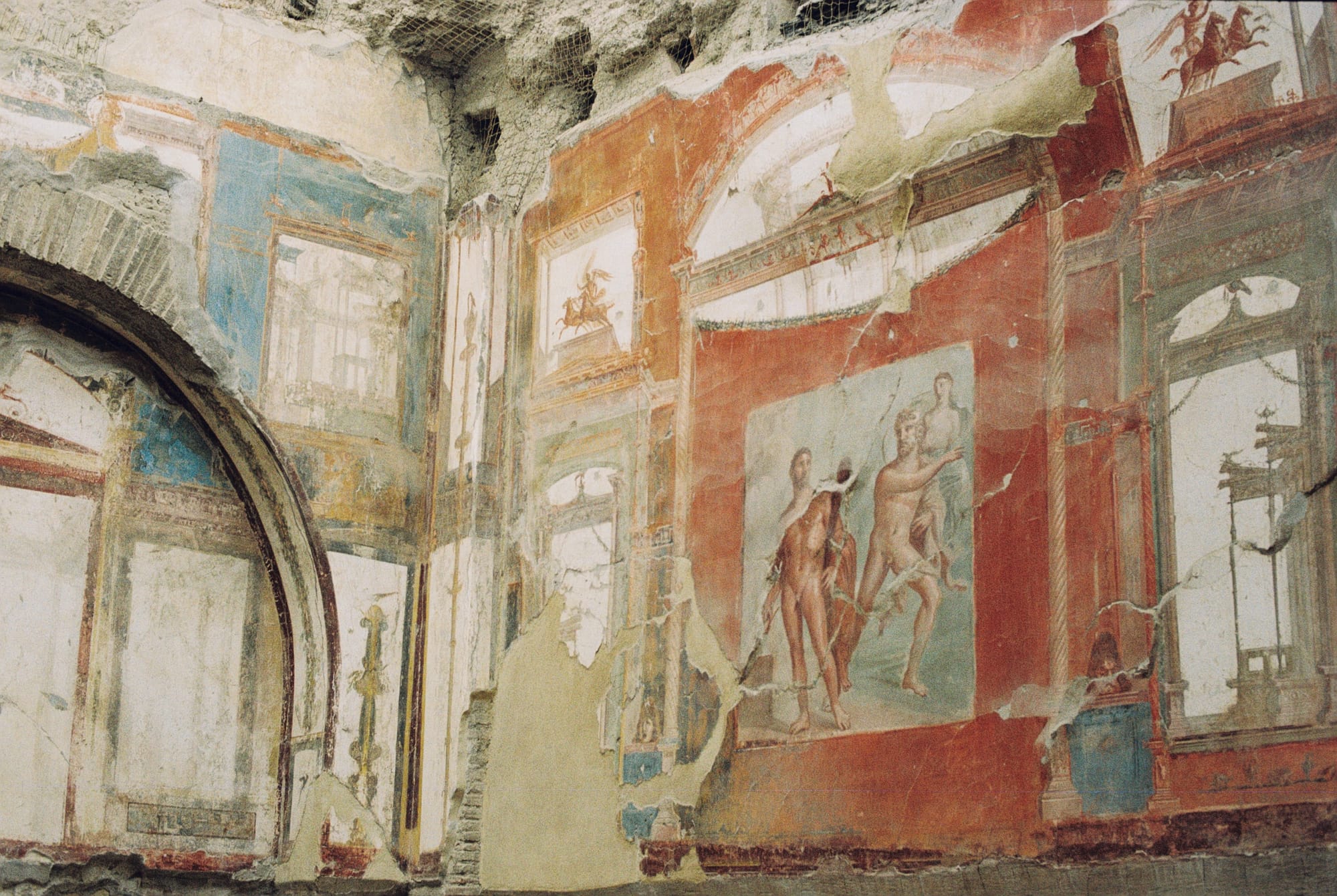
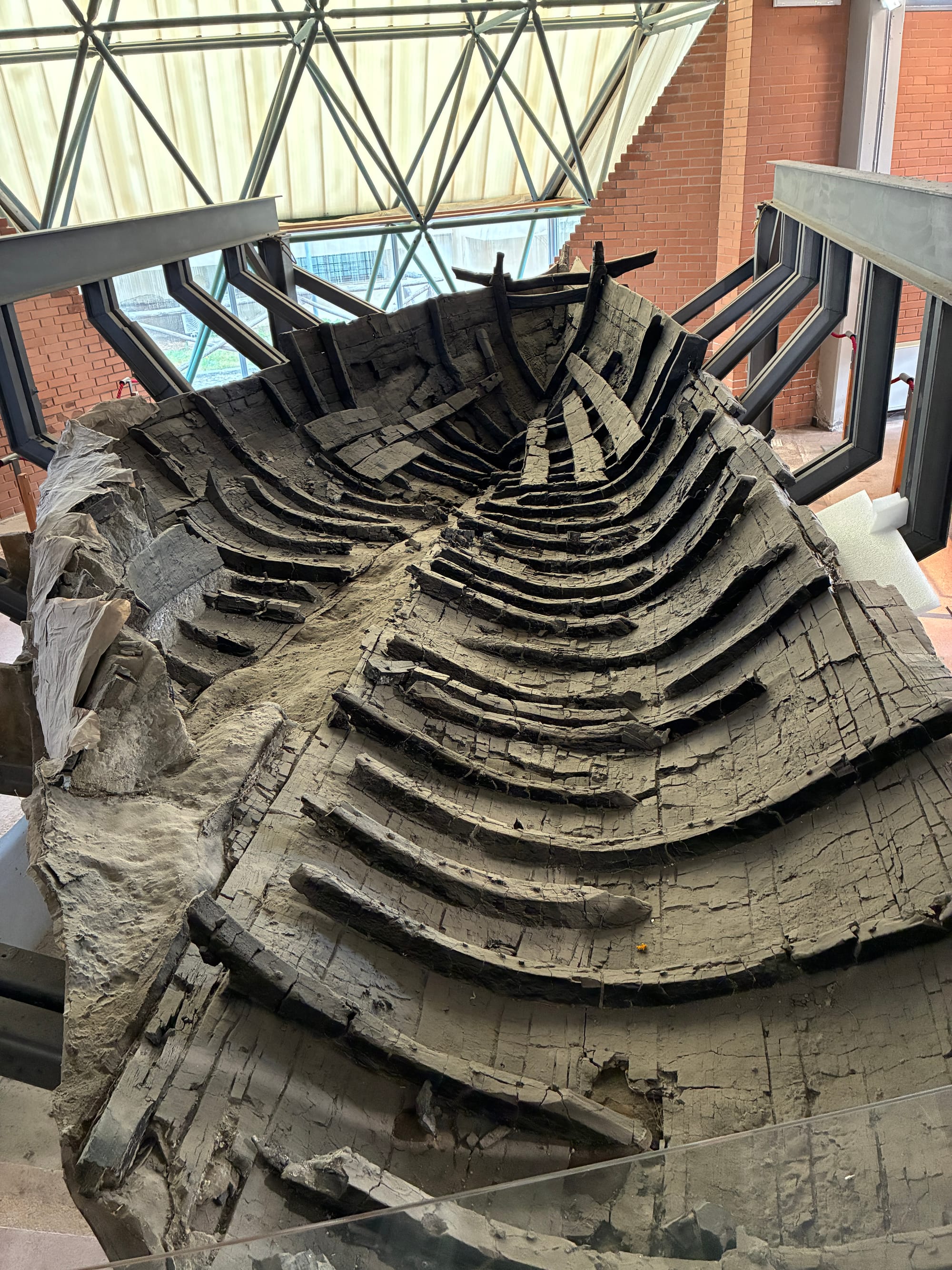
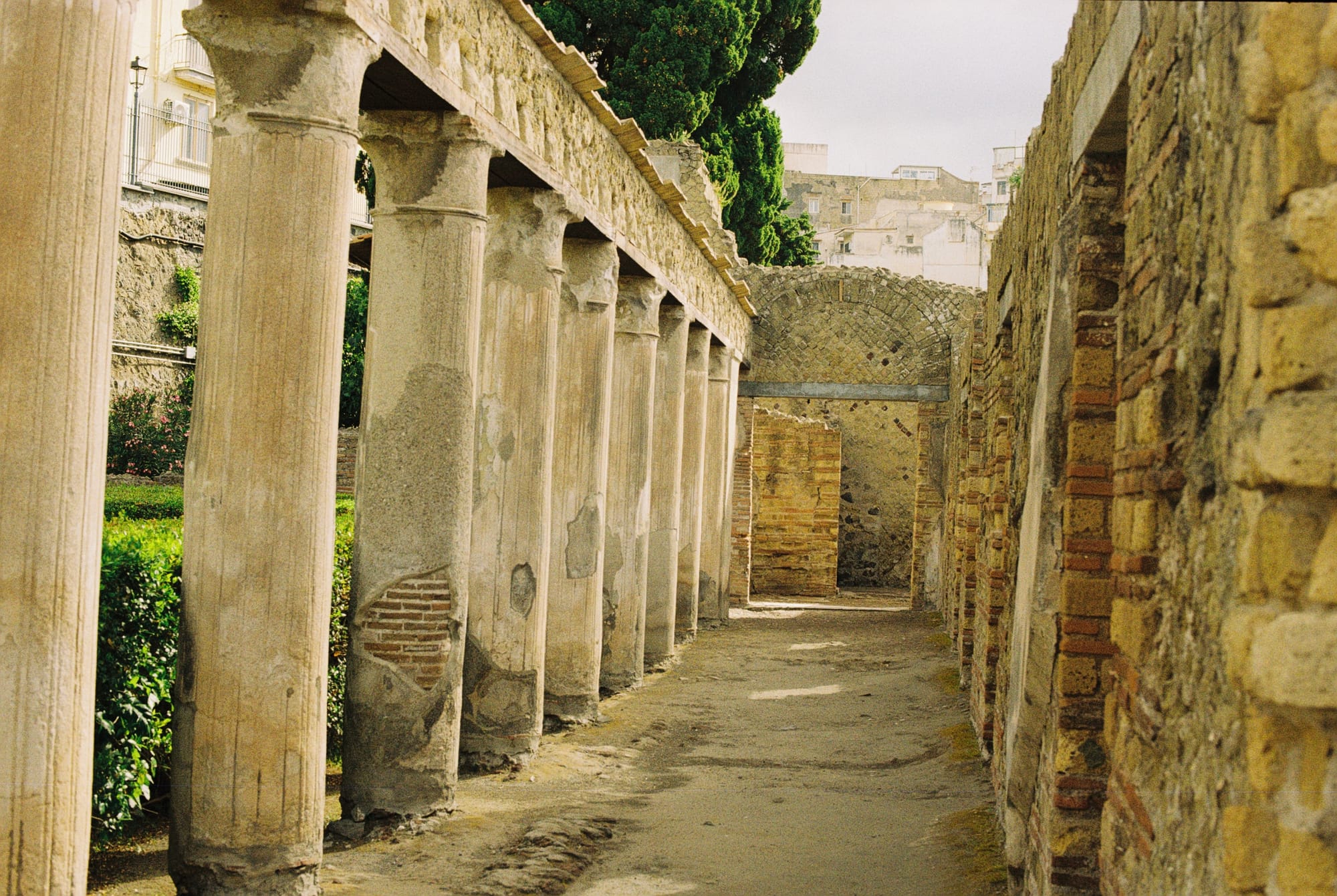
We took a day trip from Naples to see Herculaneum, which, along with its more famous neighbor of Pompeii, was destroyed in the eruption of Mt. Vesuvius in 79 AD. It was a wealthy vacation town for the Roman elite with a population of 5,000 when it was hit with a pyroclastic flow that was over 900 degrees Fahrenheit. It instantly killed all inhabitants and carbonized some of the natural products, which is why wood (and even a wooden ship) was found here along with immaculate frescoes and tile work. It lay perfectly preserved and hidden for centuries until a well-digger drilled his way down to the roof of one of the houses in 1709. One of the most amazing and shocking findings were 300 skeletons that were found in the boat houses along the shore where people had tried to seek shelter during the eruption. It was an incredible and somber experience to visit Herculaneum.
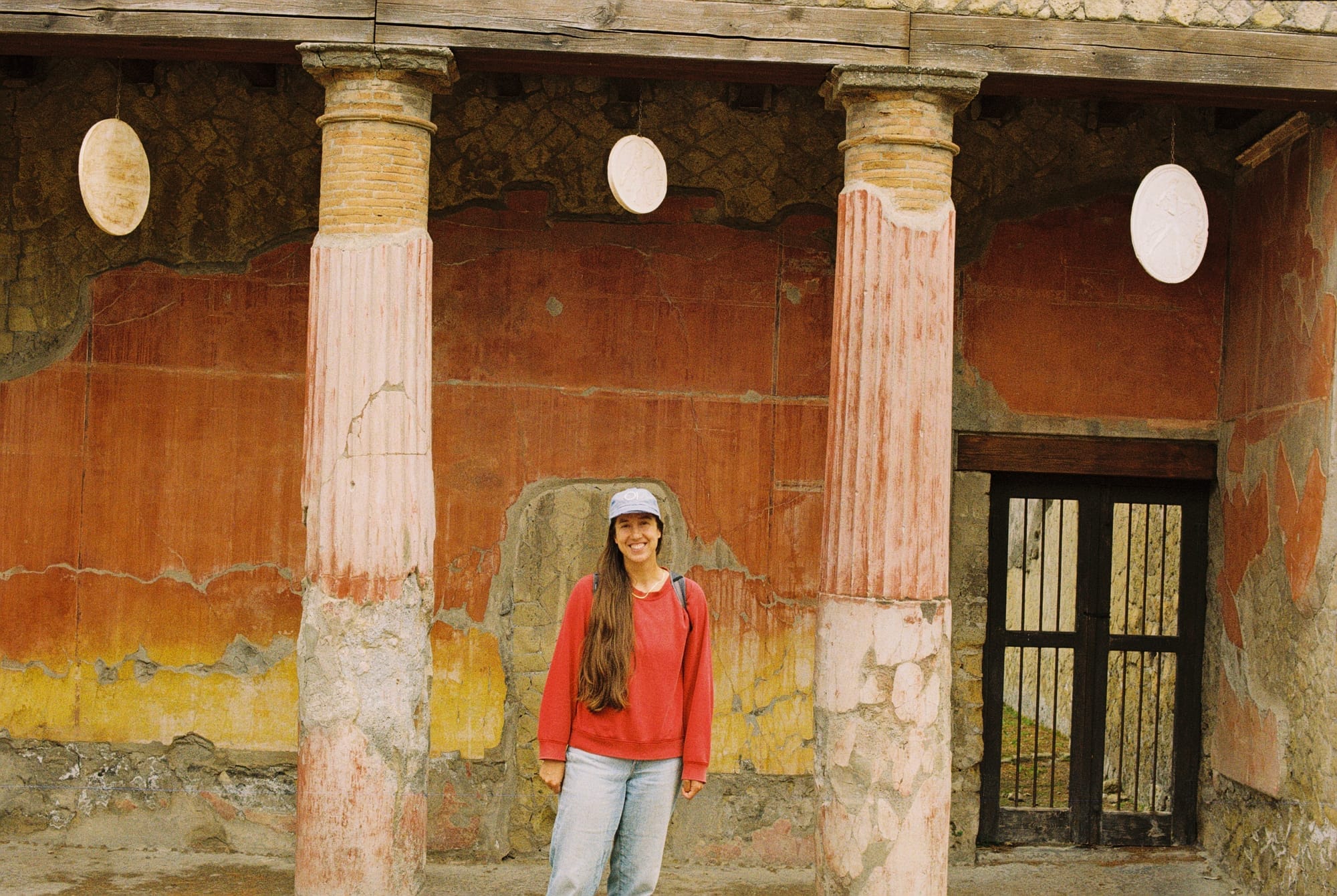
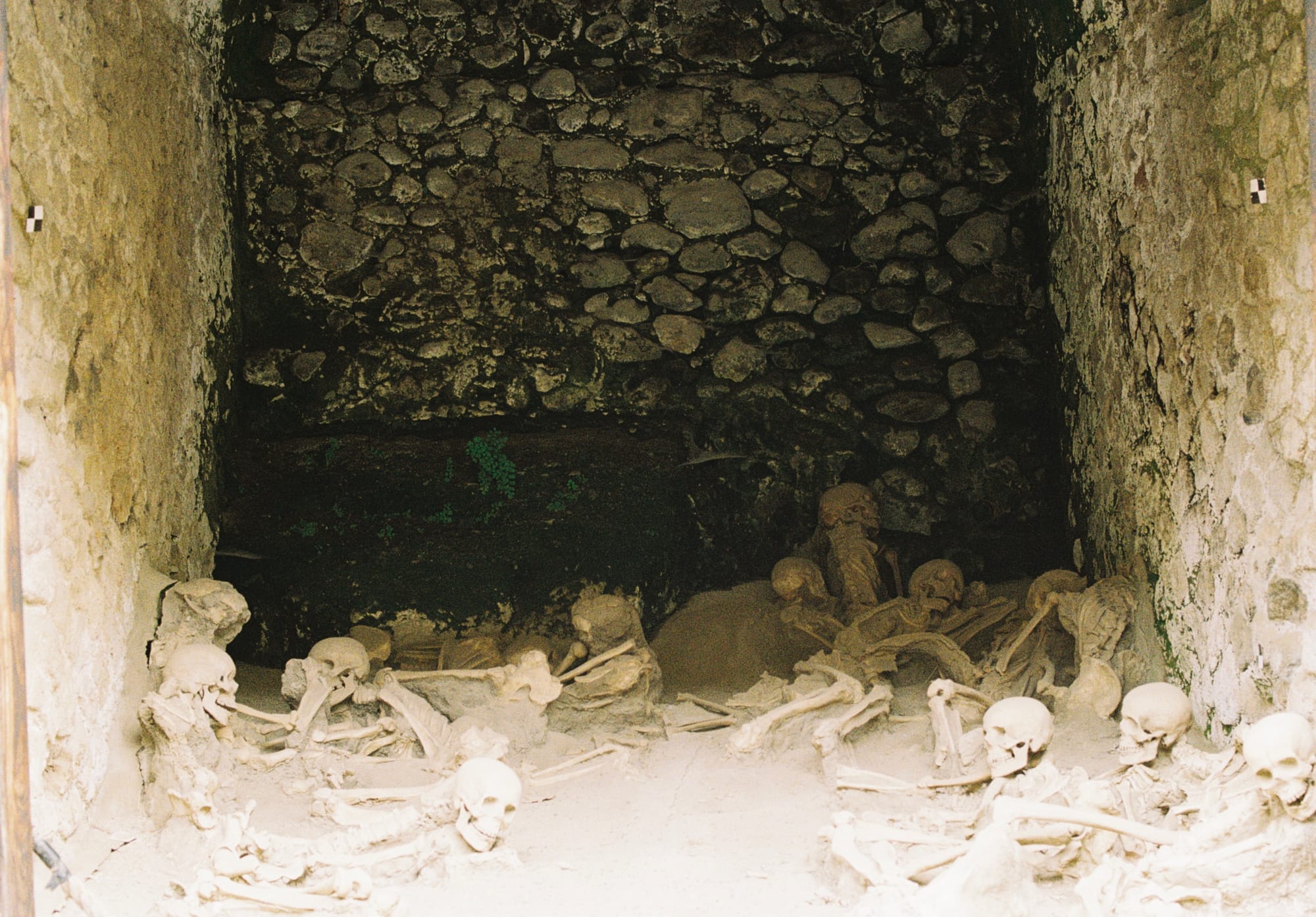
Naples was our last stop on the Italy leg and we left the country with mixed feelings. There were parts of our travels here that rival any other town or day-hike or landscape vista that we’ve come across so far, like in the small villages north and south of Cinque Terre and along the Amalfi Coast. But the crowds in Florence and Rome and the 5 villages of Cinque Terre, even during shoulder season, made every city street feel like it was at full capacity. Of course, there are reasons why everyone flocks to these cities; the food, the art, and the history. We are two people in the record-breaking 1.5 billion international travelers annually and we learned we can accept jostling with strangers to get a glimpse or taste of something astounding as long as it was interrupted by time spent in more lonely and beautiful spaces, which is exactly what Italy offered.
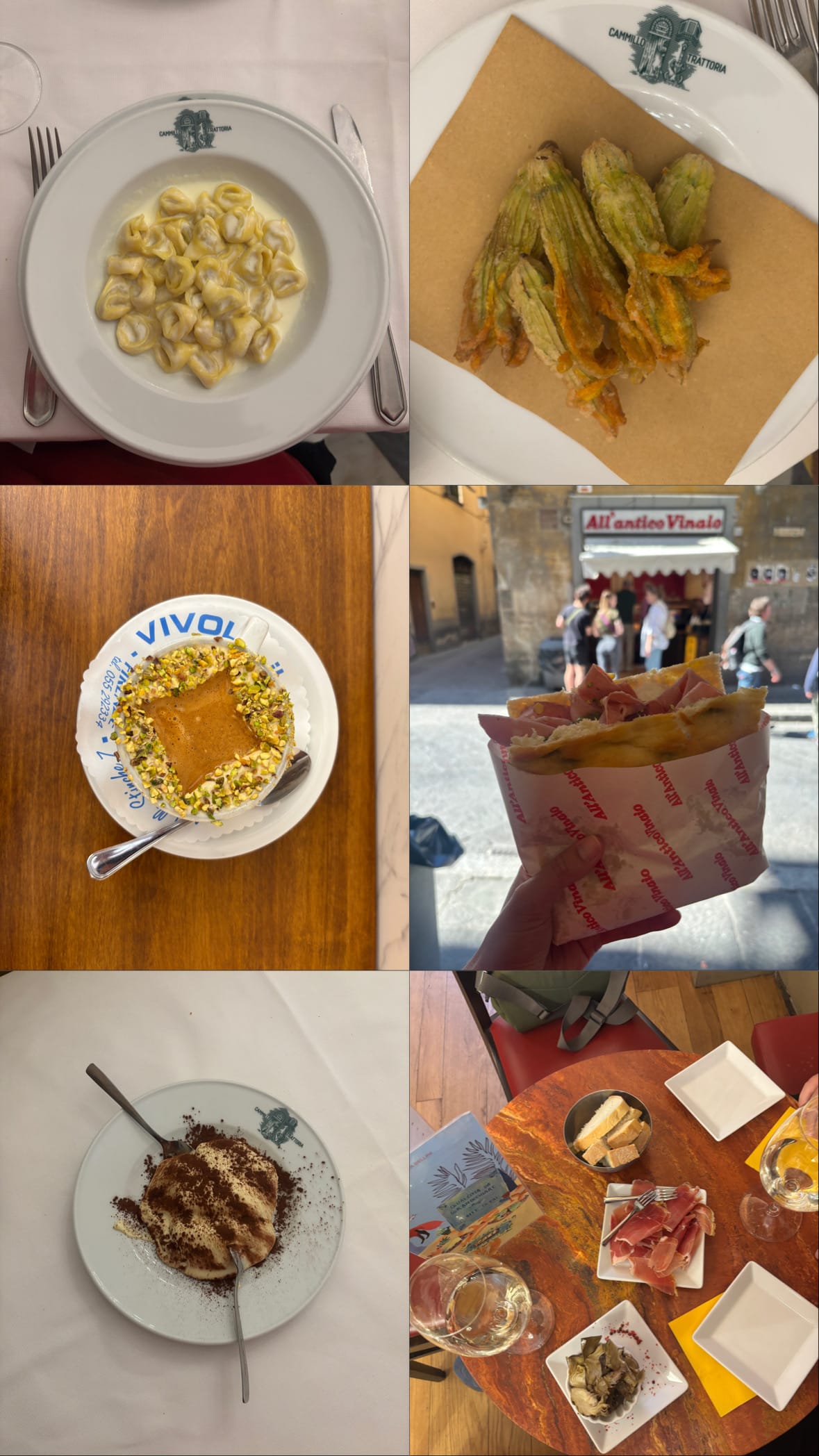
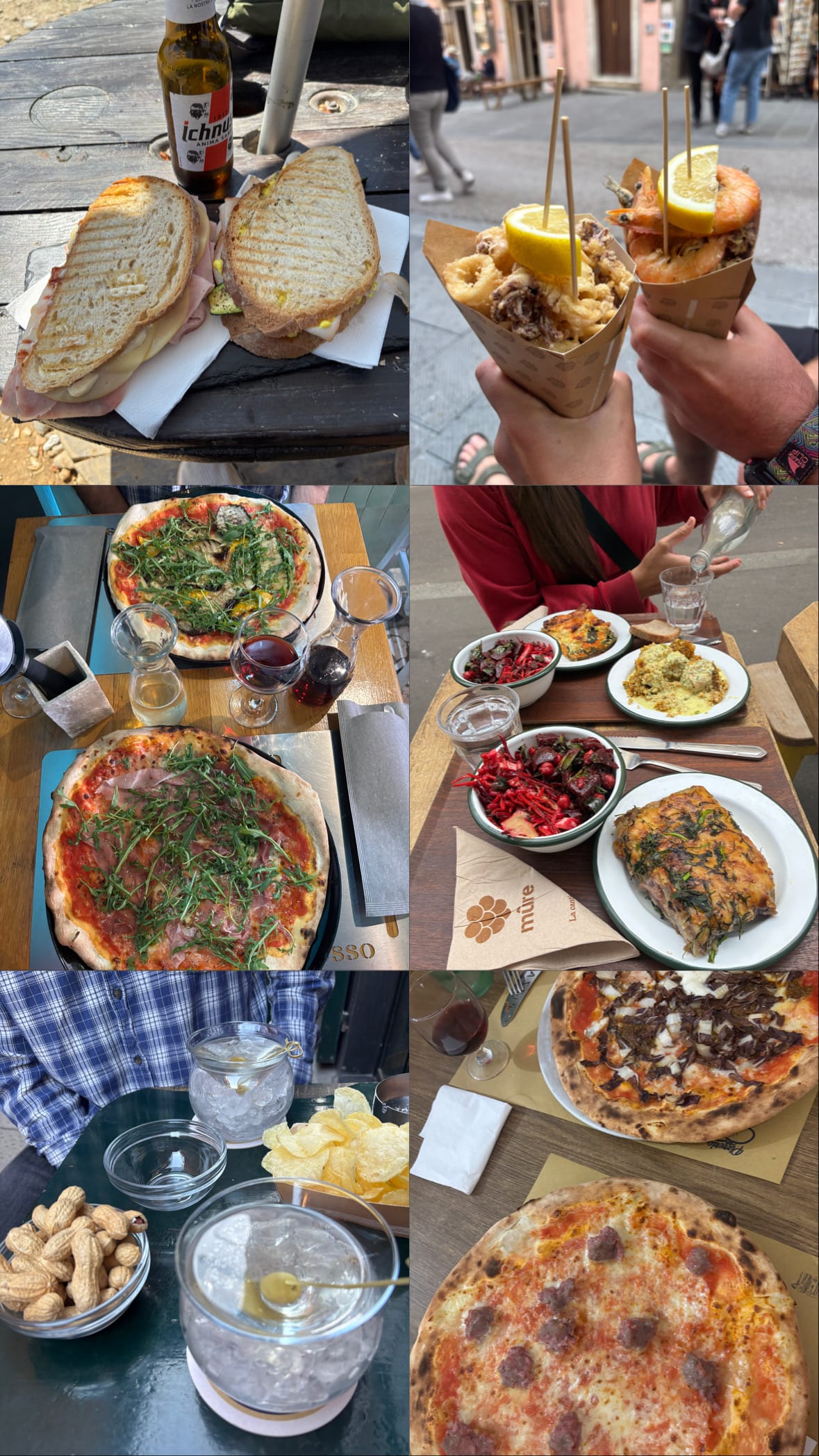
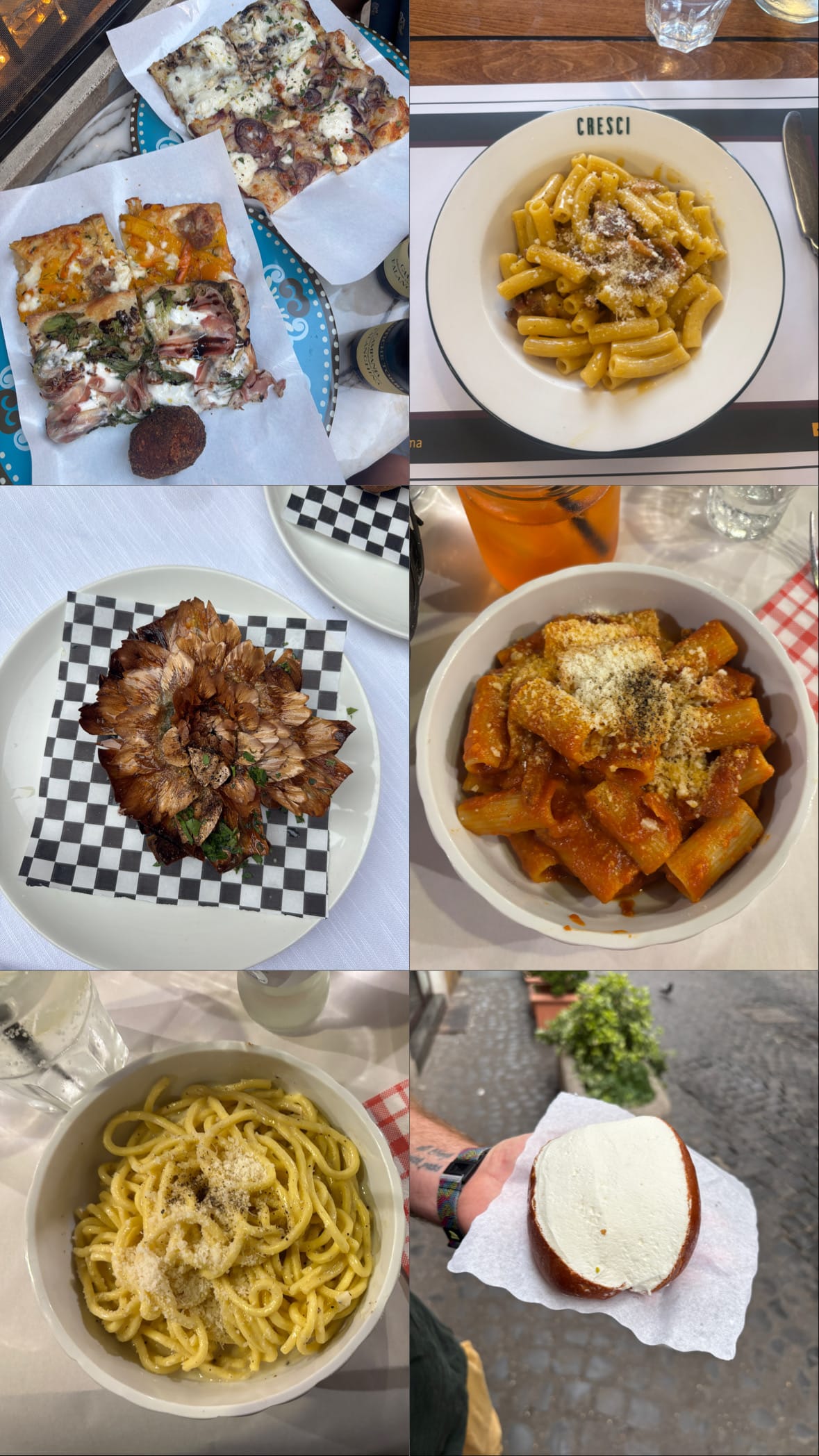
This is why we had to hike so much in Italy…
We have never experienced a nicer climate than the Italian Riviera, have never had more delicious pizza than when we were perched in a small village on a park bench in the middle of a hiking day, and have never walked more pristine and perfumed trails.