Greece
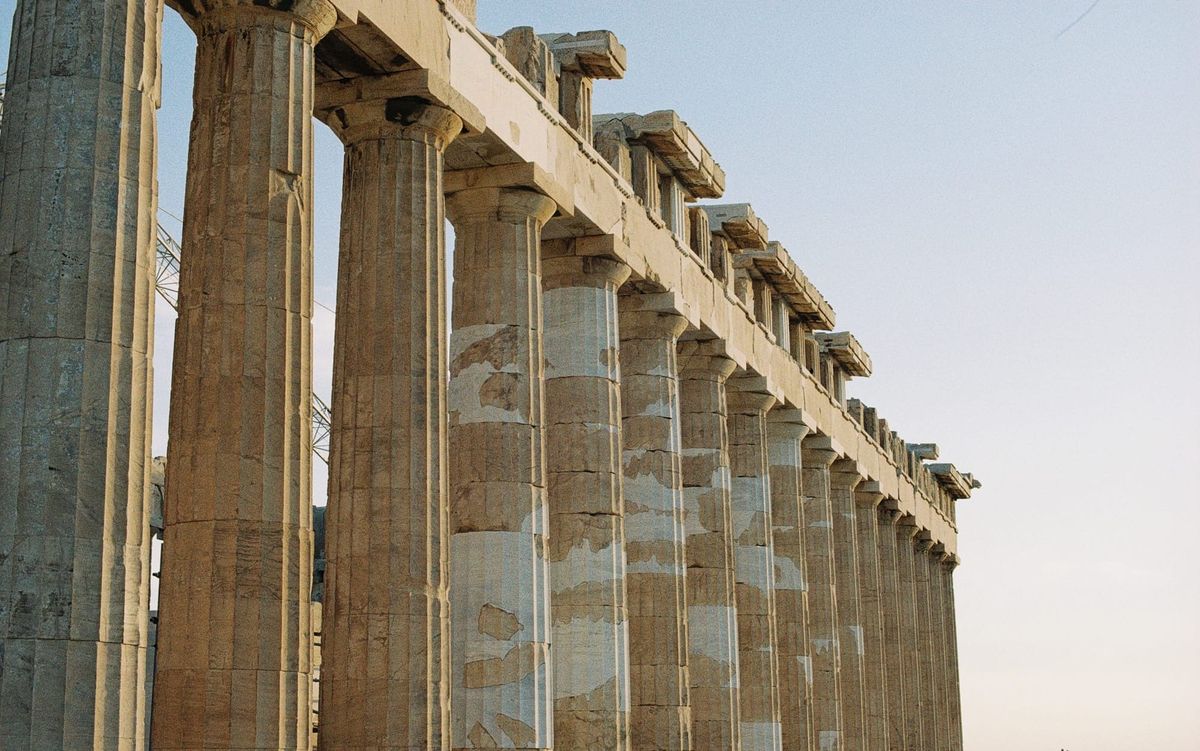
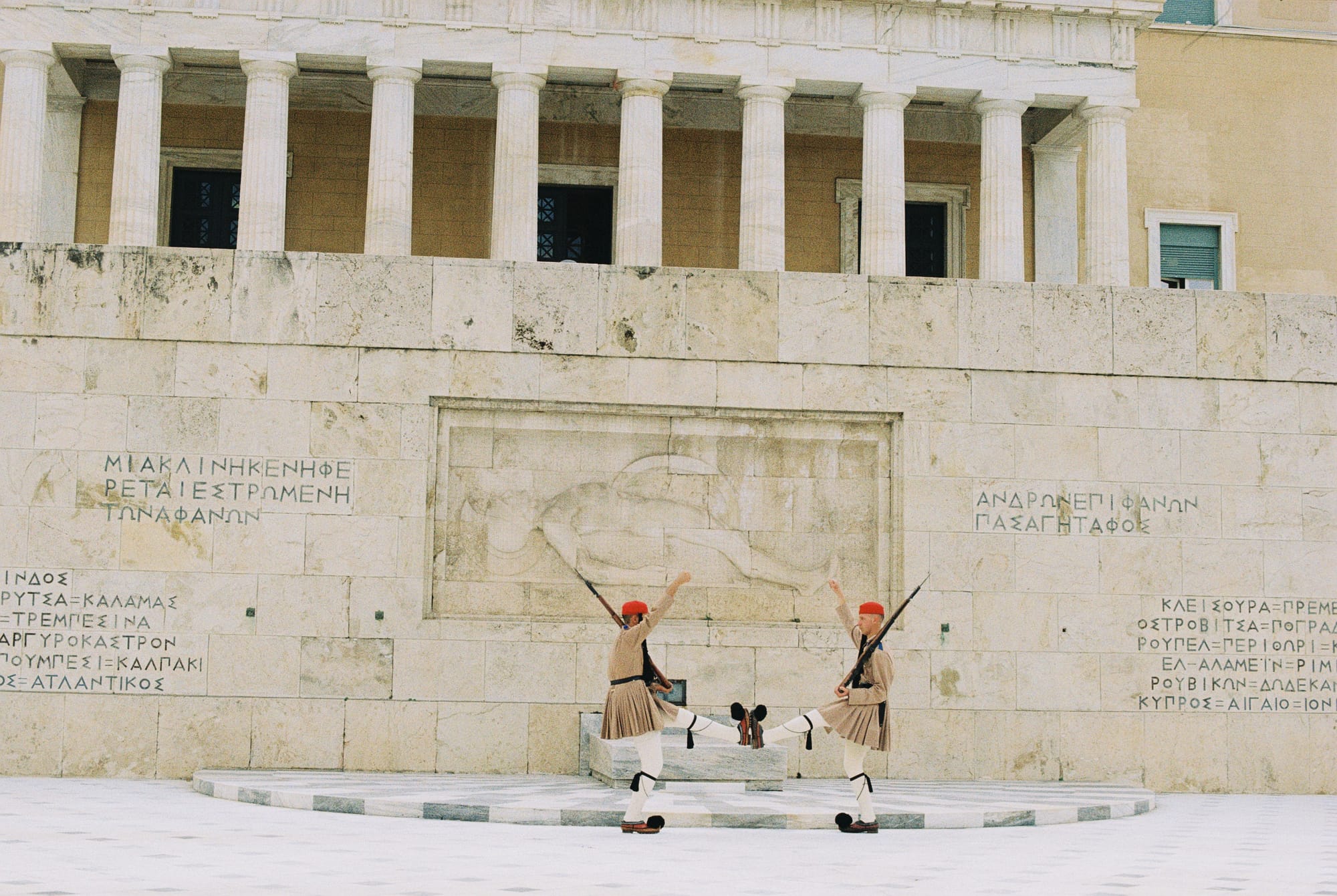
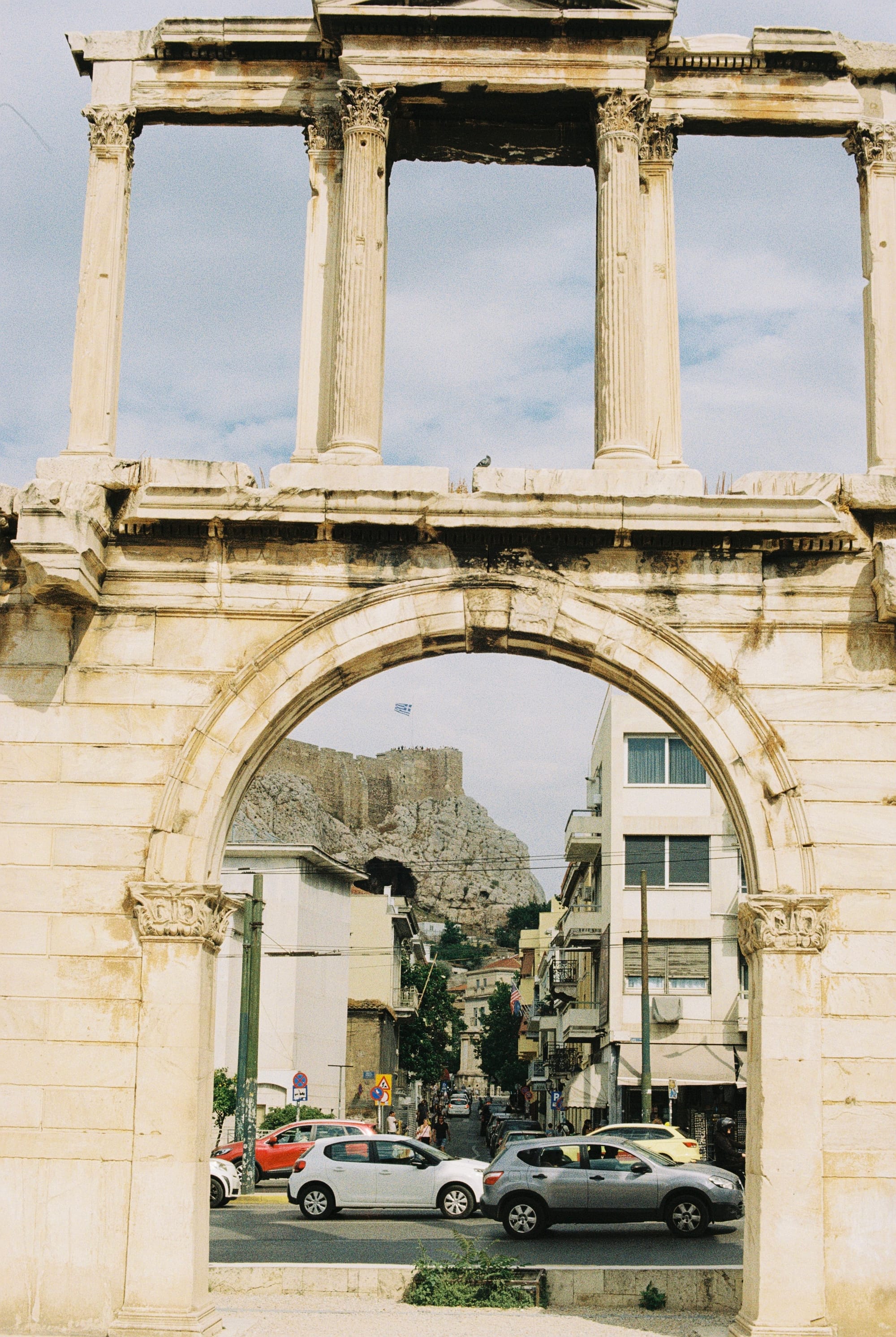
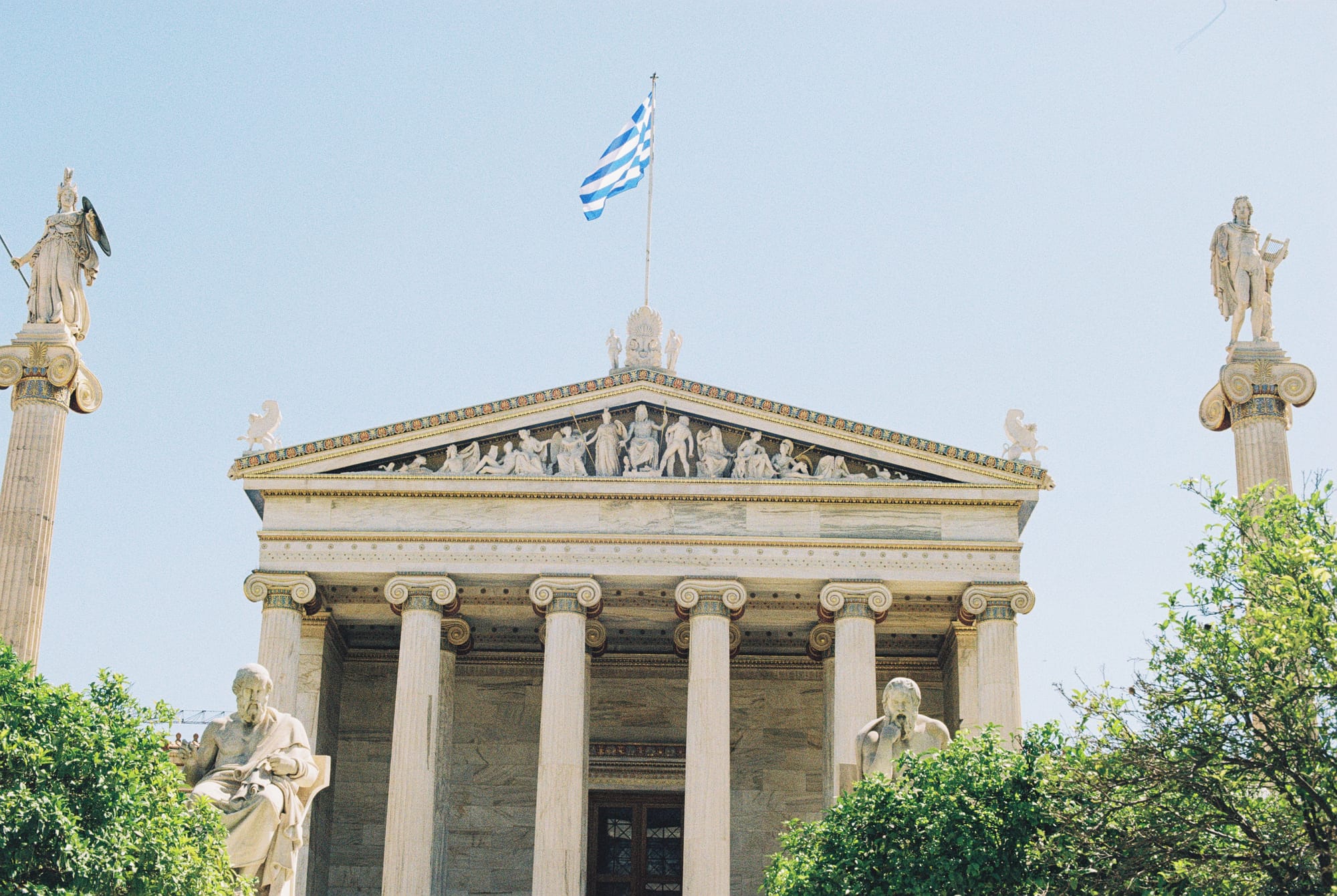
Although we were quite gutted to leave our beloved Croatia, we were both excited to visit Greece, a new country for both of us. We spent our first few days in Athens and on our first morning we visited the sprawling National Garden and roamed around the streets admiring the ancient ruins and architecture like Hadrian’s Gate, The Academy of Athens, and we watched the changing of the guard at the Tomb of the Unknown Soldier in Syntagma Square. We did get hit with the European heat wave as we entered into Athens and had to take some mid-day siestas (which were lovely). Our first evening in Athens, we visited the Acropolis.
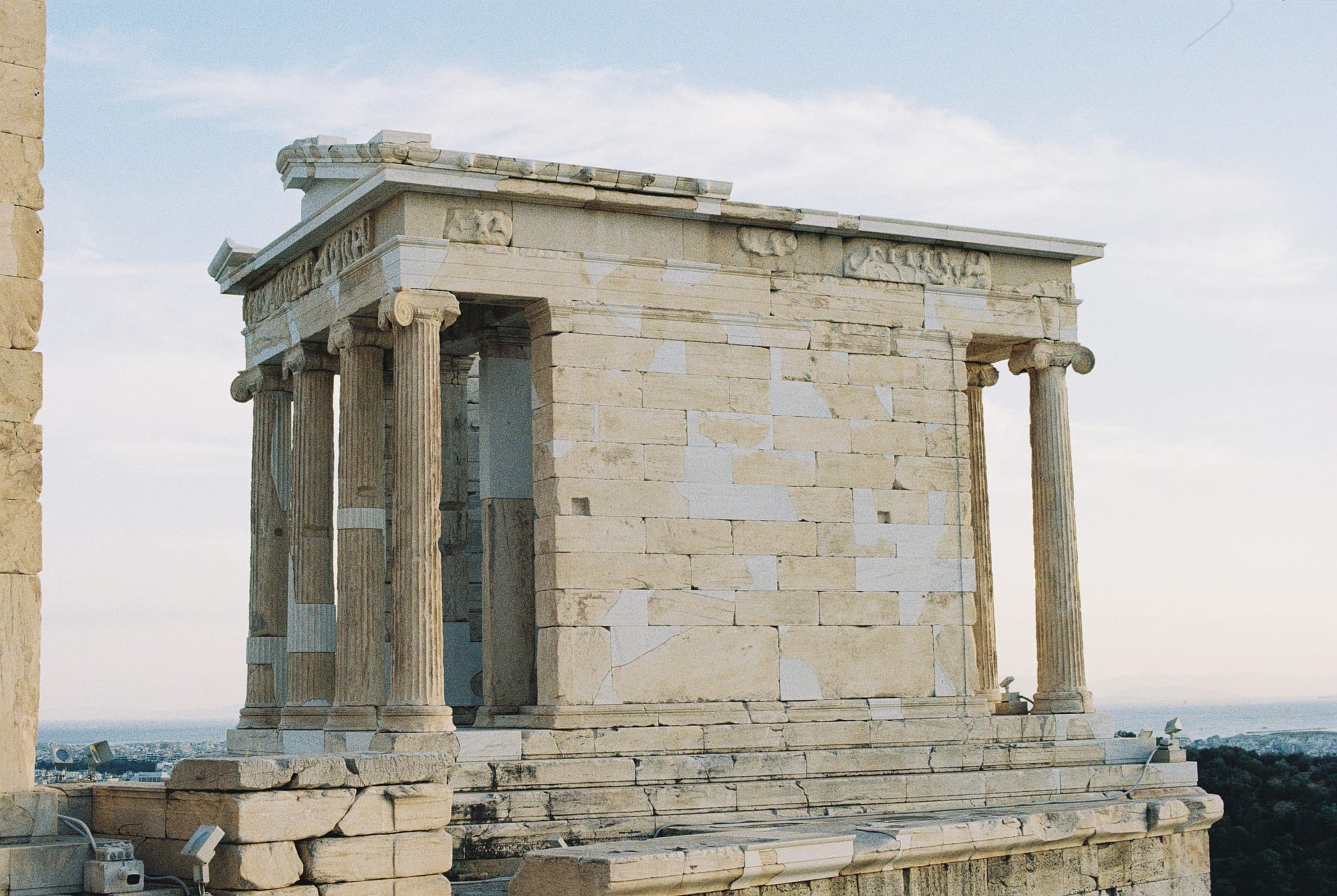
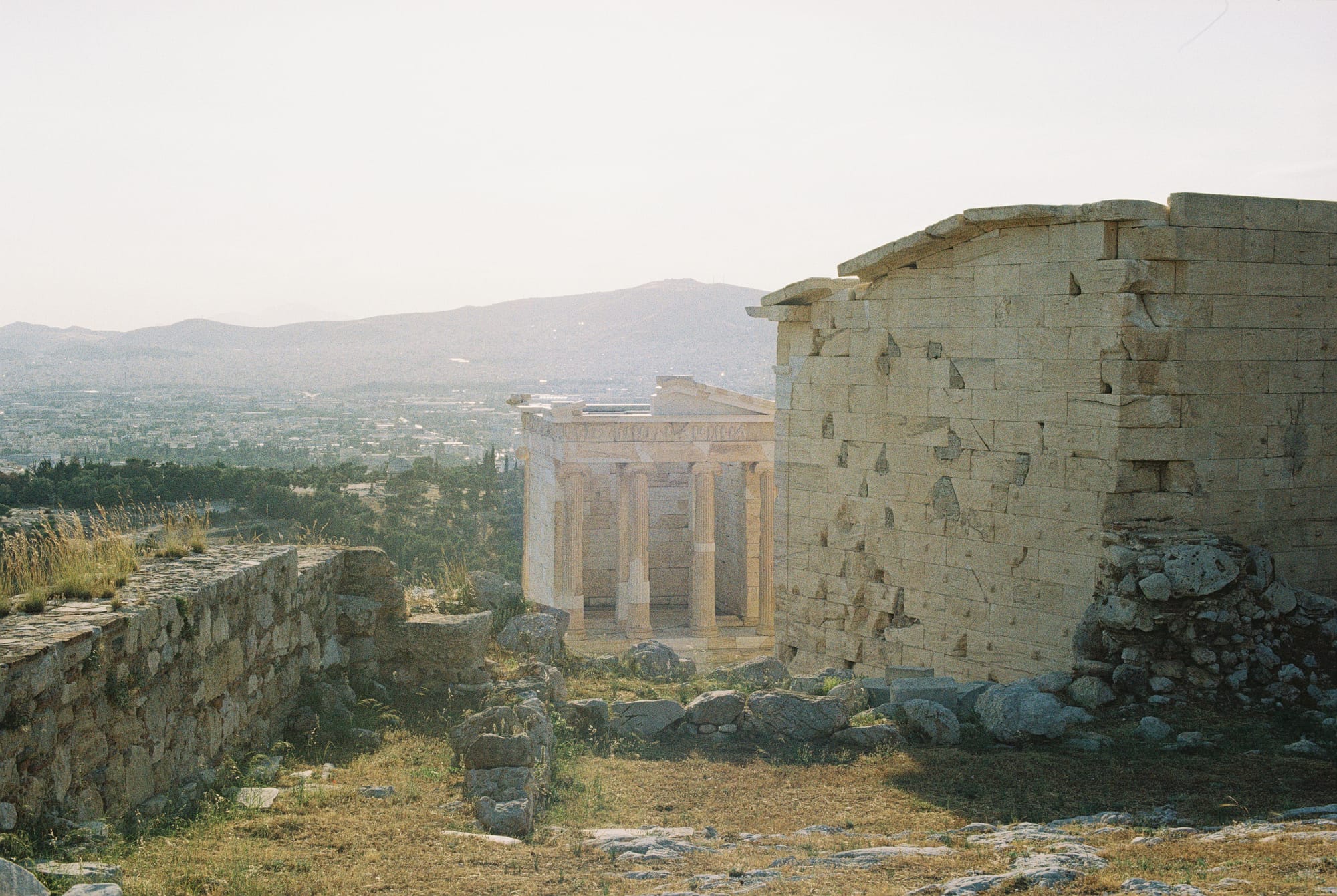
The Acropolis is an ancient area that was built 2500 years ago and has iconic Greek architecture. As we strolled up the hill in the evening light, the first structure we came upon was the Temple of Athena Nike which was a very poignant introduction to the massive and beautiful white marble used on all of the structures in the Acropolis.
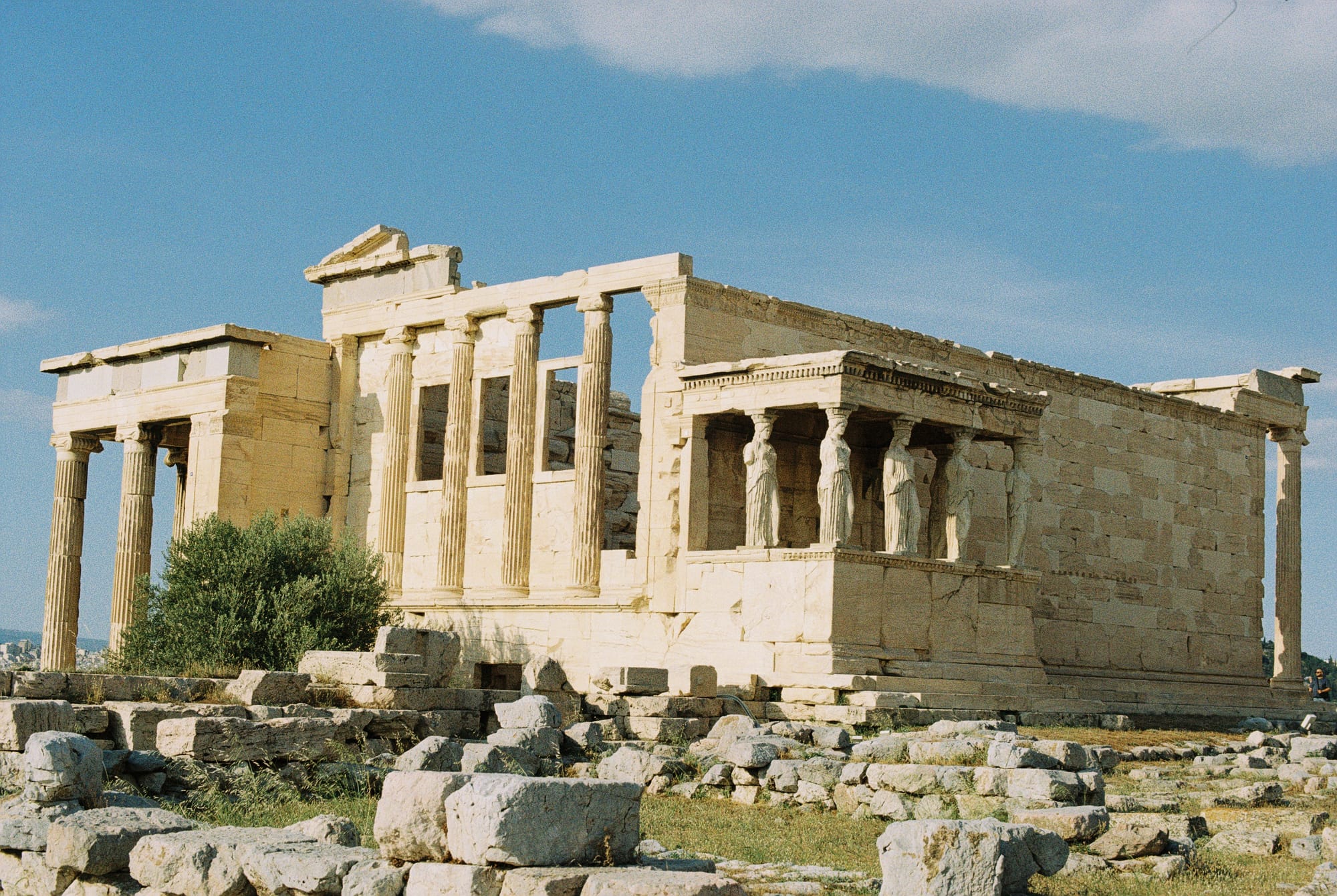
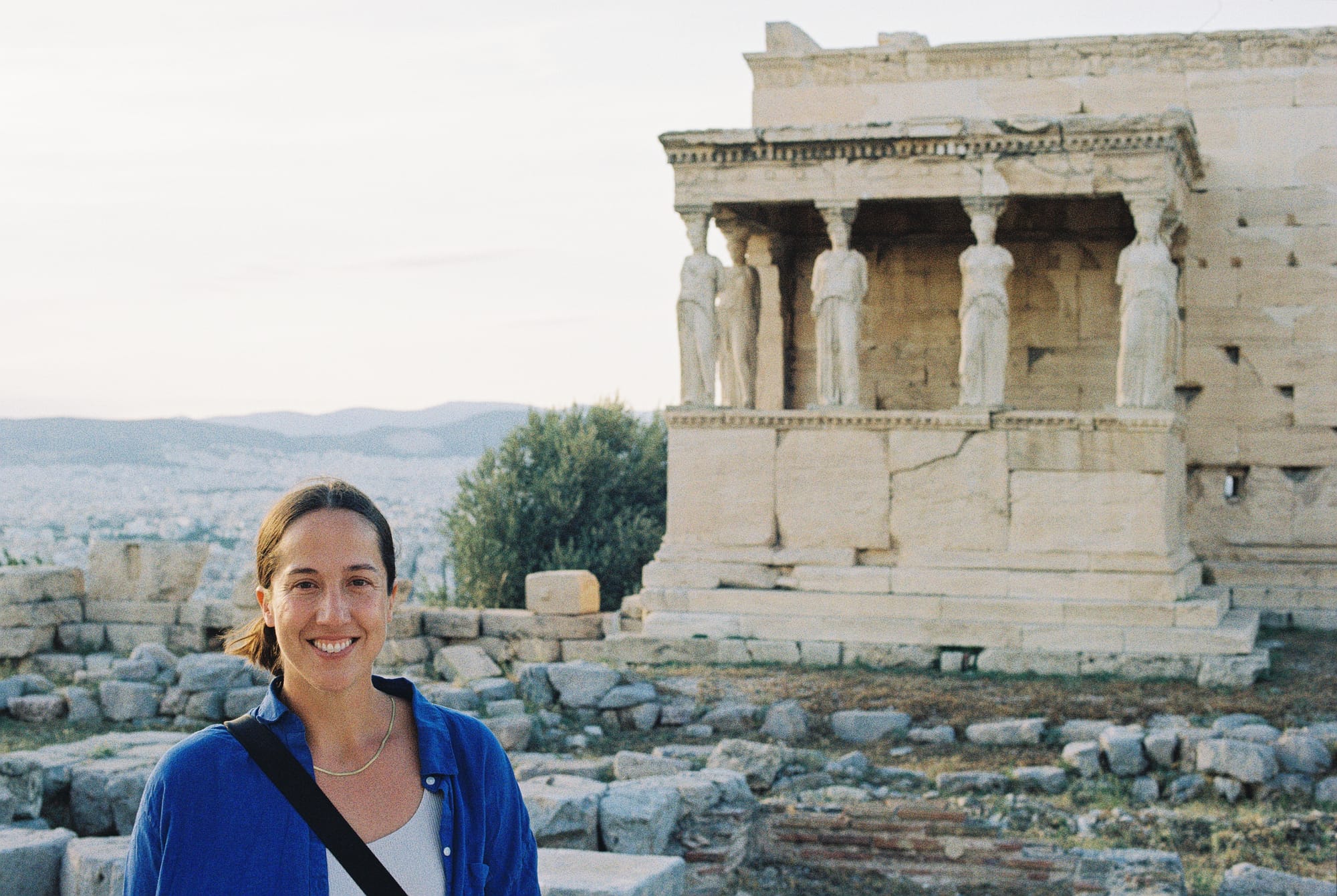
On the north side of the Acropolis is the Erechthion, a temple dedicated to Athena and Poseidon. Probably the most famous part of this temple is the Porch of the Caryatids and the six maiden statues that support the roof.
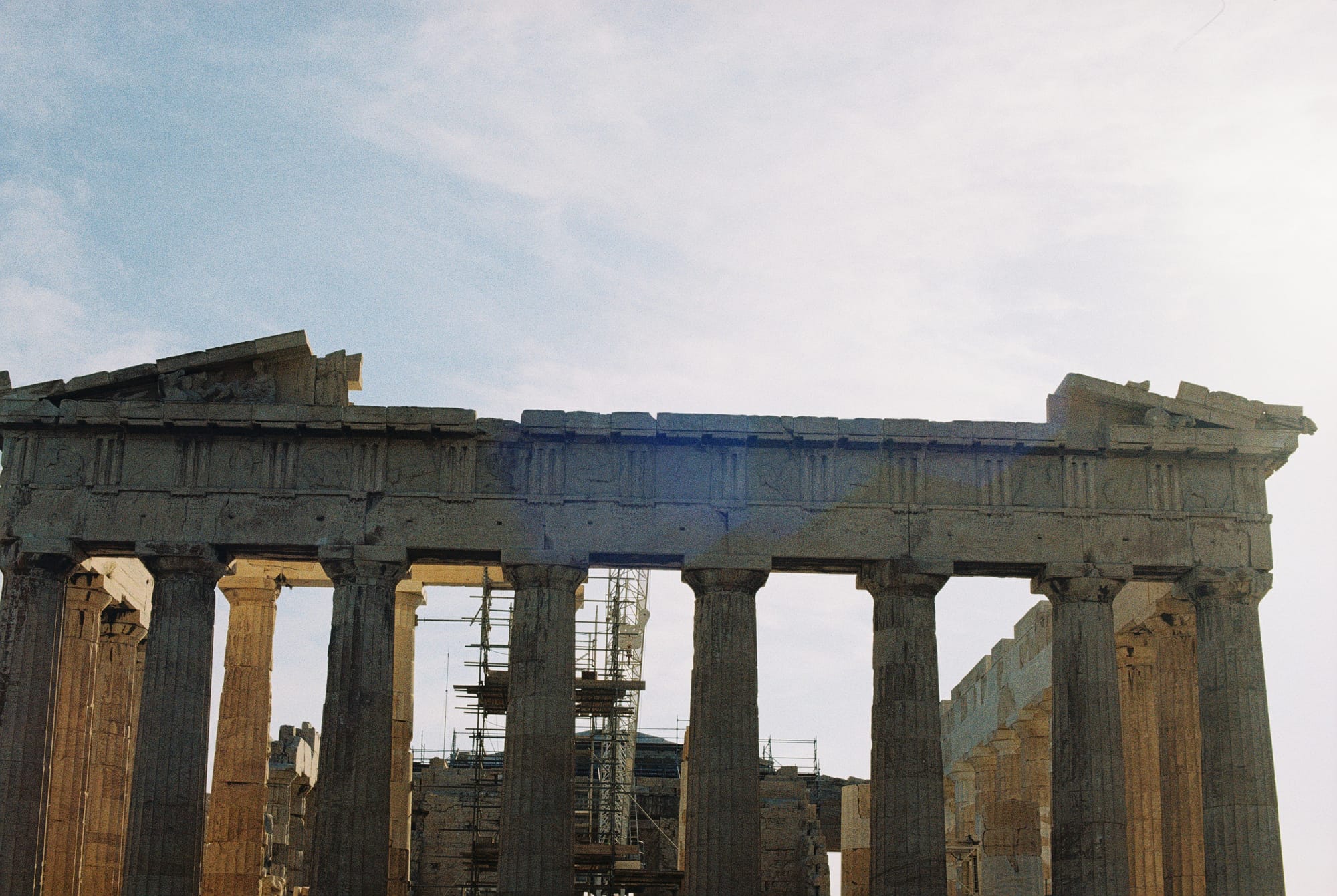
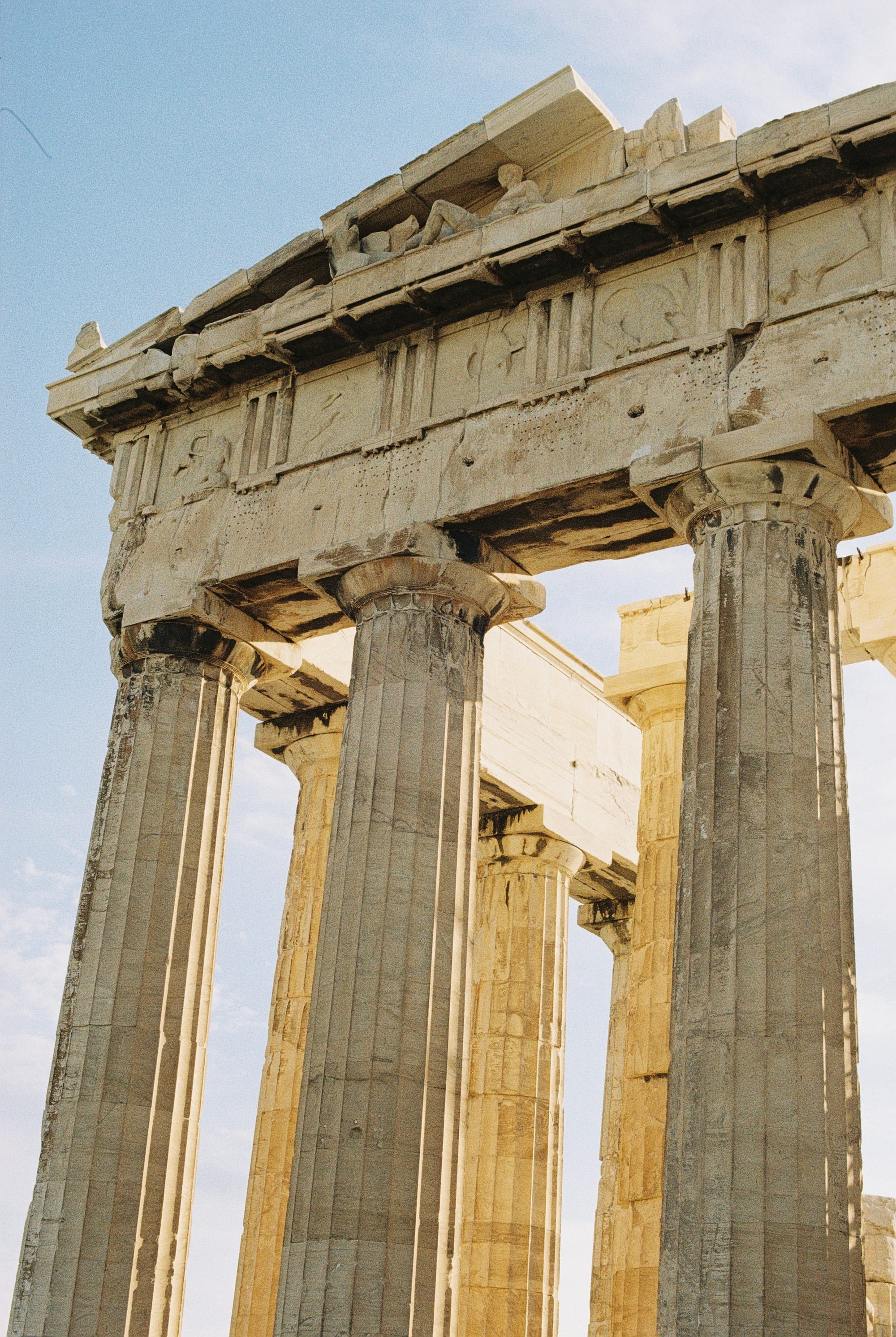
At the center of the Acropolis is the big attraction: the Parthenon. Although it needs countless scaffolding and reconstruction to continue to stand, it is still an incredible feat of engineering and architecture. The Acropolis has been used for every imaginable purpose over the centuries: originally as a Greek temple, a treasury, a Christian church, a Roman Catholic cathedral, an Islamic mosque, an armory, etc. It has been through wars, earthquakes, explosions, and vandalism. It deserves some support and scaffolding!
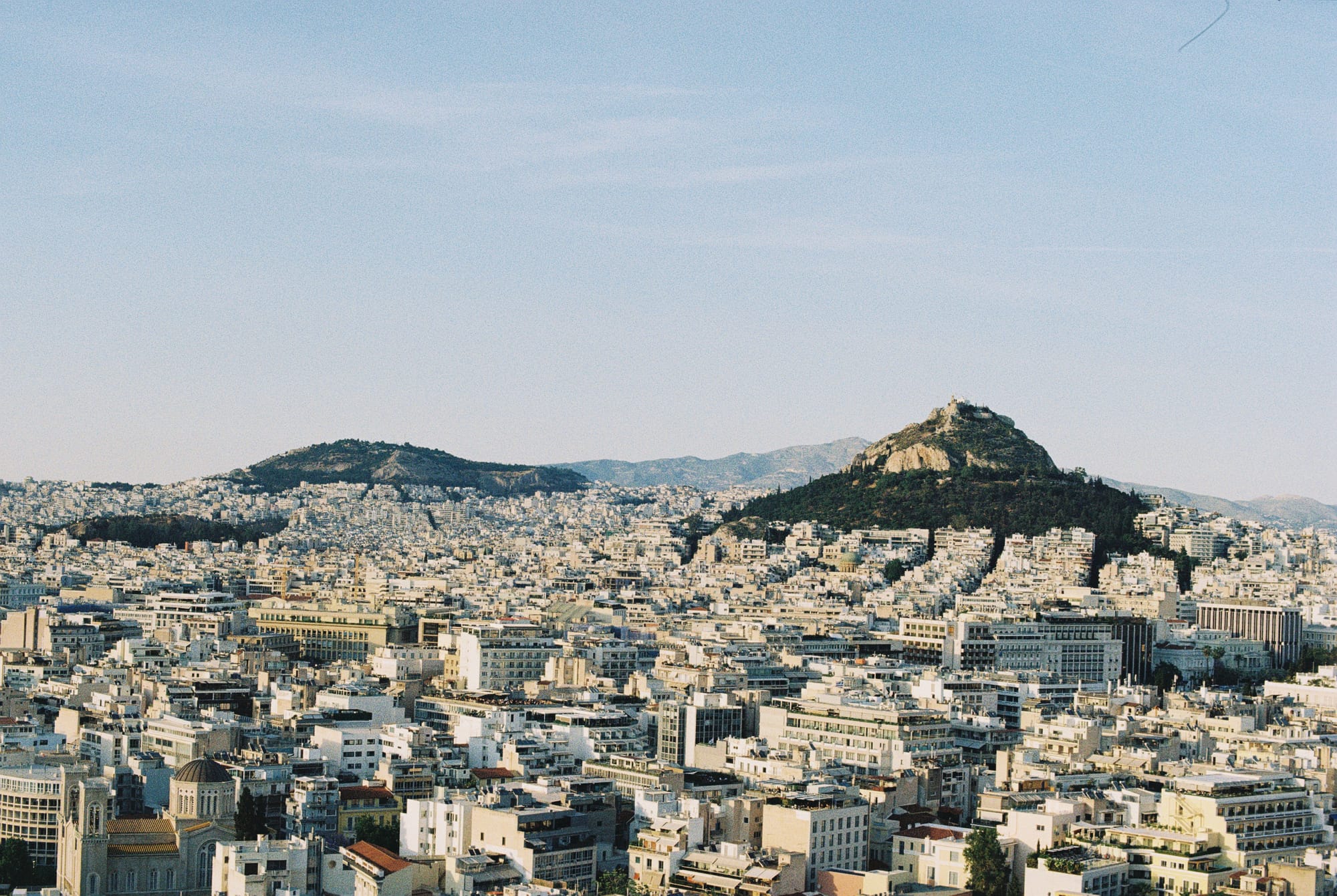
There is an amazing view of Athens from the Acropolis with Lycabettus Hill rising above the city.
Athens has a long history of open air movie theaters and we chose one that sat beneath the Acropolis. As the movie played we couldn’t help but watch the golden hour light fade over the stone columns in the distance and the inky blue sky of night move into the backdrop. We sat next to a Dutch girl named Phoebe and became quick friends. It was a hell of a first day!
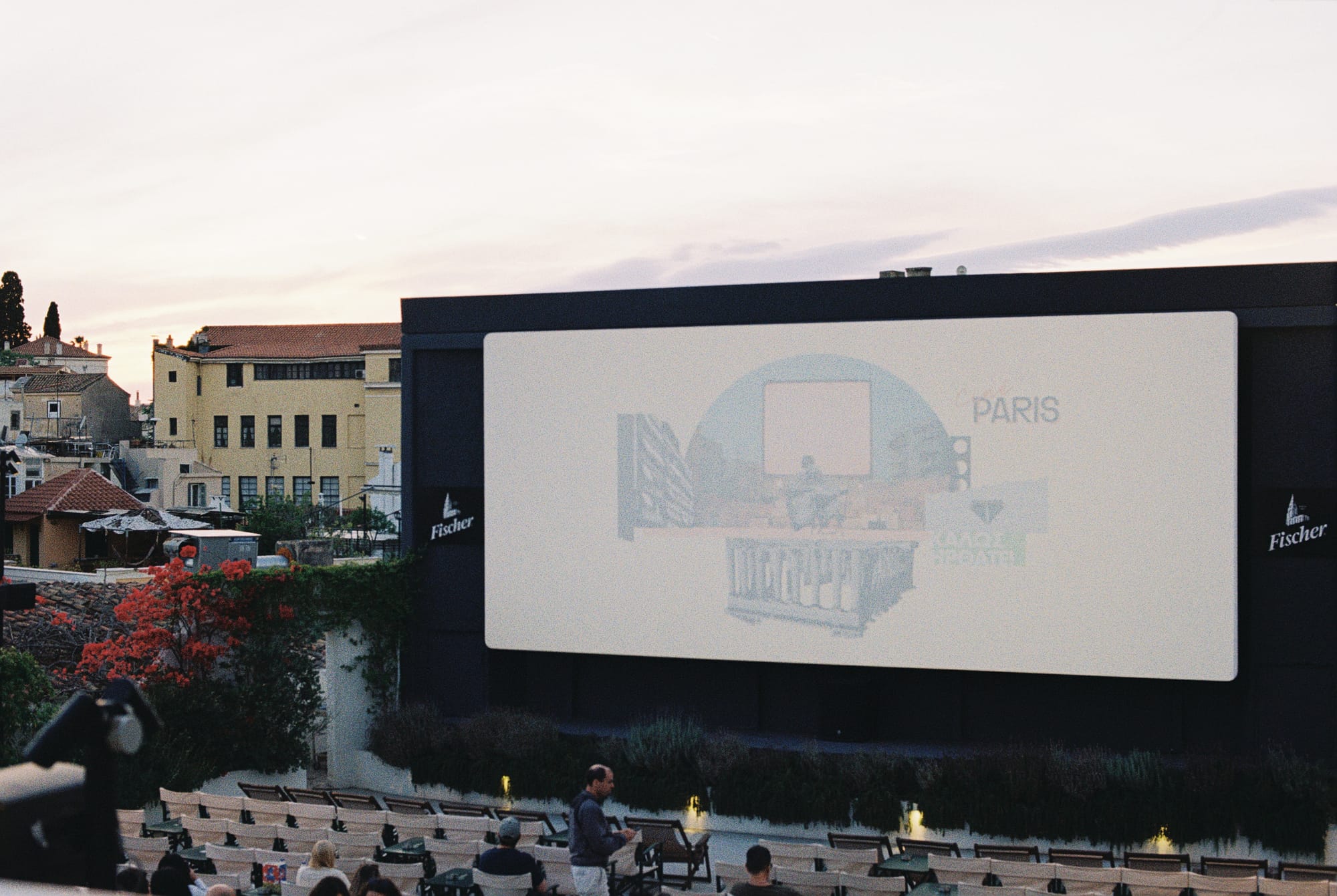
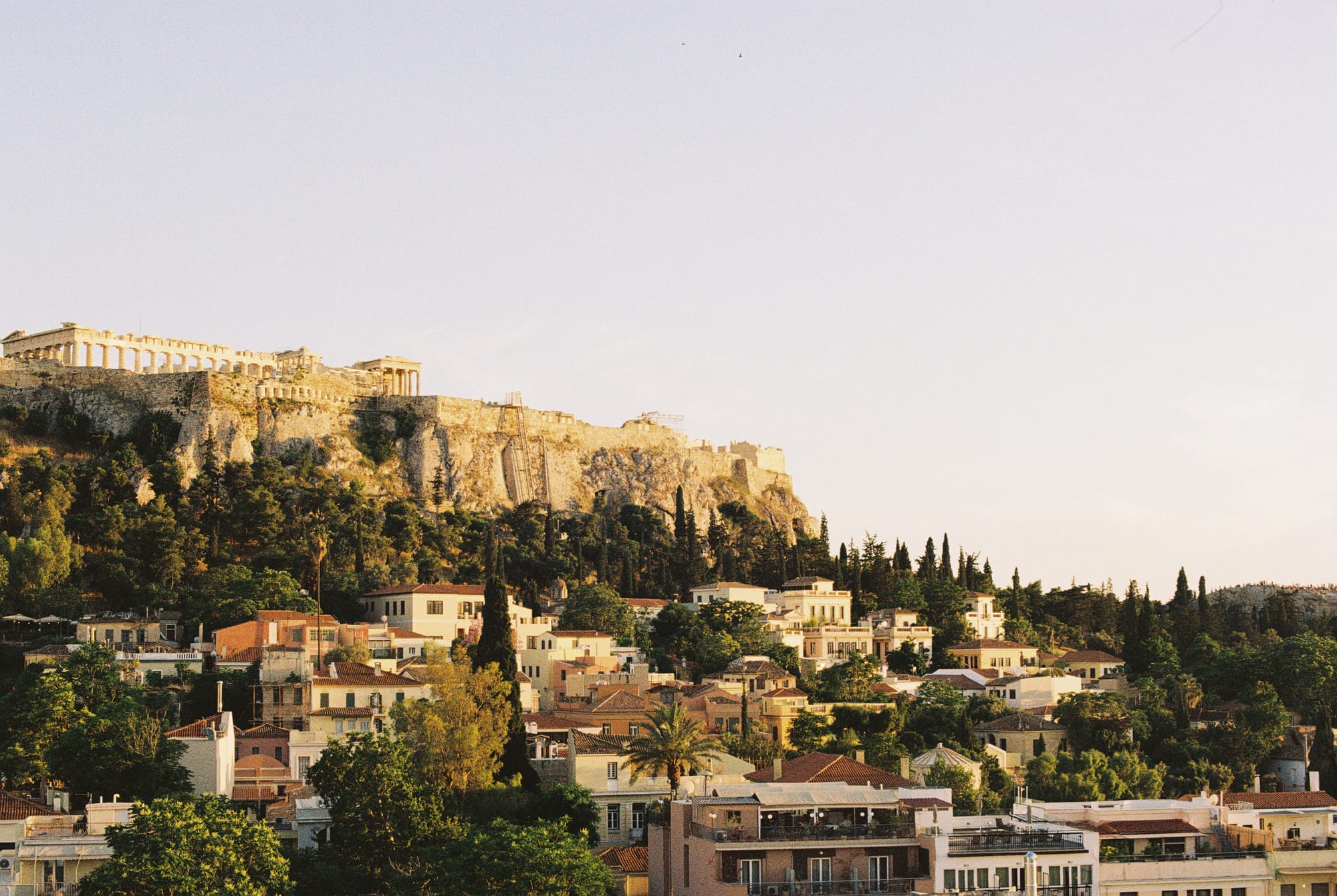
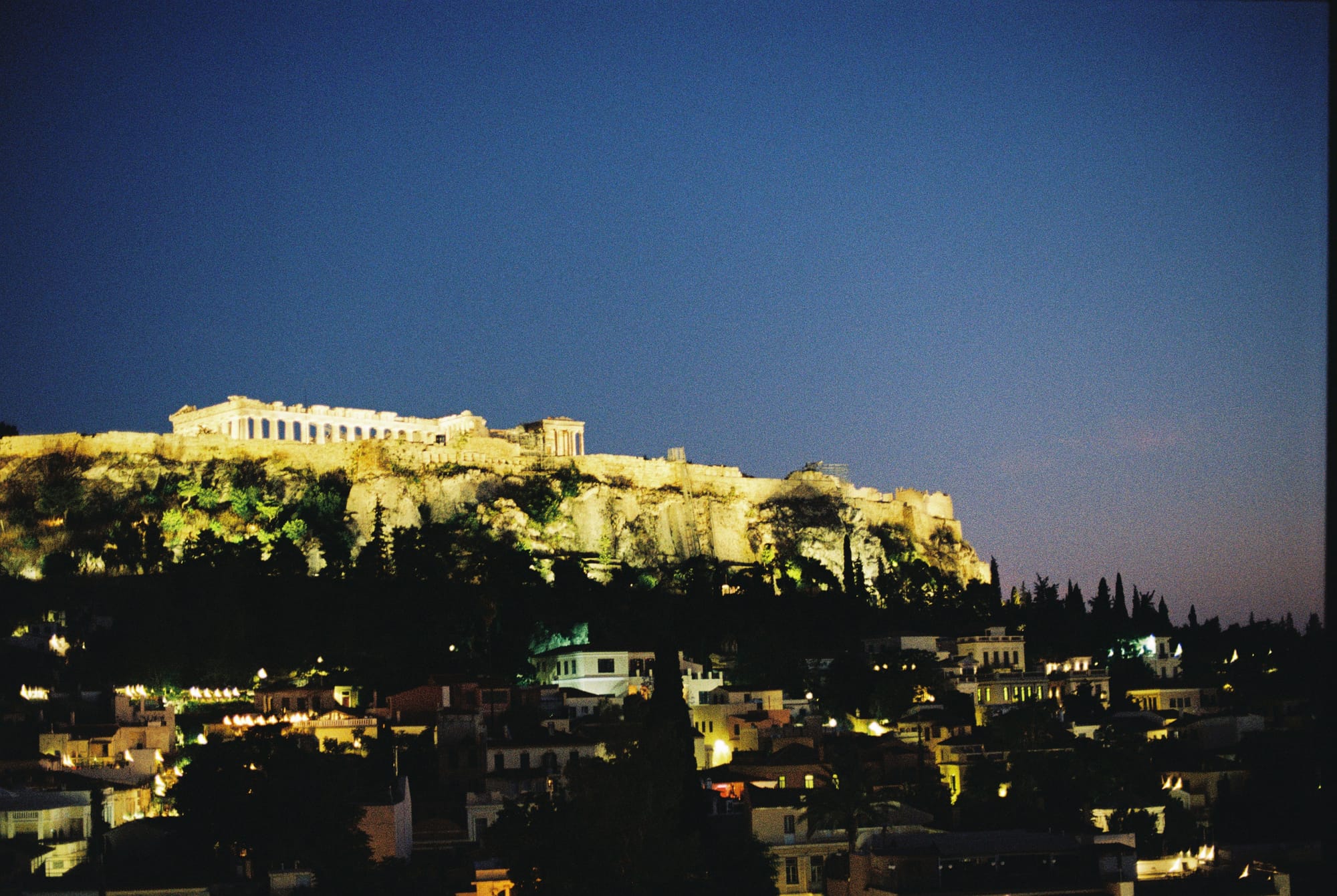
Views of The Acropolis from the cinema
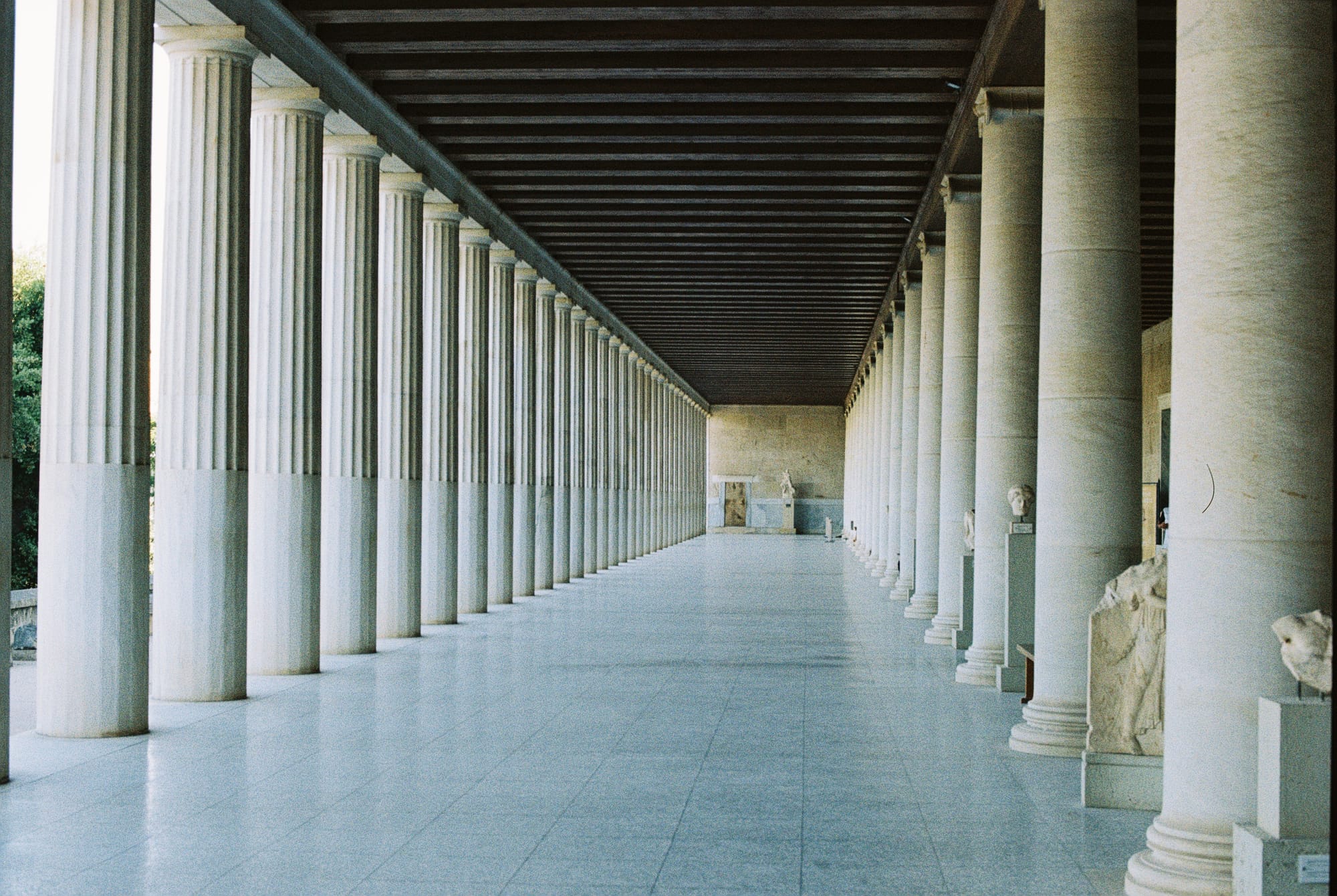
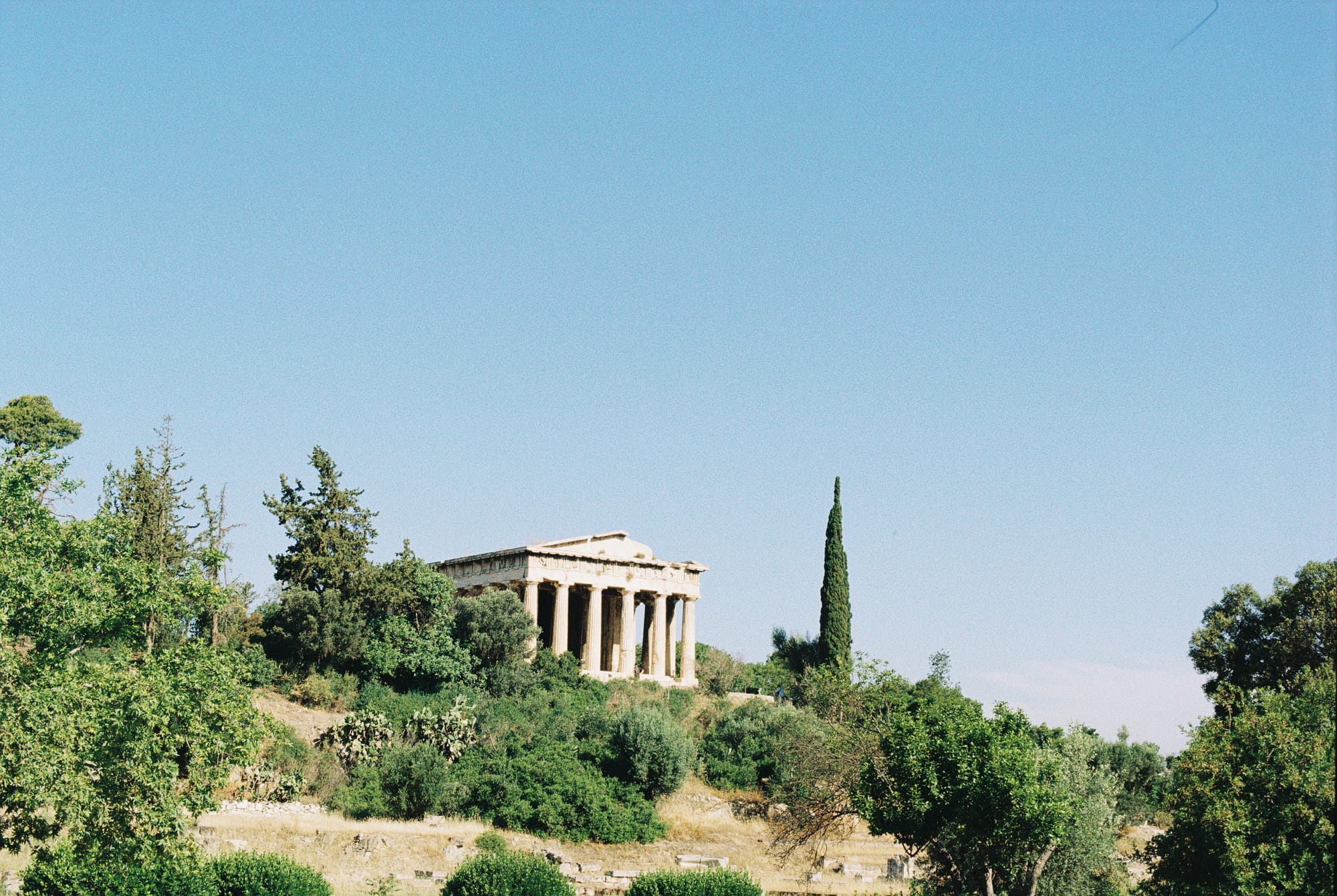
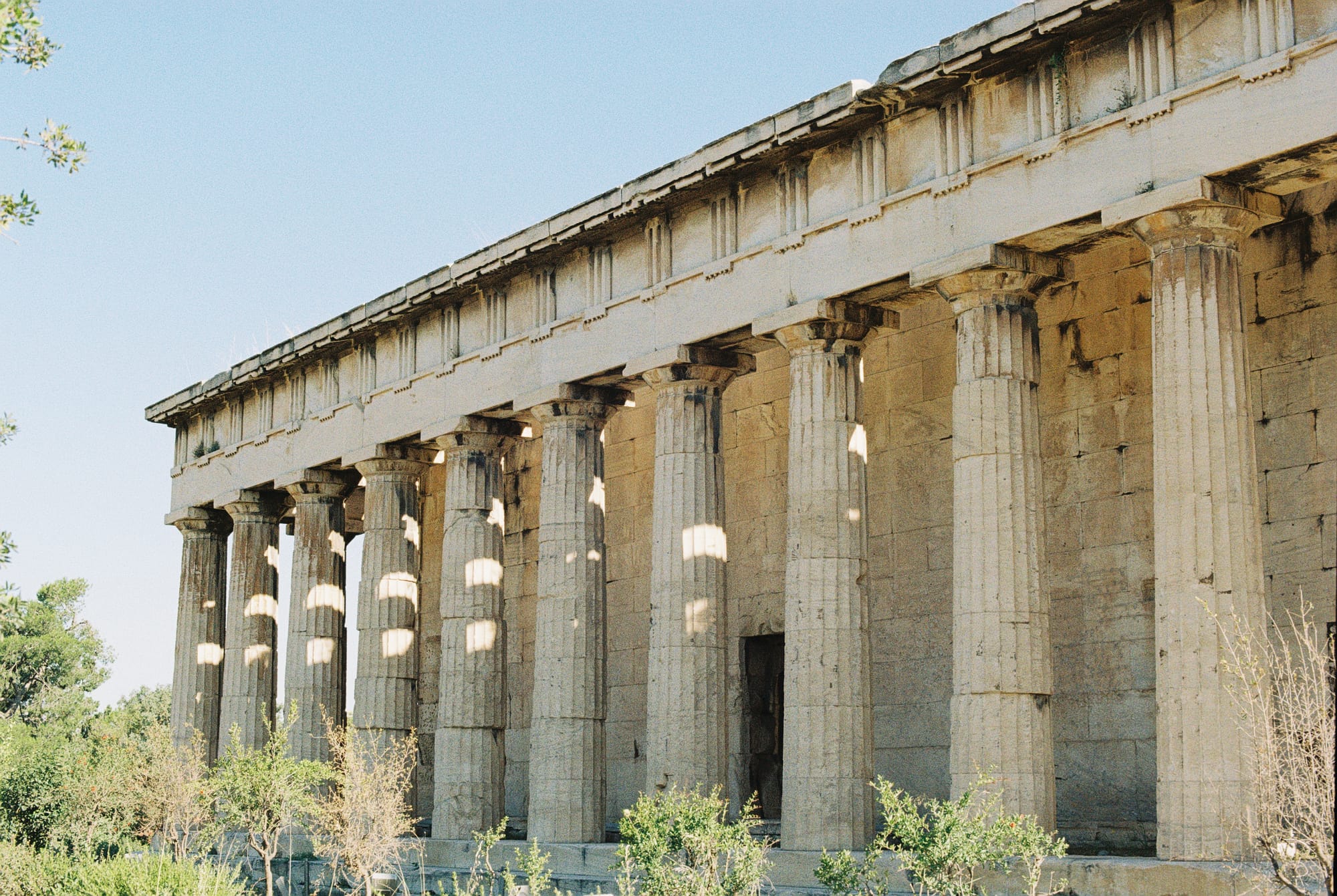
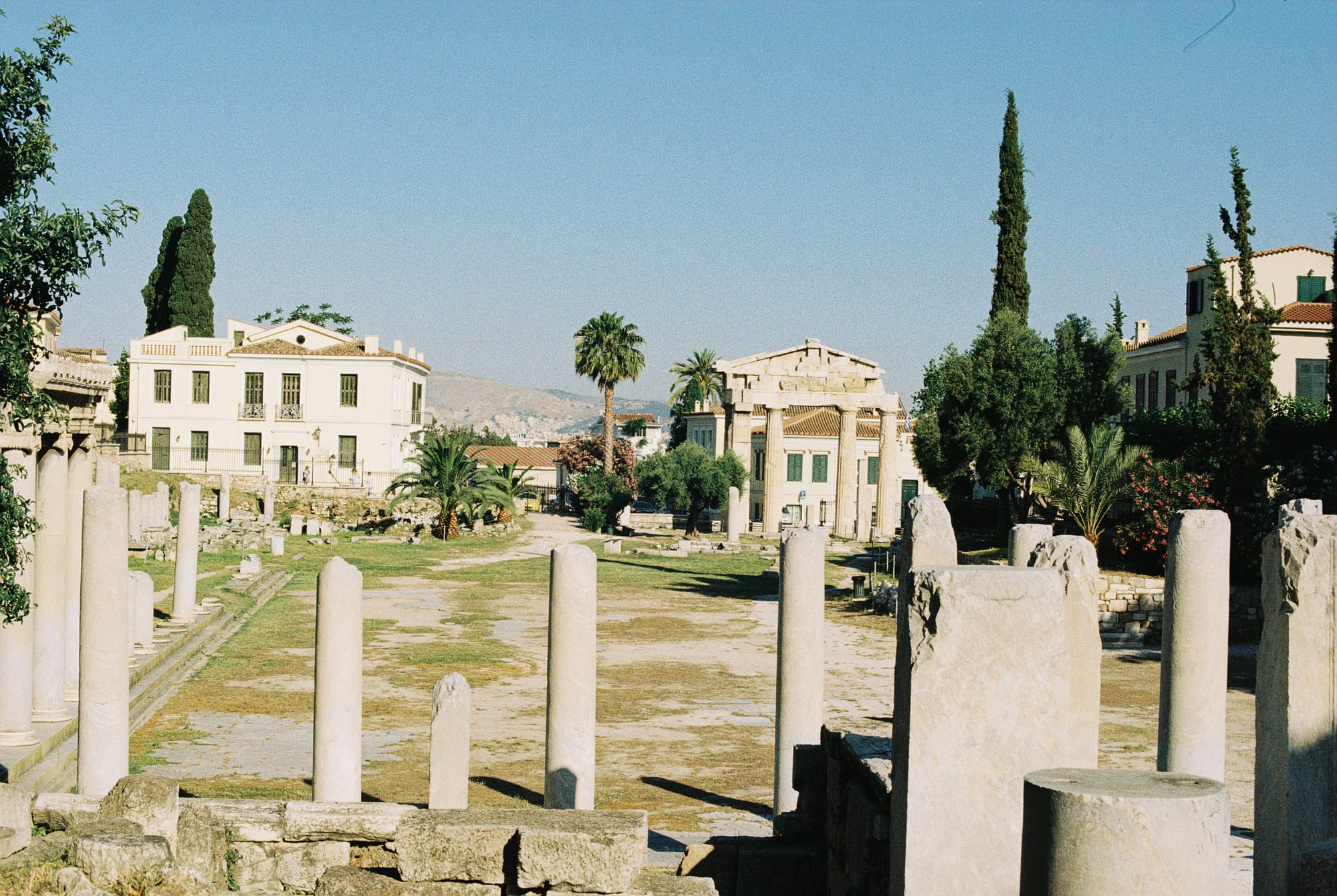
The rest of our time in Athens was spent visiting archeological sites, museums, and eating a hellacious amount of Greek food. We had an early morning visit to the Ancient Roman Forum and visited the Museum of Ancient Agora. We initially went to the museum because it has an amazing marble walkway called the Stoa of Attalos. But we were equally intrigued to find out that this was basically a museum of early democracy. It had a Kleroteria which was a 2000 year-old stone version of a Connect-4 Board that randomly selected participants in a jury and city council. They also had Ostraka, which were pottery shards in which citizens carved the names of politicians that were unpopular and if enough pottery shards were submitted they would be banished from Athens for 10 years. Let’s bring back Ostraka! They also had clay water-clocks that were used in court as timers to allow for both sides of litigation to have equal time to speak. It was very incredible and inspiring to see such ancient examples of early governing.
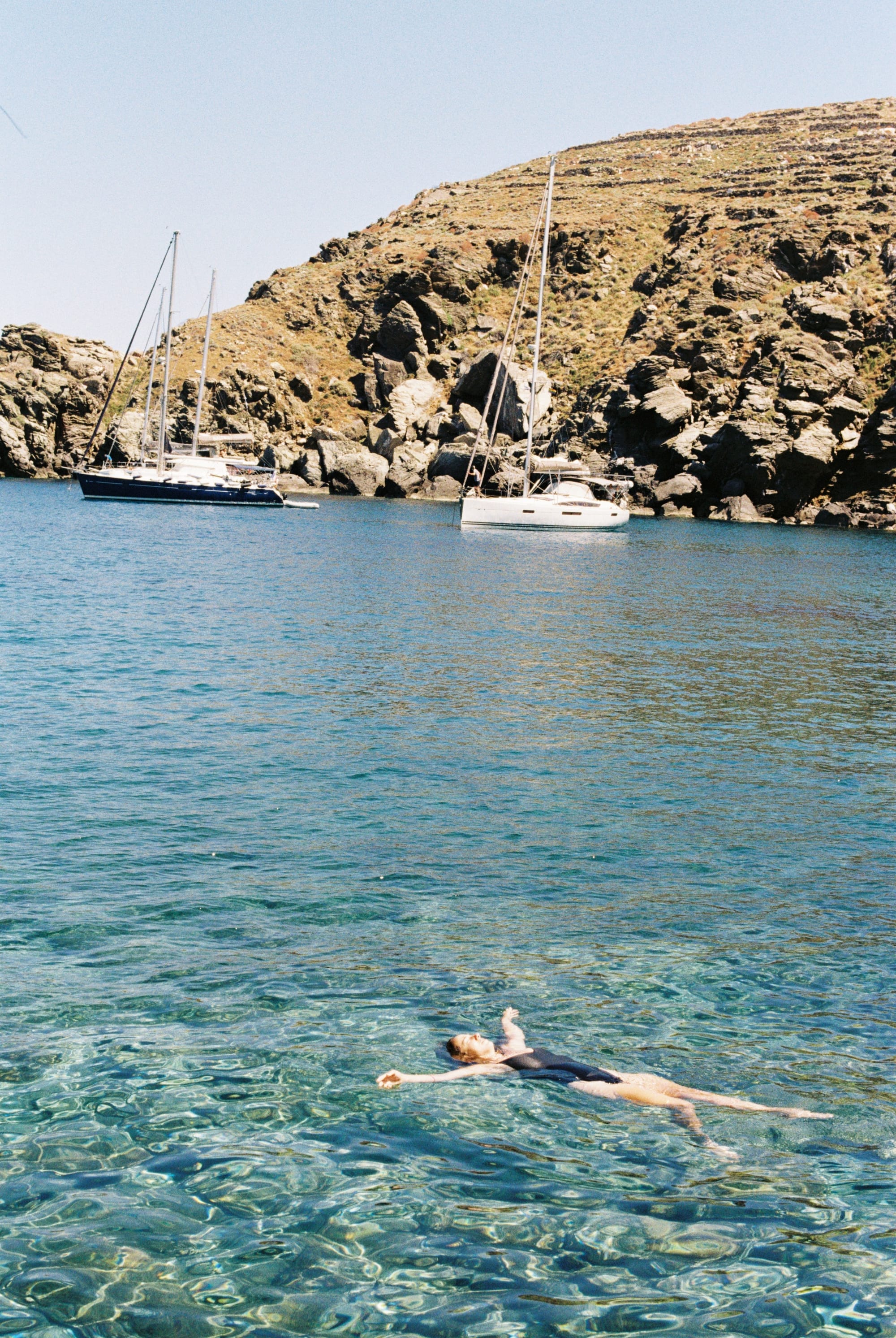
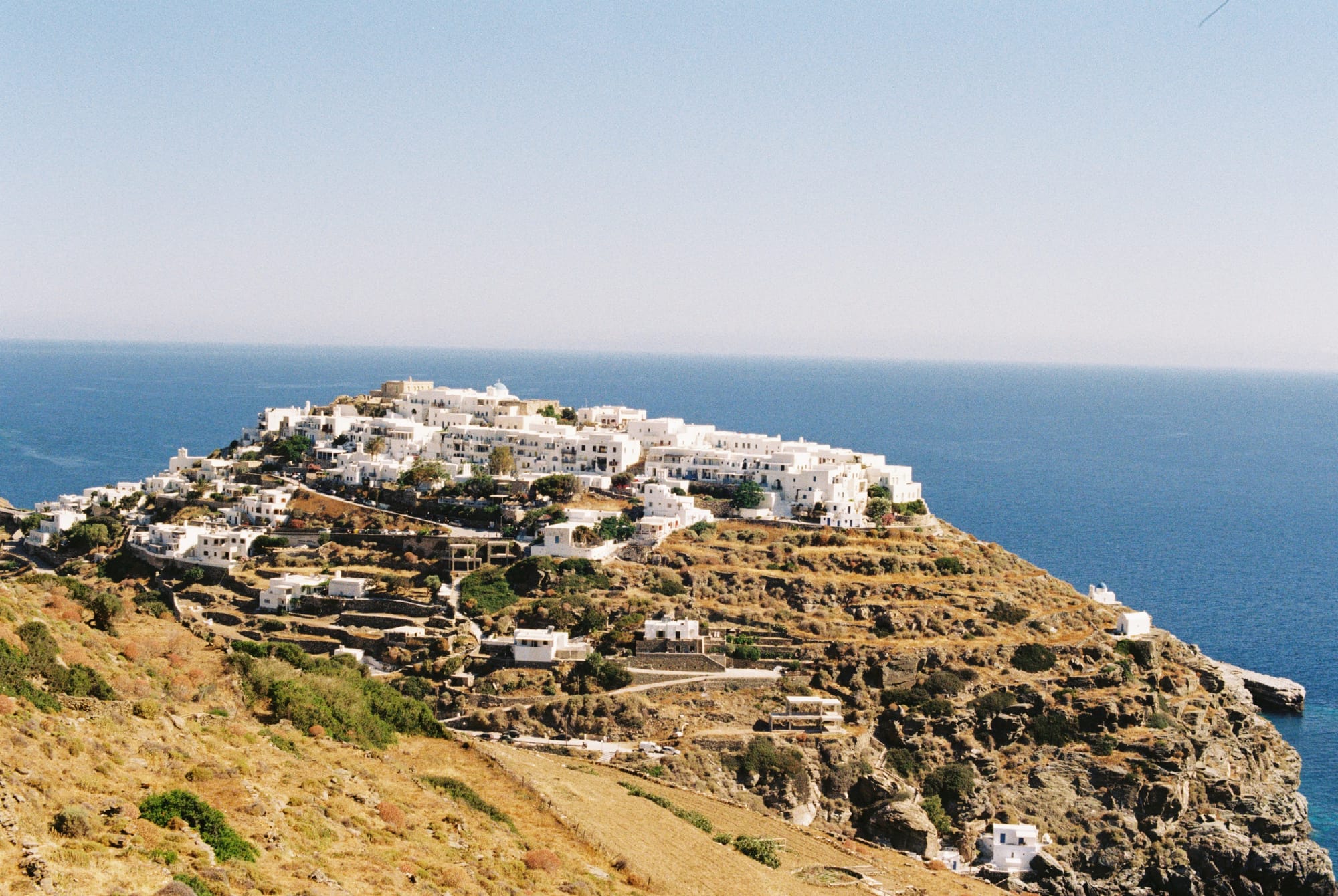
As the heat wave continued, we were excited to leave Athens for one of the Cyclades Islands, Sifnos. We took a ferry from Athens and were immediately soothed by the scattered villages of square white homes that looked like a giant bowl of sugar cubes spilled onto the shores of the Aegean Sea. We stayed in the small village of Kastro which was very sleepy and this is where time really slowed down for us. Deep R&R. We immediately made our way down to a dock in Kastro and jumped into the refreshing and translucent sea. While swimming, we saw an unmarked restaurant with a porch in the back so we climbed in to what turned out to be Captain George’s and had the grilled fish of the day which was remarkable. We explored every skinny alleyway in Kastro (they apparently made the alleys very small and confusing so that any invaders would get lost in the maze- it works!) We went to the Cuban bar where they only served rum drinks for 5 euros and also a wine bar with sunset views. We watched the sunset over The Church of the Seven Martyrs every night because the view could not be beat. There are over 360 churches and chapels on this tiny island, one for nearly every day of the year for these orthodox Greeks!
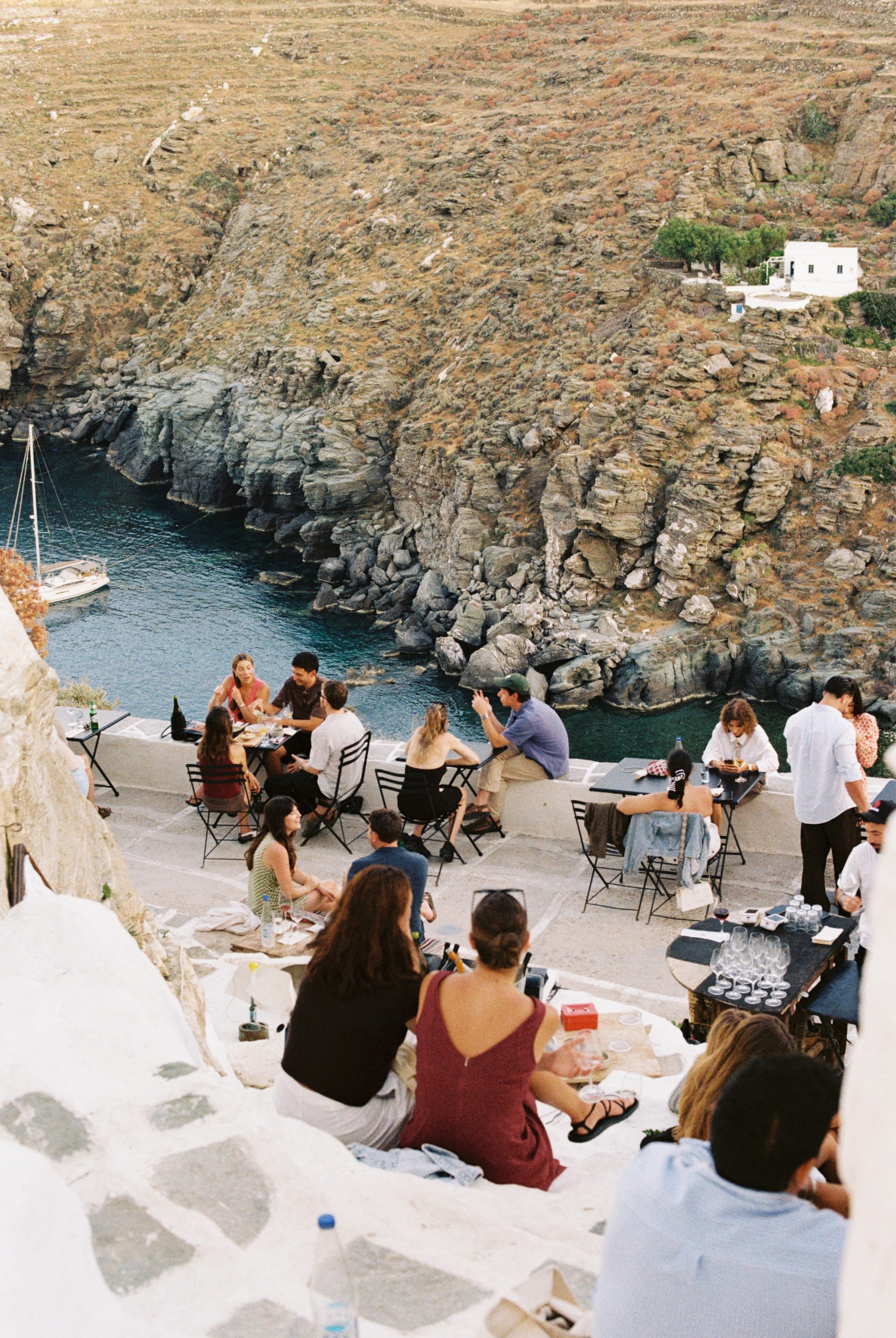
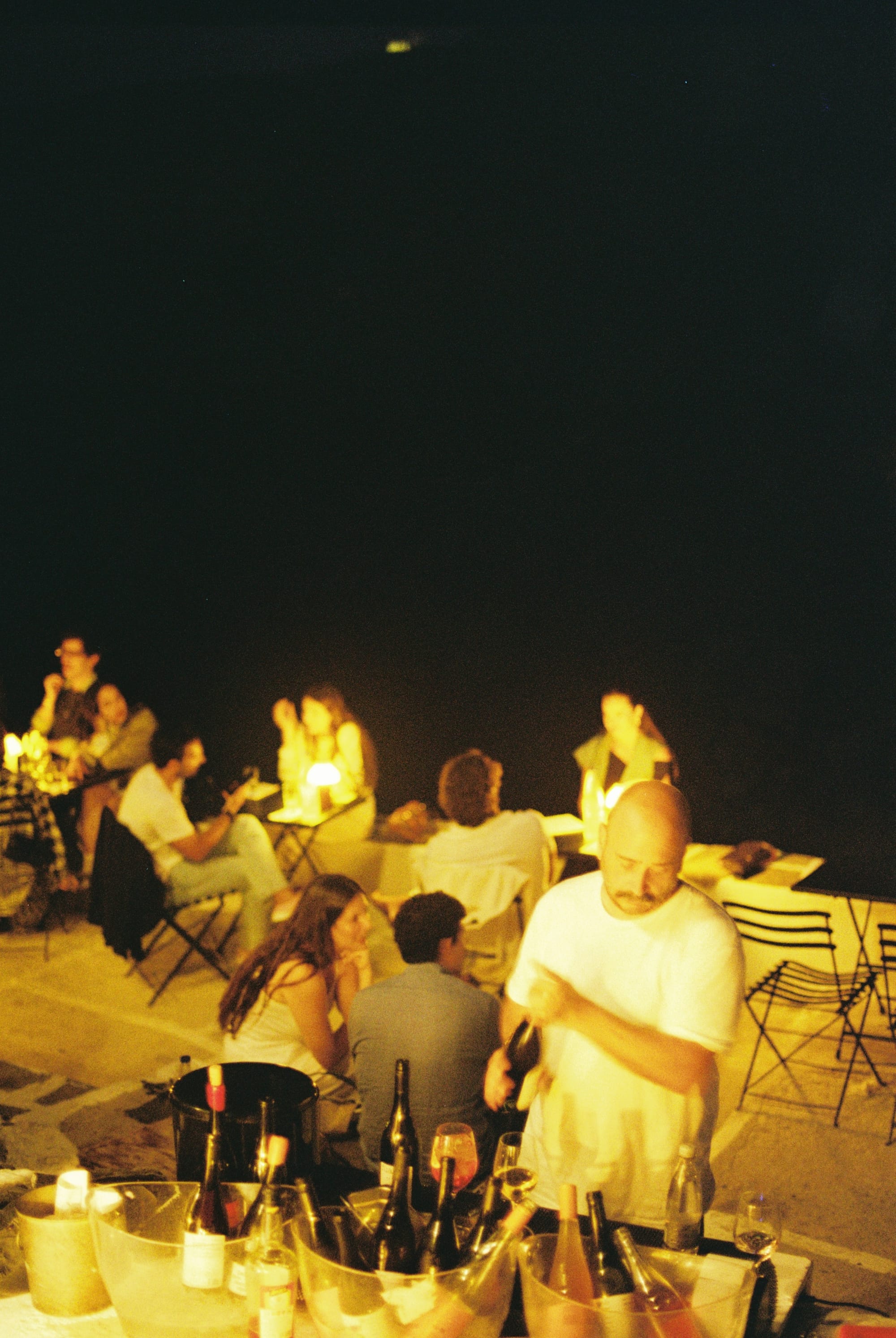
Loggia Wine Bar overlooking Paralia Seralia in Kastro
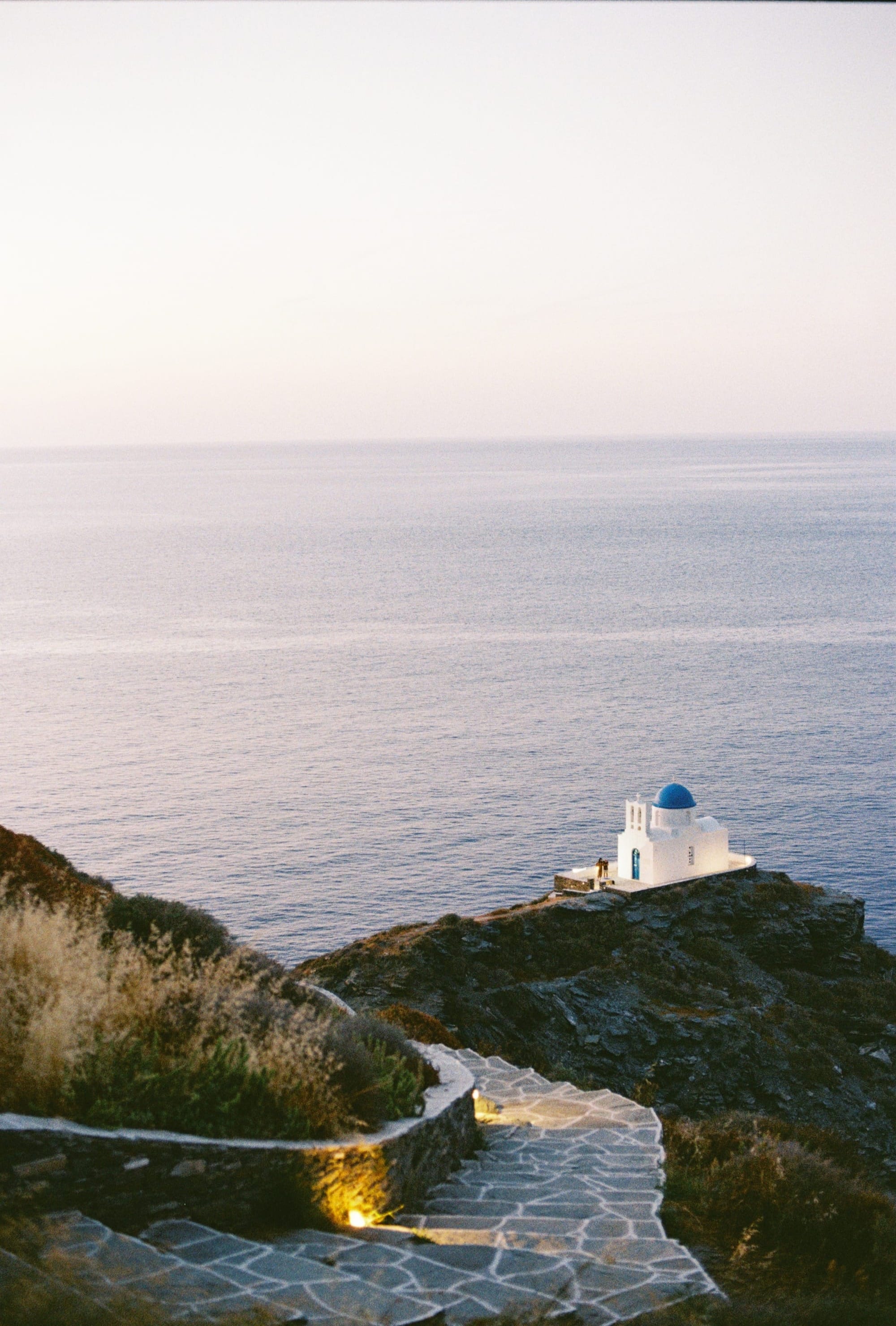
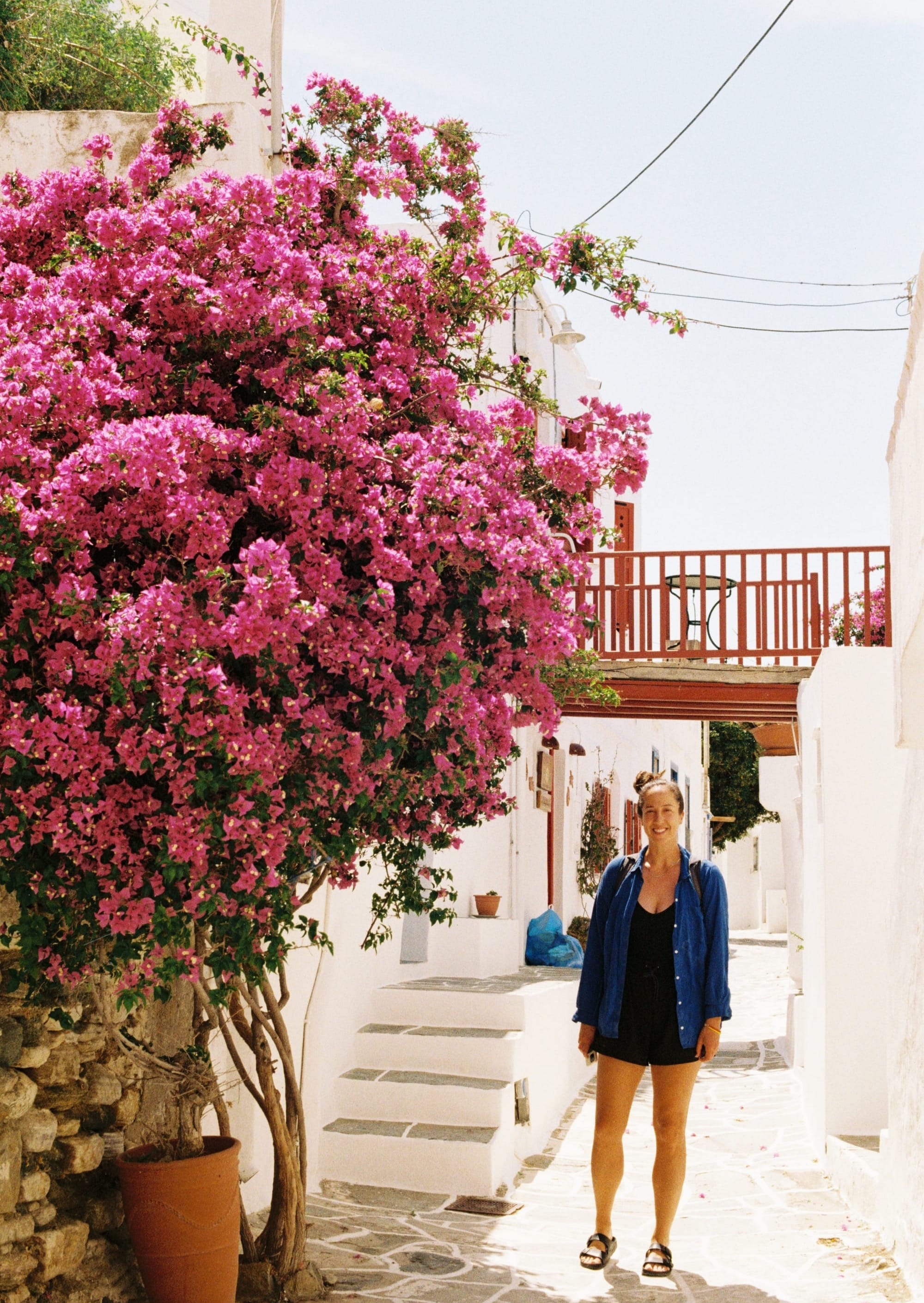
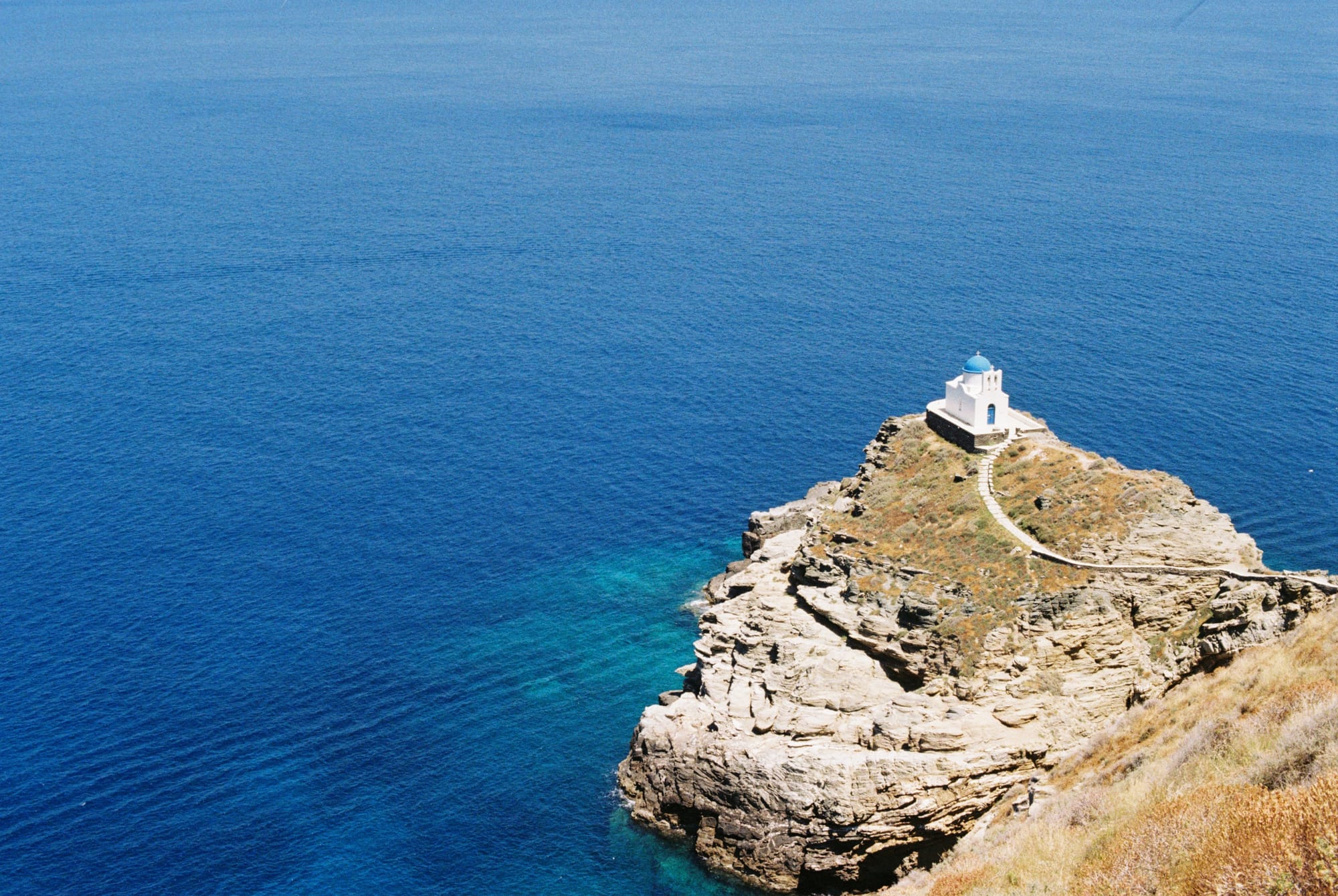
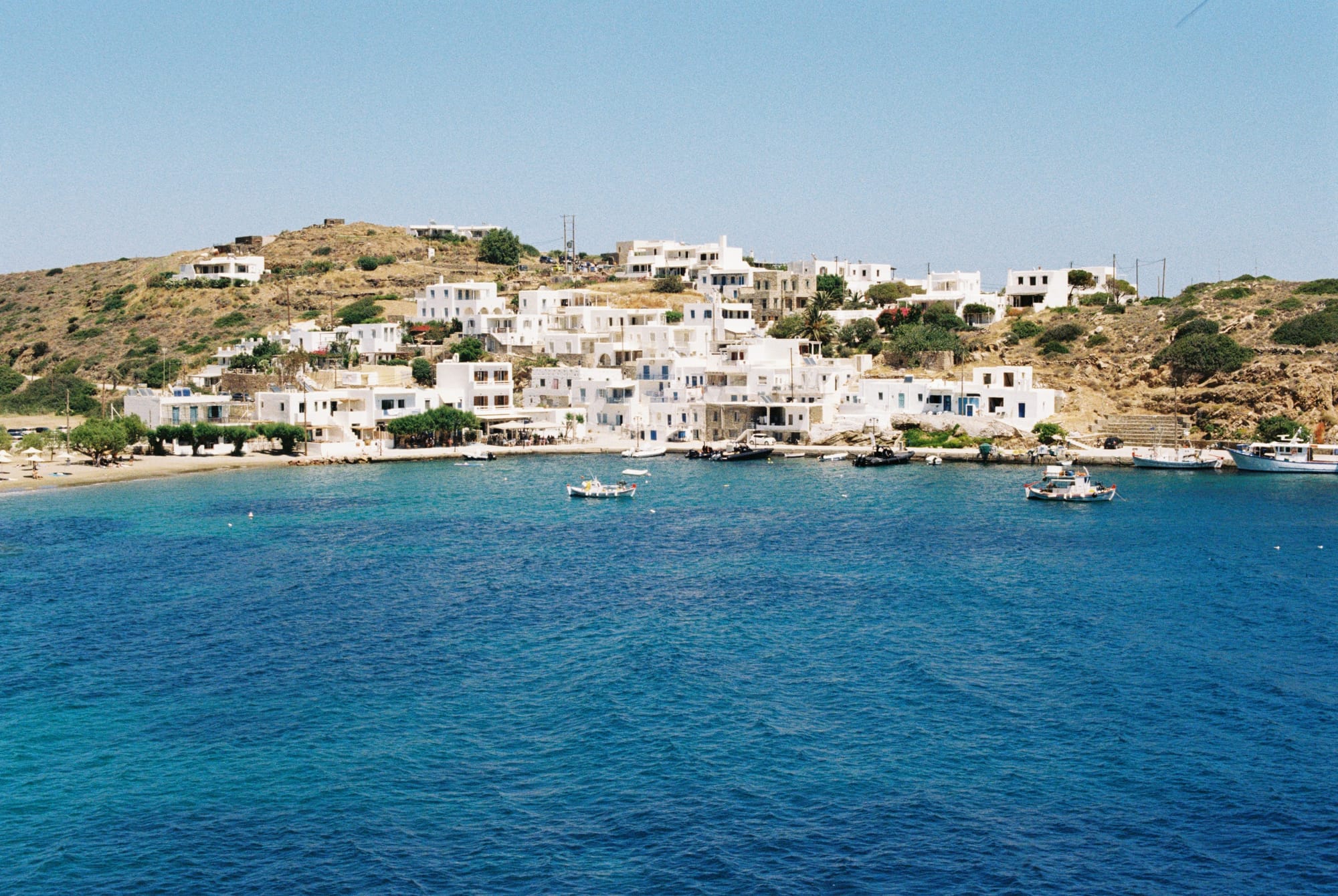
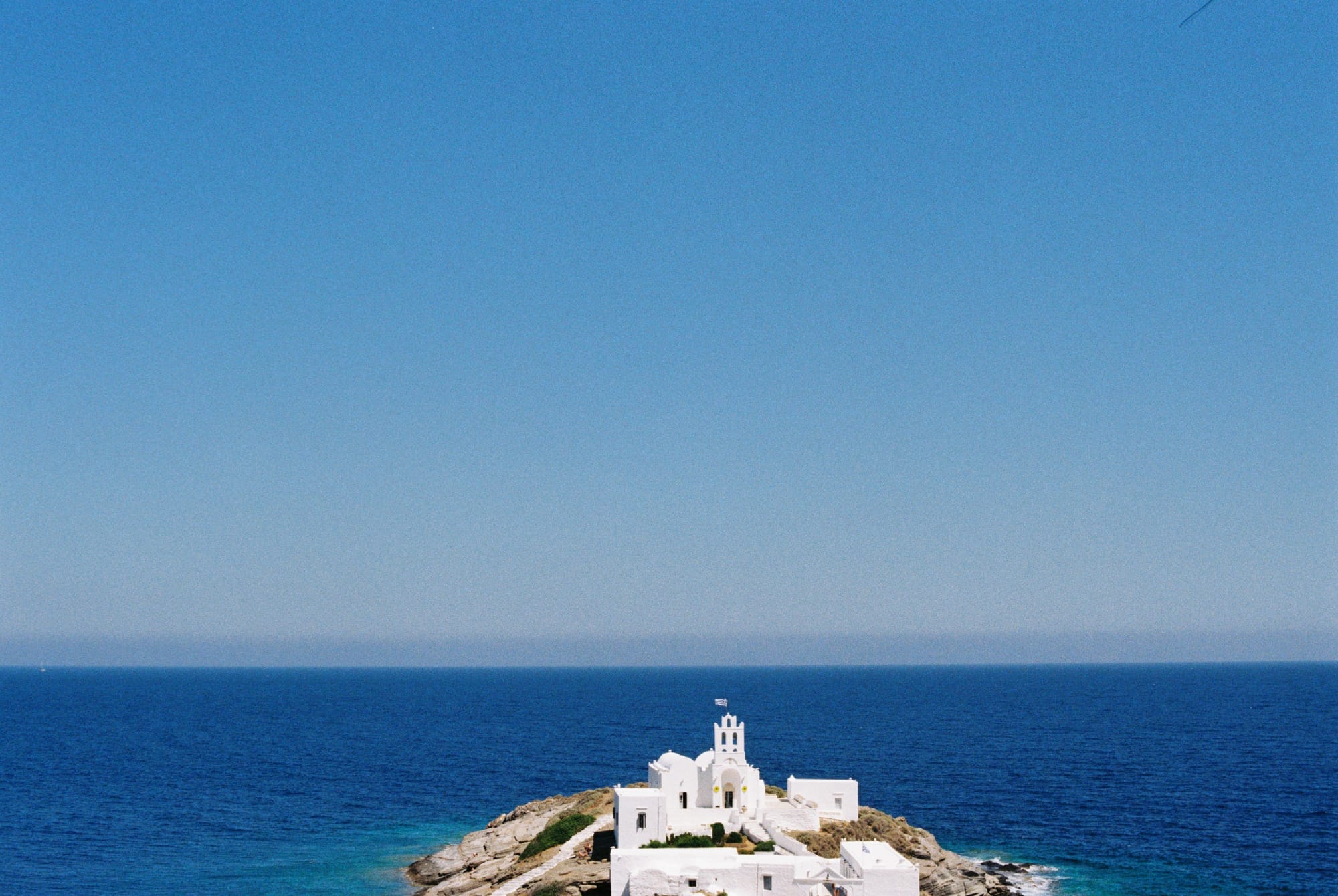
We tried to explore as much of Sifnos island as we could and we hiked from Kastro to the small town of Faros to swim and then on to the village of Platis Gialos for a beach hang. The walk was very picturesque but hot and exposed so we were grateful for our long swim breaks in the villages. We admired The Monastery of Chrysopigi on the way. We also took a bus to the small town of Vathi on the western coast of Sifnos. After thoroughly exploring the island, we decided that we liked our little village of Kastro the best.
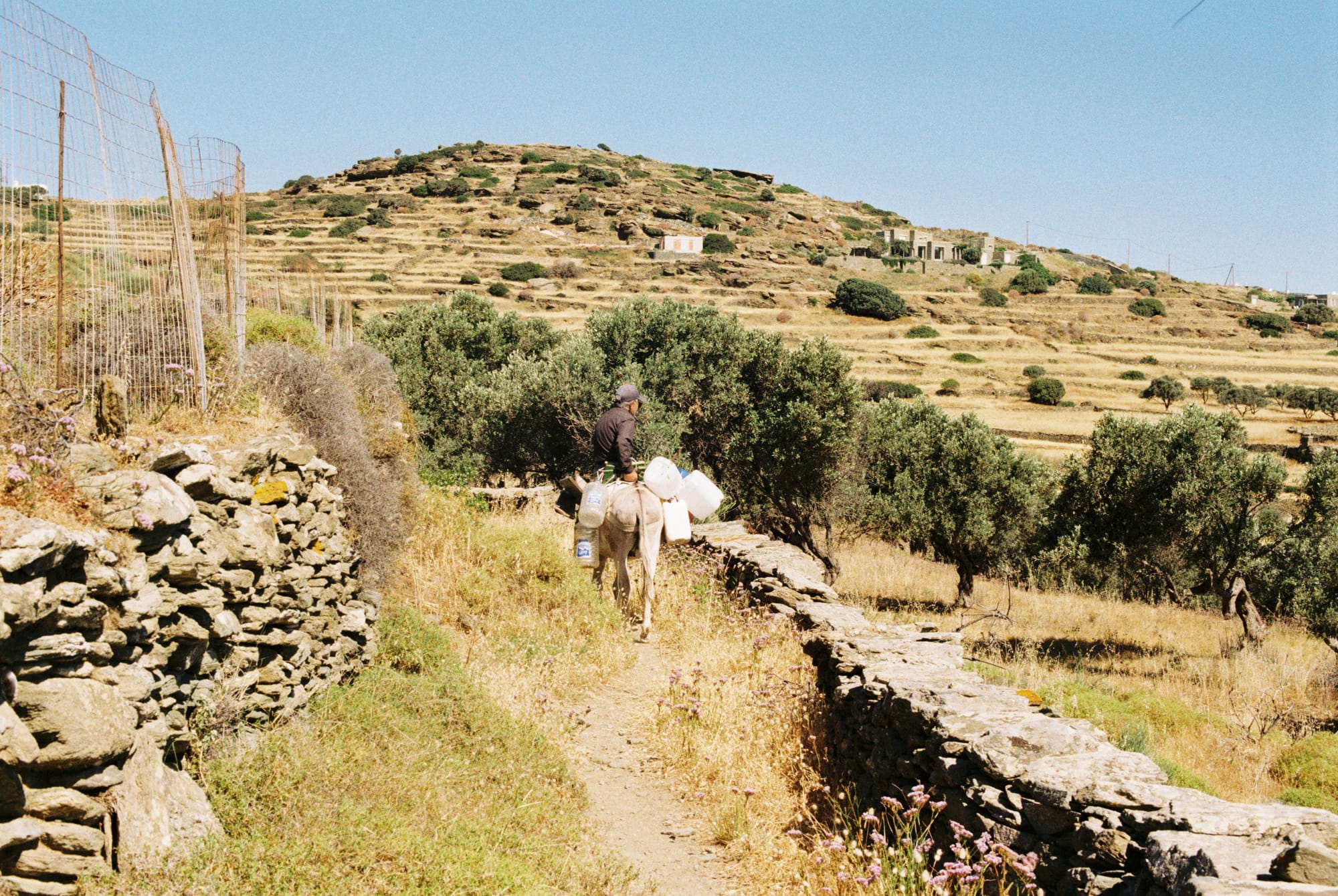
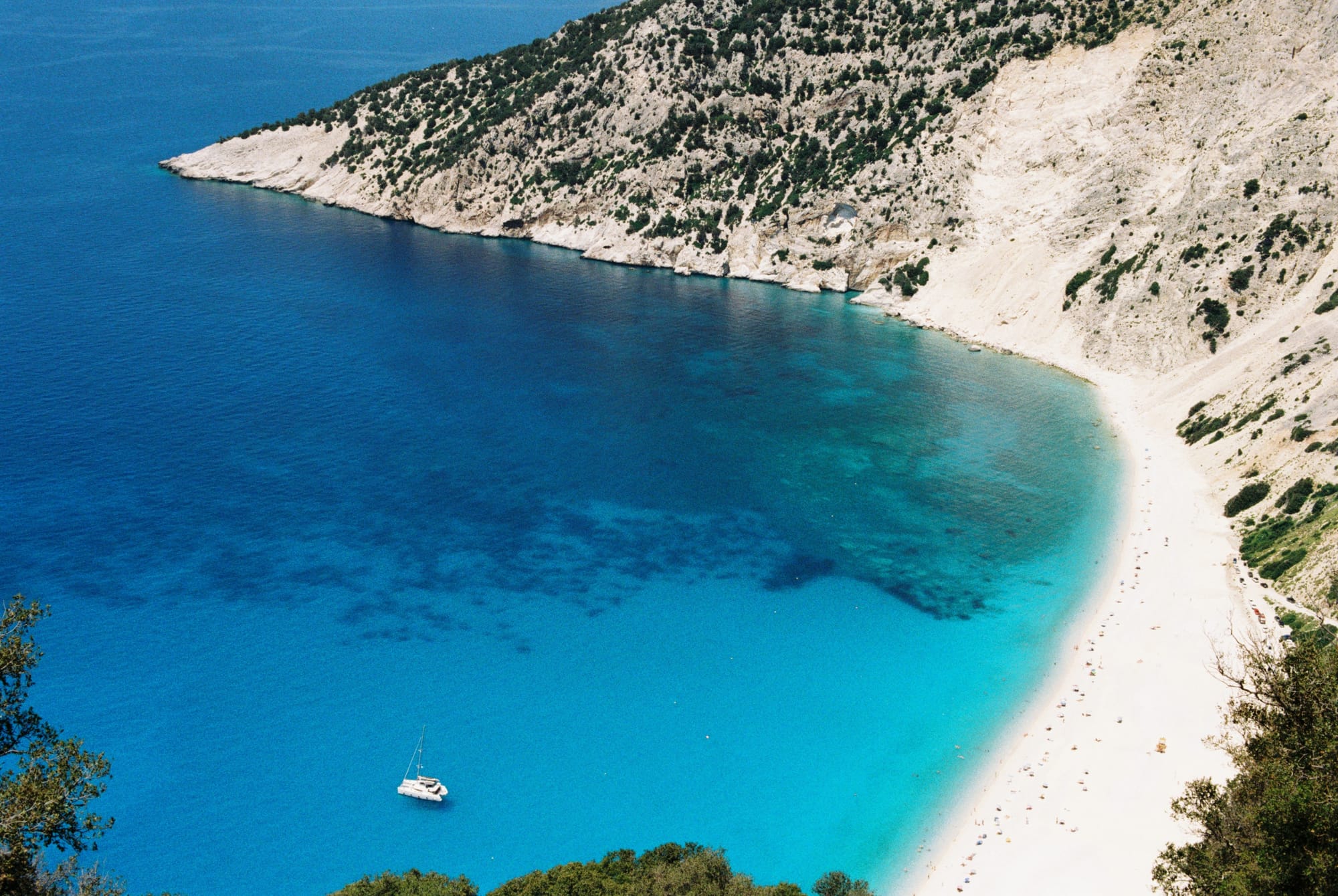
The next stop on our Greek island hopping was the Ionian Island of Kefalonia. We took a ferry back to Athens and a short flight to Kefalonia and rented a car since the island was quite a bit bigger than Sifnos and we wanted some freedom to explore the more isolated regions. The drives here were filled with amazing views, like the Myrtos Beach viewpoint.
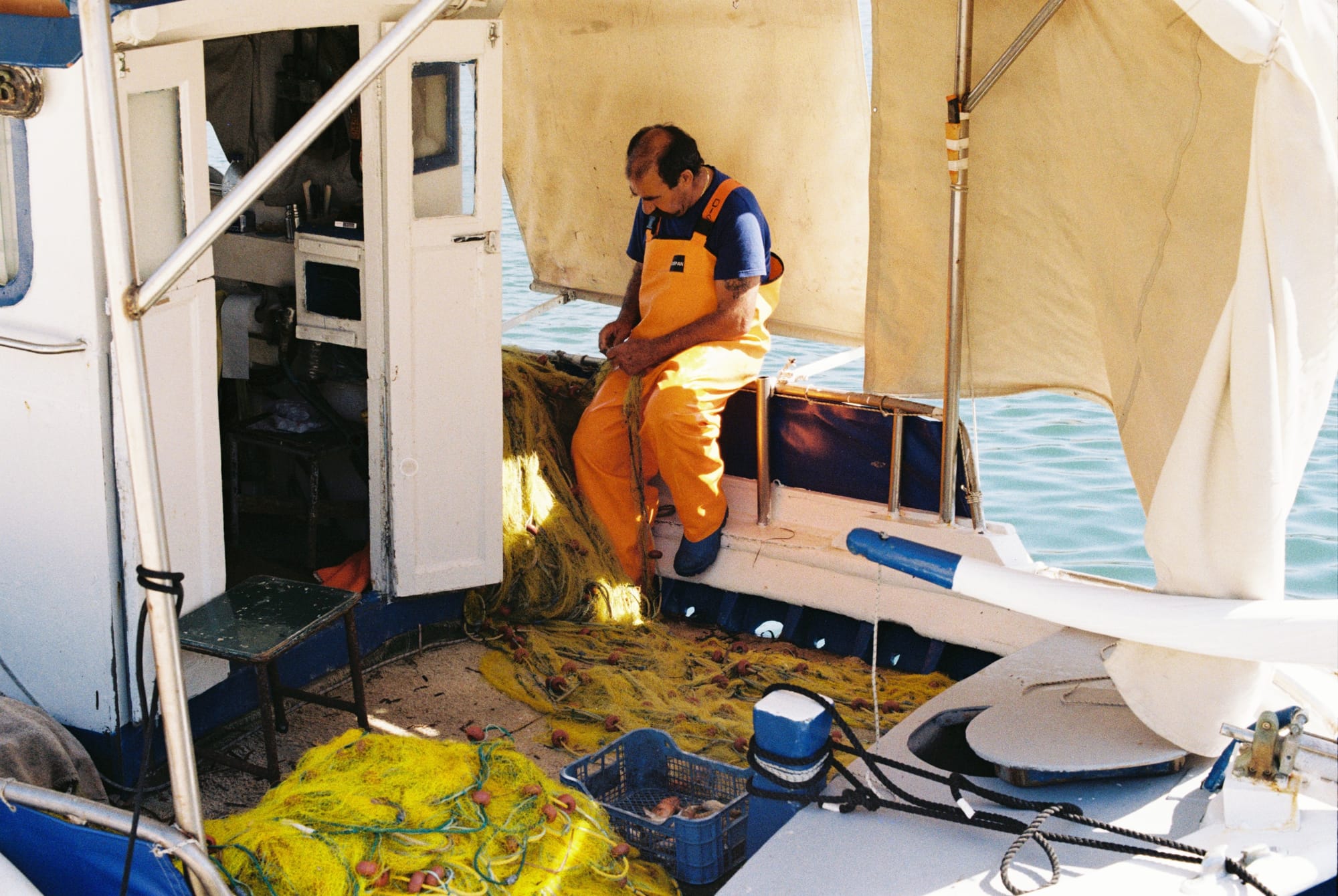
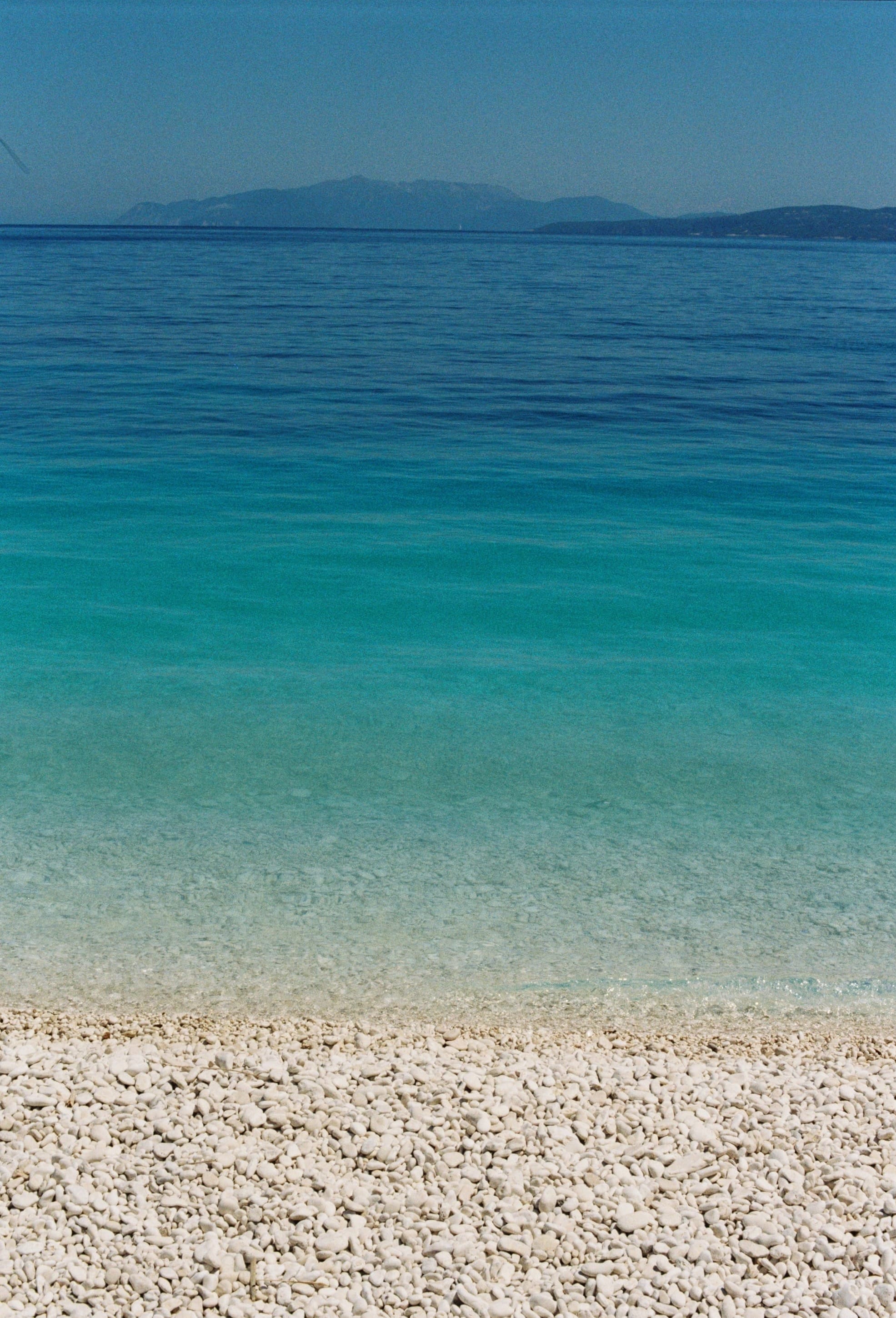
Our first adventure on Kefalonia was to the NW corner of the island for a rugged hike down to Fteri Beach. The climb down was steep, dusty, and hot, but that made the first glimpse of the shimmering white beach and turquoise water even more sublime. We swam from cove to cove through cool, translucent water.
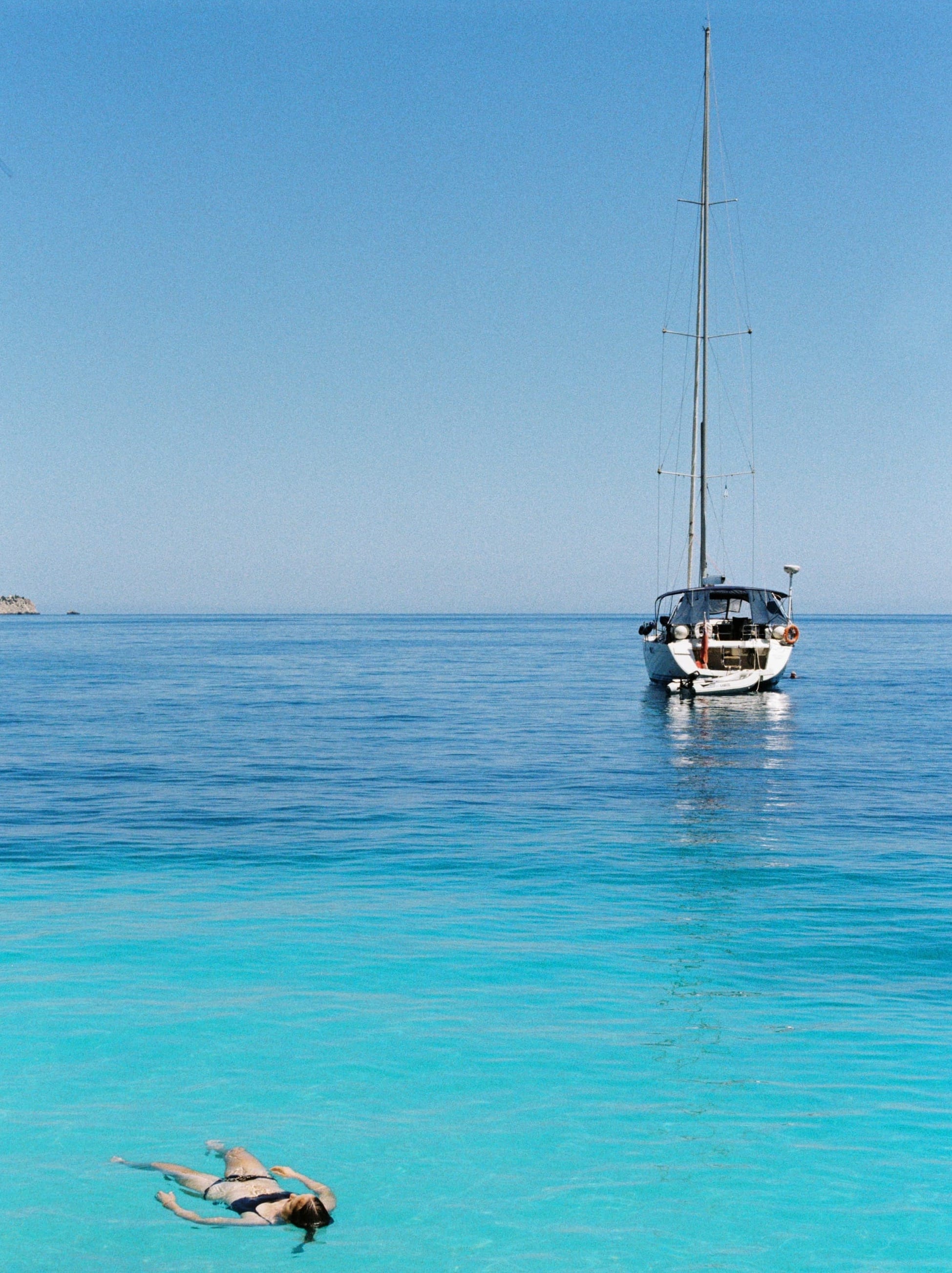
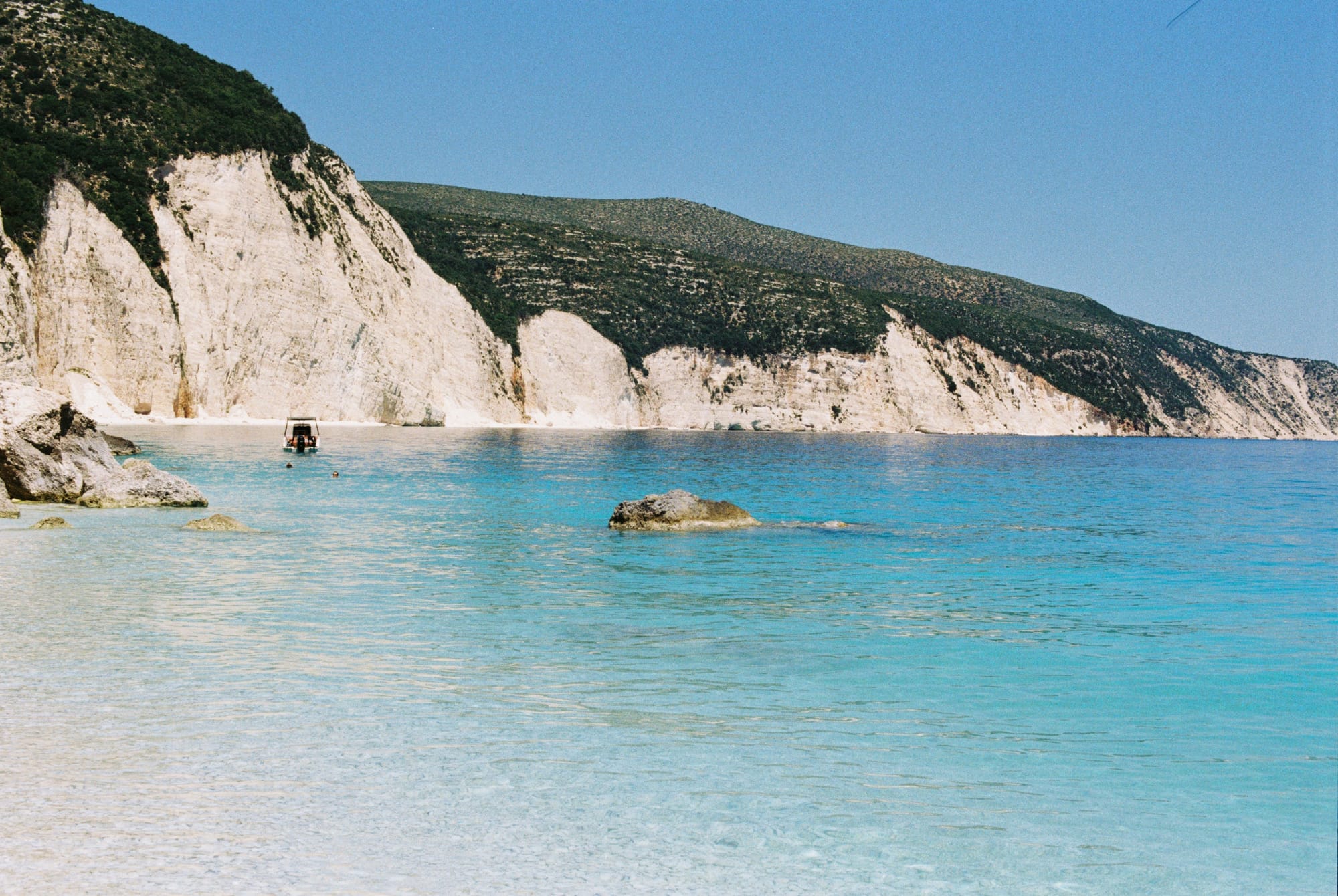
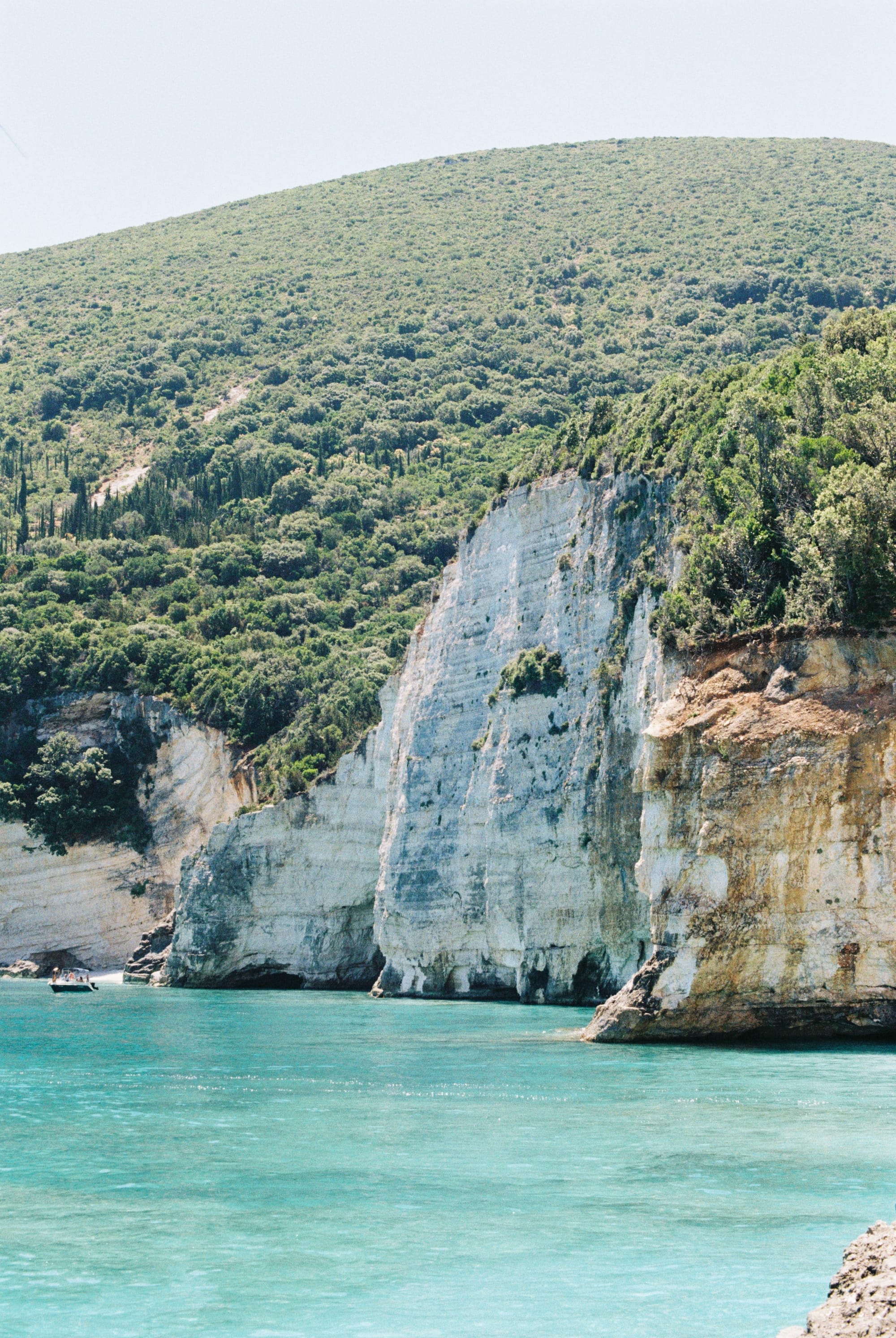
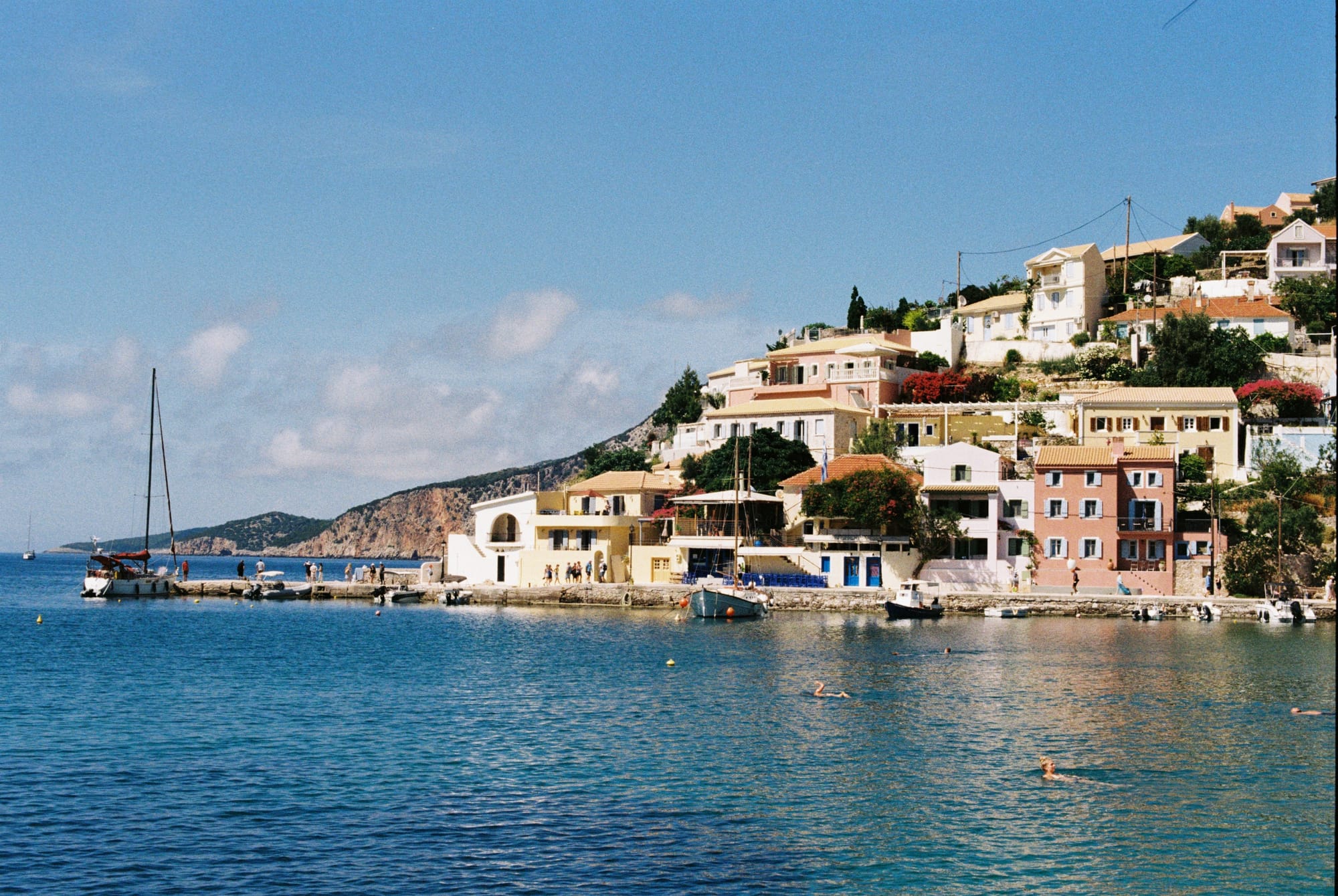
We also explored Asos, which is a village also on the west coast. The Great Ionian Earthquake of 1953 leveled nearly every home in Kefalonia and raised the whole island of Kefalonia by 2 feet! Some of the homes in Asos were spared though, so it was a special look into the historic homes on the island.
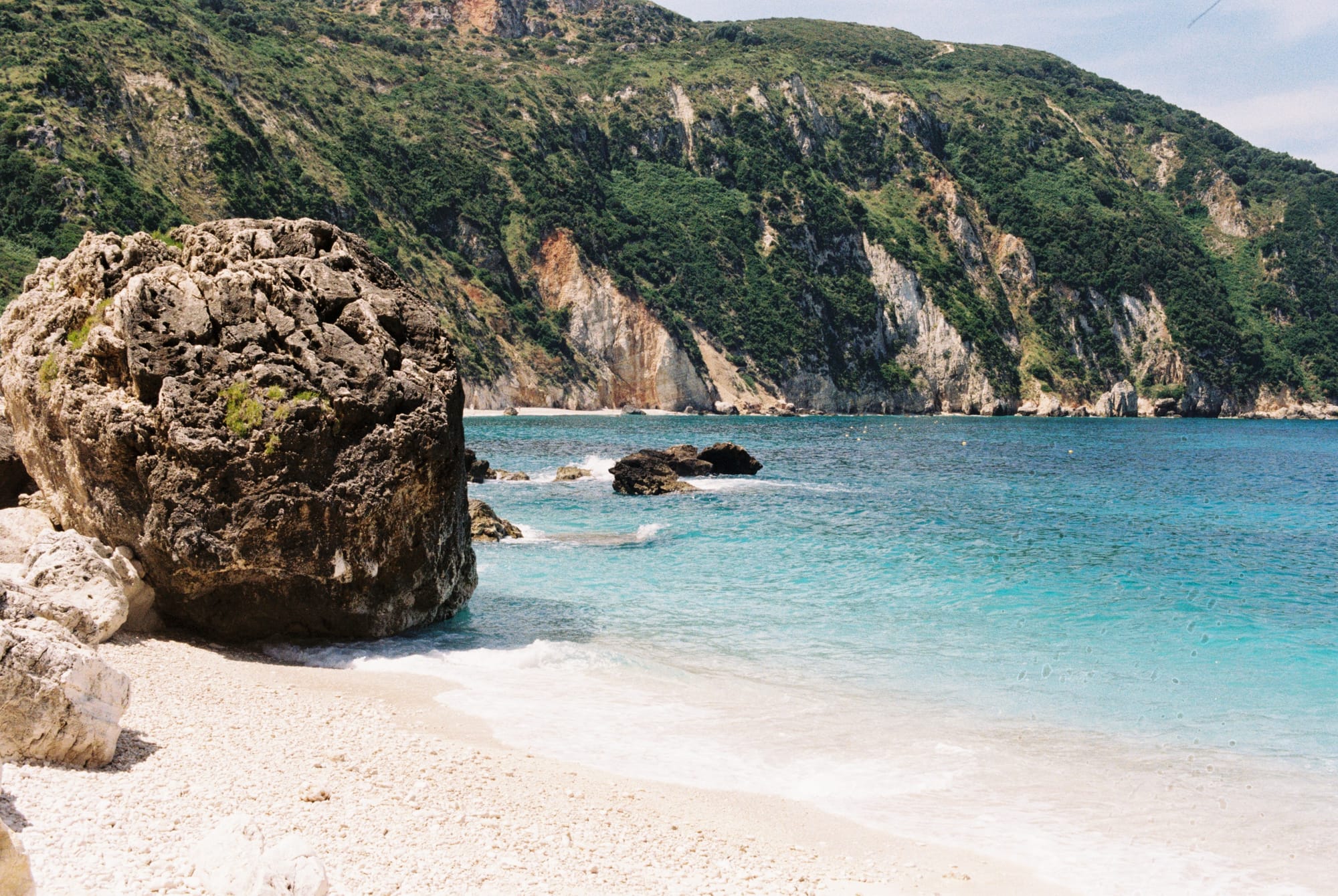
We also enjoyed a day at Petani Beach, which is tucked away on the west coast of Kefalonia. It is a pebble beach of limestone which we love because of the shocking white color of the rocks, the sounds of the pebbles as they ebb and flow with lapping surf, and it makes for supremely clear water as well.
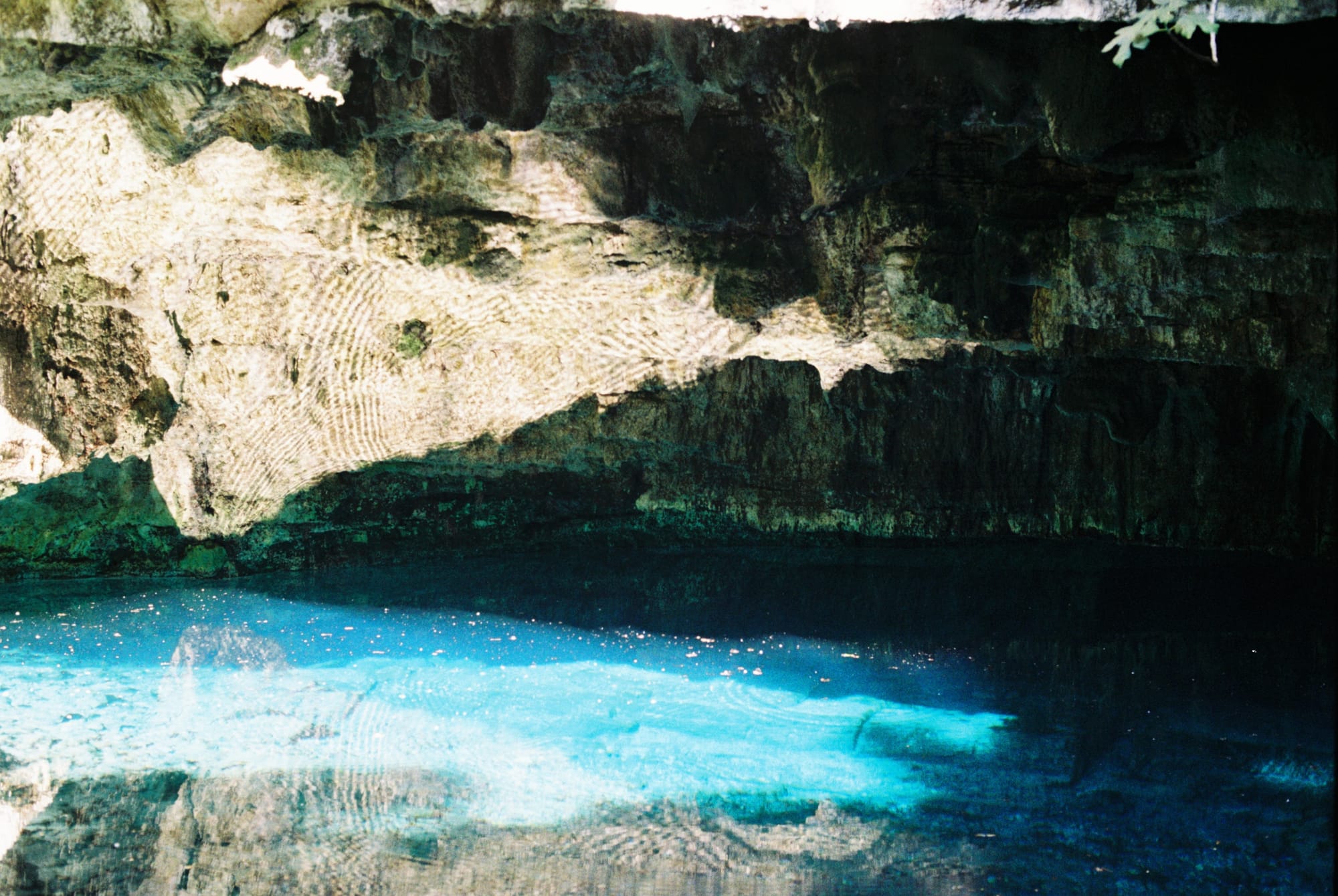
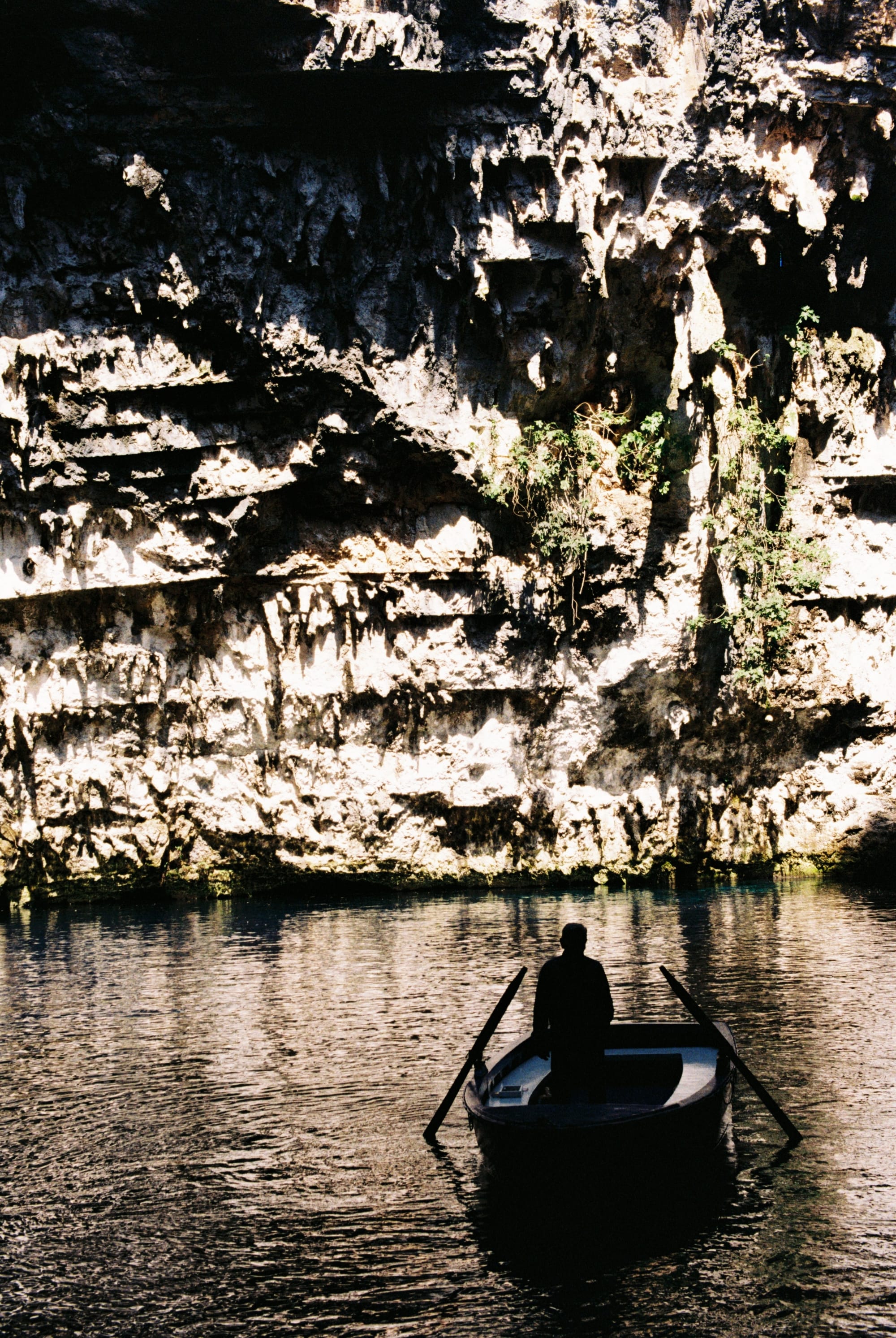
There are two caves that we wanted to see on Kefalonia, Melissani and Zervati Cave. They are both caves with turquoise lakes that formed within the limestone rock and were then exposed during ancient earthquakes that collapsed the roofs. Now, when the sunlight hits the lakes you get an almost glowing effect of the crystalline brackish water. We took a row boat paddle through Melissani Cave which was enchanting.
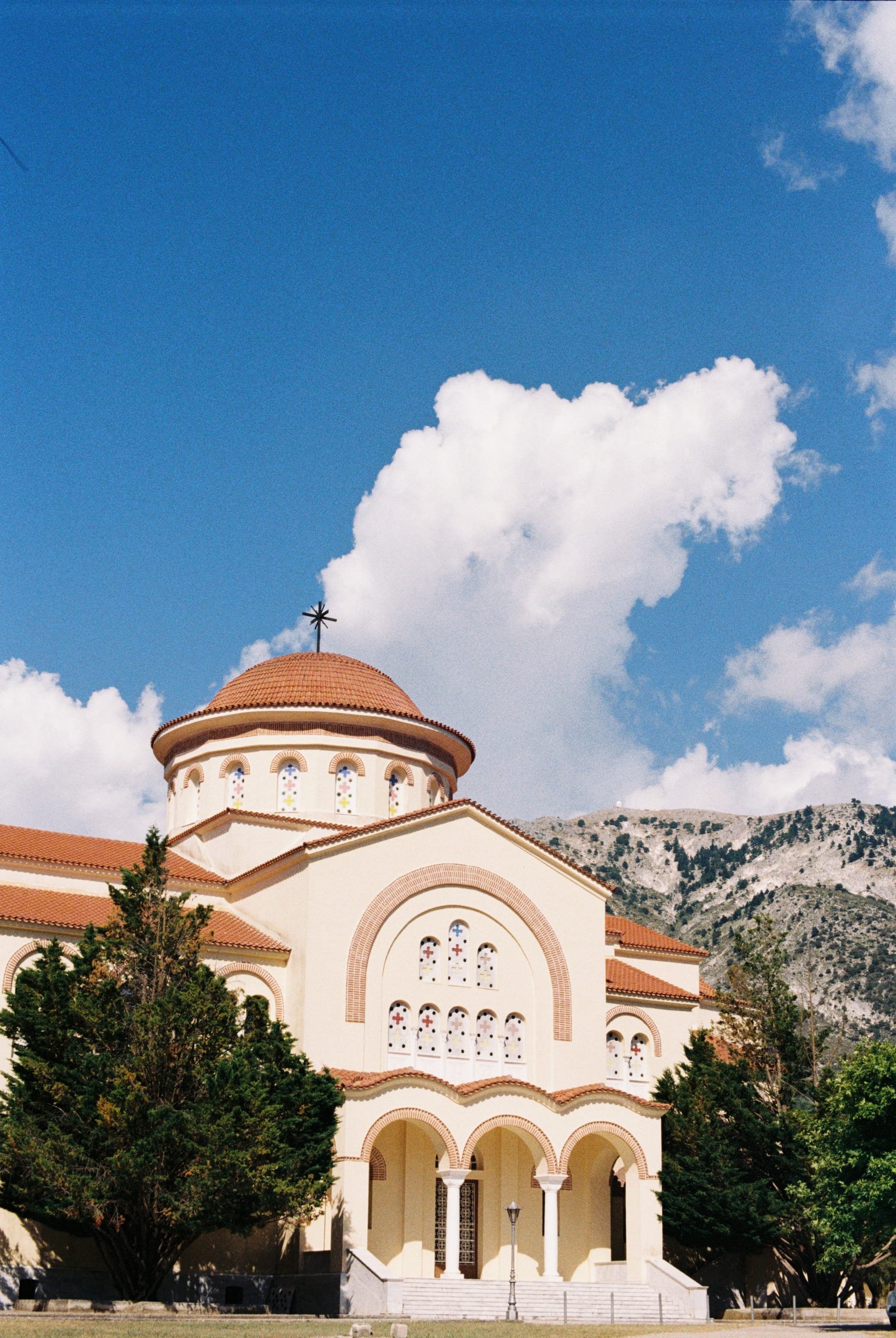
On our last day in Kefalonia, we figured out what a “Beach Club” was! We just needed to buy two beers to sit in some luxe chairs with an umbrella on the lovely Antisamos beach. It seemed like a hard bargain, but in the end we were convinced to drink some beers. After, we visited the colossal Sacred Monastery of Agios and a hilltop winery.
The last stop on our Greek island hopping tour was the lovely Corfu. We stayed in Agios Gordios on the west coast in an Airbnb situated for remarkable sunset views. We had a car again as Corfu is very large so we were able to explore a lot of the island. Corfu town was very picturesque with small winding alleys and tucked away tavernas. It was stifling in Corfu so we swam by the windmill near the old fortress which felt like a very local thing to do, as we were surrounded by large hairy Greek men in speedos.
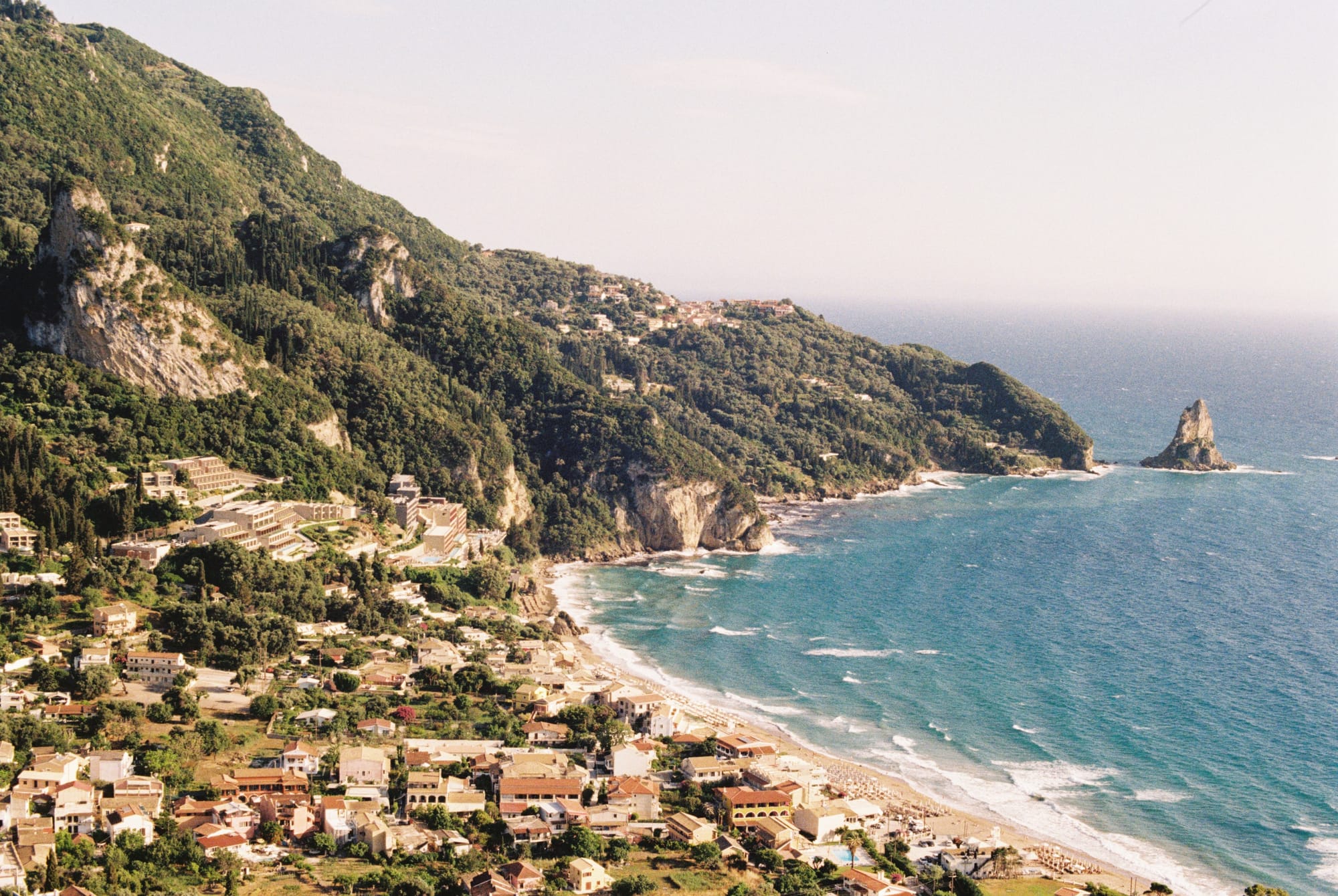
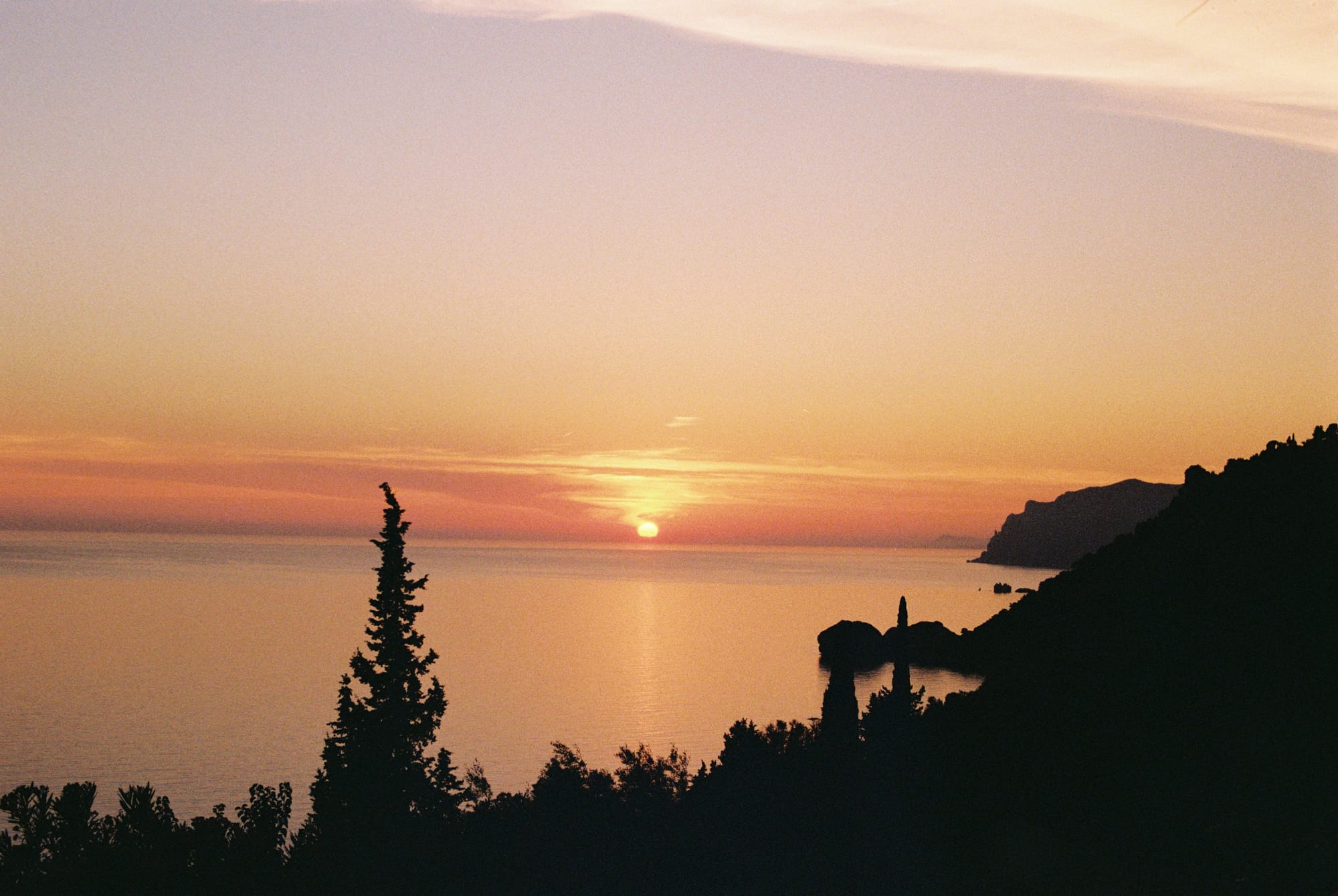
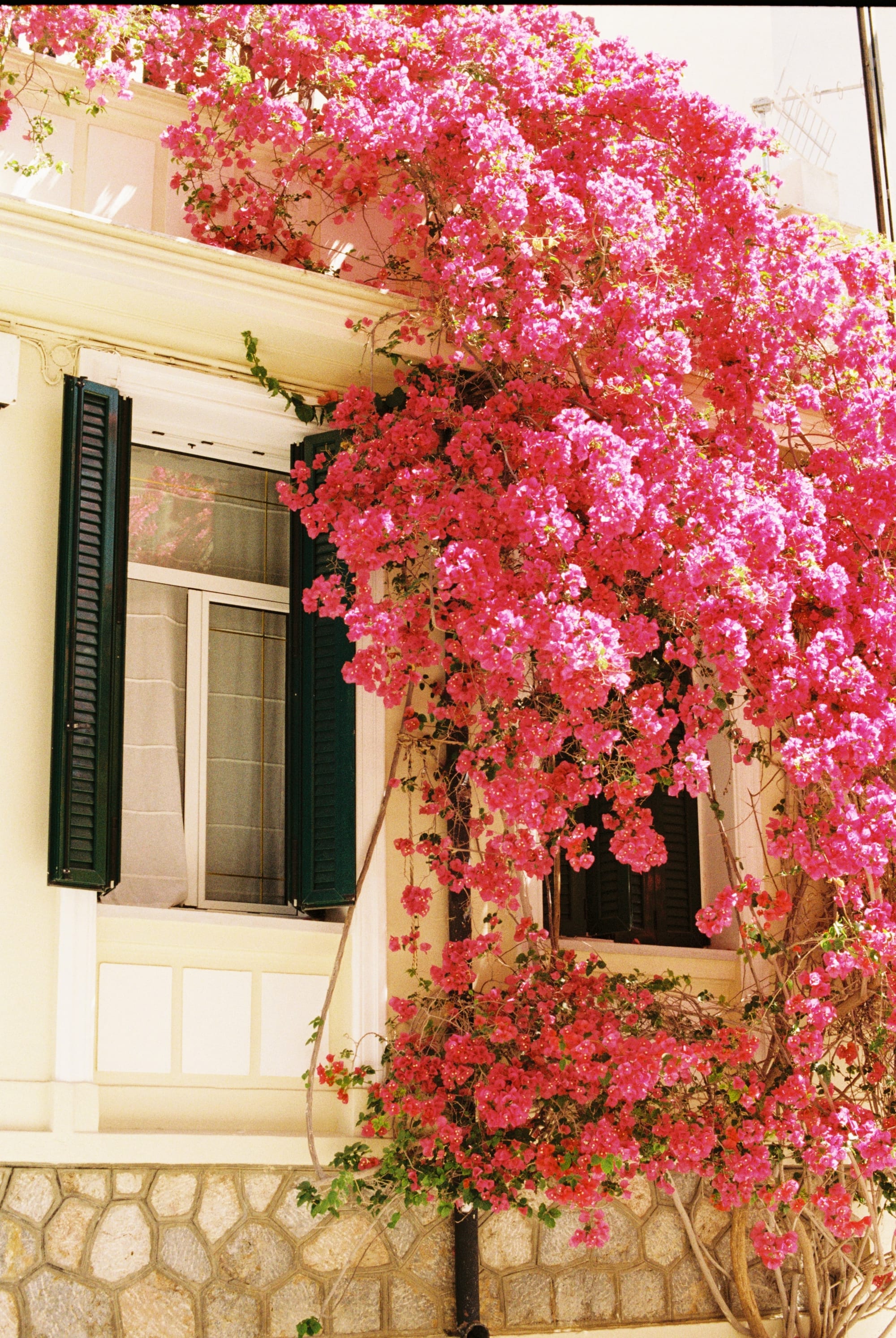
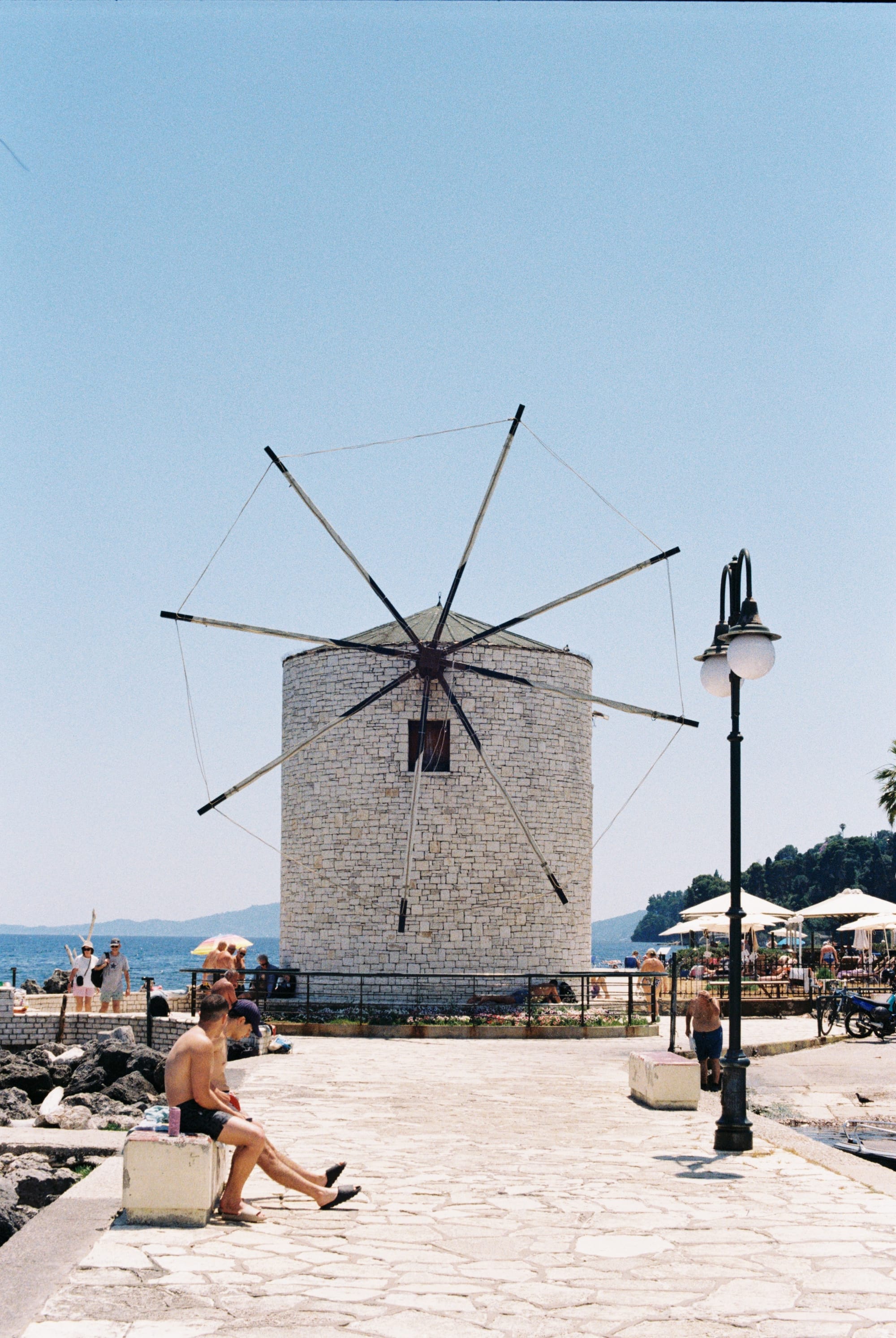
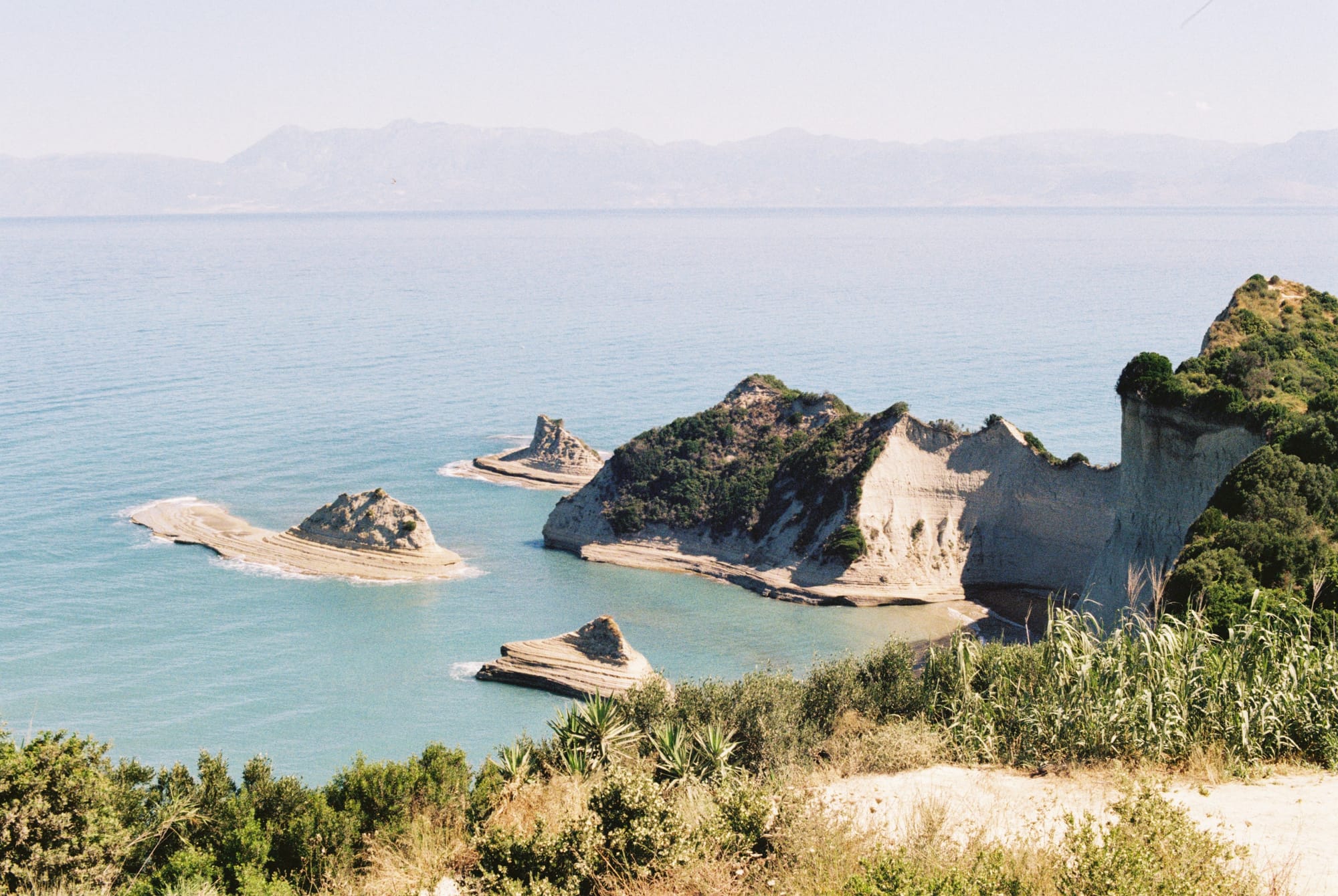
There is a formation on the very northernmost point of Corfu called Cape Drastis, which is an area of windswept limestone cliff faces. We hiked a nice loop in this area with some striking views.
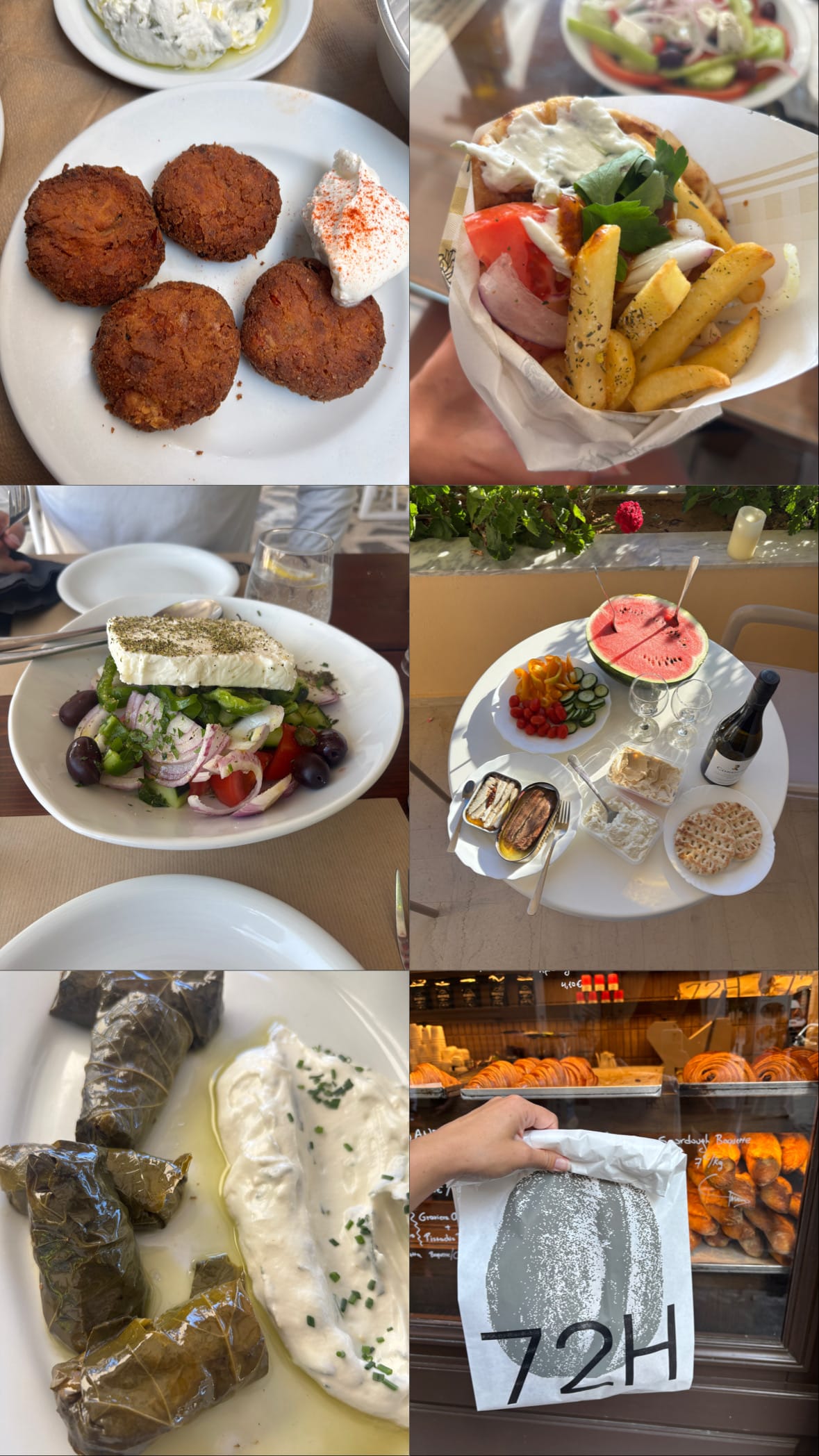
Just a quick diatribe on Greek food: we were in Greece for 3 weeks and never tired of the food here. Even the simplest dish like Greek Salad (tomato, cucumber, feta, olives, capers, and about 3 cups of olive oil) never became dull. Sifnos definitely had the best food of the Greek leg, mostly due to their distinctly local soft cheese called myzithra which is tangy like feta but soft and nearly whipped. Put a little of that bad boy on everything and how could you go wrong?
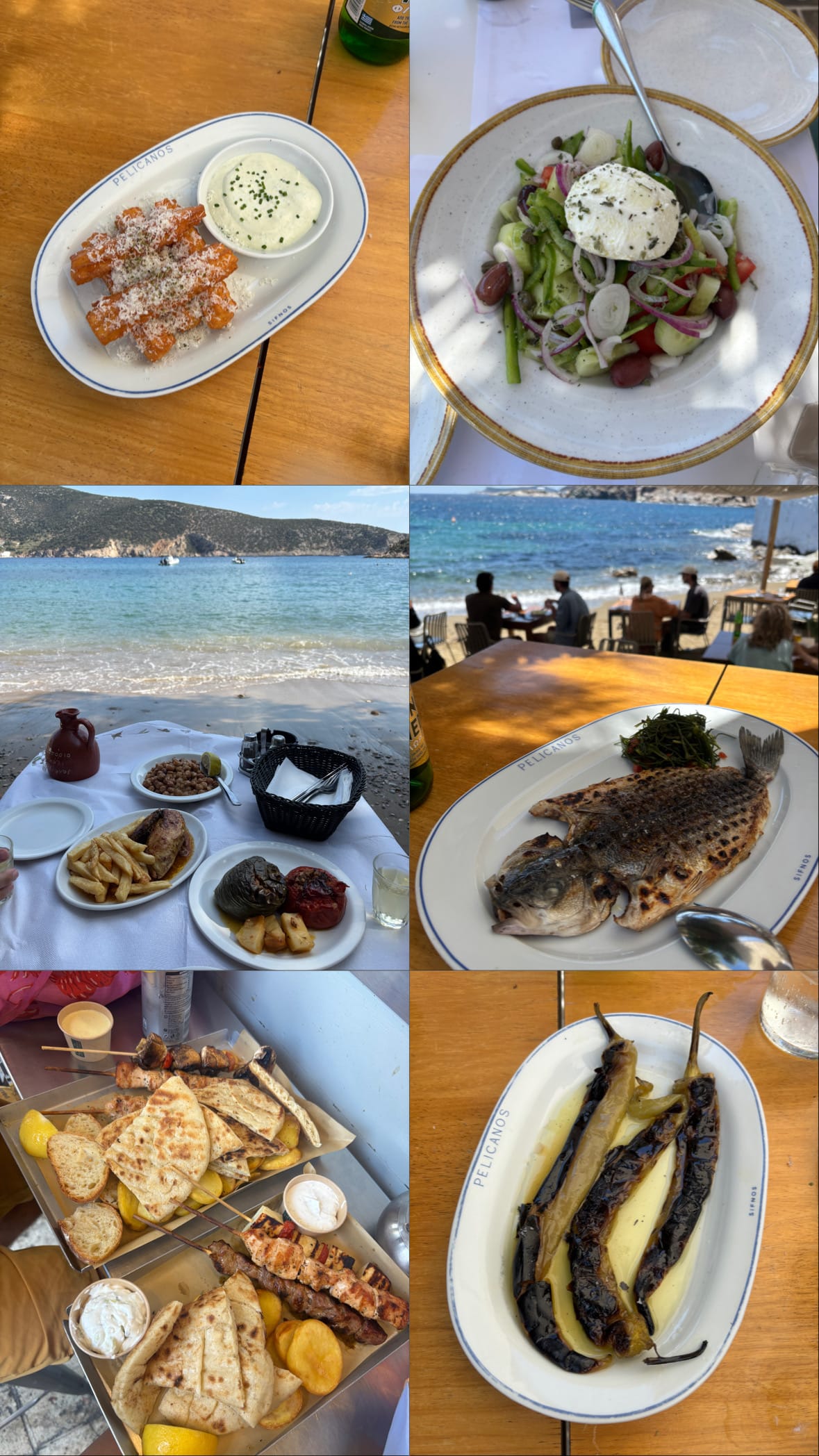
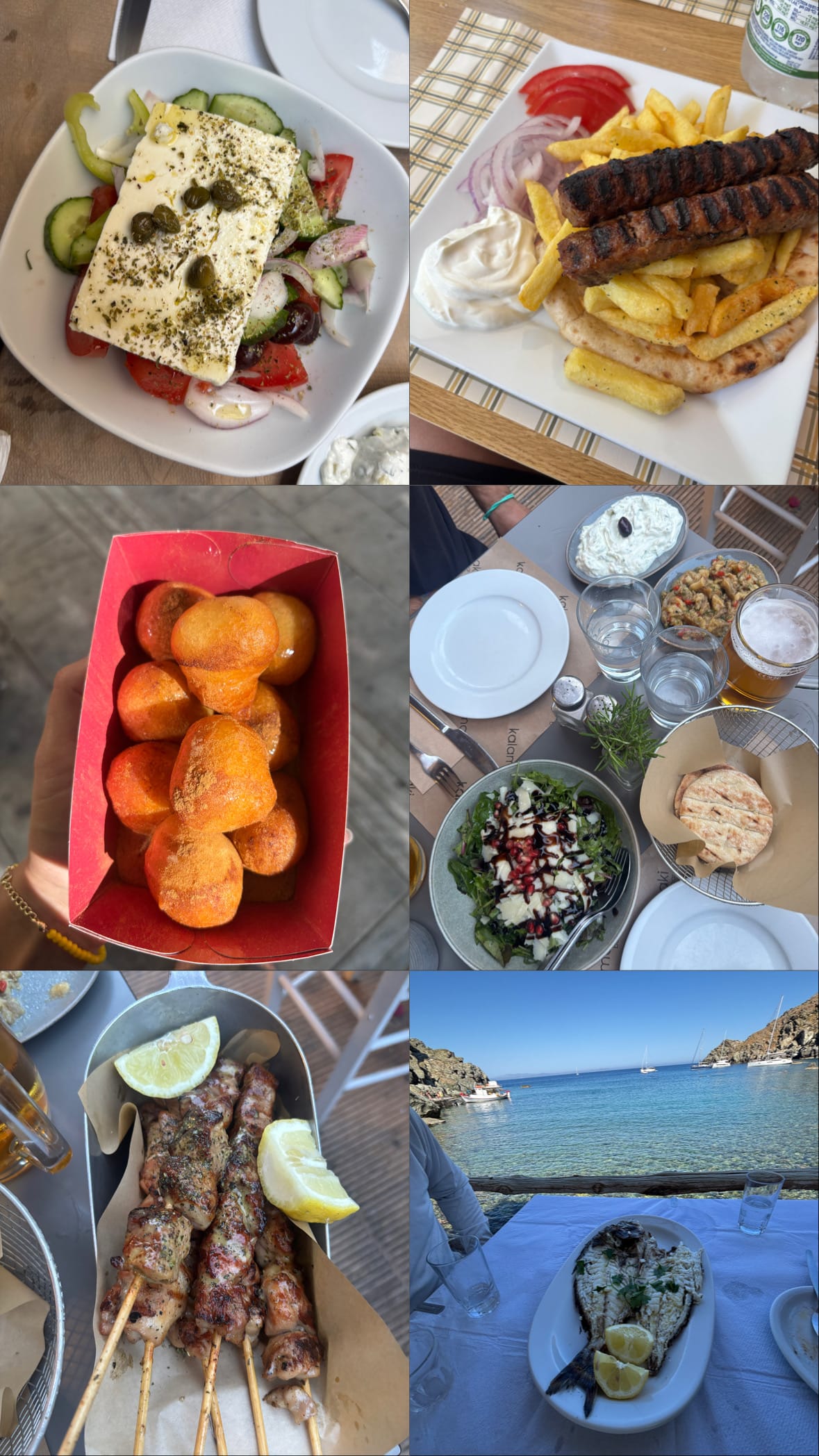
Greece has six island clusters and we visited only two of them: the Cyclades and the Ionian Islands. These two felt very distinct from each other. The Cyclades felt sleepy, rustic, and untouched. Our Airbnb host told us about the local swim spots and happening upon them felt like a secret. There was a small-town charm. The Ionian Islands were larger, both in size and population. They felt more historic and established. But, they were easier to navigate and explore and still had the magical nuance that to us just became what it meant to be in Greece. If anyone asked us about a Euro summer holiday, Greece would undoubtedly be our first recommendation. We fell in love with its abundance of historical and archeological sites, its chalk-white beaches and calm cool waters, its satiating and simple food, its endless clowder of sweet stray cats, and of course its wholesome, gregarious, and hairy locals.