Croatia
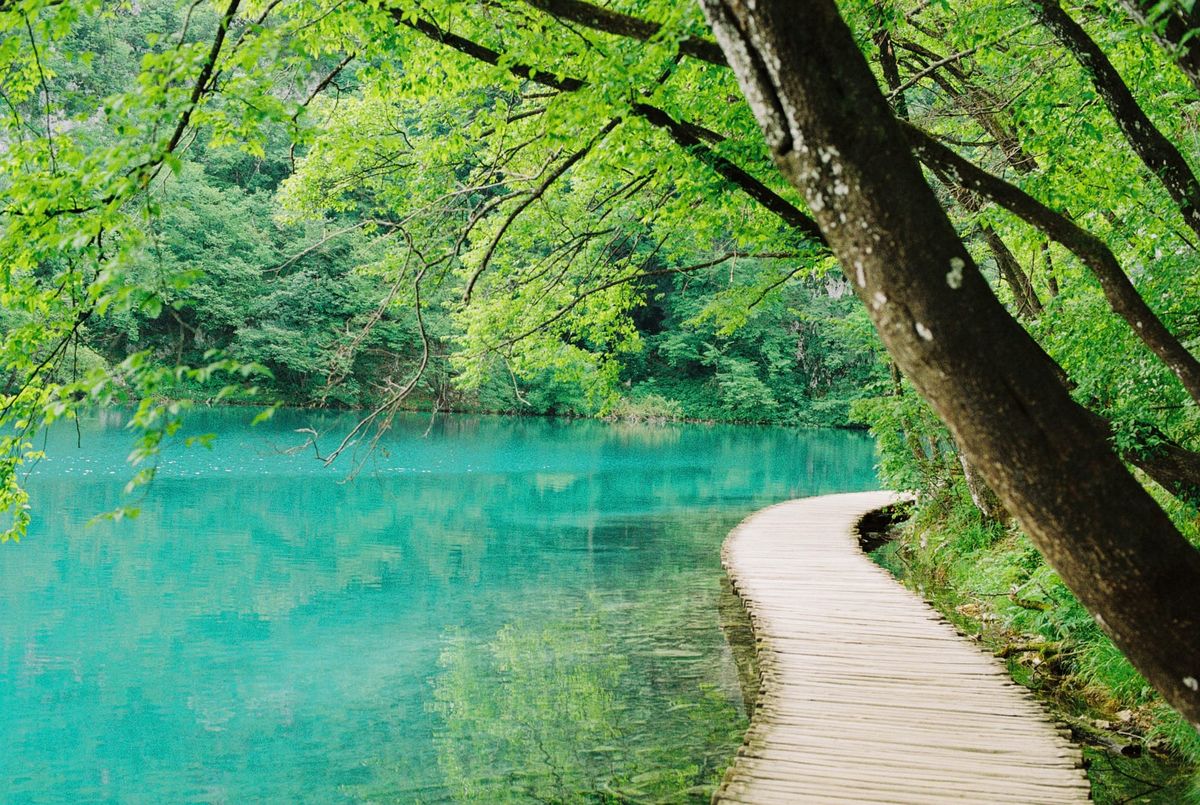
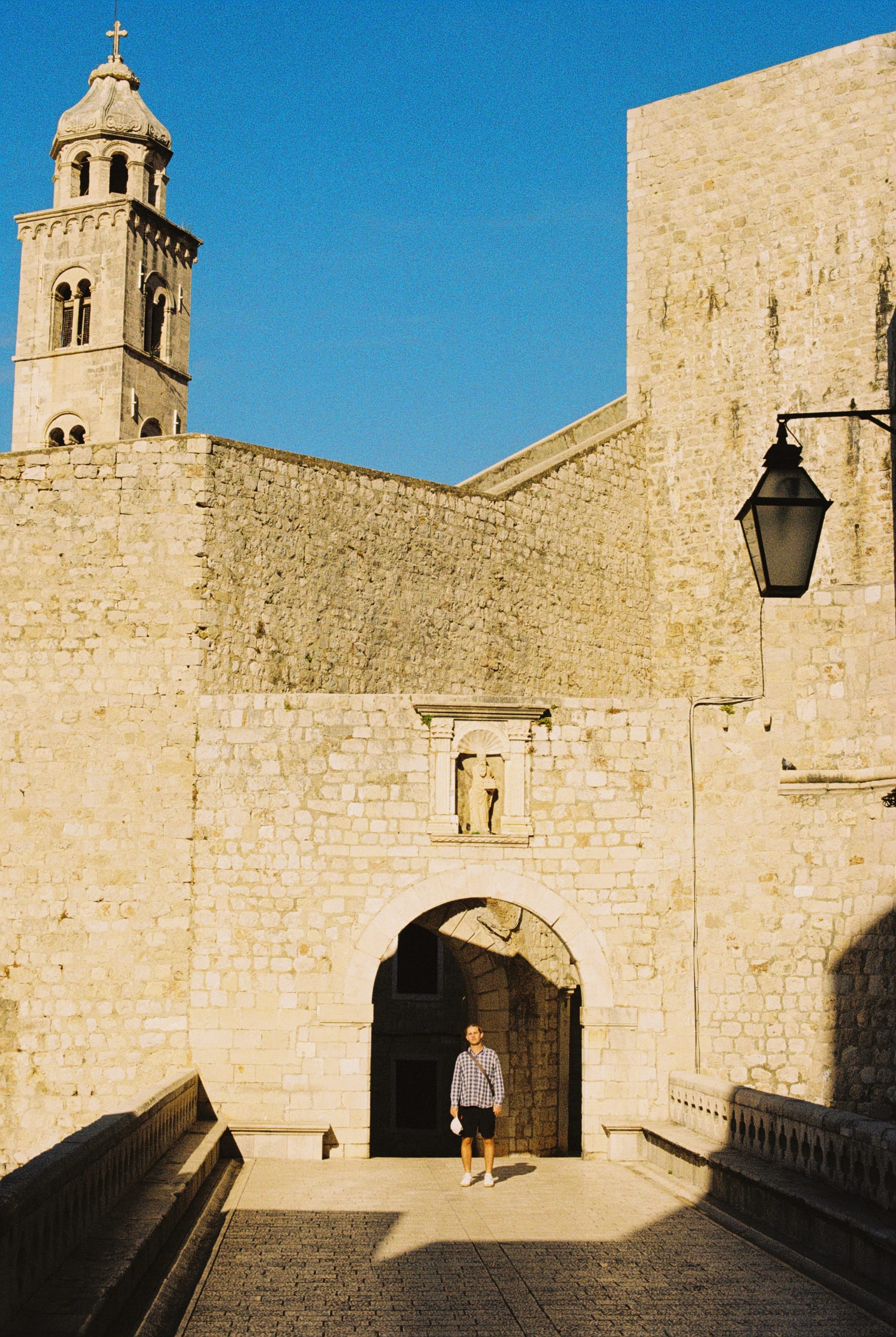
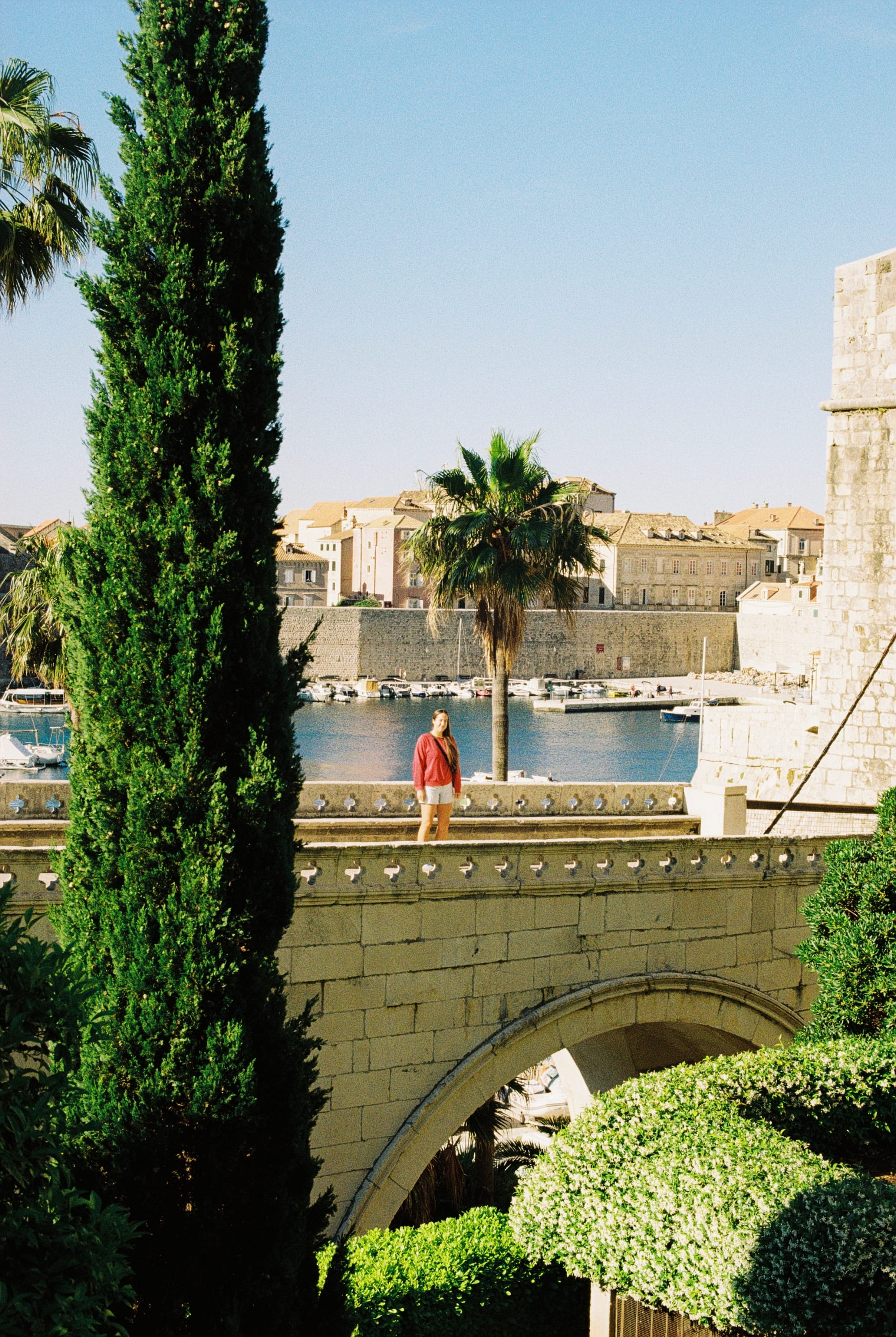
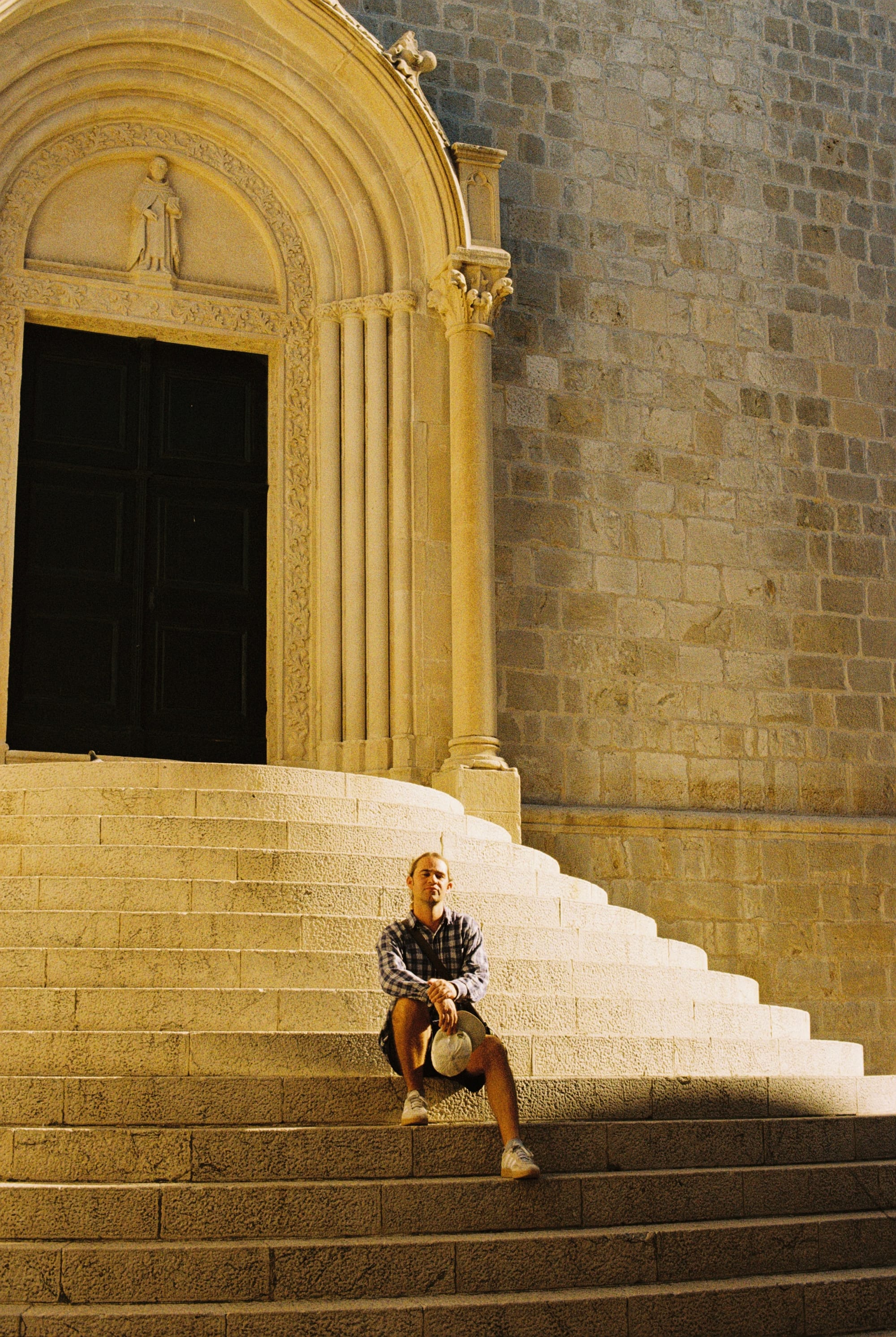
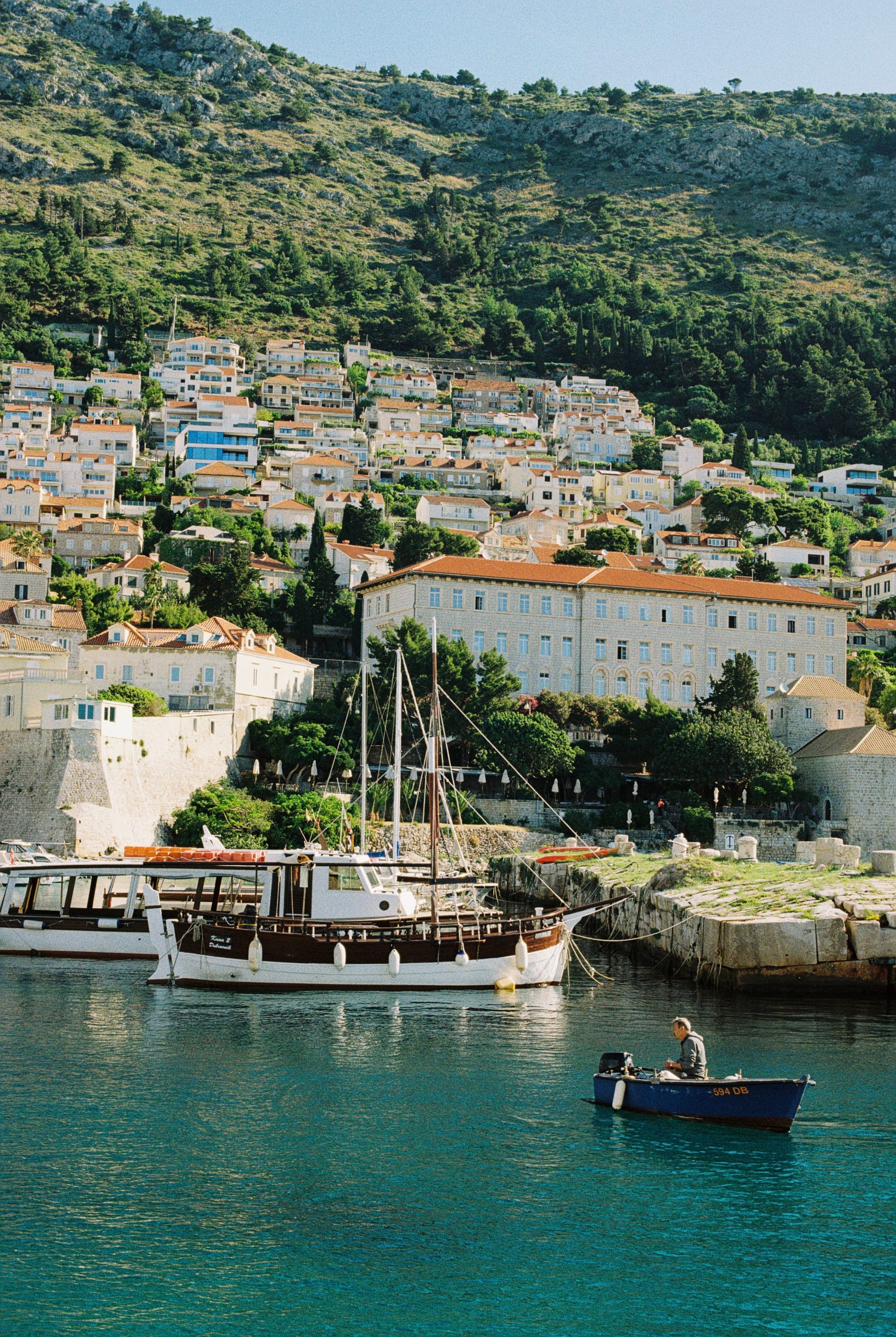
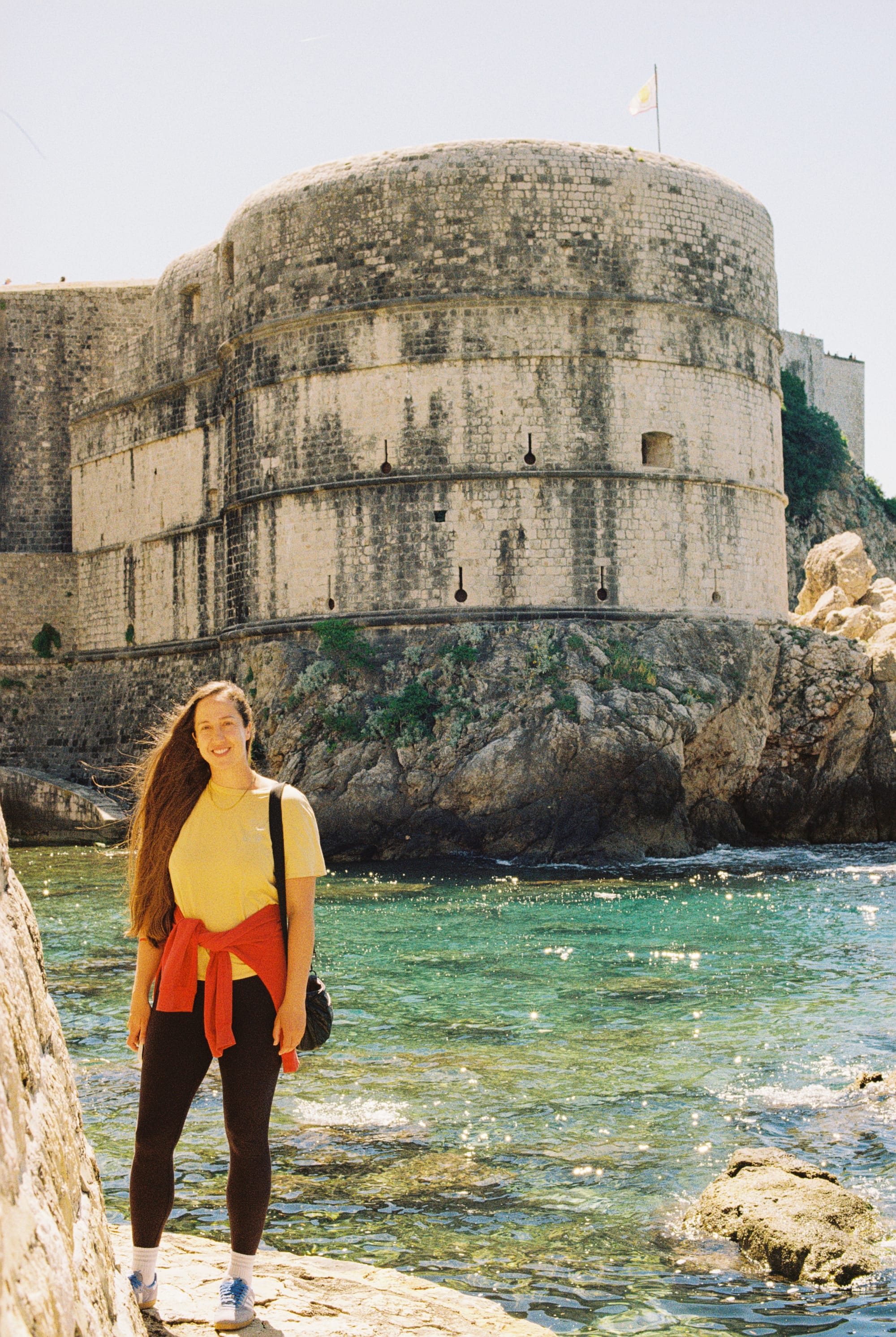
Our Croatia journey started in Dubrovnik. We rented a car and even on the half hour drive from the airport, the views were overwhelming as we looked down on the coast and Old Town of Dubrovnik with a setting sun. With only 2 days in Dubrovnik we were up early to explore every alleyway and steep street in Old Town. We found hidden beach bars for beers on sunny cliffs and took long walks on ancient stone bridges at sunset. There were many tourists during the 10 am to 4 pm cruise ship times, but it never felt overwhelming here and we enjoyed peaceful mornings and evenings. We hiked up to Srð Fort which was built during the Napoleonic Wars in 1810 and had a panoramic view of Dubrovnik below.
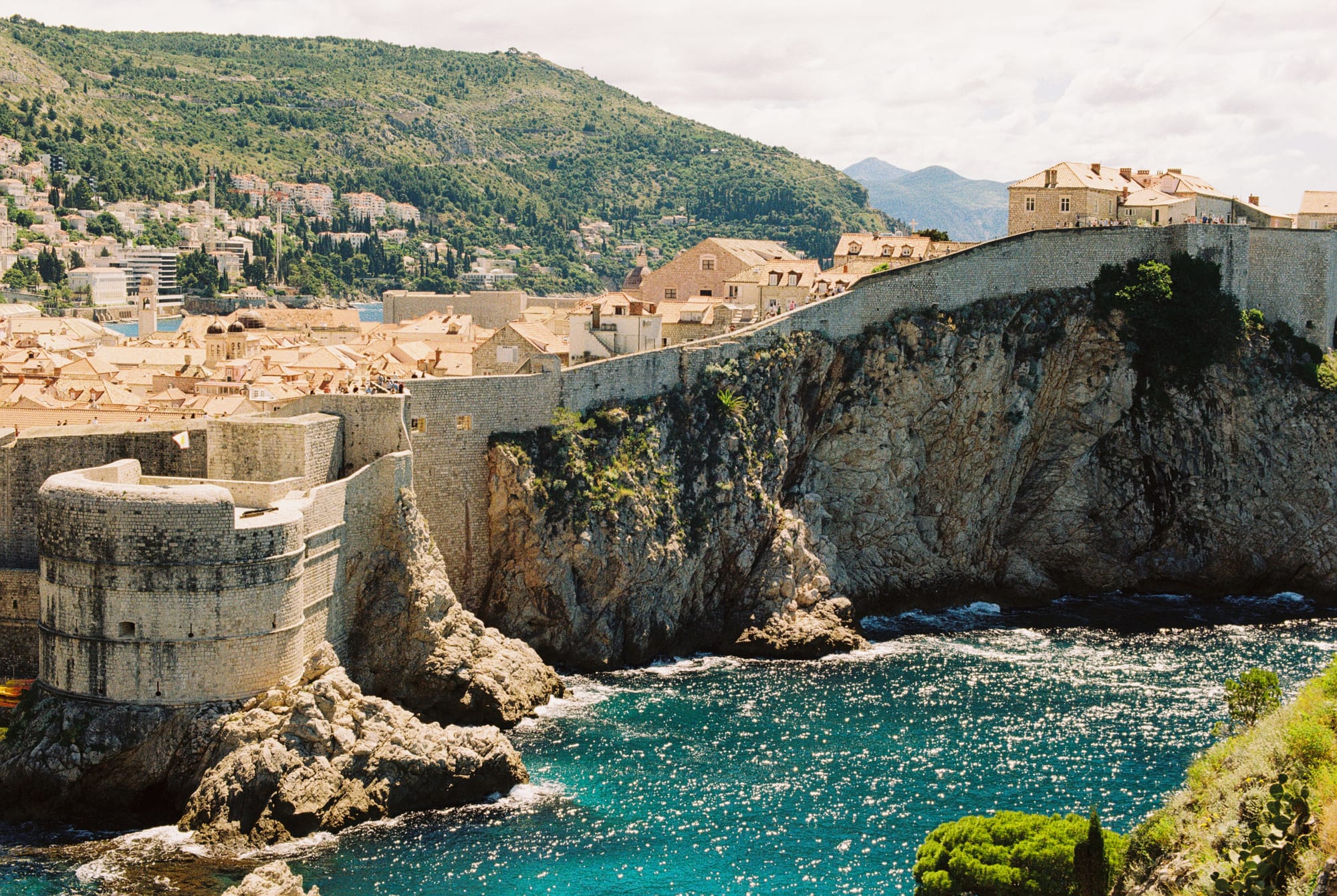
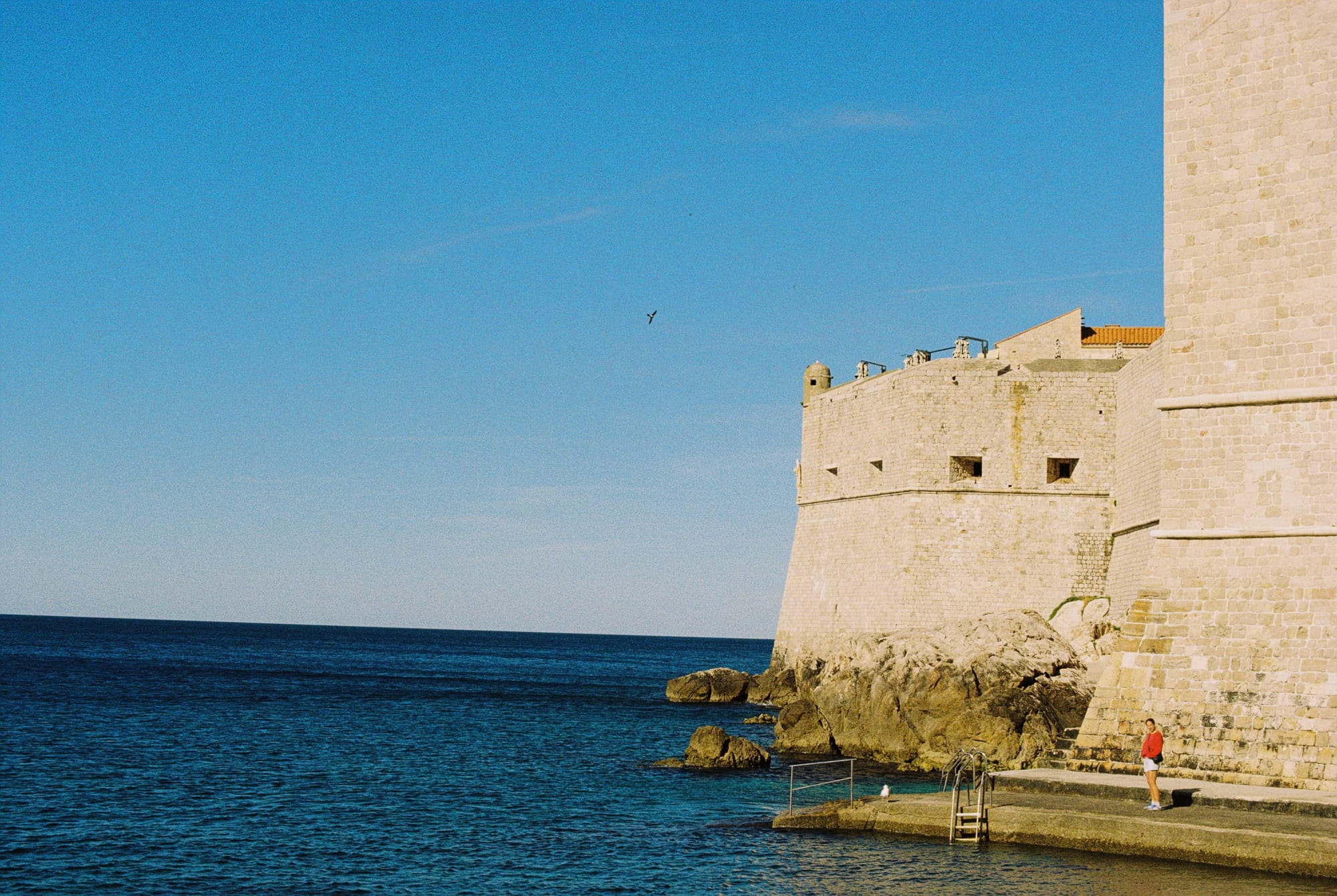
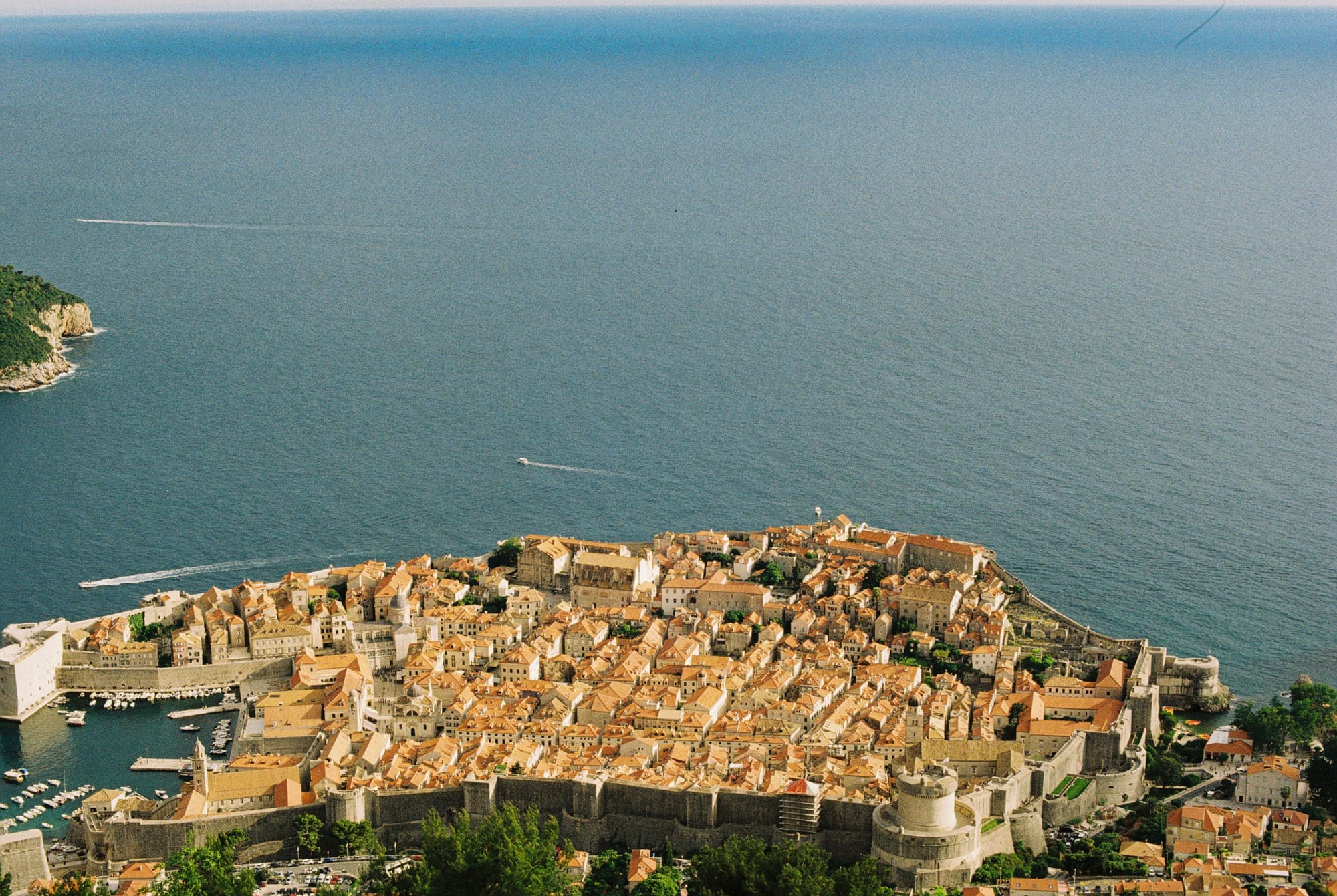
Dubrovnik is expensive. We scheduled our time here conservatively as we did not want to spend our entire Croatia budget in the first 2 days. Croatia did not start using the Euro until 2023 and from what we heard from the locals that we talked to there was a significant increase in cost of living after this. One friendly host we spoke with said that people just changed their prices from Croatian Kuna over to Euros without doing any conversions. So, a 14 Kuna draft beer ($2 USD) turned into a 14 Euro beer ($16 USD). The story anecdotally felt true!
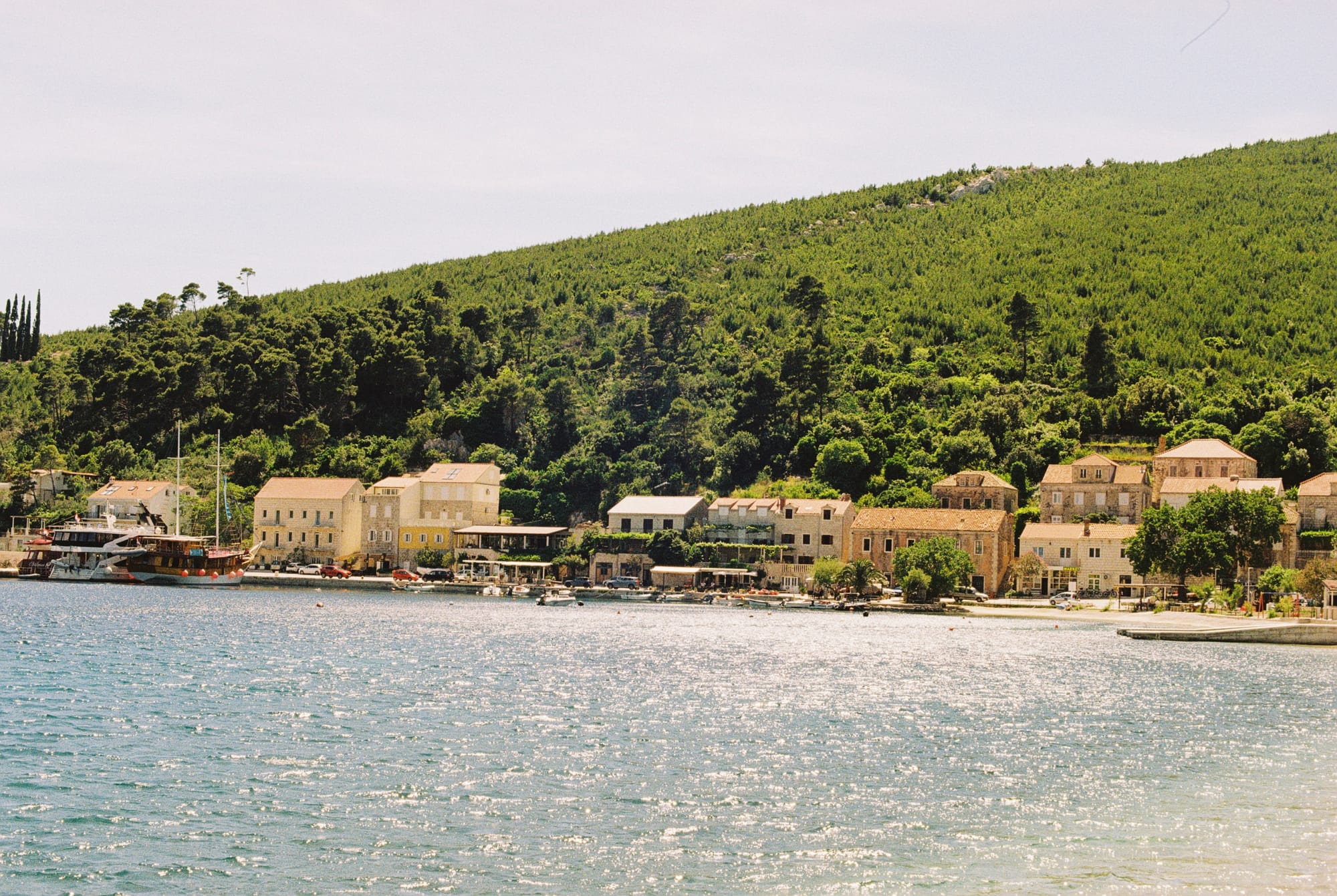
We planned a 12-day road trip that spanned the length of Croatia from Dubrovnik in the south to the capital city Zagreb in the north. Our first stop after Dubrovnik was the Peljesač peninsula. Rory has been to Croatia now three times and this area is important to him and his family.
Rory’s great-grandfather, Ivo Ruskovich, left his hometown of Pijavicino on the Peljesač peninsula in 1910. He and his family were grape farmers there and during the turn of the 20th century there was a grape blight that devastated the crops. As a 17 year-old boy, Ivo was the son of a school teacher in Pijavicino and the town elected and paid for him to be sent to UC Davis whose agriculture department had figured out a solution to the grape blight. He migrated through Ellis Island and went to UC Davis and sent all of the information from the Ag Department back home to navigate the grape blight crisis. Ivo had the full intent to return back to Croatia but then he met his wife at a town hall dance and settled near Salinas and had two twins who sadly passed away in the 1918 Spanish Flu. Afterward, he and his wife moved to Atascadero, had three more children, and started a ranch. He was elected San Louis Obispo county supervisor for 21 years and even had a public pool and a county fairgrounds building named after him. He did eventually make the prodigal journey back to Croatia in the 1980s but only after both of his parents had died. The last time they saw him, he was a 17 year old boy on the dock in Trstenik who spoke no English on a journey to America to save his hometown’s livelihood.
Rory has two “cousins” still on the Peljesac peninsula (technically, they are second-cousins-once-removed and in their 90s). The house where Rory’s great grandfather grew up was burned by the god-damned Nazis in 1943 during their offensive “Autumn Storm” to capture Korčula Island which held a base that was being used by Allied forces to deliver supplies by sea from Italy. However, the foundation and stone walls are still standing. Rory and various members of the Ruskovich family have now made the pilgrimage to see these relics of the Ruskovich past. Rory’s sister, Red, first went in 2016 and discovered the long-lost cousins who then showed her the home and graveyard where many Ruskoviches are buried. Rory then went in 2017 with The Boys, again in 2023 with The Old Man, and now during Radical Sabbatical. The peninsula and the small towns that dot the coast feel very special, lived in, and undiscovered.
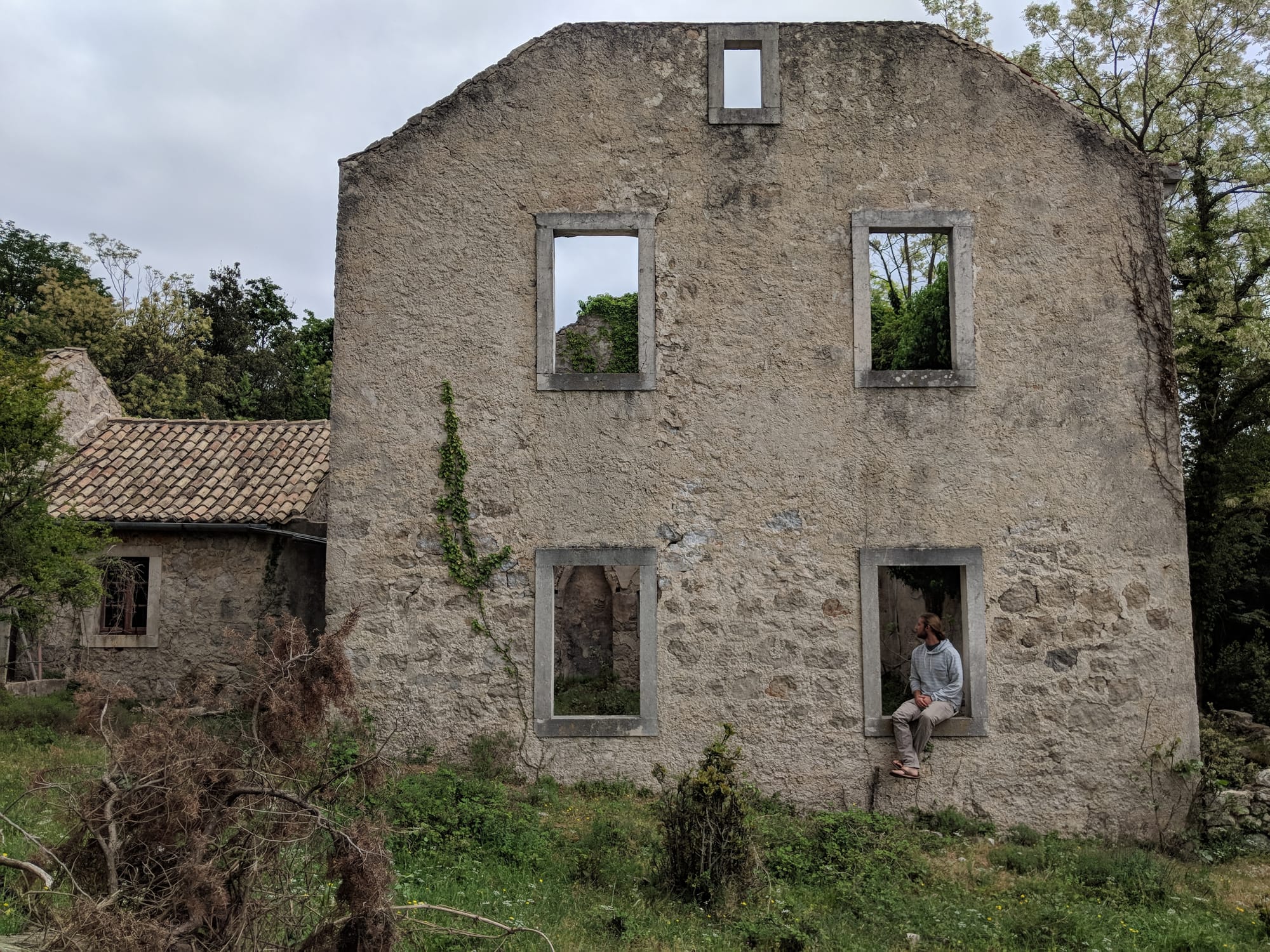
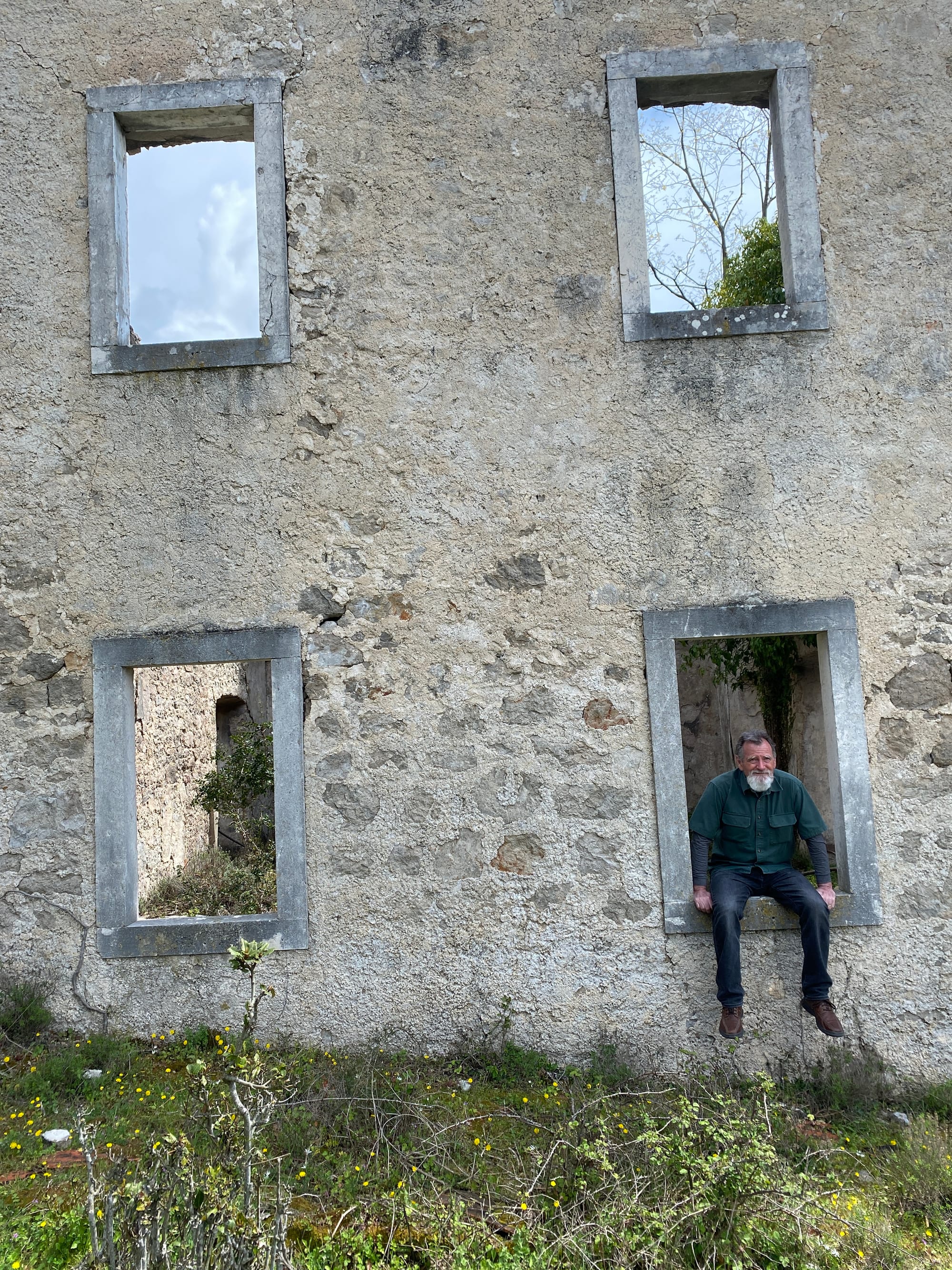
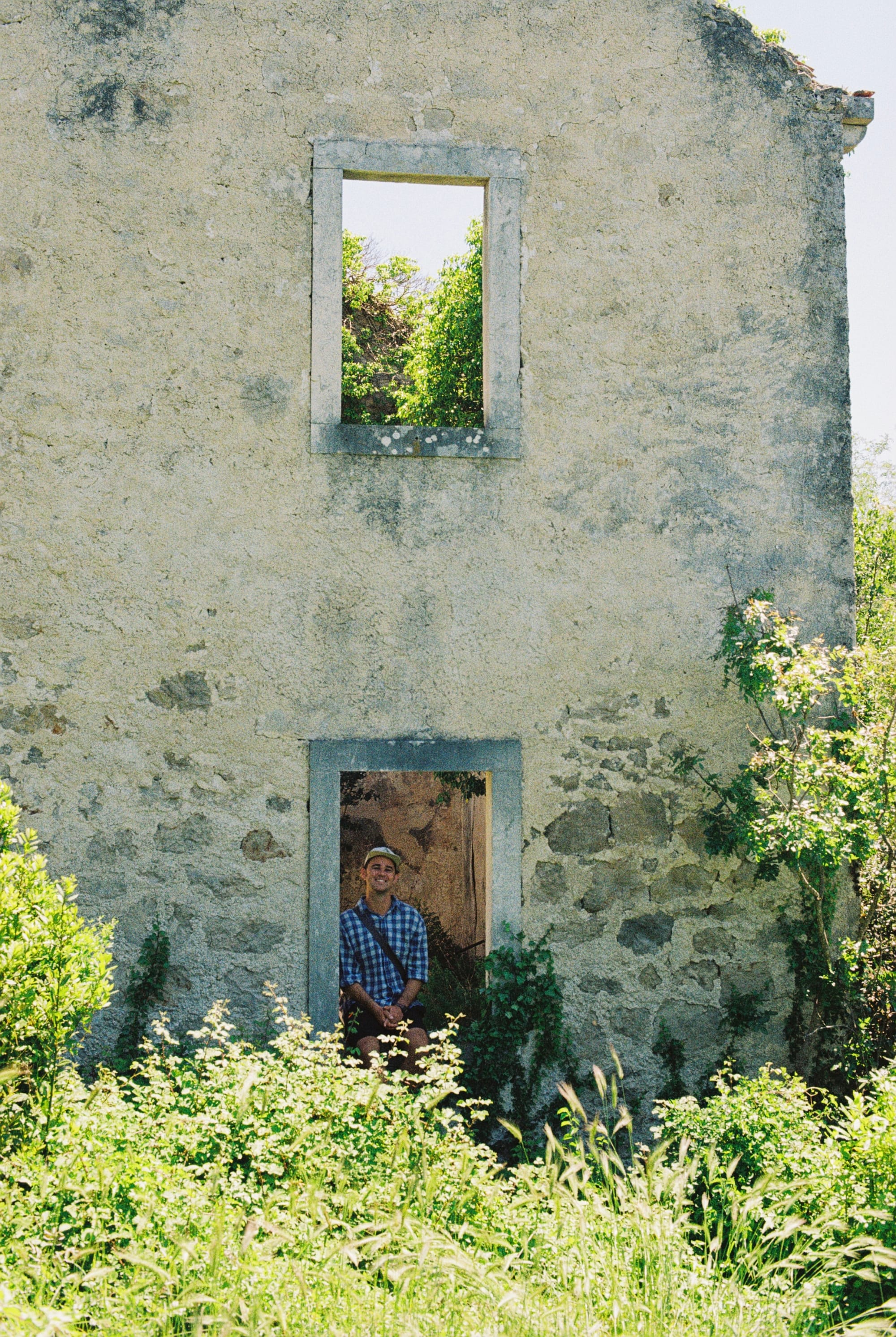
The pilgrimages to the homestead in 2017, 2023, and 2026
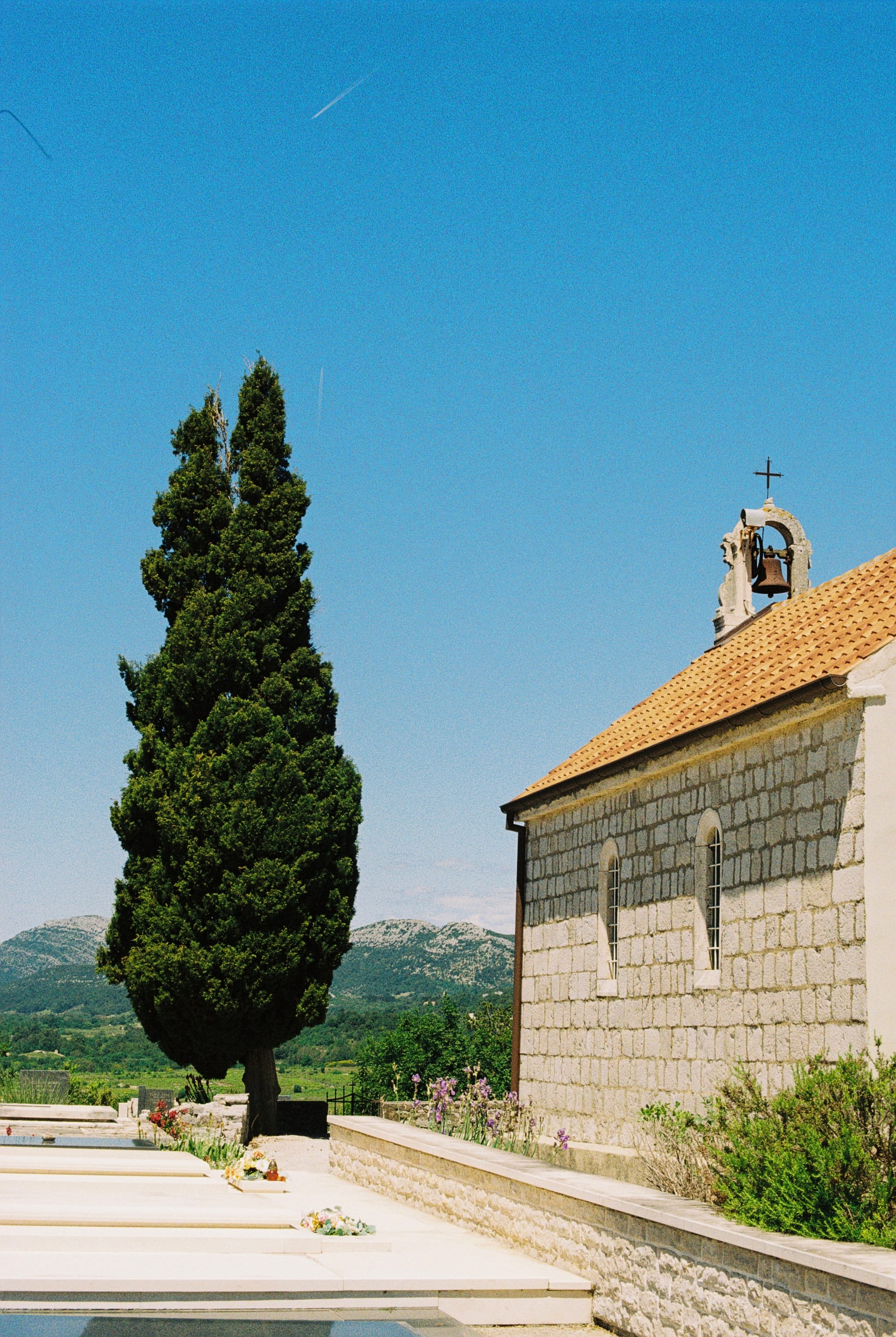
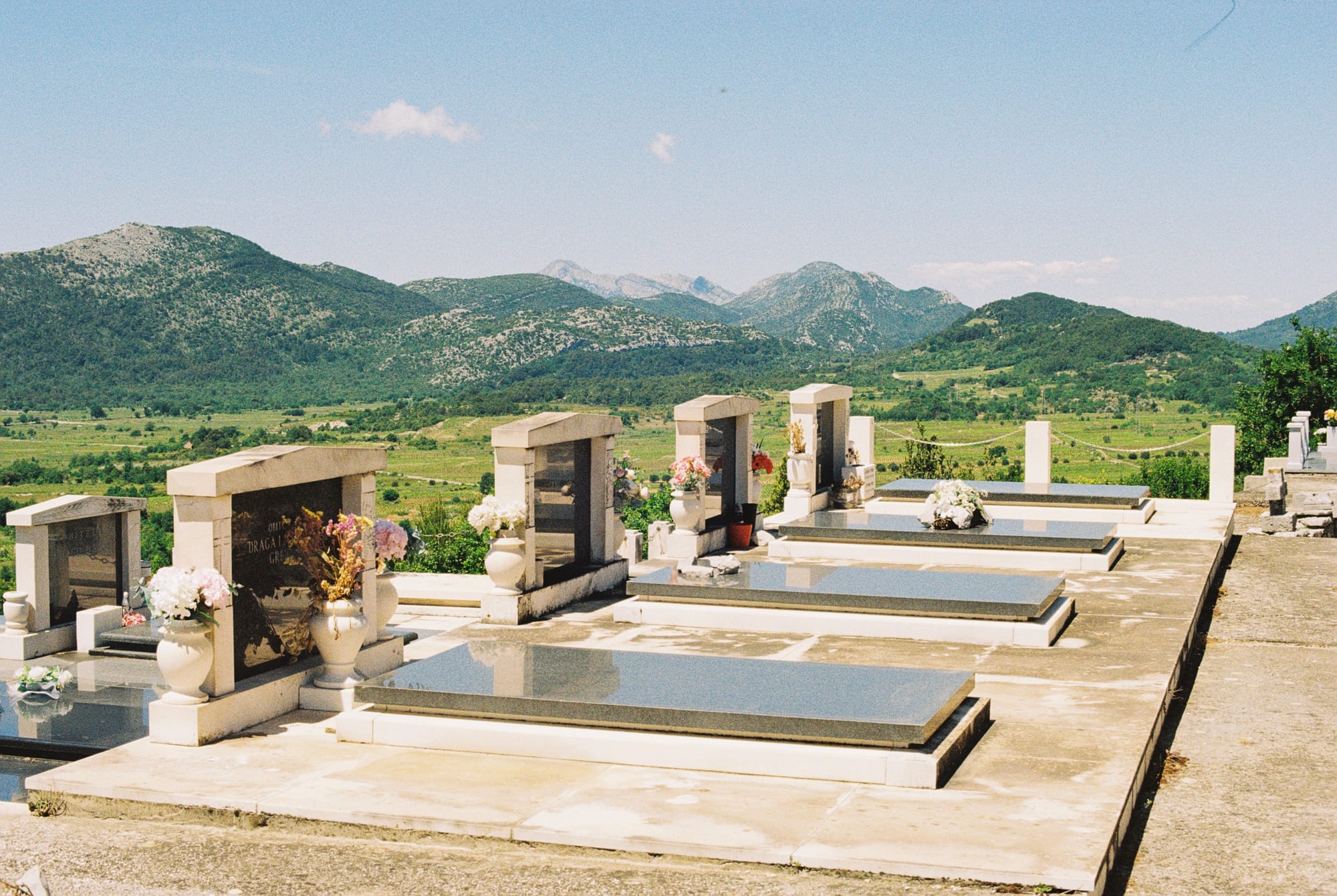
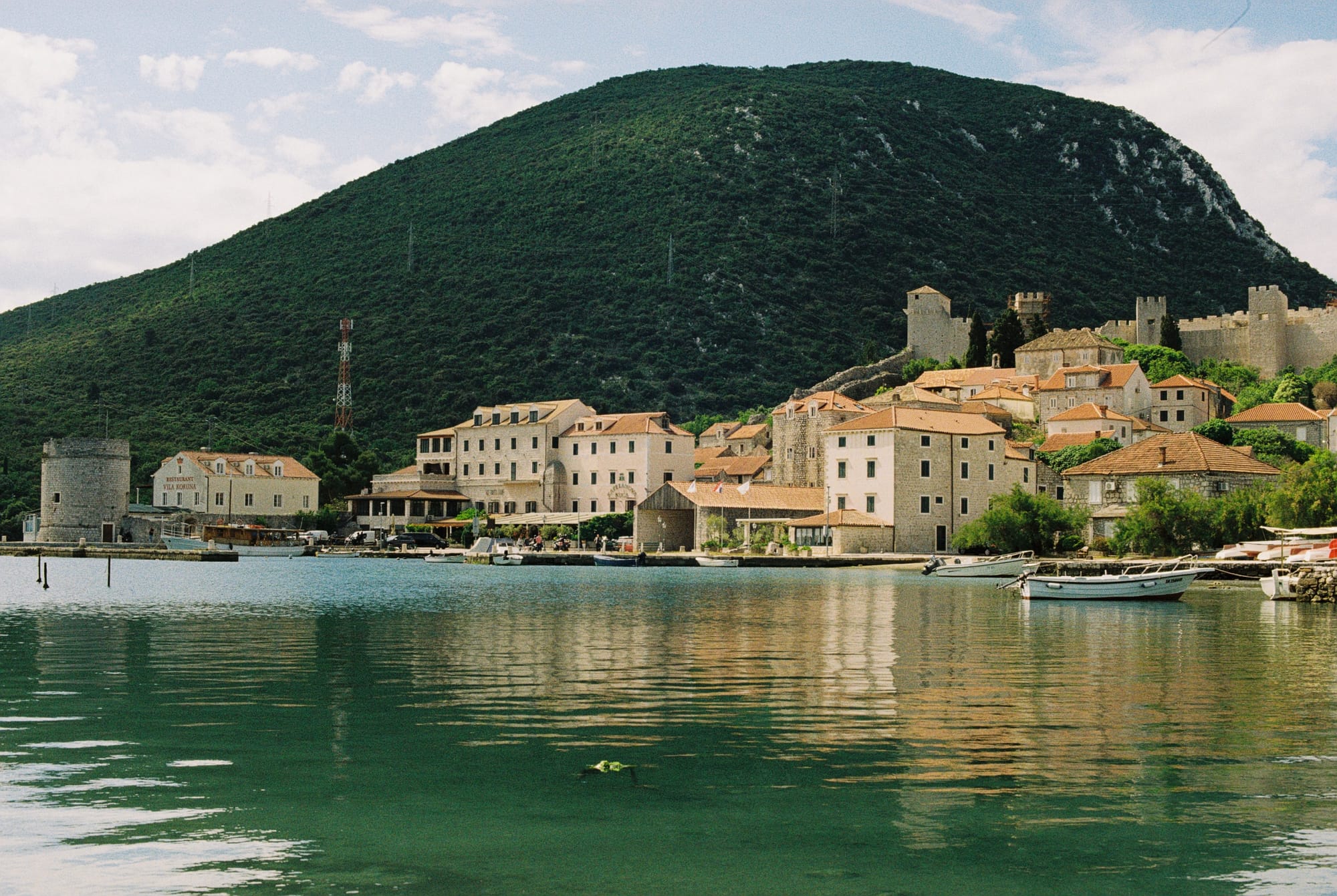
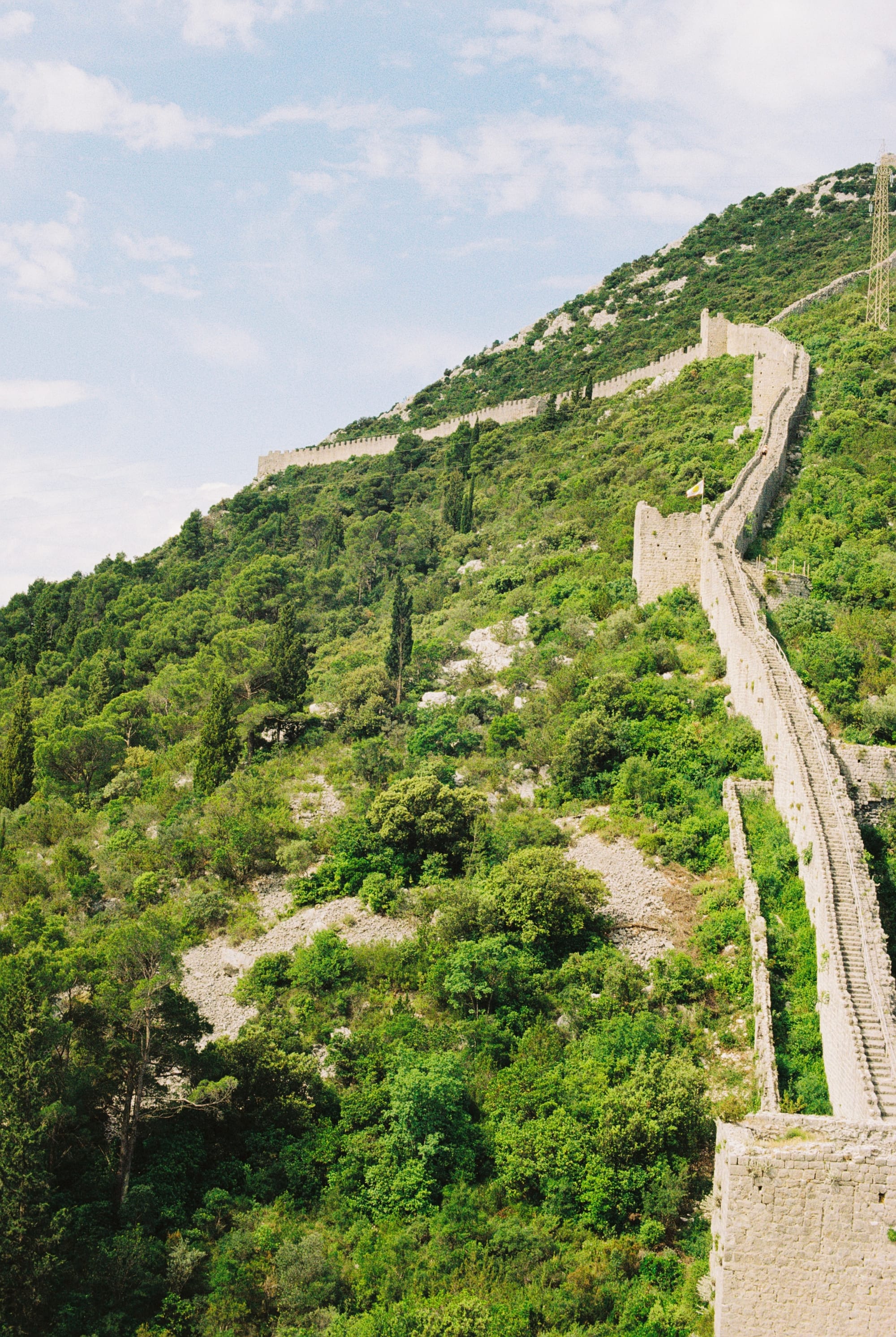
We visited the villages of Trstenik (this is the port town where Rory’s great grandpa left on a sailboat to America), Pijavicino (where the old homestead stands), Broce, and Prapratno, and we slept 2 nights in the town of Ston on the Peljesac peninsula. The Walls of Ston are the longest fortress system in Europe and we walked the medieval walls for over 5 kilometers from Ston to Mali Ston on the opposite side of the peninsula. The only bigger wall system in the world is The Great Wall of China.
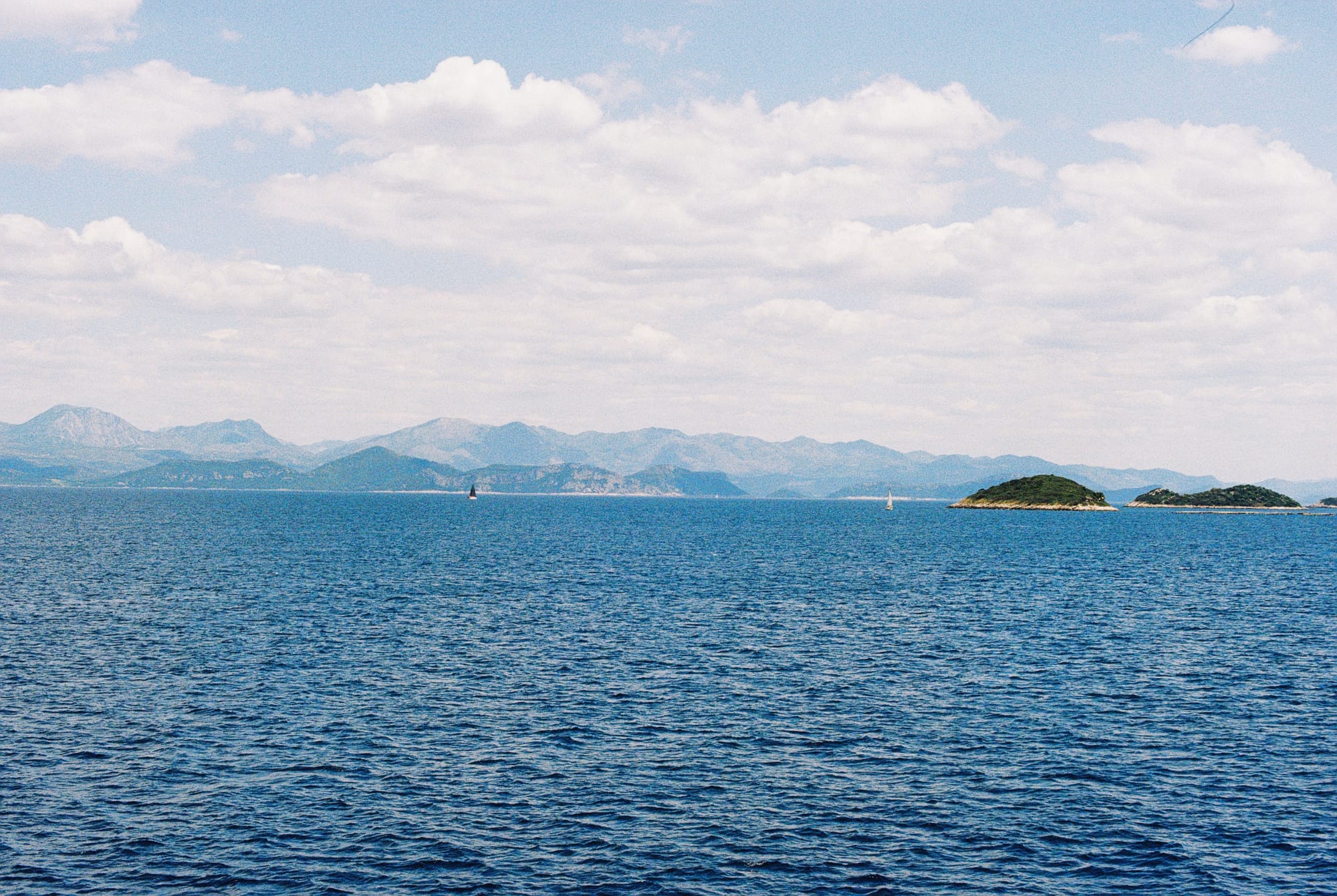
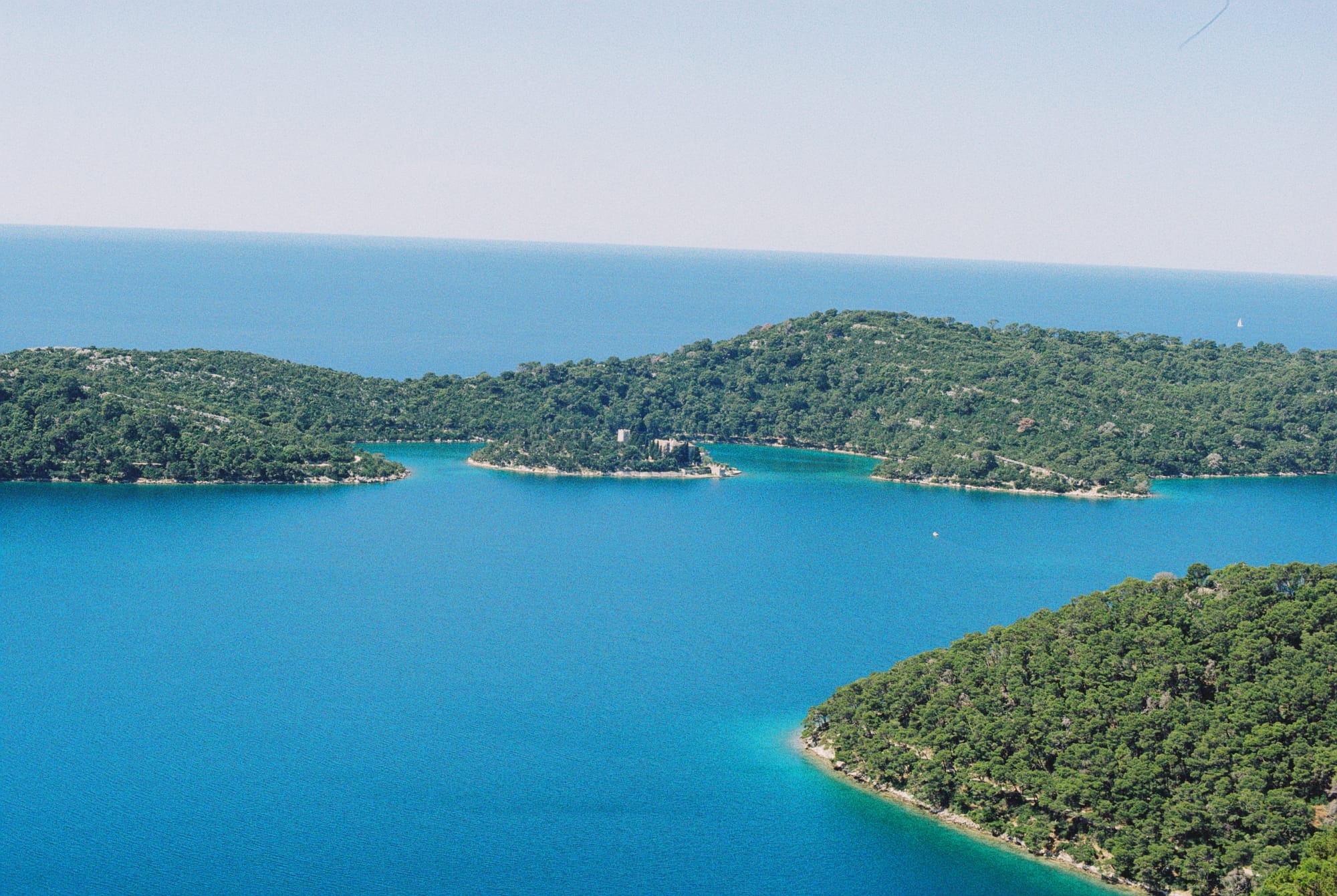
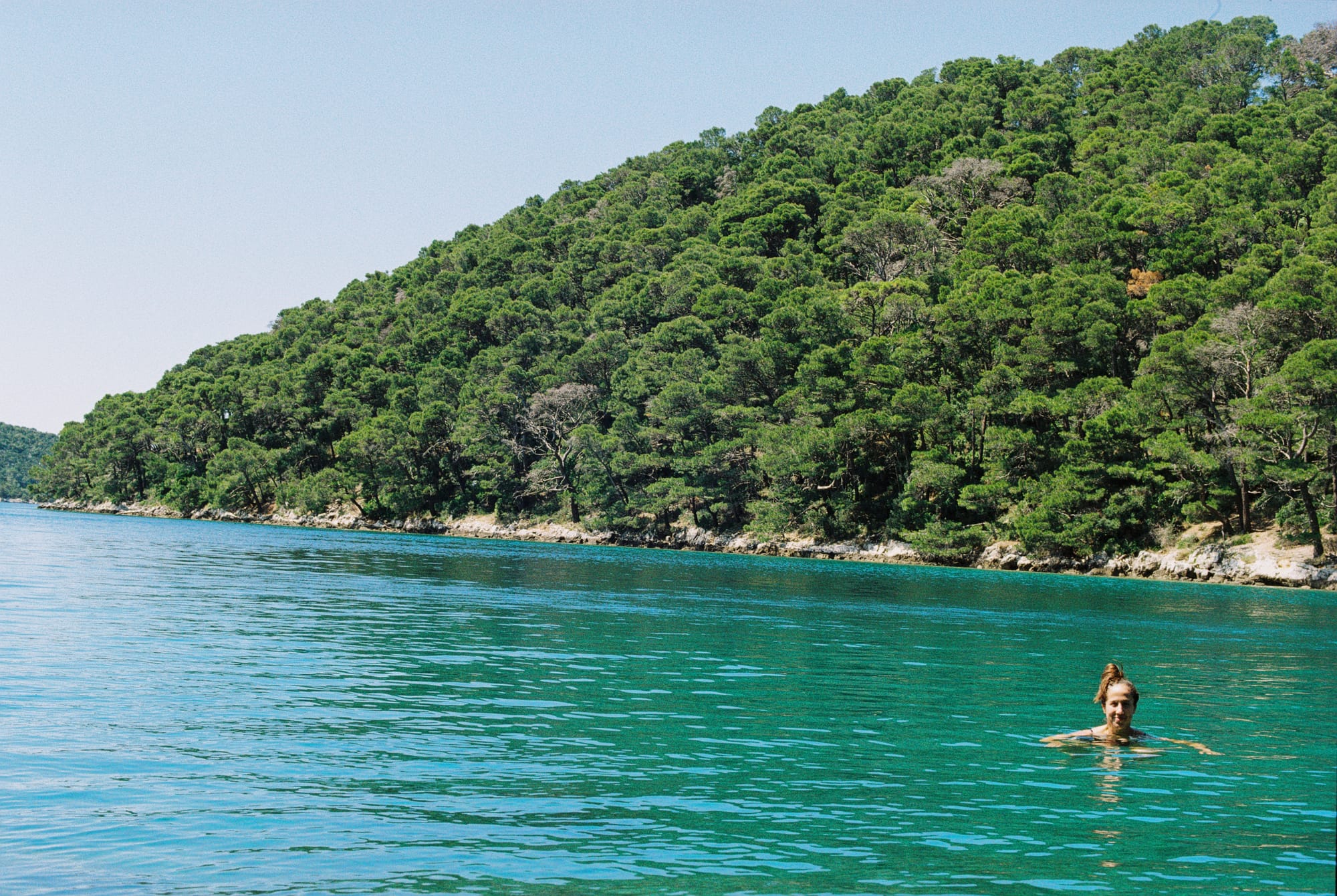
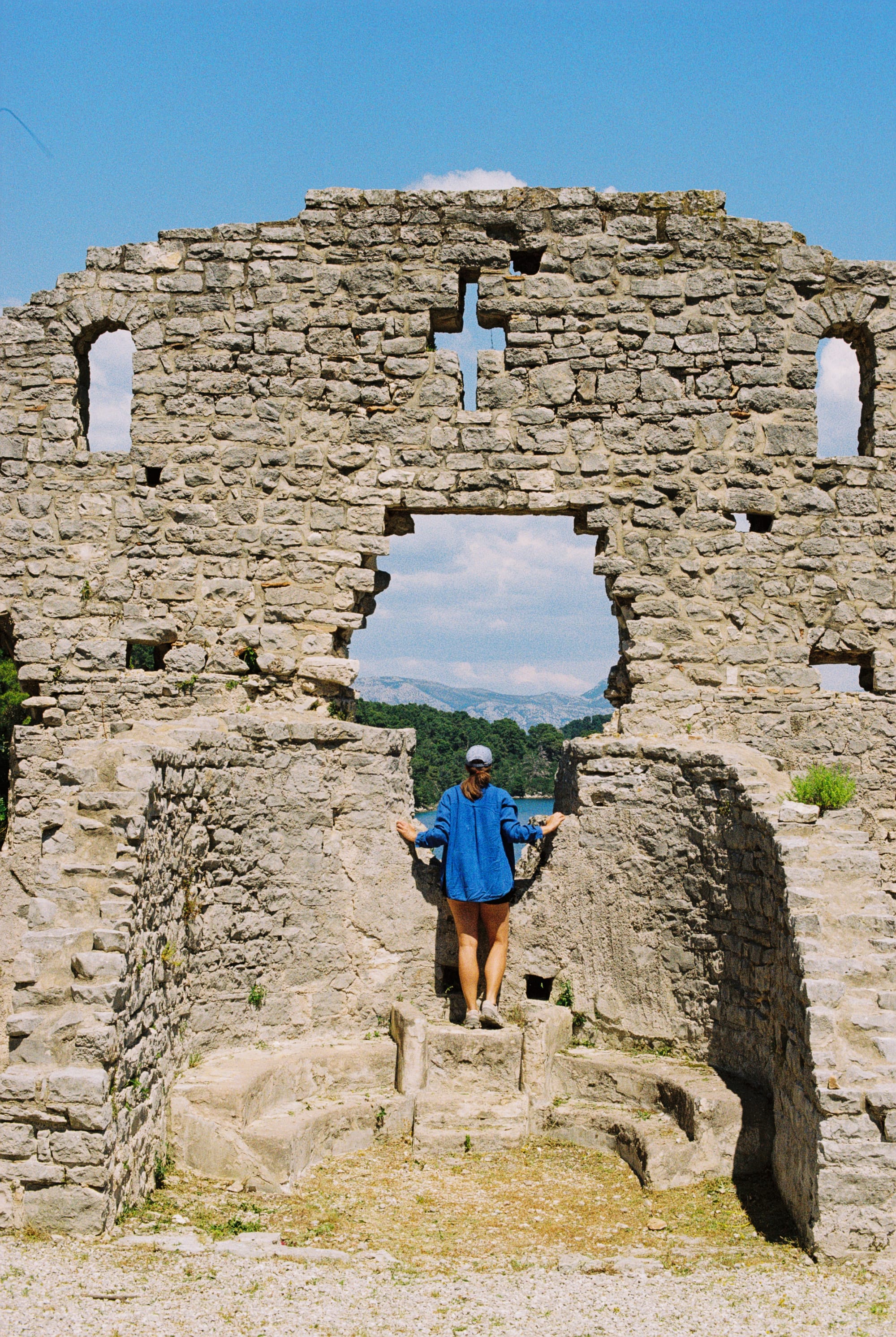
There are many islands to visit off the peninsula and we took a ferry with our car to Mljet Island which was wonderful. We hiked down to a cove called Odysseus Cave and jumped into the deep and colorful water. This is known to locals as the mythical cave where Odysseus was held by the nymph Calypso for 7 years after his shipwreck. We hiked through Mljet National park, swam in the icy lakes, and explored empty Roman ruins.
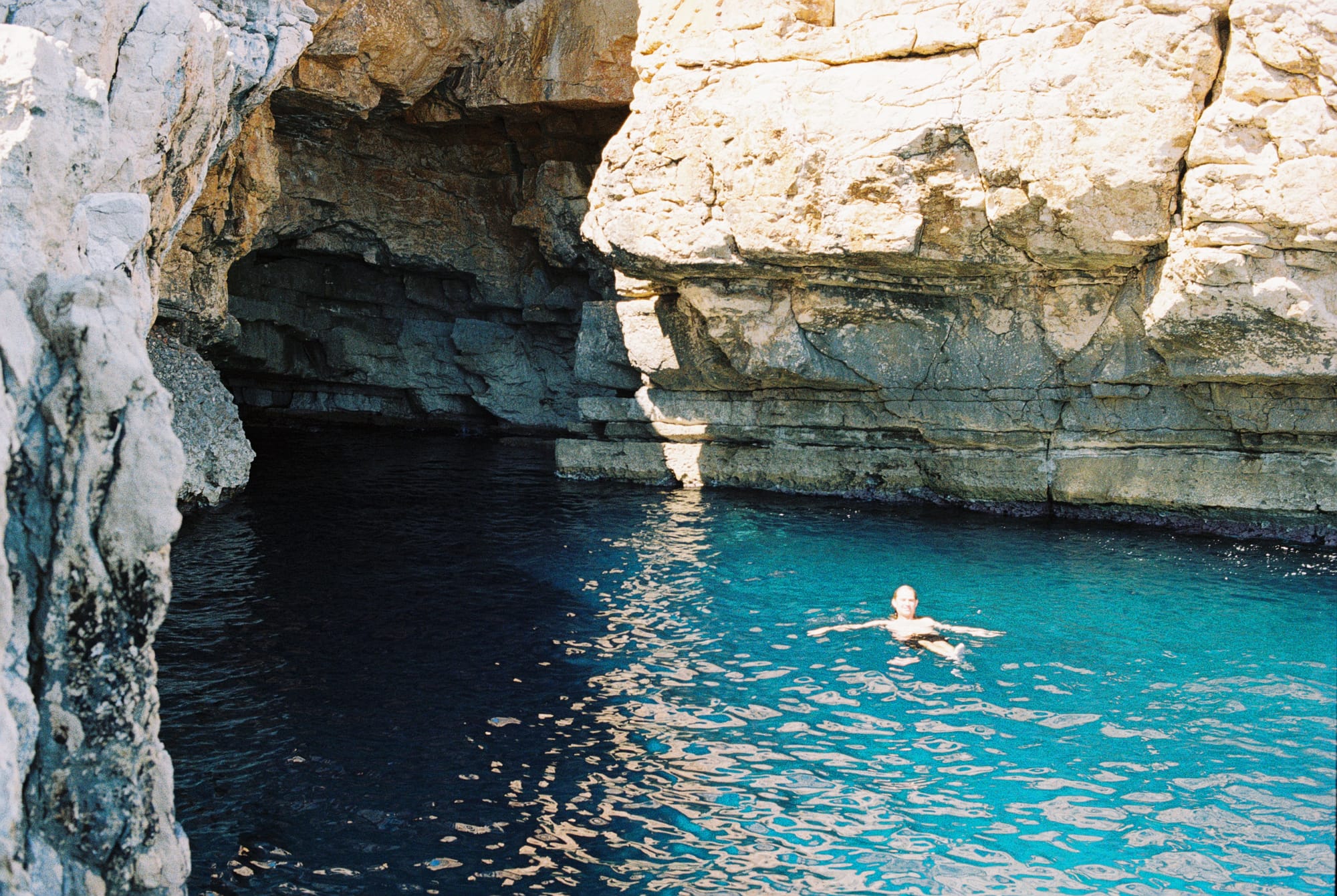
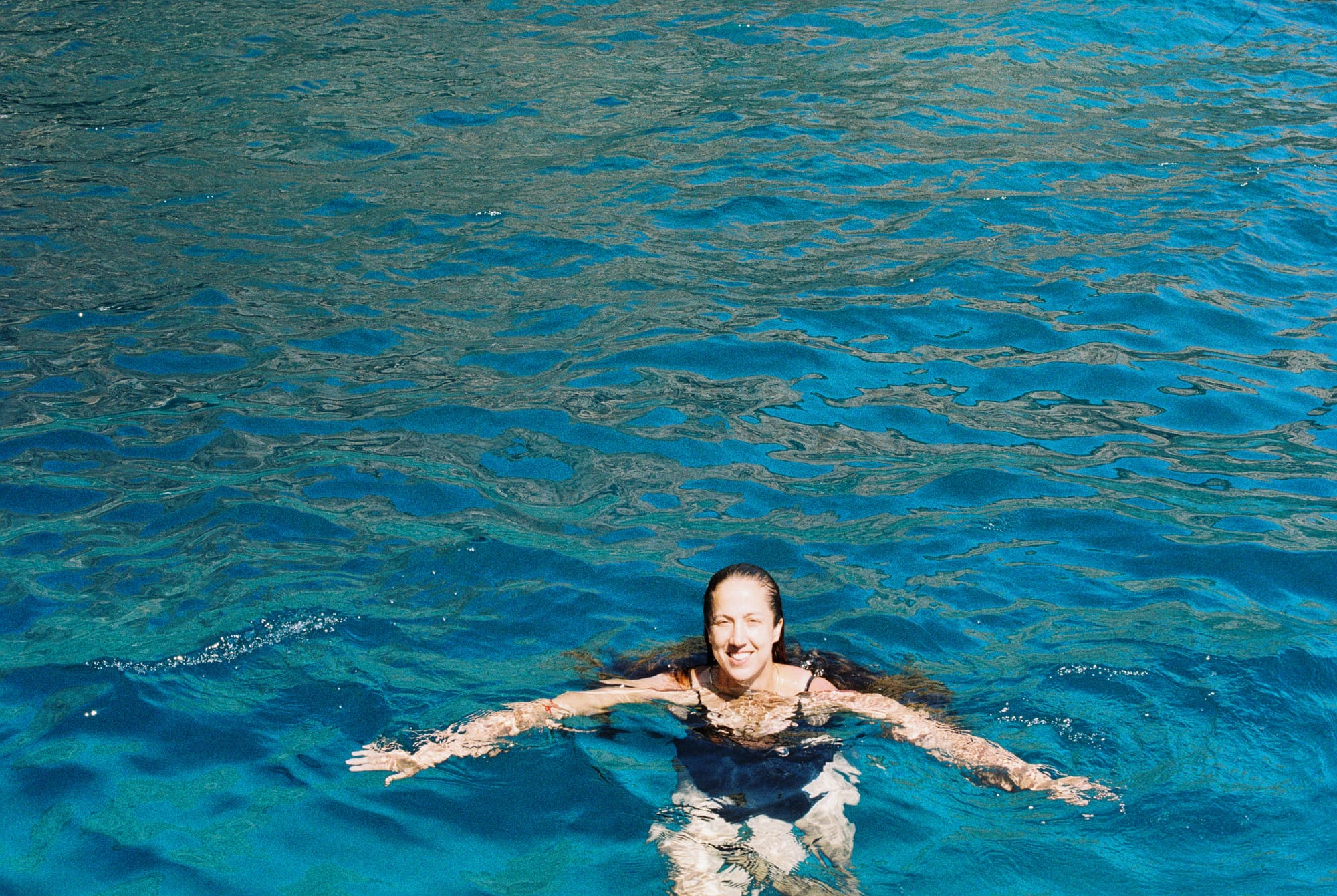
Swimming at Odysseus Cave
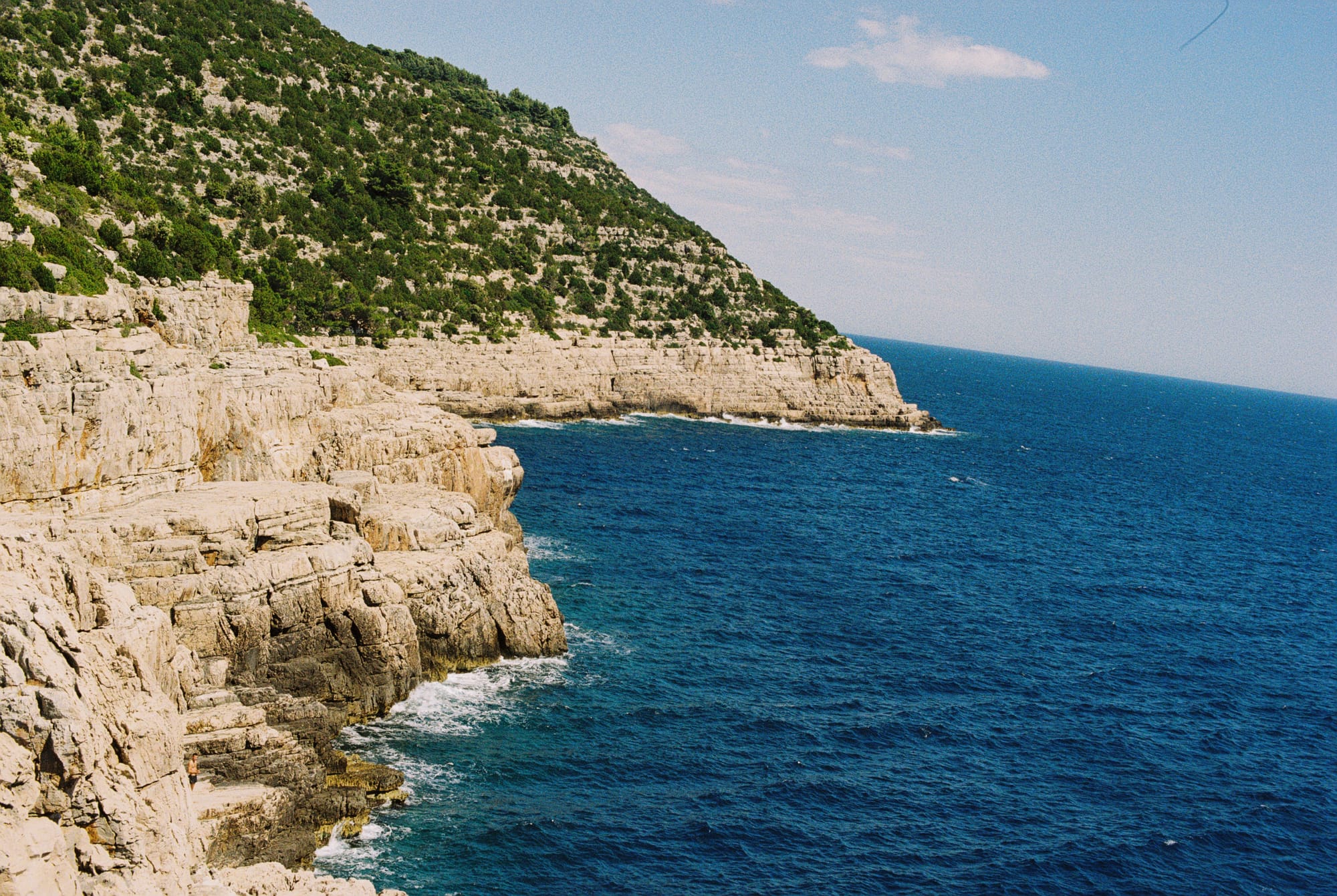
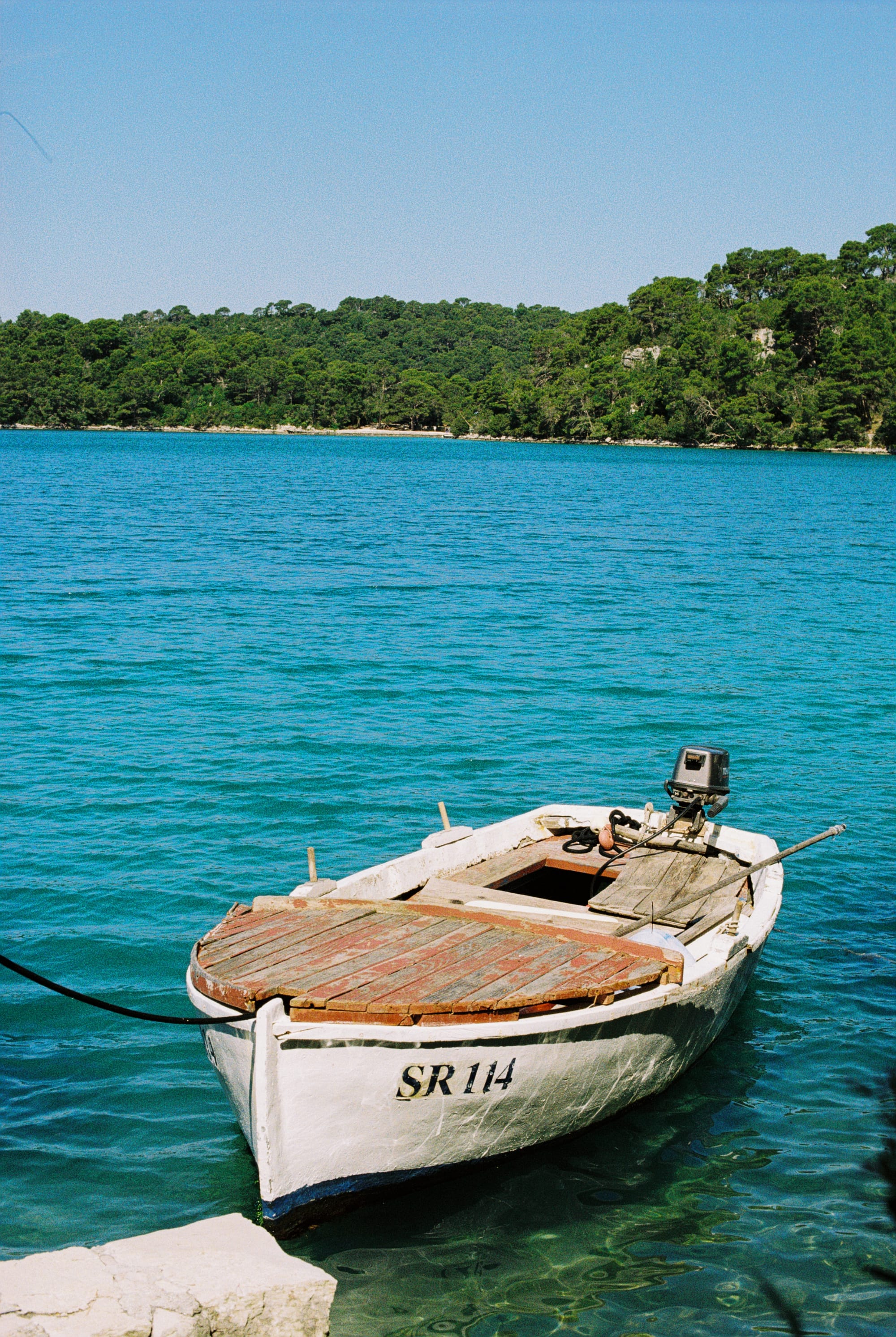
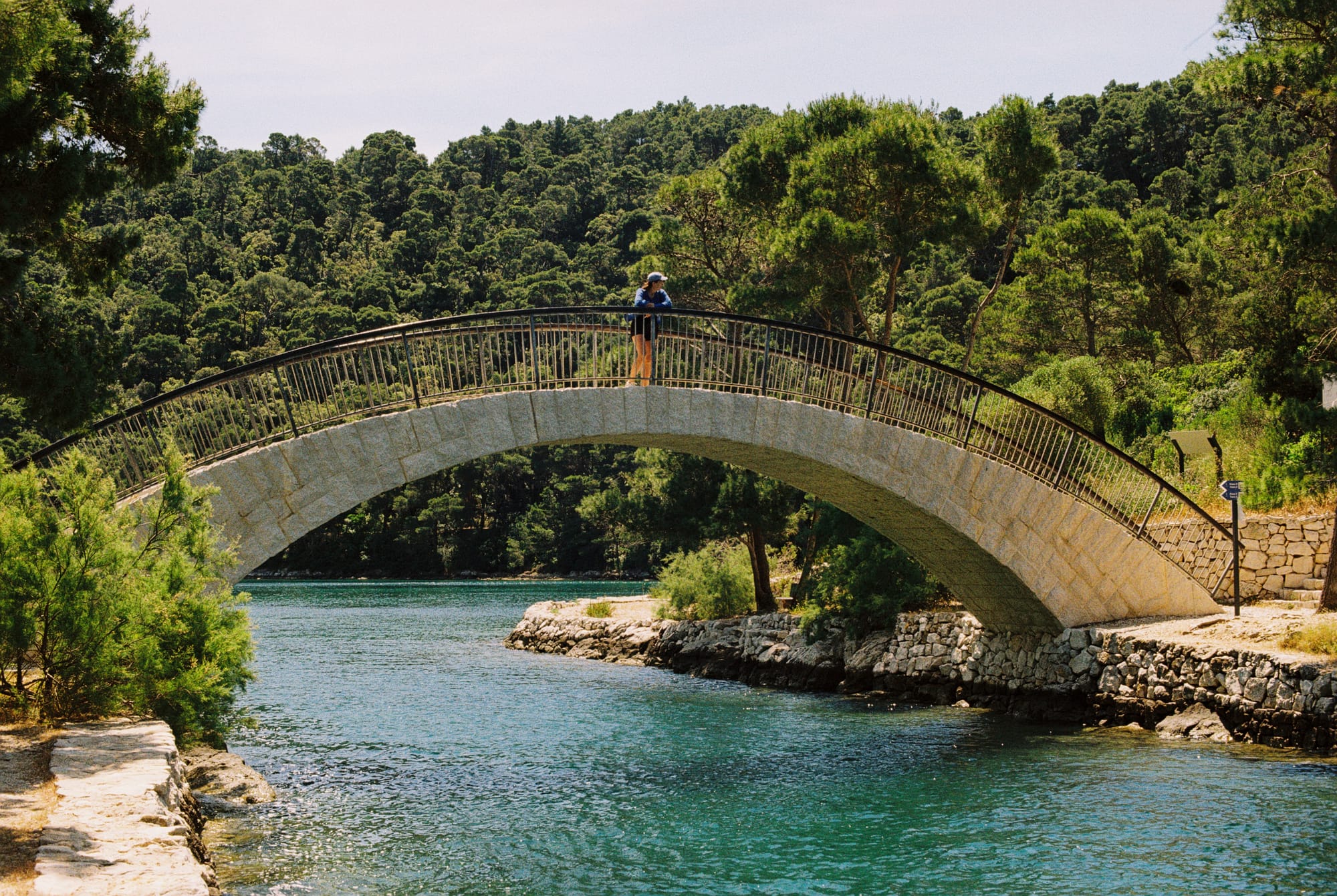
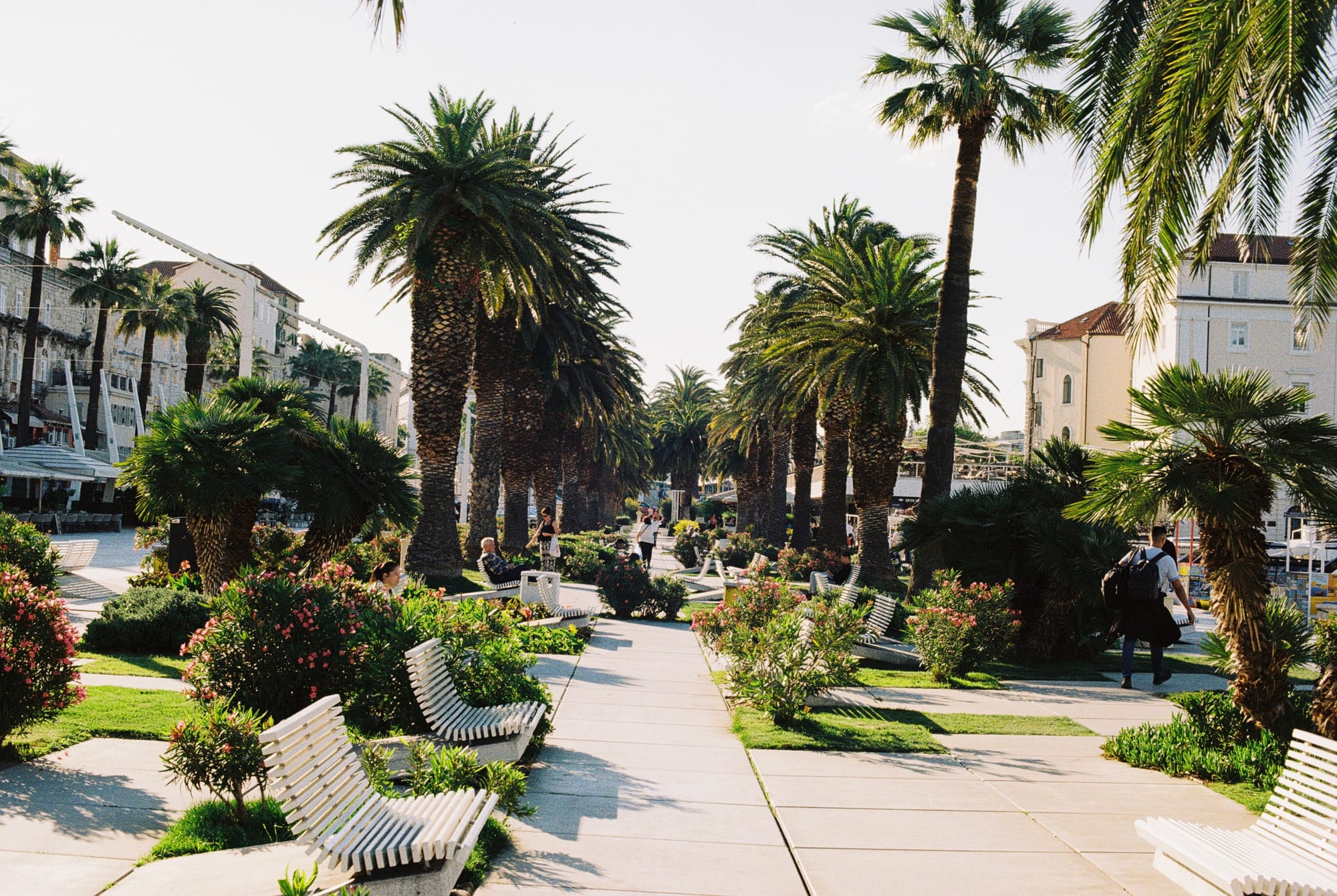
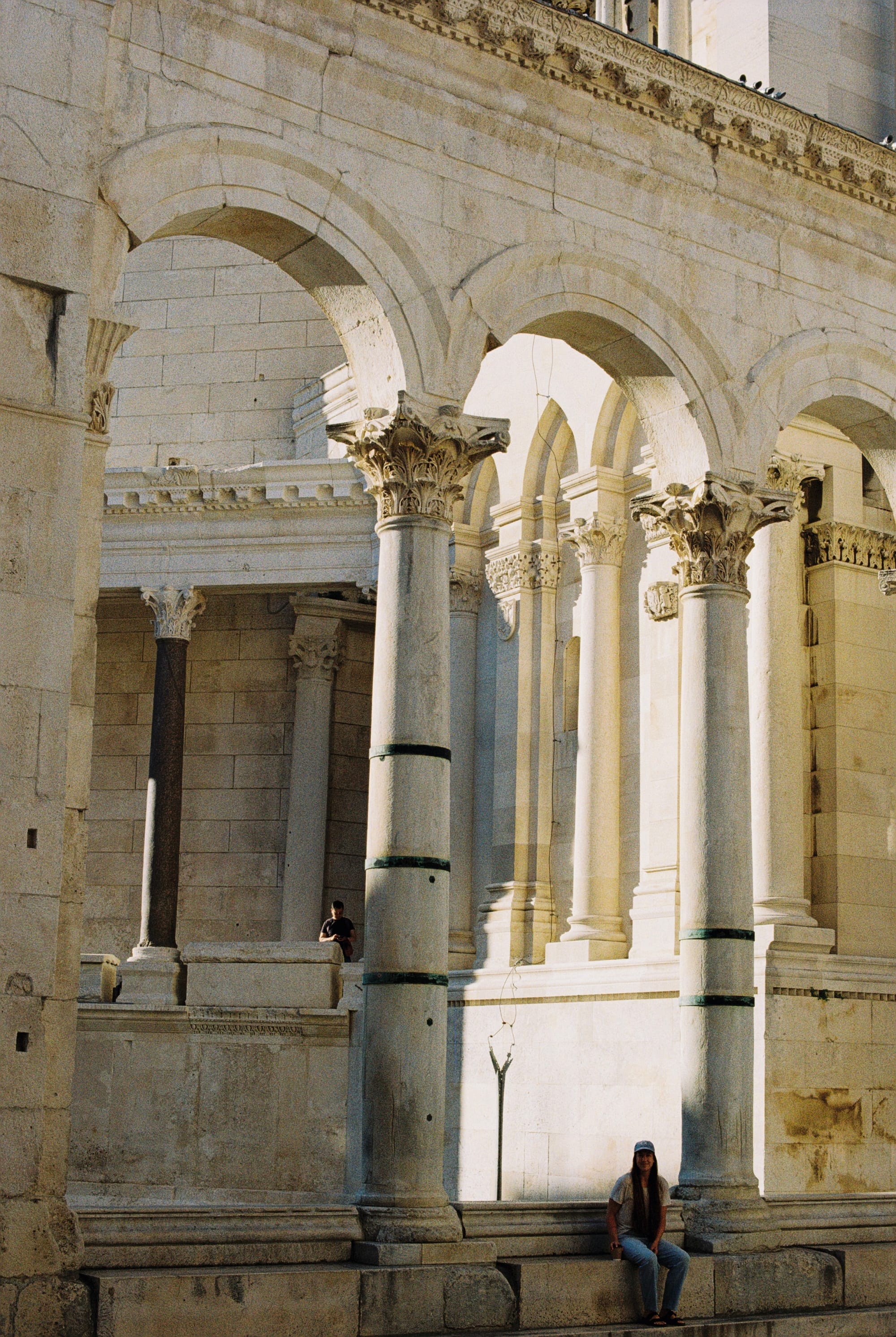
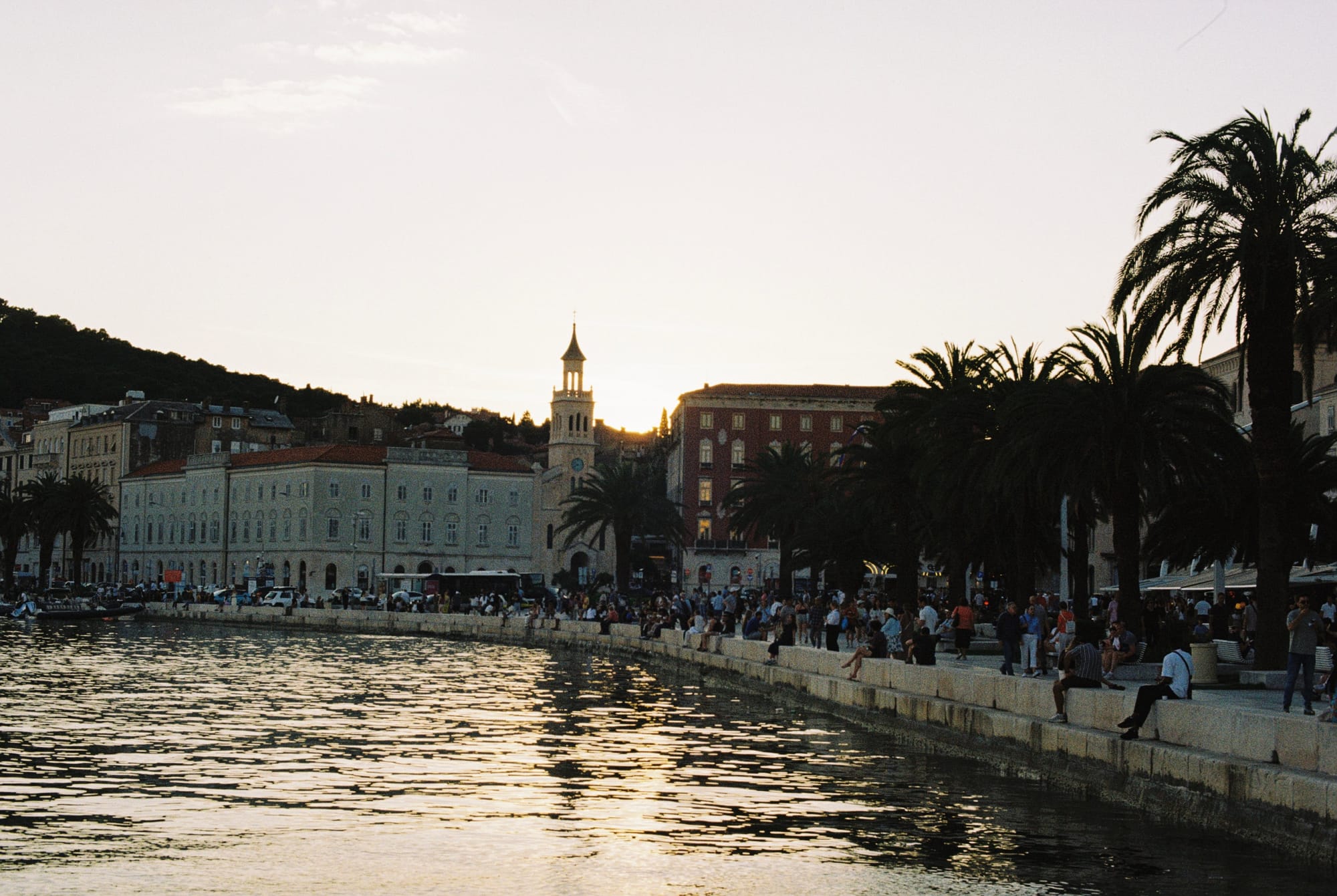
After the Peljesac peninsula, we headed North to Split, which is a big port city on the central coast. It was a really lovely place. We swam in the cold, clear water, enjoyed the beaches, walked the palm-lined streets, and got lost in the maze of limestone alleys, fish markets, and Roman ruins within the Old City.
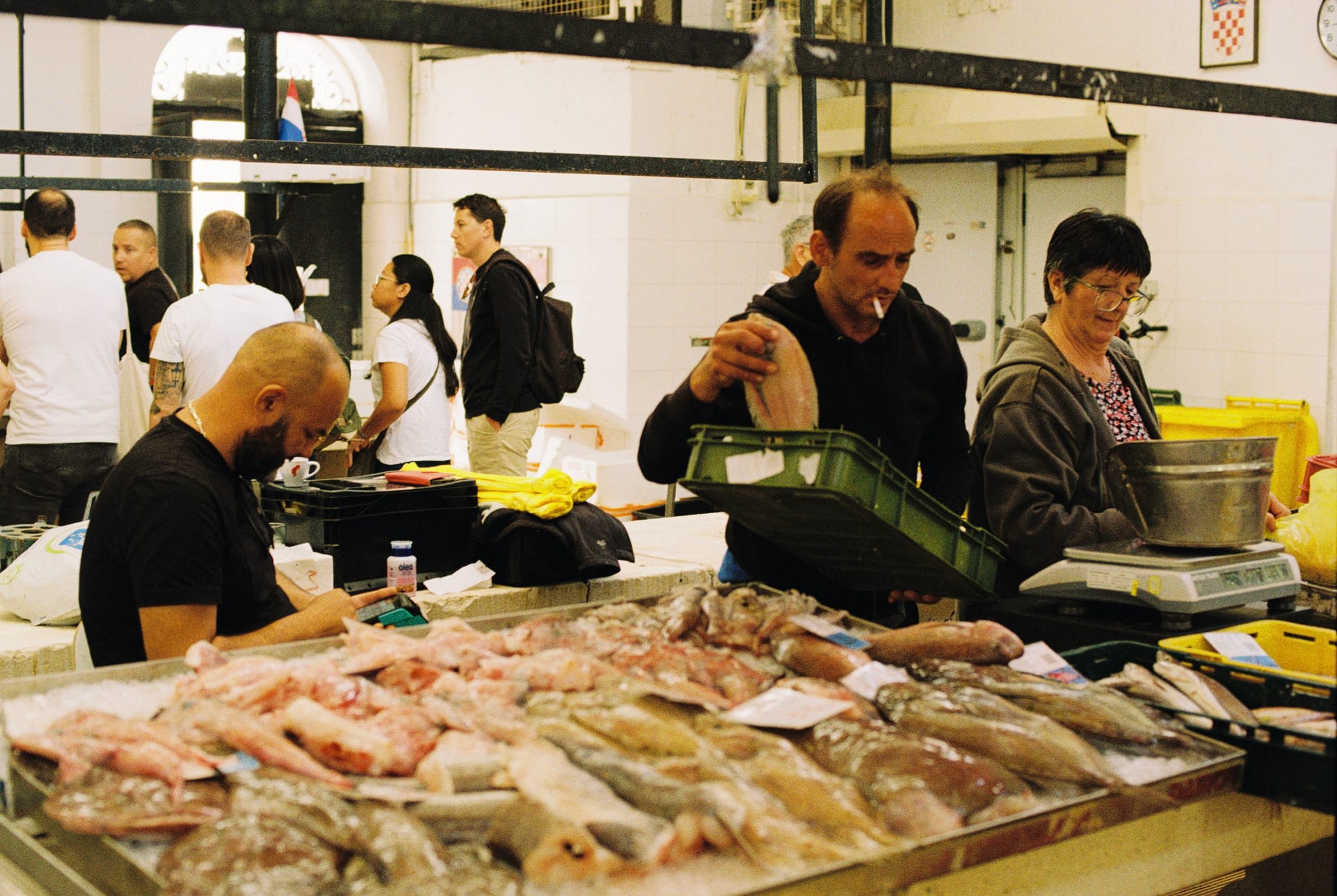
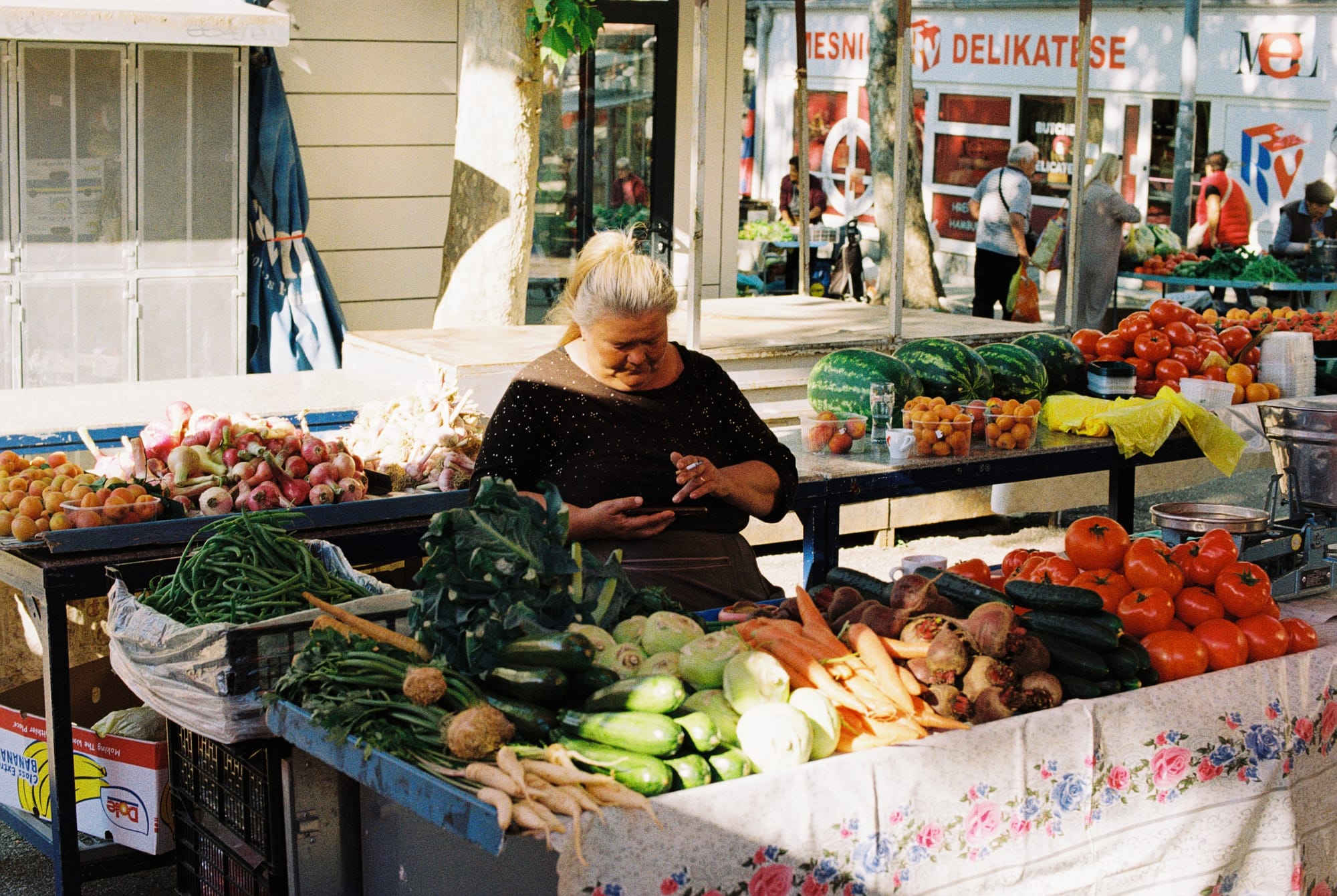
It was obligatory for vendors to smoke at the market.
From Split, we headed two hours northeast to the largest and oldest national park in Croatia- Plitvice Lakes National Park. On the way, we made a pit stop in the coastal town of Zadar to see (well, hear, really) the Sea Organ. It was a really incredible installation on the Zadar harbor. There is a stone walkway overlooking the water and underneath is a series of different pipes so with any swell the water and wind will sweep into the pipes and create constantly new melodies for the onlookers to enjoy.
The sea organ in Zadar (this video needs sound)
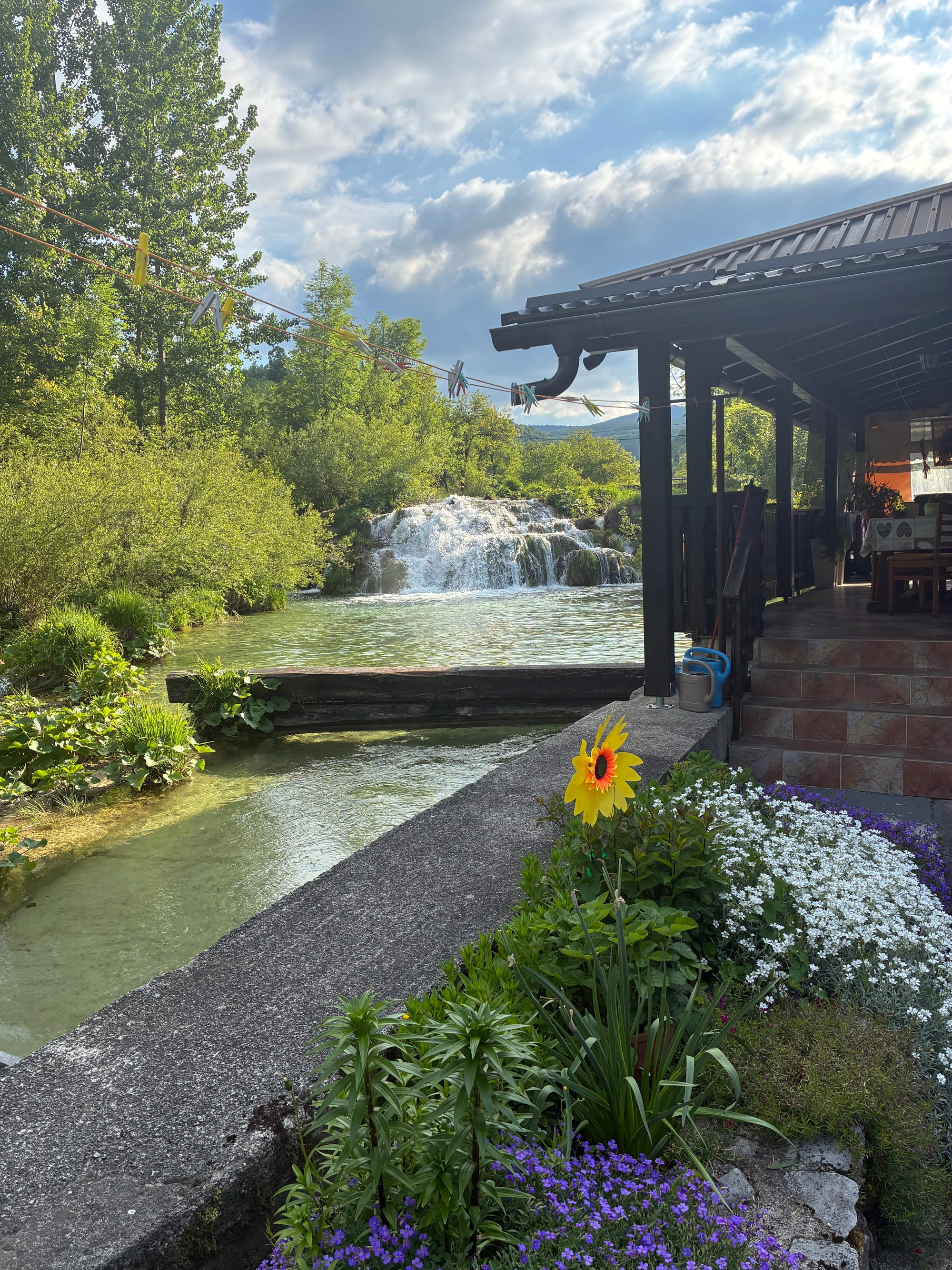
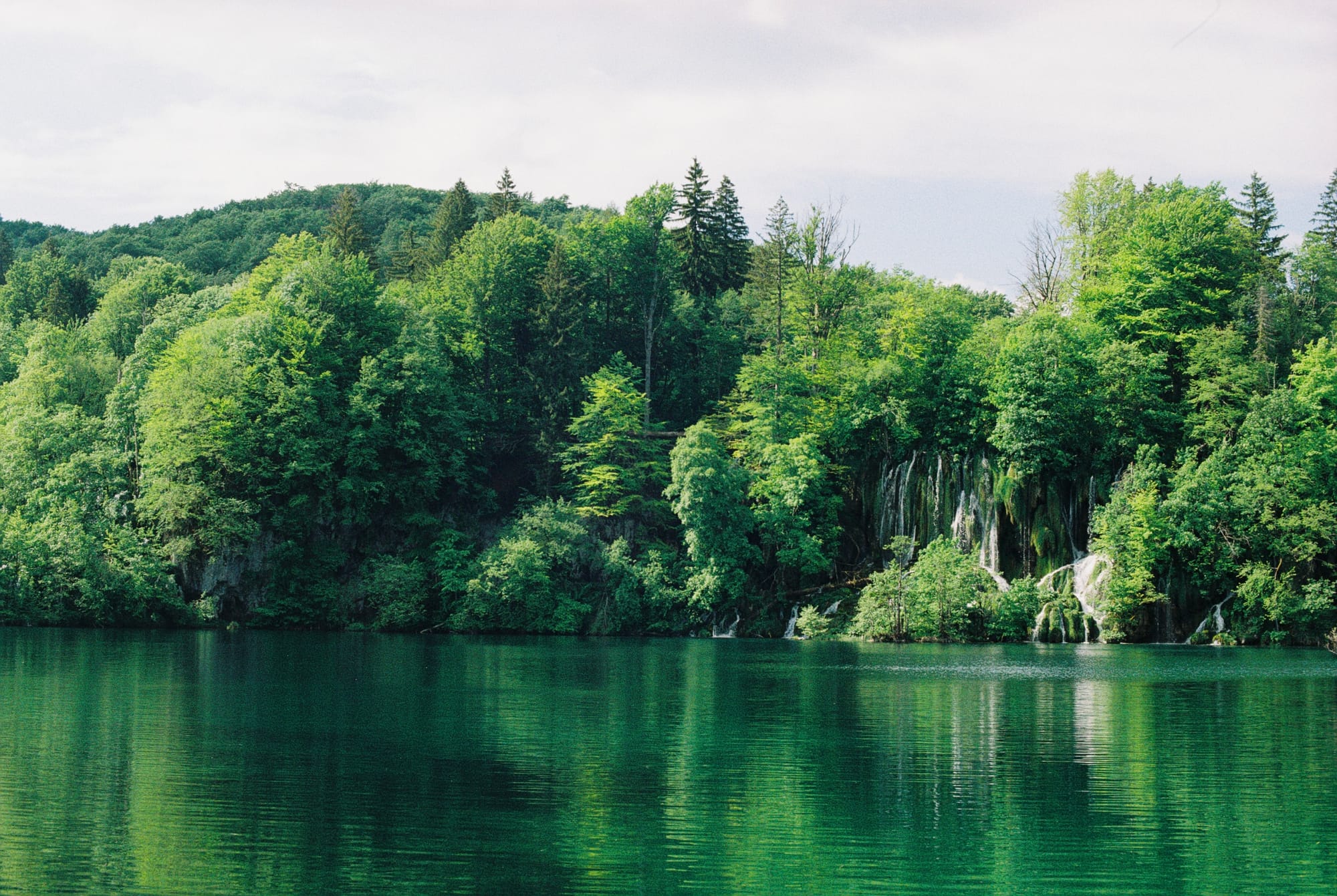
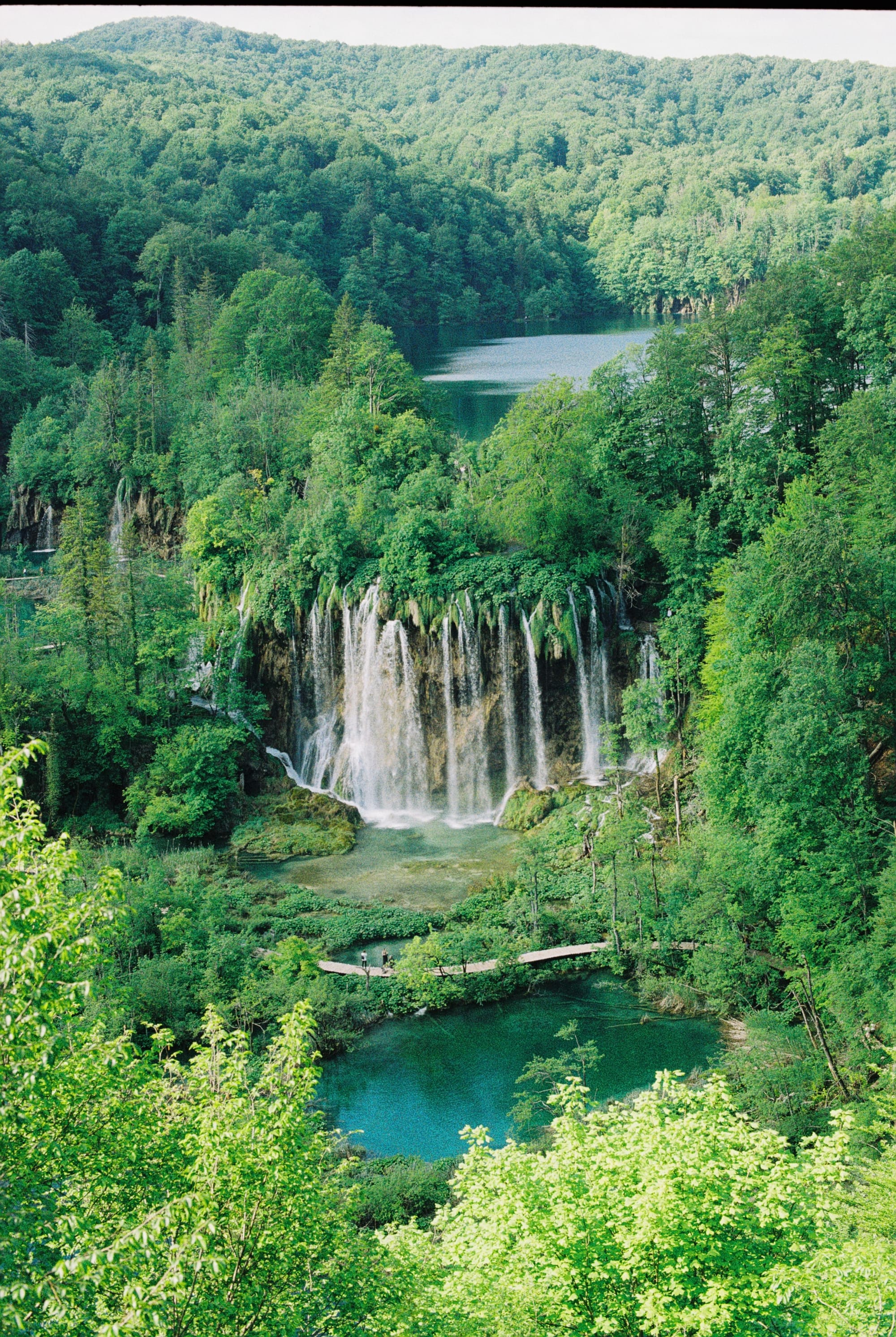
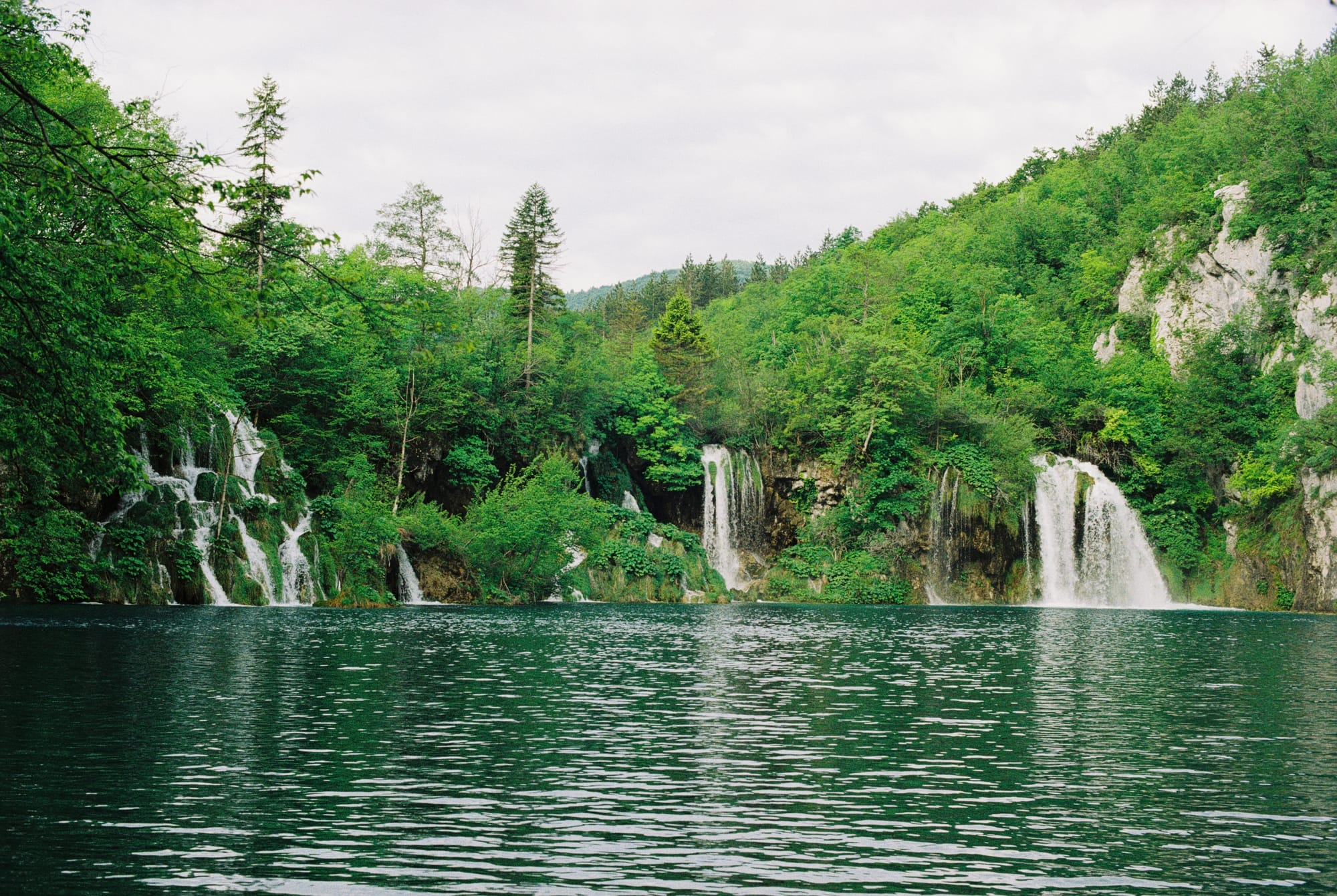
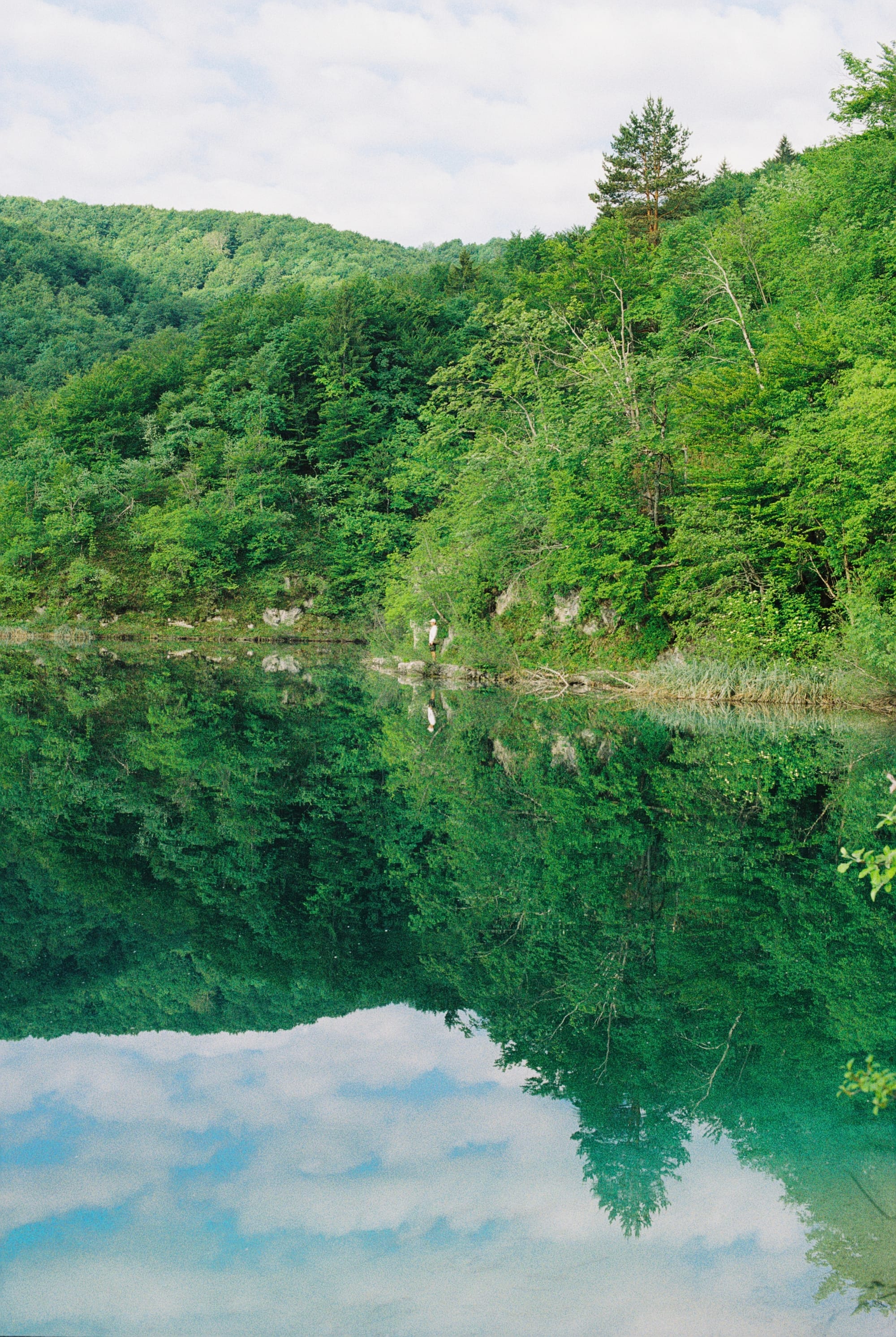
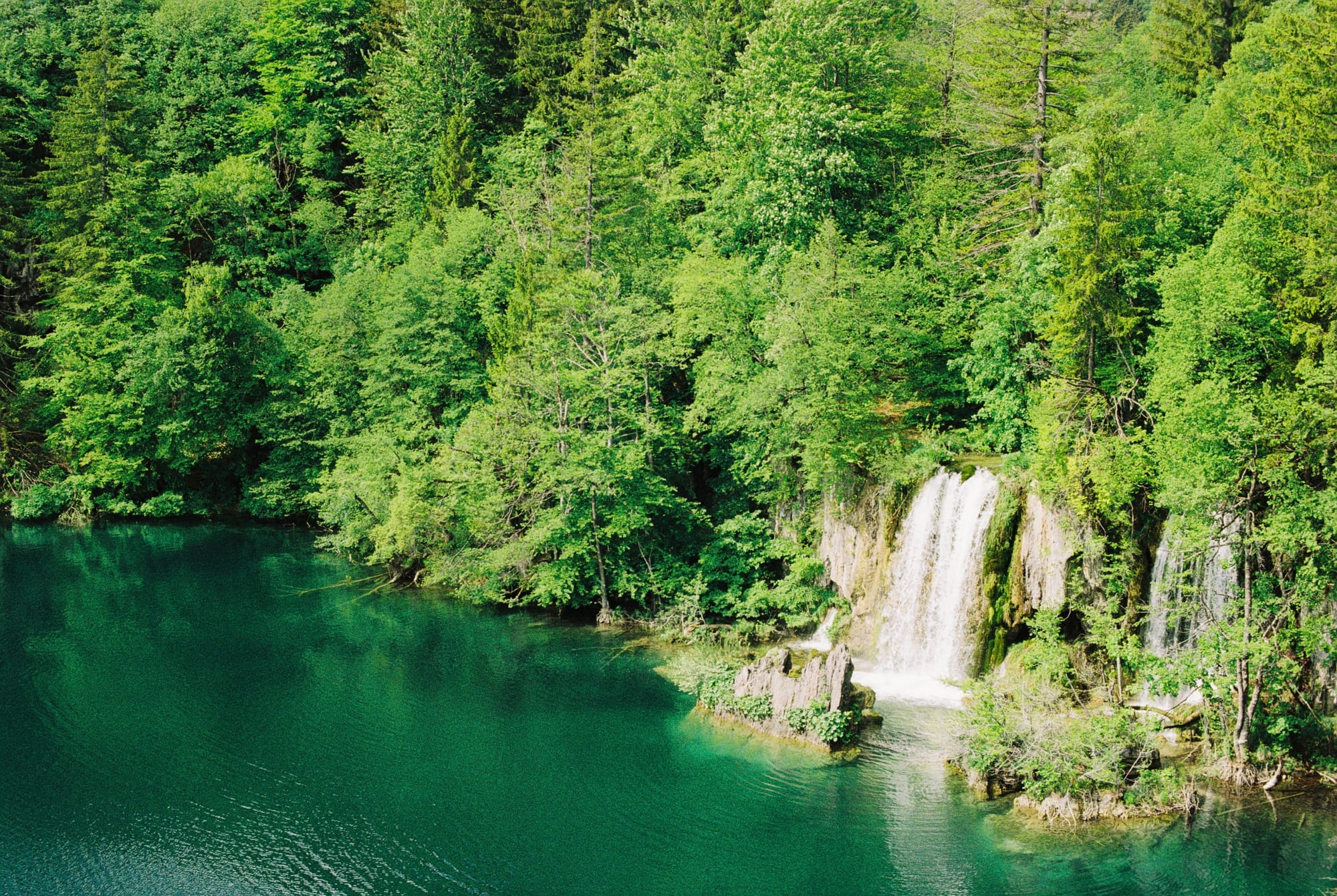
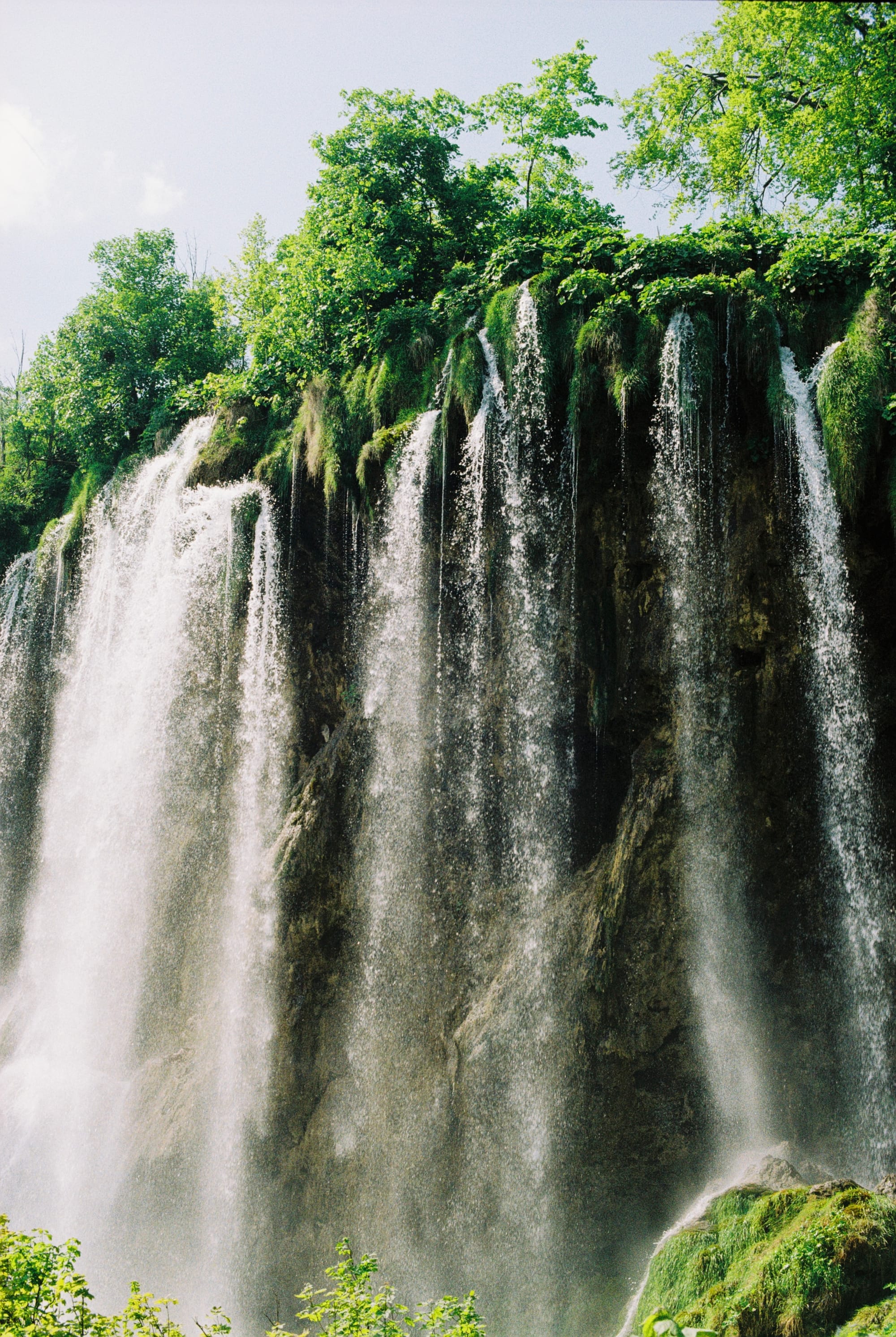
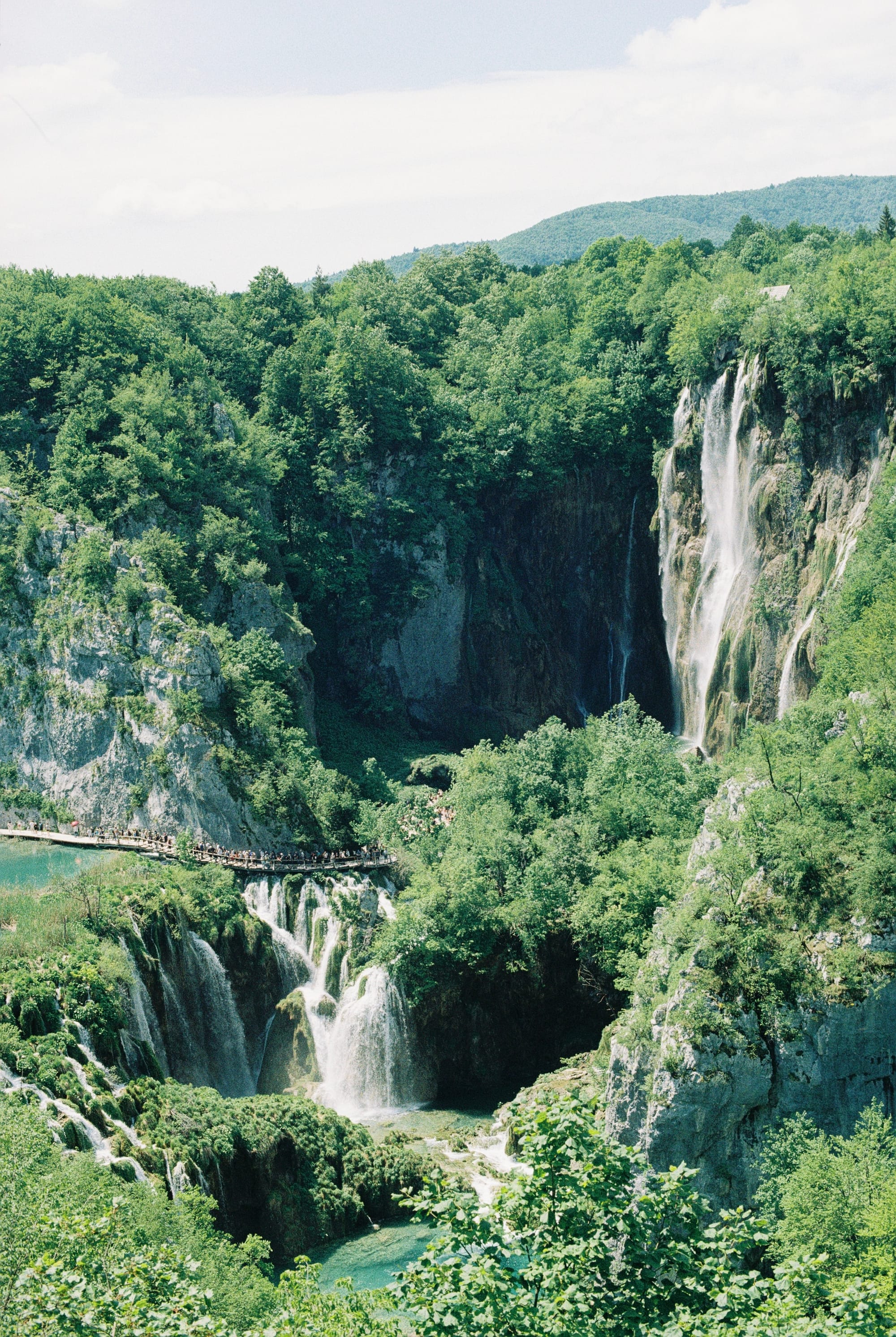
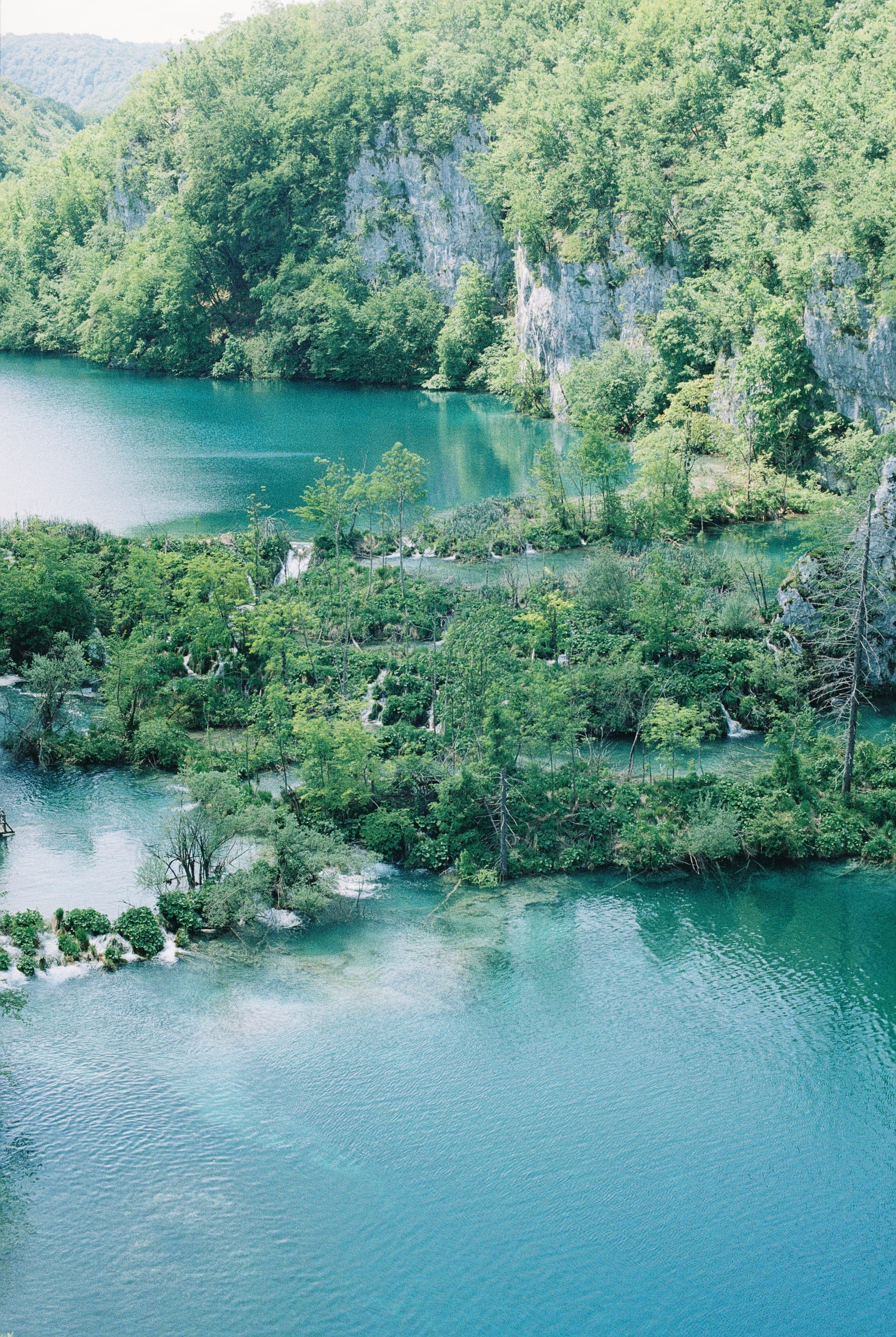
We spent two nights close to the national park in a town called Korana in probably the most scenic Airbnb that we’ve ever experienced with a waterfall and old grain mill in the backyard. Plitvice Lakes was unbelievable- you do not often see these colors in nature. The lakes formed from a process of rivers dissolving limestone over time, carving out basins where the lakes sit and then depositing the dissolved limestone that slowly built up into dams. These hanging valleys have cascading waterfalls between the lakes over chalk-white cliffs. There are 16 lakes in the national park and we took a trail that circumnavigated all of them.
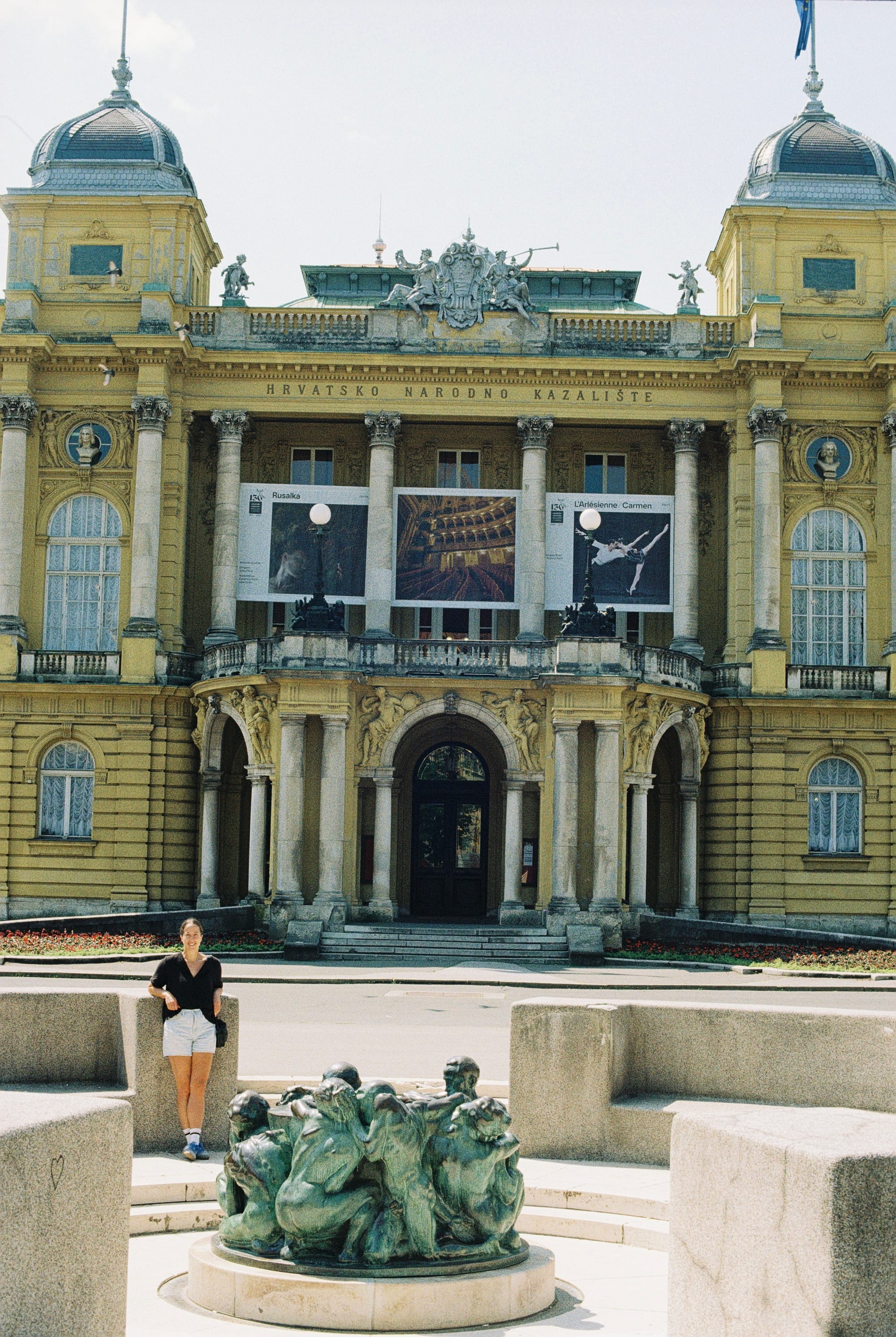
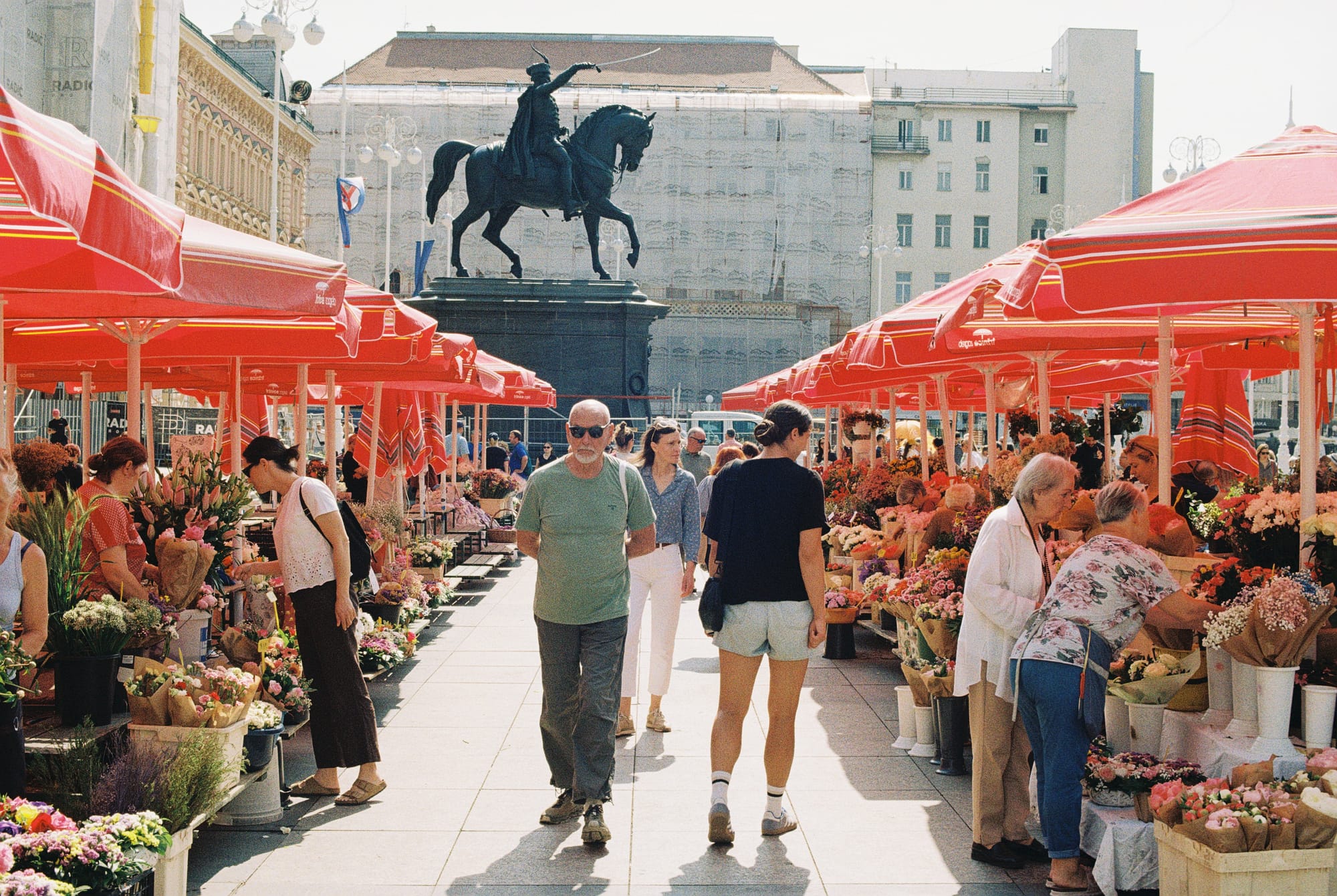
We spent our last few days in the capital city of Zagreb, which was very lovely. It was nearly June and hot so we enjoyed finding cafes and breweries to pop into and cool off between walks around the old town and hip neighborhoods.
Croatia has been our favorite country so far on our Euro tour. Even the “touristy” locations here are tame compared to the masses in Italy or France and it didn’t take much time or effort to find ourselves alone at Odysseus Cave or on the back side of a national park watching turquoise water tumble over limestone faces.
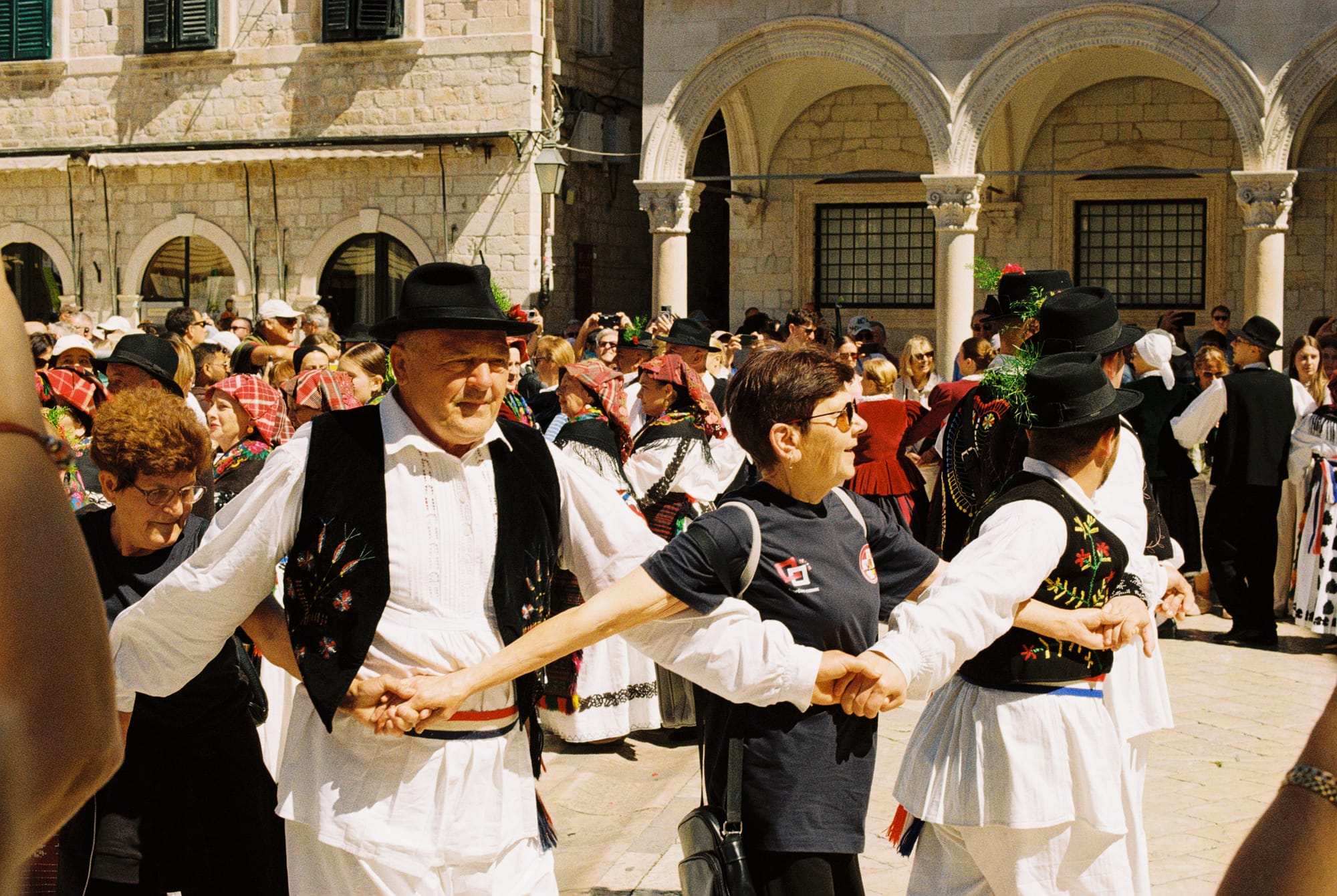
Croatia is rich in history, and not just ancient history with its countless Roman ruins and artifacts, but also more recent history like their War of Independence in the 90s. The Croatians are proud, warm, talkative, and hospitable. They will crack open an Ozjusko at 10 am and recall their dad fighting in the war, or tell you how to catch octopus in a trap, or explain which neighborhood makes the best burek. The tides and seasons and harvests are deeply rooted in daily life and their national pride is not just spoken, but felt. It must have been a very difficult place for Ivo Ruskovich to leave at 17.